 Cykeo RFID IoT Solution Products R&D Manufacturer
A Fixed RFID Reader That Actually Fits a Hospital Parking System
238using a fixed RFID reader in a hospital parking system, with real integration notes on APIs, SDKs, and vehicle access control.
MoreAll RFID Product
RFID and healthcare systems use ultra high frequency identification technology to track medical consumables, surgical tools, and hospital inventory in real time, helping hospitals reduce stock errors, improve traceability, and complete inventory checks within seconds instead of hours.
Hospitals rarely struggle because they lack supplies. The real problem is visibility.
Three months ago, during a hospital RFID deployment review, one operating room supervisor admitted something quietly while standing beside a consumables cabinet: “We always discover missing items after surgery, never before.” That sentence explained why RFID adoption in healthcare keeps accelerating worldwide.
At Cykeo, we have spent years working with UHF RFID medical management environments, especially for consumables cabinets, operating room inventory tracking, and high-frequency medical supply circulation. The biggest change RFID brings is not speed alone. It is accountability.
Healthcare environments generate thousands of inventory movements every day. Syringes, implants, surgical packs, catheters, testing reagents — each item has expiration dates, supplier records, usage logs, and compliance requirements.
Traditional barcode workflows depend on human action. RFID removes most of that friction.
A modern UHF RFID healthcare cabinet can automatically identify 250–500 medical consumables with 99.9% reading accuracy in under 5 seconds. That changes how hospitals manage inventory entirely.
According to the official GS1 healthcare initiative, RFID technology significantly improves supply chain visibility and traceability in hospitals and pharmaceutical logistics.
Meanwhile, a study published by the U.S. National Library of Medicine found RFID systems reduced medical inventory management time while improving asset tracking reliability in clinical environments.
The numbers matter. But the workflow change matters more.
Cykeo developed its ultra high frequency RFID medical consumables cabinet specifically for surgical rooms, intervention centers, smart pharmacies, and hospital storage departments.
| Function | Practical Result |
|---|
| Real-time RFID sensing | Automatic identification during item storage or retrieval |
| One-item-one-code management | Full lifecycle traceability |
| 5-second inventory counting | Reduces manual stock audits |
| 99.9% recognition accuracy | Minimizes missing inventory events |
| UHF RFID batch reading | Reads hundreds of tagged items simultaneously |
| Smart inventory records | Tracks user operations and stock movement |
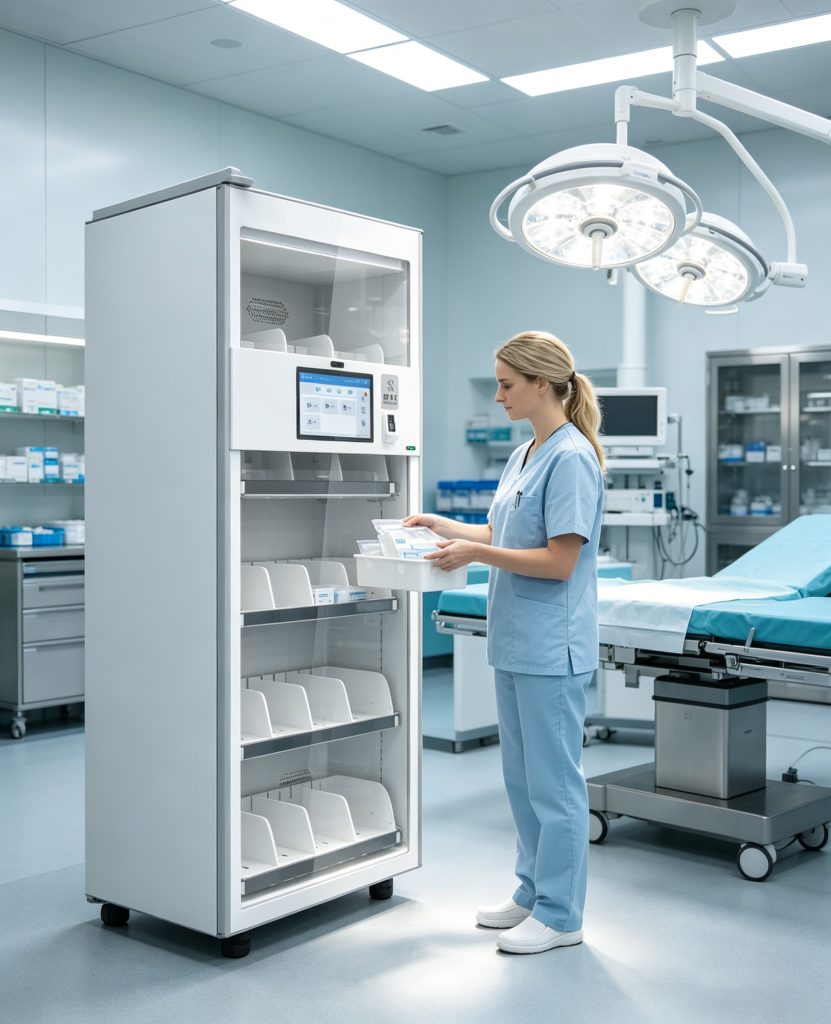
In one deployment environment, nurses previously spent nearly 90 minutes every shift checking high-value consumables manually. After RFID cabinet deployment, the process dropped below 10 minutes, mainly because the cabinet continuously maintained live inventory status.
No clipboards. No recounting. No overnight reconciliation sheets taped beside shelves.
Many RFID articles online make hospital tracking sound effortless. It is not.
Metal instruments interfere with RF signals. Liquids absorb energy. Dense packaging creates reflection problems. Surgical environments also change constantly — carts move, doors open, personnel crowd storage zones.
This is where UHF antenna design becomes more important than marketing claims.
Cykeo healthcare cabinets use optimized UHF reading structures to reduce cross-reading and improve tag stability inside dense medical storage spaces. In practical testing, antenna positioning mattered more than raw transmission power.
That surprises many buyers.
Increasing RF power blindly usually creates more interference, not better healthcare tracking.
According to a report from Deloitte, hospitals continue investing in automation technologies because labor shortages and inventory inefficiencies are driving operational costs upward globally.
Healthcare RFID is no longer experimental infrastructure. It is operational infrastructure.
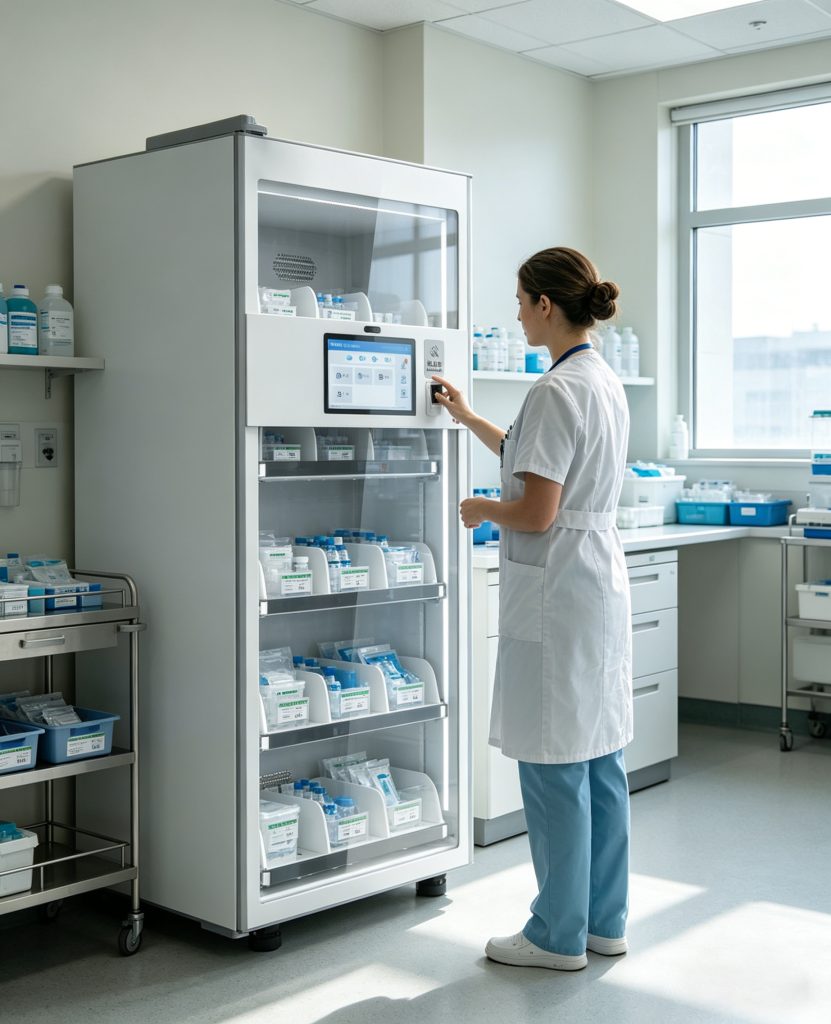
Low-frequency and high-frequency RFID systems still exist in healthcare. But UHF RFID has distinct advantages in high-volume inventory environments.
A barcode scanner handles one item at a time.
A properly configured UHF RFID cabinet processes entire trays automatically.
That difference becomes critical in hospitals handling thousands of consumables daily.
One deployment detail still stands out to me.
The hospital initially focused entirely on reducing inventory loss. After installation, however, the purchasing department became the strongest supporter of the system because they finally had accurate consumption forecasting.
RFID did not just prevent shortages. It exposed waste patterns.
Expired products decreased noticeably within several months because departments stopped over-ordering “just in case.” Real consumption data replaced estimation.
That operational visibility is difficult to appreciate until staff see it happening live.
| Feature | Performance |
|---|---|
| RFID Frequency | UHF EPC C1 Gen2 |
| Inventory Capacity | 250–500 medical consumables |
| Inventory Speed | Under 5 seconds |
| Reading Accuracy | 99.9% |
| Tracking Method | One-item-one-code traceability |
| Application Areas | OR, intervention room, pharmacy, lab |
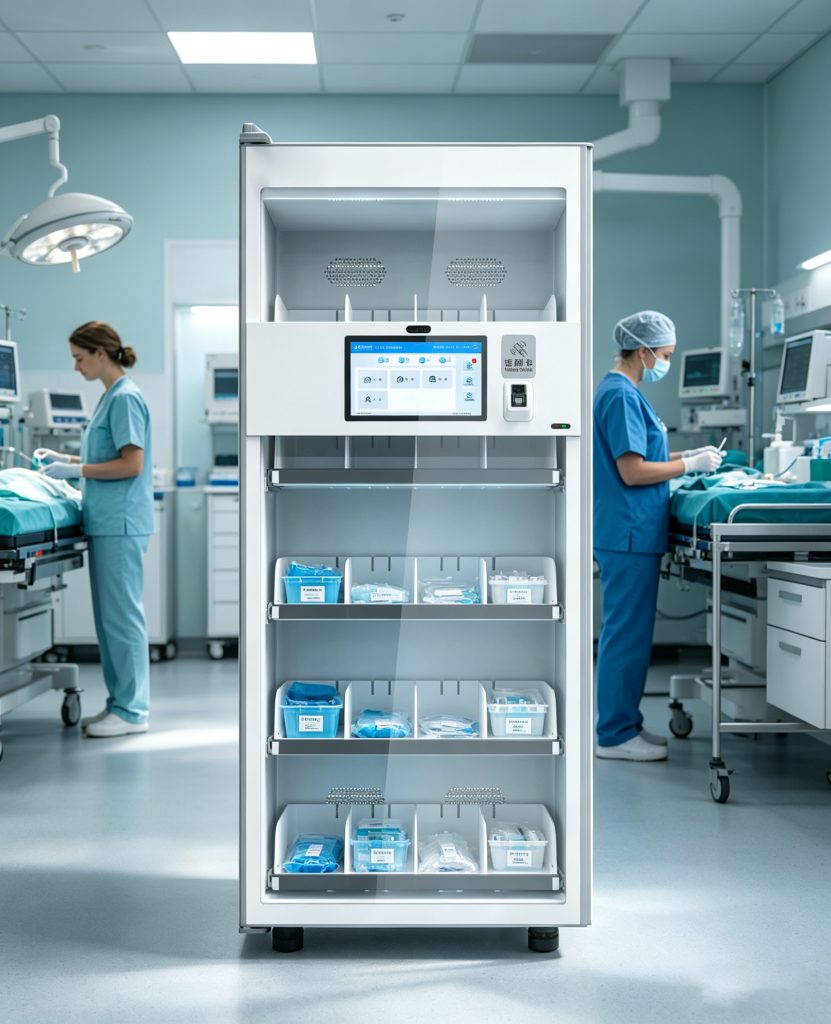
Yes. UHF RFID systems are widely used in healthcare environments worldwide for inventory and asset tracking without interfering with standard medical workflows when properly deployed.
Because UHF RFID can identify multiple tagged items simultaneously without line-of-sight scanning, dramatically improving efficiency.
Modern healthcare RFID systems can achieve inventory accuracy rates above 99% under optimized deployment conditions.
Yes. Each tagged item can carry a unique digital identity for lifecycle traceability and usage history.

using a fixed RFID reader in a hospital parking system, with real integration notes on APIs, SDKs, and vehicle access control.
More
Thinking about how to make a 125kHz RFID antenna? We walk through the coil-winding reality—why it's finicky and why commercial readers often win.
More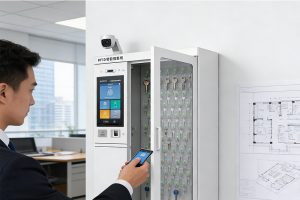
How property managers and integrators deploy RFID key cabinets, manage keys across multiple sites, and streamline operations in real-world projects.
More
Discover the essential features of handheld RFID scanners for logistics and supply chain management. Compare durability, read range, software integration, and more.
More