 Cykeo RFID IoT Solution Products R&D Manufacturer
How Does a RFID Tag Work: Understanding RFID Tag Technology
115How does a RFID tag work? Learn how RFID tags communicate with readers, transfer identification data, and support smart tracking systems in logistics, retail, and industry.
MoreAll RFID Product
Printable rfid cards combine on-card printing with embedded UHF RFID chips, enabling secure identification, real-time tracking, and fast data encoding for scalable access control and asset management systems.
That’s the clean answer. But when you actually deploy printable rfid cards in a working system, the story becomes less about “cards” and more about data reliability at scale.
Most people assume printable rfid cards are just for access control. That’s outdated.
In recent Cykeo deployments, printable rfid cards are used across:
The key detail: encoding and printing must match perfectly. If they don’t, the system breaks quietly—and expensively.
According to GS1 and RAIN RFID Alliance:
In internal Cykeo testing across access control scenarios:
There’s a subtle but important difference between standard proximity cards and printable rfid cards with UHF capability.
| Feature | Traditional RFID Card | Printable RFID Cards (UHF) |
|---|---|---|
| Read range | <10 cm | Up to several meters |
| Batch reading | No | Yes |
| Visual customization | Limited | Full printing support |
| Tracking capability | Low | High (real-time) |
| Data flexibility | Fixed | Dynamic encoding |
In one sentence: printable rfid cards move from identity confirmation → behavior tracking.
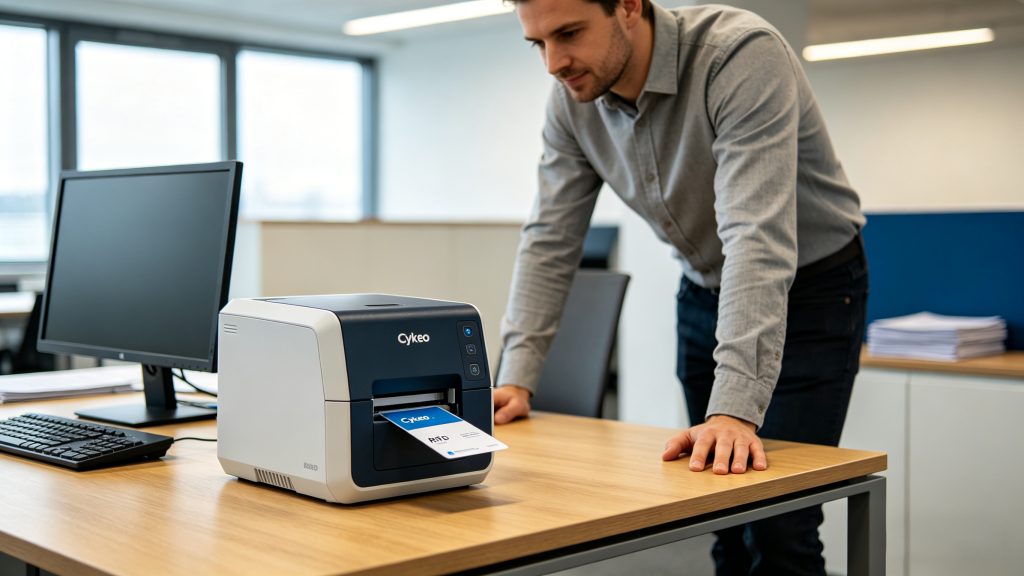
A retail client once deployed printable rfid cards for staff tracking without proper encoding verification.
Week one looked fine. By week three:
We replaced their workflow with a Cykeo-compatible printable rfid card system (print + encode + verify).
Results after 30 days:
The fix wasn’t dramatic—it was procedural.
Cykeo doesn’t treat printable rfid cards as standalone products. They’re part of a larger UHF ecosystem.
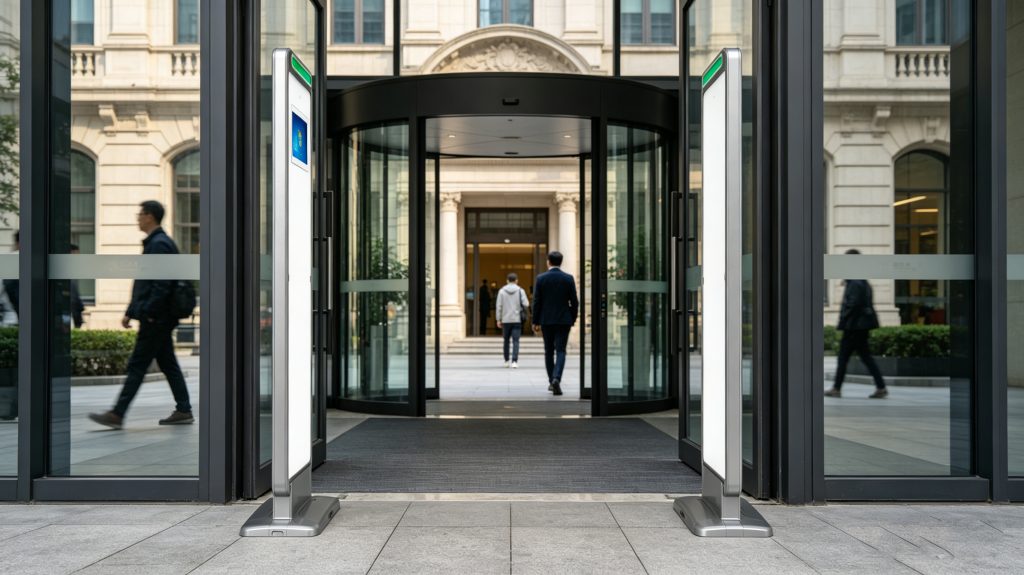
Yes. Printable rfid cards can integrate UHF chips compliant with EPC Gen2 standards for long-range identification.
Yes, depending on chip type. Many support rewriting and re-encoding.
Yes. A dedicated RFID card printer/encoder is required to ensure accurate chip encoding.
printable rfid cards look simple. They’re not.
In every system we’ve deployed, the real value wasn’t the card—it was the consistency between what’s printed, what’s encoded, and what’s read at a distance.
Get that alignment right, and printable rfid cards become invisible infrastructure—quietly powering everything from access control to real-time tracking.
How does a RFID tag work? Learn how RFID tags communicate with readers, transfer identification data, and support smart tracking systems in logistics, retail, and industry.
More
Discover how long-distance RFID readers streamline vehicle tracking for toll booths, parking management, fleet logistics, and more. Explore UHF RFID benefits and real-world applications.
More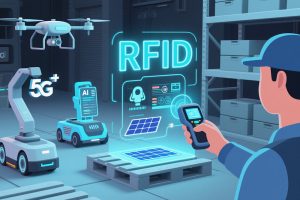
Discover the top UHF RFID scanners for warehouse inventory tracking in 2025. Compare range, durability, software integration, and future-ready features for logistics efficiency.
More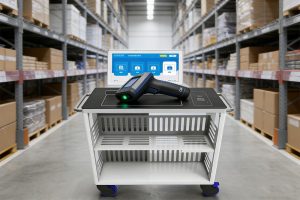
CK-C2 UHF RFID Inventory Scanner Cart makes tracking tools, books, and medical equipment simple. Roll it down the aisle, scan hundreds of items in minutes, customize with Cykeo antennas and readers, and integrate with ERP or IoT systems using SDK ...
More