Most people imagine RFID as a close-up scan: wave a reader, wait a beep, done. That’s fine for a retail shelf, but warehouses, logistics yards, and vehicle fleets play by different rules. Suddenly, distance matters, and that’s where long range RFID tag readers shine.
What “Long Range” Really Means
Long range isn’t just a number of meters. It’s a combination of antenna design, frequency, tag type, placement, and environment. Most long range readers operate in the UHF band (860–960 MHz), which allows them to communicate with tags several meters away. But distance varies—metal shelves can bounce signals, water absorbs them, and even the angle of the tag relative to the reader can change everything.
It’s a bit like tossing a frisbee. Throw it wrong, it lands short; throw it right, and it glides across the field. The reader, the tag, and the environment all have to “line up” for a successful read.
Passive, Active, and Battery-Assisted Tags
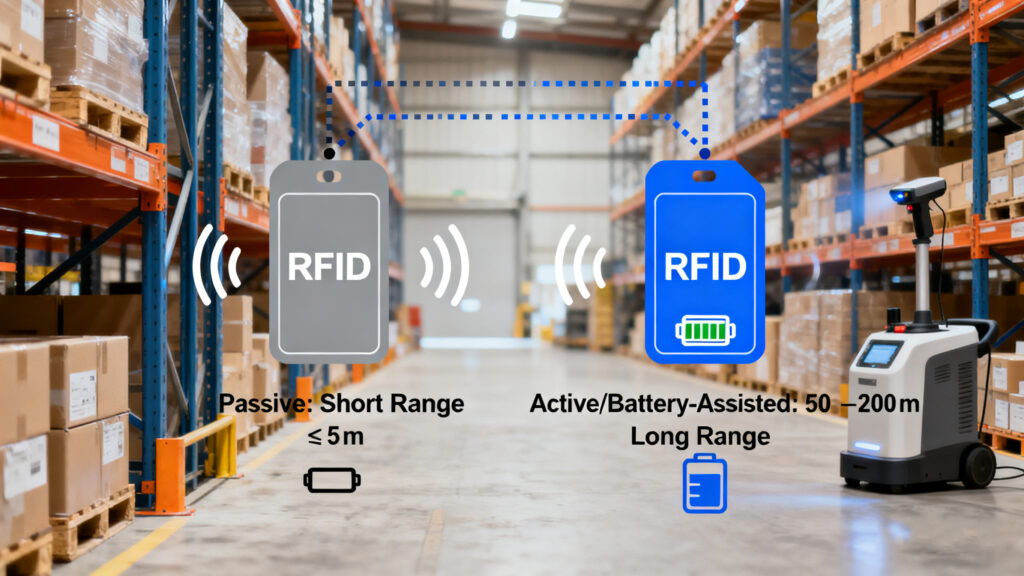
Not all tags are equal. Passive tags are cheap and battery-free, relying entirely on the reader for power. They typically read from 3–6 meters. With careful setup—optimized antennas and proper positioning—you can push them beyond 20 meters, but it requires precision.
For even longer distances, battery-assisted passive (BAP) tags or active RFID tags are better. They carry their own power, broadcasting their ID over tens of meters. That’s why toll gates, parking lots, and large warehouses use them: vehicles or pallets don’t need to slow down, and tracking happens automatically.
Warehouses: Track pallets, bins, or high-value items across wide spaces without manual scans.
Vehicles: Automate parking access, toll collection, and fleet monitoring, reading cars from several meters away.
Logistics & Supply Chain: Know where shipments are in real-time, reducing errors and delays.
Access Control & Security: Monitor who and what enters a facility automatically, creating audit trails without human intervention.
Distance becomes a tool, not a problem.
Benefits of Long Range Readers
It’s tempting to think long range RFID is overkill until you’ve seen what happens without it: slow scans, missed items, and human error. The advantages are clear:
Efficiency: Scan multiple tags at once.
Cost Savings: Less labor, fewer errors.
Security: Automatic tracking with real-time alerts.
Scalability: Expand coverage from a single gate to an entire yard or warehouse.
Challenges to Consider
Long distance comes with trade-offs. Interference from metal or water can shorten reads. Integration with existing ERP or warehouse systems can be tricky. Regulatory compliance and privacy issues matter too. Long range RFID isn’t just picking a reader—it’s designing a system that works in the real world.
The Future
Technology is improving fast. Antennas are smarter, readers process data at the edge, and tags are smaller but more capable. Imagine a warehouse where every pallet is tracked in real time, or a logistics yard where trucks register automatically. Long range RFID makes this possible.
In the end, long range RFID tag readers turn distance into an asset, letting operations scale, track, and automate without compromise. The shelf is no longer the limit—your operational reach is.
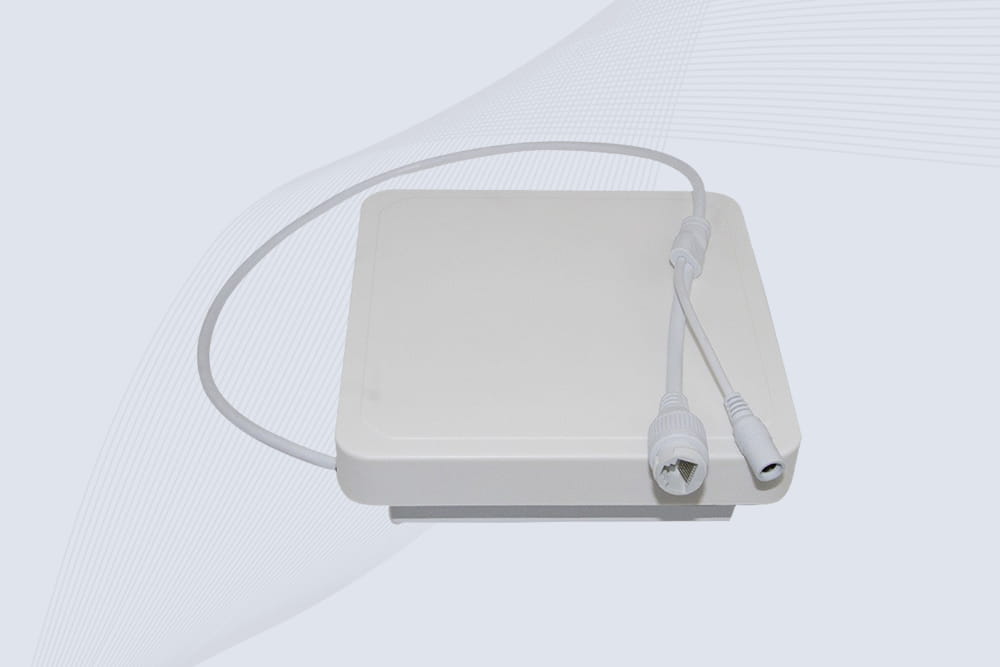
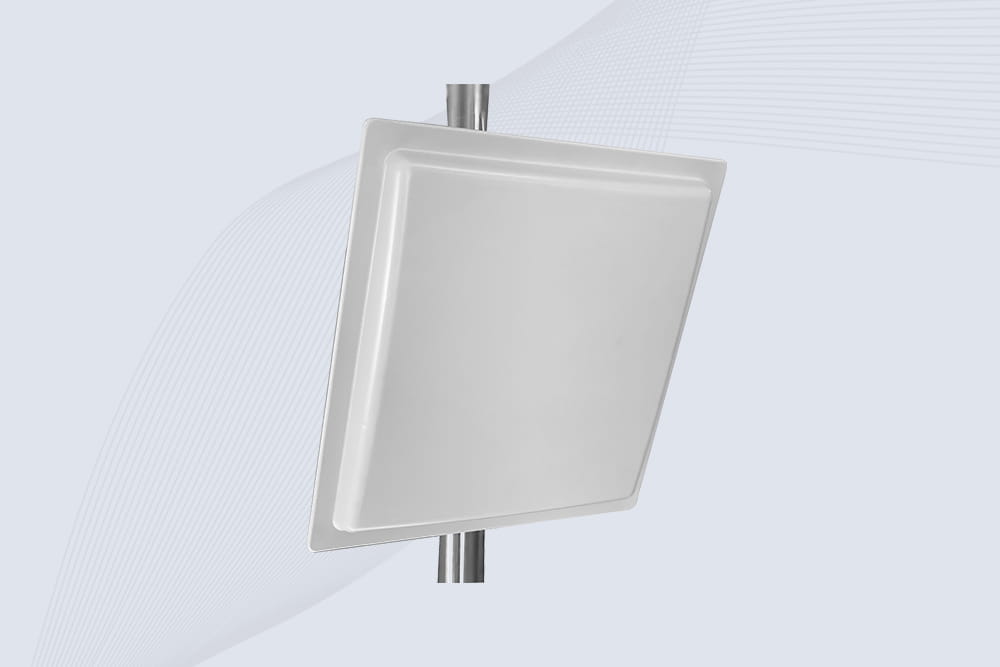
Cykeo’s industrial long range RFID reader delivers 20-meter scanning, 500+ tags/sec speed, and IP67 waterproof design for automated warehouses, logistics, and harsh environment applications.
Cykeo’s CYKEO-RA6L industrial RFID long range reader features 20m read distance, 500 tags/sec speed, and IP67 protection. Ideal for warehouse automation, manufacturing WIP tracking, and smart logistics. Supports ISO 18000-6C/6B protocols.
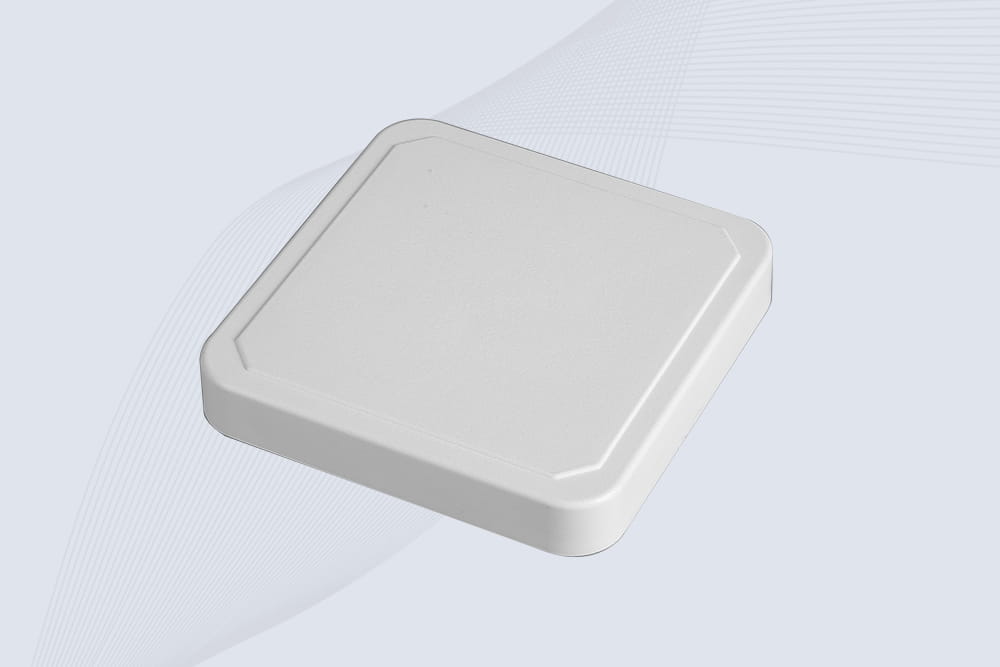
CYKEO Long Range RFID Tag Reader built for outdoor and industrial operations. This Outdoor RFID Reader delivers 20m read distance, fast tag processing, and IP67 durability for wide-area tracking.
Cykeo CYKEO-RA12L industrial Long Range RFID Reader delivers 20m read range, 200+ tags/sec scanning, and IP67 protection for manufacturing/logistics applications. Supports ISO 18000-6C/GB protocols.
This article deeply explores how RFID gate access technology is revolutionizing warehouse management by significantly improving goods throughput efficiency, inventory accuracy, and warehouse security. Combining real-world cases and technical insig...
A hands-on, realistic guide to wiring the RC522 RFID module with Arduino. Written from real bench experience — voltage quirks, wiring mistakes, multiple readers setup, and what actually happens when it doesn’t work.
CK-C1A RFID tag inventory system for warehouse and library management suppliers. Supports RESTful & native APIs, secondary development SDK, Java and C# integration, EPC C1G2 / ISO 18000-6C, and flexible RFID reader and antenna deployment.
 Cykeo RFID IoT Solution Products R&D Manufacturer