 Cykeo RFID IoT Solution Products R&D Manufacturer

Cost of RFID Tags vs Barcodes: 2025 Price Breakdown & Hidden Fees
1006True cost of RFID tags vs barcodes exposed: See why "cheap" labels cost 350% more long-term. Calculate your break-even point + real-world pricing.
MoreAll RFID Product
If you talk to enough RFID system integrators, you start to notice a pattern.
Nobody really chooses a long range RFID reader just by reading datasheets. Most decisions happen somewhere between a project requirement, a site visit, and a few unexpected issues during installation.
On paper, everything looks clean. In reality, warehouse metal racks, parking lane interference, or even tag placement habits can quietly change the outcome.
So this guide is not about “best specs.” It’s closer to what people actually look at when they are trying to make a system work.
In most projects, the first serious conversation is not about readers.
It’s something like:
At this point, the reader is just one part of a bigger problem.
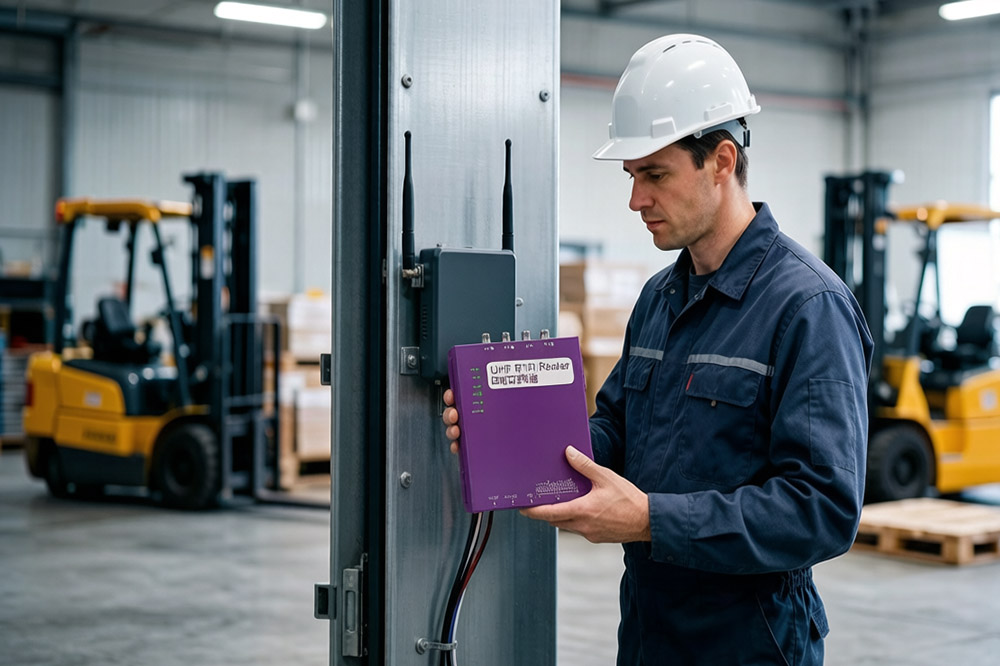
Experienced integrators usually walk into the site first before choosing anything. Because once you see the layout, things become less theoretical.
A 10-meter reader in an empty demo environment behaves very differently from a 6-meter setup between metal shelves.
A common misunderstanding is: longer is better.
In real projects, this is not always true.
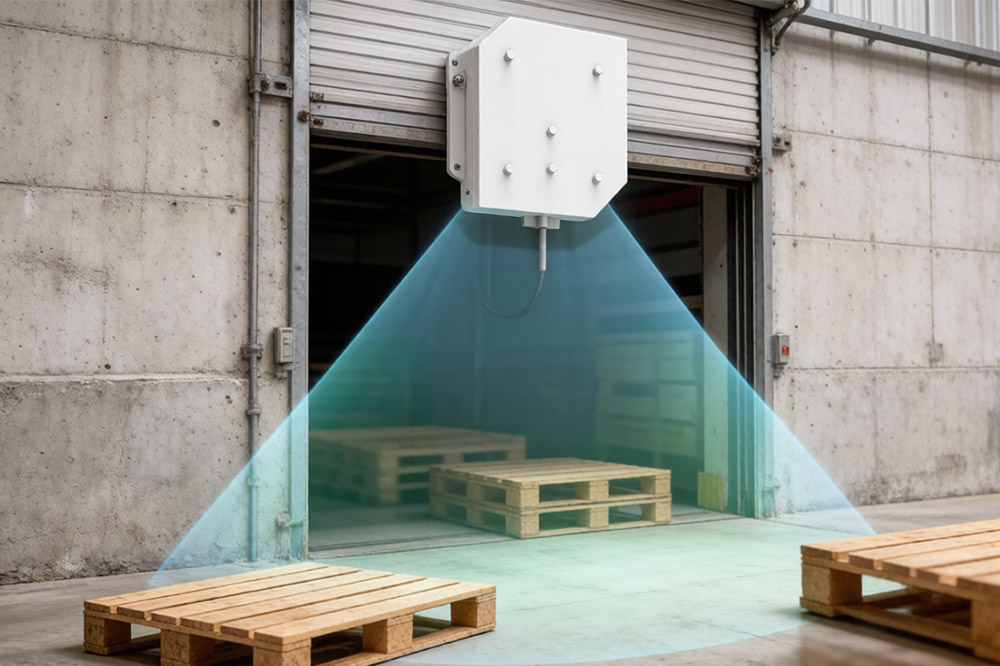
A warehouse dock door does not need infinite range. It needs a controlled zone where tags appear and disappear predictably.
If the reading area becomes too wide:
So some integrators actually do something counterintuitive:
they reduce power or narrow the antenna beam on purpose
The goal is not maximum distance. The goal is predictable behavior.
At the beginning of a project, people tend to pick based on simplicity:
But after deployment, the situation often flips.
Handheld works for audits, but becomes slow for automation.
Integrated looks simple, but struggles when the system scales.
Fixed readers feel complex at first, but become stable once tuned properly.
So the decision is less about hardware type and more about:
whether the process is automated or human-driven
This is something that surprises many new integrators.
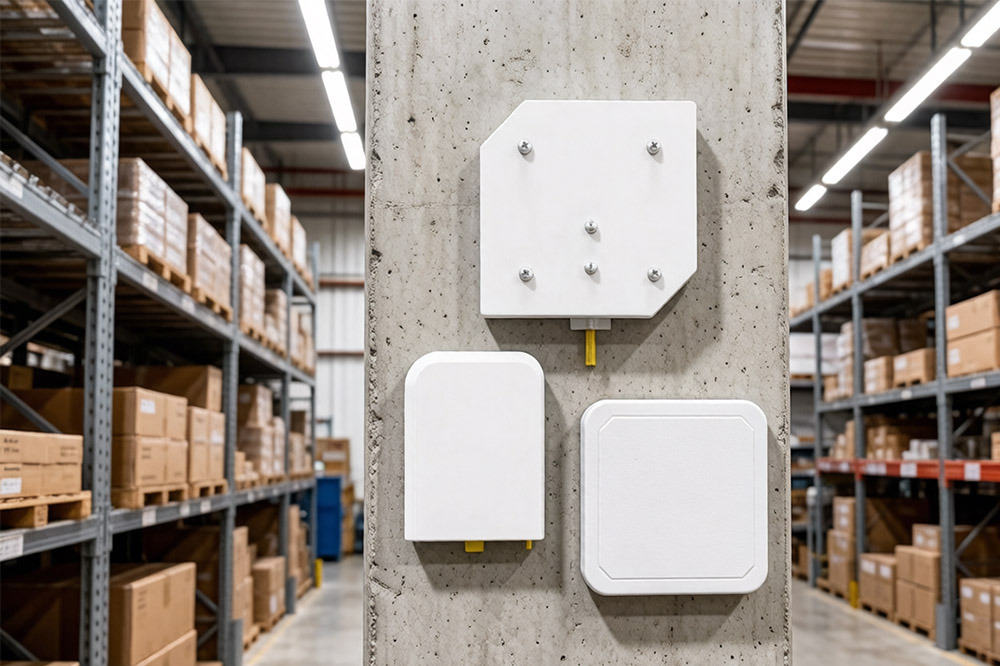
The reader gets most of the attention, but antenna design often decides the result.
A few examples from real projects:
In some cases, swapping only the antenna fixes a “bad system” without touching the reader at all.
It’s not always obvious until you test on site.
Hardware is usually the easy part.
The delay often happens here:
Some integrators don’t even ask about RF performance first anymore. They ask:
“How clean is your SDK?”
Because once integration starts, delays are expensive.
RFID behaves differently once it leaves the lab.
Warehouse examples:
Parking examples:
Manufacturing:
This is why many systems require tuning after installation. Not because something is wrong, but because real environments are not stable.
For distributors and solution providers, another layer appears later.
It’s not just:
It becomes:
At project scale, support speed often affects cost more than hardware price.
After enough projects, selection becomes less complicated than expected.
It usually turns into a sequence like:
The reader itself is almost the last step.
In real projects, it is usually system design (workflow + antenna layout), not the reader specification alone.
Not necessarily. Some applications perform better with controlled mid-range zones instead of maximum distance.
Not hardware failure, but environment mismatch, poor antenna design, and integration issues.
Yes. For most industrial systems, SDK quality can directly affect project timeline.
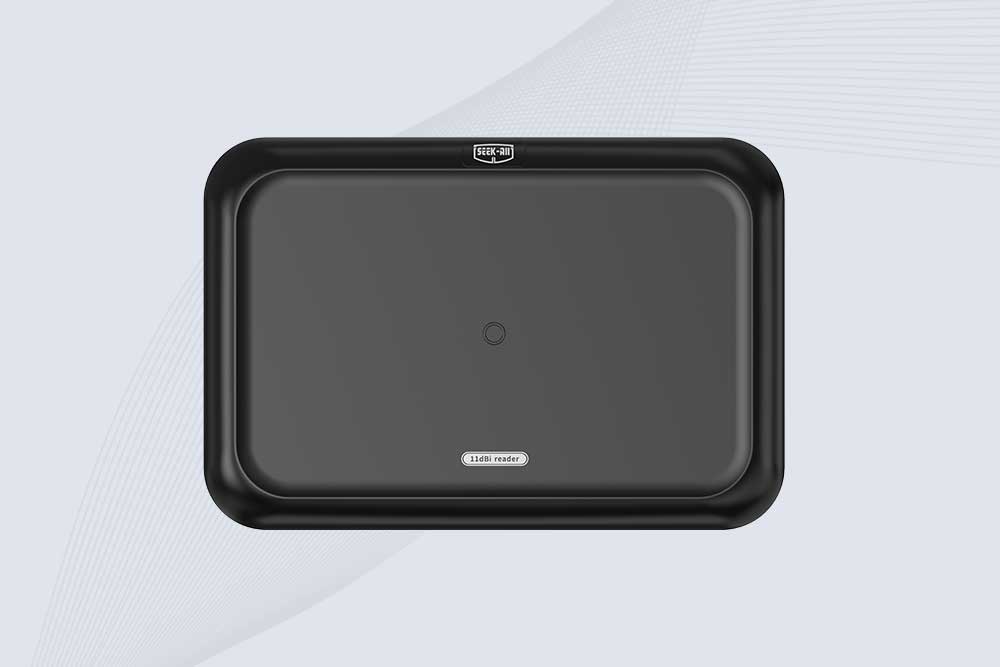
SSD-RA11L is an 11 dBi UHF RFID reader with up to 15m reading distance, 600+ tags/s speed, integrated antenna and flexible connectivity.
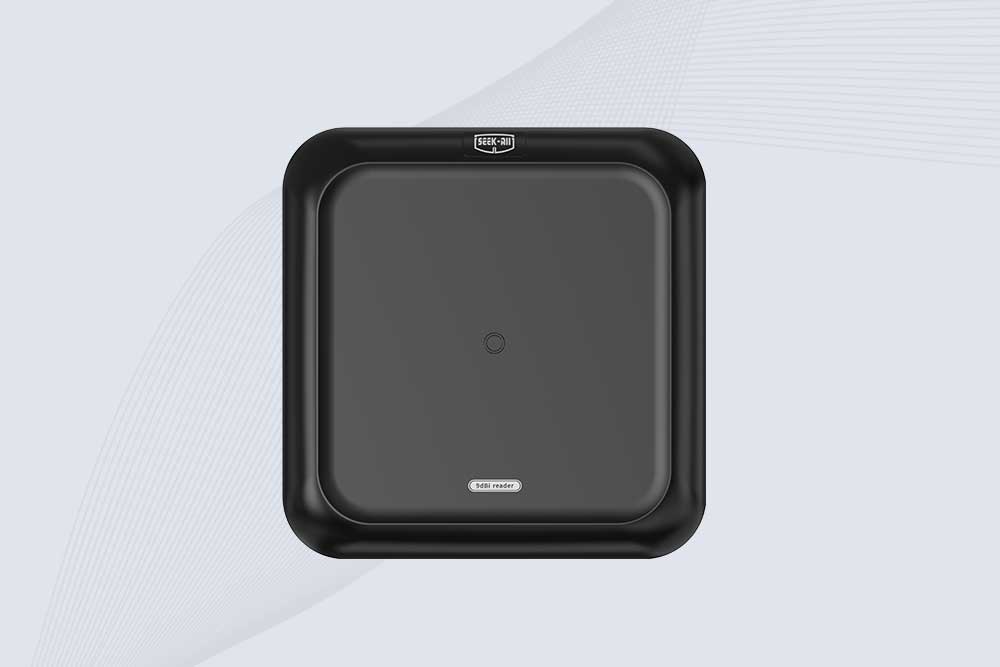
SSD-RA09L is a long range UHF RFID reader with a built-in 9 dBi antenna, 10m reading range, 600+ tags/s speed and flexible interfaces.
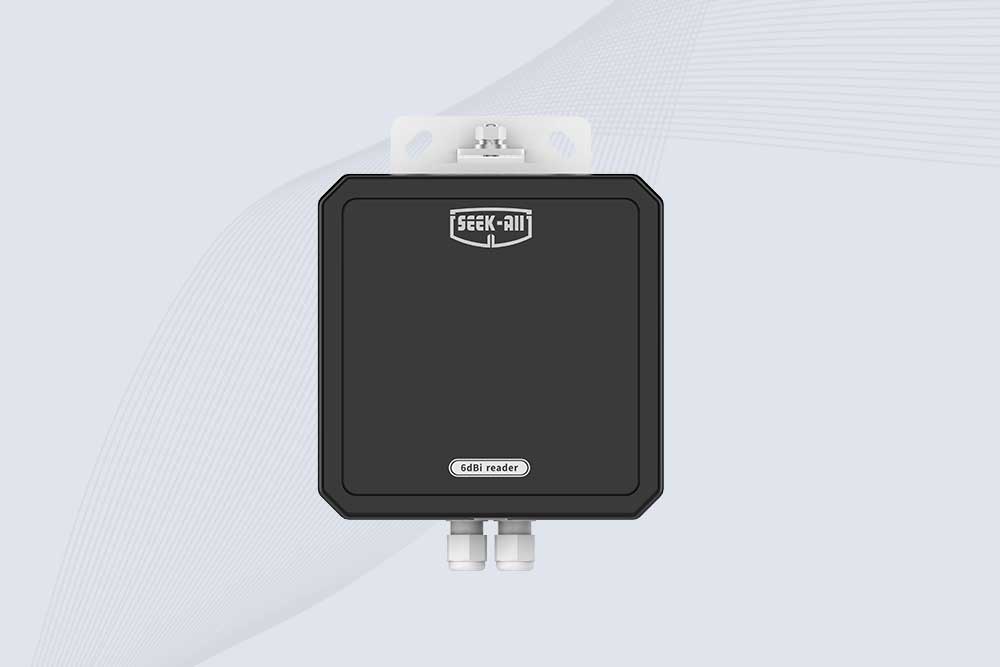
SSD-RA06L is an industrial UHF RFID reader with a built-in 6 dBi antenna, 3 m read range, 600+ tags/s, Ethernet, RS232, and optional Wi-Fi, 4G, and PoE.
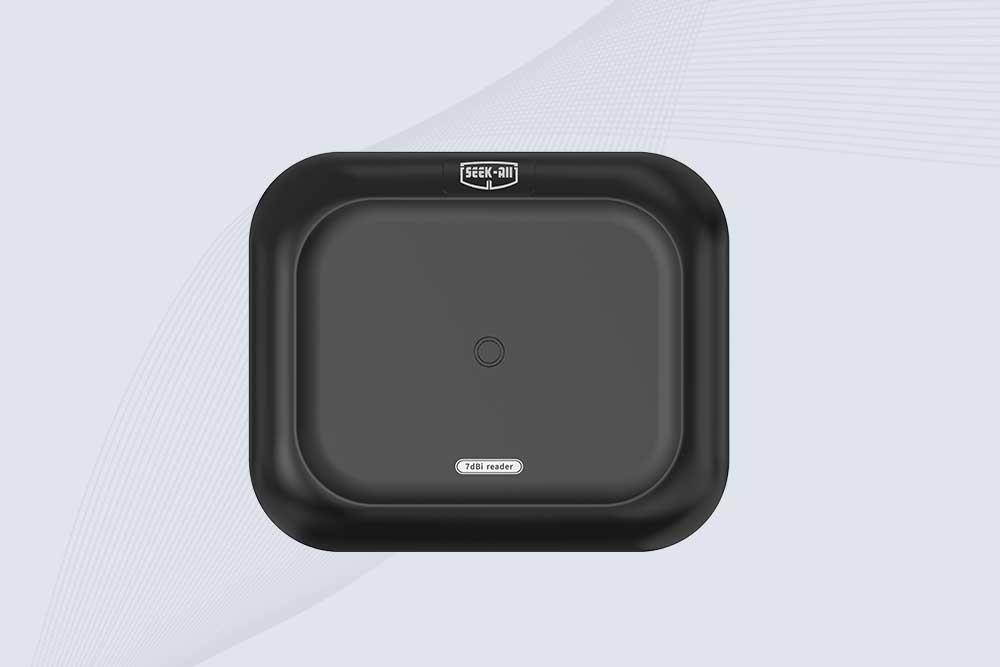
SSD-RA07L industrial UHF RFID reader with integrated 7 dBi antenna, up to 6 m reading distance, over 600 tags/s, Ethernet, RS232, and optional Wi-Fi, 4G, and PoE.
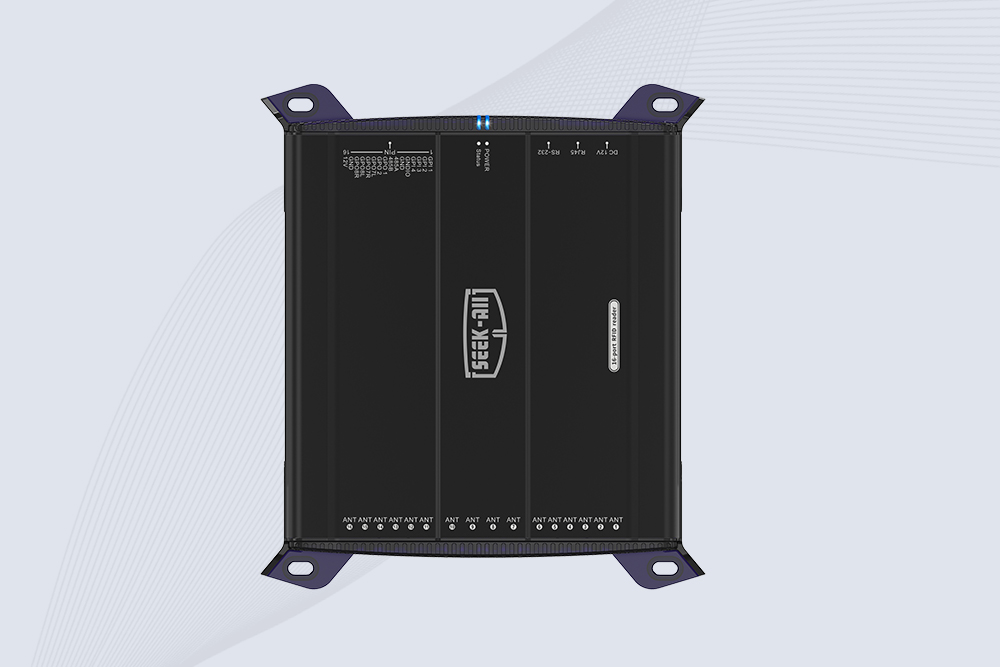
SSD-R16L Multi-Channel RFID Infrastructure for Automated Inventory Management ✔️ 16-Port High-Density RFID Reading Equipped with 16 SMA antenna ports, SSD-R16L supports multi-antenna deployment for warehouses, retail stores, logistics, production lines, and large-area RFID identification. ✔️ High-Speed & Long-Range Performance With up to 33…
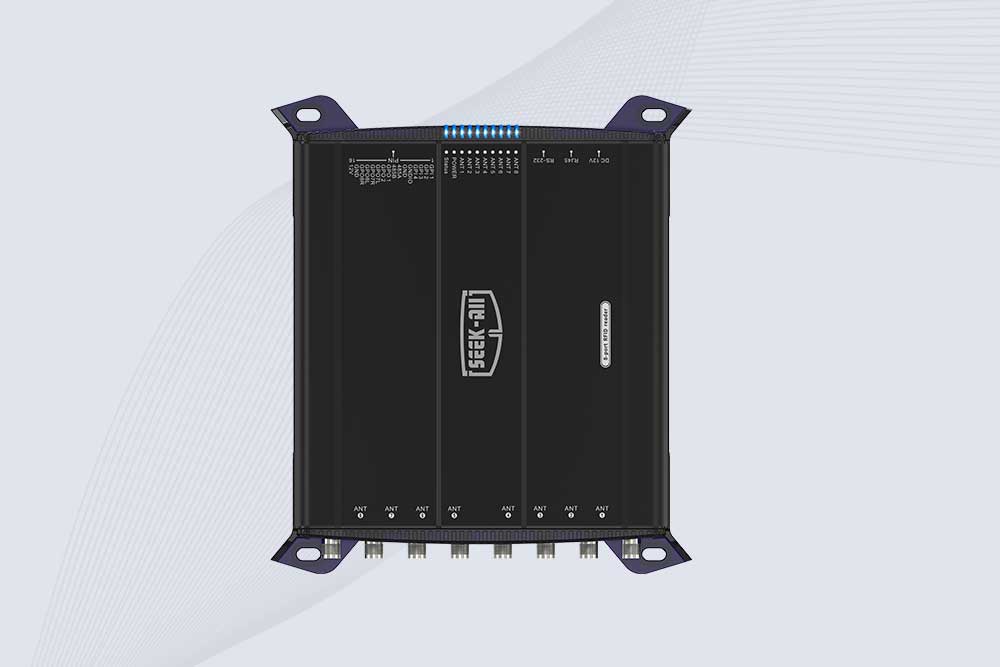
SSD-R8L 8-port UHF RFID reader with 33dBm output, up to 20m reading range and 600+ tags/s recognition. Ideal for warehouse, logistics, retail and asset tracking.
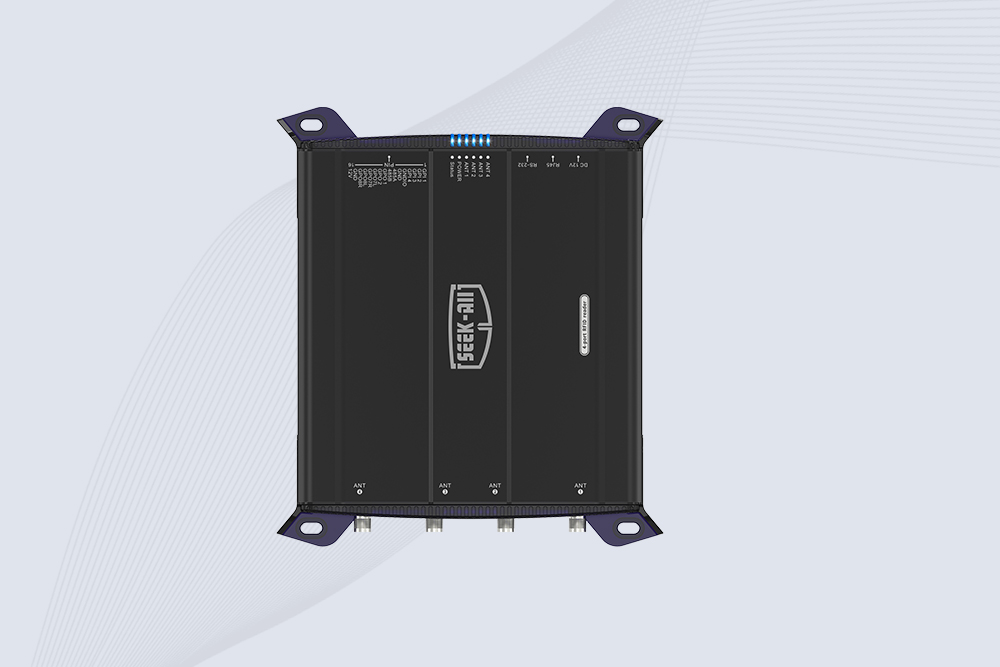
SSD-R4L is a 4-port UHF RFID fixed reader with 33dBm output power, up to 20m reading range, EPC C1G2 support and 600+ tags/s reading speed.
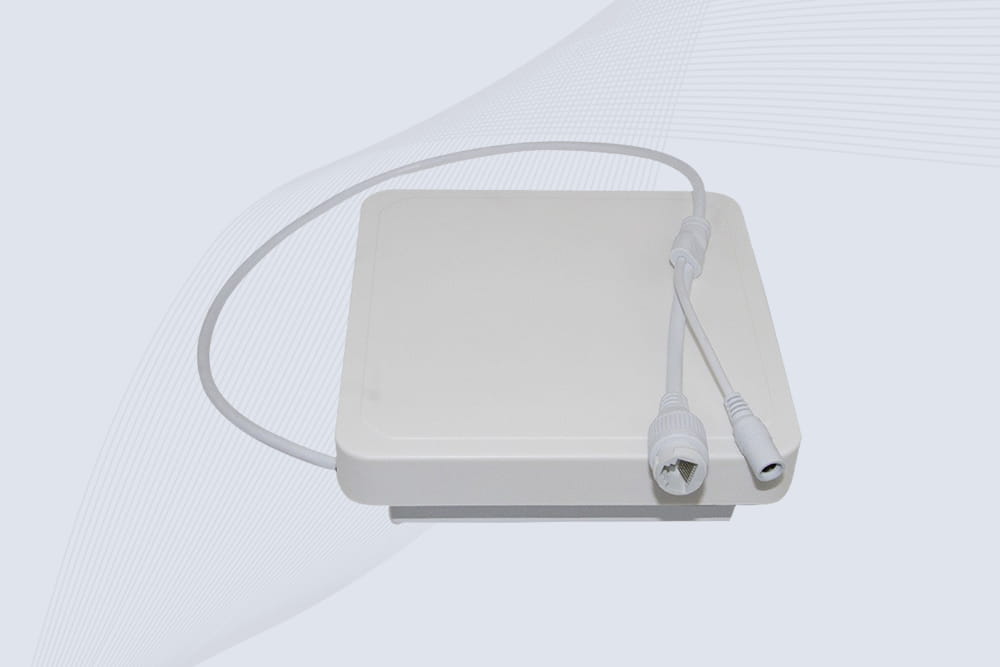
Cykeo’s industrial long range RFID reader delivers 20-meter scanning, 500+ tags/sec speed, and IP67 waterproof design for automated warehouses, logistics, and harsh environment applications.
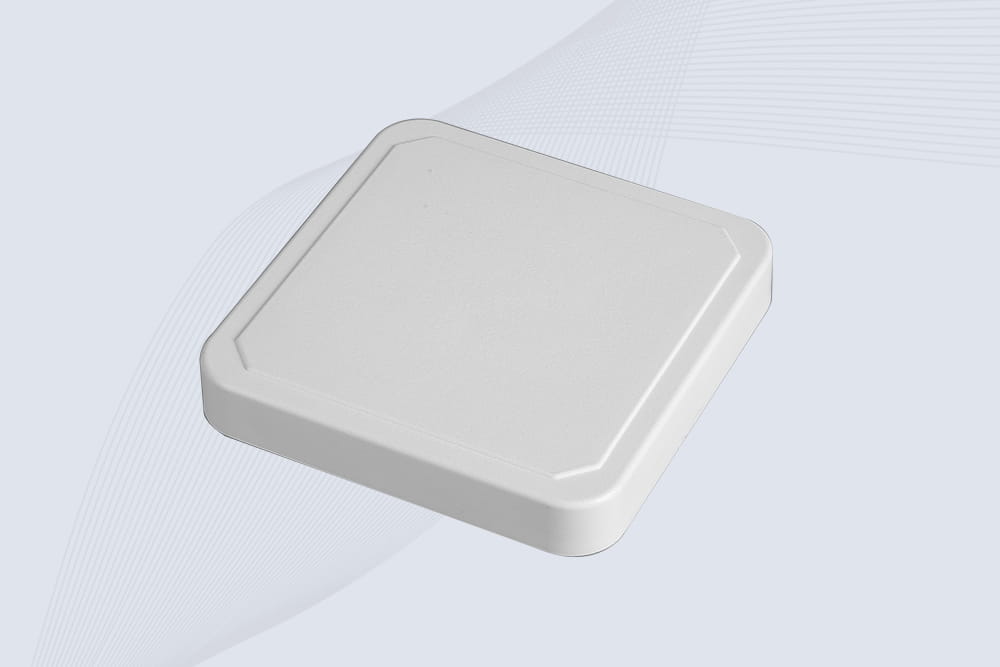
Cykeo’s CYKEO-RA6L industrial RFID long range reader features 20m read distance, 500 tags/sec speed, and IP67 protection. Ideal for warehouse automation, manufacturing WIP tracking, and smart logistics. Supports ISO 18000-6C/6B protocols.
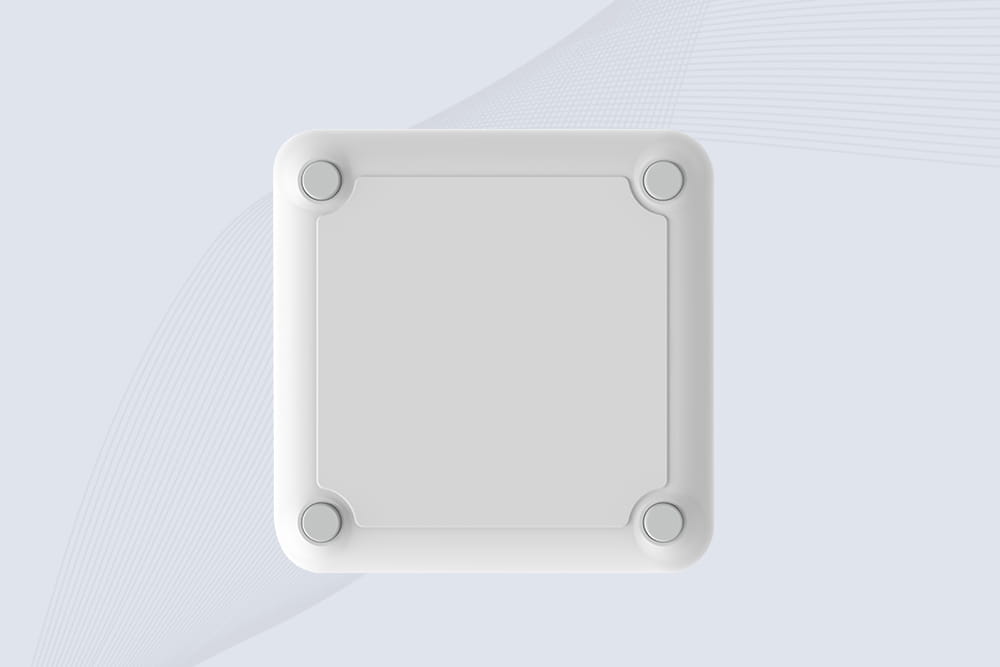
CYKEO Long Range RFID Tag Reader built for outdoor and industrial operations. This Outdoor RFID Reader delivers 20m read distance, fast tag processing, and IP67 durability for wide-area tracking.
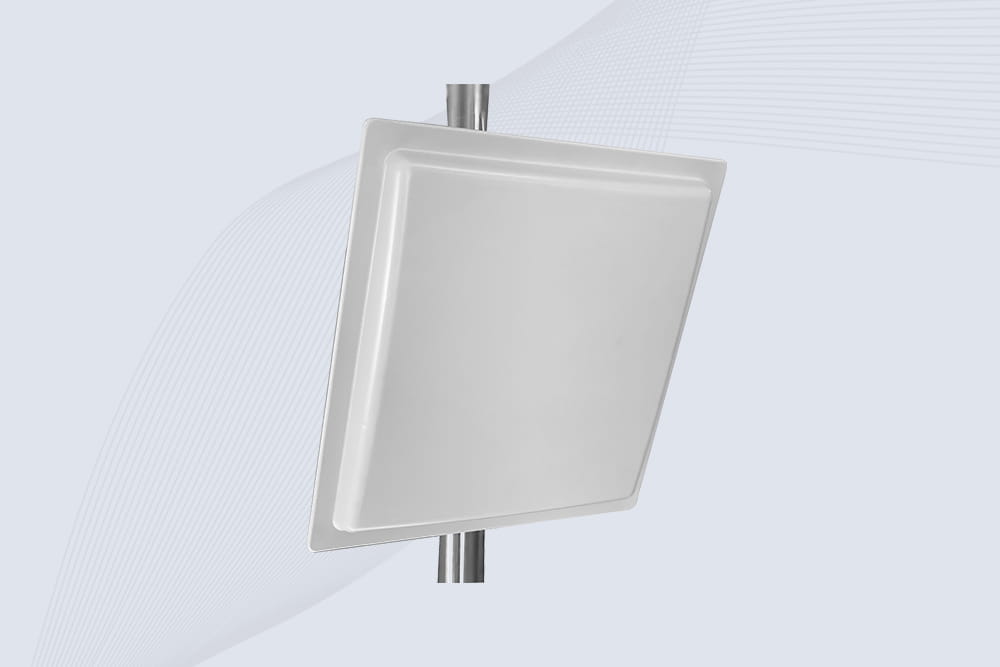
Cykeo CYKEO-RA12L industrial Long Range RFID Reader delivers 20m read range, 200+ tags/sec scanning, and IP67 protection for manufacturing/logistics applications. Supports ISO 18000-6C/GB protocols.
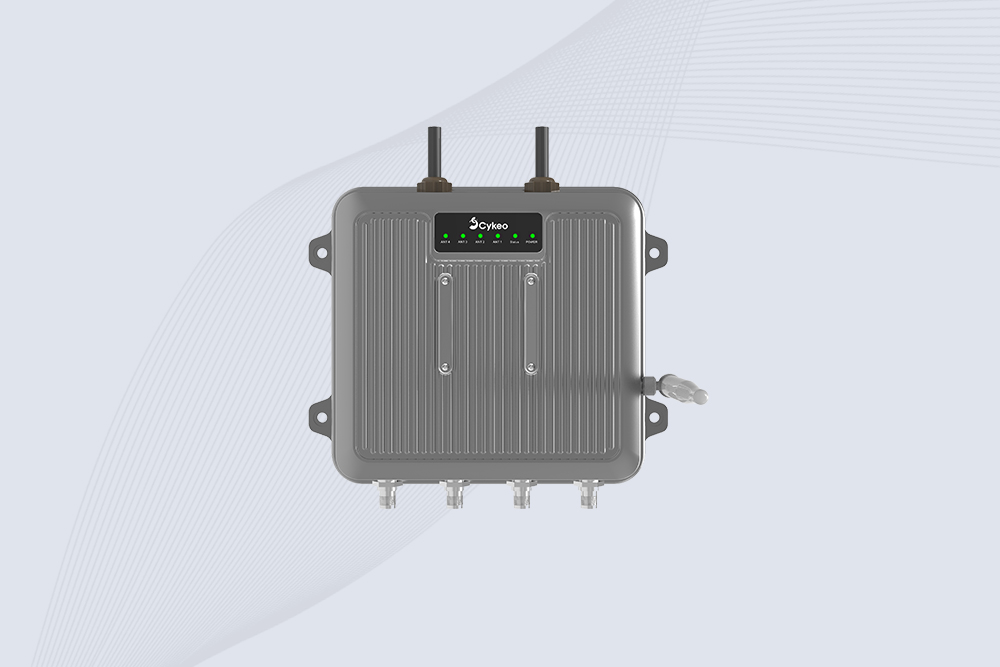
Cykeo CYKEO-C1 industrial Forklift RFID Reader features 20m read range, 600 tags/sec scanning, Impinj R2000 chipset, and IP67 rugged design. Ideal for warehouse logistics and manufacturing. Supports ISO 18000-6C/6B protocols.
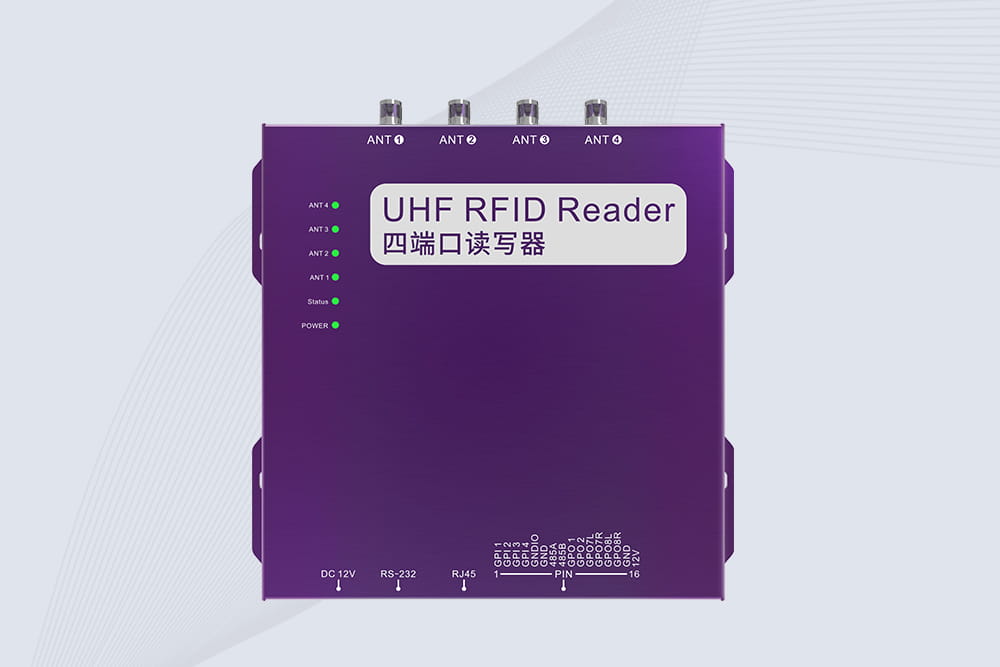
Cykeo CYKEO-R4 industrial UHF RFID Fixed Reader features 4 TNC ports, 400+ tags/sec speed, IP67 housing, and global frequency compliance for vehicle inspection, smart warehouse, and asset management systems.
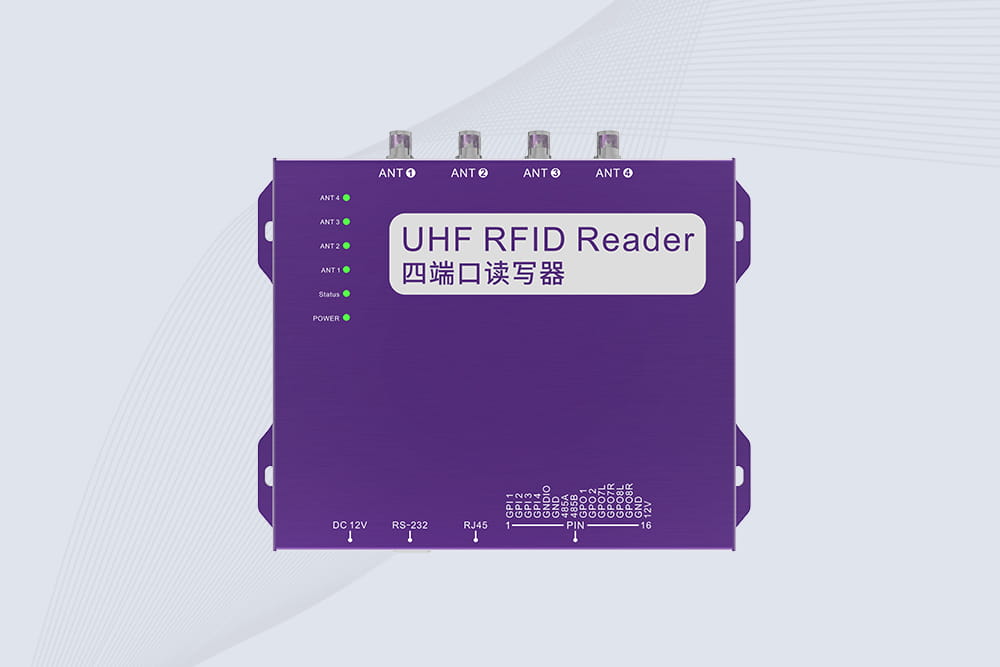
Cykeo’s CYKEO-R4L 4-port Fixed UHF RFID Reader delivers 400 tags/sec scanning, ISO 18000-6C compliance, and IP65 protection. Ideal for warehouse automation, manufacturing WIP tracking, and logistics management.
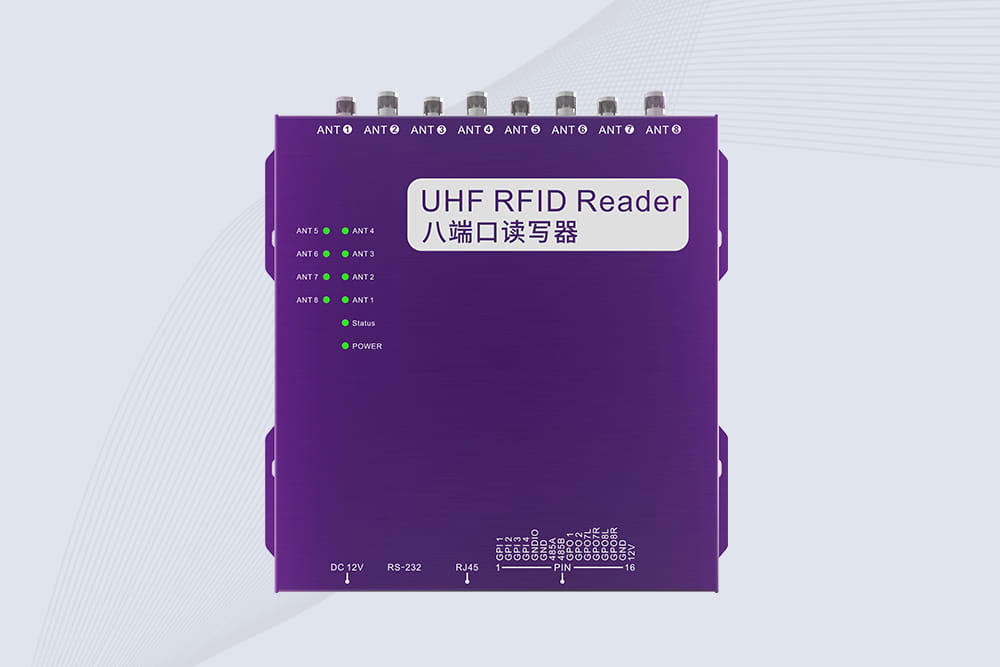
CYKEO CYKEO-R8L Fixed RFID Reader with 8-port UHF design, Impinj-based RF core and up to 20m read range. An industrial Fixed RFID Reader for vehicle inspection, warehouse portals, smart manufacturing lines and secure access checkpoints.
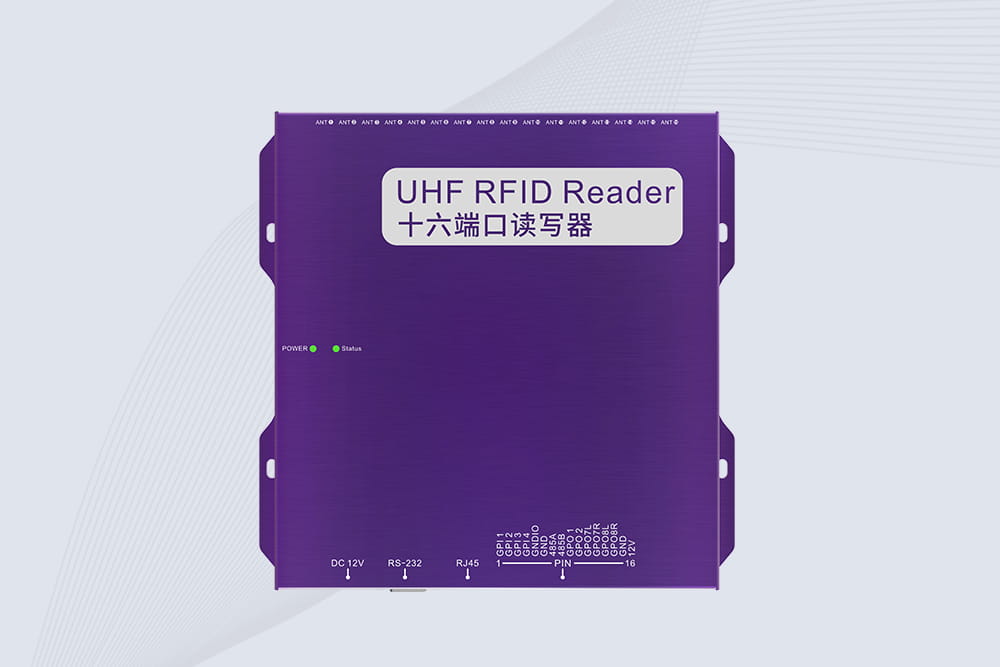
RFID Fixed Reader from CYKEO – the CYKEO-R16L 16-port UHF fixed reader for warehouses, smart cabinets, and production lines. Long-range, multi-tag reading, stable performance for 24/7 industrial use.
RFID Industry Writer | IoT & Asset Tracking Analyst
James writes about RFID technology, asset tracking, and the practical challenges of digital transformation across warehousing, retail, manufacturing, and logistics.
His work focuses on how RFID is applied in real-world operations—improving inventory visibility, automating workflows, and helping businesses manage assets with greater accuracy and efficiency.
He regularly covers topics including UHF RFID, smart cabinets, RFID portals, tool tracking, warehouse automation, and industrial IoT trends..
True cost of RFID tags vs barcodes exposed: See why "cheap" labels cost 350% more long-term. Calculate your break-even point + real-world pricing.
More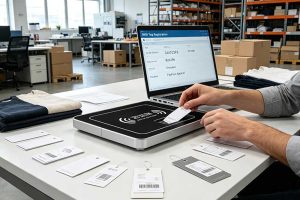
Can you print RFID tags? Learn how RFID labels are printed, encoded, tested, and deployed, with practical guidance on tag memory, EPC data, printers, and reliable encoding for retail and industrial use.
More
Discover how do rfid security tags work in modern retail, from item-level identification and exit detection to inventory visibility, loss prevention, and reliable RFID deployment.
More
CYKEO is a leading RFID solutions provider offering proprietary multi-function circuit boards, 99.99% scanning accuracy, 100+ design patents, and expert engineering support. Experience seamless integration, quality manufacturing, and tailored solu...
More