 Cykeo RFID IoT Solution Products R&D Manufacturer
Can RFID Handheld Readers Scan Tags Through Metal or Liquid Containers?
954Learn if RFID handheld readers can scan tags through metal or liquid containers. Discover solutions for interference and Cykeo’s industrial-grade scanning technology.
MoreAll RFID Product
Honestly, messing with a long range RFID reader sounds fancy, but trust me—there are plenty of pitfalls.
Online guides are everywhere, but most are half-baked. You really have to get your hands dirty to see how tricky it can be.
Let’s keep it simple. RFID is that tech where you stick a tag on something and it gets read without touching.
“Long range” means you want to read it from several meters away—or more.
Short-range tags usually work within a few centimeters to half a meter.
UHF passive tags? They can go 3–5 meters easily. Sometimes farther.
But don’t get cocky. Just sticking a module somewhere doesn’t magically make it work.
Antenna design, tag type, interference…anything can mess you up.

I spent some time on tech forums, and a lot of people complain: “I bought a module, but it won’t read far enough.”
Truth is, the problem isn’t the tag—it’s the antenna.
Lesson learned: the antenna matters way more than the module. Having lots of short-range tags won’t help if you can’t read far.
If you’re just experimenting, a DIY module is fine. Hook it to a microcontroller, write a bit of code, and you’re good.
But for tracking vehicles, doors, or warehouse inventory—you’ll want commercial devices.
Commercial devices have advantages:
Drawbacks:
DIY modules have advantages:
Drawbacks:
My experience: don’t just look at specs—hands-on testing shows the real issues.
Lots of short-range tags won’t help. If you can’t read far, it’s all wasted effort.
When I was testing systems, I noticed:
That satisfaction? You only get it if you’ve done it yourself.

Long range RFID readers aren’t mysterious, but they’re not as easy as they look.
DIY modules are enough for experiments, but you need to tweak antennas and environments.
Commercial devices are stable, but cost more.
Hands-on tip: take it slow, don’t rush, and test constantly.
Sometimes, after an afternoon of adjustments, changing the angle suddenly makes everything work—nothing beats that feeling.
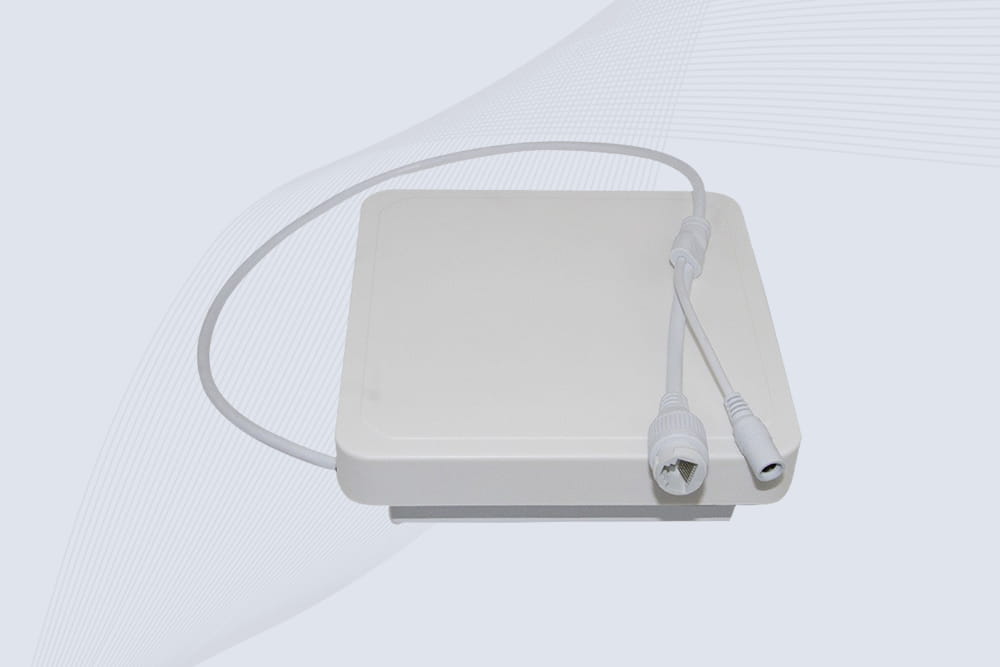
Cykeo’s industrial long range RFID reader delivers 20-meter scanning, 500+ tags/sec speed, and IP67 waterproof design for automated warehouses, logistics, and harsh environment applications.
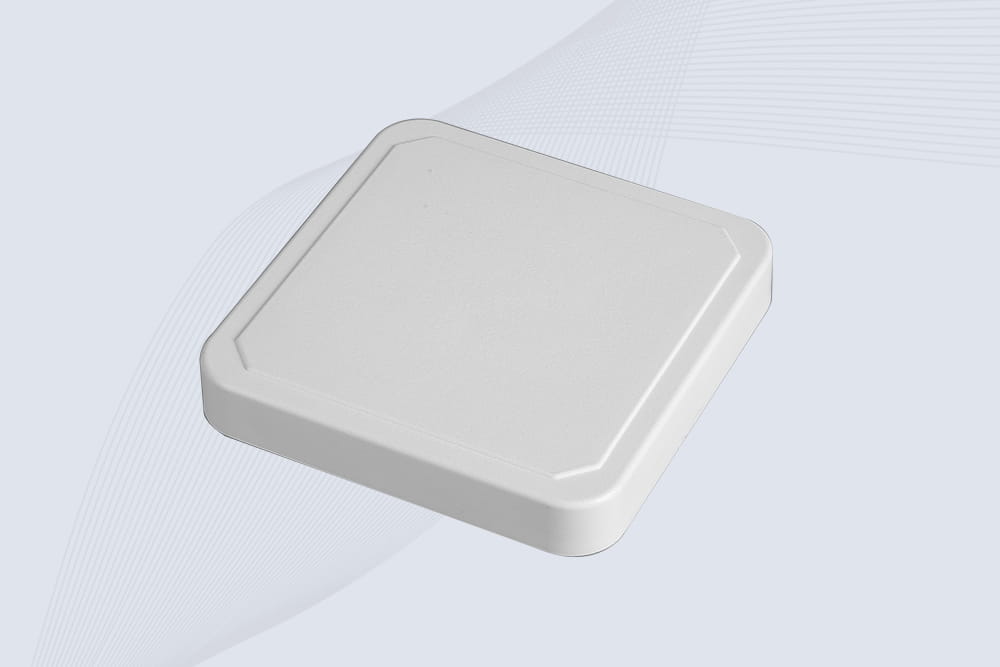
Cykeo’s CK-RA6L industrial RFID long range reader features 20m read distance, 500 tags/sec speed, and IP67 protection. Ideal for warehouse automation, manufacturing WIP tracking, and smart logistics. Supports ISO 18000-6C/6B protocols.
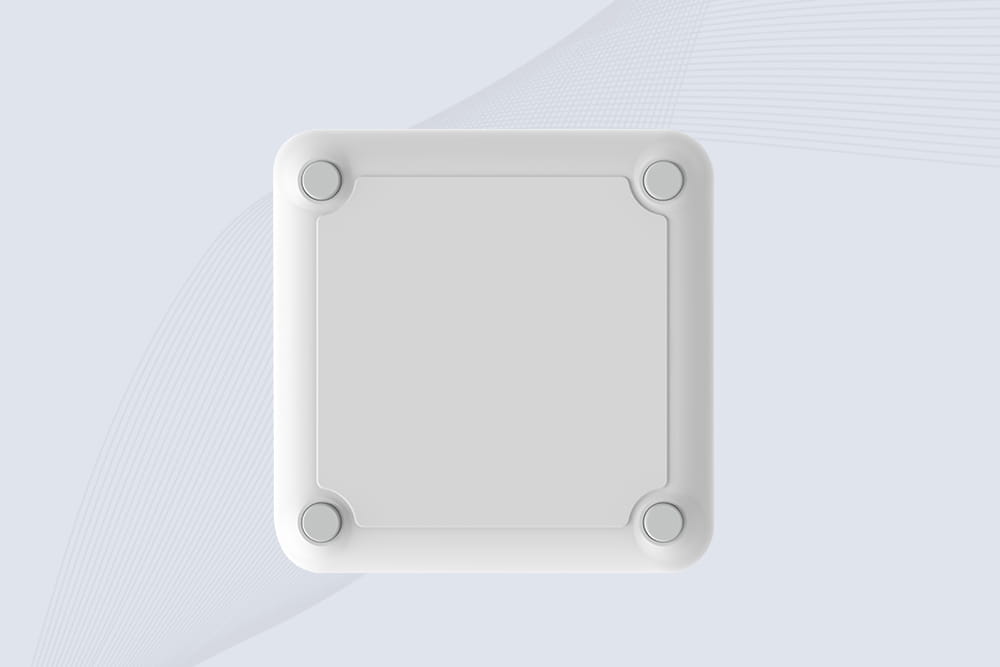
CYKEO Long Range RFID Tag Reader built for outdoor and industrial operations. This Outdoor RFID Reader delivers 20m read distance, fast tag processing, and IP67 durability for wide-area tracking.
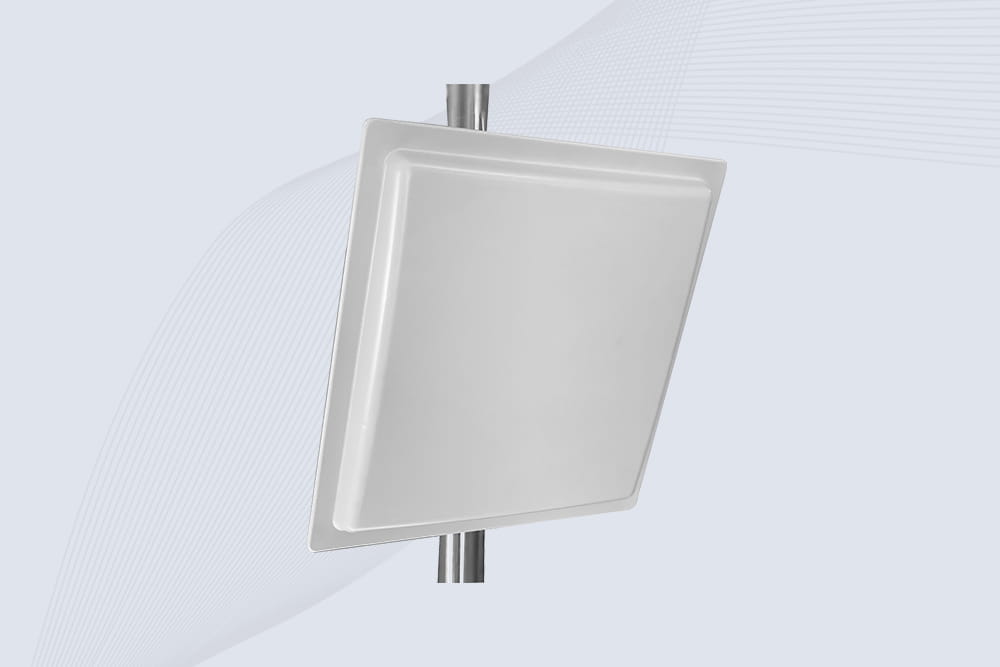
Cykeo CK-RA12L industrial Long Range RFID Reader delivers 20m read range, 200+ tags/sec scanning, and IP67 protection for manufacturing/logistics applications. Supports ISO 18000-6C/GB protocols.
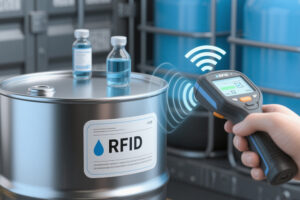
Learn if RFID handheld readers can scan tags through metal or liquid containers. Discover solutions for interference and Cykeo’s industrial-grade scanning technology.
More
Discover why the RFID 13.56 MHz reader is the best choice for modern access control and industrial tracking. Real-world insights, practical tips, and lessons learned from hands-on installations.
More
Keep your RFID data safe! Learn proven methods to secure wireless RFID modules from eavesdropping, cloning, and unauthorized access.
More
Discover the cost benefits of fixed RFID readers vs. barcode systems. Learn how Cykeo’s RFID solutions reduce labor, errors, and long-term expenses in warehouses and retail.
More