 Cykeo RFID IoT Solution Products R&D Manufacturer
Hospital Parking System Using RFID: A Technical View
182Explore the technical structure of a hospital parking system using RFID, including reader modules, antennas, and how Cykeo RFID hardware integrates into complex hospital environments.
MoreAll RFID Product
How to test RFID tag: use a compatible UHF RFID reader to inventory the tag, verify its EPC or TID, check repeatable reads at controlled distances, and then test the tag on its actual product material. A tag that reads once is not necessarily a tag that will perform reliably in production.
When I test UHF RFID tags for an application, I do not start by measuring the longest possible reading distance. The first check is much simpler: does the tag respond consistently, and does the reader return the expected identifier every time?
Passive UHF RFID tags operate without their own battery. GS1 explains that the reader supplies operating energy through a continuous-wave signal, while the tag responds by backscattering information to the reader. This is why the tag, reader, antenna, and surrounding material have to be evaluated together.
For a practical UHF tag test, check:
Tag detection and EPC accuracy
TID availability where supported
Read consistency over repeated scans
Read range at controlled reader power
Tag orientation sensitivity
Performance on the actual product surface
Multi-tag identification
Performance across the intended UHF frequency range
Place one UHF RFID tag in a controlled position in front of the reader antenna. Read the tag several times and compare the returned EPC with the identifier recorded for that tag.
For a new batch, I recommend testing several physical samples rather than trusting one piece. Manufacturing variation, adhesive placement, antenna construction, and mounting conditions can all affect the practical result.
| Test Item | What to Check | Useful Result |
|---|---|---|
| EPC reading | Correct identifier returned | Expected EPC |
| Repeated inventory | Same tag remains detectable | Stable identification |
| Read range | Distance before reliable reading drops | Recorded practical range |
| Orientation | Tag rotated relative to antenna | Performance differences documented |
| Product mounting | Tag attached to real item | Application-specific result |
| Multi-tag test | Several tags read together | Expected unique EPC count |
Read range should be measured with a fixed reader configuration. Start at a short distance, then move the tag farther away in controlled increments. At every position, record whether the tag is detected consistently rather than recording only the maximum distance at which it responds once.
This distinction is important in UHF RFID. RAIN Alliance testing guidance shows that system operating range is influenced by reader sensitivity as well as tag performance. Its published example illustrates different operating ranges at receiver sensitivities of -75 dBm, -69 dBm, and -63 dBm.
In other words, a “10-meter tag” is not a meaningful description by itself. The reader, antenna, RF power, tag orientation, frequency, and environment all belong in the test record.
Keep the reader and antenna fixed while rotating the tag. A tag that performs strongly in one orientation may become less reliable after a 90-degree rotation or when its position changes relative to the antenna polarization.
Do this before changing reader power. Otherwise, it becomes difficult to determine whether the improvement came from the tag position or the higher RF output.
This is where many preliminary tag tests become misleading.
A loose RFID label on a clean laboratory table is one thing. The same label attached to a liquid container, metal asset, plastic tote, carton, garment, or dense stack can behave differently.
RAIN Alliance’s published UHF RFID tag test procedure specifically recommends attaching the tag to a product or reference material, testing across the allocated UHF frequency range and power levels, and examining performance at different tag positions on products.
That approach matches what matters in deployment: test the tag where it will actually live.
For this guide, the focus is UHF RFID, not HF or LF RFID. GS1 identifies passive UHF RFID, also known as RAIN RFID, with the EPC Gen2 and ISO/IEC 18000-63 standards. GS1 currently lists EPC Gen2 version 3.0.1 as its current standard version, published in February 2026.
ISO/IEC 18000-63 is the current name for what was formerly known as ISO/IEC 18000-6 Type C.
For an engineering test, record the regional operating configuration rather than assuming that one RF setting applies everywhere. The same tag may also need to be evaluated across the frequency channels used by the target market.
Reading an EPC confirms identification, but some applications also require memory testing. Gen2 RFID tags can contain multiple memory areas. GS1 documentation identifies EPC, TID, Reserved, and User memory functions for Gen2 tags, with User Memory intended for application data when supported by the tag.
A basic memory test should verify:
Whether the intended memory bank is available
Whether the expected data can be read
Whether written data remains correct after verification
Whether the memory is locked or unlocked as intended
Whether access-password protection affects the application
Do not overwrite production data during a diagnostic test. Use clearly identified test tags or a controlled sample batch.

For a professional evaluation, record the test instead of relying on memory. A simple test sheet can contain:
Tag manufacturer and tag model
Chip type
Reader and antenna model
RF output setting
Operating region
Test frequency or channel
Tag orientation
Mounting surface
Measured distance
Number of unique EPCs detected
Missed-read observations
Environmental conditions
This record becomes particularly valuable when a tag works perfectly during sample approval but produces inconsistent reads after the product enters a warehouse or production line.
After the single-tag test passes, move to a small group of tags. Place a known number of UHF RFID tags in the intended reading area and compare the number of physical tags with the number of unique EPCs returned by the reader.
For example, if 20 tags are physically present and the reader identifies 18 unique EPCs, do not simply record “90%.” Find the two missing tags. Their position, orientation, product material, or distance from the antenna may tell you more than the percentage itself.
Repeat the test several times. A good UHF RFID tag should not depend on one favorable scan.
Keep the reader settings unchanged while varying the distance between tags. Then rotate the tags and repeat the inventory cycle. This separates tag behavior from reader configuration and makes the test easier to reproduce.
Test tags individually.
Test tags side by side.
Test tags with different spacing.
Rotate tags relative to antenna polarization.
Repeat the same arrangement several times.
The product surface can completely change the result. A UHF RFID label that performs well on corrugated cardboard may behave differently when placed directly on metal or near a liquid-filled container.
For production approval, test the tag on the actual material and in the actual mounting position. RAIN Alliance’s UHF RFID tag test procedure specifically calls for testing tags attached to products or reference materials, including different positions on the product and across the allocated UHF frequency and power ranges.
| Mounting Condition | What to Observe | Recommended Test |
|---|---|---|
| Cardboard | Baseline response | Range and repeatability |
| Plastic | Read consistency | Orientation and distance |
| Metal | Detuning or reduced response | Use the intended on-metal tag |
| Liquid product | Changed RF behavior | Test on the filled product |
| Dense stack | Tag-to-tag interaction | Multi-tag inventory |
For a warehouse application, laboratory testing is only the first checkpoint. Put the approved tag on an actual carton, tote, pallet, or asset and run it through the intended reading area.
Test both stationary and moving conditions. If the application uses a fixed reader at a portal, test the tag while the product passes through the portal at the expected position. If tags are read from shelving, test different shelf heights and orientations.
One practical detail is frequently overlooked: record the exact location of a missed tag. If every missed tag is concentrated on one side of a pallet, the problem may be antenna coverage rather than tag quality.
Maximum RF output can make a weak installation appear successful while creating an unnecessarily broad read zone. The useful question is whether the tag can be identified reliably inside the required zone and ignored outside it.
GS1 describes passive UHF RFID as a system in which the reader supplies operating energy to the tag through a continuous-wave signal, while the tag responds through backscatter. Reader configuration and tag behavior are therefore part of the same RF system rather than independent variables.
First verify that the tag and reader use compatible UHF technology. Then check antenna connection, operating region, reader power, tag orientation, distance, and mounting material.
Do not discard the tag immediately. Move the same tag to an open test position. If it reads there but not on the product, the mounting environment deserves attention.
Repeat the test without changing reader settings. Then rotate the tag and change its position. Intermittent reading often becomes easier to diagnose once one variable is changed at a time.
Check the complete test setup rather than judging the tag alone. Antenna gain, reader sensitivity, RF output, polarization, frequency, product material, and tag placement can all affect practical range.
If tags outside the intended area are being reported, review antenna placement and the effective RF zone. Reader-side filtering and application logic can also help ensure that only relevant tag events are processed.
Testing identification and testing memory are different tasks. A successful EPC inventory confirms that the tag responds and that its identifier can be retrieved. It does not automatically prove that User memory can be written correctly.
GS1 documentation describes four Gen2 memory banks: Reserved, EPC, TID, and User memory. User memory is intended for application data when the particular tag supports it.
For a write-capable application, test the complete cycle:
Read the original EPC.
Write the intended data to the correct memory area.
Read the data back.
Compare the returned data with the expected value.
Confirm the tag’s lock or access settings.
Use dedicated test tags when experimenting with passwords or locked memory. A diagnostic write should never overwrite production identifiers by accident.
This article focuses specifically on UHF RFID tags. GS1 identifies passive UHF RFID, also known as RAIN RFID, as operating within the UHF band and based on EPC Gen2 and ISO/IEC 18000-63. GS1’s current standards repository lists EPC Gen2 version 3.0.1, published on February 26, 2026.
GS1 also describes the EPC Gen2 air interface as covering passive RFID operation in the UHF range and notes that Gen2v3 adds functions including tag selection and improved control of fringe-tag interference.
For a professional test report, therefore, record the tag type, reader model, antenna, operating region, frequency configuration, RF power, mounting surface, orientation, and measured result. Without these conditions, a quoted “read range” is difficult to reproduce.
Cykeo’s UHF RFID solutions are designed around EPC C1G2 / ISO 18000-6C-compatible identification, multi-tag reading, adjustable RF output, filtering, and system integration. These capabilities make the reader suitable for evaluating tags in both controlled tests and application environments.
For engineering validation, I would separate the Cykeo evaluation into three stages: first verify the tag’s EPC response, then establish repeatable range and orientation results, and finally attach the tag to the actual product and test the complete reading process.
This approach is particularly useful for warehouse, retail, asset-tracking, and production applications. The final decision should be based on repeatable field performance, not a single impressive distance measurement.

☐ Confirm compatible UHF RFID technology
☐ Record tag model and chip type
☐ Verify EPC identification
☐ Check TID where required
☐ Repeat single-tag inventory
☐ Measure practical read range
☐ Test tag orientation
☐ Test actual product material
☐ Test multiple tags
☐ Test moving products when required
☐ Verify memory read/write functions where applicable
☐ Record missed and unexpected reads
Use a compatible UHF RFID reader to identify the tag, verify its EPC, repeat the inventory test, measure practical read range, and test the tag on its actual mounting material. For production applications, also test orientation and multi-tag performance.
Place the tag in a controlled position in front of a compatible UHF reader. If the expected EPC is consistently returned during repeated inventory cycles, the tag is responding. Move the tag farther away and onto its intended product to evaluate practical performance.
Keep the reader, antenna, power setting, and tag orientation controlled while increasing the distance in measured steps. Record the distance at which reliable reading begins to decline rather than using a single maximum-distance response.
The product material may be affecting the tag’s RF performance. Metal, liquids, dense packaging, and tag placement can change the result. Test the tag directly on the actual product and compare it with the same tag in an open position.
Yes. Multi-tag testing is important for inventory and warehouse applications. Use a known number of tags, count unique EPCs returned by the reader, identify missed tags, and repeat the test under the same conditions.
Use a compatible reader and software to read the relevant memory bank, write test data where supported, and read it back for verification. EPC, TID, Reserved, and User memory have different purposes, so test the specific bank required by the application.
Test them in stages: single-tag identification, repeatability, read range, orientation, actual product mounting, multi-tag operation, and finally the real installation environment. This produces a more useful engineering baseline than a laboratory-only range test.
How to test RFID tag should never mean simply placing a label in front of a reader and waiting for an EPC. A reliable UHF RFID evaluation checks identification, repeatability, range, orientation, memory, mounting material, multiple tags, and the actual operating environment. That is the difference between proving that a tag can be read and proving that it is suitable for the job.
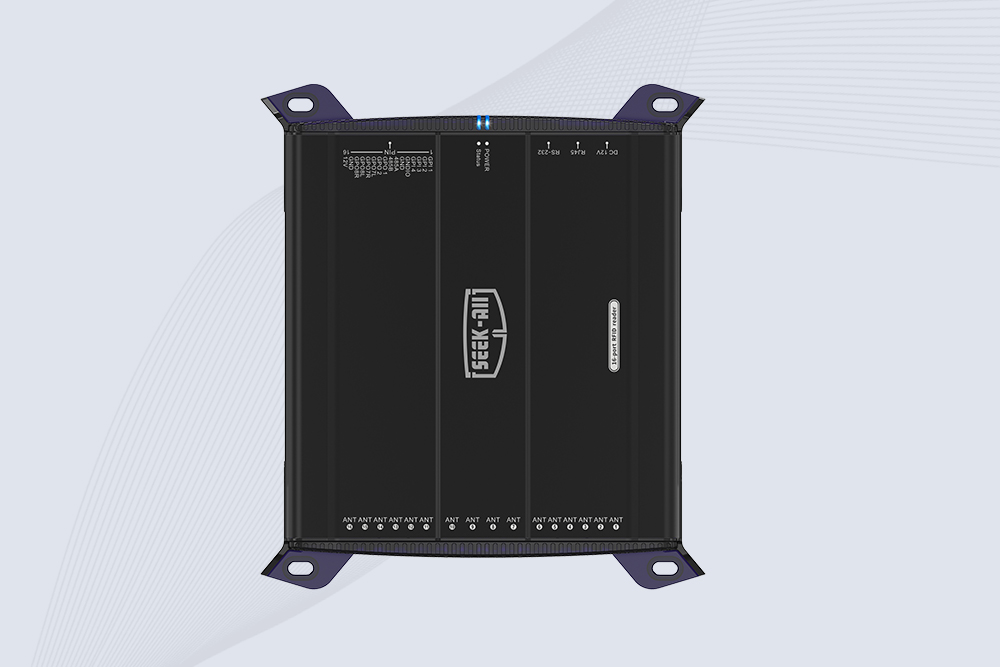
SSD-R16L Multi-Channel RFID Infrastructure for Automated Inventory Management ✔️ 16-Port High-Density RFID Reading Equipped with 16 SMA antenna ports, SSD-R16L supports multi-antenna deployment for warehouses, retail stores, logistics, production lines, and large-area RFID identification. ✔️ High-Speed & Long-Range Performance With up to 33…
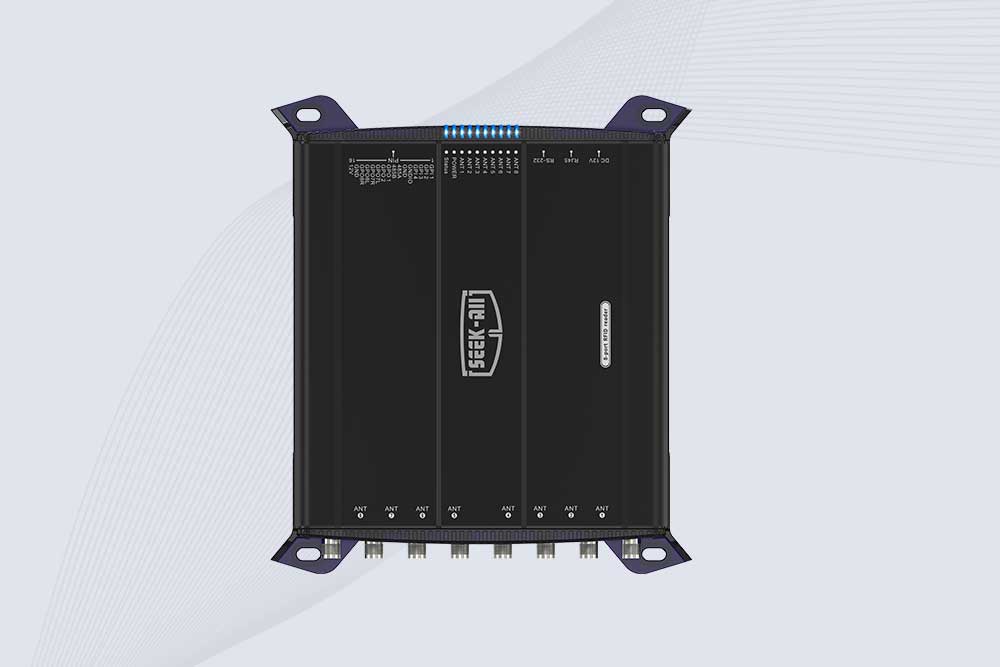
SSD-R8L 8-port UHF RFID reader with 33dBm output, up to 20m reading range and 600+ tags/s recognition. Ideal for warehouse, logistics, retail and asset tracking.
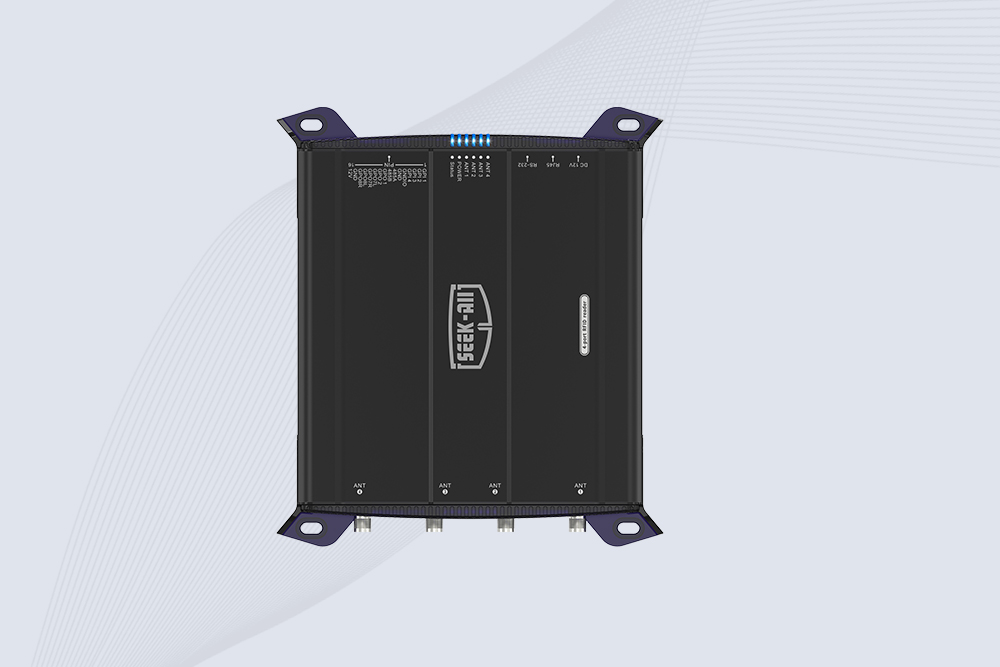
SSD-R4L is a 4-port UHF RFID fixed reader with 33dBm output power, up to 20m reading range, EPC C1G2 support and 600+ tags/s reading speed.
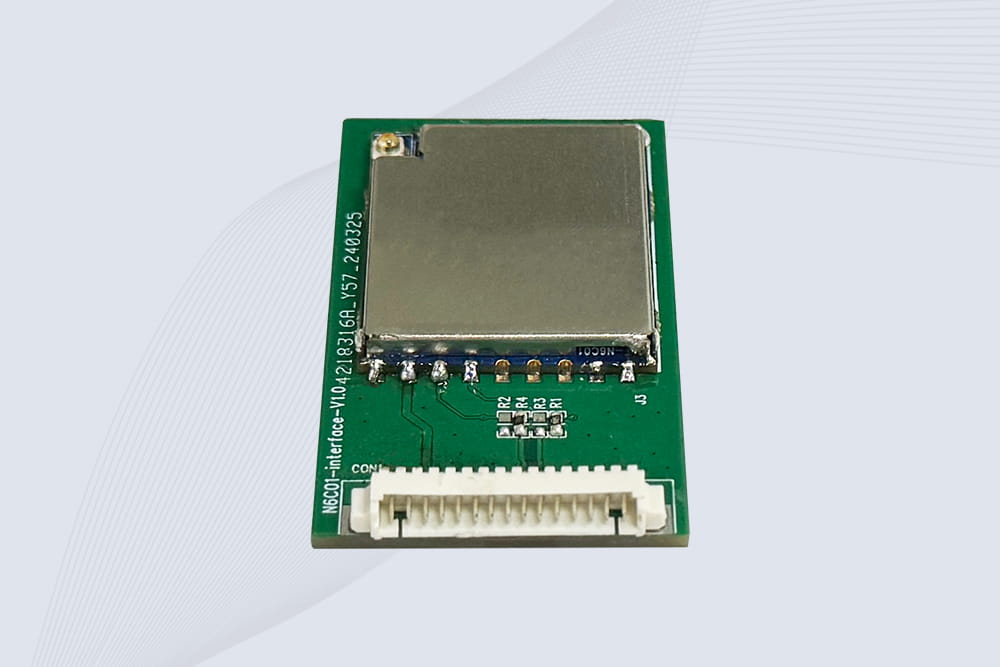
CYKEO Embedded RFID Modules are designed for compact industrial and IoT devices that require stable UHF performance. These UHF RFID Modules support global protocols, flexible power control, and reliable multi-tag reading for smart cabinets, production lines, and asset tracking systems.
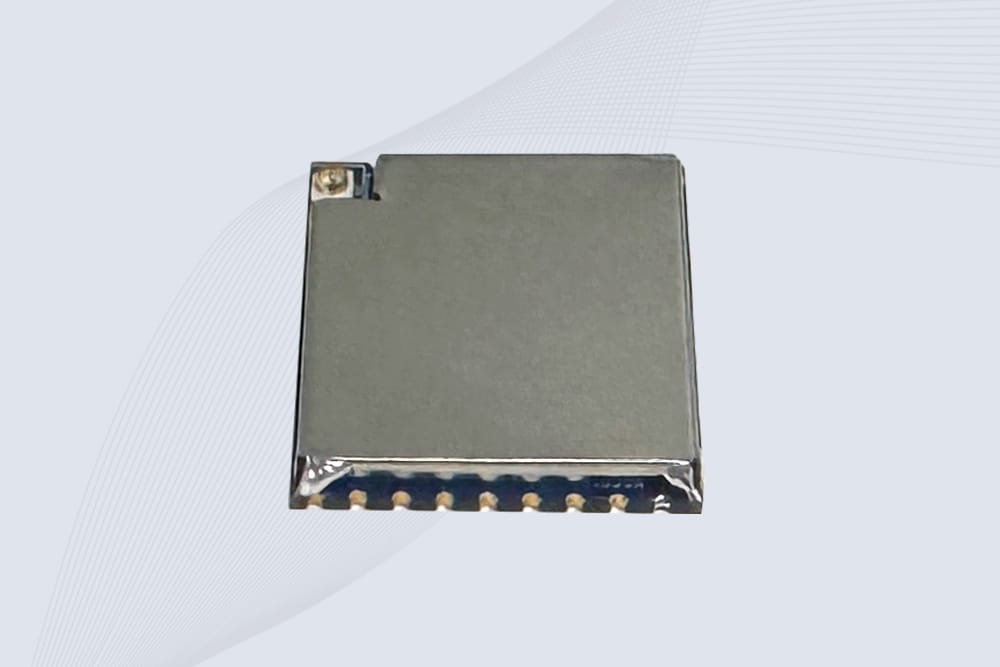
CYKEO Embedded RFID Module is built for compact IoT and industrial devices that need stable UHF performance. This UHF module supports global protocols, low power operation, and reliable multi-tag reading for smart lockers, production lines, and always-on RFID systems.
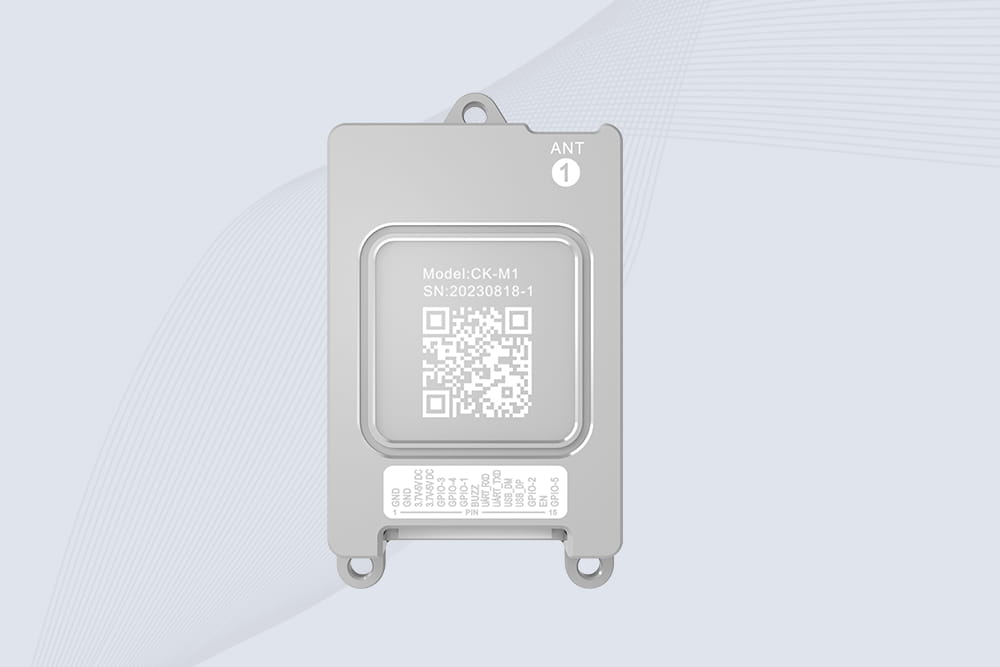
CYKEO CYKEO-M1 drone rfid module is a compact UHF RFID reader module designed for drones and UAV platforms. It supports long-range aerial scanning, fast multi-tag reading, and stable performance in wind, vibration, and outdoor environments.
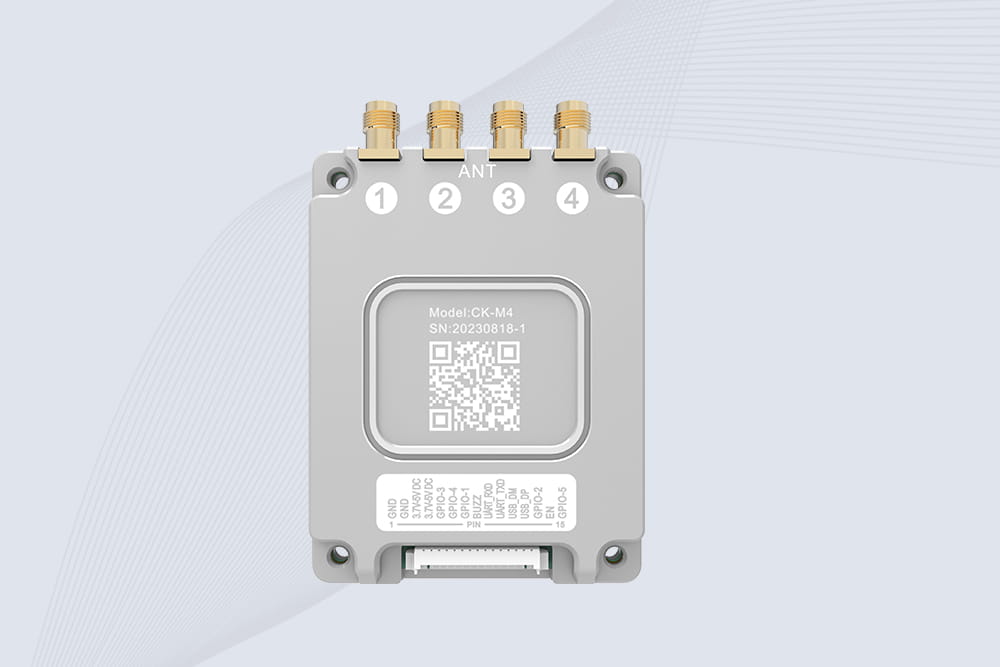
CYKEO CYKEO-M4 RC522 RFID Module is an industrial-grade UHF RFID reader with 4 ports, supporting ISO, EPC, and GB protocols. High-speed, accurate reading for IoT, automation, and warehouse applications.
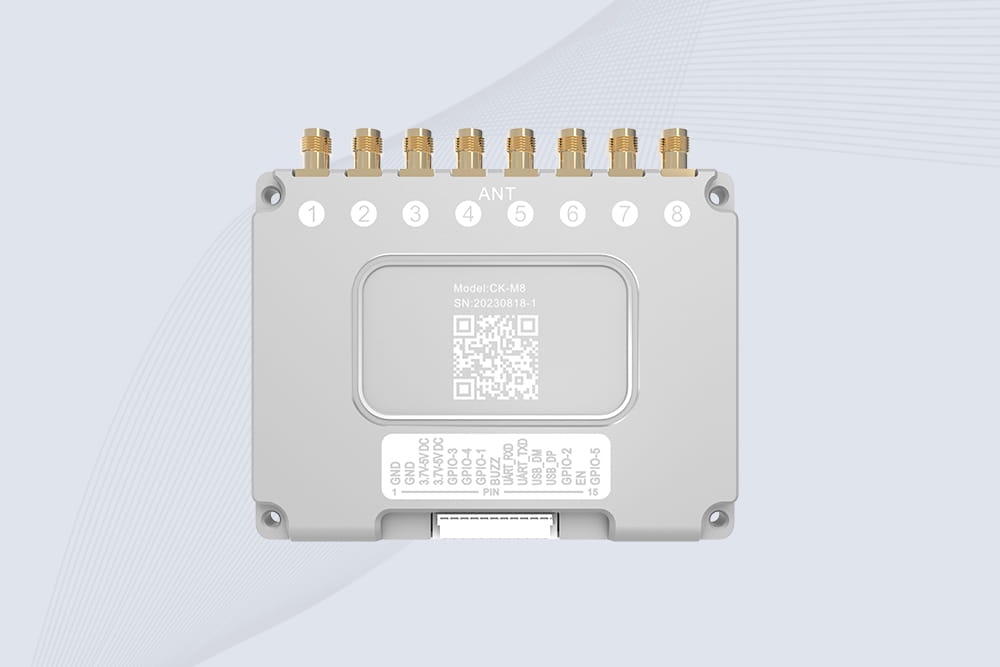
CYKEO CYKEO-M8 Module RFID is an 8-port UHF R2000 RFID Module designed for high-density, multi-tag environments. Stable 33dBm output, ISO & GB protocol support, ideal for warehouses, factories, and automated systems.
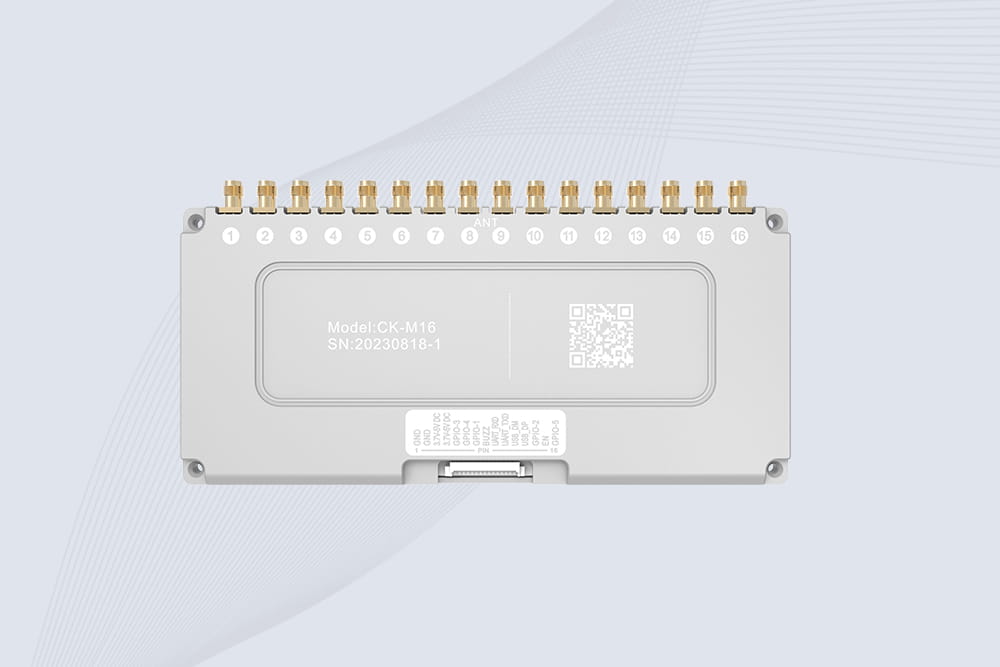
CYKEO CYKEO-M16 RFID Module is a 16-port UHF RFID reader module based on the R2000 chipset. Designed for dense tag environments, it supports ISO and GB standards and delivers stable multi-antenna control for industrial automation.
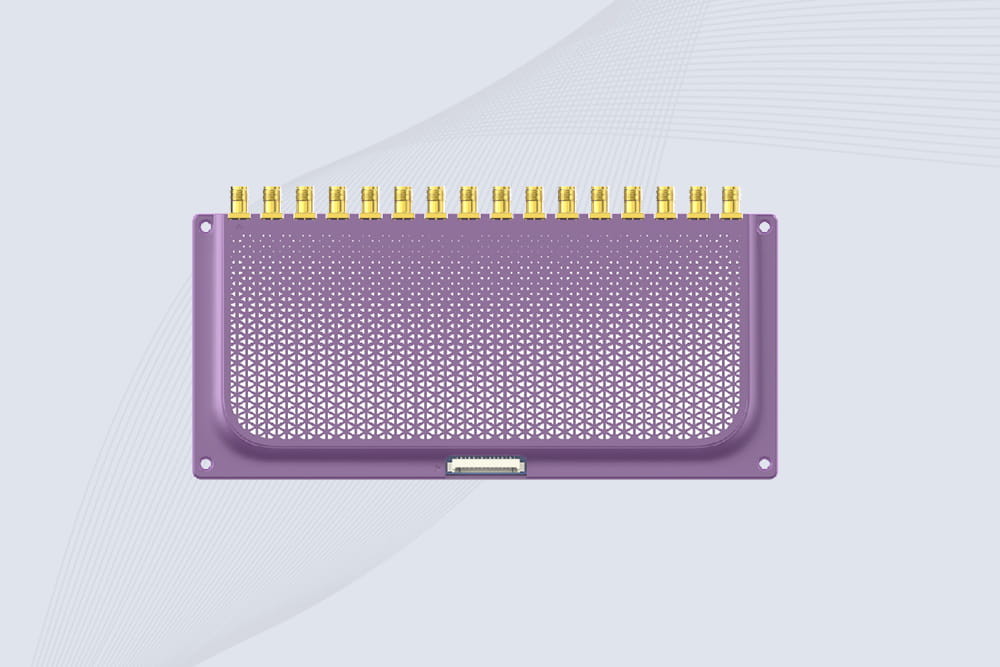
The CYKEO CYKEO-M16L RFID Reader Module is a 16-channel UHF RFID core designed for dense tag environments. With adjustable 33dBm output, multi-protocol support, and stable multi-antenna control, this RFID Tag Reader Module fits industrial automation, warehouse systems, and large-scale IoT deployments.
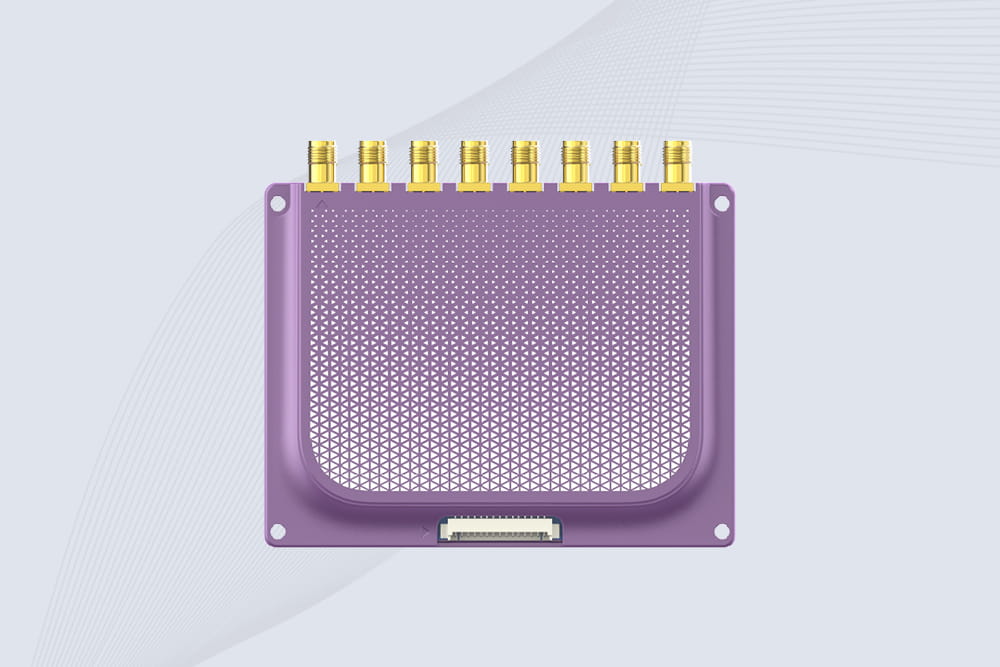
CYKEO CYKEO-M8L module RFID is a compact industrial UHF module built for dense tag and multi-antenna environments. With 8 RF ports, adjustable 33 dBm output, and ISO & GB protocol support, it is widely used in factories, warehouses, and automated tracking systems.
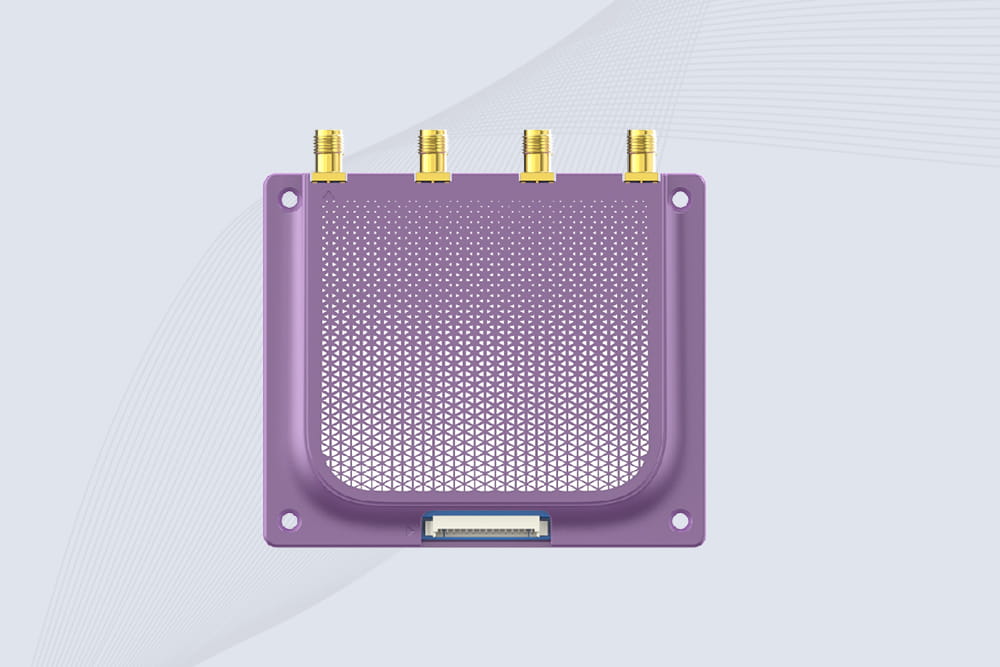
CYKEOCYKEO-M4L UHF RFID Module is a compact 4-channel RFID tag reader module designed for dense tag environments. Supporting ISO and GB protocols, it delivers stable reads up to 10 meters for industrial and IoT systems.
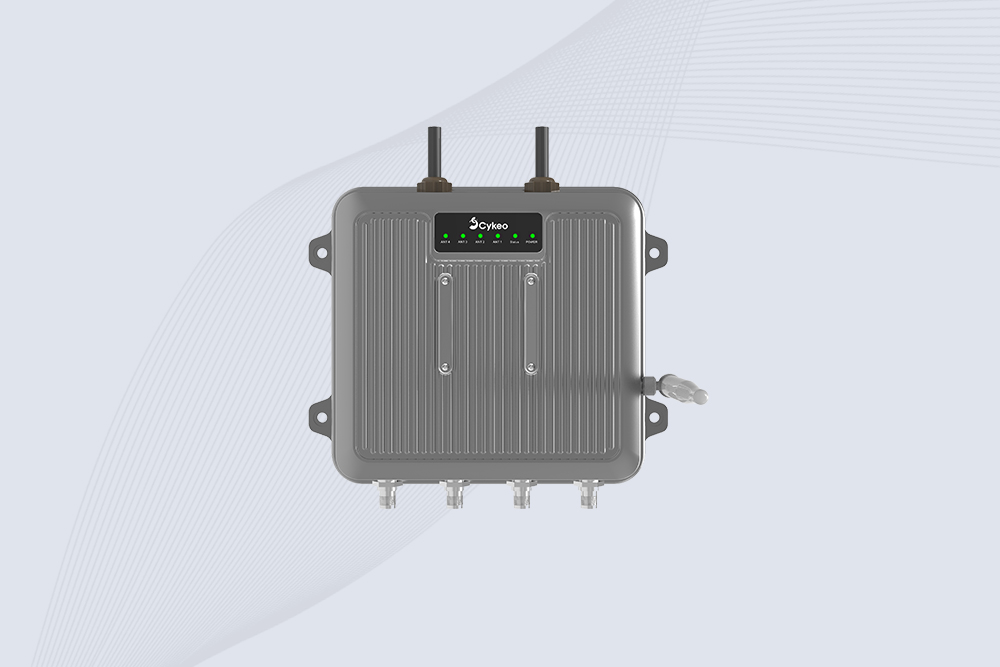
Cykeo CYKEO-C1 industrial Forklift RFID Reader features 20m read range, 600 tags/sec scanning, Impinj R2000 chipset, and IP67 rugged design. Ideal for warehouse logistics and manufacturing. Supports ISO 18000-6C/6B protocols.
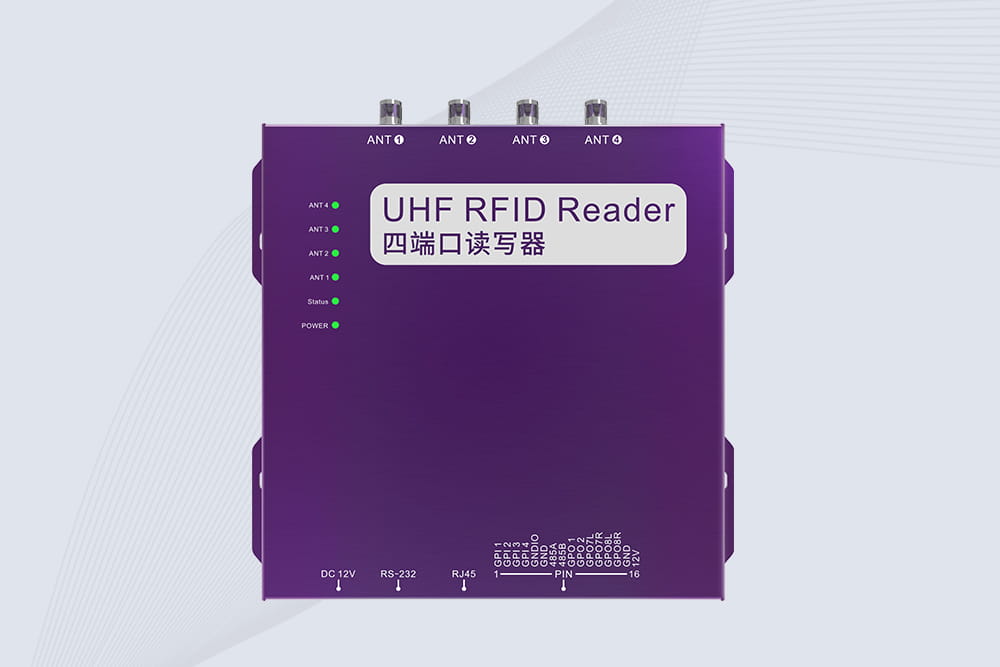
Cykeo CYKEO-R4 industrial UHF RFID Fixed Reader features 4 TNC ports, 400+ tags/sec speed, IP67 housing, and global frequency compliance for vehicle inspection, smart warehouse, and asset management systems.
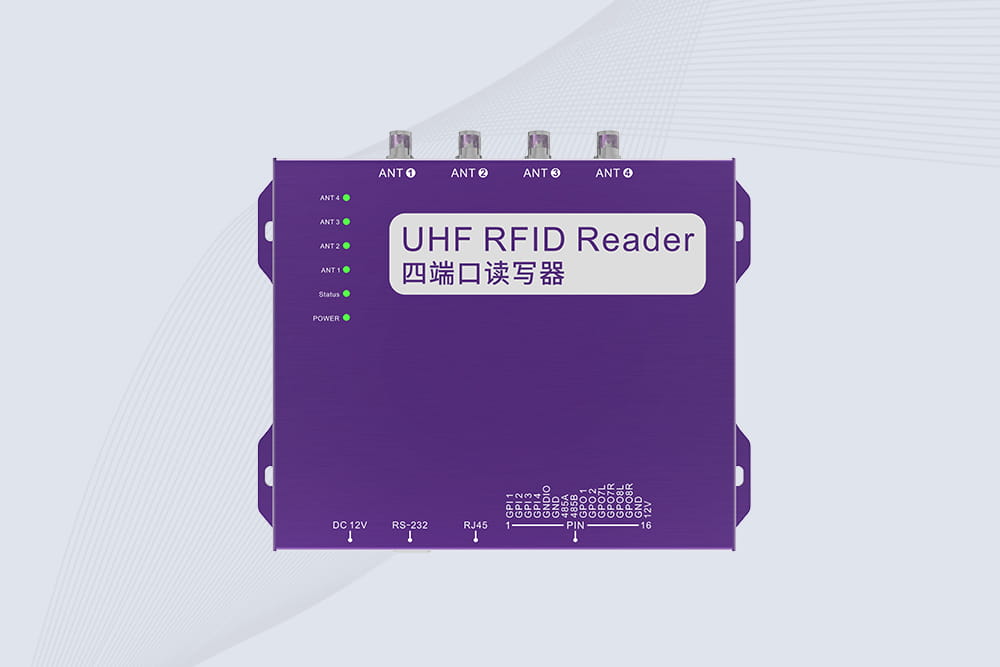
Cykeo’s CYKEO-R4L 4-port Fixed UHF RFID Reader delivers 400 tags/sec scanning, ISO 18000-6C compliance, and IP65 protection. Ideal for warehouse automation, manufacturing WIP tracking, and logistics management.
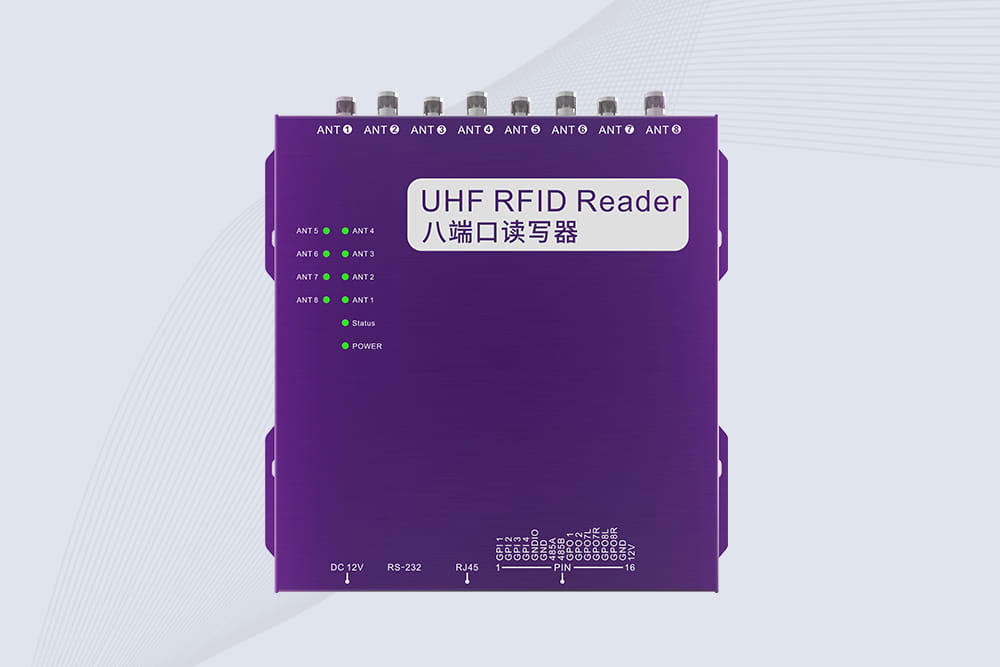
CYKEO CYKEO-R8L Fixed RFID Reader with 8-port UHF design, Impinj-based RF core and up to 20m read range. An industrial Fixed RFID Reader for vehicle inspection, warehouse portals, smart manufacturing lines and secure access checkpoints.
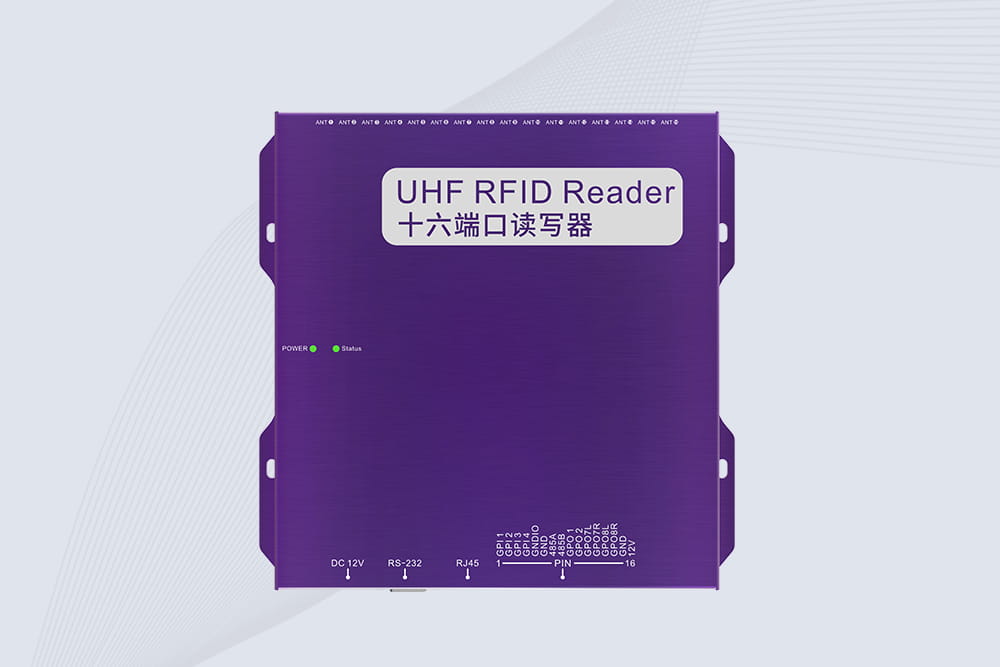
RFID Fixed Reader from CYKEO – the CYKEO-R16L 16-port UHF fixed reader for warehouses, smart cabinets, and production lines. Long-range, multi-tag reading, stable performance for 24/7 industrial use.

Explore the technical structure of a hospital parking system using RFID, including reader modules, antennas, and how Cykeo RFID hardware integrates into complex hospital environments.
More
Learn how to set up an RC522 RFID module with Raspberry Pi for DIY projects like access control, inventory tracking, and smart locks. Step-by-step instructions included.
More
RFID surgical instrument tracking helps hospitals reduce lost tools, improve OR efficiency, and ensure compliance. See how CYKEO delivers real results.
More
Learn how RFID reader modules are used in library self-checkout systems, smart shelves, automated return stations, and book inventory management applications.
More