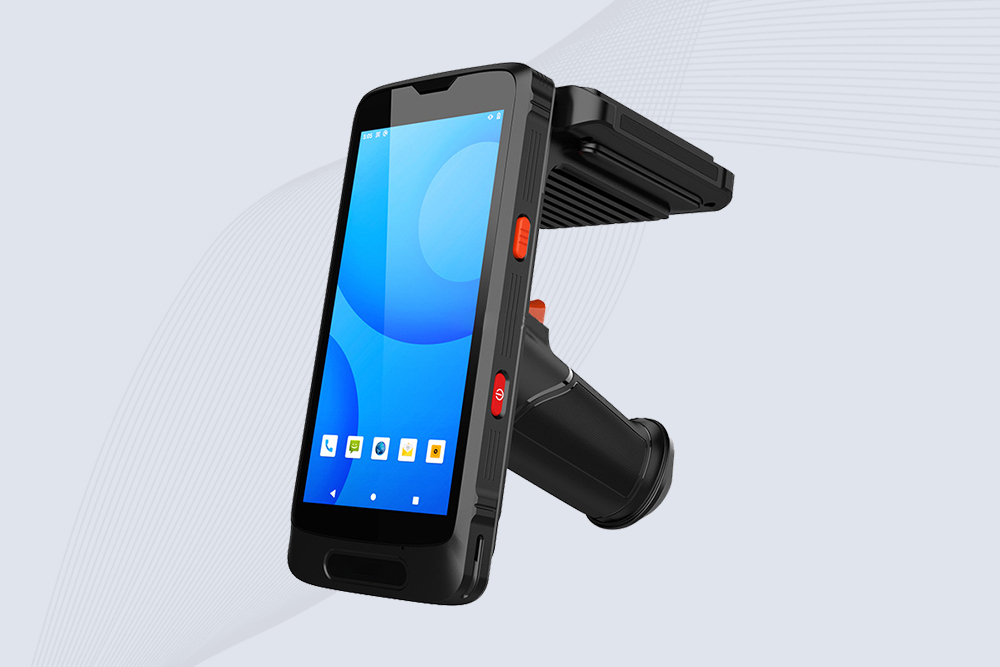
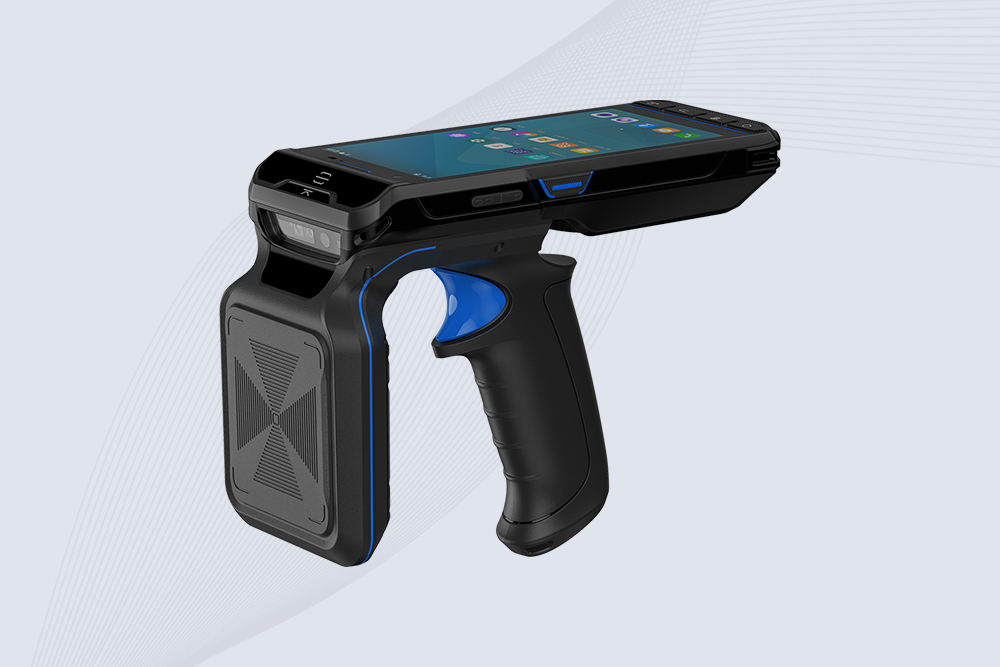
Handheld RFID scanners are built to endure tough workflows, but neglecting maintenance can lead to costly breakdowns or inaccurate reads. Follow these best practices to keep your device running smoothly for years while protecting your investment.
1. Daily Cleaning Routine
Dust, grease, and debris are the top enemies of RFID scanners. After each shift:
Wipe the Exterior: Use a microfiber cloth slightly dampened with isopropyl alcohol (70%) to remove dirt without damaging seals.
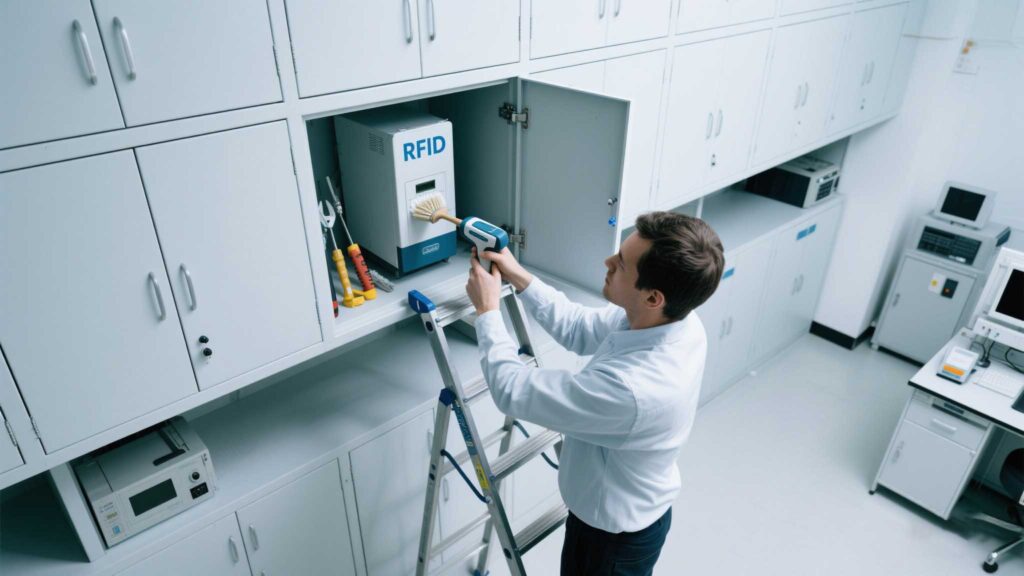
Clean the Antenna: Gently brush the scanner’s antenna area with a soft-bristled toothbrush to dislodge dust.
Port Care: Blow compressed air into USB/charging ports to clear particles.
Avoid harsh chemicals like bleach or ammonia—they degrade rubber seals and screens.
2. Battery Maintenance
Lithium-ion batteries degrade faster if mishandled. Extend battery life by:
Avoiding Full Discharges: Recharge at 20–30% remaining power.
Storing at 50% Charge: If unused for weeks, partial charge prevents cell stress.
Using OEM Chargers: Off-brand chargers can overheat circuits.
Cykeo scanners include a “Battery Saver Mode” that caps charging at 90% to prolong lifespan.
3. Software Updates & Calibration
Monthly Firmware Updates: Patch bugs and optimize power management.
Antenna Calibration: Use built-in tools to adjust signal strength if read range drops.
Cache Clearing: Delete old scan logs to free up memory and prevent lag.
4. Storage & Environmental Precautions
Temperature: Store in dry areas between -10°C to 40°C (14°F to 104°F).
Humidity: Keep below 80% RH to prevent internal corrosion.
Impact Protection: Use silicone sleeves or hard cases when not in use.
For harsh environments like construction sites, Cykeo’s IP68-rated scanners have self-sealing ports to block moisture and dust.
5. Professional Servicing
Schedule bi-annual checkups for:
Antenna Testing: Ensure optimal signal output.
Battery Health Reports: Identify cells needing replacement.
Seal Replacements: Worn gaskets compromise water resistance.
Case Study: Cykeo in Action
A food distribution center using Cykeo scanners reduced device replacements by 60% over three years by implementing weekly cleaning and quarterly calibrations. Their maintenance protocol added just 15 minutes per shift but saved $8,000 annually in repair costs.
Learn how retail businesses use RFID technology to support logistics, improve inventory visibility, accelerate receiving, reduce stock errors, and connect stores with supply chains.
Learn how to implement RFID for healthcare equipment tracking compliance with HIPAA, FDA, and ISO standards. Discover Cykeo’s solutions for audit-ready medical asset management.
Compare long-range RFID readers and barcode scanners for warehouse efficiency. Discover which technology reduces errors, speeds up workflows, and scales with Cykeo’s solutions.
Explore production tracking solutions for rfid medical device manufacturing to achieve real-time visibility, compliance, and traceability across every stage.
 Cykeo RFID IoT Solution Products R&D Manufacturer