 Cykeo RFID IoT Solution Products R&D Manufacturer
What Is RFID Programmer and How It Actually Works
428Learn what an RFID programmer does, how it writes and configures RFID tags, and where it’s used in real applications like retail, logistics, and animal tracking.
MoreAll RFID Product
You just got a new RFID reader. The datasheet says “Read range up to 12 meters.” You install it in your facility, and suddenly you are struggling to read tags at four meters. What happened?
Here is the thing. When people search how to find the range of an RFID reader, they usually discover that the number on the box is measured in a perfect lab—anechoic chamber, ideal tag orientation, no interference . Your warehouse is not a lab. Metal racks, forklifts, other readers, even humidity changes everything .
Let me walk through how to find the real range for your specific site.
RFID range is not one fixed number. It is a curve that changes based on many factors .
The reader sends out radio energy. The tag harvests that energy to power its chip and bounces back a signal. For a successful read, three things must happen:
Lab range vs real-world range :
Manufacturers test with tags mounted on foam, oriented perfectly, at max legal power, with no interference . That 12-meter claim assumes all of that. Your reality will differ.
Before you start measuring, you need:
Important: Use the exact tags you plan to deploy. Different tags have different range characteristics . A large forklift tag reads farther than a tiny laundry tag.
Find a clean area away from large metal objects. If you are testing for warehouse use, you need both baseline and real-world numbers, but start clean.
Position the tag on a non-metallic surface at typical mounting height. If tags will be on cardboard boxes, test with a cardboard box. If on plastic pallets, use that .
Configure the reader to standard settings:
This is the most straightforward way how to find the range of an RFID reader :
Typical ranges per ISO/IEC 18000-63 are 0.1m to 12m depending on conditions . Your results will fall somewhere in that window.
UHF tags are directional. A tag facing edge-on to the antenna might not read at all .
For each distance, test:
The worst-case orientation determines your practical range. If tags can arrive in any orientation, you need a system that reads the hardest direction .
This method gives you better data without moving the tag constantly .
The minimum power needed to read a tag correlates with distance. Lower power needed = tag is effectively closer in RF terms .
This is especially useful for comparing different tag types or checking if something changed in the environment.
Installation affects everything :
Research shows external factors can significantly impact range . A 2024 study established formulas linking temperature and humidity to RFID range .
Once you have baseline numbers, move to where the reader will actually live.
Test at different times of day. RF noise changes when forklifts run, when other equipment turns on, when people arrive.
Test with typical tag populations. One tag reads differently than 50 tags on a pallet. Multiple tags cause collisions and can reduce effective range.
Test with moving tags. If tags will be on conveyors or forklifts, test while moving. Dynamic conditions affect reads .
RFID signals bounce off floors, ceilings, and walls. These reflections can help or hurt .
Research shows that signal strength alone is unreliable for distance estimation due to multipath interference . An IEEE study found that reliable distance estimation requires techniques like frequency hopping and antenna diversity to reduce these effects .
If you have dead zones at certain distances:
Received Signal Strength Indicator (RSSI) gives you a number that roughly correlates with distance .
But RSSI varies with tag orientation, so use it as guidance, not precise measurement .
If you need precise distance measurement, specialized techniques exist:
Delay time measurement: Some systems use the time electromagnetic waves take to travel to the tag and back . OMRON developed technology using delay time rather than signal strength, which is unaffected by tag orientation .
Minimum detection power: Motorola patented a method using the minimum power needed to maintain a 50% detection rate . This is more stable than RSSI because it is less sensitive to environmental changes .
These methods typically require specialized hardware or software. CYKEO enterprise readers offer diagnostic modes that approximate these techniques.
“Why does my handheld read less than my fixed reader?”
Handhelds have smaller antennas and lower power budgets. A CK-B5L reads 3-8 meters typically. A fixed RA412 with external antenna can read 8-12 meters. Different tools for different jobs .
“Can I increase range by turning up power?”
Up to a point. Higher power increases range but also increases reads of unwanted tags. And regulatory limits cap maximum power . Sometimes reducing power improves accuracy by focusing on your target area.
“Do different frequencies have different ranges?”
Yes. LF (125 kHz) reads centimeters. HF (13.56 MHz) reads up to about a meter. UHF (860-960 MHz) reads meters to tens of meters .
“How do I know if I need longer range?”
Ask yourself where tags need to be read. If they are always within 3 meters, you may not need max range. If tags are scattered across 10-meter doorways, you need optimization .
“Does weather affect range?”
Yes. Rain, snow, and high humidity absorb UHF signals. Temperature extremes affect electronics. A 2024 study confirmed that temperature and humidity significantly impact RFID range .
| Setup | Typical Range |
|---|---|
| CYKEO CK-B5L handheld, standard tag | 3-6 meters |
| CYKEO CK-B5L, high-memory tag | 4-8 meters |
| CYKEO RA412 with 6dBi antenna | 6-10 meters |
| CYKEO RA412 with 9dBi antenna | 8-12 meters, narrower beam |
| With on-metal tags on metal surface | 3-5 meters (different physics) |
| In high-interference environment | Reduce expectations by 30-50% |
How to find the range of an RFID reader comes down to:
The number on the box is a starting point, not a guarantee. The only way to know your real range is to test with your tags, your reader, and in your space.
CYKEO readers include diagnostic tools that help. The CYKEO Scan app shows RSSI in real time. The CK-B5L handheld has a “find tag” mode that uses signal strength to guide you closer. And our fixed readers offer power adjustment so you can tune for your exact needs.
And when you get stuck—because RF is never simple—CYKEO support has helped customers measure range in every type of facility. Call us with your setup and we will walk you through it.
Need help optimizing your read range?
CYKEO offers on-site range testing services for qualified projects. Our engineers bring test equipment and help you find the sweet spot. Contact our team to schedule.
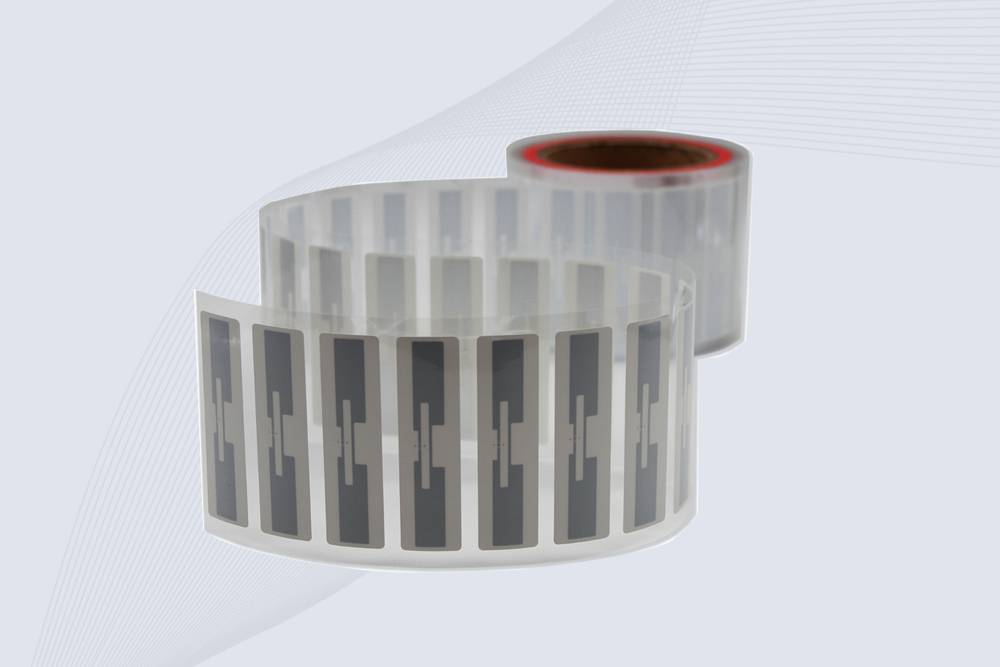
CYKEO Passive RFID Tags are made for wet and high-humidity environments where standard labels do not last. This rfid passive tag is often used around liquids, chemicals and temperature changes, providing stable reading distance and long data life for industrial tracking.
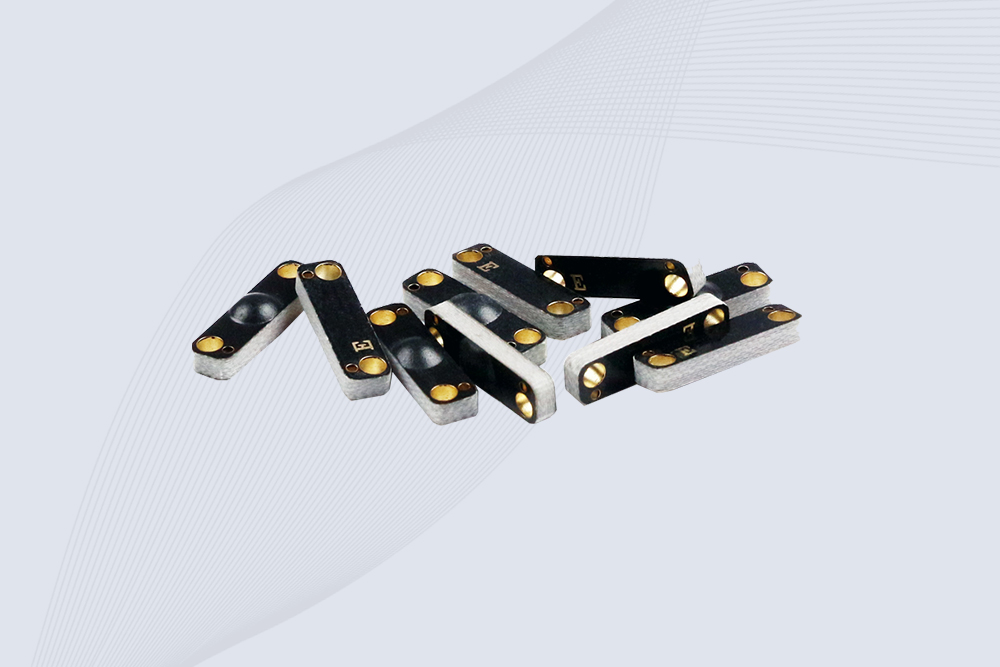
CYKEO CYKEO-PCB1504 Metal RFID Tags is a compact anti-metal UHF RFID solution built for direct mounting on metal surfaces. With stable 8-meter read range, Ucode-8 chip, and long data retention, this rfid metal tag fits tools, containers, automotive parts, and industrial asset tracking.
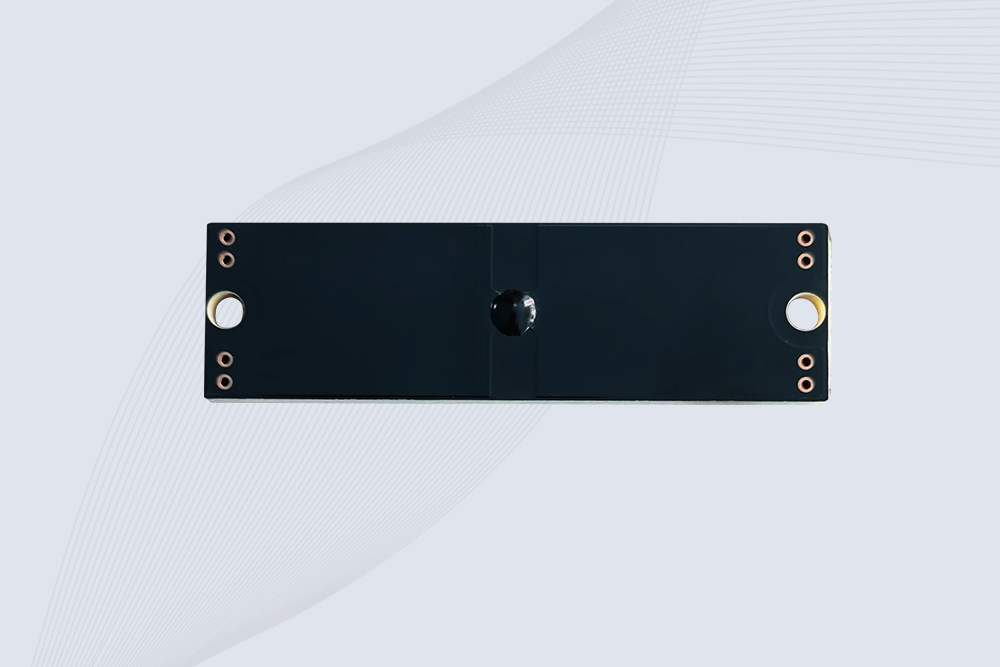
CYKEO CYKEO-PCB7020 On-Metal RFID Tags are designed for reliable tracking on steel and metal surfaces. Built with an FR4 epoxy body and industrial-grade chips, these On-Metal RFID Tags deliver stable performance, long data life, and chemical resistance, making them a dependable RFID anti-metal tag for harsh environments.
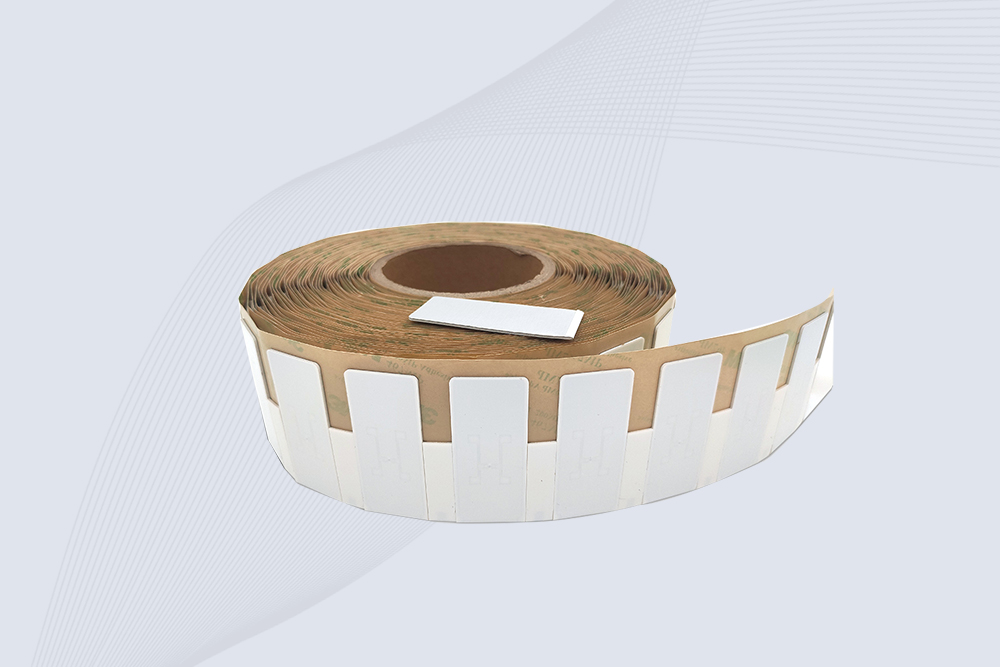
The CYKEO CYKEO-60-25 Anti-Metal RFID Tag is built for metal surfaces where standard tags fail. Designed for long-range performance, harsh environments, and stable data retention, this Anti-Metal RFID Tag is ideal for industrial assets, containers, and equipment tracking using on metal RFID tags.
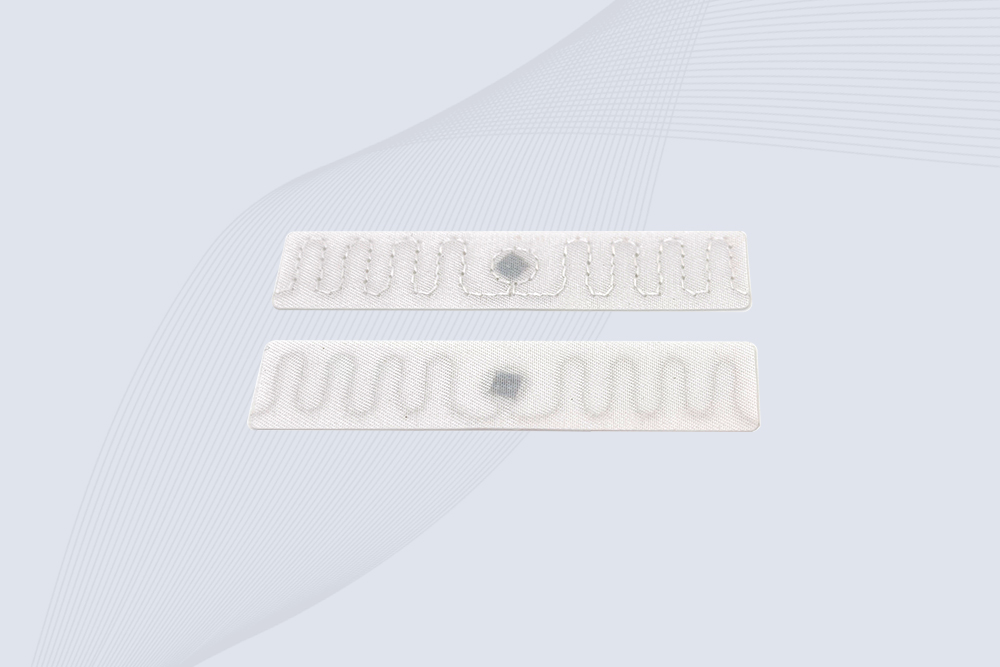
The CYKEO RFID Laundry Tag is designed for long-term textile identification in harsh laundry environments. Built to withstand high heat, chemicals, and repeated washing, this RFID Laundry Tag delivers stable performance for hotels, hospitals, and industrial laundry operations using laundry rfid tags at scale.
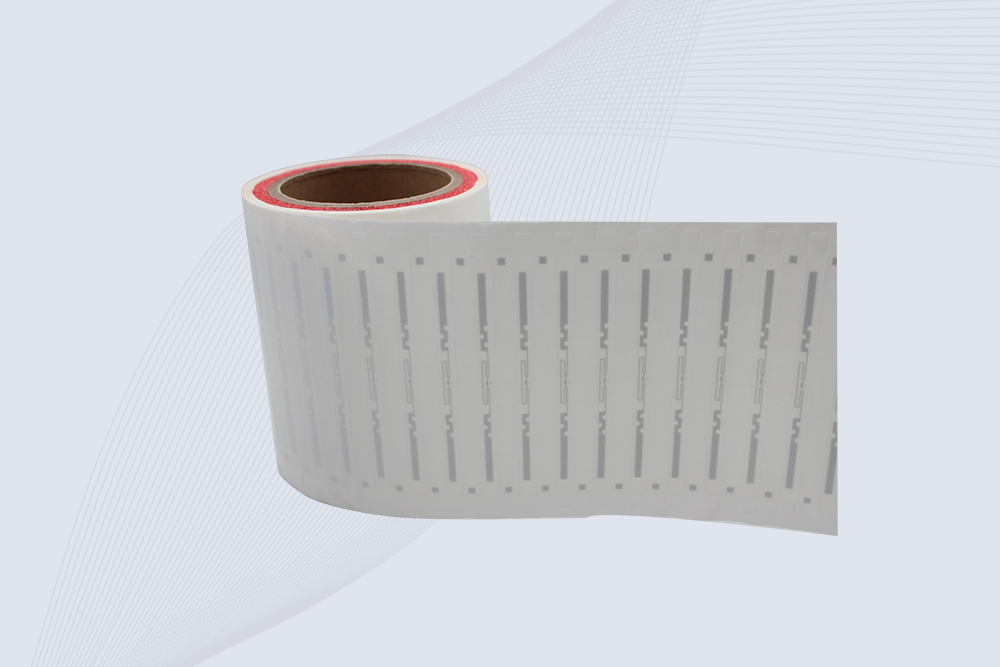
The CYKEO CYKEO-125-7 RFID Book Tag is designed for reliable book and document tracking in libraries and archives. This RFID Book Tag delivers long read range, dense placement support, and stable performance on shelves, making it a practical rfid tag on books for library automation, file management, and archival systems.
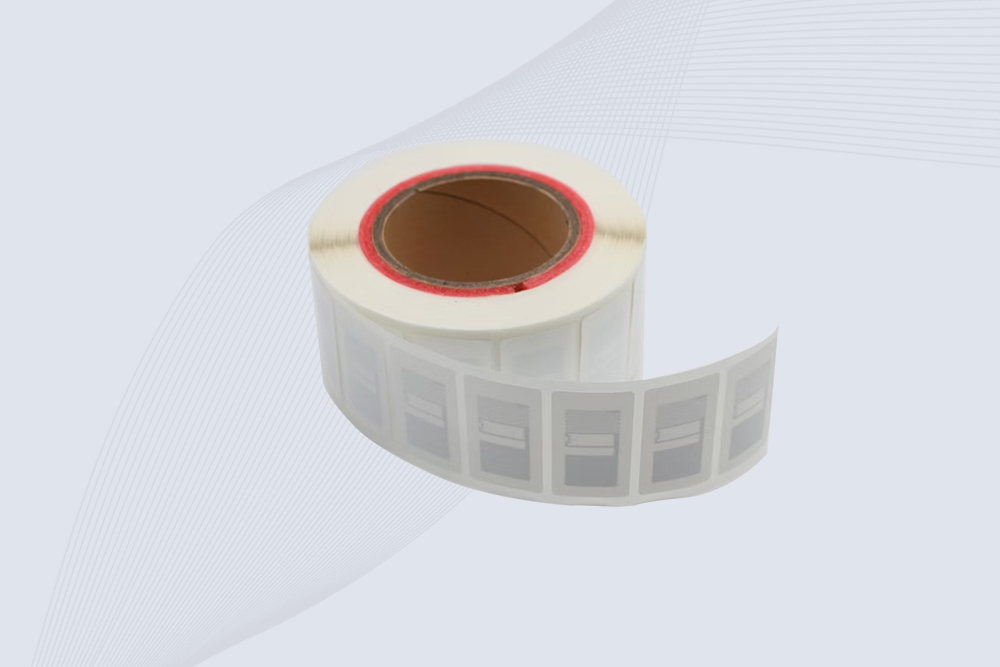
CYKEO RFID tags in hospitals are designed for sterile environments where accuracy matters. These autoclavable RFID tags support long-term tracking of surgical tools, implants, and medications, helping hospitals improve visibility, compliance, and patient safety.

CYKEO RFID Cable Tie Tag is built for reliable identification on metal surfaces. This UHF RFID Cable Tie Tag is widely used in rfid tags for inventory systems, industrial asset management and Hospital RFID Tags, offering stable read performance, long service life and global EPC Gen2 compatibility.
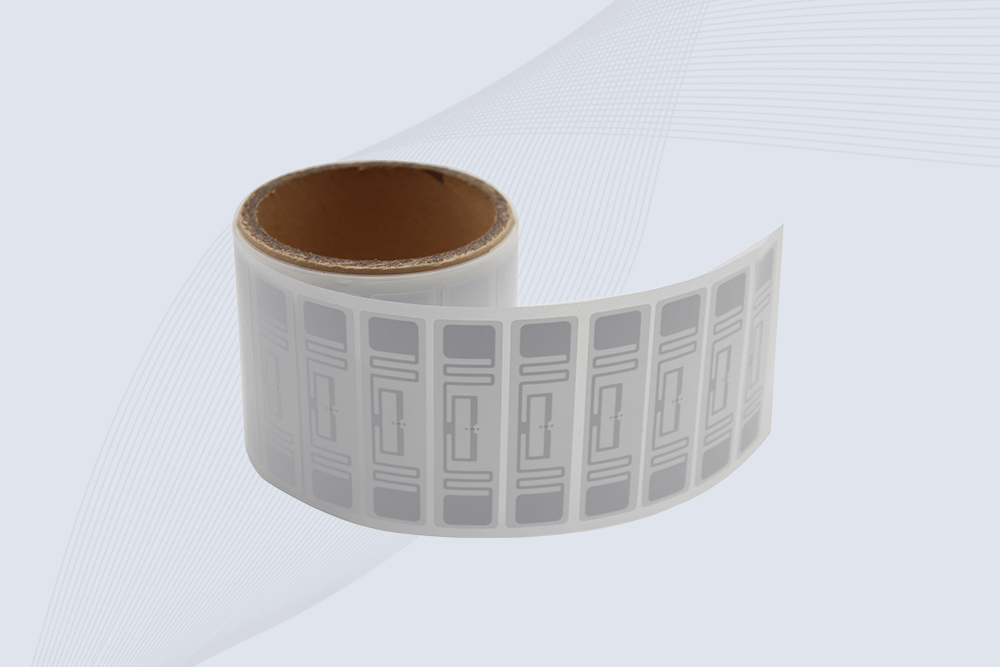
CYKEO RFID Asset Tag is designed for stable identification of metal assets in industrial environments. This UHF RFID Asset Tag is commonly used for rfid tag asset tracking on equipment, tools and containers, providing reliable reads, long service life and ISO/IEC 18000-6C support.
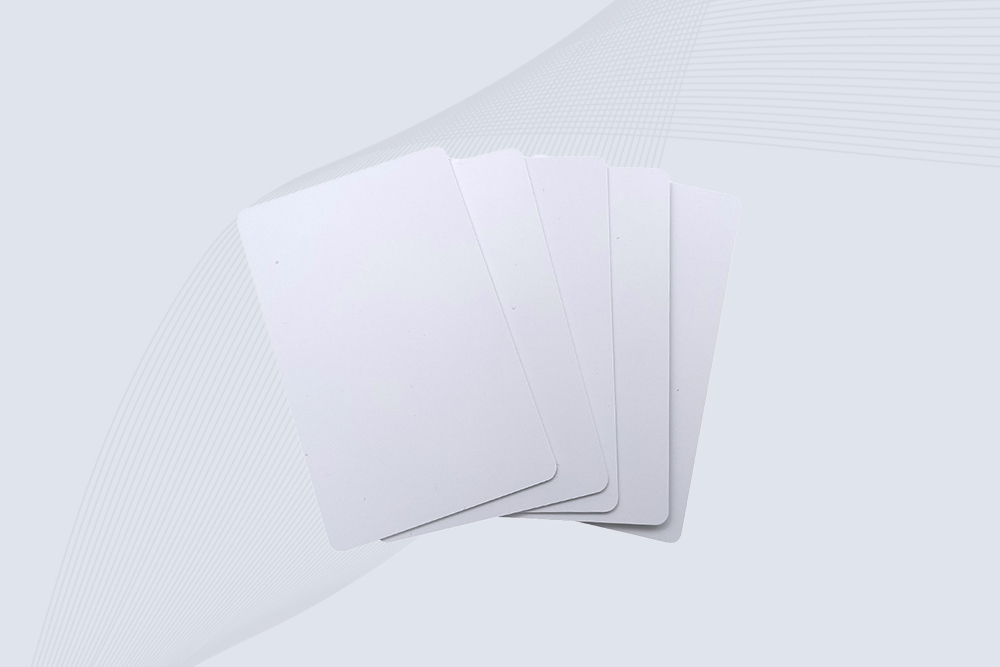
CYKEO UHF RFID Card is designed for fast identification and long-term use in industrial and commercial systems. Supporting ISO 18000-6C, this UHF RFID Card works at 860–960 MHz and is suitable for custom RFID cards used in asset tracking, access control and inventory management.
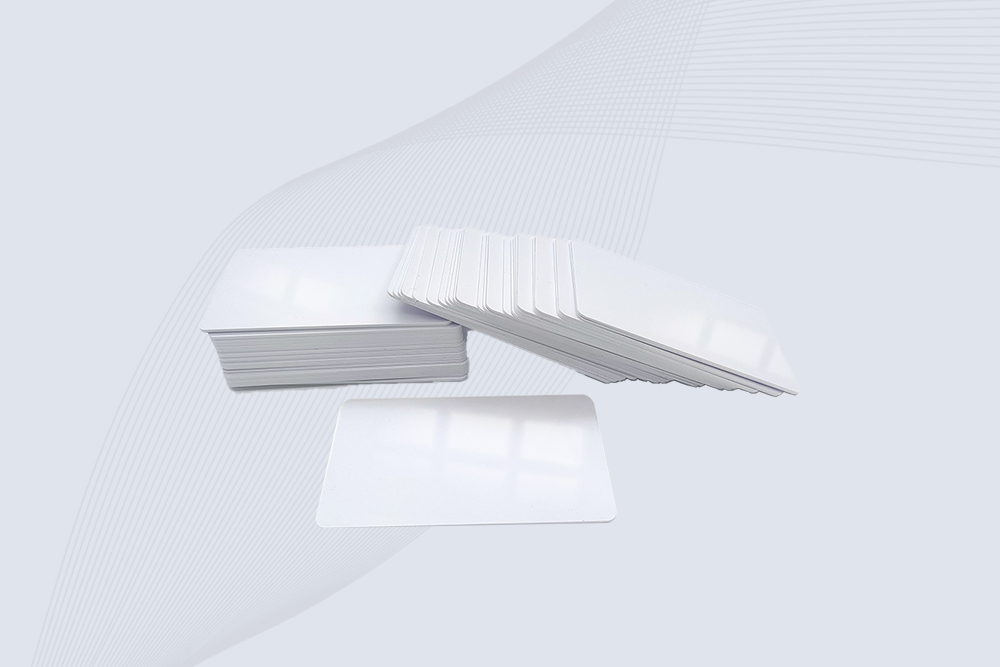
CYKEO HF RFID Cards are designed for secure and stable access control systems. These 13.56 MHz RFID key cards support ISO 14443-A, reliable rewriting and long service life, making HF RFID Cards suitable for offices, campuses, events and membership management.
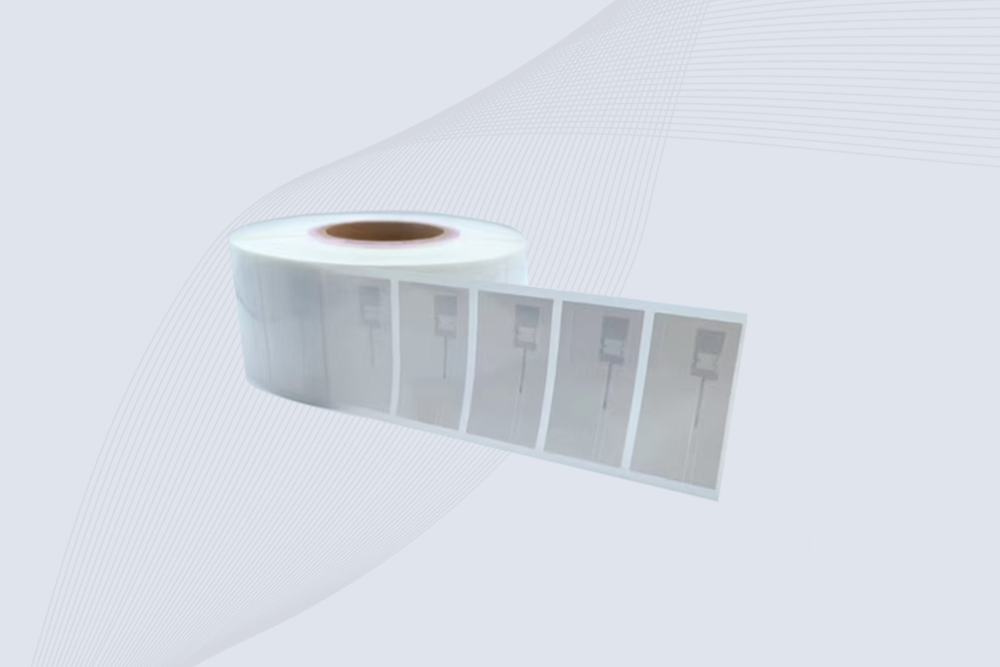
CYKEO UHF RFID Tag is designed for reliable tracking of metal jewelry and high-value items. This Jewelry RFID Tag supports long-range reading up to 8 meters, anti-counterfeit protection and stable performance on metal, making it suitable for retail, inventory control and asset management.
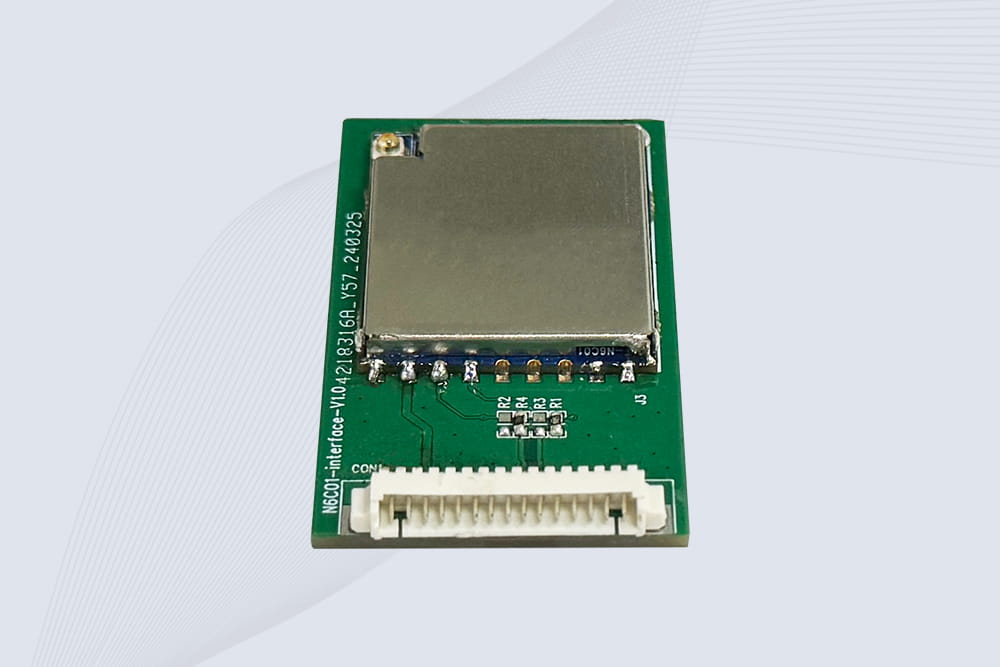
CYKEO Embedded RFID Modules are designed for compact industrial and IoT devices that require stable UHF performance. These UHF RFID Modules support global protocols, flexible power control, and reliable multi-tag reading for smart cabinets, production lines, and asset tracking systems.
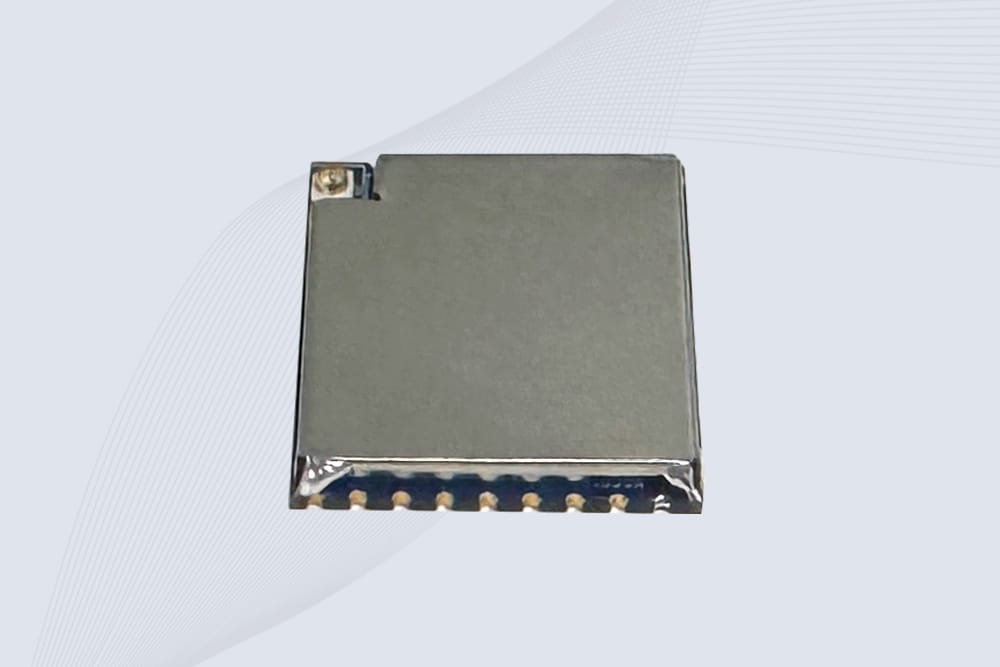
CYKEO Embedded RFID Module is built for compact IoT and industrial devices that need stable UHF performance. This UHF module supports global protocols, low power operation, and reliable multi-tag reading for smart lockers, production lines, and always-on RFID systems.
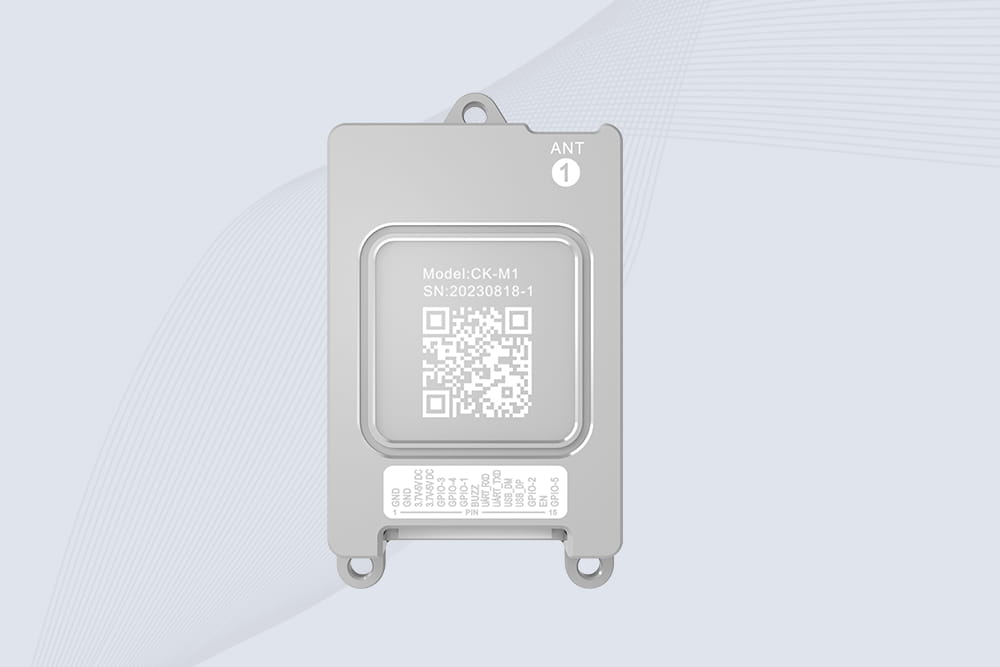
CYKEO CYKEO-M1 drone rfid module is a compact UHF RFID reader module designed for drones and UAV platforms. It supports long-range aerial scanning, fast multi-tag reading, and stable performance in wind, vibration, and outdoor environments.
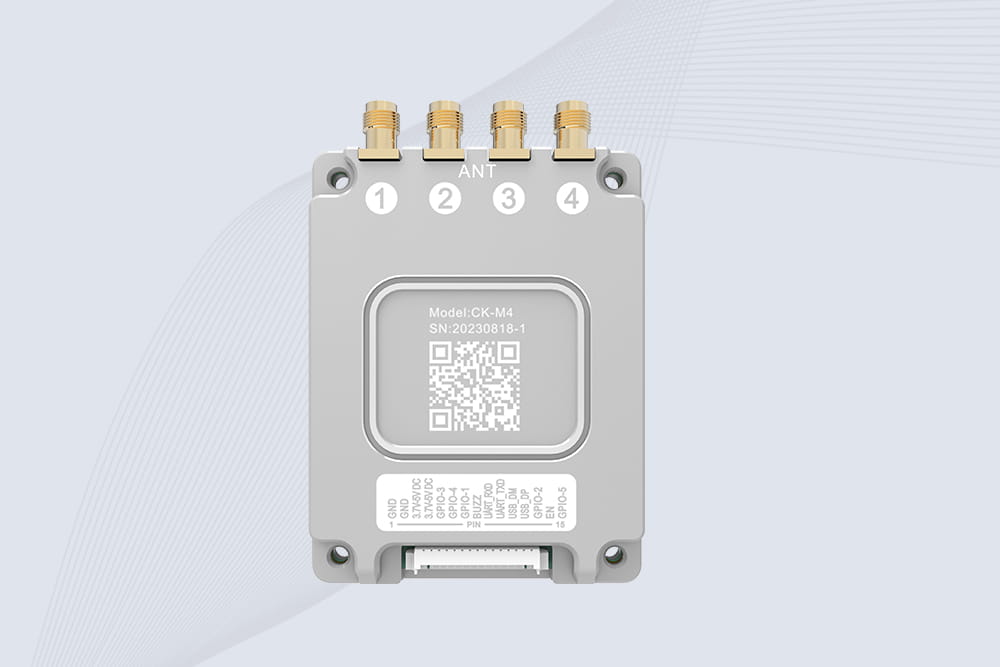
CYKEO CYKEO-M4 RC522 RFID Module is an industrial-grade UHF RFID reader with 4 ports, supporting ISO, EPC, and GB protocols. High-speed, accurate reading for IoT, automation, and warehouse applications.
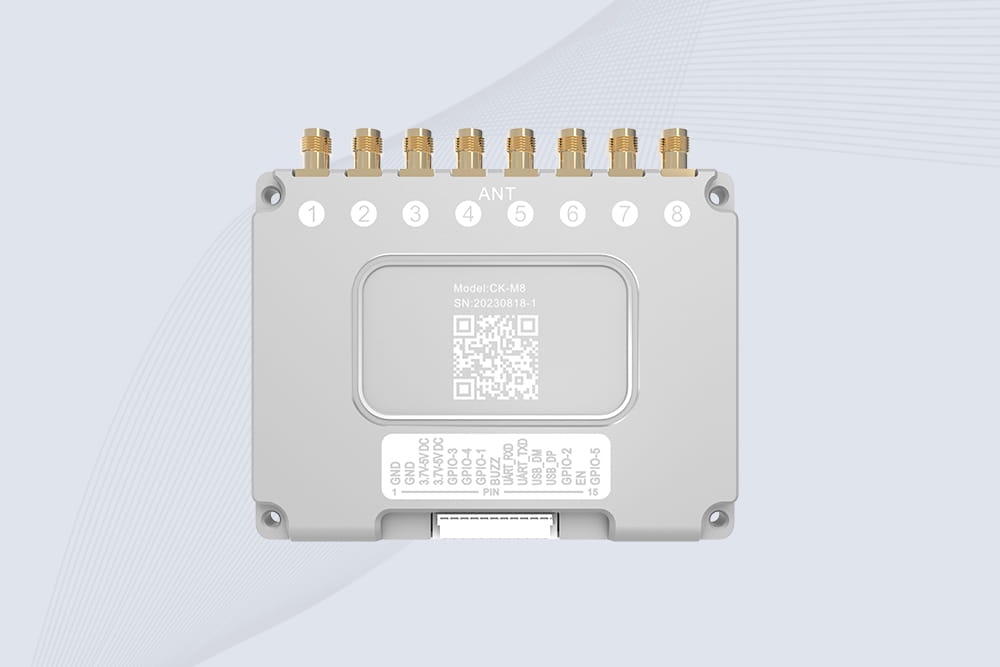
CYKEO CYKEO-M8 Module RFID is an 8-port UHF R2000 RFID Module designed for high-density, multi-tag environments. Stable 33dBm output, ISO & GB protocol support, ideal for warehouses, factories, and automated systems.
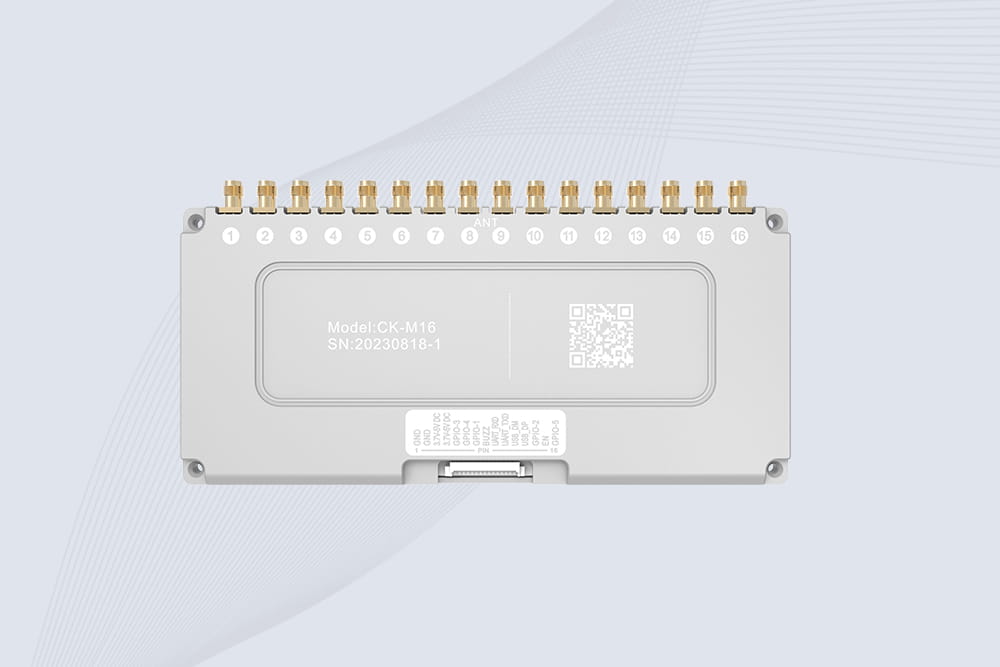
CYKEO CYKEO-M16 RFID Module is a 16-port UHF RFID reader module based on the R2000 chipset. Designed for dense tag environments, it supports ISO and GB standards and delivers stable multi-antenna control for industrial automation.
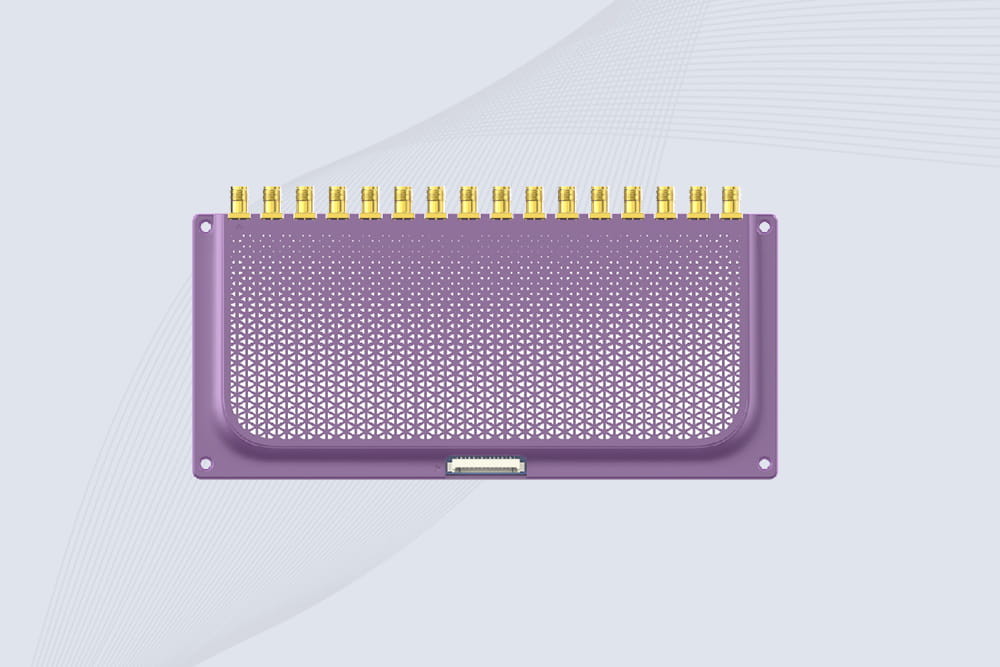
The CYKEO CYKEO-M16L RFID Reader Module is a 16-channel UHF RFID core designed for dense tag environments. With adjustable 33dBm output, multi-protocol support, and stable multi-antenna control, this RFID Tag Reader Module fits industrial automation, warehouse systems, and large-scale IoT deployments.
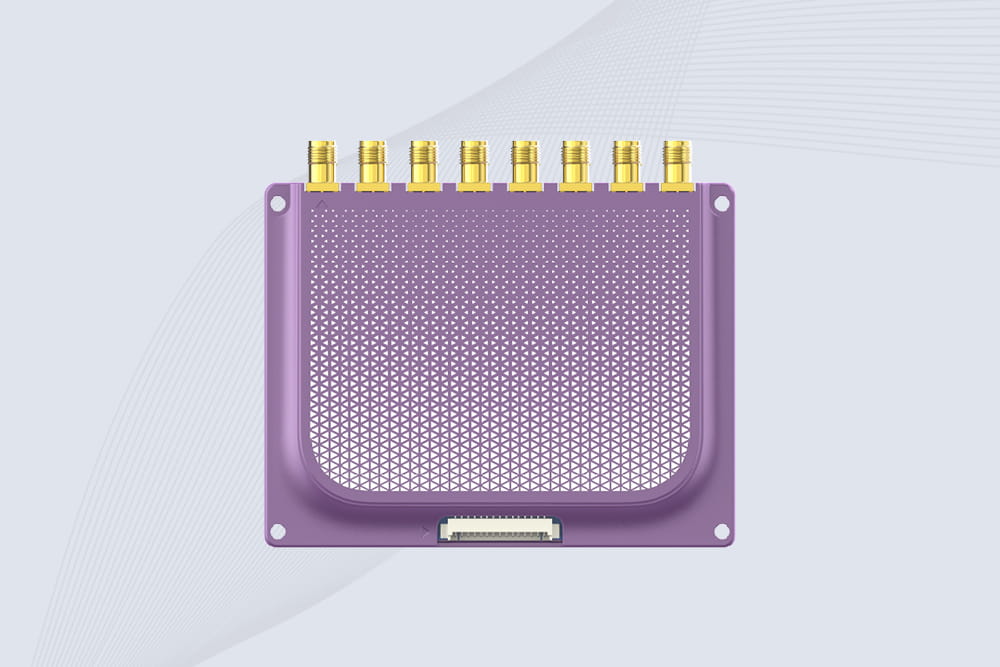
CYKEO CYKEO-M8L module RFID is a compact industrial UHF module built for dense tag and multi-antenna environments. With 8 RF ports, adjustable 33 dBm output, and ISO & GB protocol support, it is widely used in factories, warehouses, and automated tracking systems.
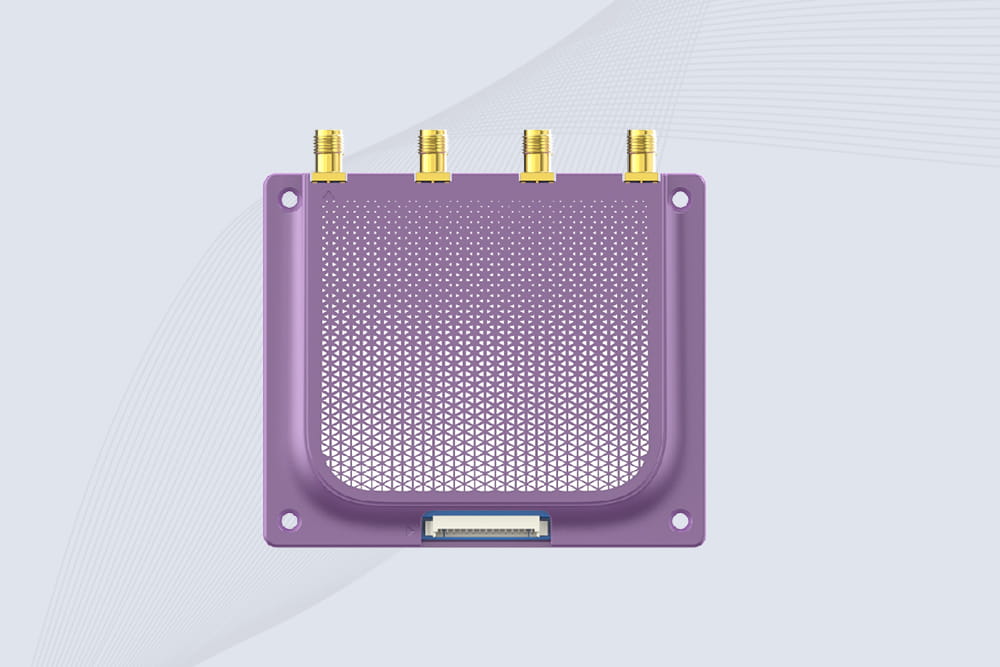
CYKEOCYKEO-M4L UHF RFID Module is a compact 4-channel RFID tag reader module designed for dense tag environments. Supporting ISO and GB protocols, it delivers stable reads up to 10 meters for industrial and IoT systems.
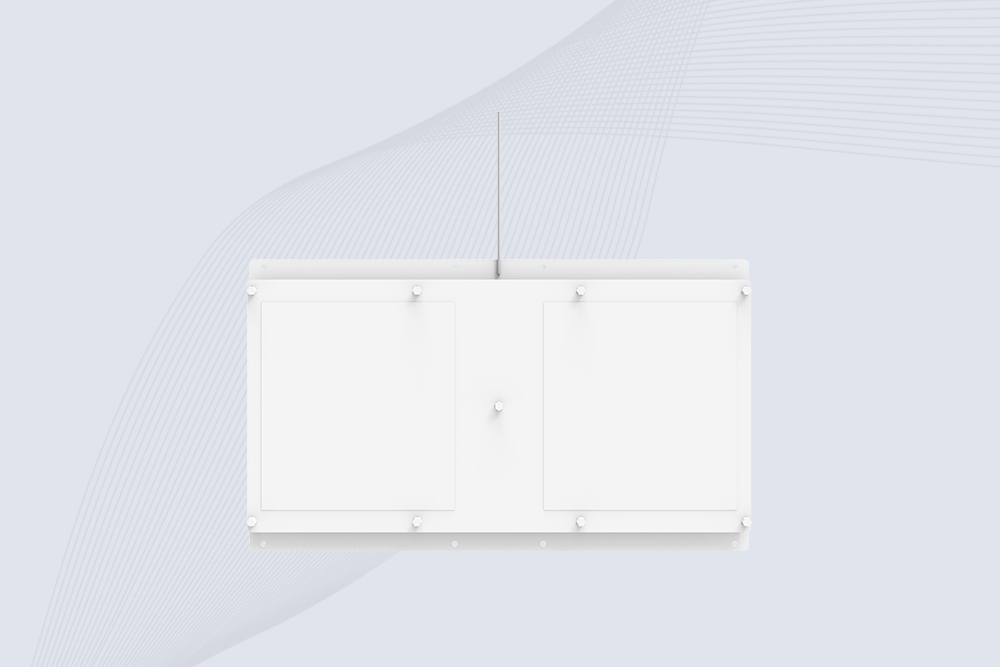
Cykeo CYKEO-A11 UHF RFID reader antenna delivers 11dBi gain, 840-960MHz frequency range, and IP65 ruggedness for retail, logistics, and industrial RFID systems. Features low VSWR and easy installation.
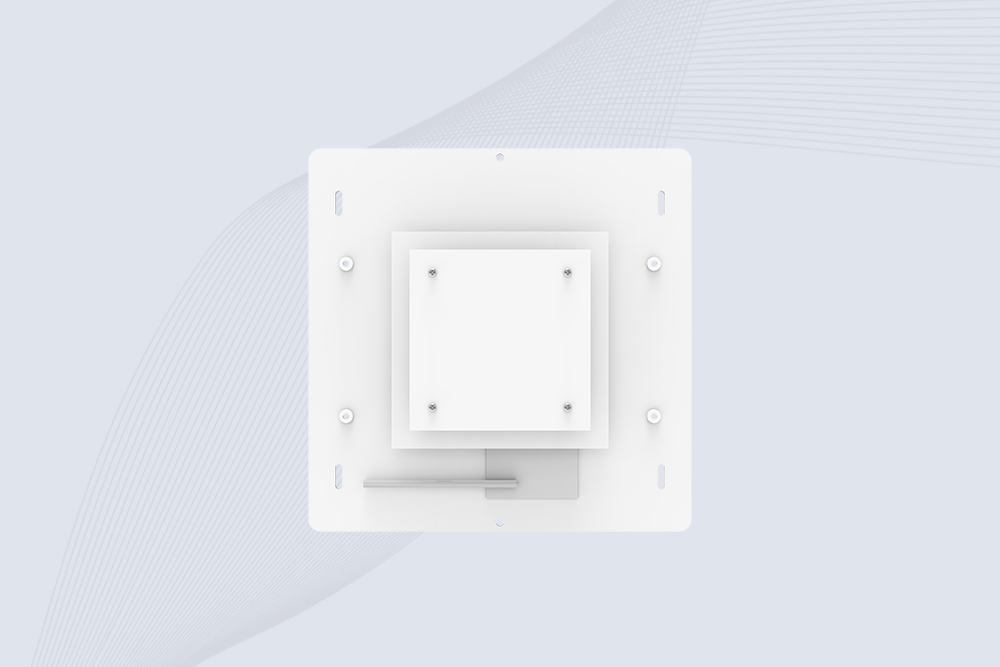
CYKEO Antenna RFID Reader delivers stable long-range UHF performance with a 10.5dBi directional design, built for warehouses, conveyor portals, and industrial RFID systems. This rfid reader antenna provides 20m+ read distance and rugged IP67 protection.

Cykeo CYKEO-PHF3 industrial HF RFID Antenna offers 24-point dynamic tracking, ISO 14443A/15693 protocols, metal-environment stability for archives/libraries/manufacturing.

Cykeo CYKEO-A5B industrial Linear RFID Antenna delivers 5dBi gain, ≤1.5:1 VSWR, and IP65 rugged design for warehouse, production line, and logistics UHF systems.

Cykeo’s CYKEO-B12 Long Range RFID Antenna delivers 15m+ read range with 12dBi gain, IP65 rugged design, and global 840-960MHz UHF support. Ideal for warehouse/logistics asset tracking.
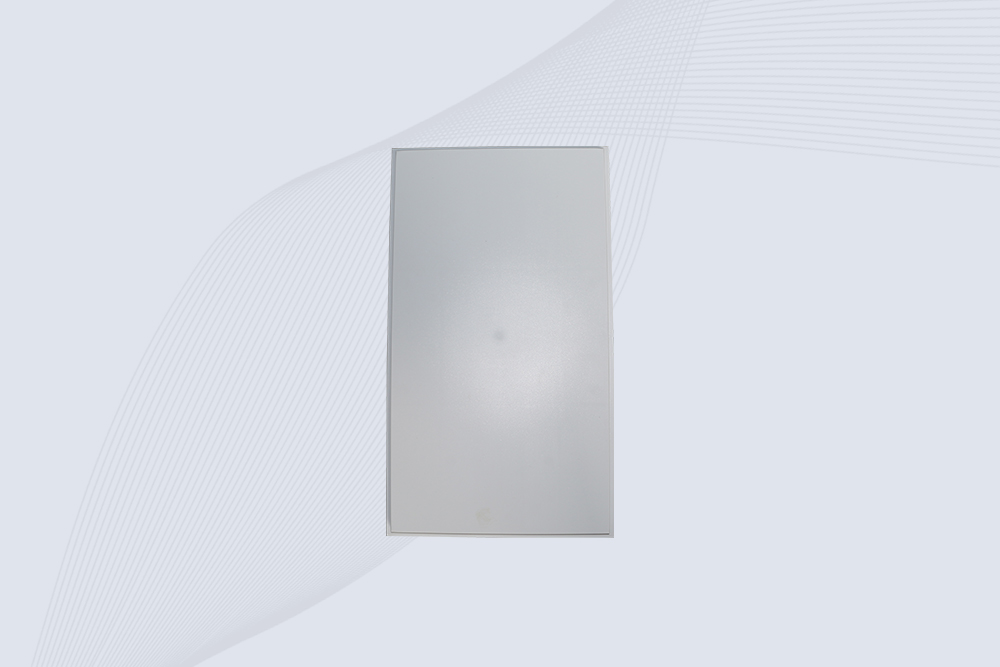
Cykeo CYKEO-B10 Long Distance RFID Antenna offers 10dBi gain, 840-960MHz frequency range, IP65 rating, and 20m+ coverage for logistics/warehousing/ETC systems. Low VSWR ensures stable signal transmission.
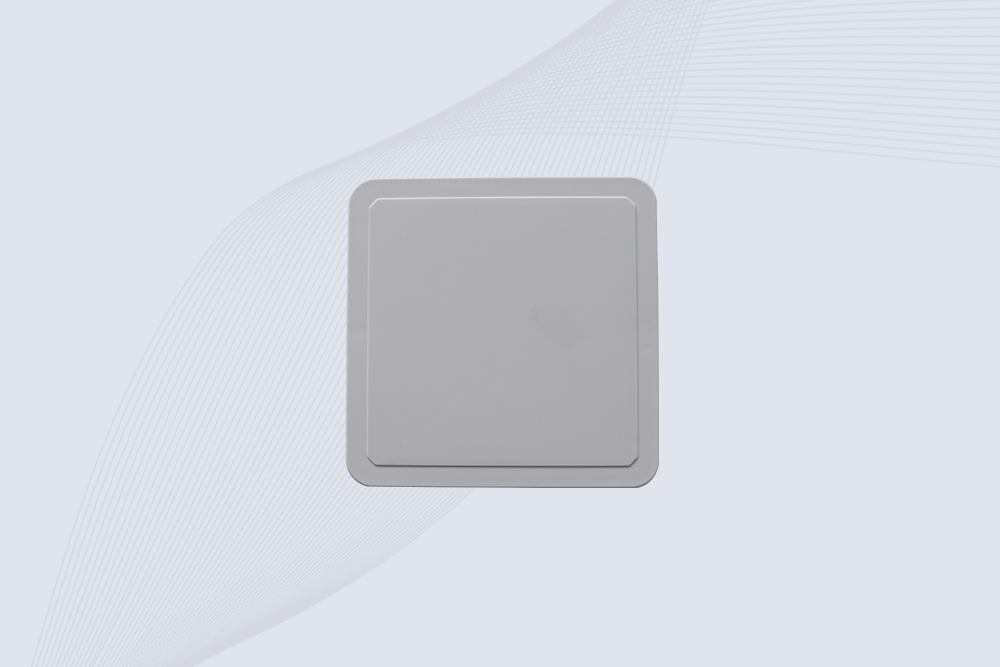
Cykeo CYKEO-A6 UHF RFID panel antenna features 6dBi gain, 840-960MHz broadband, IP65 metal-ready housing for logistics/smart retail. 18mm ultra-thin design with tool-free mounting.

Cykeo CK-A3 industrial antenna RFID UHF offers 5m+ tag detection, ≤1.3:1 VSWR, IP65 rugged design, and global UHF spectrum compatibility (840-960MHz) for warehouses, factories, and retail.
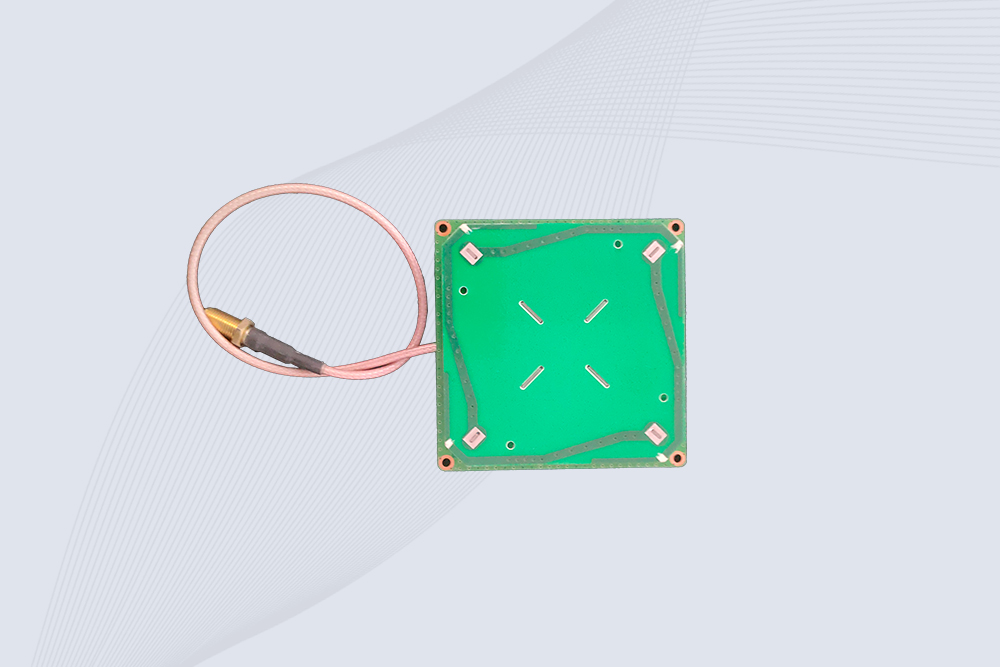
Cykeo CYKEO-B5 directional RFID antenna provides 5dBi gain with 60° narrow beamwidth for precise inventory tracking. IP65-rated, global UHF frequency support, and low VSWR.
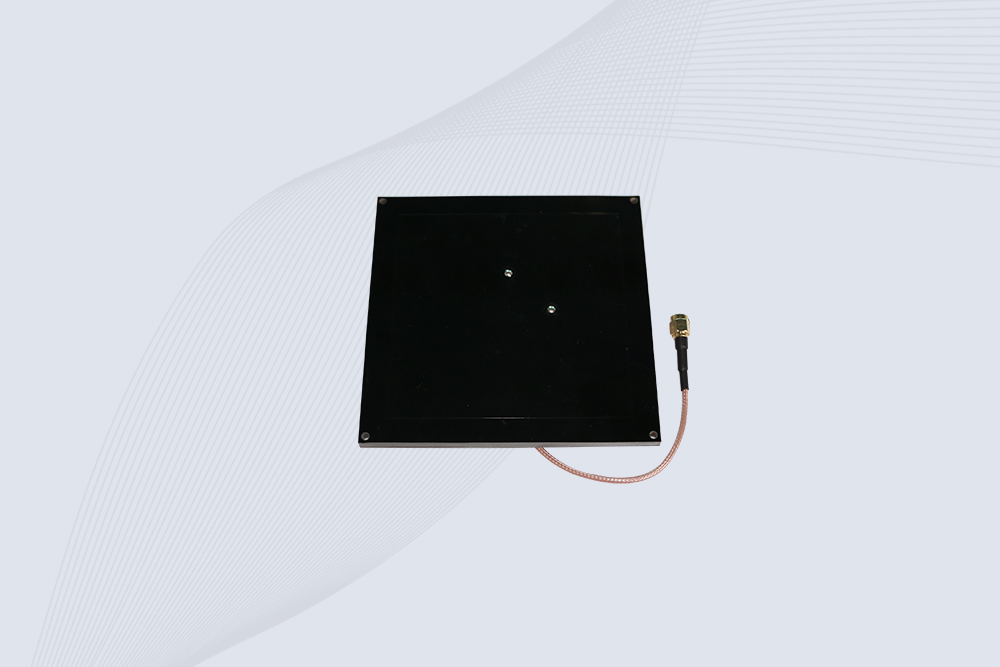
Create your own high-performance DIY RFID antenna! 5dBi gain, 840-960MHz tunable, step-by-step guides. Compatible with Arduino, Raspberry Pi, and commercial UHF readers.
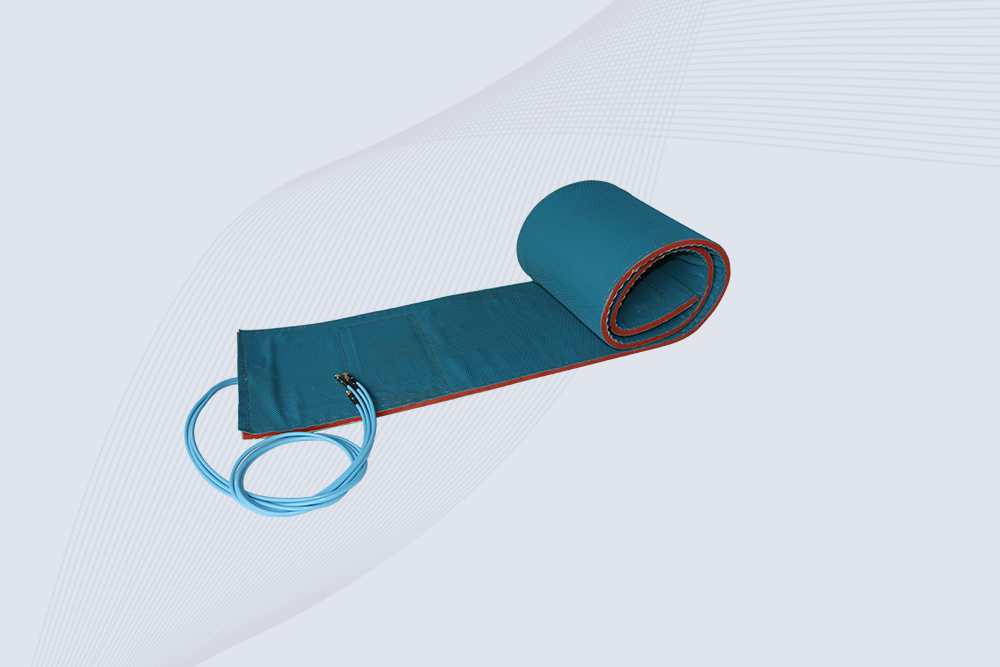
Cykeo CYKEO-A7 Flexible RFID Antenna features 840-960MHz wideband tuning, 7dBi gain, and IP68 rating for medical/retail/industrial curved surface deployments. 98% read accuracy with peel-and-stick installation.
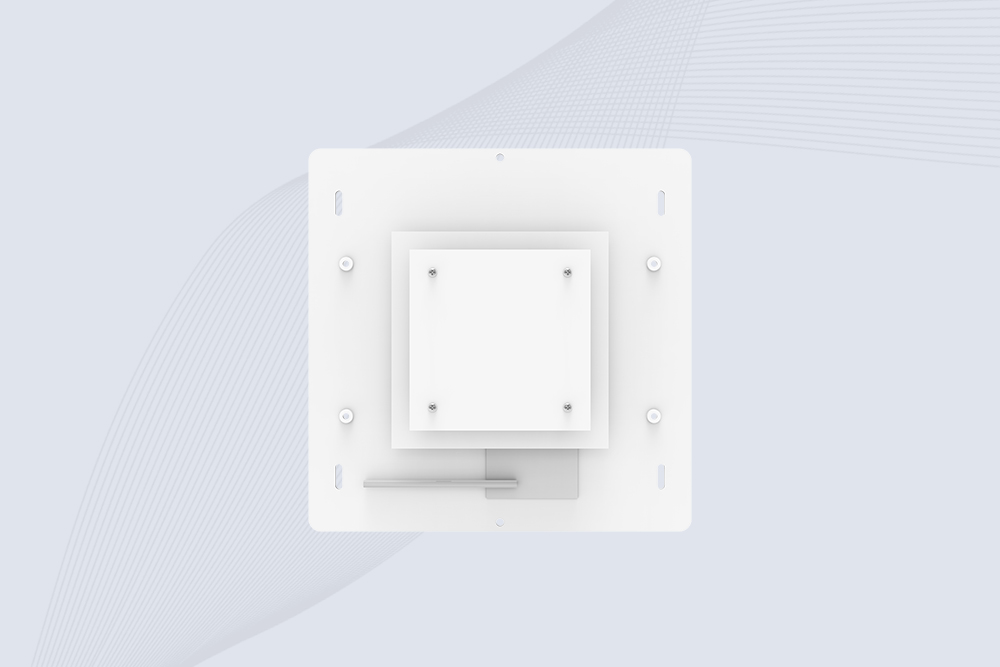
Cykeo CYKEO-B5A industrial Passive RFID Antenna delivers 5dBi gain, 70° beamwidth, and -40°C~55°C operation for warehouses/smart cabinets. Compatible with Zebra/Impinj readers.
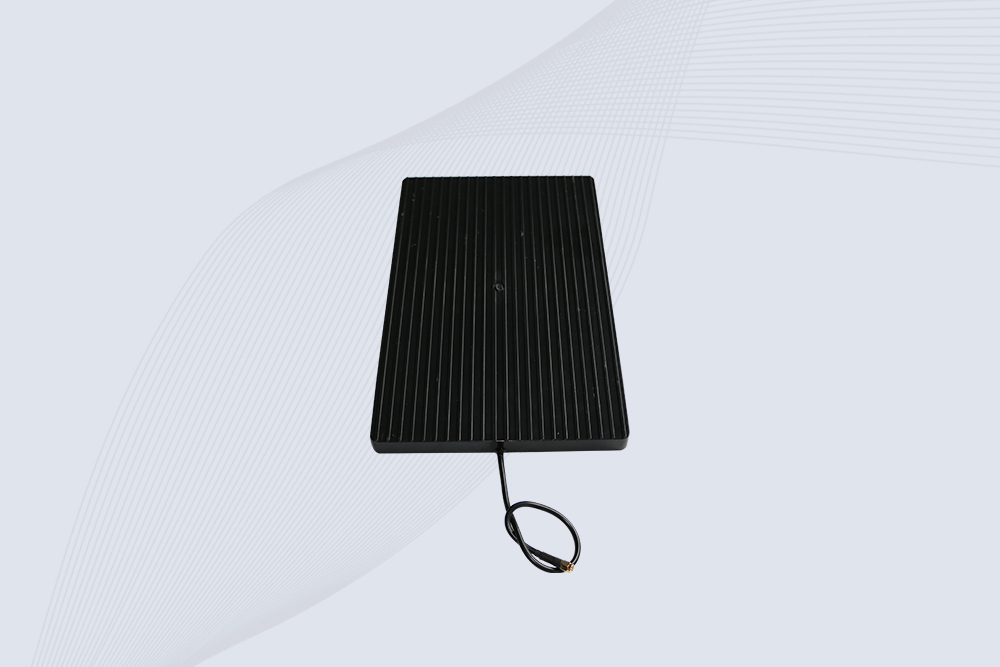
Cykeo’s CYKEO-A9B High Gain RFID Antenna delivers 15m+ read range with 9dBi amplification. Features IP54 rugged design, 840-960MHz bandwidth, and 80° beamwidth for warehouse/manufacturing RFID systems.

Cykeo’s enterprise-grade 8dbi Impinj RFID Antenna 10m+ read range with 840-960MHz tuning. Features IP65 housing, 1.4 VSWR, 35° beamwidth for retail/warehouse RFID systems.
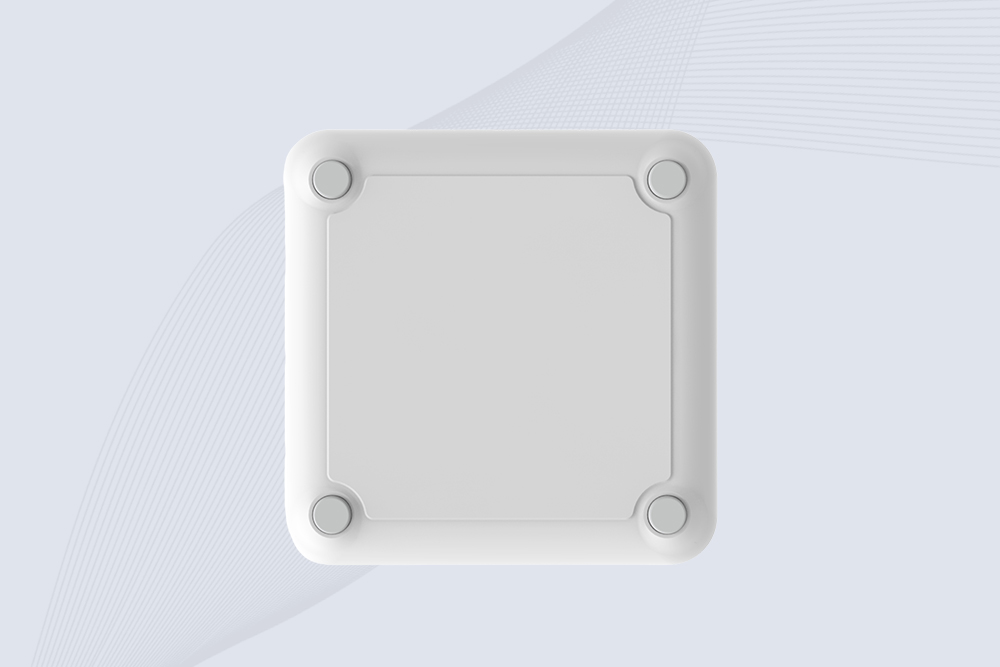
Cykeo CYKEO-A9 industrial UHF RFID antenna delivers 9dBi gain, 840-960MHz frequency range, and IP65 protection for warehouse/logistics/retail RFID systems. Features N-type connector and ≤1.3:1 VSWR.
CYKEO UHF RFID Antenna built for long-distance and industrial applications. This antenna rfid uhf delivers strong gain, outdoor durability, and reliable tag performance in warehouses, yards, and vehicle ID systems.
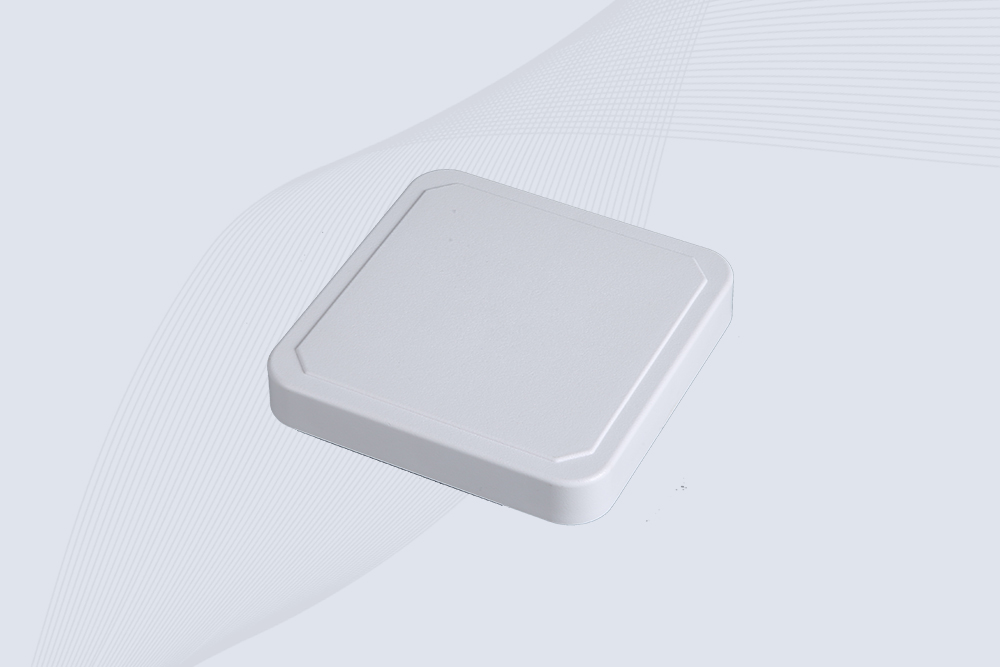
CYKEO Antenna RFID delivers reliable long-range UHF performance in warehouses, retail shelves, and cold-chain environments. This compact uhf rfid antenna provides stable reads with circular polarization and ultra-wide 840–960 MHz support, ideal for industrial tracking, smart shelves, and asset monitoring.
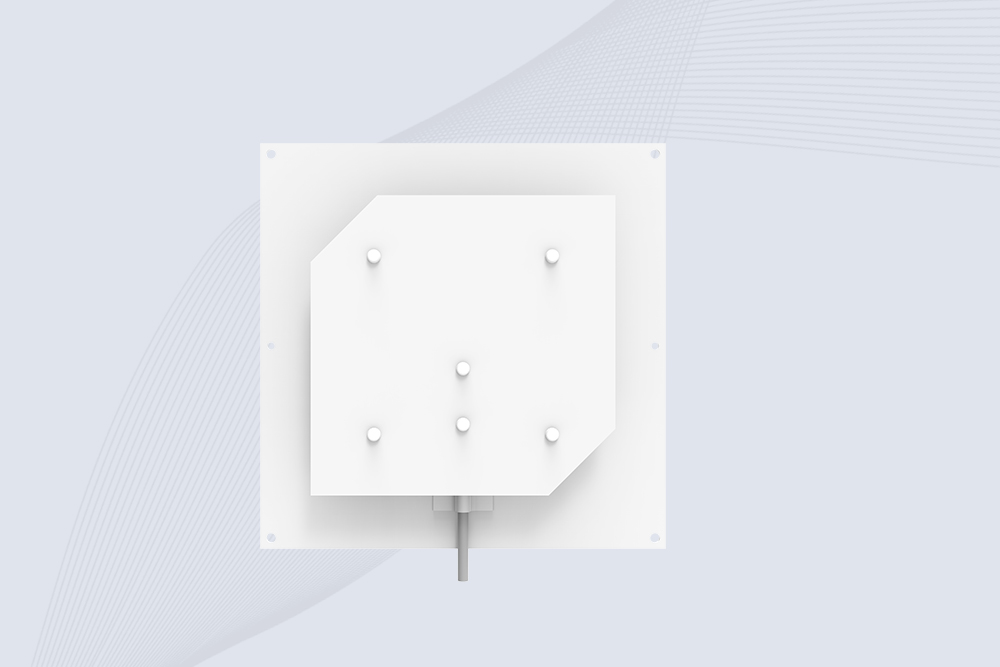
Cykeo’s CYKEO-C8 UHF RFID antennas delivers 8dBi gain, 840-960MHz full-band coverage, and IP65 ruggedness for manufacturing/warehouse RFID systems. Industrial RFID Antennas Features
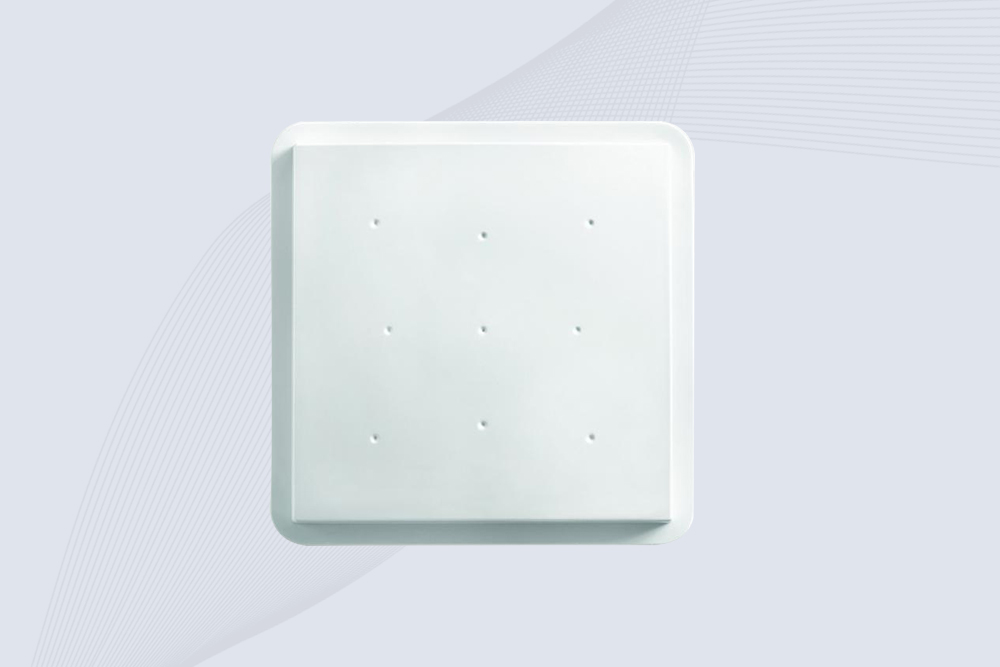
Cykeo’s 8dBi UHF RFID antenna and reader kit delivers 10m+ range, 840-960MHz broadband, and IP65 ruggedness for factories, warehouses, and logistics. ISO 18000-6C & EPC Gen2 certified.
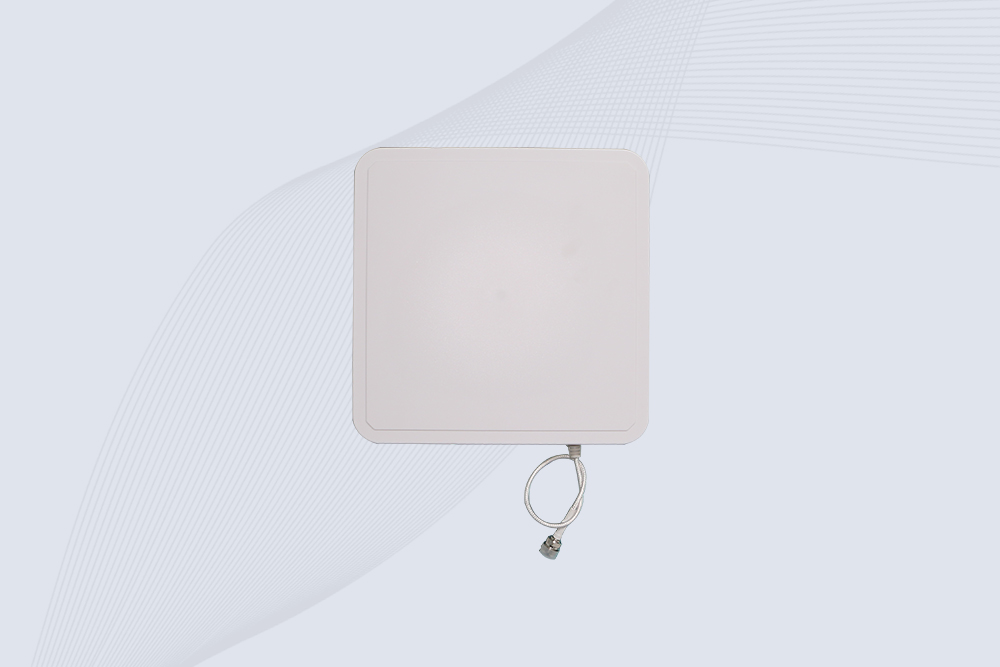
Cykeo CYKEO-A9A industrial UHF RFID reader and antenna kit delivers 10m range, 500 tags/sec, IP65 ruggedness for manufacturing/logistics. Supports EPC Gen2, ISO18000-6C.
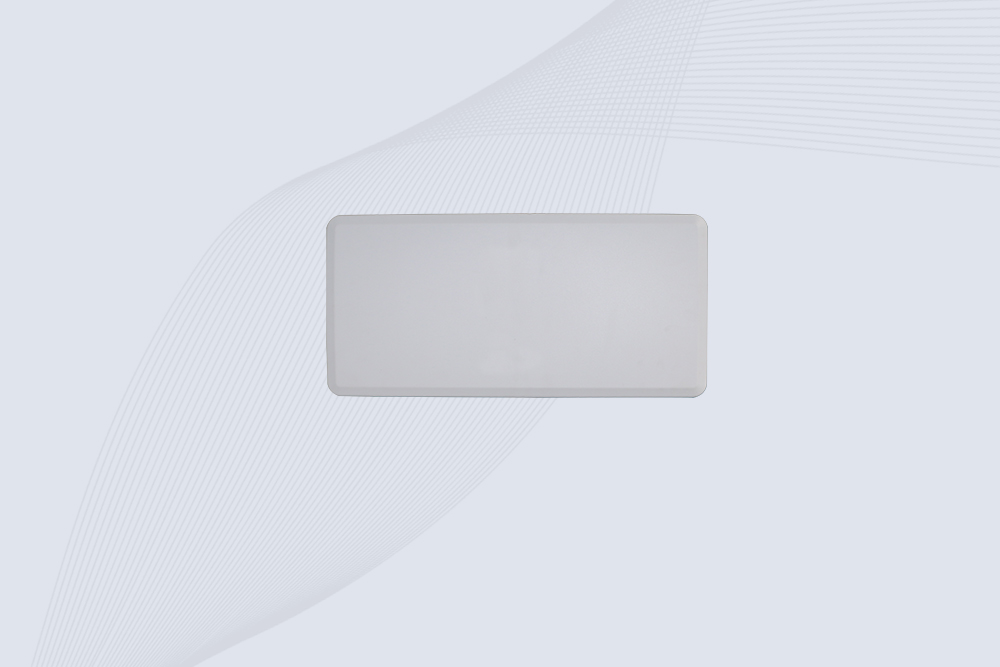
Cykeo’s CYKEO-A12C UHF Large RFID Antenna delivers 12dBi gain, 840-960MHz global frequency, IP65 ruggedness for logistics/warehousing/automotive. 40° beamwidth ensures stable 15m+ tag reads.

CYKEO Near Field RFID Antenna provides precise 5–30 cm reading for shelves, cabinets, and workstations. This compact rfid shelf antenna delivers stable short-range performance around metal and clutter, ideal for pharmacies, libraries, and electronics sorting.
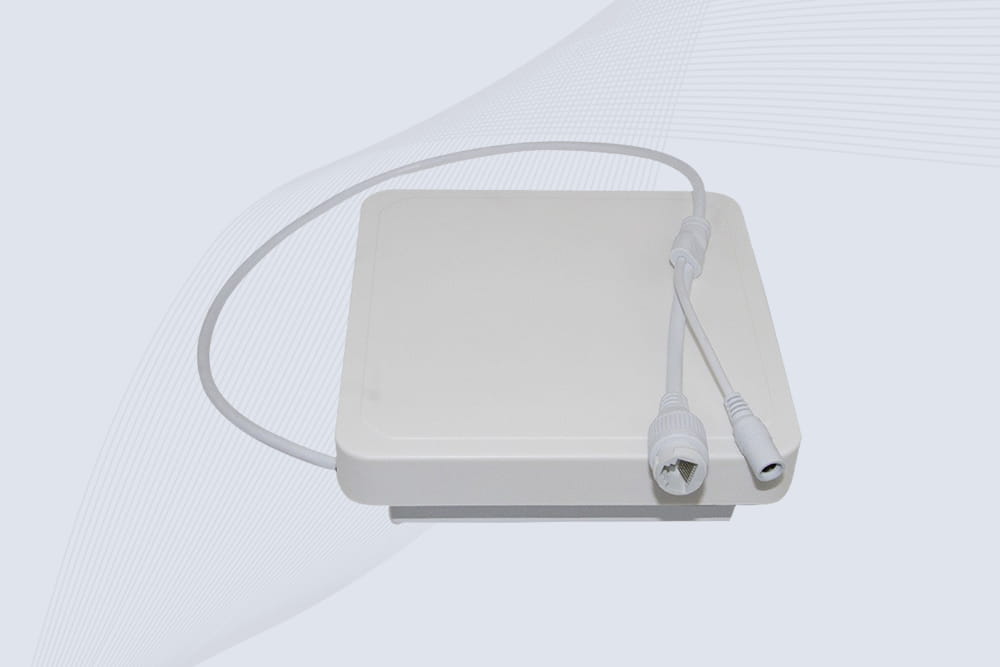
Cykeo’s industrial long range RFID reader delivers 20-meter scanning, 500+ tags/sec speed, and IP67 waterproof design for automated warehouses, logistics, and harsh environment applications.
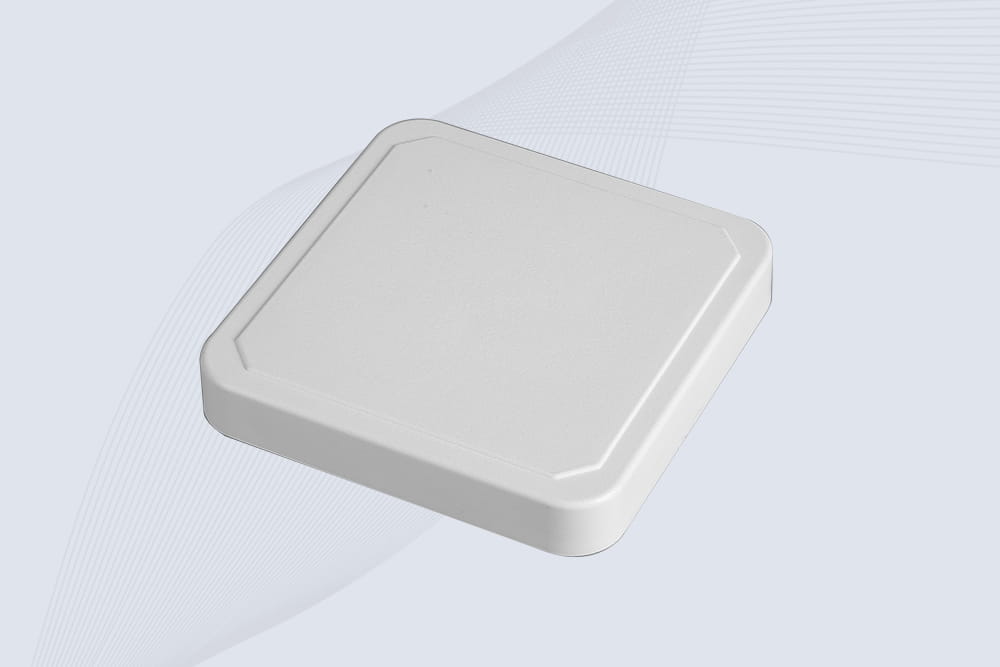
Cykeo’s CYKEO-RA6L industrial RFID long range reader features 20m read distance, 500 tags/sec speed, and IP67 protection. Ideal for warehouse automation, manufacturing WIP tracking, and smart logistics. Supports ISO 18000-6C/6B protocols.
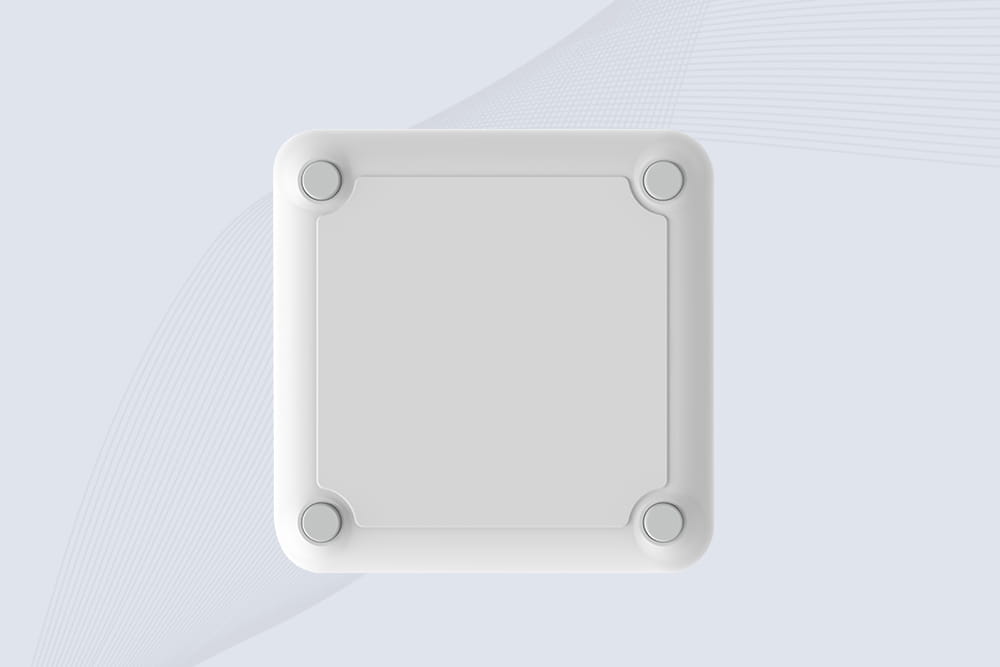
CYKEO Long Range RFID Tag Reader built for outdoor and industrial operations. This Outdoor RFID Reader delivers 20m read distance, fast tag processing, and IP67 durability for wide-area tracking.
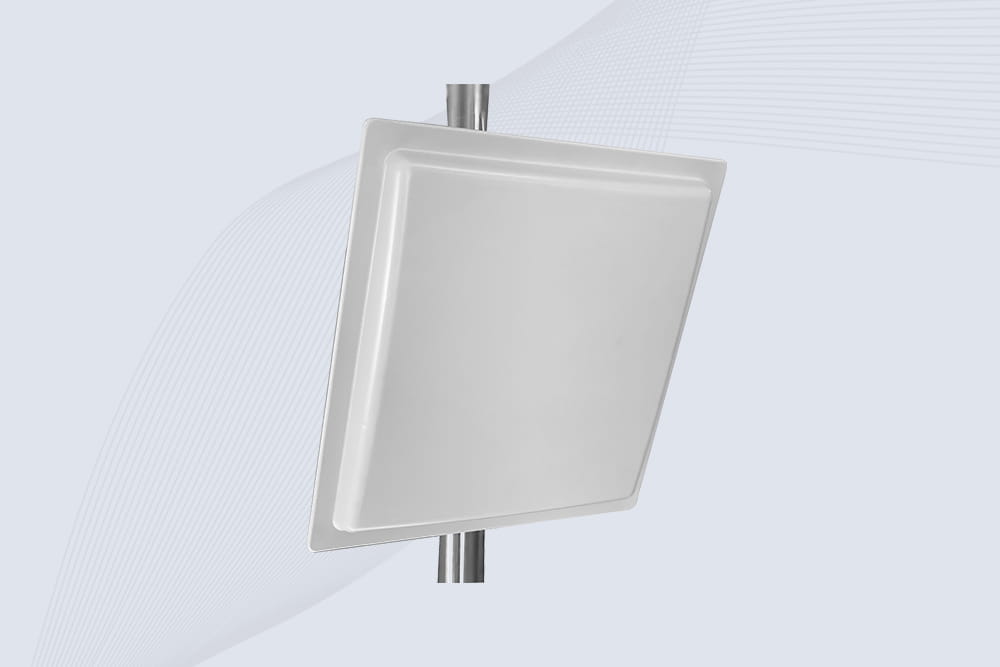
Cykeo CYKEO-RA12L industrial Long Range RFID Reader delivers 20m read range, 200+ tags/sec scanning, and IP67 protection for manufacturing/logistics applications. Supports ISO 18000-6C/GB protocols.
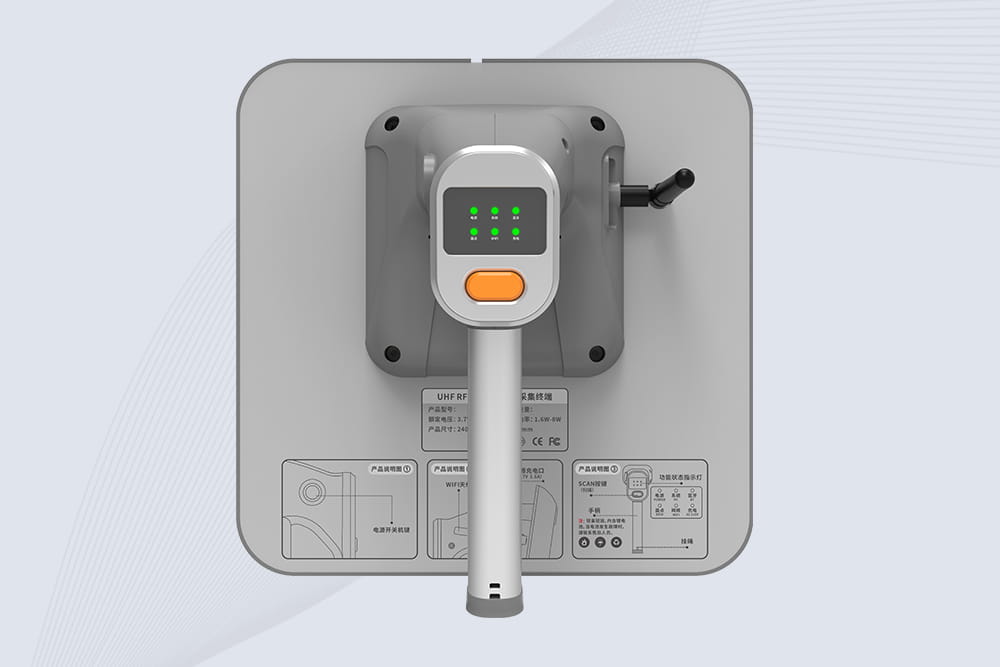
Cykeo CYKEO-B9 UHF Bluetooth handheld RFID scanner features 12m UHF range, 200+ tags/sec scanning, IP67 rugged design for retail/warehouse/pharma. Supports Android SDK & real-time Bluetooth 5.0 transmission.
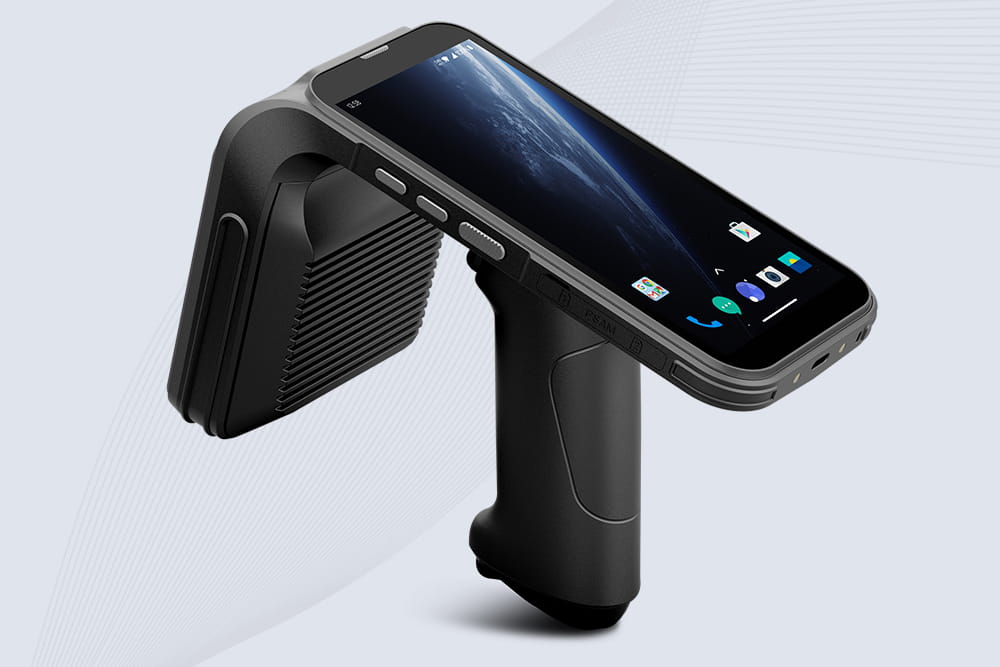
Cykeo CYKEO-B4 UHF Handheld RFID Reader scanner delivers 1300 tags/sec reading, 30m UHF range, and 12-hour battery life. IP65 rugged design with barcode/NFC/ID scanning for retail/manufacturing/logistics.
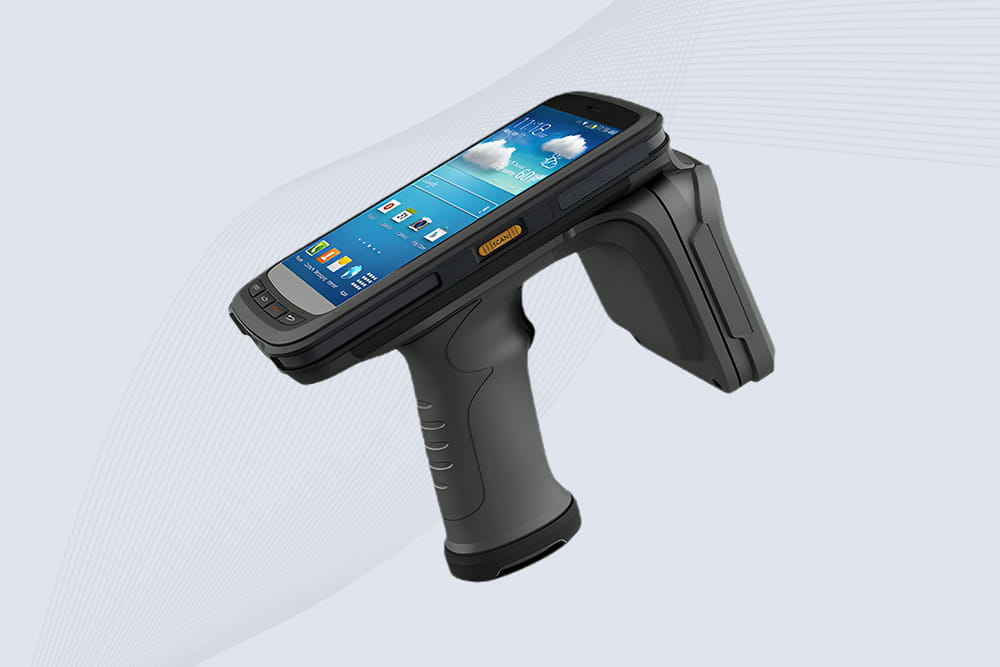
Cykeo CYKEO-B2 industrial UHF RFID handheld offers 10m range, 500 tags/sec scanning, Android 11 OS, and IP65 rugged design for retail/warehouse/manufacturing.
Learn what an RFID programmer does, how it writes and configures RFID tags, and where it’s used in real applications like retail, logistics, and animal tracking.
More
Can you read an RFID card with an iPhone? We explain the real limitations, the types of cards you can read, and the hardware you'll need for the rest.
More
Discover top RFID module brands for accurate medical equipment tracking in hospitals. Compare features like read range, compliance, and durability for healthcare needs.
More
Discover the essential features of handheld RFID scanners for logistics and supply chain management. Compare durability, read range, software integration, and more.
More