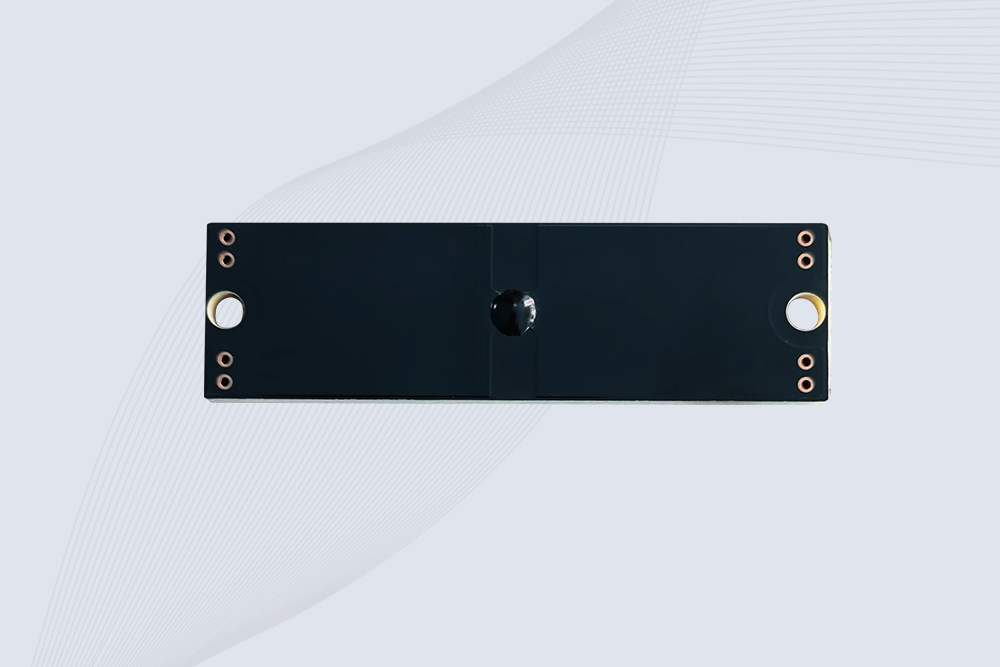
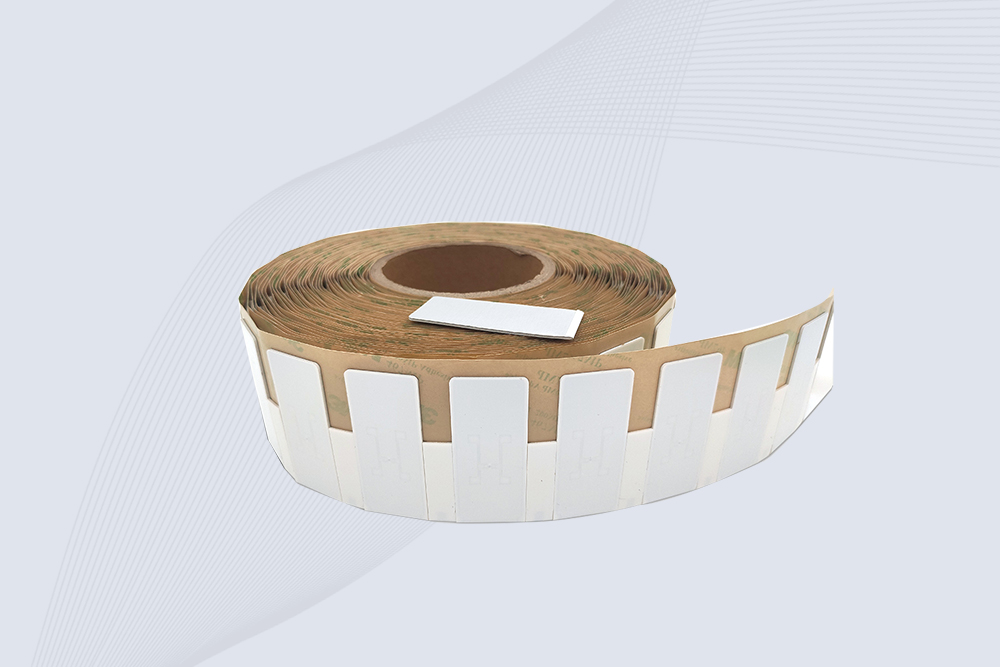
When you start looking for an rfid label supplier, you’ll quickly notice the market is full of promises like “high precision” or “covering all industries.” But when it comes down to actually solving problems with RFID labels, these slogans don’t get you very far. Choosing the right supplier is really about matching your application scenario, customization needs, and long-term scalability.
Why RFID Labels Are Becoming Essential
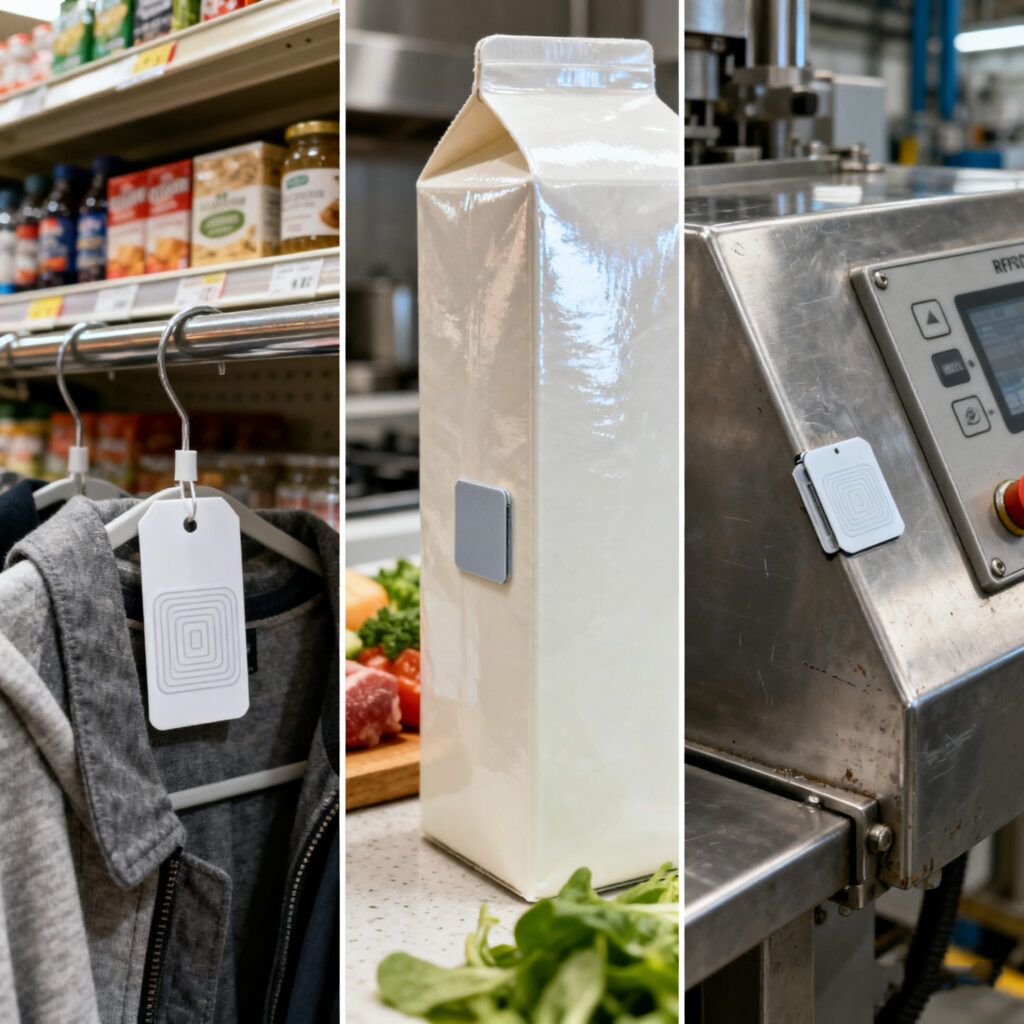
RFID is no longer just the “anti-theft tag” you see in clothing stores. Today, it has become a must-have in many industries:
Supply chain management: From raw materials to finished goods, labels help companies track inventory in real time without manual counting.
Food and cold chain: Labels must function reliably in low-temperature environments to ensure traceability and compliance.
Manufacturing and industrial use: Managing equipment, spare parts, and tools requires labels that can withstand high temperatures and metal interference.
Healthcare and pharmaceuticals: Labels must meet strict regulatory requirements and survive sterilization processes.
All of this shows that RFID labels are not one-size-fits-all. Whether a supplier can provide the right-fit solution matters far more than how many tags they can produce.
The Reality of Customization Needs
If you read into RFID label discussions, “customization” always comes up. And I completely agree—because in practice:
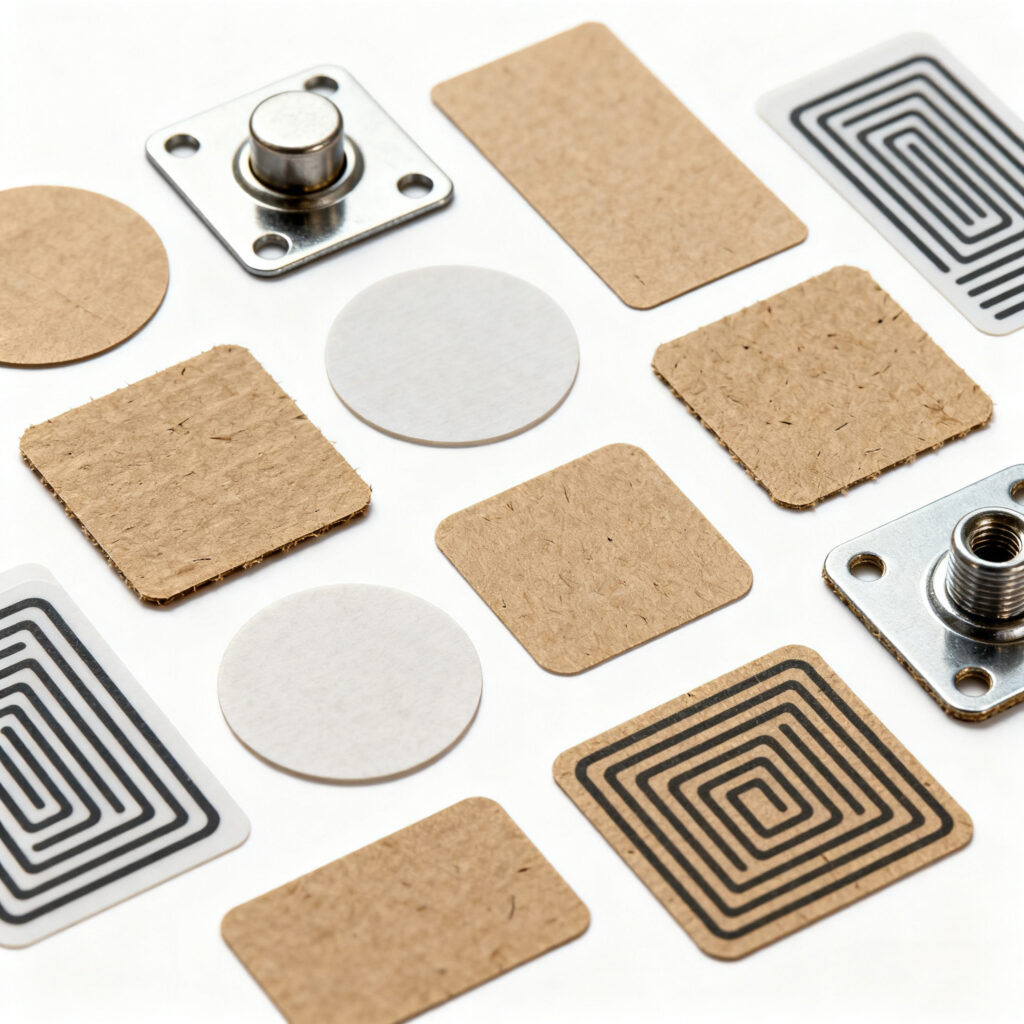
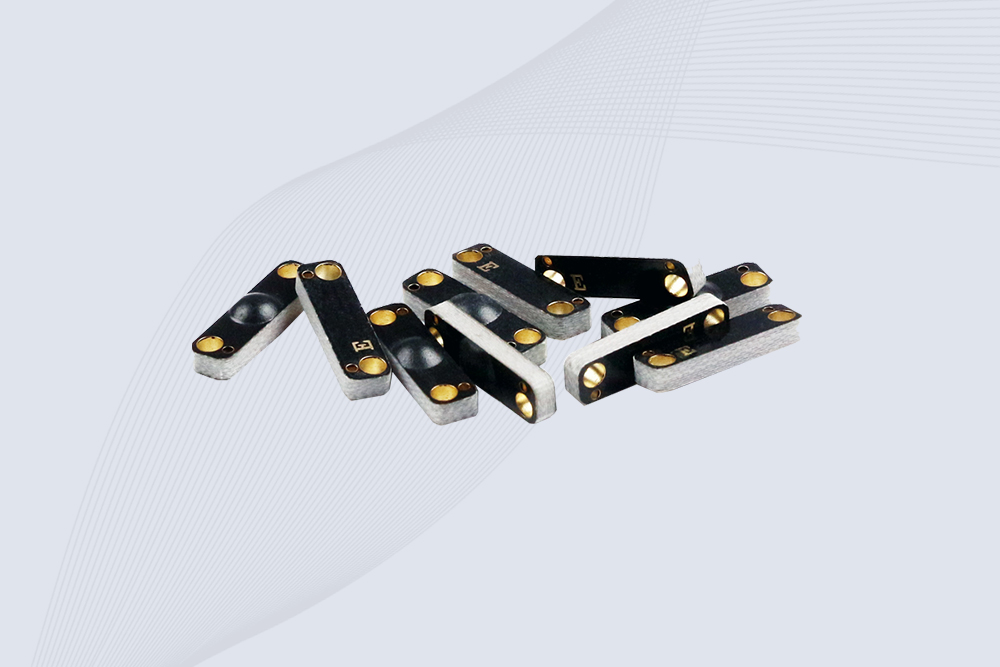
Some businesses need metal-mount tags, not just paper-based ones.
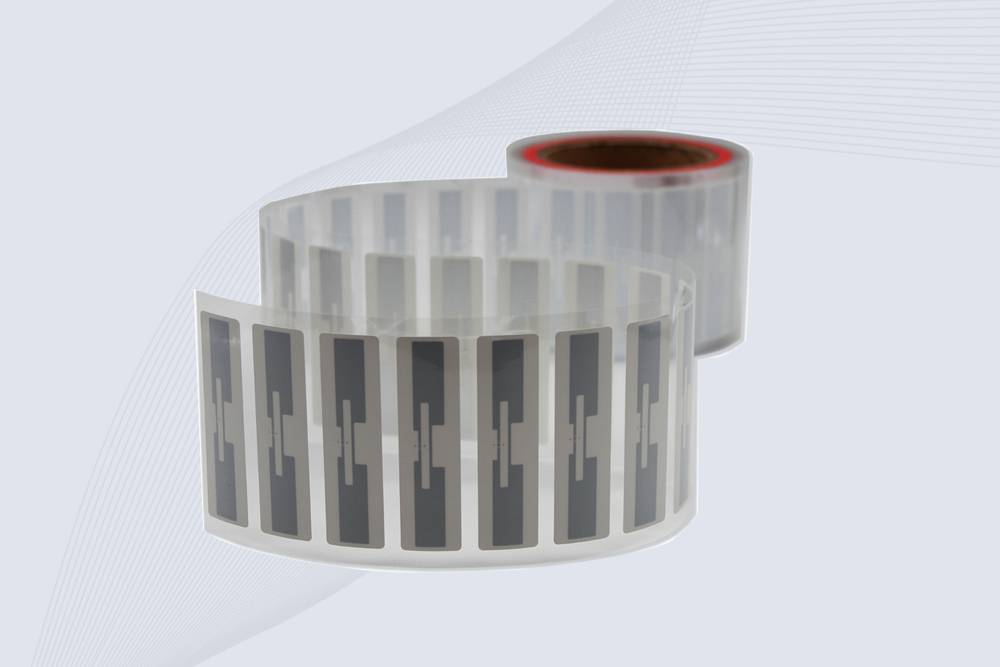
Retailers require labels that comply with GS1 or EPCglobal standards.
Industrial clients want dual-use labels that combine barcodes with RFID.
Logistics operators care more about read distance and batch printing efficiency.
From my own experience, when discussing customization, don’t just focus on price. Be clear about your must-have specs and your nice-to-have specs—otherwise, you risk buying a batch of labels that doesn’t actually work in your environment.
Key Points in Choosing an RFID Label Supplier
Compliance and standards Different countries and industries have their own frequency ranges and label standards. If your supplier can’t meet these, your project may not even launch.
Production and delivery capability It’s not just about mass production. Sometimes, fulfilling a few thousand tags quickly is the real test of flexibility.
Quality and consistency In large-scale deployments, read consistency is often underestimated but absolutely critical.
Environmental adaptability A good supplier provides samples for testing in your actual environment—not just a lab data sheet.
Integration and support Many companies are new to RFID. A reliable supplier won’t just sell you rolls of labels—they’ll also give integration advice, like connecting with ERP or printing systems.
Challenges and Future Trends
RFID is booming, but the road isn’t without bumps:
Metal and liquid interference: On shop floors and in warehouses, failed reads are common unless you use specially designed tags.
Cost and ROI: Businesses must consider not only tag prices but also printing devices and system integration costs.
Sustainability: Environmental pressure is driving the demand for paper-based RFID tags.
Regulatory and retailer requirements: Many retail giants already mandate RFID tagging, which is accelerating adoption across industries.
Looking ahead, an rfid label supplier won’t just be a tag vendor. They’ll act more like a solution provider, covering everything from tag design and data management to eco-friendly material choices.
A Small Personal Lesson
I once worked with a food manufacturer that only wanted the cheapest labels for packaging. But when they tested them in cold storage, the read rate was a disaster. Eventually, they switched to low-temperature resistant labels recommended by the supplier. The cost went up slightly, but inventory accuracy improved dramatically.
So my advice? Don’t just squeeze suppliers on price. Listen to their technical input—sometimes it saves you a whole lot of trouble down the line.
CYKEO Passive RFID Tags are made for wet and high-humidity environments where standard labels do not last. This rfid passive tag is often used around liquids, chemicals and temperature changes, providing stable reading distance and long data life for industrial tracking.
CYKEO CK-BQ1504 Metal RFID Tags is a compact anti-metal UHF RFID solution built for direct mounting on metal surfaces. With stable 8-meter read range, Ucode-8 chip, and long data retention, this rfid metal tag fits tools, containers, automotive parts, and industrial asset tracking.
CYKEO CK-BQ7020 On-Metal RFID Tags are designed for reliable tracking on steel and metal surfaces. Built with an FR4 epoxy body and industrial-grade chips, these On-Metal RFID Tags deliver stable performance, long data life, and chemical resistance, making them a dependable RFID anti-metal tag for harsh environments.
The CYKEO CK-BQ6025 Anti-Metal RFID Tag is built for metal surfaces where standard tags fail. Designed for long-range performance, harsh environments, and stable data retention, this Anti-Metal RFID Tag is ideal for industrial assets, containers, and equipment tracking using on metal RFID tags.
Discover how armoire RFID smart cabinets integrate with ERP, WMS, and custom platforms. Learn why RFID cabinets are ideal for system integrators, retrofit projects, and secondary development.
Explore groundbreaking RFID applications beyond logistics, including interactive art, wildlife tracking, and smart agriculture. Discover how Cykeo pioneers creative RFID solutions.
A hands-on look at the CK-T8D RFID Gate Access Control System. This article breaks down real warehouse performance, read accuracy, direction detection, anti-interference capability, and why this industrial RFID gate fits high-volume access points ...
Radio Frequency Identification (RFID) technology is increasingly revolutionizing the healthcare sector. Known for its efficiency, accuracy, and convenience, RFID is transforming hospital operations, patient experiences, logistics manageme...
 Cykeo RFID IoT Solution Products R&D Manufacturer