 Cykeo RFID IoT Solution Products R&D Manufacturer
Passive RFID Tag Range: What You Can Actually Expect
1175Discover what affects passive RFID tag range (LF/HF/UHF), real-world read distances, and how to optimize performance for inventory, assets & access control.
MoreAll RFID Product
RFID inventory tracking systems automatically identify, locate, and monitor inventory in real time using RFID tags and readers. They significantly improve inventory accuracy, reduce manual counting labor, and enable faster warehouse operations with visibility across the entire supply chain.
This article was reviewed by the Cykeo RFID engineering team, which has participated in RFID deployments across warehousing, manufacturing, retail distribution, and logistics environments. Over the past decade, our engineers have tested fixed RFID readers, tunnel inventory systems, handheld terminals, and automated verification channels in high-volume facilities processing thousands of tagged items daily.
A warehouse manager once told me something that stuck:
“We didn’t have an inventory problem. We had a visibility problem.”
After walking through his distribution center, the issue became obvious. Workers spent hours searching for cartons that technically existed in the system but couldn’t be located physically.
That situation is common.
According to the U.S. National Institute of Standards and Technology (NIST), inventory inaccuracies can create significant operational costs across supply chains. Meanwhile, research published by the RFID Lab at Auburn University has repeatedly demonstrated substantial inventory accuracy improvements through RFID deployment.
RFID inventory tracking systems solve this challenge by creating a digital identity for every item, carton, pallet, or asset moving through the facility.
An RFID inventory tracking system typically consists of:
| Component | Function |
|---|---|
| RFID Tags | Store unique item identification data |
| RFID Readers | Capture tag information automatically |
| RFID Antennas | Extend read coverage |
| Middleware Software | Filters and processes data |
| Warehouse Management System (WMS) | Uses RFID data for inventory control |
Unlike barcode systems, RFID does not require direct line-of-sight scanning.
Hundreds of tagged items can be identified simultaneously.
In practical warehouse environments, that difference changes everything.
Traditional counting:
RFID counting:
The labor difference is dramatic.
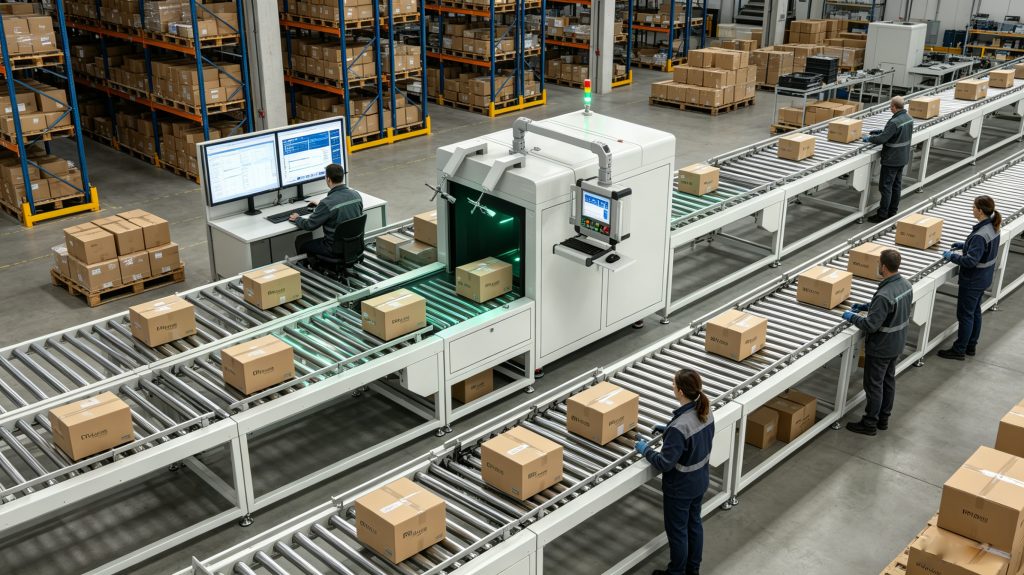
From field deployments, four operational improvements appear consistently.
The Auburn University RFID Lab reported inventory accuracy improvements reaching above 95% in many RFID-enabled retail environments.
Accurate inventory directly reduces:
A manual inventory check that previously required several workers for hours can often be completed in minutes.
At Cykeo, we’ve seen customers reduce inventory verification time from several minutes per shipment to only seconds using automated tunnel-based RFID verification equipment.
Warehouse labor remains one of the largest operational expenses.
RFID allows personnel to focus on exception handling rather than repetitive counting.
Managers no longer wait for end-of-day reports.
Inventory status updates continuously.
One area where RFID inventory tracking systems create immediate value is inbound and outbound shipment verification.
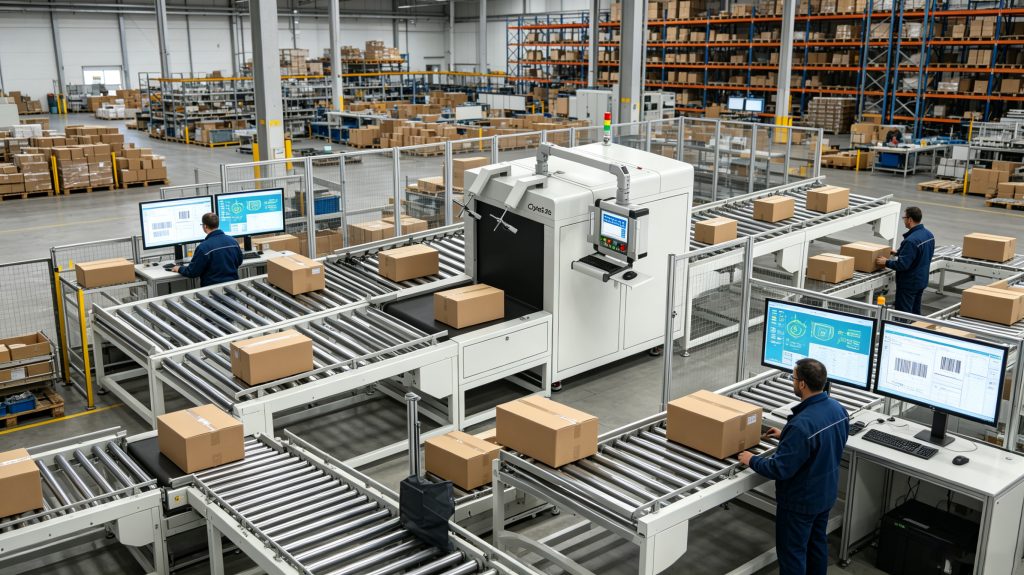
For example, the Cykeo TP2A RFID Tunnel Inventory Channel integrates:
Key performance capabilities include:
| Feature | Performance |
|---|---|
| RFID Reading Speed | 400+ items within 3 seconds |
| Inventory Efficiency | More than 100× faster than manual counting |
| Weight Verification | 1g–50kg range |
| Automated Sorting | Supports exception handling |
| Real-Time Display | Instant verification results |
In logistics environments, this combination reduces shipment discrepancies before products leave the warehouse.
The biggest misconception about RFID is that it only saves labor.
It doesn’t.
The greater value comes from decision-making speed.
When inventory data becomes available instantly:
Those benefits compound over time.
For high-volume inventory operations, yes. RFID can identify multiple items simultaneously without requiring direct visual scanning.
When properly designed and deployed, RFID systems can achieve inventory accuracy rates exceeding 95%, depending on tag selection, reader configuration, and environmental conditions.
Yes. Most modern RFID platforms integrate with WMS, ERP, and logistics software through APIs or middleware platforms.
Industries with large inventory volumes benefit significantly, including:
RFID inventory tracking systems have evolved from a tracking tool into a real-time operational intelligence platform. Organizations deploying modern RFID solutions gain faster inventory counts, improved shipment accuracy, and continuous visibility across warehouse operations. As labor costs rise and supply chains become more complex, RFID inventory tracking systems increasingly serve as the foundation for efficient, scalable inventory management.
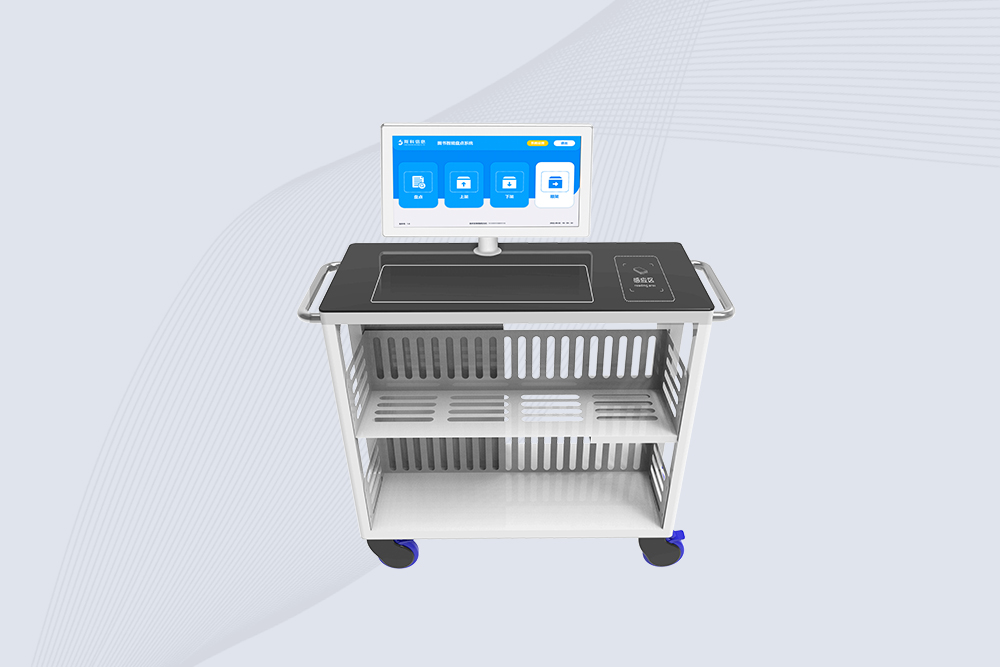
Cykeo CYKEO-C2 UHF RFID inventory cart features 10 UHF readers, 500 tags/sec scanning, Windows/Android OS, and hybrid power for warehouses/libraries. Supports ISO 18000-6C protocols and customization.
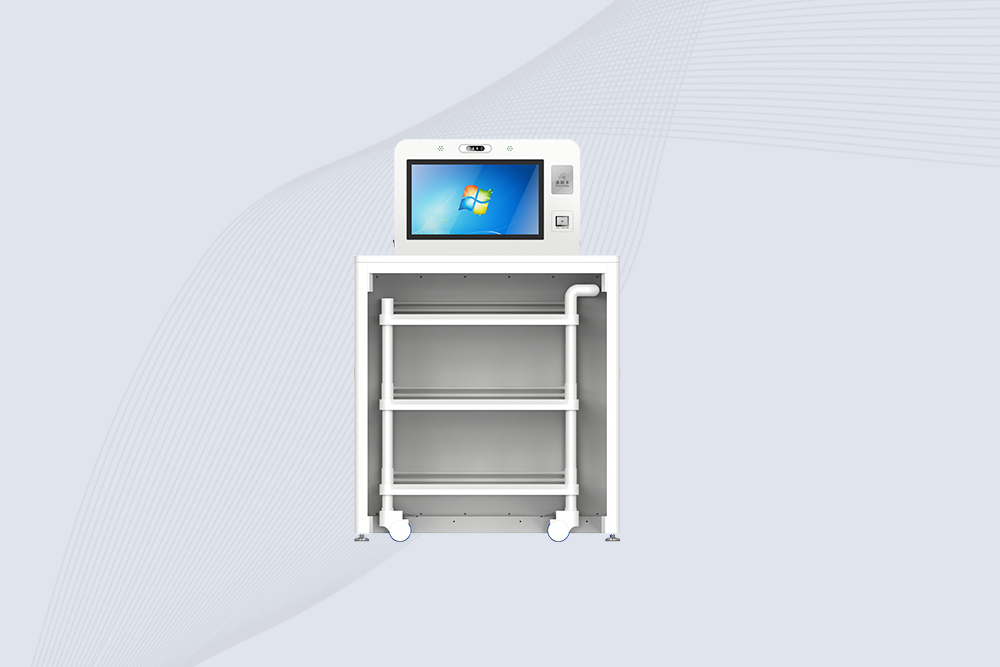
Cykeo’s industrial RFID Inventory Tracking station features dual scanning modes, 200+ items/sec bulk reading, and SAP integration for precise warehouse management. MIL-STD-810G certified with Windows/Android OS.

Cykeo CYKEO-D7 RFID system for inventory offers 40+ tags/sec scanning, 150L secure storage, and Impinj R2000 chipset for warehouses, toolrooms, and retail. Global frequency compliance (840-960MHz).
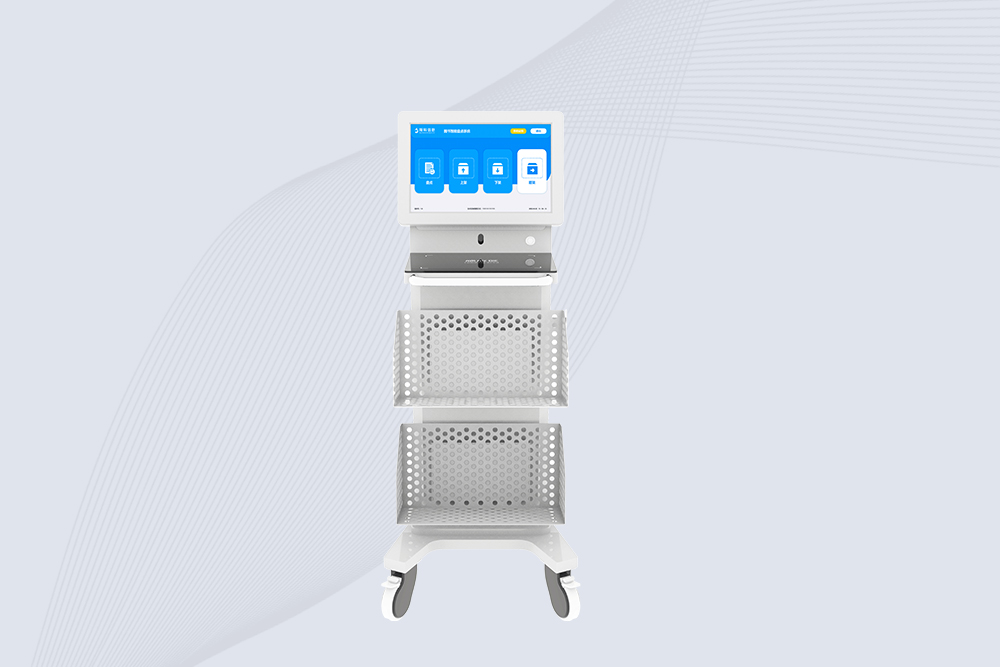
Cykeo CYKEO-C1 mobile RFID scanner cart features PLC-controlled antenna lifting, 10-tag/sec reading, and 21.5″ touchscreen for libraries, hospitals, and warehouses. Supports Windows/Android and multi-protocol RFID.
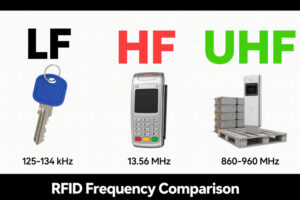
Discover what affects passive RFID tag range (LF/HF/UHF), real-world read distances, and how to optimize performance for inventory, assets & access control.
More
Asset tracking RFID tags explained from real deployments: costs, limits, mistakes, and how companies actually track assets at scale with RFID.
More
Keep your handheld RFID scanners in top shape! Learn step-by-step maintenance for battery care, cleaning, firmware updates, and troubleshooting.
More
Explore RFID access control systems designed for solution providers. Learn how to integrate RFID readers and antennas into custom door access solutions for offices, factories, and secure facilities.
More