 Cykeo RFID IoT Solution Products R&D Manufacturer
How Does a RFID Reader Work?
162Discover how does a RFID reader work. We explain the simple radio wave conversation between readers and tags that powers modern tracking & inventory.
MoreAll RFID Product
Warehouse RFID projects usually look simple from the outside.
Boxes move through a conveyor. Inventory updates automatically. Products appear in the system without manual scanning.
But behind most of these systems is a large amount of RFID integration work happening quietly in the background.
And in many modern warehouse projects, the core hardware is no longer a standalone RFID reader. More manufacturers are using embedded RFID reader modules directly inside automation equipment.
That shift is changing how RFID systems are designed in logistics and industrial environments.
Traditional barcode workflows depend heavily on labor.
Workers stop, scan, confirm, and repeat the process thousands of times per day.
RFID changes that process because tags can be identified automatically while products are moving.
That becomes valuable in environments where operations depend on:
The problem is that warehouse environments are rarely easy for RFID systems.
Metal shelving, moving pallets, forklifts, dense tag populations, and electrical interference all affect performance.
That’s one reason embedded RFID modules have become more common. They give integrators more control over how RFID is deployed inside the system itself.
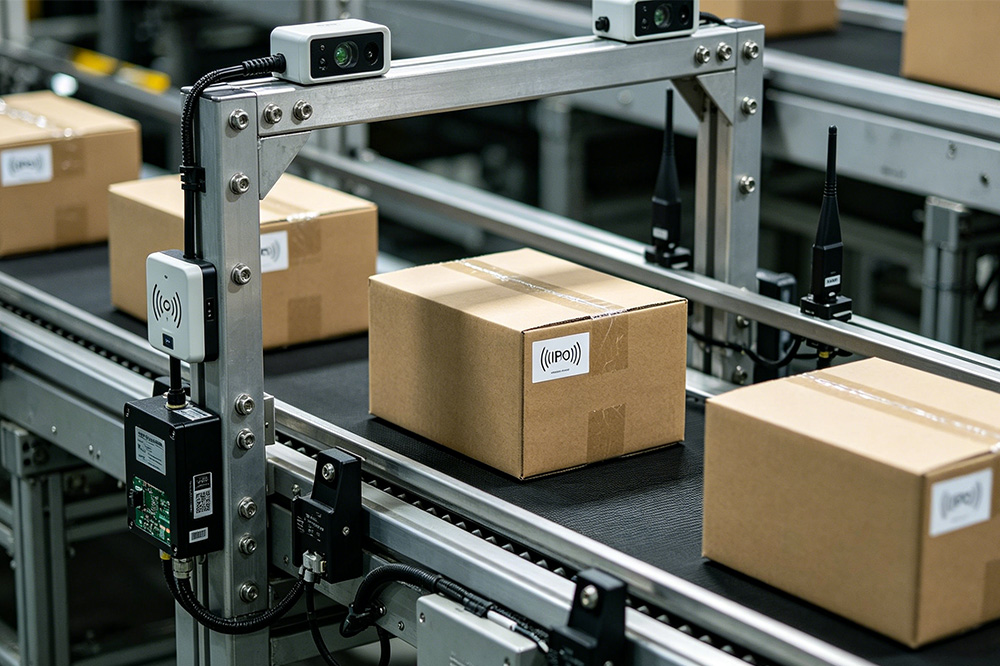
In warehouse automation projects, flexibility matters.
A fixed RFID reader may work well for simple deployments, but OEM manufacturers often need custom hardware layouts.
That’s where embedded RFID modules become useful.
Instead of mounting a full standalone reader externally, engineers can integrate the RFID hardware directly into:
For readers still comparing hardware approaches, this article explains the practical difference between RFID modules and standalone RFID readers:rfid module vs rfid reader whats the difference
It helps clarify why more industrial systems are moving toward embedded RFID architecture.
Warehouse conveyors are ideal environments for RFID automation because products are already moving through controlled paths.
But they also create challenges.
Integrators usually need to manage:
The RFID module has to maintain stable reading even when products move continuously through the system.
That’s why real-world testing matters more than lab demonstrations.
Most warehouse systems are not reading one tag at a time.
They may need to identify:
simultaneously.
This is where anti-collision performance becomes important.
Poor tag handling can create:
In logistics environments, even small reading inconsistencies can affect downstream operations.
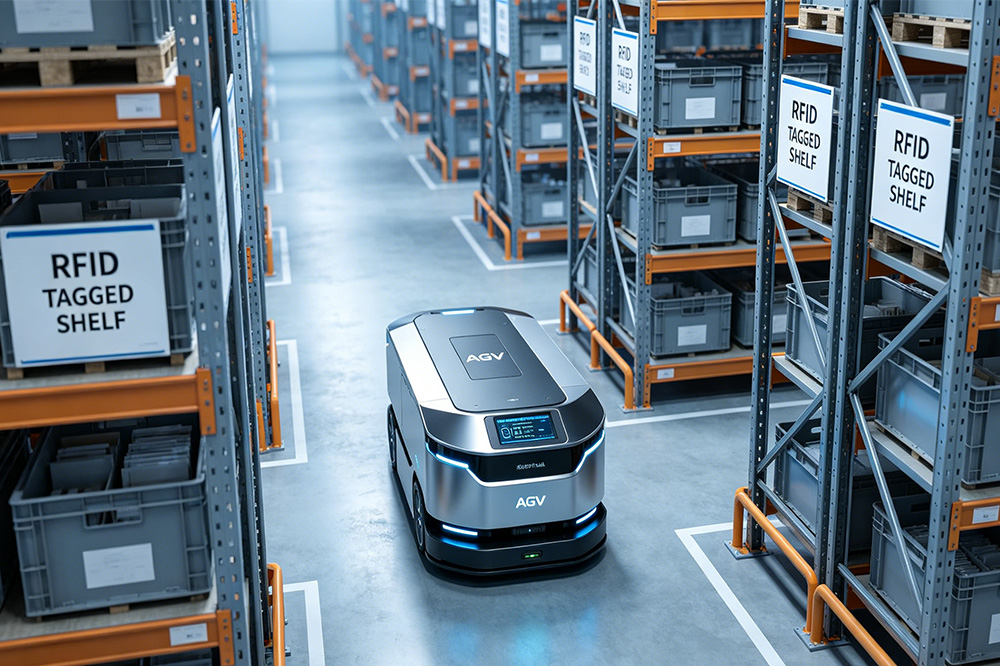
Another growing area is AGV and AMR integration.
Automated warehouse vehicles now use embedded RFID modules for:
Because the hardware needs to fit inside compact mobile systems, embedded RFID modules are usually more practical than large standalone readers.
Modern RFID modules are also becoming smaller and easier to integrate into industrial equipment.
You can see examples of embedded RFID modules used in automation projects here:rfid reader module
A lot of RFID deployment problems are actually antenna problems.
Especially in warehouses filled with:
Integrators often spend significant time testing:
A strong RFID module alone does not guarantee stable system performance.
Warehouse RFID systems rarely work in isolation.
The RFID module often needs to communicate with:
This is where SDK quality becomes important.
Poor software integration can create problems even when the RF hardware is working correctly.
For developers who want a better understanding of how RFID modules are designed internally, this technical guide is worth exploring:how to make rfid reader module
It gives a practical look at the hardware and communication layers inside embedded RFID systems.
Not every warehouse RFID project starts as a large industrial deployment.
A lot of developers first experiment with:
before moving into commercial systems.
That’s often where people begin learning how RFID antennas, serial communication, and read zones actually behave.
For smaller RFID development projects, this Arduino-compatible RFID guide is a useful reference:best arduino compatible rfid readers for diy enthusiasts top 5 pick
It’s especially useful for understanding the basics before scaling into industrial RFID systems.
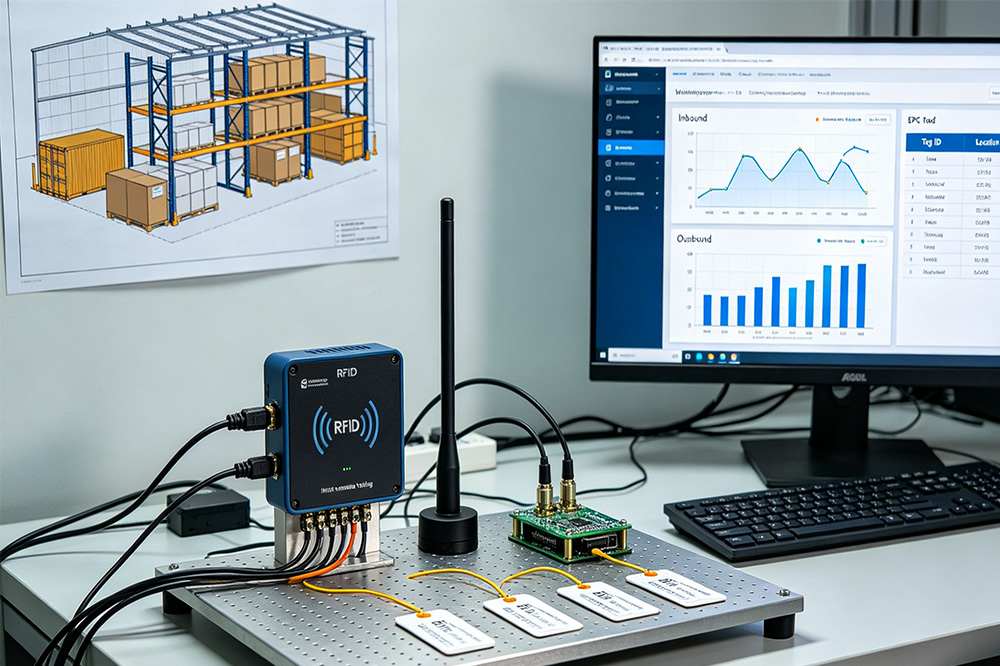
Most modern warehouse RFID systems rely on UHF technology because it supports:
That’s why UHF RFID modules are increasingly being embedded into warehouse equipment itself.
For a broader look at how UHF RFID modules are being used in real operational environments, this article goes deeper into practical deployment scenarios:UHF RFID Reader Module,Real-World Solutions for Modern Operations
Warehouse RFID systems usually succeed or fail during field testing.
Integrators often need to adjust:
before the system becomes stable.
That tuning process is normal in RFID projects.
The systems that work reliably are usually the ones that went through enough real-world testing before deployment.
Warehouse RFID automation is no longer just about adding readers around a process.
More companies are embedding RFID directly into the infrastructure itself.
Conveyors, robots, storage systems, and industrial equipment are increasingly being designed with RFID built in from the beginning.
And in many of those systems, the RFID reader module is the part quietly handling the entire operation behind the scenes.
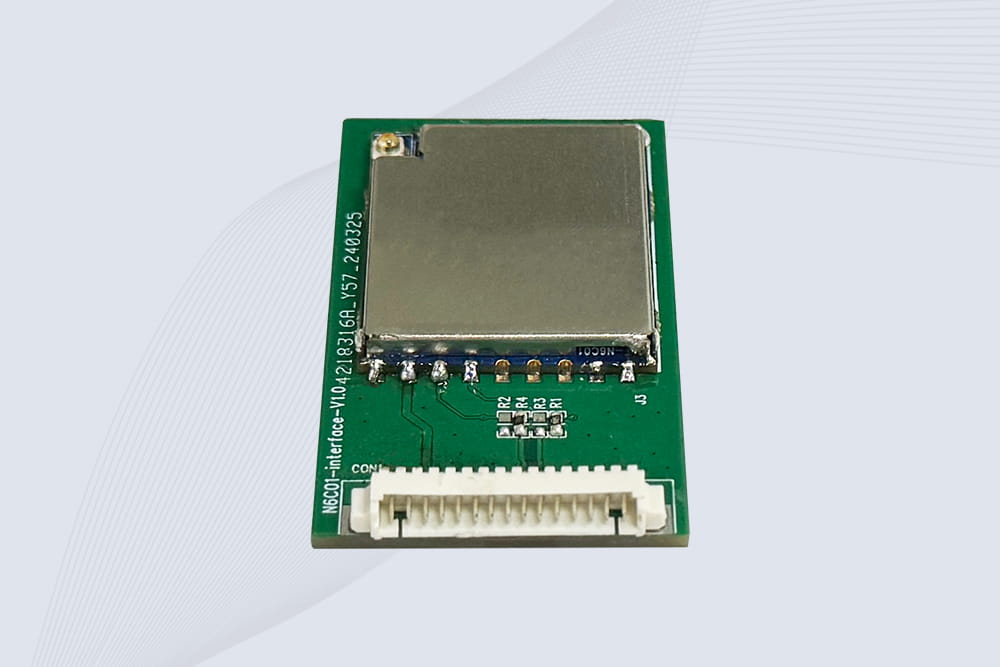
CYKEO Embedded RFID Modules are designed for compact industrial and IoT devices that require stable UHF performance. These UHF RFID Modules support global protocols, flexible power control, and reliable multi-tag reading for smart cabinets, production lines, and asset tracking systems.
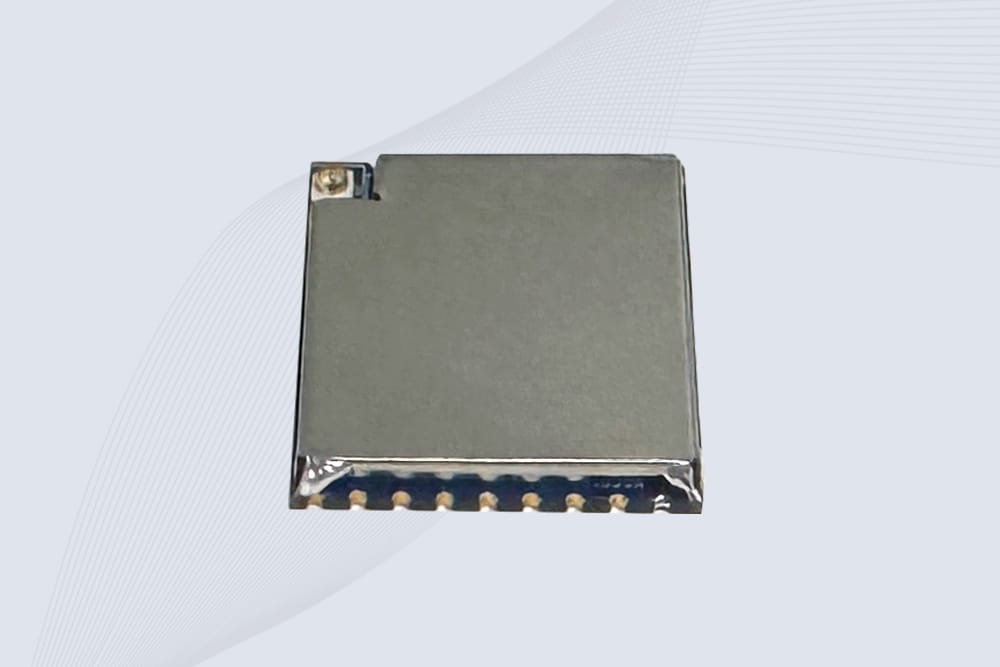
CYKEO Embedded RFID Module is built for compact IoT and industrial devices that need stable UHF performance. This UHF module supports global protocols, low power operation, and reliable multi-tag reading for smart lockers, production lines, and always-on RFID systems.
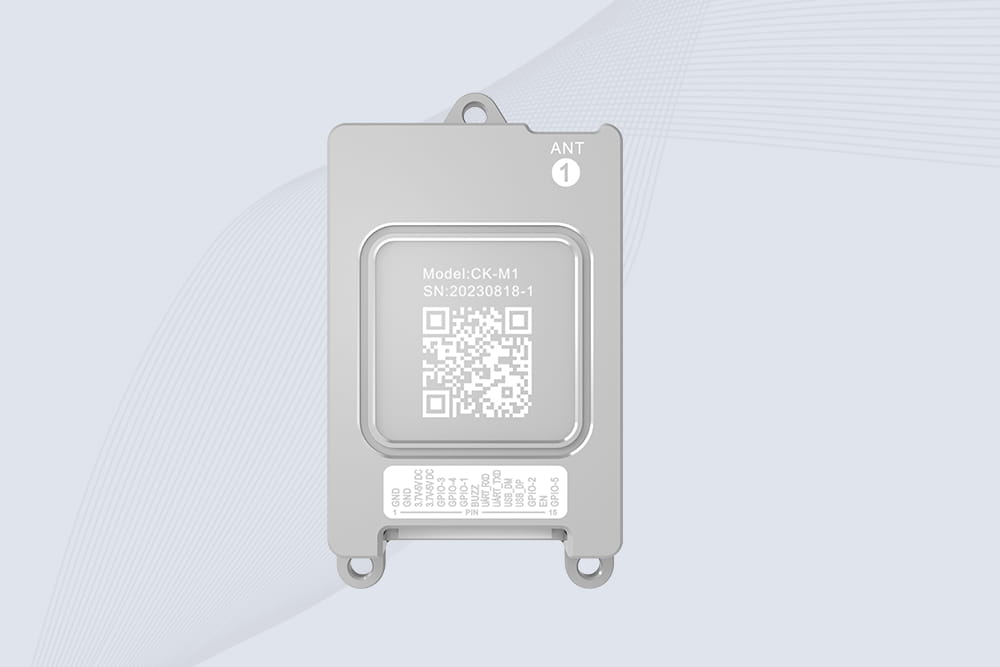
CYKEO CYKEO-M1 drone rfid module is a compact UHF RFID reader module designed for drones and UAV platforms. It supports long-range aerial scanning, fast multi-tag reading, and stable performance in wind, vibration, and outdoor environments.
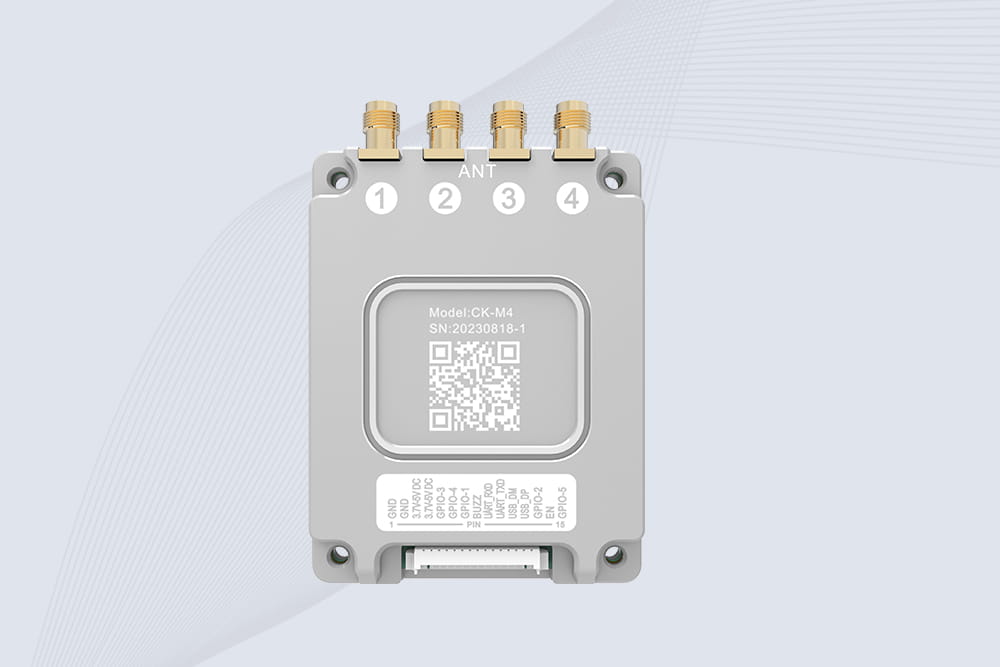
CYKEO CYKEO-M4 RC522 RFID Module is an industrial-grade UHF RFID reader with 4 ports, supporting ISO, EPC, and GB protocols. High-speed, accurate reading for IoT, automation, and warehouse applications.
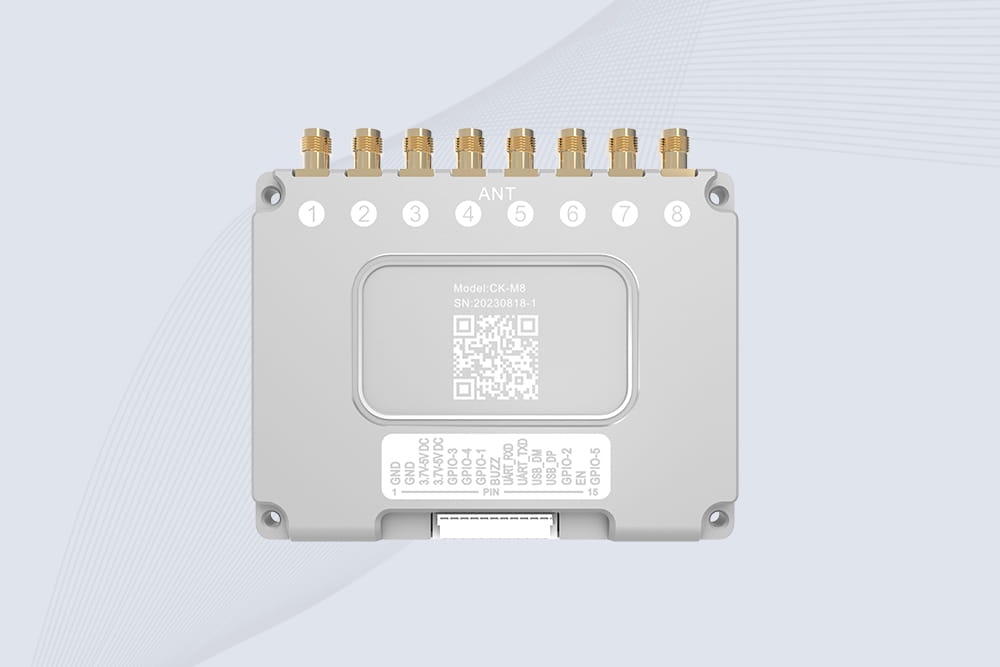
CYKEO CYKEO-M8 Module RFID is an 8-port UHF R2000 RFID Module designed for high-density, multi-tag environments. Stable 33dBm output, ISO & GB protocol support, ideal for warehouses, factories, and automated systems.
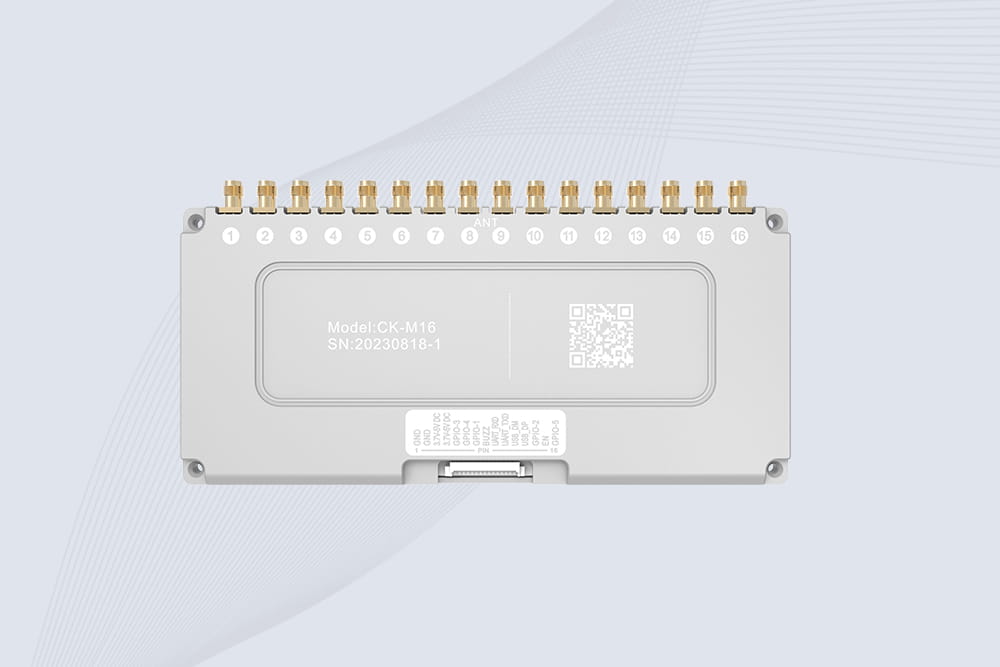
CYKEO CYKEO-M16 RFID Module is a 16-port UHF RFID reader module based on the R2000 chipset. Designed for dense tag environments, it supports ISO and GB standards and delivers stable multi-antenna control for industrial automation.
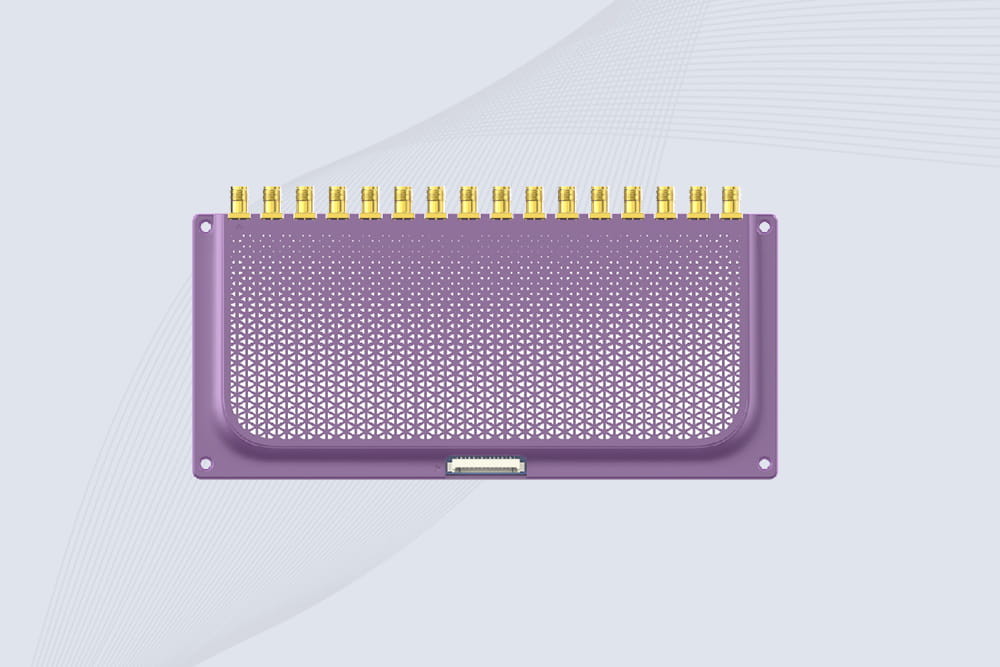
The CYKEO CYKEO-M16L RFID Reader Module is a 16-channel UHF RFID core designed for dense tag environments. With adjustable 33dBm output, multi-protocol support, and stable multi-antenna control, this RFID Tag Reader Module fits industrial automation, warehouse systems, and large-scale IoT deployments.
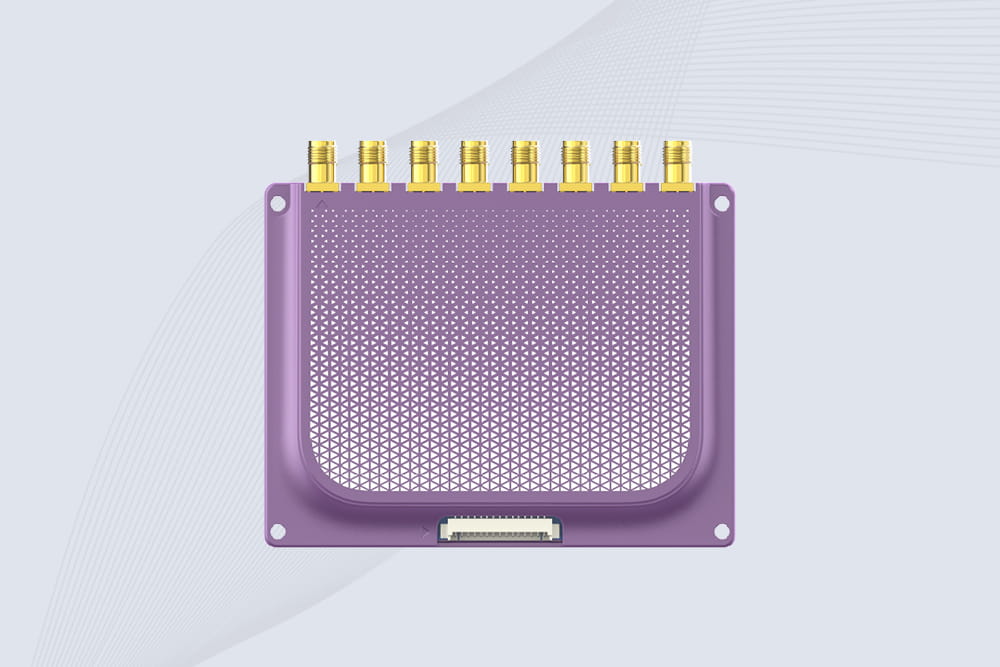
CYKEO CYKEO-M8L module RFID is a compact industrial UHF module built for dense tag and multi-antenna environments. With 8 RF ports, adjustable 33 dBm output, and ISO & GB protocol support, it is widely used in factories, warehouses, and automated tracking systems.
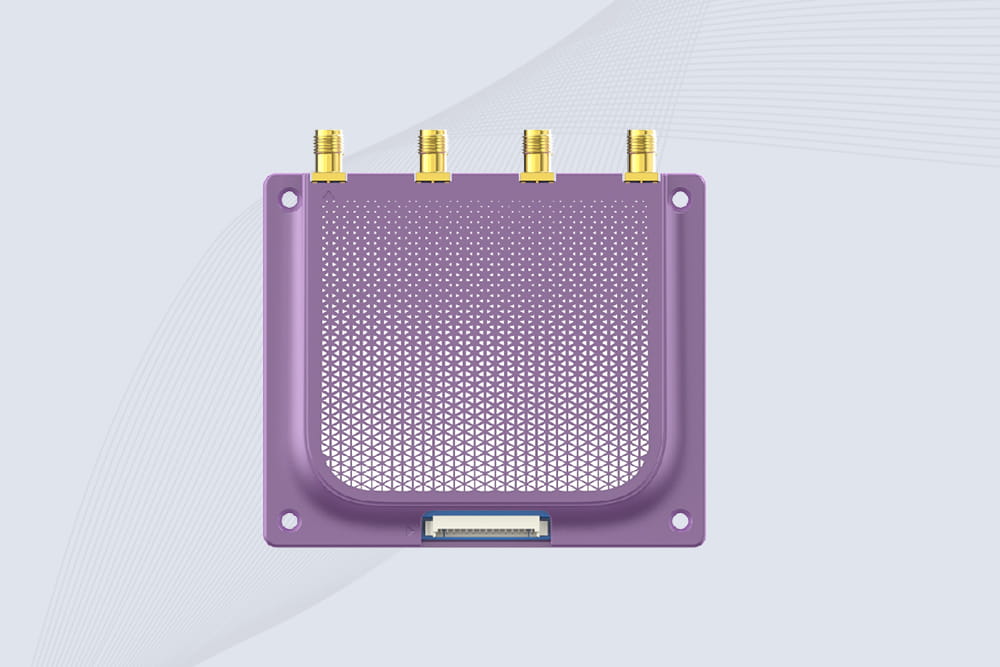
CYKEOCYKEO-M4L UHF RFID Module is a compact 4-channel RFID tag reader module designed for dense tag environments. Supporting ISO and GB protocols, it delivers stable reads up to 10 meters for industrial and IoT systems.
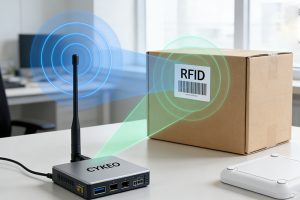
Discover how does a RFID reader work. We explain the simple radio wave conversation between readers and tags that powers modern tracking & inventory.
More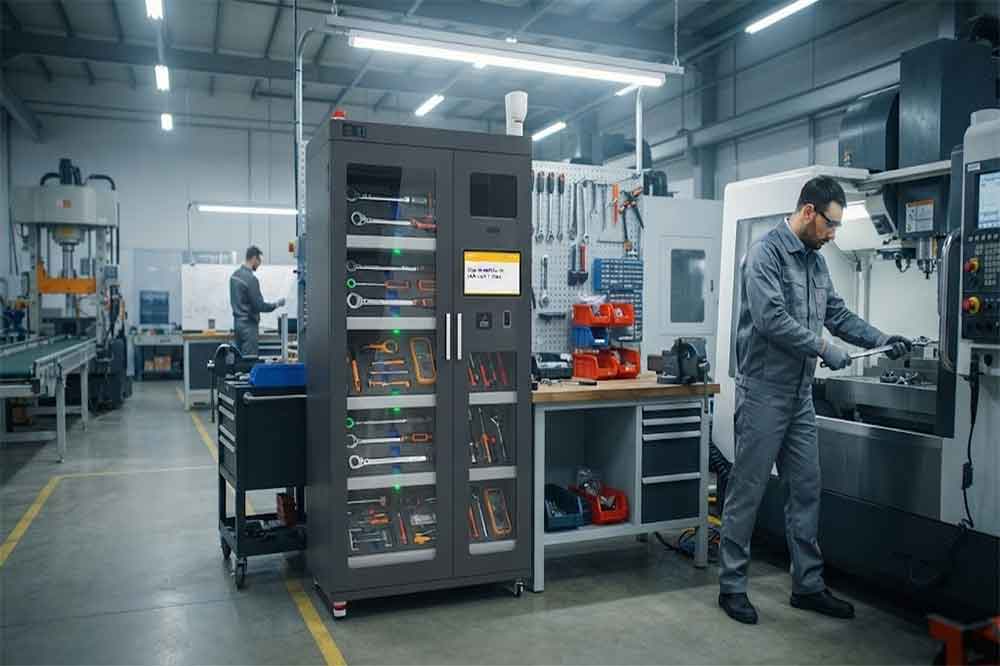
RFID tool cabinet can help maintenance departments keep tools organized, traceable, and available when technicians need them. By connecting RFID identificati...
More
rfid tracking devices improve real-time asset visibility, reduce manual inventory work, and support fast UHF identification across warehouses, hospitals, and industrial sites.
More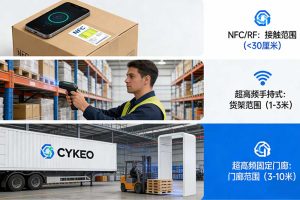
Get a clear answer on how far RFID can be read. We break down realistic ranges for LF, HF, and UHF systems and what factors actually affect the distance.
More