 Cykeo RFID IoT Solution Products R&D Manufacturer
Tool Tracking Tool for Mining: RFID-Based Underground Asset Control System | Cykeo
105tool tracking tool for mining improves underground asset visibility, reduces equipment loss, and enables RFID-based control in harsh mining environments.
MoreAll RFID Product
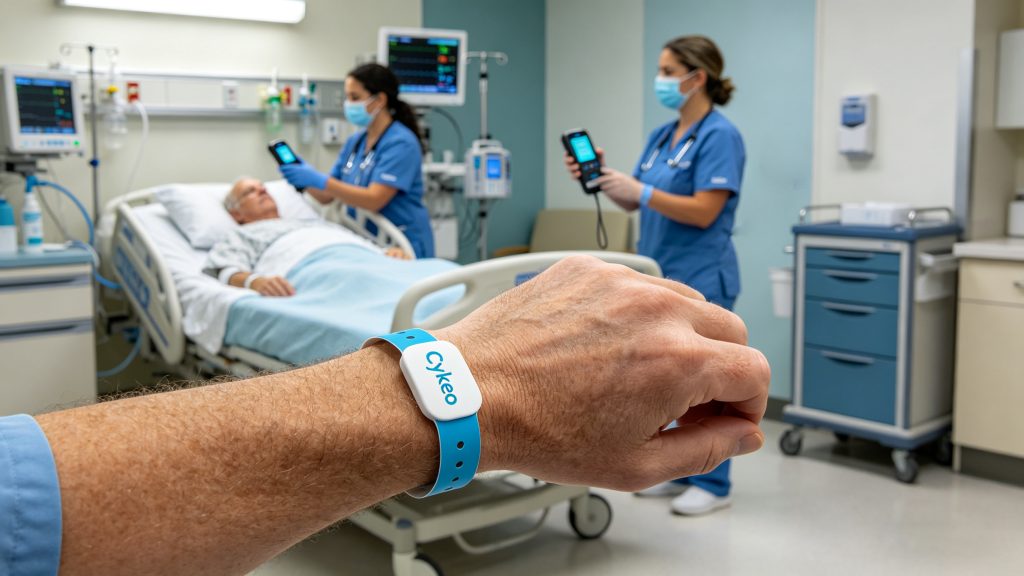
rfid patient wristbands use ultra high frequency identification technology to improve patient tracking, reduce identification errors, and automate healthcare workflows in hospitals and medical facilities.
The first hospital RFID project I walked through did not look futuristic. No glowing screens. No robots. Just a busy surgical floor where nurses were already overloaded before the morning rounds finished.
What changed the atmosphere was surprisingly small: RFID wristbands.
A patient moved from pre-op to imaging, then to recovery. The wristband updated the system automatically at every checkpoint. No clipboard chasing. No repeated verbal confirmation every few minutes. The staff noticed the time savings almost immediately.
That is usually how healthcare RFID adoption starts — not with technology excitement, but with operational pressure.
rfid patient wristbands are wearable identification bands embedded with RFID chips that communicate wirelessly with hospital RFID reader systems.
In modern UHF deployments, wristbands can support:
Unlike traditional barcode-only systems, UHF RFID allows contactless multi-point identification without direct line-of-sight scanning.
That difference matters more than people expect inside busy hospitals.
According to World Health Organization Patient Safety Resources, patient identification errors remain a significant global healthcare safety concern, particularly during medication administration and transitions of care.
One nurse we interviewed during a consumables cabinet deployment described her routine bluntly:
“We spend half the shift confirming where things and people are.”
That was not exaggeration.
Healthcare environments generate constant movement:
Traditional workflows depend heavily on repetitive manual verification.
UHF RFID reduces that operational friction.
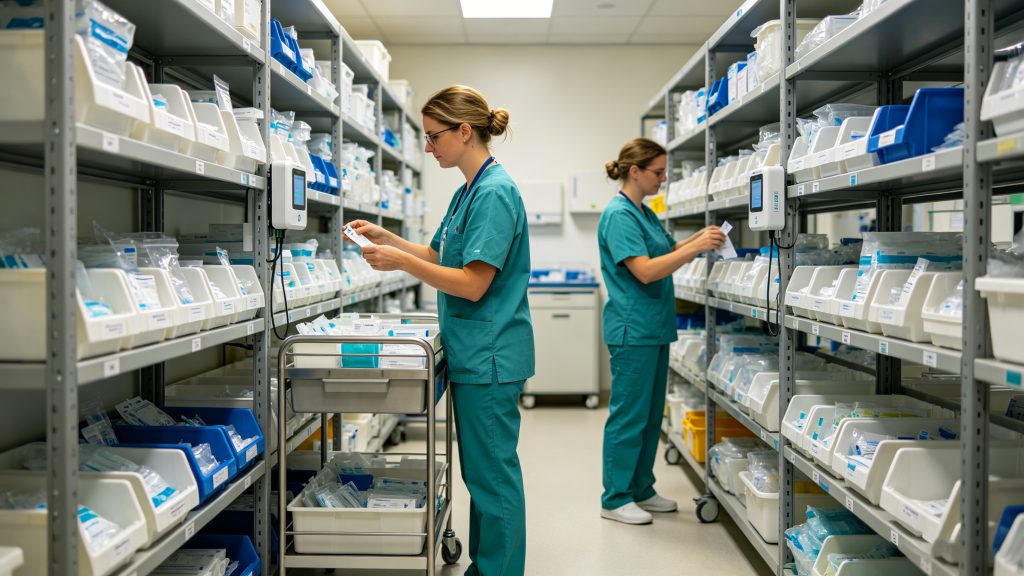
During a hospital consumables deployment connected to RFID patient management workflows, we noticed something unexpected.
The biggest improvement was not inventory speed.
It was traceability confidence.
The system combined:
Every interaction generated a timestamp.
One surgical department previously needed nearly 40 minutes to reconcile high-value consumables after procedures. RFID automation reduced verification time dramatically because the system
already knew:
The emotional stress level among staff visibly dropped after several weeks.
That part never appears in spec sheets.
RFID wristbands help confirm:
According to U.S. FDA Medical Device Identification Guidance and healthcare safety initiatives, automated identification systems improve traceability and reduce manual documentation risk.
In emergency departments, seconds matter.
RFID tracking can help staff locate:
without physically searching multiple rooms.
Hospital administrators increasingly want live operational visibility.
RFID patient wristbands can support:
| Workflow Area | RFID Benefit |
|---|---|
| Admission | Faster patient registration |
| Surgery | Procedure tracking |
| Recovery | Real-time movement logging |
| Pharmacy | Medication verification |
| Inventory | Automated consumable usage |
| Emergency Care | Rapid patient identification |
Hospitals contain:
RF testing matters.
We once adjusted antenna positioning in a supply corridor three separate times because nearby metal carts created unstable reflections.
The reader itself was functioning correctly. The environment was the issue.
Patients wear wristbands continuously.
If materials feel stiff or irritating, compliance drops fast.
Healthcare RFID hardware has to balance:
Some hospitals attempt massive full-campus RFID rollouts immediately.
Smaller phased deployments usually work better:
Then expansion becomes easier.
According to RAIN Alliance RFID Industry Data, UHF RFID adoption continues expanding globally across healthcare, logistics, and industrial automation due to improving reader accuracy and falling infrastructure costs.
Healthcare systems increasingly prioritize:
RFID patient wristbands fit naturally into those priorities.
Especially in high-volume medical environments.
RFID patient wristbands are used for patient identification, healthcare tracking, medication verification, and hospital workflow automation.
Yes. Properly deployed UHF RFID systems are widely used in healthcare environments for operational tracking and identification.
Yes. RFID systems reduce manual identification errors and improve traceability during treatment and medication workflows.
No. UHF RFID wristbands can be identified wirelessly without direct line-of-sight scanning.
Most hospital patient RFID wristbands are designed for single-patient use to support hygiene and safety standards.
The real value of rfid patient wristbands is not simply faster identification.
It is operational clarity during moments when hospitals are under pressure.
Inside modern healthcare systems, UHF RFID quietly reduces manual work, improves traceability, and helps medical staff spend less time verifying information — and more time treating patients.
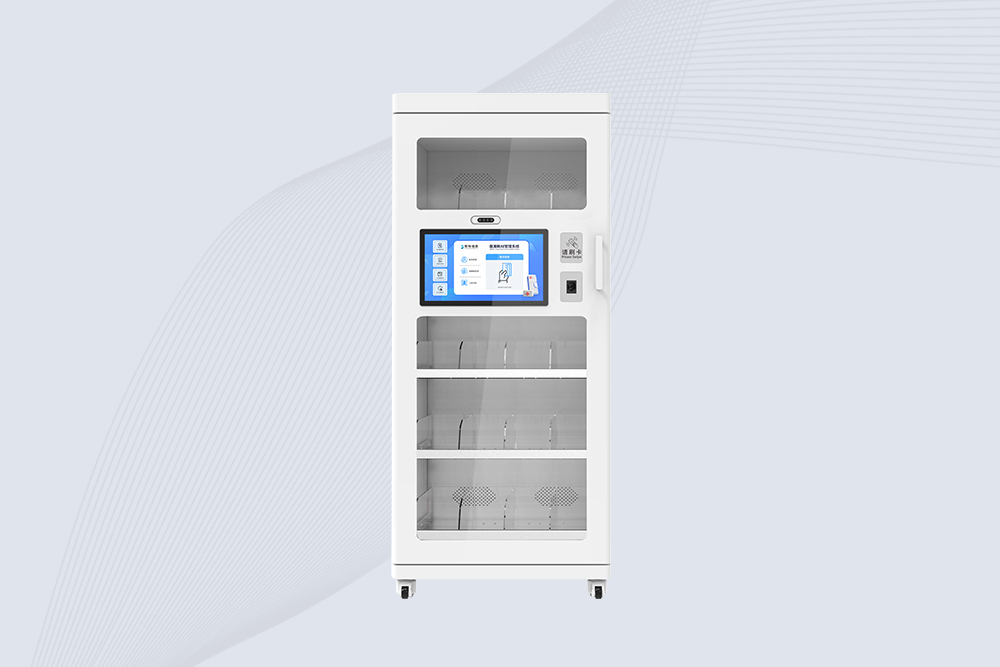
Cykeo’s medical RFID cabinet features 21.5″ touchscreen, dual-door security & HIPAA compliance for OR/pharmacy. Tracks implants, gauze & consumables. Request demo.
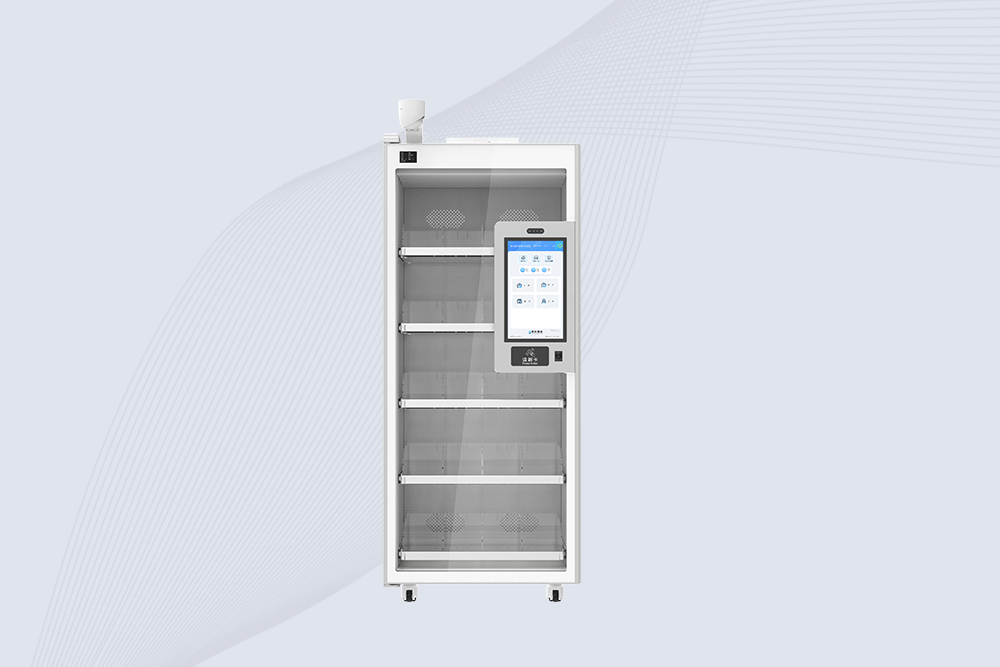
Cykeo’s smart medical cabinet RFID features 21.5″ touchscreen & 99.9% accuracy for OR instrument tracking. Modular shelves for 500+ items. HIPAA compliant. Request demo.
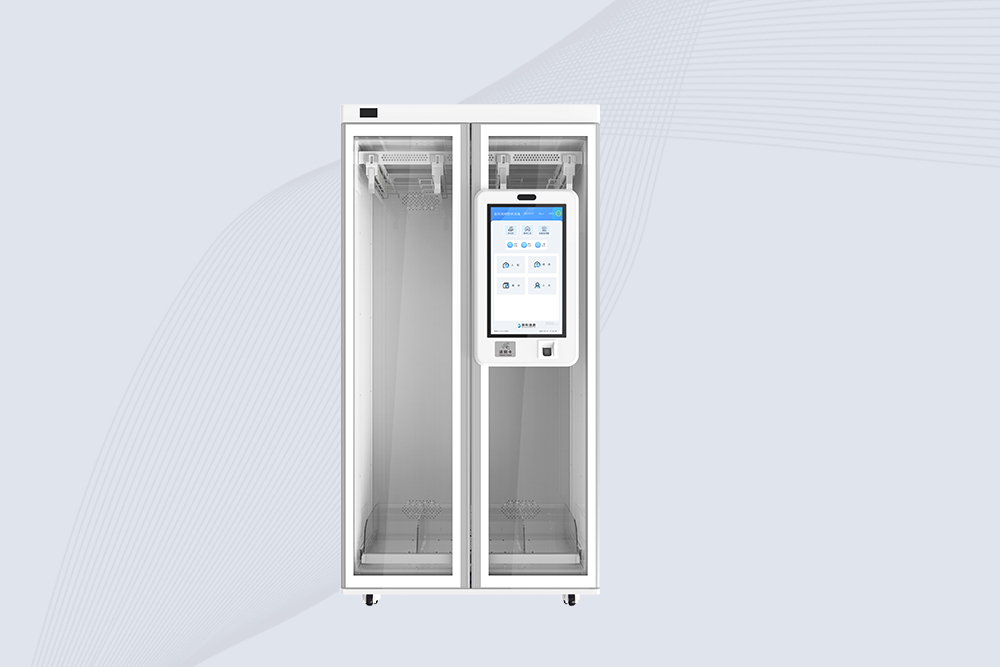
Cykeo’s UHF RFID hospital asset cabinet features dual-door security, antibacterial coating & 99.9% accuracy for OR implants. ISO 13485 compliant. Tracks 2000+ items.
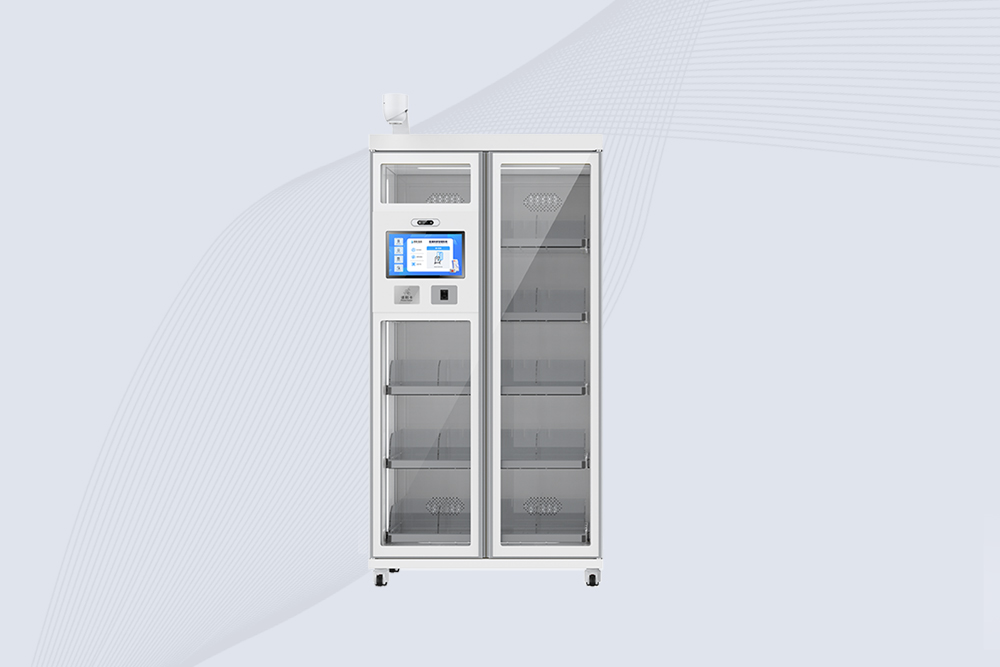
Cykeo’s medical RFID storage cabinet features 14″ touchscreen, 600 tags/sec scanning & 1.2mm steel security. Tracks 500+ surgical consumables. Reduces staff workload by 70%.
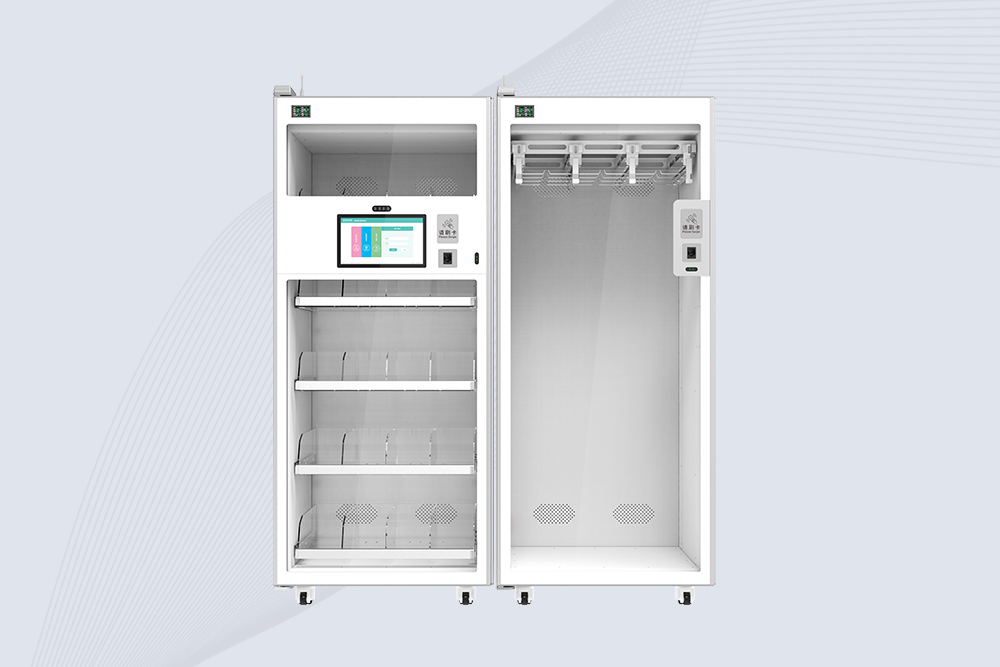
Cykeo’s smart RFID medical cabinet features dual-camera verification, 14″ touchscreen & 99% inventory accuracy. Reduces surgical errors & staff workload. FDA 21 CFR Part 11 compliant.
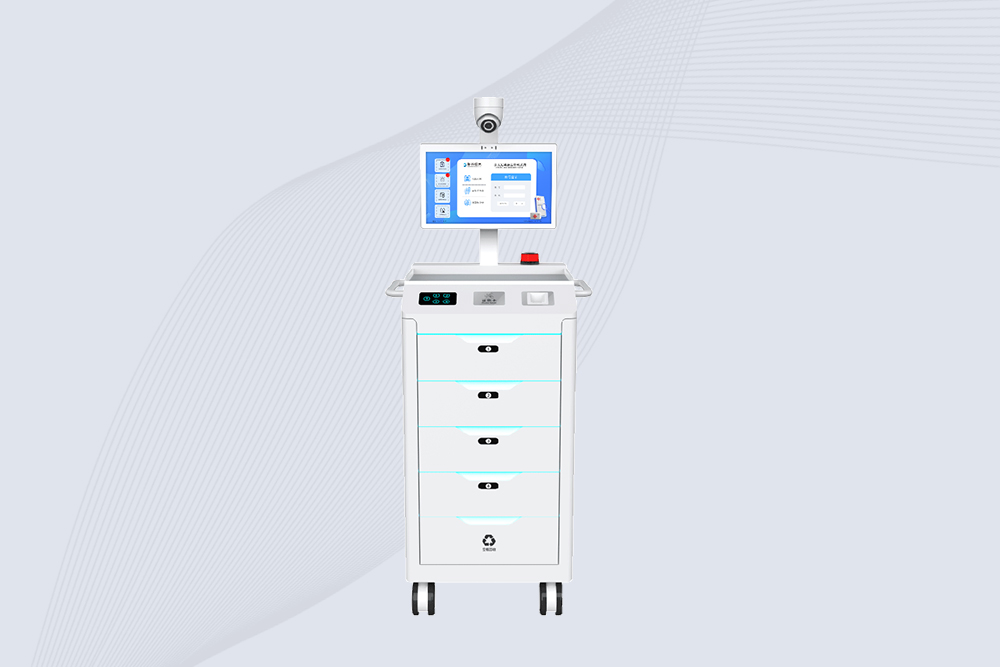
Cykeo’s RFID pharmacy security cabinet features 22″ touchscreen, residual liquid recovery & dual authentication for fentanyl storage. FDA compliant. Manages 1000+ narcotics.
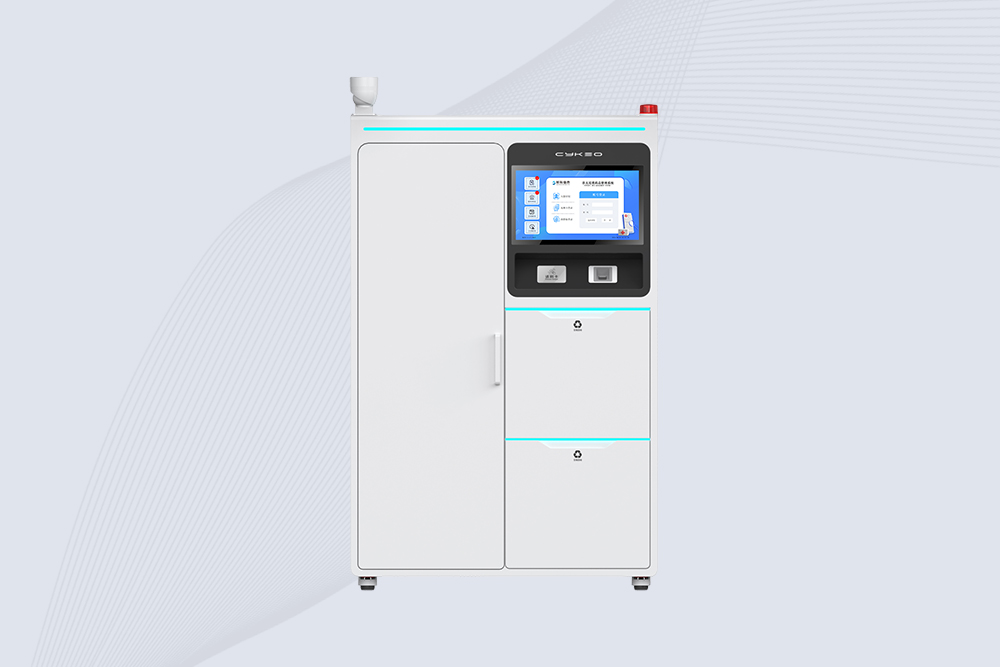
Cykeo’s RFID Anesthesia Medication Cabinet features blockchain auditing, MIL-STD-810G security & real-time reconciliation for Schedule II drugs. DEA/GMP compliant. Configurable 3-10 storage units.
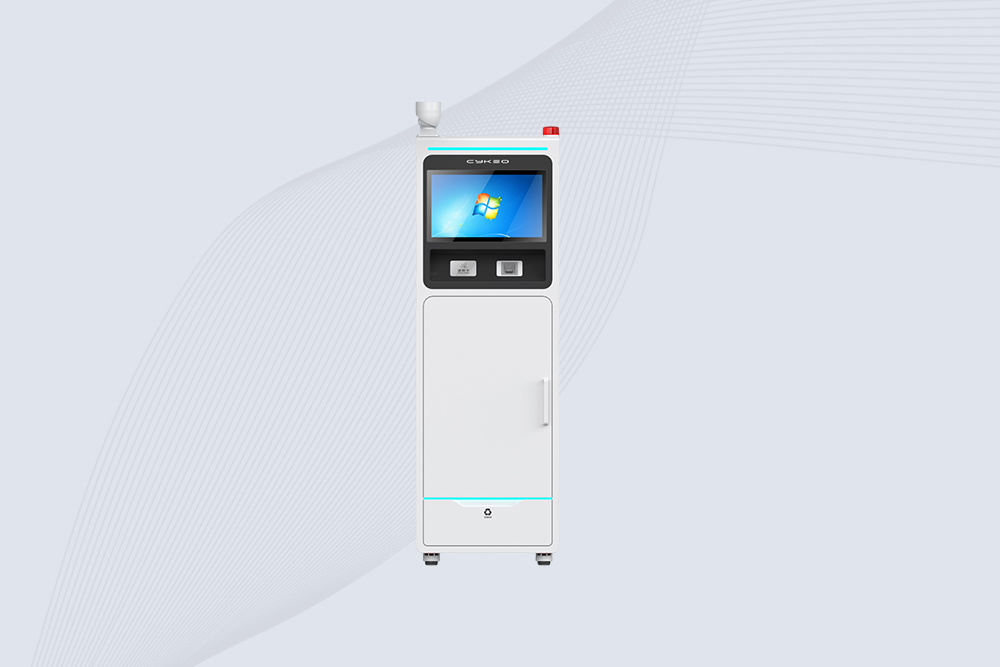
Cykeo medical RFID medicine cabinet features ≤5cm drug tracking, real-time HIS sync, military security, and USP-compliant climate control for Schedule II drugs.
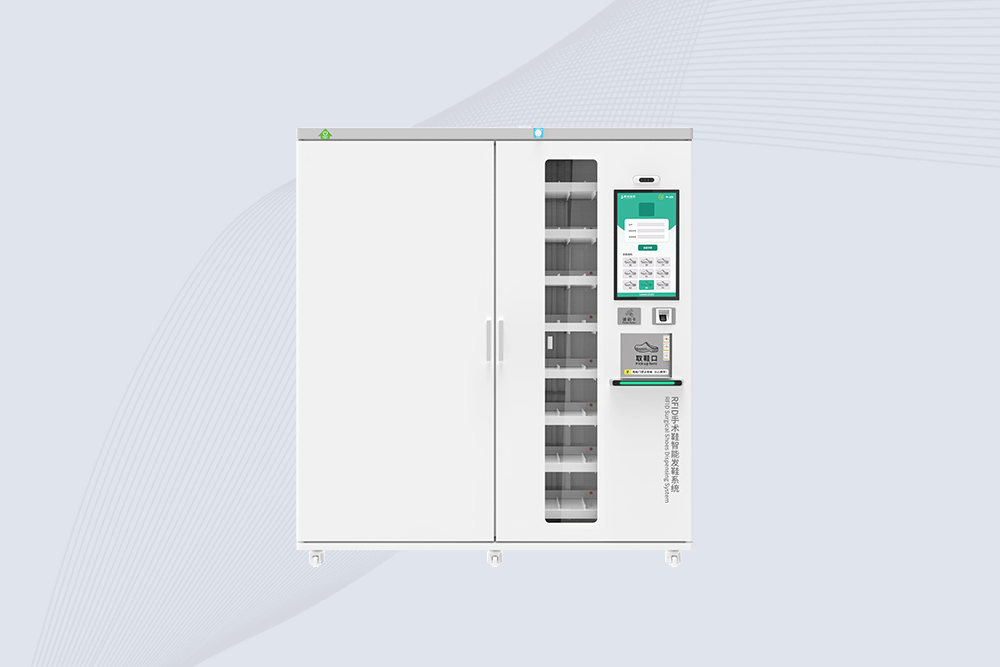
Cykeo RFID operating room cabinet features ≤55s shoe delivery, UHF RFID inventory control, ISO 13485 certification, and biometric access for OR workflow optimization.
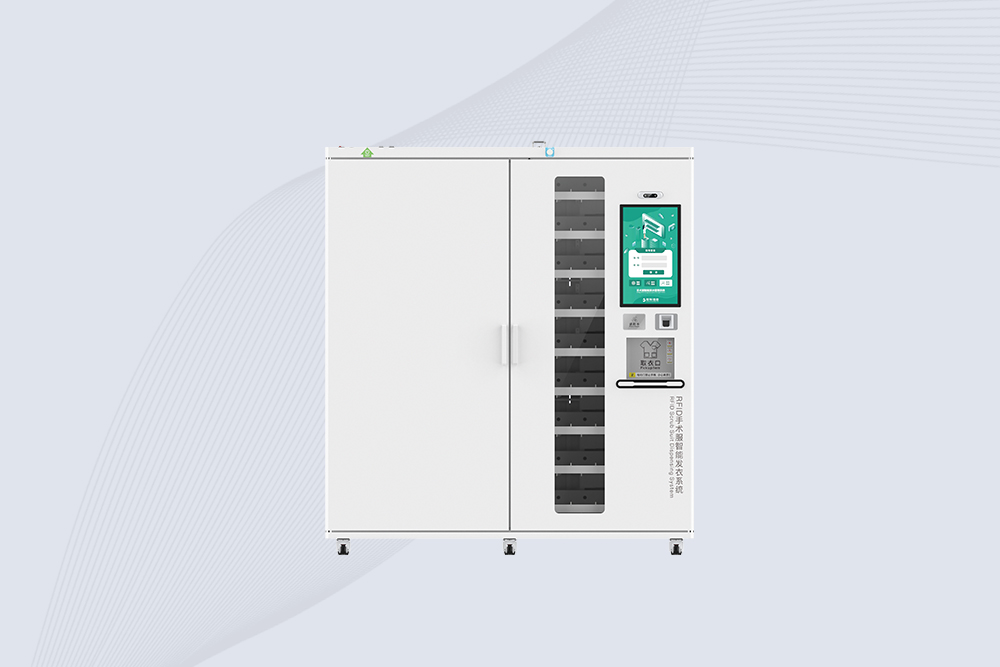
Cykeo operating room RFID cabinet features 108-gown capacity, UHF RFID tracking, real-time SPD integration, and biometric access for sterile OR management.
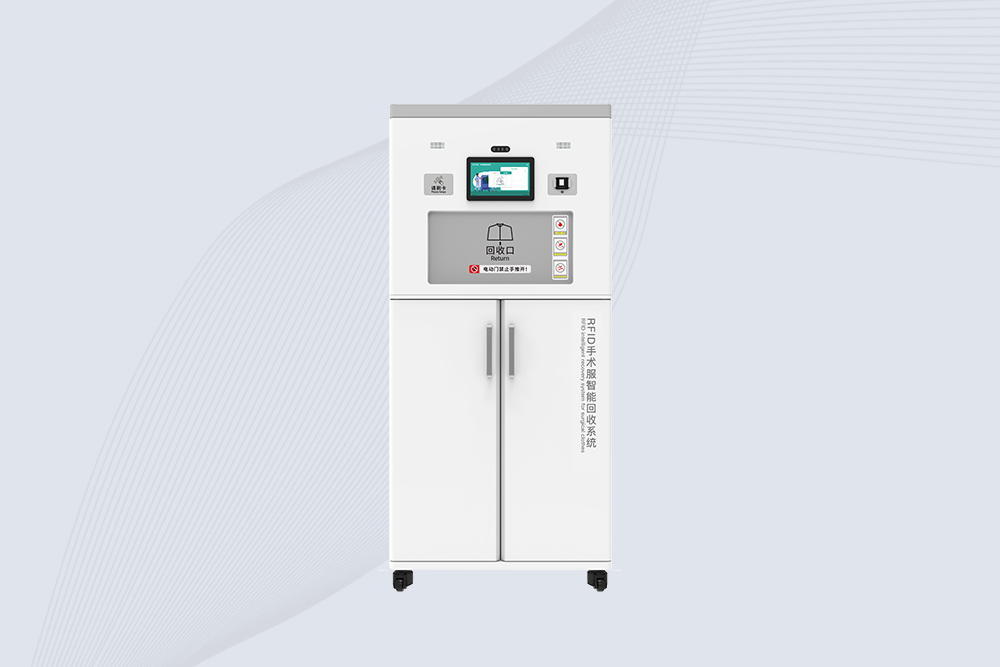
Cykeo’s RFID scrub return cabinet offers 50-gown batch scanning, HL7 integration, UV decontamination, and JCAHO compliance for hospitals/surgical centers.
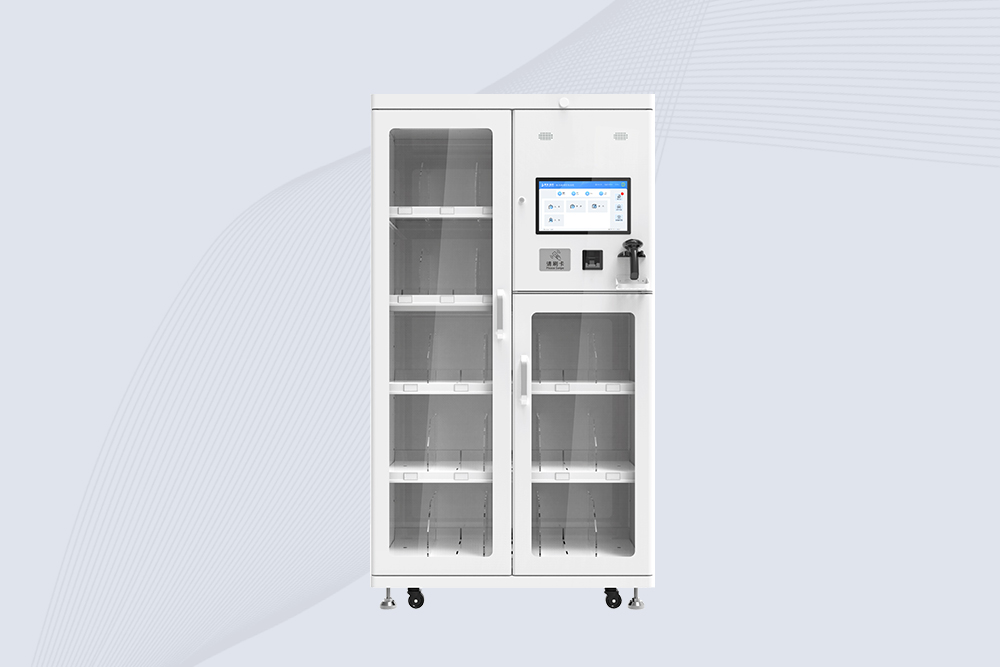
Cykeo’s low-value consumables cabinet offers 5-tier storage, HIPAA encryption, FDA compliance, and SAP integration for hospitals/clinics. Reduces stockouts by 70%.
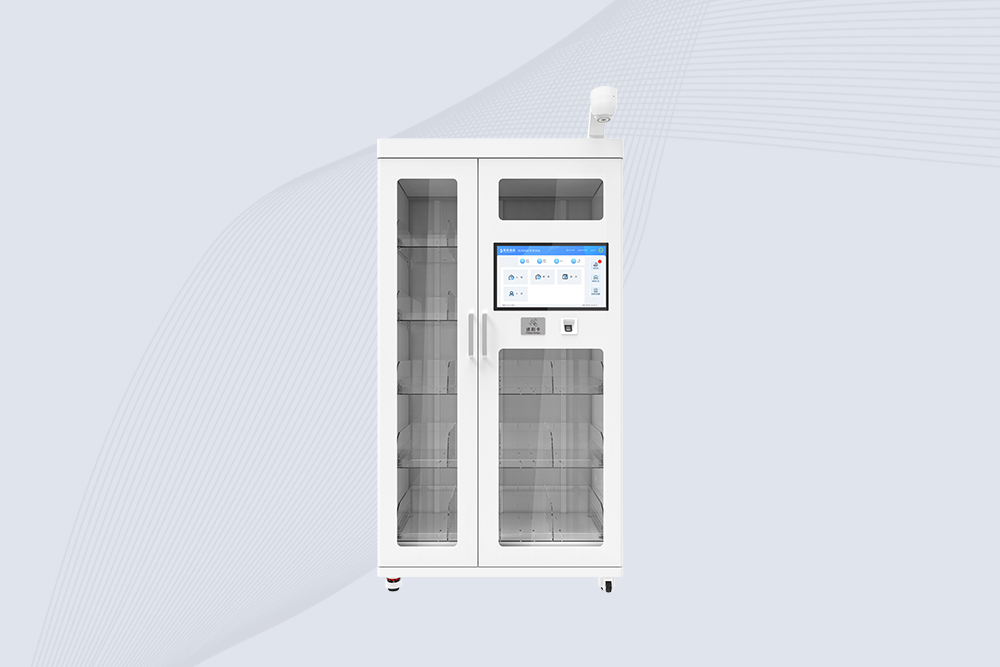
Cykeo’s RFID high-value consumables cabinet offers 500-implant capacity, FDA compliance, real-time Epic sync, and theft prevention for ORs/surgery centers.
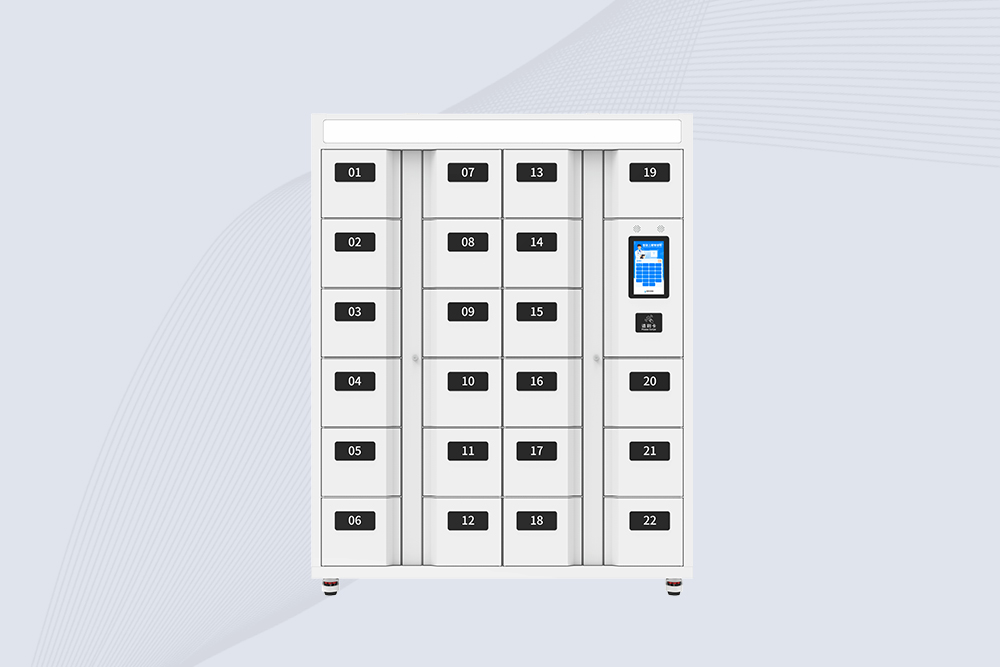
Cykeo CYKEO-G2224 rfid linen management cabinet features modular lockers, 10.1″ Android screen, and 200+/sec scanning for hospitals/hotels. SAP/Oracle integration.

tool tracking tool for mining improves underground asset visibility, reduces equipment loss, and enables RFID-based control in harsh mining environments.
More
You know that awkward moment in class or at work when someone has to call out names, and half the time it’s wrong, or you lose track of who’s in or out? Well, that’s where RFID attendance monitoring systems step in, quietly fixing all those little...
More
Discover proven methods to eliminate RFID signal interference in high-density environments. Learn how Cykeo’s solutions enhance accuracy for warehouses, hospitals, and logistics hubs.
More
Learn how to read rfid with professional RFID technology insights. Discover RFID readers, tag communication methods, real applications, and Cykeo solutions.
More