An asset tracking tag enables real-time identification and monitoring of assets, improving visibility, reducing loss, and streamlining inventory control across industrial and logistics environments.
At first glance, the keyword may suggest lighting—but in actual deployment conversations, clients asking “how long do led tennis court lights last” often pivot quickly to asset lifecycle visibility. That’s where asset tracking tag systems quietly enter the discussion.
Maintenance scheduling improved due to accurate asset status
What stood out wasn’t just tracking—it was how quickly teams trusted the data.
What is an asset tracking tag?
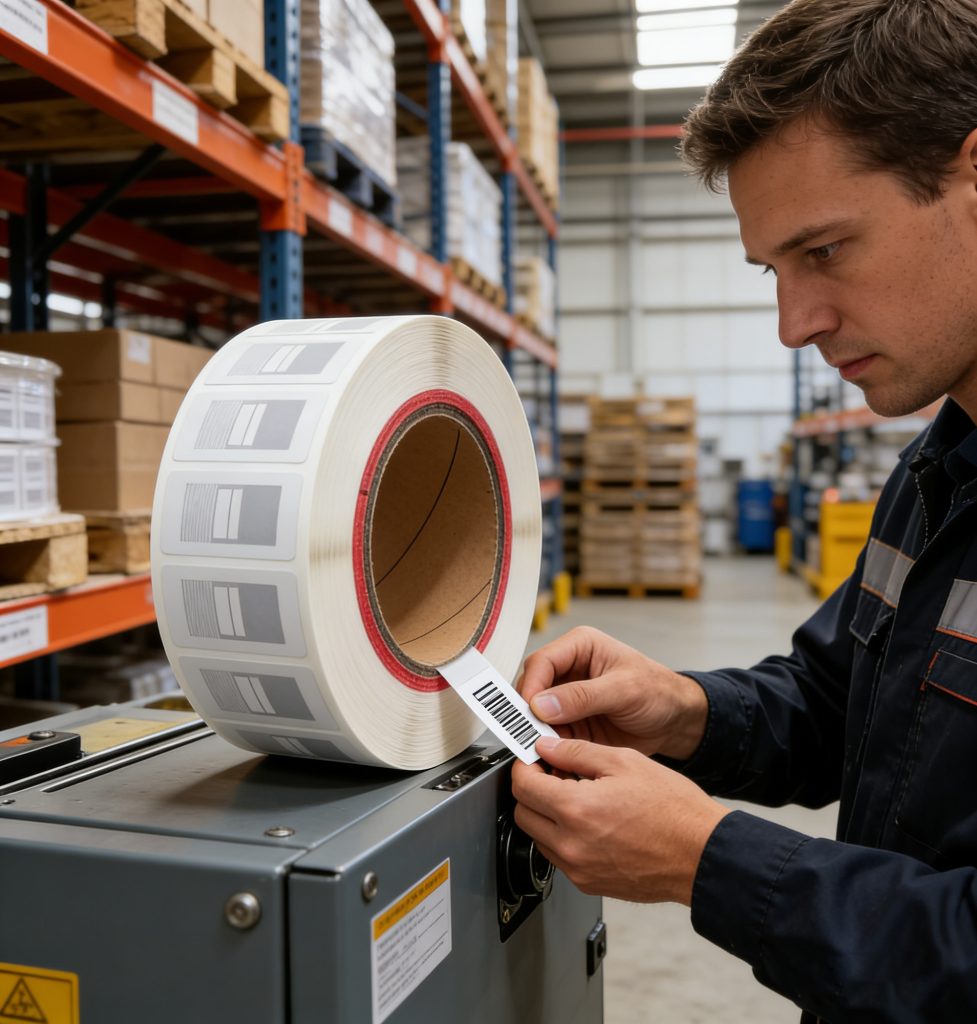
An asset tracking tag is a physical identifier—typically RFID or barcode-based—attached to equipment or inventory, enabling automated tracking through scanning systems.
With RFID-based asset tracking tag systems:
Assets are identified wirelessly
Data is captured in bulk
Location and status are updated in real time
According to RAIN RFID Alliance (https://rainrfid.org), RFID technology allows hundreds of items to be read per second, enabling scalable asset visibility.
How asset tracking tag works in real operations
From static labeling to dynamic tracking
In older systems, asset labels were passive—used only during audits.
In one warehouse deployment, operators stopped doing “full counts.” Instead, they relied on rolling scans throughout the day.
That shift changes everything.
Tagging assets for real-time tracking
Key benefits of asset tracking tag systems
1. Real-time visibility
Know asset location instantly
Reduce search time
Improve operational response
2. Inventory accuracy improvement
According to RFID systems can achieve over 95% inventory accuracy, significantly outperforming manual processes.
3. Loss and theft reduction
Tracking creates accountability:
Movement logs are recorded
Unauthorized removal is detectable
Missing assets are identified earlier
Common types of asset tracking tag
Tag Type
Application Scenario
RFID label
General inventory
On-metal tag
Machinery, tools
Hard tag
Reusable high-value assets
GPS-enabled tag
Outdoor or mobile assets
Practical observations from deployments
Asset tracking tag systems don’t fail loudly—they fail quietly when poorly implemented.
From field experience:
Tag placement matters more than expected
Metal environments require specialized tags
Staff training impacts system accuracy
In one case, read rates improved from ~82% to 97% simply by adjusting tag orientation. No hardware change. Just placement.
How to choose the right asset tracking tag
Key selection factors
Environment: Indoor vs outdoor
Material surface: Metal, plastic, liquid exposure
Durability needs: Heat, moisture, impact
Read range: Based on operational workflow
System compatibility: RFID standards (EPC Gen2, ISO)
FAQ about asset tracking tag
Q1: Are asset tracking tags reusable?
Yes. Many RFID-based asset tracking tags are reusable, especially hard tags designed for long-term use.
Q2: Can asset tracking tags work outdoors?
Yes, with proper industrial-grade or GPS-enabled tags designed for environmental resistance.
Q3: Do asset tracking tags require batteries?
Most RFID tags are passive and do not require batteries, making them cost-effective and low maintenance.
Final insight from real use
Asset tracking tag systems don’t just improve tracking—they change behavior.
Teams stop relying on memory, stop double-checking manually, and start trusting system data. That shift—quiet, almost unnoticed—is where efficiency actually builds over time.
And interestingly, conversations that begin with questions like “how long do led tennis court lights last” often end with something more operational:
“How do we track everything we own—accurately, every day?”
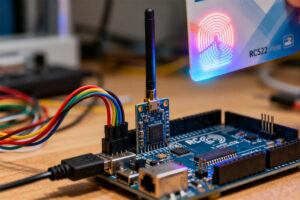
A hands-on, realistic guide to wiring the RC522 RFID module with Arduino. Written from real bench experience — voltage quirks, wiring mistakes, multiple readers setup, and what actually happens when it doesn’t work.
In the era of information explosion, industries across the globe face the challenges of managing and storing vast amounts of data. For government agencies, enterprises, and organizations that require significant file storage, efficient fi...
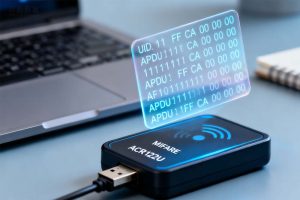
Read and write MIFARE (ISO14443-A) cards using PC/SC readers like ACR122U and Omnikey. Includes the GET DATA APDU, SCard flow, sample code (C++, Python, C#) and practical troubleshooting.
The Cykeo CK‑D1C USB RFID card reader makes reading and writing cards fast and hassle-free. Perfect for offices, warehouses, libraries, and access control systems. Plug-and-play, batch encoding, and secure short-range reading.
 Cykeo RFID IoT Solution Products R&D Manufacturer