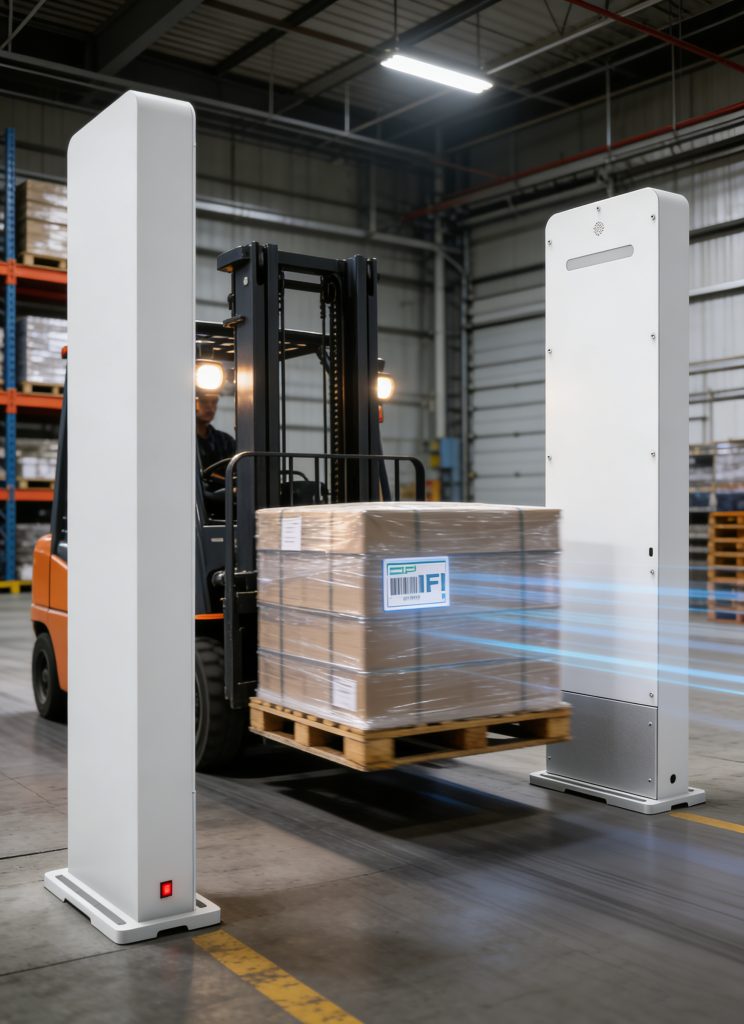
Asset tracking RFID delivers 95%+ real-time visibility and reduces manual tracking costs by up to 30%, enabling accurate, automated asset management across warehouses and facilities.
That’s the short version. But in actual deployments—where metal racks interfere, forklifts move unpredictably, and assets don’t sit politely in rows—the story becomes more nuanced.
I’ve worked on RFID rollouts in logistics hubs and tool cribs, and the difference between theory and practice shows up fast. Tag orientation, reader density, and environmental noise decide whether you hit 98% accuracy… or struggle at 80%.
how long do led tennis court lights last in RFID context
At first glance, this keyword seems unrelated. But in infrastructure planning, lifecycle thinking matters. Just like asking how long do LED tennis court lights last, asset managers ask:
How long do RFID tags last?
How durable are readers in industrial environments?
Organizations lose up to 30% of IT assets due to poor tracking
RFID doesn’t eliminate loss—but it makes loss visible faster.
performance metrics that actually matter
Forget marketing claims. Focus on these:
Core KPIs
Read accuracy: Target 95%+
Read speed: >200 tags/sec
System latency: <2 seconds
ROI period: 6–18 months typical
What affects performance most
Environment (metal, liquids)
Tag type selection
Reader configuration
Process design (often overlooked)
asset tracking rfid
Is RFID better than barcode for asset tracking?
Yes—RFID enables non-line-of-sight bulk scanning, improving efficiency and accuracy significantly over barcode systems.
What is the accuracy of RFID asset tracking?
Well-optimized systems achieve 95–99% accuracy, but poor setup can drop below 85%.
How much does RFID asset tracking cost?
Typical systems range from $5,000 to $50,000+, depending on scale, hardware, and integration complexity.
How long do RFID tags last?
Passive RFID tags can last over 10 years, often outlasting the assets themselves.
final insight
The question how long do led tennis court lights last is really about predictability and return on investment. RFID asset tracking operates on the same principle—but in a more chaotic environment.
From field experience: RFID doesn’t fail because of hardware. It fails when real-world behavior isn’t accounted for.
Design for movement. Design for mistakes. Design for metal.
That’s where systems stop being theoretical—and start working.
Discover the best fixed RFID readers for healthcare equipment tracking. Learn how Cykeo’s HIPAA-compliant systems improve efficiency, disinfection compliance, and patient safety.
Wondering if RFID can read credit cards? We explain how contactless payment works, the security built in, and the key differences from standard RFID tracking.
Unsure what is an RFID reader module? This guide explains its role as the core hardware that powers access control, inventory tracking, and automated identification systems.
 Cykeo RFID IoT Solution Products R&D Manufacturer