I remember standing at a security door years ago, watching people tap their cards and walk through like magic. Nobody explained what actually happened inside that little white box on the wall. If you’ve ever wondered how does RFID card reader work, you’re asking the right question. The short answer is the reader sends out energy, the card wakes up and talks back, and the reader decodes that response . But the real story involves electromagnetic fields, microchip conversations, and split-second timing. Let me walk you through exactly what happens when you tap that card.
The Short Answer: Energy Out, Data Back
how does RFID card reader work? At its simplest, an RFID reader creates an electromagnetic field. When an RFID card enters that field, the card’s antenna captures some of that energy, which powers up the tiny chip inside . The chip then sends its stored information back to the reader by modulating the reflected signal. The reader captures that reflection, decodes it into digital data, and passes it to a connected system . All of this happens in milliseconds, which is why it feels like instant magic.
The Three Essential Parts
Every RFID system has three core components that work together :
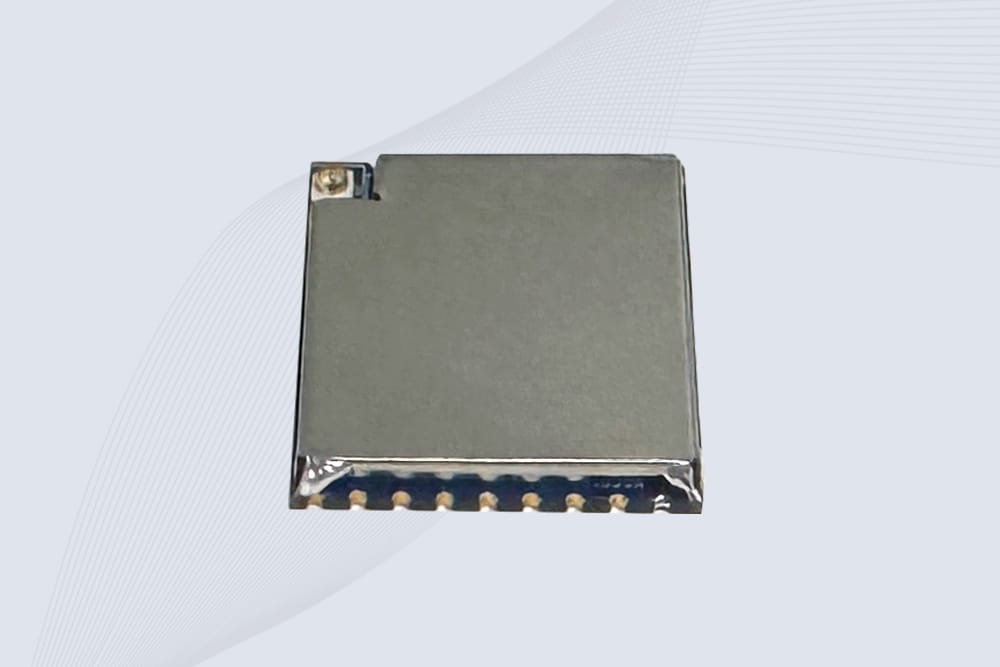
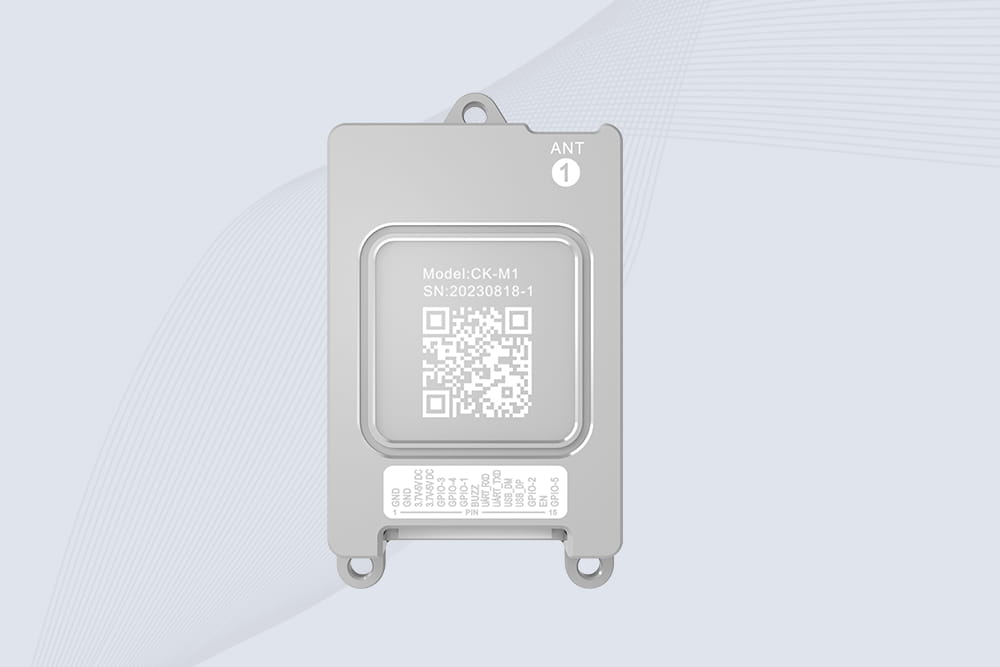
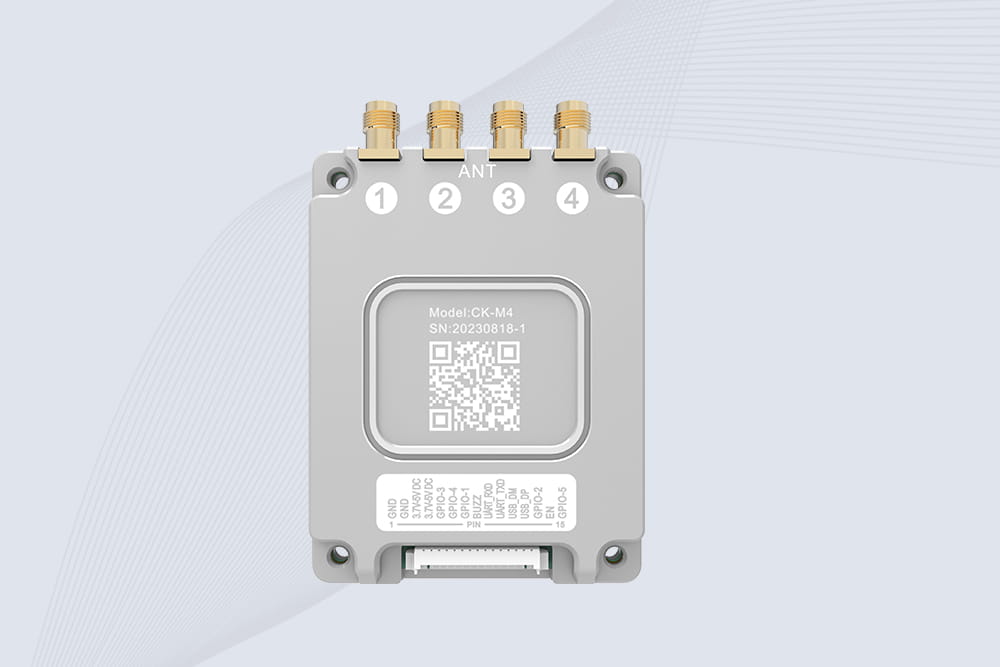
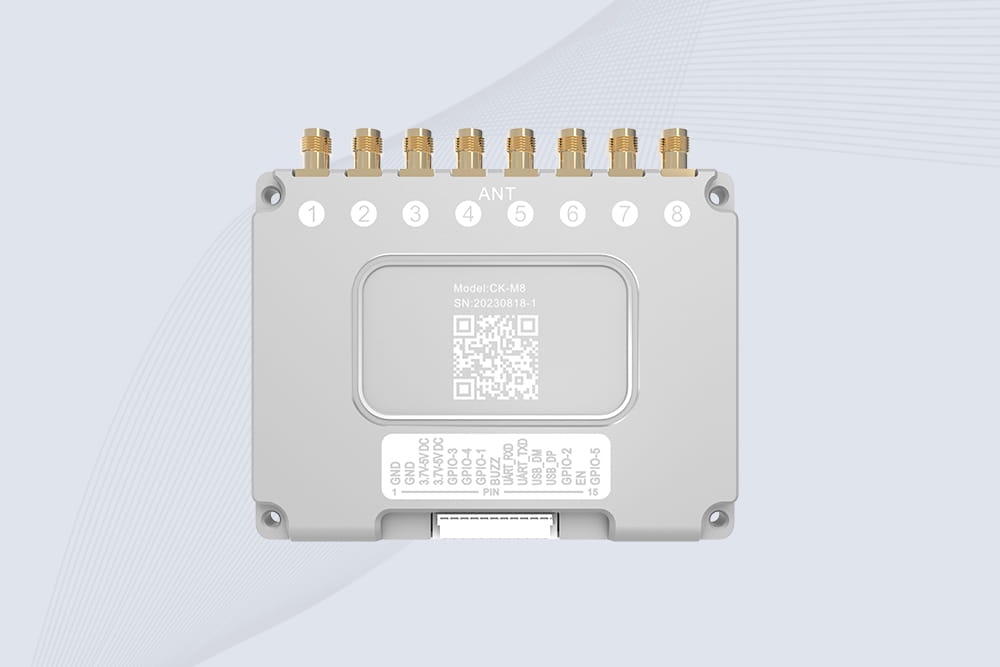
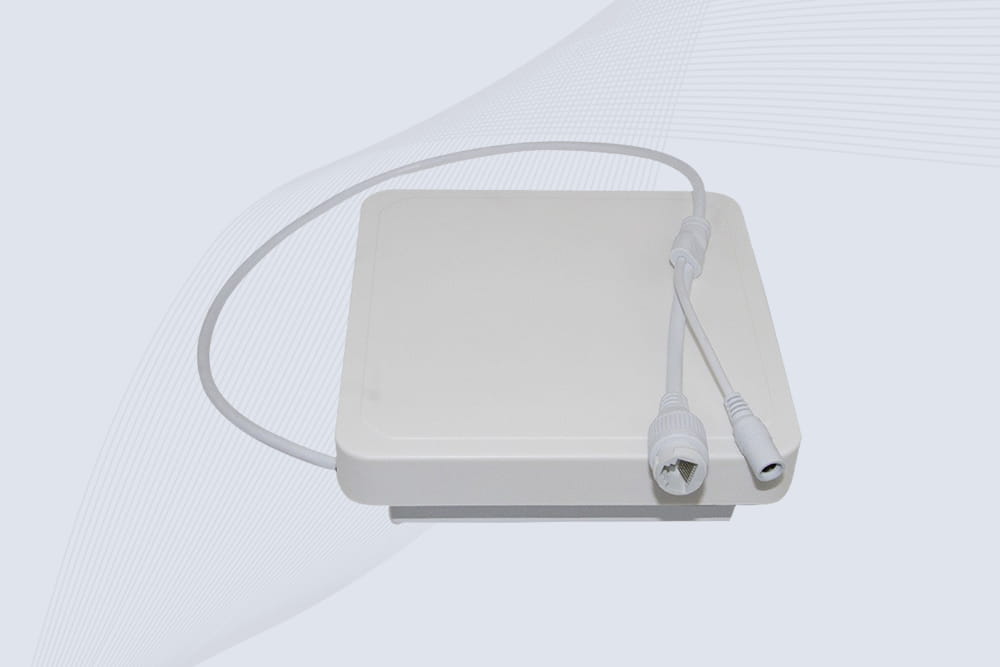
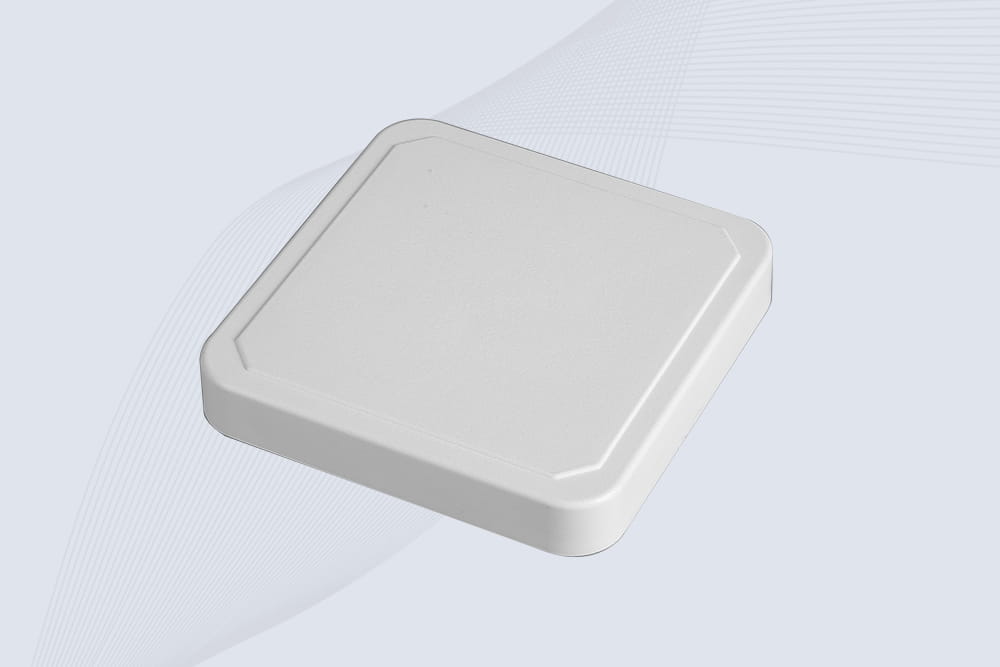
The reader is the brains of the operation. It generates radio signals, receives responses, and communicates with host systems. Inside, it contains a high-frequency module for transmitting and receiving, plus a control unit that handles encoding, decoding, and communication protocols .
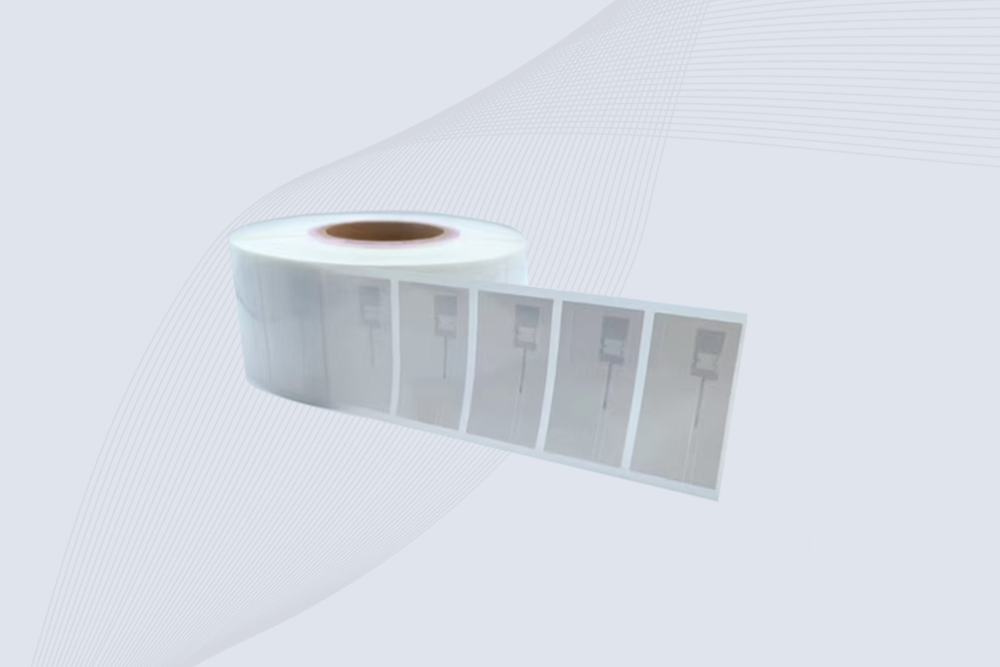
The card (or tag) has two parts—a chip that stores data and an antenna that catches reader signals and sends back responses . Most access cards are passive, meaning they have no battery. They only wake up when a reader calls.
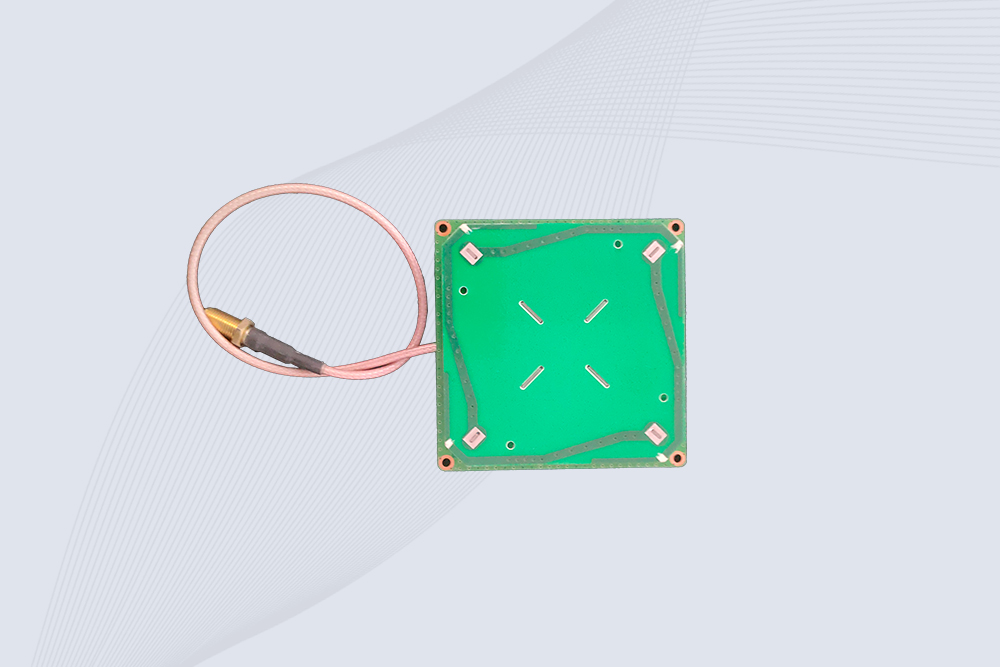
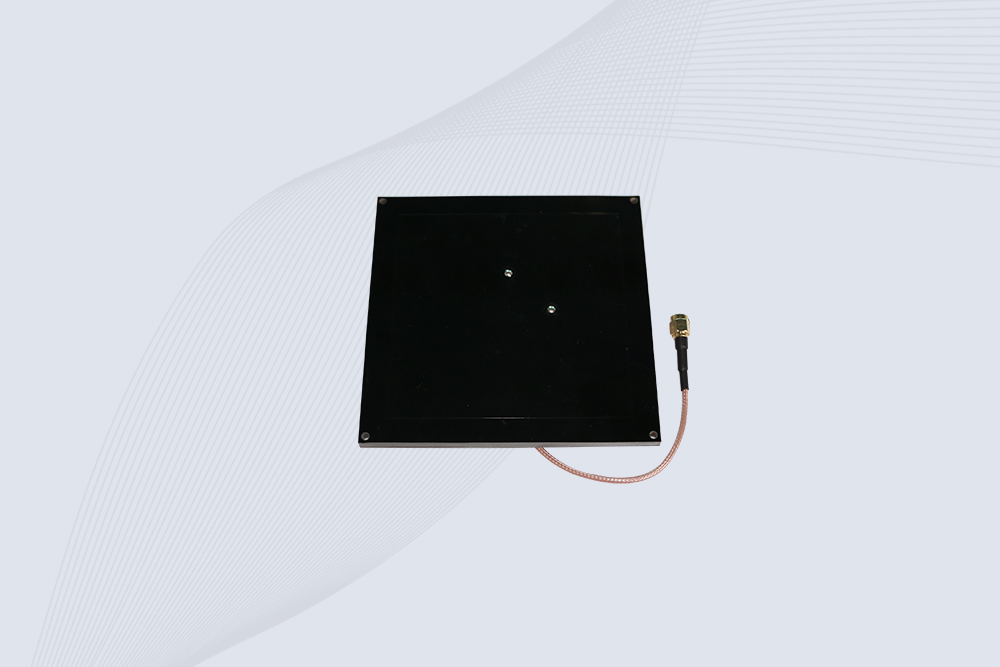
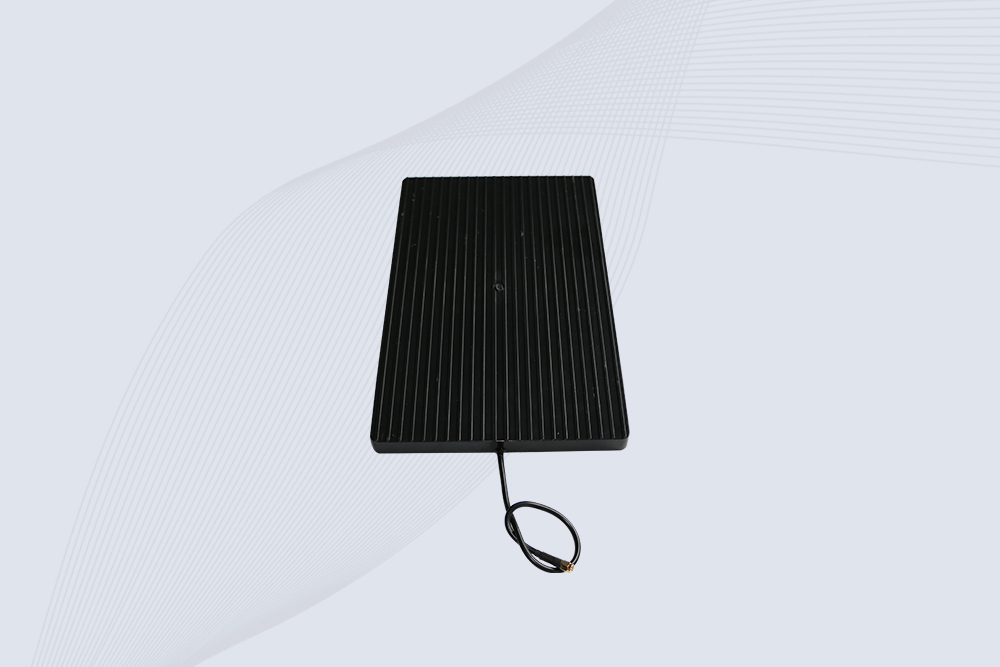
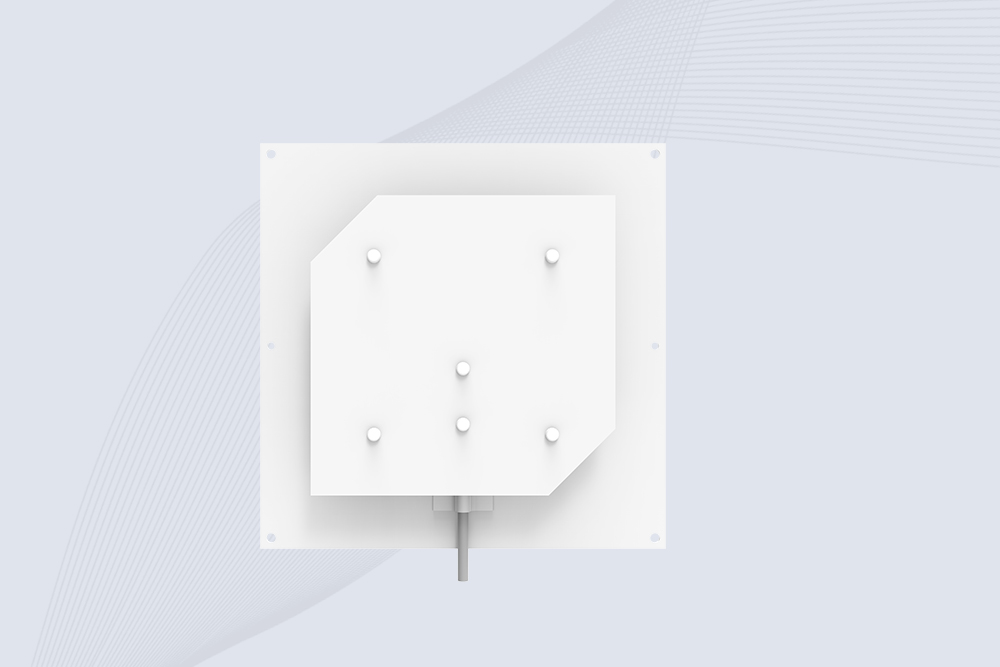
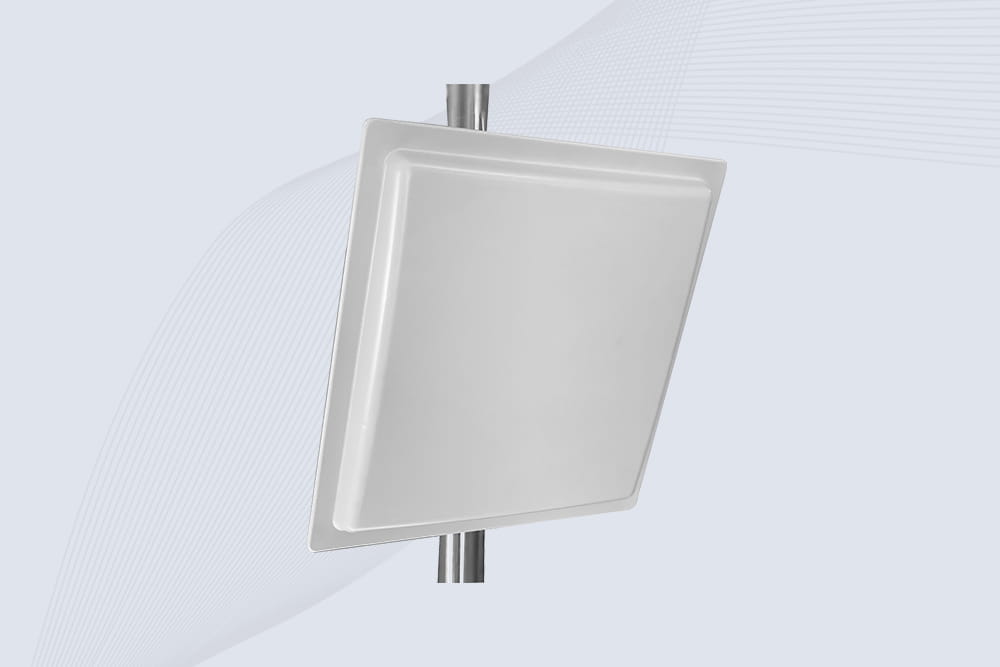
The antenna is sometimes built into the reader, sometimes separate. It’s the thing that actually radiates the electromagnetic field and captures returning signals .
Step One: The Reader Creates an Energy Field
When you bring a card near a reader, the first thing that happens is the reader sends electrical energy to its antenna. That antenna converts the electricity into an electromagnetic field that spreads out into the space around it .
For Low Frequency (125 kHz) and High Frequency (13.56 MHz) readers, this creates a magnetic field. Think of it like a transformer—the reader’s antenna is one coil, and the card’s antenna is the other coil . When they’re close, they couple together inductively, allowing energy to transfer without wires.
The reader doesn’t know if any cards are present. It’s just continuously broadcasting energy, waiting for something to respond .
Step Two: The Card Wakes Up and Powers On
Here’s where the magic happens. A passive RFID card has no battery. It’s completely dead until it enters that energy field .
The card’s antenna captures some of the reader’s electromagnetic energy. That energy gets rectified—converted from AC to DC—and used to power up the tiny chip inside . The chip has a capacitor that stores charge until it reaches about 2 volts, at which point the circuit wakes up and starts working .
This whole process takes microseconds. The card harvests just enough energy from the reader’s field to function, which is why passive cards can last for decades without battery changes.
Step Three: The Card Sends Back Its Data
Once the card has power, it needs to communicate. But it can’t generate its own radio signal—it doesn’t have that kind of power. Instead, it uses a technique called load modulation for LF/HF or backscatter modulation for UHF .
Here’s how it works for HF cards: The card changes its electrical load in a pattern that corresponds to its stored data. When it changes the load, it slightly alters how much energy it draws from the reader’s field. The reader senses these tiny changes and decodes them as ones and zeros .
For UHF systems, the card reflects the reader’s signal back like a mirror, but it varies the reflection pattern to encode data . This is called backscatter modulation—the reader shines energy, the card flashes back information.
The data sent typically includes the card’s unique identifier (UID) and sometimes additional stored information like facility codes or user data .
Step Four: The Reader Decodes the Signal
Now the reader has to make sense of the weak signal coming back from the card. This is harder than it sounds. The reflected signal might be millions of times weaker than the original transmission .
The reader’s receiver amplifies that tiny signal, filters out noise, and decodes the modulation pattern back into digital data . For LF cards using Manchester encoding, the reader looks for specific timing patterns—a bit “1” might be a falling edge, a bit “0” a rising edge, with precise timing windows to distinguish valid data from noise .
Modern readers use sophisticated digital signal processing to extract clean data from noisy environments. Some use dual-channel demodulation to handle signals regardless of phase, ensuring reliable reads even when cards are held at odd angles .
Step Five: The Reader Passes Data to the System
Once the reader has decoded the card’s ID, it needs to do something with that information. Most readers connect to a host system through various interfaces :
Wiegand is common in access control—a simple four-wire interface that sends the card number as a series of pulses.
RS232 and RS485 are used in industrial settings, often for longer distances or connecting multiple readers .
USB connects readers directly to computers, often appearing as a keyboard that “types” the card number into whatever field your cursor is in .
Ethernet and WiFi connect readers to networks, enabling real-time updates to central databases.
The host system then decides what to do—unlock a door, log an attendance, update inventory, or trigger an alert .
Different Frequencies, Different Physics
how does RFID card reader work varies slightly by frequency, which affects read range and application :
Low Frequency (125 kHz) readers work at close range—centimeters to about 15 cm . They’re common in older access control, animal tracking, and vehicle immobilizers. LF penetrates water and body tissue well but reads slowly.
High Frequency (13.56 MHz) readers also work at close range—up to about 30 cm typically . These include NFC, MIFARE, and payment systems. HF reads faster than LF and supports better security, but range is intentionally short for security.
Ultra High Frequency (UHF) readers work from 1 to 12+ meters . These are used in warehouses, supply chain, and vehicle access. UHF reads hundreds of tags per second but struggles with metal and liquids.
How Readers Handle Multiple Cards
Sometimes multiple cards are in the field at once. Without special handling, their signals would collide and the reader would hear nothing but noise .
Modern readers use anti-collision algorithms to sort this out. For HF systems like ISO 14443, the reader uses a binary tree search—it asks cards to respond based on their unique IDs, splitting the group until only one answers, then moves to the next .
For UHF systems, readers use slotted ALOHA algorithms. The reader tells all tags: “Here are time slots, pick a random one and respond.” Tags choose slots randomly. If two pick the same slot and collide, they try again with new random slots later . This happens so fast that it feels like simultaneous reading—some readers handle 200+ tags per second .
Real-World Inside: What’s Actually in That Reader
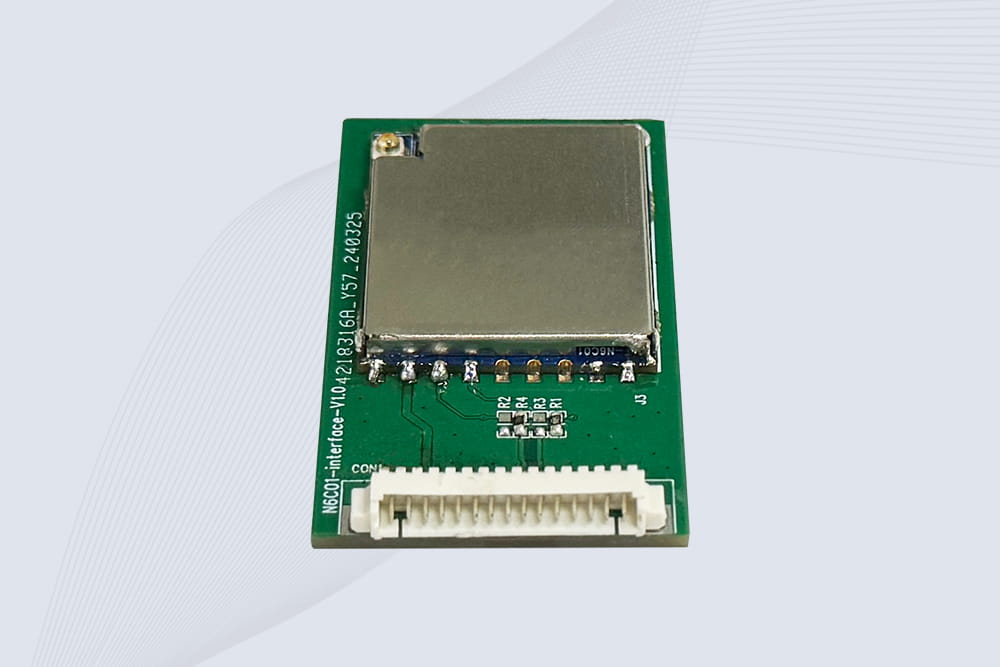
If you opened up an RFID reader, you’d find :
The antenna—copper traces or wire coils tuned to the specific frequency.
The RF module—circuitry that generates the carrier signal, modulates it for sending data, and amplifies received signals .
The microcontroller—the brain that handles encoding, decoding, protocol management, and host communication.
Memory—for storing configuration, firmware, and sometimes tag data buffers.
Interface hardware—USB chips, RS232 drivers, or network controllers depending on the reader type.
Power regulation—converting incoming power to the various voltages needed inside.
Common Questions About Reader Operation
Do readers wear out? Readers are solid-state electronics with no moving parts. They typically last for years. Antennas can be damaged physically, but the electronics are reliable.
Can readers write to cards? Yes, many readers support writing. The process is similar to reading but requires closer proximity and more stable coupling . Writing distance is typically 40-80% of reading distance .
Why do some readers beep and others don’t? Feedback is by design. Some applications need audio confirmation (like door access), others don’t (like hidden inventory readers). It’s a configuration choice.
Do readers consume much power? Handheld readers run on batteries for shifts. Fixed readers typically use 5-24V DC power supplies and consume a few watts depending on output power.
Can one reader handle multiple frequencies? Some multi-protocol readers exist, like ELATEC’s TWN4 family, but most readers are designed for specific frequency bands.
The CYKEO Approach
At CYKEO, we get asked how does RFID card reader work constantly. Our readers are engineered with the principles above—clean RF design, robust decoding algorithms, and reliable host interfaces.
We build readers for access control, inventory management, and industrial applications across LF, HF, and UHF frequencies. Each follows the same basic physics but optimized for its specific job.
We also help customers understand that the reader is just one part of the system. The magic happens when readers, cards, antennas, and software all work together seamlessly.
The Bottom Line
how does RFID card reader work? The reader creates an electromagnetic field. The card harvests energy from that field to power its chip. The chip sends back its stored data by modulating the reflected signal. The reader decodes that modulation, extracts the card ID, and passes it to a host system for action .
It’s a beautiful dance of physics and engineering—energy transmitted, energy harvested, data reflected, data decoded. All in the time it takes to tap a card.
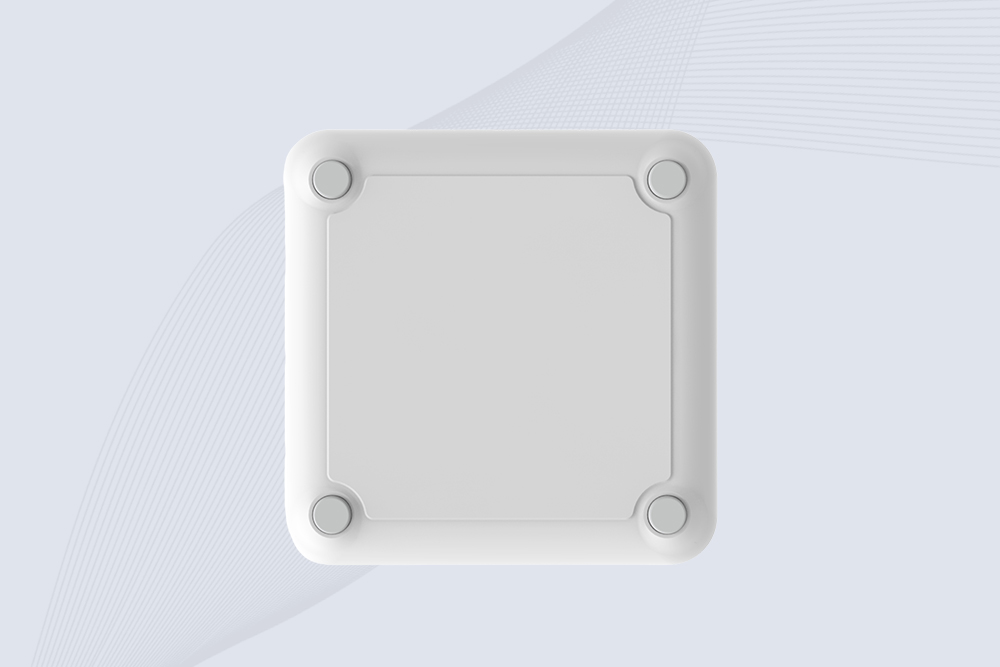
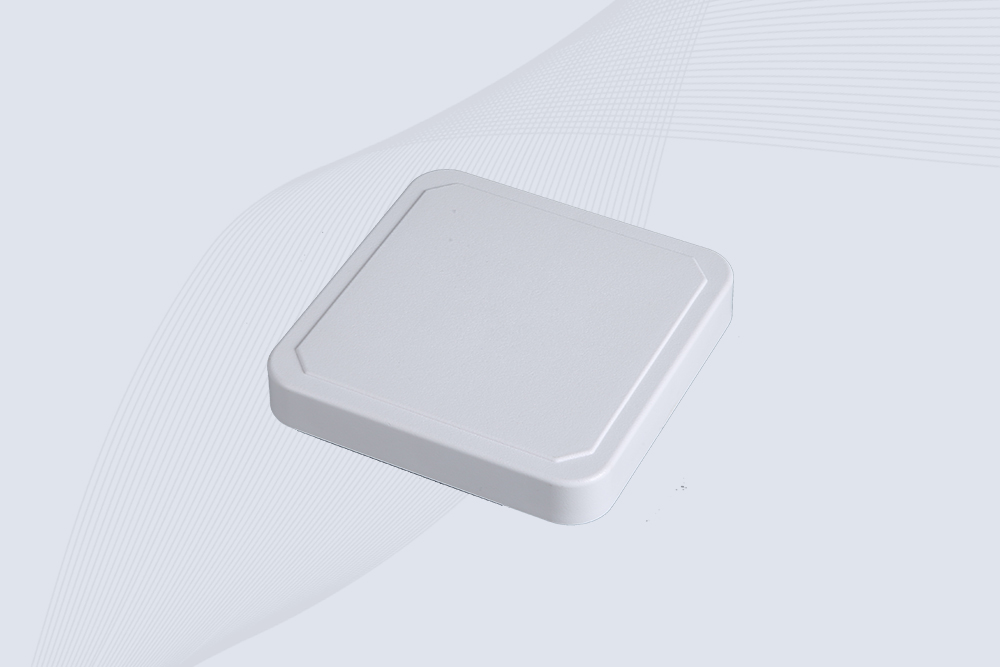
And now when you tap your card at a door, you’ll know exactly what’s happening inside that little white box on the wall.
Long-Tail Keywords (Integrated Naturally)
- rfid reader Working principle – covered throughout the step-by-step technical explanation above
- rfid card reading process – addressed in the five-step breakdown
- how rfid readers operate – featured in the frequency and component sections
- rfid reader components explained – detailed in the internal hardware section

2025-12-17
CYKEO Passive RFID Tags are made for wet and high-humidity environments where standard labels do not last. This rfid passive tag is often used around liquids, chemicals and temperature changes, providing stable reading distance and long data life for industrial tracking.
2025-12-17
CYKEO CK-BQ1504 Metal RFID Tags is a compact anti-metal UHF RFID solution built for direct mounting on metal surfaces. With stable 8-meter read range, Ucode-8 chip, and long data retention, this rfid metal tag fits tools, containers, automotive parts, and industrial asset tracking.
2025-12-17
CYKEO CK-BQ7020 On-Metal RFID Tags are designed for reliable tracking on steel and metal surfaces. Built with an FR4 epoxy body and industrial-grade chips, these On-Metal RFID Tags deliver stable performance, long data life, and chemical resistance, making them a dependable RFID anti-metal tag for harsh environments.
2025-12-17
The CYKEO CK-BQ6025 Anti-Metal RFID Tag is built for metal surfaces where standard tags fail. Designed for long-range performance, harsh environments, and stable data retention, this Anti-Metal RFID Tag is ideal for industrial assets, containers, and equipment tracking using on metal RFID tags.
2025-12-17
The CYKEO RFID Laundry Tag is designed for long-term textile identification in harsh laundry environments. Built to withstand high heat, chemicals, and repeated washing, this RFID Laundry Tag delivers stable performance for hotels, hospitals, and industrial laundry operations using laundry rfid tags at scale.
2025-12-17
The CYKEO CK-BQ12507 RFID Book Tag is designed for reliable book and document tracking in libraries and archives. This RFID Book Tag delivers long read range, dense placement support, and stable performance on shelves, making it a practical rfid tag on books for library automation, file management, and archival systems.
2025-12-16
CYKEO RFID tags in hospitals are designed for sterile environments where accuracy matters. These autoclavable RFID tags support long-term tracking of surgical tools, implants, and medications, helping hospitals improve visibility, compliance, and patient safety.
2025-12-16
CYKEO RFID Cable Tie Tag is built for reliable identification on metal surfaces. This UHF RFID Cable Tie Tag is widely used in rfid tags for inventory systems, industrial asset management and Hospital RFID Tags, offering stable read performance, long service life and global EPC Gen2 compatibility.
2025-12-16
CYKEO RFID Asset Tag is designed for stable identification of metal assets in industrial environments. This UHF RFID Asset Tag is commonly used for rfid tag asset tracking on equipment, tools and containers, providing reliable reads, long service life and ISO/IEC 18000-6C support.
2025-12-16
CYKEO UHF RFID Card is designed for fast identification and long-term use in industrial and commercial systems. Supporting ISO 18000-6C, this UHF RFID Card works at 860–960 MHz and is suitable for custom RFID cards used in asset tracking, access control and inventory management.
2025-12-16
CYKEO HF RFID Cards are designed for secure and stable access control systems. These 13.56 MHz RFID key cards support ISO 14443-A, reliable rewriting and long service life, making HF RFID Cards suitable for offices, campuses, events and membership management.
2025-12-16
CYKEO UHF RFID Tag is designed for reliable tracking of metal jewelry and high-value items. This Jewelry RFID Tag supports long-range reading up to 8 meters, anti-counterfeit protection and stable performance on metal, making it suitable for retail, inventory control and asset management.
2025-12-15
CYKEO Embedded RFID Modules are designed for compact industrial and IoT devices that require stable UHF performance. These UHF RFID Modules support global protocols, flexible power control, and reliable multi-tag reading for smart cabinets, production lines, and asset tracking systems.
2025-12-15
CYKEO Embedded RFID Module is built for compact IoT and industrial devices that need stable UHF performance. This UHF module supports global protocols, low power operation, and reliable multi-tag reading for smart lockers, production lines, and always-on RFID systems.
2025-12-15
CYKEO CYKEO-M1 drone rfid module is a compact UHF RFID reader module designed for drones and UAV platforms. It supports long-range aerial scanning, fast multi-tag reading, and stable performance in wind, vibration, and outdoor environments.
2025-12-15
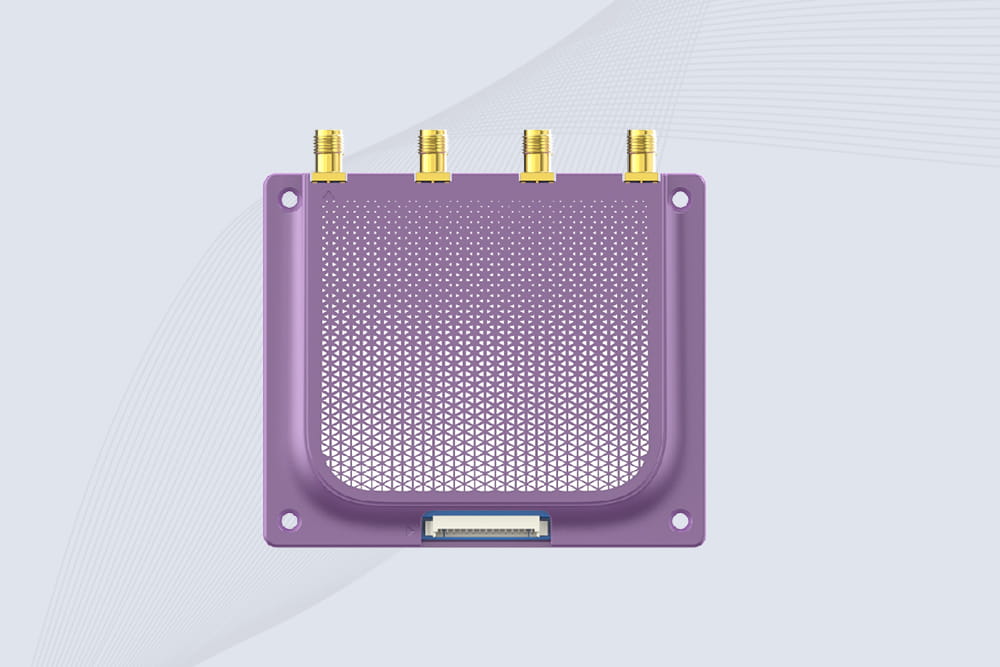
CYKEO CYKEO-M4 RC522 RFID Module is an industrial-grade UHF RFID reader with 4 ports, supporting ISO, EPC, and GB protocols. High-speed, accurate reading for IoT, automation, and warehouse applications.
2025-12-15
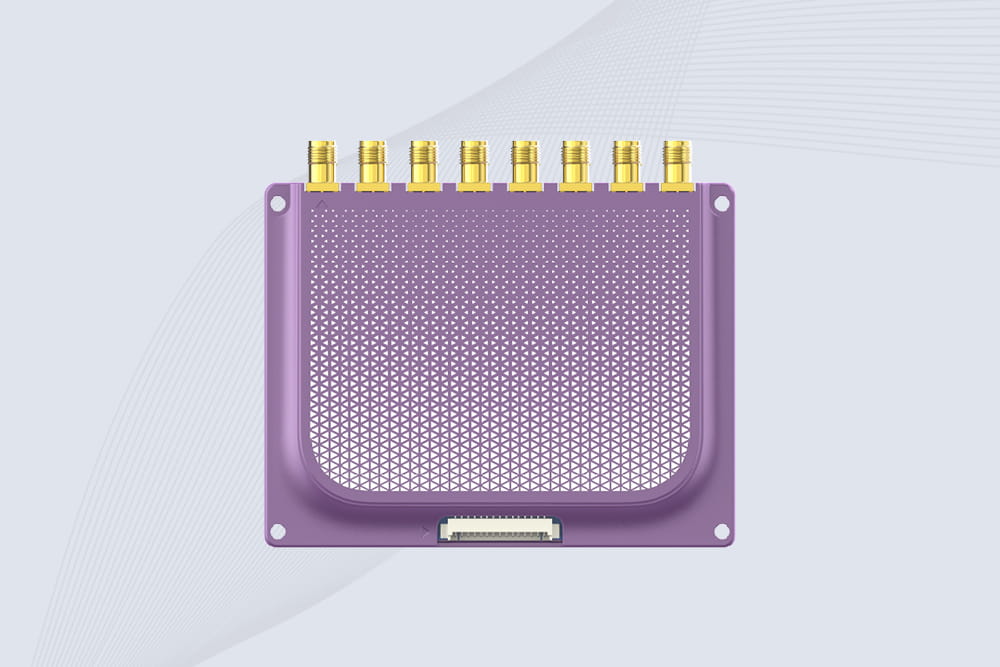
CYKEO CYKEO-M8 Module RFID is an 8-port UHF R2000 RFID Module designed for high-density, multi-tag environments. Stable 33dBm output, ISO & GB protocol support, ideal for warehouses, factories, and automated systems.
2025-12-15
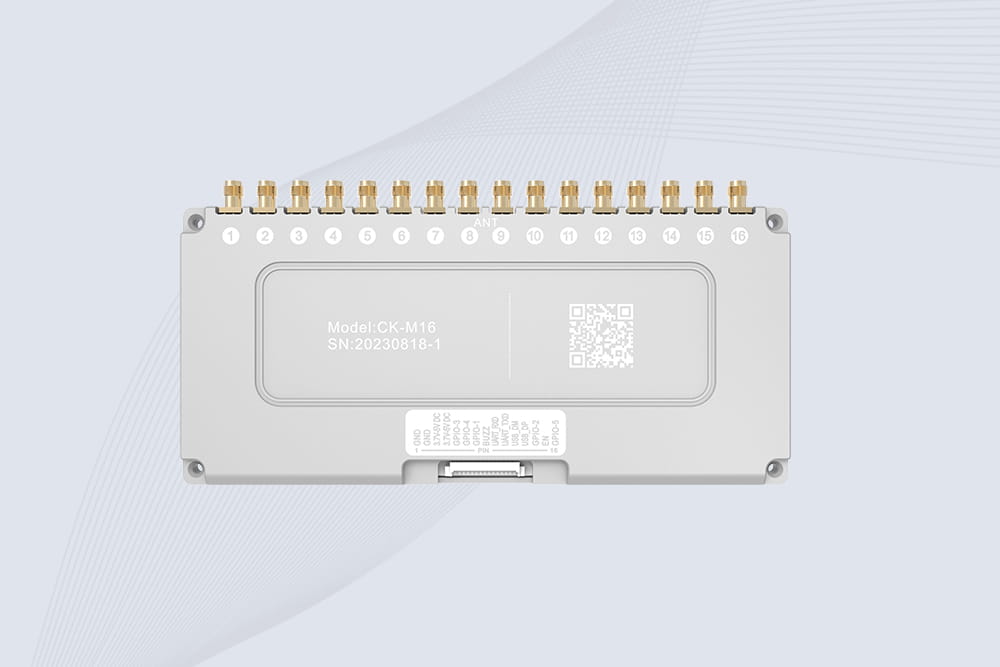
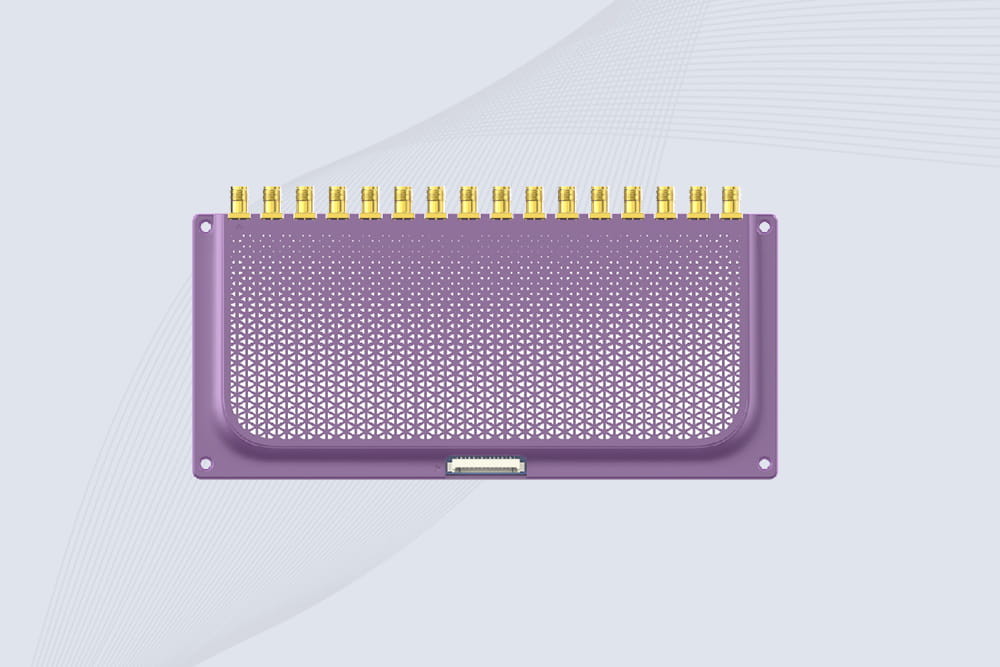
CYKEO CYKEO-M16 RFID Module is a 16-port UHF RFID reader module based on the R2000 chipset. Designed for dense tag environments, it supports ISO and GB standards and delivers stable multi-antenna control for industrial automation.
2025-12-15
The CYKEO CYKEO-M16L RFID Reader Module is a 16-channel UHF RFID core designed for dense tag environments. With adjustable 33dBm output, multi-protocol support, and stable multi-antenna control, this RFID Tag Reader Module fits industrial automation, warehouse systems, and large-scale IoT deployments.
2025-12-15
CYKEO CYKEO-M8L module RFID is a compact industrial UHF module built for dense tag and multi-antenna environments. With 8 RF ports, adjustable 33 dBm output, and ISO & GB protocol support, it is widely used in factories, warehouses, and automated tracking systems.
2025-12-15
CYKEOCYKEO-M4L UHF RFID Module is a compact 4-channel RFID tag reader module designed for dense tag environments. Supporting ISO and GB protocols, it delivers stable reads up to 10 meters for industrial and IoT systems.
2025-12-04
Cykeo CYKEO-A11 UHF RFID reader antenna delivers 11dBi gain, 840-960MHz frequency range, and IP65 ruggedness for retail, logistics, and industrial RFID systems. Features low VSWR and easy installation.
2025-12-04
CYKEO Antenna RFID Reader delivers stable long-range UHF performance with a 10.5dBi directional design, built for warehouses, conveyor portals, and industrial RFID systems. This rfid reader antenna provides 20m+ read distance and rugged IP67 protection.
2025-12-04
Cykeo CYKEO-PHF3 industrial HF RFID Antenna offers 24-point dynamic tracking, ISO 14443A/15693 protocols, metal-environment stability for archives/libraries/manufacturing.
2025-12-04
Cykeo CYKEO-A5B industrial Linear RFID Antenna delivers 5dBi gain, ≤1.5:1 VSWR, and IP65 rugged design for warehouse, production line, and logistics UHF systems.
2025-12-04
Cykeo’s CYKEO-B12 Long Range RFID Antenna delivers 15m+ read range with 12dBi gain, IP65 rugged design, and global 840-960MHz UHF support. Ideal for warehouse/logistics asset tracking.
2025-12-04
Cykeo CYKEO-B10 Long Distance RFID Antenna offers 10dBi gain, 840-960MHz frequency range, IP65 rating, and 20m+ coverage for logistics/warehousing/ETC systems. Low VSWR ensures stable signal transmission.
2025-12-04
Cykeo CYKEO-A6 UHF RFID panel antenna features 6dBi gain, 840-960MHz broadband, IP65 metal-ready housing for logistics/smart retail. 18mm ultra-thin design with tool-free mounting.
2025-12-04
Cykeo CK-A3 industrial antenna RFID UHF offers 5m+ tag detection, ≤1.3:1 VSWR, IP65 rugged design, and global UHF spectrum compatibility (840-960MHz) for warehouses, factories, and retail.
2025-12-04
Cykeo CYKEO-B5 directional RFID antenna provides 5dBi gain with 60° narrow beamwidth for precise inventory tracking. IP65-rated, global UHF frequency support, and low VSWR.
2025-12-04
Create your own high-performance DIY RFID antenna! 5dBi gain, 840-960MHz tunable, step-by-step guides. Compatible with Arduino, Raspberry Pi, and commercial UHF readers.
2025-12-04
Cykeo CYKEO-A7 Flexible RFID Antenna features 840-960MHz wideband tuning, 7dBi gain, and IP68 rating for medical/retail/industrial curved surface deployments. 98% read accuracy with peel-and-stick installation.
2025-12-04
Cykeo CYKEO-B5A industrial Passive RFID Antenna delivers 5dBi gain, 70° beamwidth, and -40°C~55°C operation for warehouses/smart cabinets. Compatible with Zebra/Impinj readers.
2025-12-04
Cykeo’s CYKEO-A9B High Gain RFID Antenna delivers 15m+ read range with 9dBi amplification. Features IP54 rugged design, 840-960MHz bandwidth, and 80° beamwidth for warehouse/manufacturing RFID systems.
2025-12-03
Cykeo’s enterprise-grade 8dbi Impinj RFID Antenna 10m+ read range with 840-960MHz tuning. Features IP65 housing, 1.4 VSWR, 35° beamwidth for retail/warehouse RFID systems.
2025-12-03
Cykeo CYKEO-A9 industrial UHF RFID antenna delivers 9dBi gain, 840-960MHz frequency range, and IP65 protection for warehouse/logistics/retail RFID systems. Features N-type connector and ≤1.3:1 VSWR.
2025-12-03
CYKEO UHF RFID Antenna built for long-distance and industrial applications. This antenna rfid uhf delivers strong gain, outdoor durability, and reliable tag performance in warehouses, yards, and vehicle ID systems.
2025-12-03
CYKEO Antenna RFID delivers reliable long-range UHF performance in warehouses, retail shelves, and cold-chain environments. This compact uhf rfid antenna provides stable reads with circular polarization and ultra-wide 840–960 MHz support, ideal for industrial tracking, smart shelves, and asset monitoring.
2025-12-03
Cykeo’s CYKEO-C8 UHF RFID antennas delivers 8dBi gain, 840-960MHz full-band coverage, and IP65 ruggedness for manufacturing/warehouse RFID systems. Industrial RFID Antennas Features
2025-12-03
Cykeo’s 8dBi UHF RFID antenna and reader kit delivers 10m+ range, 840-960MHz broadband, and IP65 ruggedness for factories, warehouses, and logistics. ISO 18000-6C & EPC Gen2 certified.
2025-12-03
Cykeo CYKEO-A9A industrial UHF RFID reader and antenna kit delivers 10m range, 500 tags/sec, IP65 ruggedness for manufacturing/logistics. Supports EPC Gen2, ISO18000-6C.
2025-12-03
Cykeo’s CYKEO-A12C UHF Large RFID Antenna delivers 12dBi gain, 840-960MHz global frequency, IP65 ruggedness for logistics/warehousing/automotive. 40° beamwidth ensures stable 15m+ tag reads.
2025-12-02
CYKEO Near Field RFID Antenna provides precise 5–30 cm reading for shelves, cabinets, and workstations. This compact rfid shelf antenna delivers stable short-range performance around metal and clutter, ideal for pharmacies, libraries, and electronics sorting.
2025-12-02
Cykeo’s industrial long range RFID reader delivers 20-meter scanning, 500+ tags/sec speed, and IP67 waterproof design for automated warehouses, logistics, and harsh environment applications.
2025-12-02
Cykeo’s CYKEO-RA6L industrial RFID long range reader features 20m read distance, 500 tags/sec speed, and IP67 protection. Ideal for warehouse automation, manufacturing WIP tracking, and smart logistics. Supports ISO 18000-6C/6B protocols.
2025-12-02
CYKEO Long Range RFID Tag Reader built for outdoor and industrial operations. This Outdoor RFID Reader delivers 20m read distance, fast tag processing, and IP67 durability for wide-area tracking.
2025-12-02
Cykeo CYKEO-RA12L industrial Long Range RFID Reader delivers 20m read range, 200+ tags/sec scanning, and IP67 protection for manufacturing/logistics applications. Supports ISO 18000-6C/GB protocols.
2025-12-01
Cykeo CYKEO-B9 UHF Bluetooth handheld RFID scanner features 12m UHF range, 200+ tags/sec scanning, IP67 rugged design for retail/warehouse/pharma. Supports Android SDK & real-time Bluetooth 5.0 transmission.
2025-12-01
Cykeo CYKEO-B4 UHF Handheld RFID Reader scanner delivers 1300 tags/sec reading, 30m UHF range, and 12-hour battery life. IP65 rugged design with barcode/NFC/ID scanning for retail/manufacturing/logistics.
2025-12-01
Cykeo CYKEO-B2 industrial UHF RFID handheld offers 10m range, 500 tags/sec scanning, Android 11 OS, and IP65 rugged design for retail/warehouse/manufacturing.
 Cykeo RFID IoT Solution Products R&D Manufacturer