I remember watching someone in a warehouse wave a device near a pallet of boxes, and within seconds, a complete list of every item appeared on screen. No scanning barcodes individually. No typing. Just magic—or so it seemed. If you’re new to this technology and asking how do you read RFID, you’re not alone. The short answer is you use a device called a reader that sends out radio waves, energizes the tag, and listens for the tag’s response . But let’s walk through exactly what happens and how you actually do it.
The Short Answer: Reader Talks, Tag Listens, Reader Hears
how do you read RFID? At its simplest, reading an RFID tag means wirelessly retrieving the data stored on that tag . When you bring an RFID reader near a tag, the reader emits radio waves. That energy powers up the tiny chip inside the tag, which then reflects the signal back with its stored information. The reader captures that reflection, decodes it, and displays the data . It all happens in milliseconds.
Step One: Know What Kind of RFID You’re Dealing With
Before you can read anything, you need to know what frequency your tag uses. how do you read RFID depends entirely on matching the reader to the tag .
Low Frequency (125 kHz) tags are common in access control, animal tracking, and older systems. They read at just a few centimeters—basically you need to touch the tag to the reader . The Phidgets documentation notes that LF tags have slower data rates but work better near liquids and metals .
High Frequency (13.56 MHz) tags include NFC, MIFARE, and most payment cards. Read range goes up to about 30 centimeters—still close, but you don’t need to physically touch . These have faster data rates and support more secure applications .
Ultra High Frequency (UHF) tags operate from 860-960 MHz and read from several meters away—up to 25 meters for passive tags, over 100 meters for active tags with batteries . These are what warehouses use to scan entire pallets.
The rule is simple: your reader must match the frequency of your tag . A UHF reader won’t read an LF tag. An NFC phone won’t read UHF.
Step Two: Choose Your Reading Tool
Once you know your frequency, you need the right hardware. how do you read RFID with different devices?
Smartphones can read HF (13.56 MHz) tags if they have NFC built in—which most modern phones do . Just download an NFC app from your app store, tap the tag, and the data appears. This works for NFC tags, MIFARE cards, and compatible HF RFID.
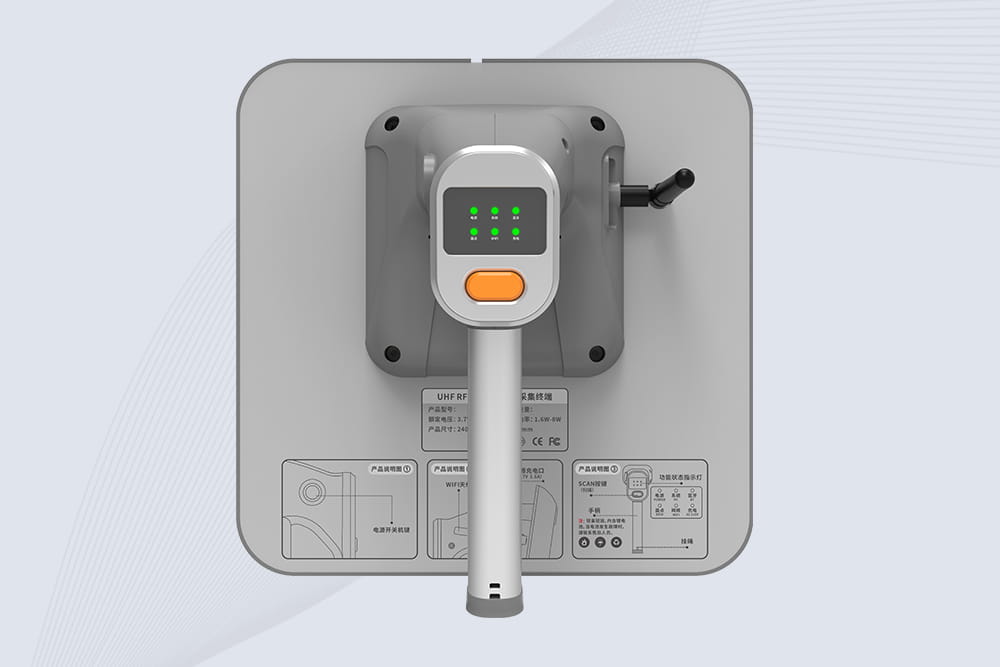
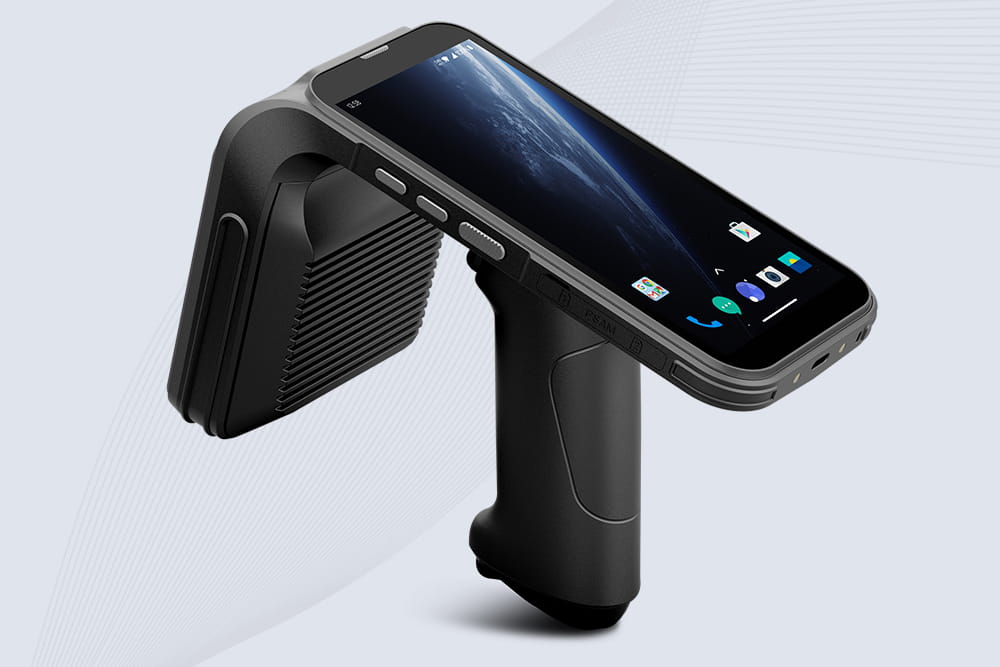
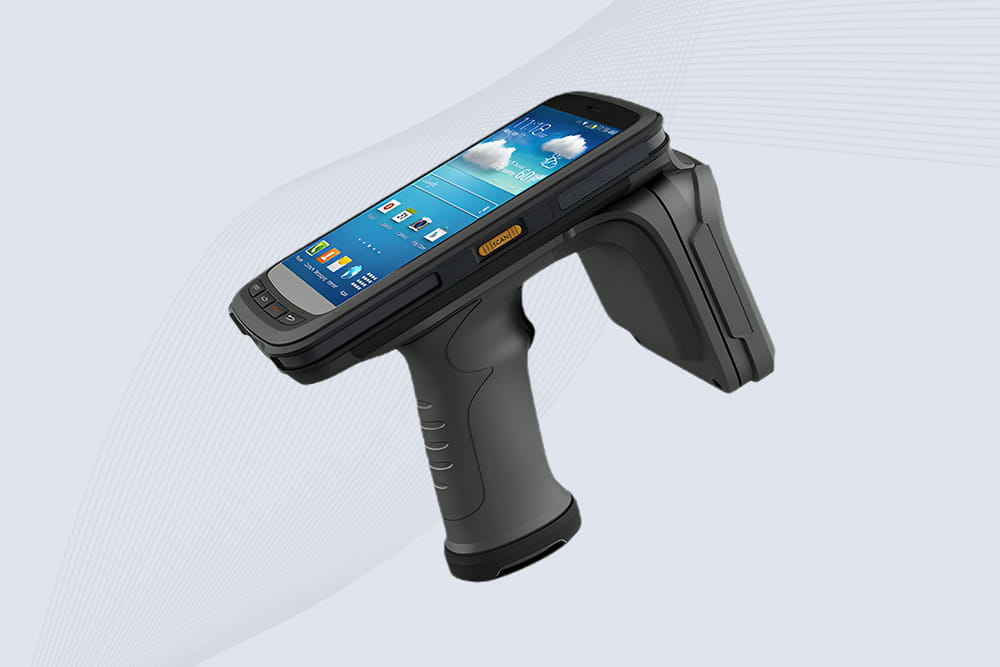
Handheld readers are purpose-built devices that look like chunky phones or barcode scanners. They’re common in warehouses and read UHF rfid tags from meters away. The iDPRT RF2, for example, can read over 200 tags per second .
Desktop readers sit on counters or desks. You place the tag on the reader surface, and it reads instantly. These are common in libraries, access control programming, and ID card issuance .
Fixed readers mount on dock doors, conveyor belts, or warehouse aisles. They automatically read tags as items pass by—no human action needed .
DIY options exist too. The MFRC522 module costs around $5 and works with Arduino or Raspberry Pi Pico to read 13.56 MHz tags . Tom’s Hardware has a complete guide using a Raspberry Pi Pico to build an access control system that reads card IDs and flashes LEDs .
Step Three: The Actual Reading Process
So you’ve got your reader and your tag. how do you read RFID step by step?
Power up the reader. Most handhelds have a trigger or button. Desktop readers are always on. Smartphone apps just need to be open.
Position the tag correctly. For LF and HF, hold the tag flat against or near the reader surface. The sweet spot is usually the center. For UHF, point the reader at the tag from a few meters away .
Wait for feedback. Readers typically beep or flash a light when they successfully read a tag. The 2N access control system shows events like “CardEntered” in its web interface when a card is read .
Check the data. On a smartphone app, you’ll see the tag’s UID (unique identifier) and any stored data. On a handheld, the screen shows tag counts and IDs. On a desktop reader connected to software, the card number might appear automatically in whatever field your cursor is in—the 2N USB reader works like a keyboard, typing the card number where you need it .
What Actually Gets Read?
When someone asks how do you read RFID, they’re often wondering what information comes off that tag. Modern RFID tags have multiple memory banks :
EPC memory stores the Electronic Product Code—the unique identifier for that specific item. This is what most applications care about. The reader grabs the EPC, and software looks up everything else about that item in a database . AtlasRFIDstore explains that the EPC acts like a license plate—the tag transmits it, and software handles the rest .
TID memory is set by the chip manufacturer and can’t be changed. It identifies the chip type and includes a unique serial number. Useful for authentication .
User memory is optional space where you can store additional data directly on the tag—maintenance dates, batch numbers, temperature logs . Reading user memory takes extra time because there’s more data to transfer.
What About Writing?
Reading is just one part of the story. how do you read RFID is different from writing. Writing, or encoding, means permanently storing data in the tag’s memory . It requires closer proximity, stronger signal integrity, and careful configuration. Most applications write data only once—at the point of manufacture or commissioning .
The University of Pau tutorial on Arduino and MFRC522 shows that writing to a tag requires specifying the sector, address, and data—and warns never to write to the last block of any sector, as that can lock the card permanently .
Common Questions About Reading RFID
Do I need line of sight? No—that’s the whole point of RFID. Unlike barcodes, RFID reads through cardboard, plastic, wood, and many other materials .
How many tags can I read at once? UHF readers can read hundreds per second using anti-collision algorithms . HF readers handle fewer. Some readers, like the PhidgetRFID, don’t support anti-collision at all and can only read one tag at a time .
What’s the read range? LF: centimeters. HF: up to 30 cm. UHF passive: up to 25 meters. UHF active: over 100 meters .
Can I read RFID with my phone? Only if the tag is HF (13.56 MHz) and your phone has NFC . UHF and LF require dedicated readers.
Why won’t my tag read? Check frequency match, orientation, distance, and interference from metal or liquids. Move closer, rotate the tag, try a different spot.
The CYKEO Approach
At CYKEO, we get asked how do you read RFID constantly. Our readers cover all frequencies—handheld UHF units for warehouse work, desktop HF readers for access control, and multi-frequency devices for mixed environments.
We also emphasize that reading is just the beginning. Once you’ve read a tag, you need to do something with that data—grant access, update inventory, trigger a workflow. That’s where software and integration matter.
We help customers choose the right hardware for their specific tags and applications, and we provide clear instructions for getting started. Because reading RFID shouldn’t be complicated.
The Bottom Line
how do you read RFID? First, match your reader frequency to your tag frequency. LF, HF, or UHF—each requires different equipment . Then, position the tag correctly—close for LF and HF, meters away for UHF. The reader does the rest, energizing the tag and decoding its response .
What you get back is typically a unique identifier—the EPC—that software can look up in a database for richer information . Sometimes you get user memory data directly from the tag.
With the right reader and a little practice, reading RFID becomes as natural as scanning a barcode—but faster, without line of sight, and in batches of hundreds at a time.
Long-Tail Keywords (Integrated Naturally)
- read rfid tags – covered throughout the step-by-step instructions above
- rfid reading process – explained in the technical breakdown section
- how rfid readers work – addressed in the physics and backscatter discussion
- rfid tag data retrieval – featured in the memory banks section

2025-12-17
CYKEO Passive RFID Tags are made for wet and high-humidity environments where standard labels do not last. This rfid passive tag is often used around liquids, chemicals and temperature changes, providing stable reading distance and long data life for industrial tracking.
2025-12-17
CYKEO CK-BQ1504 Metal RFID Tags is a compact anti-metal UHF RFID solution built for direct mounting on metal surfaces. With stable 8-meter read range, Ucode-8 chip, and long data retention, this rfid metal tag fits tools, containers, automotive parts, and industrial asset tracking.
2025-12-17
CYKEO CK-BQ7020 On-Metal RFID Tags are designed for reliable tracking on steel and metal surfaces. Built with an FR4 epoxy body and industrial-grade chips, these On-Metal RFID Tags deliver stable performance, long data life, and chemical resistance, making them a dependable RFID anti-metal tag for harsh environments.
2025-12-17
The CYKEO CK-BQ6025 Anti-Metal RFID Tag is built for metal surfaces where standard tags fail. Designed for long-range performance, harsh environments, and stable data retention, this Anti-Metal RFID Tag is ideal for industrial assets, containers, and equipment tracking using on metal RFID tags.
2025-12-17
The CYKEO RFID Laundry Tag is designed for long-term textile identification in harsh laundry environments. Built to withstand high heat, chemicals, and repeated washing, this RFID Laundry Tag delivers stable performance for hotels, hospitals, and industrial laundry operations using laundry rfid tags at scale.
2025-12-17
The CYKEO CK-BQ12507 RFID Book Tag is designed for reliable book and document tracking in libraries and archives. This RFID Book Tag delivers long read range, dense placement support, and stable performance on shelves, making it a practical rfid tag on books for library automation, file management, and archival systems.
2025-12-16
CYKEO RFID tags in hospitals are designed for sterile environments where accuracy matters. These autoclavable RFID tags support long-term tracking of surgical tools, implants, and medications, helping hospitals improve visibility, compliance, and patient safety.
2025-12-16
CYKEO RFID Cable Tie Tag is built for reliable identification on metal surfaces. This UHF RFID Cable Tie Tag is widely used in rfid tags for inventory systems, industrial asset management and Hospital RFID Tags, offering stable read performance, long service life and global EPC Gen2 compatibility.
2025-12-16
CYKEO RFID Asset Tag is designed for stable identification of metal assets in industrial environments. This UHF RFID Asset Tag is commonly used for rfid tag asset tracking on equipment, tools and containers, providing reliable reads, long service life and ISO/IEC 18000-6C support.
2025-12-16
CYKEO UHF RFID Card is designed for fast identification and long-term use in industrial and commercial systems. Supporting ISO 18000-6C, this UHF RFID Card works at 860–960 MHz and is suitable for custom RFID cards used in asset tracking, access control and inventory management.
2025-12-16
CYKEO HF RFID Cards are designed for secure and stable access control systems. These 13.56 MHz RFID key cards support ISO 14443-A, reliable rewriting and long service life, making HF RFID Cards suitable for offices, campuses, events and membership management.
2025-12-16
CYKEO UHF RFID Tag is designed for reliable tracking of metal jewelry and high-value items. This Jewelry RFID Tag supports long-range reading up to 8 meters, anti-counterfeit protection and stable performance on metal, making it suitable for retail, inventory control and asset management.
2025-12-15
CYKEO Embedded RFID Modules are designed for compact industrial and IoT devices that require stable UHF performance. These UHF RFID Modules support global protocols, flexible power control, and reliable multi-tag reading for smart cabinets, production lines, and asset tracking systems.
2025-12-15
CYKEO Embedded RFID Module is built for compact IoT and industrial devices that need stable UHF performance. This UHF module supports global protocols, low power operation, and reliable multi-tag reading for smart lockers, production lines, and always-on RFID systems.
2025-12-15
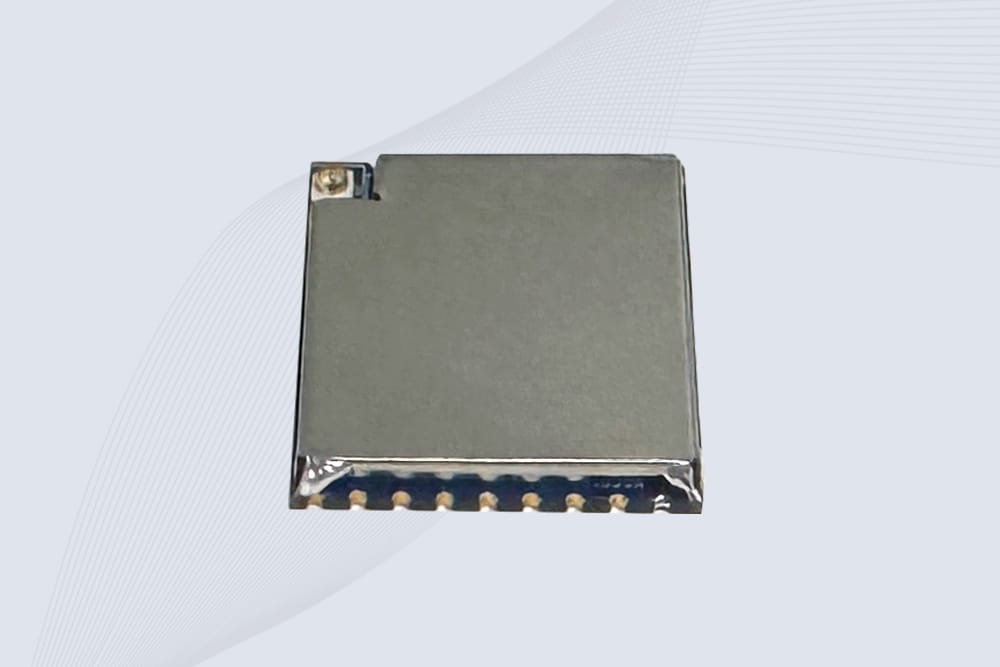
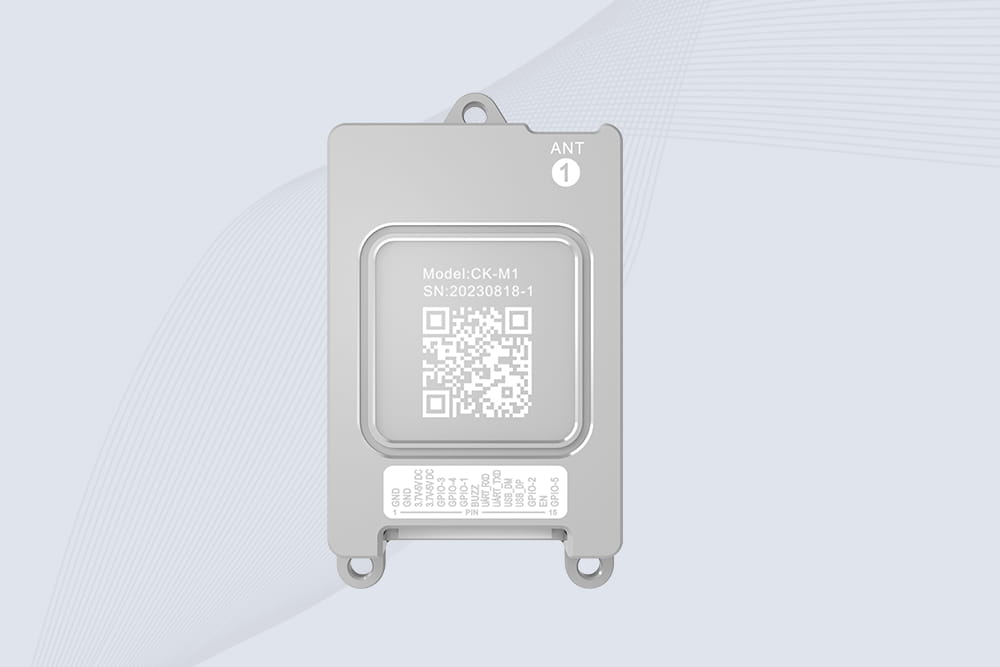
CYKEO CYKEO-M1 drone rfid module is a compact UHF RFID reader module designed for drones and UAV platforms. It supports long-range aerial scanning, fast multi-tag reading, and stable performance in wind, vibration, and outdoor environments.
2025-12-15
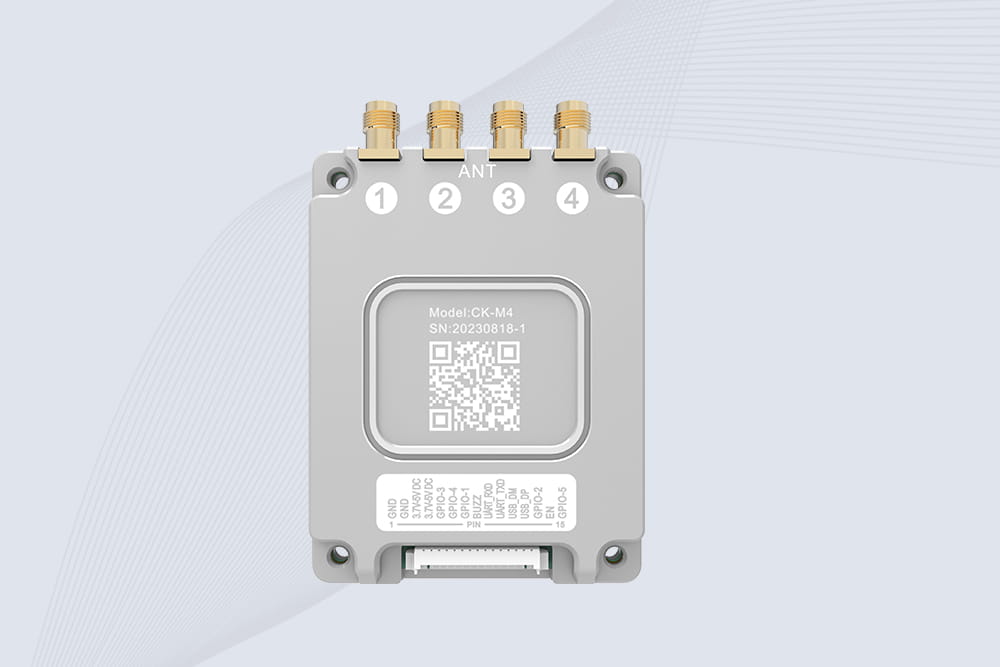
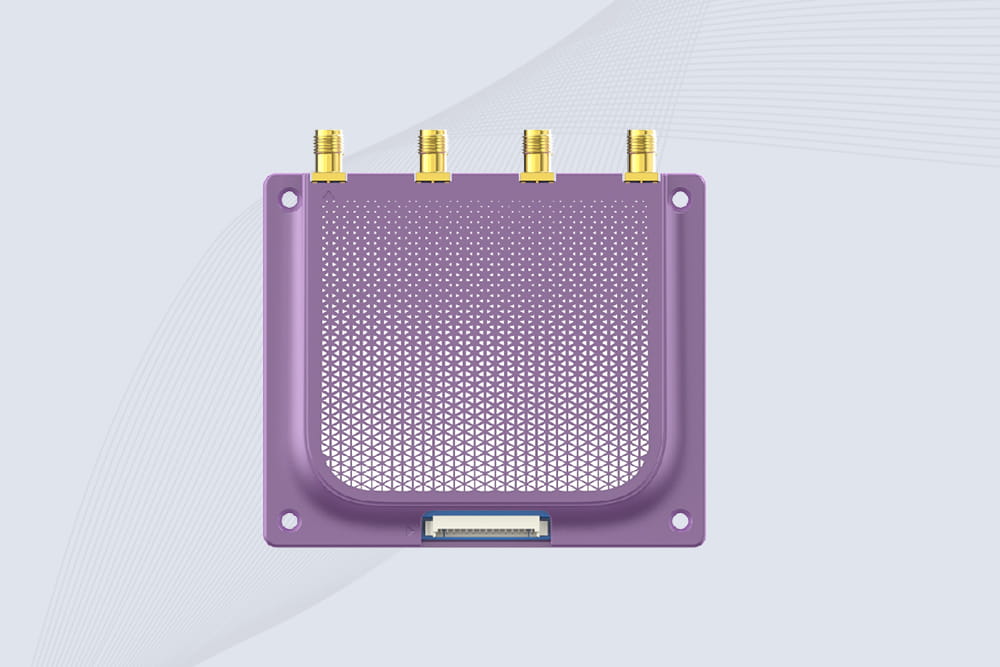
CYKEO CYKEO-M4 RC522 RFID Module is an industrial-grade UHF RFID reader with 4 ports, supporting ISO, EPC, and GB protocols. High-speed, accurate reading for IoT, automation, and warehouse applications.
2025-12-15
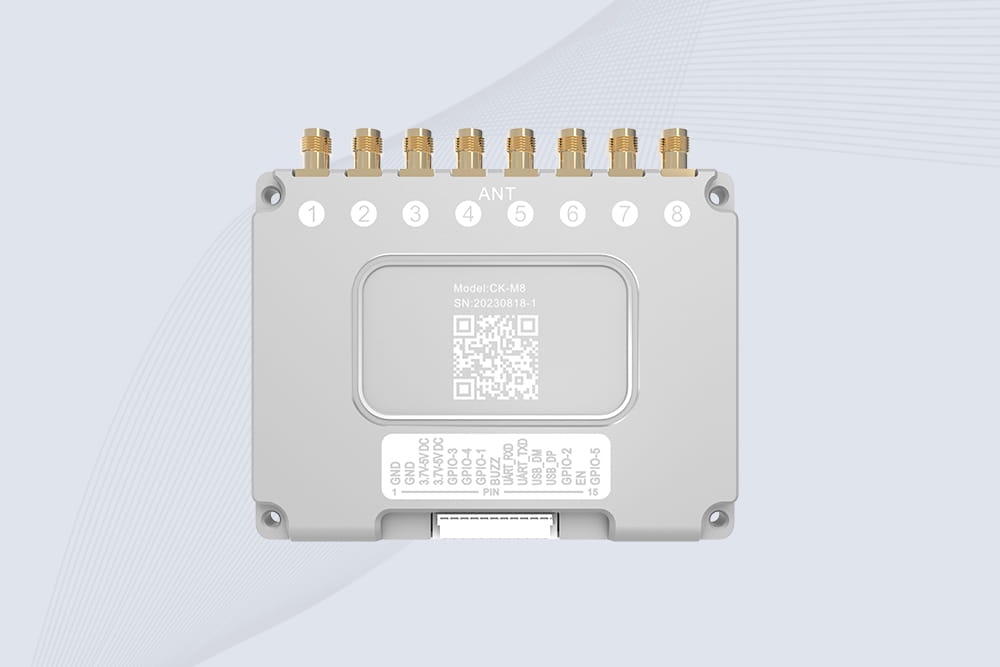
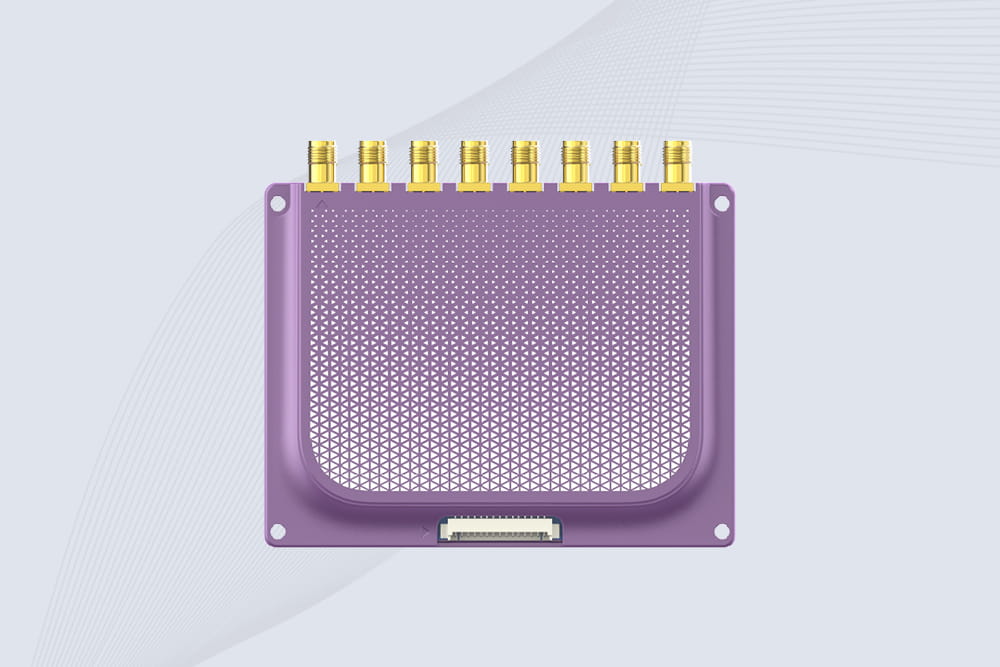
CYKEO CYKEO-M8 Module RFID is an 8-port UHF R2000 RFID Module designed for high-density, multi-tag environments. Stable 33dBm output, ISO & GB protocol support, ideal for warehouses, factories, and automated systems.
2025-12-15
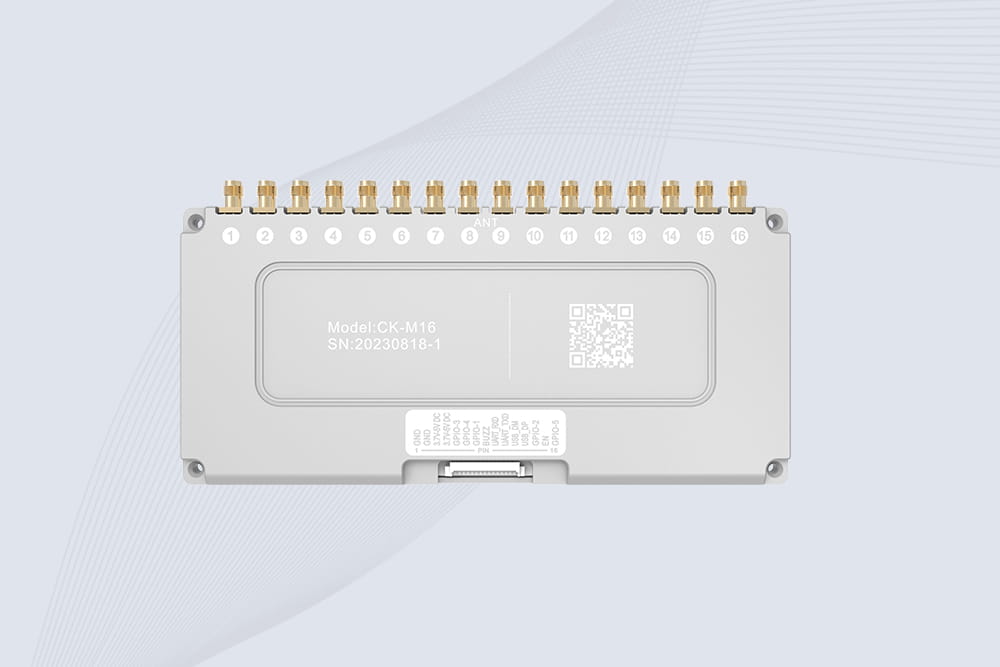
CYKEO CYKEO-M16 RFID Module is a 16-port UHF RFID reader module based on the R2000 chipset. Designed for dense tag environments, it supports ISO and GB standards and delivers stable multi-antenna control for industrial automation.
2025-12-15
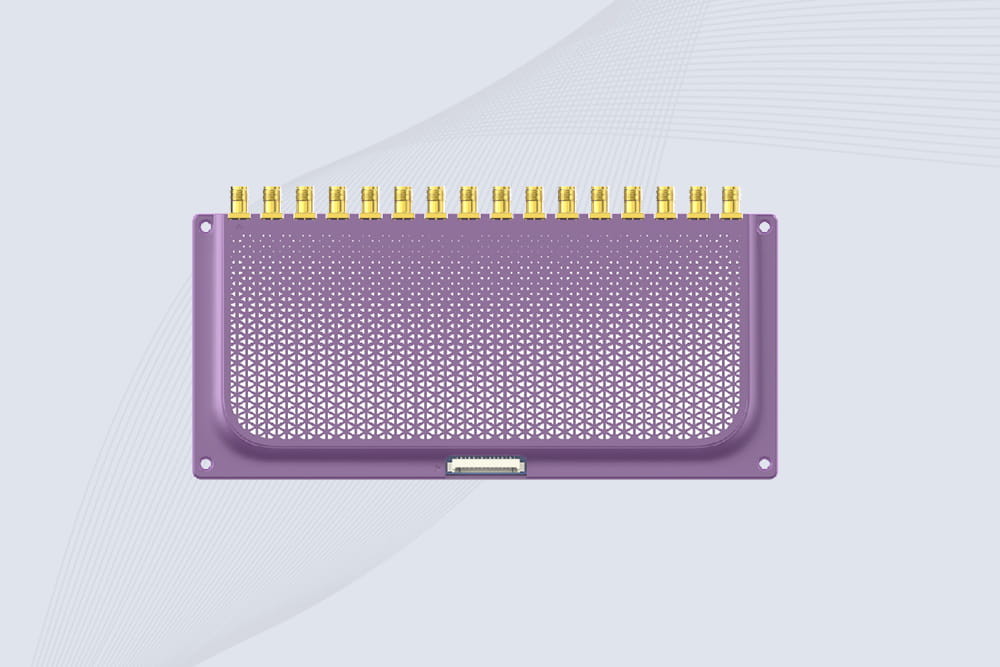
The CYKEO CYKEO-M16L RFID Reader Module is a 16-channel UHF RFID core designed for dense tag environments. With adjustable 33dBm output, multi-protocol support, and stable multi-antenna control, this RFID Tag Reader Module fits industrial automation, warehouse systems, and large-scale IoT deployments.
2025-12-15
CYKEO CYKEO-M8L module RFID is a compact industrial UHF module built for dense tag and multi-antenna environments. With 8 RF ports, adjustable 33 dBm output, and ISO & GB protocol support, it is widely used in factories, warehouses, and automated tracking systems.
2025-12-15
CYKEOCYKEO-M4L UHF RFID Module is a compact 4-channel RFID tag reader module designed for dense tag environments. Supporting ISO and GB protocols, it delivers stable reads up to 10 meters for industrial and IoT systems.
2025-12-04
Cykeo CYKEO-A11 UHF RFID reader antenna delivers 11dBi gain, 840-960MHz frequency range, and IP65 ruggedness for retail, logistics, and industrial RFID systems. Features low VSWR and easy installation.
2025-12-04
CYKEO Antenna RFID Reader delivers stable long-range UHF performance with a 10.5dBi directional design, built for warehouses, conveyor portals, and industrial RFID systems. This rfid reader antenna provides 20m+ read distance and rugged IP67 protection.
2025-12-04
Cykeo CYKEO-PHF3 industrial HF RFID Antenna offers 24-point dynamic tracking, ISO 14443A/15693 protocols, metal-environment stability for archives/libraries/manufacturing.
2025-12-04
Cykeo CYKEO-A5B industrial Linear RFID Antenna delivers 5dBi gain, ≤1.5:1 VSWR, and IP65 rugged design for warehouse, production line, and logistics UHF systems.
2025-12-04
Cykeo’s CYKEO-B12 Long Range RFID Antenna delivers 15m+ read range with 12dBi gain, IP65 rugged design, and global 840-960MHz UHF support. Ideal for warehouse/logistics asset tracking.
2025-12-04
Cykeo CYKEO-B10 Long Distance RFID Antenna offers 10dBi gain, 840-960MHz frequency range, IP65 rating, and 20m+ coverage for logistics/warehousing/ETC systems. Low VSWR ensures stable signal transmission.
2025-12-04
Cykeo CYKEO-A6 UHF RFID panel antenna features 6dBi gain, 840-960MHz broadband, IP65 metal-ready housing for logistics/smart retail. 18mm ultra-thin design with tool-free mounting.
2025-12-04
Cykeo CK-A3 industrial antenna RFID UHF offers 5m+ tag detection, ≤1.3:1 VSWR, IP65 rugged design, and global UHF spectrum compatibility (840-960MHz) for warehouses, factories, and retail.
2025-12-04
Cykeo CYKEO-B5 directional RFID antenna provides 5dBi gain with 60° narrow beamwidth for precise inventory tracking. IP65-rated, global UHF frequency support, and low VSWR.
2025-12-04
Create your own high-performance DIY RFID antenna! 5dBi gain, 840-960MHz tunable, step-by-step guides. Compatible with Arduino, Raspberry Pi, and commercial UHF readers.
2025-12-04
Cykeo CYKEO-A7 Flexible RFID Antenna features 840-960MHz wideband tuning, 7dBi gain, and IP68 rating for medical/retail/industrial curved surface deployments. 98% read accuracy with peel-and-stick installation.
2025-12-04
Cykeo CYKEO-B5A industrial Passive RFID Antenna delivers 5dBi gain, 70° beamwidth, and -40°C~55°C operation for warehouses/smart cabinets. Compatible with Zebra/Impinj readers.
2025-12-04
Cykeo’s CYKEO-A9B High Gain RFID Antenna delivers 15m+ read range with 9dBi amplification. Features IP54 rugged design, 840-960MHz bandwidth, and 80° beamwidth for warehouse/manufacturing RFID systems.
2025-12-03
Cykeo’s enterprise-grade 8dbi Impinj RFID Antenna 10m+ read range with 840-960MHz tuning. Features IP65 housing, 1.4 VSWR, 35° beamwidth for retail/warehouse RFID systems.
2025-12-03
Cykeo CYKEO-A9 industrial UHF RFID antenna delivers 9dBi gain, 840-960MHz frequency range, and IP65 protection for warehouse/logistics/retail RFID systems. Features N-type connector and ≤1.3:1 VSWR.
2025-12-03
CYKEO UHF RFID Antenna built for long-distance and industrial applications. This antenna rfid uhf delivers strong gain, outdoor durability, and reliable tag performance in warehouses, yards, and vehicle ID systems.
2025-12-03
CYKEO Antenna RFID delivers reliable long-range UHF performance in warehouses, retail shelves, and cold-chain environments. This compact uhf rfid antenna provides stable reads with circular polarization and ultra-wide 840–960 MHz support, ideal for industrial tracking, smart shelves, and asset monitoring.
2025-12-03
Cykeo’s CYKEO-C8 UHF RFID antennas delivers 8dBi gain, 840-960MHz full-band coverage, and IP65 ruggedness for manufacturing/warehouse RFID systems. Industrial RFID Antennas Features
2025-12-03
Cykeo’s 8dBi UHF RFID antenna and reader kit delivers 10m+ range, 840-960MHz broadband, and IP65 ruggedness for factories, warehouses, and logistics. ISO 18000-6C & EPC Gen2 certified.
2025-12-03
Cykeo CYKEO-A9A industrial UHF RFID reader and antenna kit delivers 10m range, 500 tags/sec, IP65 ruggedness for manufacturing/logistics. Supports EPC Gen2, ISO18000-6C.
2025-12-03
Cykeo’s CYKEO-A12C UHF Large RFID Antenna delivers 12dBi gain, 840-960MHz global frequency, IP65 ruggedness for logistics/warehousing/automotive. 40° beamwidth ensures stable 15m+ tag reads.
2025-12-02
CYKEO Near Field RFID Antenna provides precise 5–30 cm reading for shelves, cabinets, and workstations. This compact rfid shelf antenna delivers stable short-range performance around metal and clutter, ideal for pharmacies, libraries, and electronics sorting.
2025-12-02
Cykeo’s industrial long range RFID reader delivers 20-meter scanning, 500+ tags/sec speed, and IP67 waterproof design for automated warehouses, logistics, and harsh environment applications.
2025-12-02
Cykeo’s CYKEO-RA6L industrial RFID long range reader features 20m read distance, 500 tags/sec speed, and IP67 protection. Ideal for warehouse automation, manufacturing WIP tracking, and smart logistics. Supports ISO 18000-6C/6B protocols.
2025-12-02
CYKEO Long Range RFID Tag Reader built for outdoor and industrial operations. This Outdoor RFID Reader delivers 20m read distance, fast tag processing, and IP67 durability for wide-area tracking.
2025-12-02
Cykeo CYKEO-RA12L industrial Long Range RFID Reader delivers 20m read range, 200+ tags/sec scanning, and IP67 protection for manufacturing/logistics applications. Supports ISO 18000-6C/GB protocols.
2025-12-01
Cykeo CYKEO-B9 UHF Bluetooth handheld RFID scanner features 12m UHF range, 200+ tags/sec scanning, IP67 rugged design for retail/warehouse/pharma. Supports Android SDK & real-time Bluetooth 5.0 transmission.
2025-12-01
Cykeo CYKEO-B4 UHF Handheld RFID Reader scanner delivers 1300 tags/sec reading, 30m UHF range, and 12-hour battery life. IP65 rugged design with barcode/NFC/ID scanning for retail/manufacturing/logistics.
2025-12-01
Cykeo CYKEO-B2 industrial UHF RFID handheld offers 10m range, 500 tags/sec scanning, Android 11 OS, and IP65 rugged design for retail/warehouse/manufacturing.
 Cykeo RFID IoT Solution Products R&D Manufacturer