Honestly? Managing warehouse inventory can feel like a nightmare. Stuff goes missing, shipments get delayed, stocktaking eats up hours… it’s frustrating. But RFID is quietly shaking things up.
Let me break down what it can do, the pros and cons, and some real-world tips.
What Can RFID Really Do?
RFID, or Radio Frequency Identification, is basically two things: a tiny tag + a reader. Stick the tag on your item, wave the reader over it, and boom—instant location info.
Unlike barcodes, it doesn’t need line-of-sight. You can read hundreds of items at once. Doesn’t matter if they’re on pallets, in boxes, or being moved around.
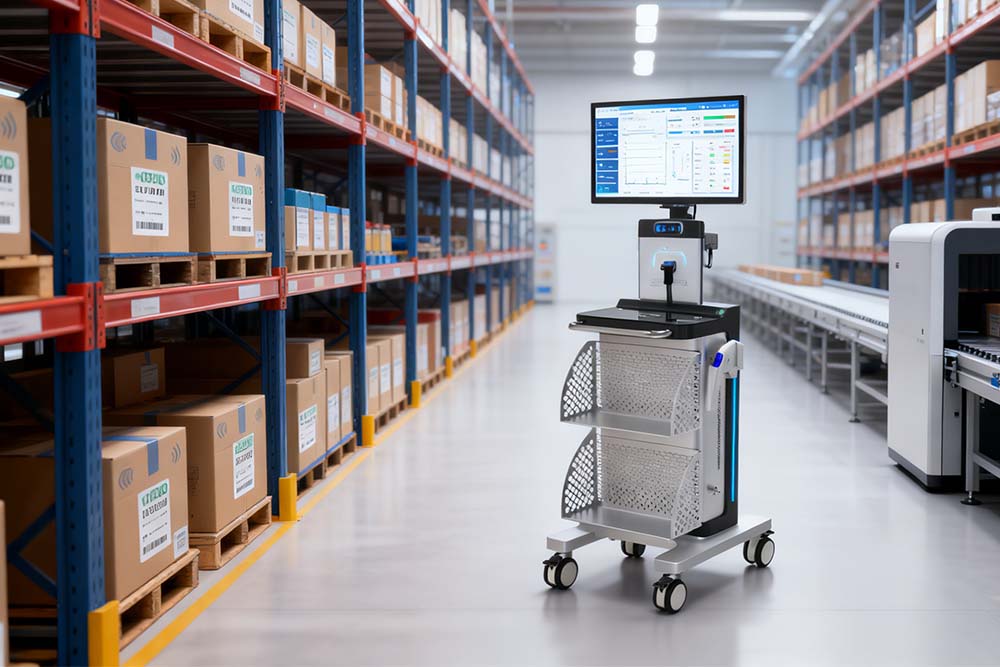
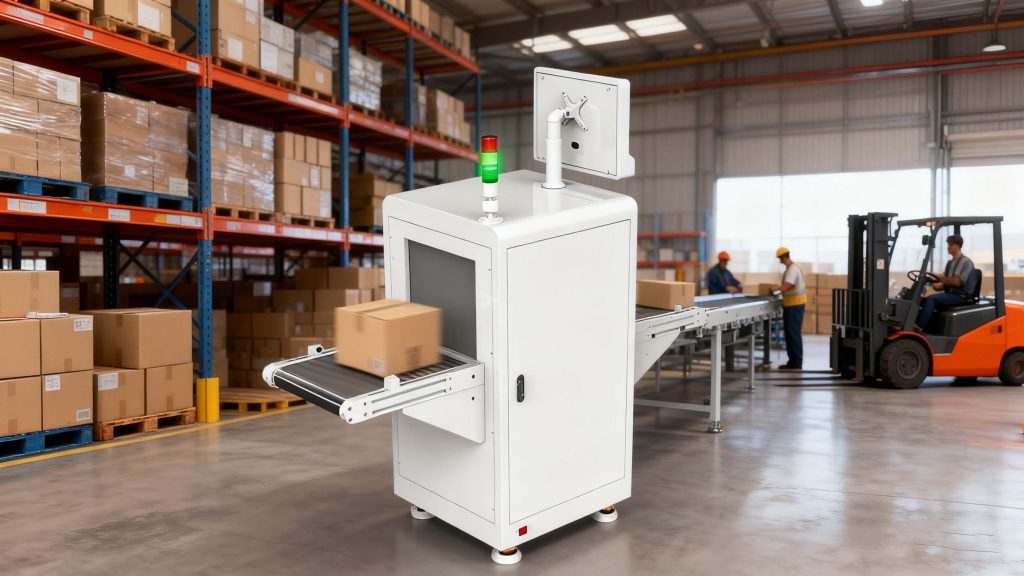
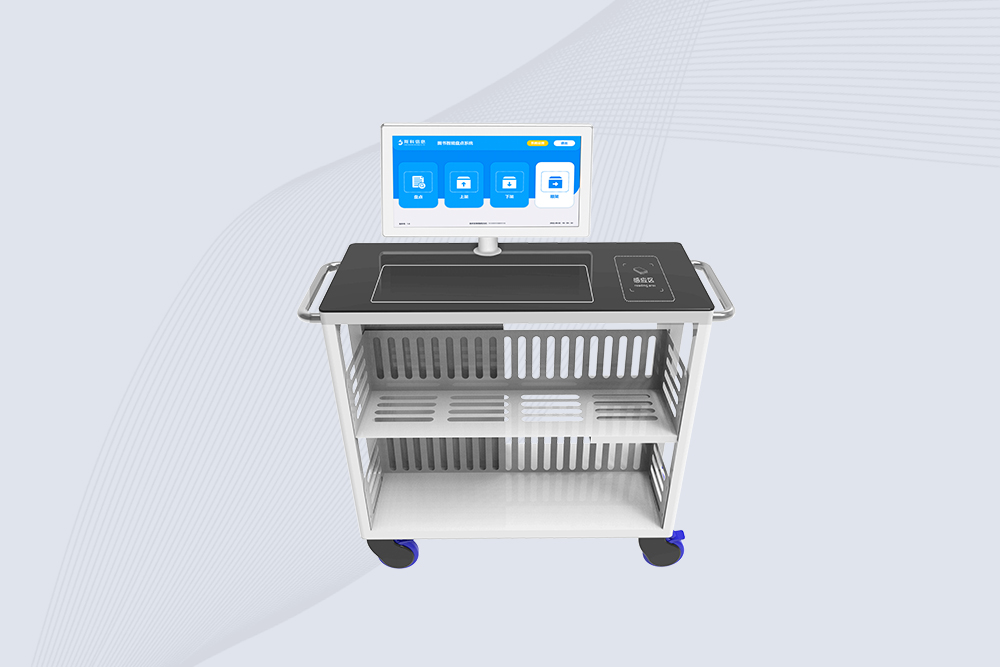
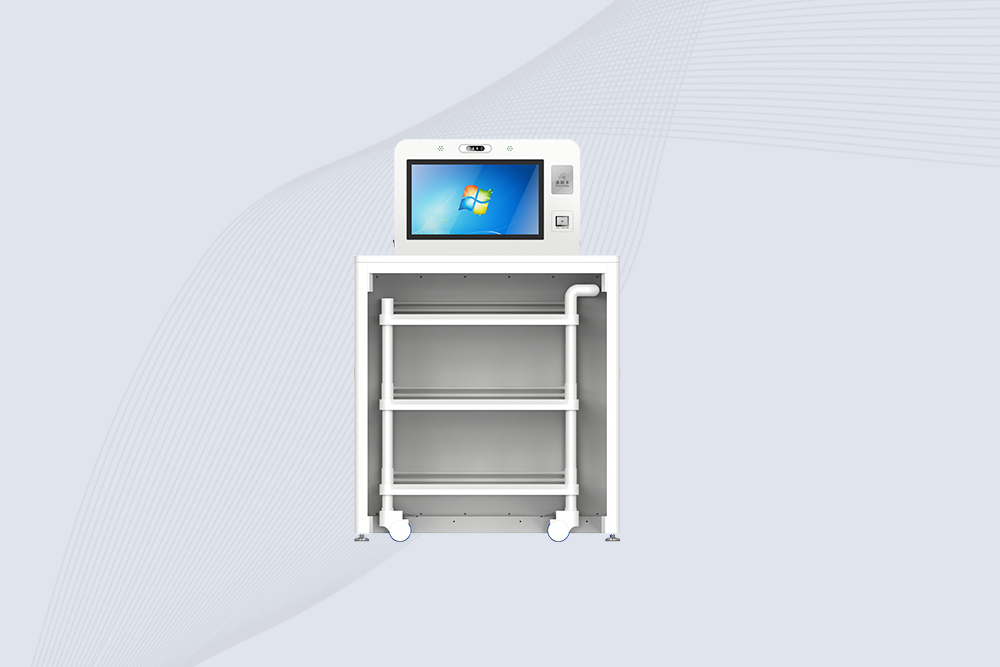
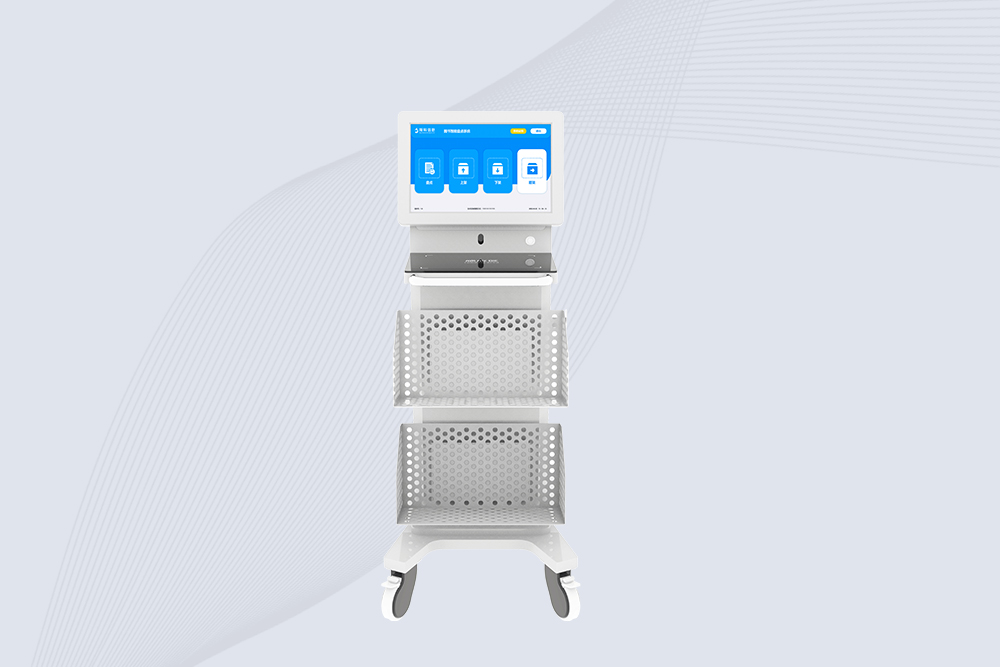
Cykeo’s RFID system nails this—they have products like the CK-C1B Mobile RFID Inventory Cart, which can scan 800+ items per hour using a retractable 1.8 m antenna and display shelf analytics on a 21.5″ touchscreen. Then there’s the CK-TP2B Warehouse Inventory Tracking System, a tunnel-style reader that can process 200+ items in 3 seconds with extremely high accuracy.
With systems like these, you’re not just counting items—you’re truly seeing your inventory in real time and catching anything that moves unexpectedly.
Why It’s Worth It
Here’s why I think it’s awesome:
Speed: Stocktakes that used to take hours can now take minutes. No joke.
Accuracy: Each tag is unique. Human errors? Way down.
Instant Visibility: Know exactly where everything is, anytime.
Labor Savings: Fewer repetitive scans means staff can focus on more important tasks.
Traceability: Perfect for high-value goods, shipments, or reusable assets.
For fast-moving, high-volume warehouses, a mobile cart like the CK-C1B lets you scan high shelves efficiently. Meanwhile, the CK-TP2BC tunnel system is perfect for bulk inventory, like pallets or cartons, eliminating tons of manual counting.
But Let’s Be Real—It’s Not Perfect
There are definitely some bumps in the road:
High upfront cost: Readers, antennas, specialized tags, infrastructure… not cheap.
Complex setup: You can’t just slap tags on. Reader placement and coverage need planning.
Environmental interference: Metal and liquids can affect signals.
Security risks: Unprotected tags can be cloned or read illegally.
Training required: Staff need to learn new processes, or it’s wasted money.
ROI isn’t instant: Small warehouses or low-volume inventory might still be better off with barcodes.
Passive tags are inexpensive, yes—but large-scale operations require professional tags and readers, and costs rise fast. Cost evaluation is critical before investing.
How to Make RFID Work for You
Here’s my take on the five-step approach:
Assess your needs: Identify bottlenecks and error-prone areas, clarify your goals.
Pick the right system: Consider warehouse size, item types, reading frequency, and tag density. Mobile carts like CK-C1B are ideal for vertical reach, tunnel systems like CK-TP2B for bulk scanning.
Plan & install: Position readers and antennas strategically, handle wiring and software setup.
Pilot & optimize: Start small, identify blind spots, interference, or glitches.
Go live & monitor: Roll it out fully, monitor performance, and collect feedback.
Pro tip: always pilot first. Don’t deploy across the whole warehouse without testing tag types, reader positions, and workflows.
Practical Advice
Cost analysis: Tags and readers are just the start—installation, software, and training matter too.
Environment matters: Metal racks or liquid products affect reads, so pick the right frequency and tag type.
Security plan: Decide what info goes on the tag and protect it—encryption, access control, etc.
Change management: Staff training is key. Get them onboard or adoption will fail.
Bottom Line
RFID isn’t magic, but for warehouses with high volumes, complex tracking, or critical assets, it can change the game.
Faster operations, fewer mistakes, full inventory transparency—you can literally see the warehouse at a glance.
Start with a small pilot: maybe roll out the CK-C1B cart in one zone or use the CK-TP2B tunnel for one flow, measure the results, then scale up. The investment may be big, but the gains in efficiency, accuracy, and visibility? Totally worth it.
Cykeo CYKEO-C2 UHF RFID inventory cart features 10 UHF readers, 500 tags/sec scanning, Windows/Android OS, and hybrid power for warehouses/libraries. Supports ISO 18000-6C protocols and customization.
Cykeo’s industrial RFID Inventory Tracking station features dual scanning modes, 200+ items/sec bulk reading, and SAP integration for precise warehouse management. MIL-STD-810G certified with Windows/Android OS.
Cykeo CYKEO-D7 RFID system for inventory offers 40+ tags/sec scanning, 150L secure storage, and Impinj R2000 chipset for warehouses, toolrooms, and retail. Global frequency compliance (840-960MHz).
Cykeo CYKEO-C1 mobile RFID scanner cart features PLC-controlled antenna lifting, 10-tag/sec reading, and 21.5″ touchscreen for libraries, hospitals, and warehouses. Supports Windows/Android and multi-protocol RFID.
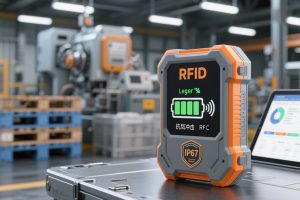
Discover the essential features of industrial-grade handheld RFID readers for harsh environments. Learn about durability, read range, battery life, and Cykeo’s rugged solutions.
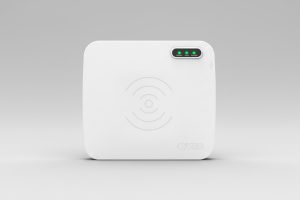
CYKEO RFID USB scanner designed for developers and system integrators. This USB RFID scanner connects via Type-C, supports tag reading, writing, and data conversion, and integrates easily with custom software systems using demo tools and SDKs.
Discover the top handheld RFID readers for libraries. Compare features, integration with systems like Koha or Sierra, and improve checkout efficiency with our expert picks.
Android RFID Emulator improves testing and debugging efficiency, but it also introduces security risks in real-world enterprise applications, such as illegal emulation and UID spoofing. This article analyzes how it works, uncovers potential threat...
 Cykeo RFID IoT Solution Products R&D Manufacturer