 Cykeo RFID IoT Solution Products R&D Manufacturer

how to write rfid tag: A Practical Guide to Writing UHF RFID Tags
106RFID tag writing requires a compatible UHF RFID reader writer, encoding software, and correct memory configuration to write and verify EPC or application dat...
MoreAll RFID Product
I still remember walking through a mid-sized warehouse a few years ago. The team had three people doing inventory counts with barcode scanners. By the time they finished one aisle, the numbers in the system were already outdated.
That’s when the operations manager said something that stuck with me:
“Inventory counting always feels like chasing a moving target.”
That moment perfectly explains why more companies are turning to an RFID stock management system.
Unlike barcode systems that require one-by-one scanning, RFID allows inventory to be tracked automatically, in bulk, and often without direct line-of-sight. For warehouses dealing with thousands—or millions—of items, that difference becomes huge.

Most warehouses still rely on barcode systems or manual counting. These approaches work, but they come with limitations that many operations teams simply accept as “normal.”
For example:
Workers must scan every item individually.
Inventory counts take hours or even days.
Human error happens frequently during busy shifts.
I’ve seen teams spend an entire weekend doing cycle counts just to reconcile inventory discrepancies. By Monday morning, the numbers are finally correct—until the next shipment arrives.
This is exactly where RFID starts to change the game.
At its core, an RFID stock management system uses three components:
RFID tags attached to products or cartons
RFID readers or antennas that capture tag signals
Inventory management software that processes the data
When tagged items pass through an RFID scanning zone, the system can read dozens or even hundreds of tags simultaneously. No manual scanning is required.
In high-throughput environments, companies often deploy automated scanning equipment like an RFID stock management system powered by tunnel scanners to capture inventory data automatically as cartons move along a conveyor.
Instead of pausing operations for inventory checks, the warehouse simply keeps running.
One of the biggest advantages of RFID is something operations teams care deeply about: visibility.
With RFID tracking, inventory data updates almost instantly when items move through key checkpoints.
This means warehouse managers can:
I’ve noticed that once warehouses gain real-time visibility, the entire workflow becomes smoother. Picking errors drop. Replenishment planning improves. And most importantly, teams spend less time searching for products.
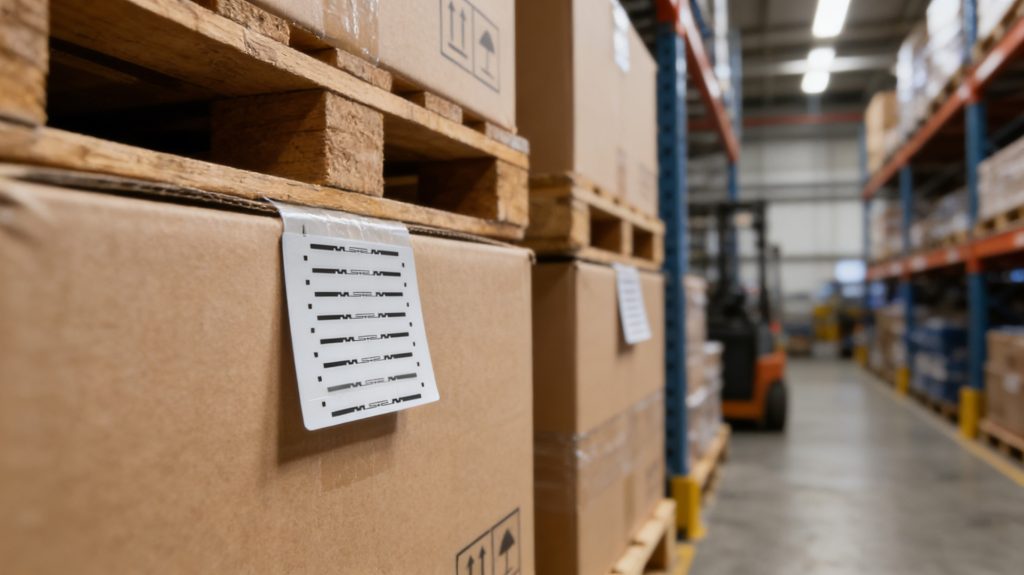
Speed is where RFID systems really stand out.
A traditional barcode count might take hours. An RFID count can take minutes.
Instead of scanning each item, workers can simply walk through aisles with an RFID reader or allow automated gates to scan items passing through.
In some projects I’ve seen, inventory counting time dropped by over 90% after switching to RFID.
That kind of efficiency doesn’t just save labor—it also makes frequent cycle counting practical.
Not every warehouse needs RFID, but certain industries benefit from it much more than others.
Some common examples include:
Retail distribution centers
Apparel and fashion logistics
Pharmaceutical inventory tracking
Electronics manufacturing warehouses
High-value asset storage
These environments typically manage large numbers of SKUs, frequent inventory movement, and strict accuracy requirements.
RFID fits naturally into those workflows.
Many people think RFID is simply a faster way to scan inventory.
But the real advantage isn’t speed.
It’s automation.
Once RFID infrastructure is installed, inventory data can be captured automatically as products move through the supply chain. Workers don’t have to stop, scan, or verify every item manually.
The system simply records everything in the background.
Over time, that automation reduces operational friction in ways that spreadsheets and barcode scanners simply can’t match.
Warehouses today face increasing pressure to move faster while maintaining accurate inventory records.
Manual methods still work—but they struggle to keep up with modern logistics demands.
An RFID stock management system gives warehouses a different approach: automatic data capture, real-time inventory visibility, and drastically faster inventory counts.
And in high-volume operations, those improvements can quickly translate into lower costs, fewer errors, and smoother workflows.
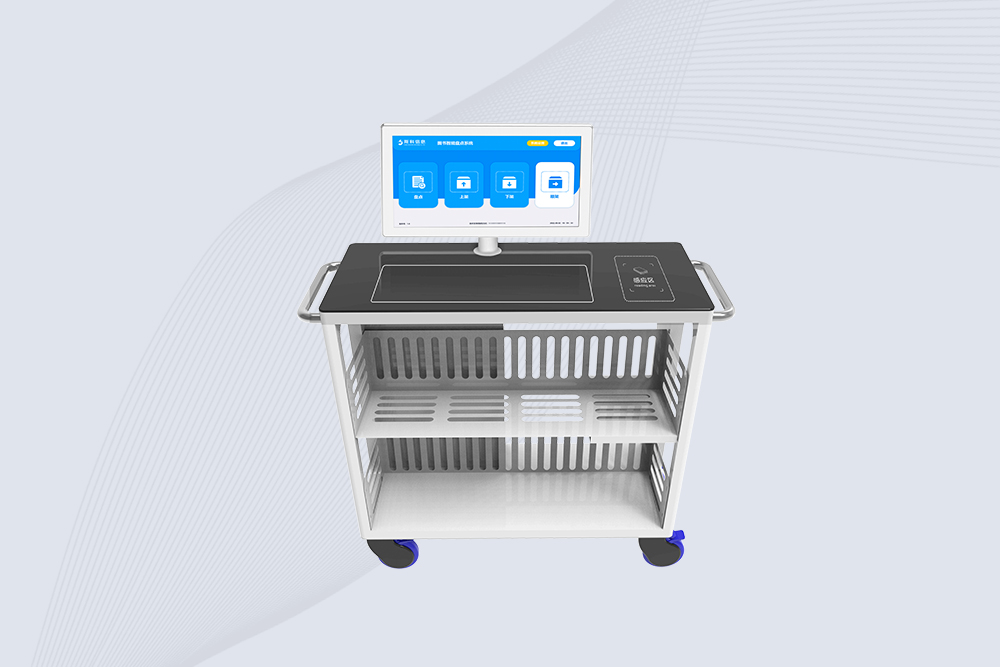
Cykeo CYKEO-C2 UHF RFID inventory cart features 10 UHF readers, 500 tags/sec scanning, Windows/Android OS, and hybrid power for warehouses/libraries. Supports ISO 18000-6C protocols and customization.
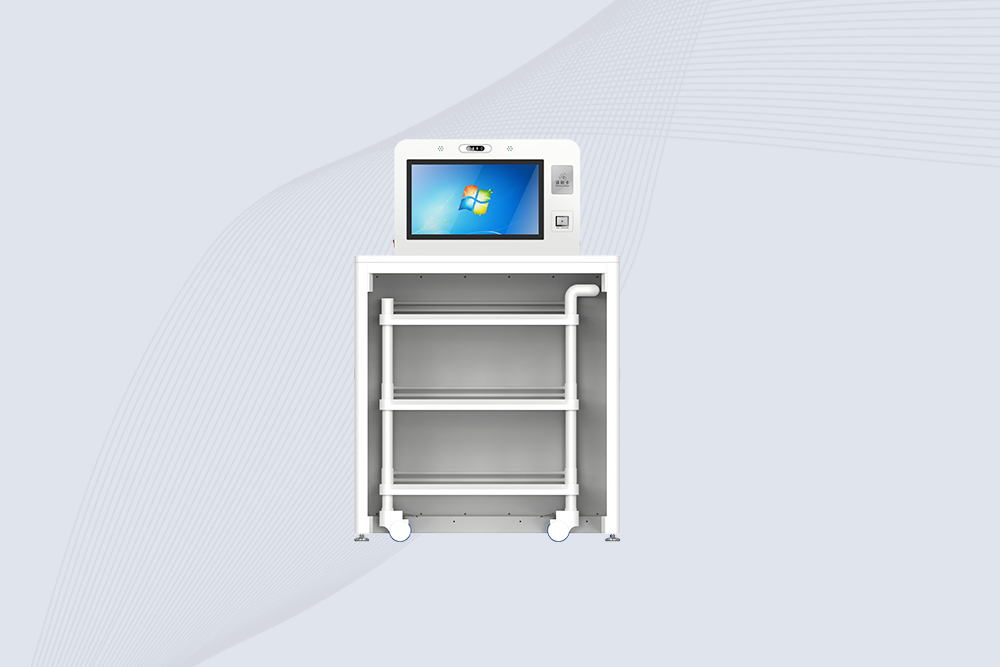
Cykeo’s industrial RFID Inventory Tracking station features dual scanning modes, 200+ items/sec bulk reading, and SAP integration for precise warehouse management. MIL-STD-810G certified with Windows/Android OS.

Cykeo CYKEO-D7 RFID system for inventory offers 40+ tags/sec scanning, 150L secure storage, and Impinj R2000 chipset for warehouses, toolrooms, and retail. Global frequency compliance (840-960MHz).
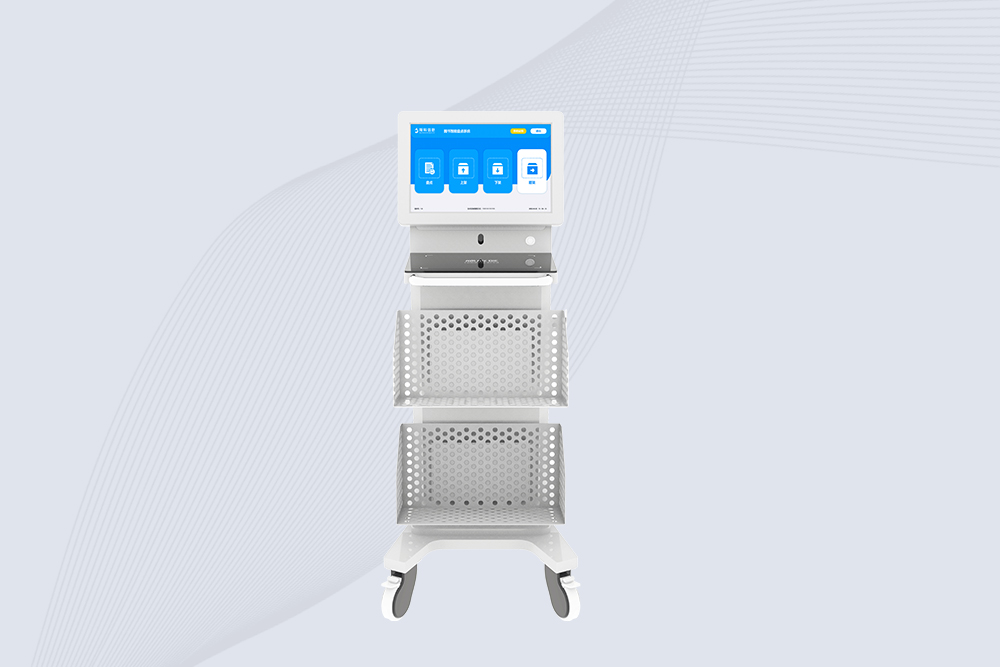
Cykeo CYKEO-C1 mobile RFID scanner cart features PLC-controlled antenna lifting, 10-tag/sec reading, and 21.5″ touchscreen for libraries, hospitals, and warehouses. Supports Windows/Android and multi-protocol RFID.

Cykeo CYKEO-C3 industrial warehouse RFID scanner features motorized lift (2.2m height), 800+ tags/min scanning, Windows/Android OS, and ERP integration. Ideal for high-shelf inventory in logistics/manufacturing.
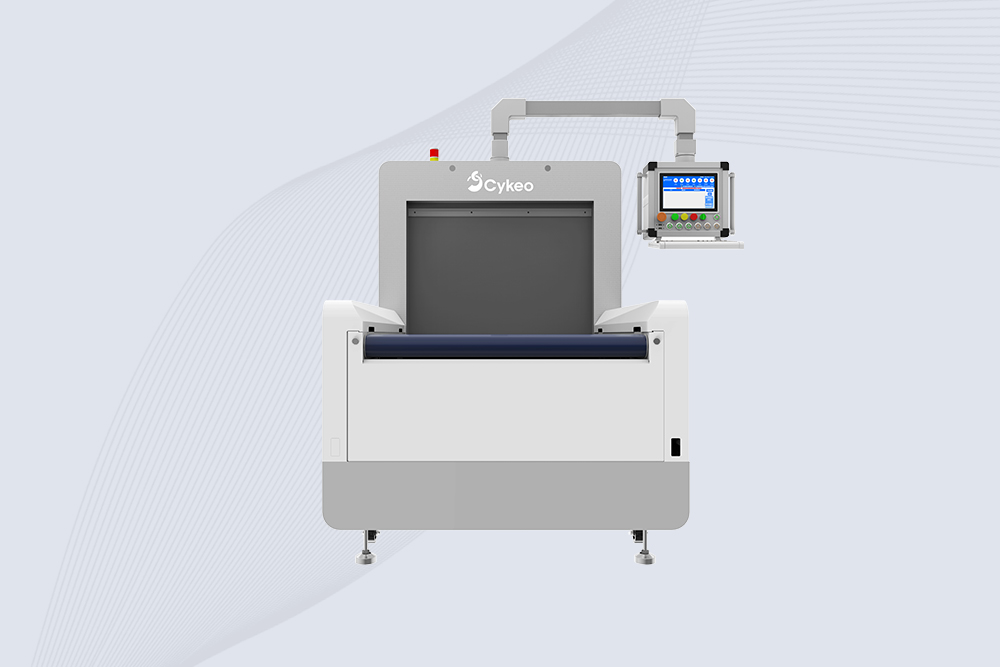
Cykeo’s CYKEO-TP2 automated RFID Inventory Management Tunnel System features 80kg capacity conveyor, 400 tags/sec scanning, and real-time data validation for warehouse/logistics operations.
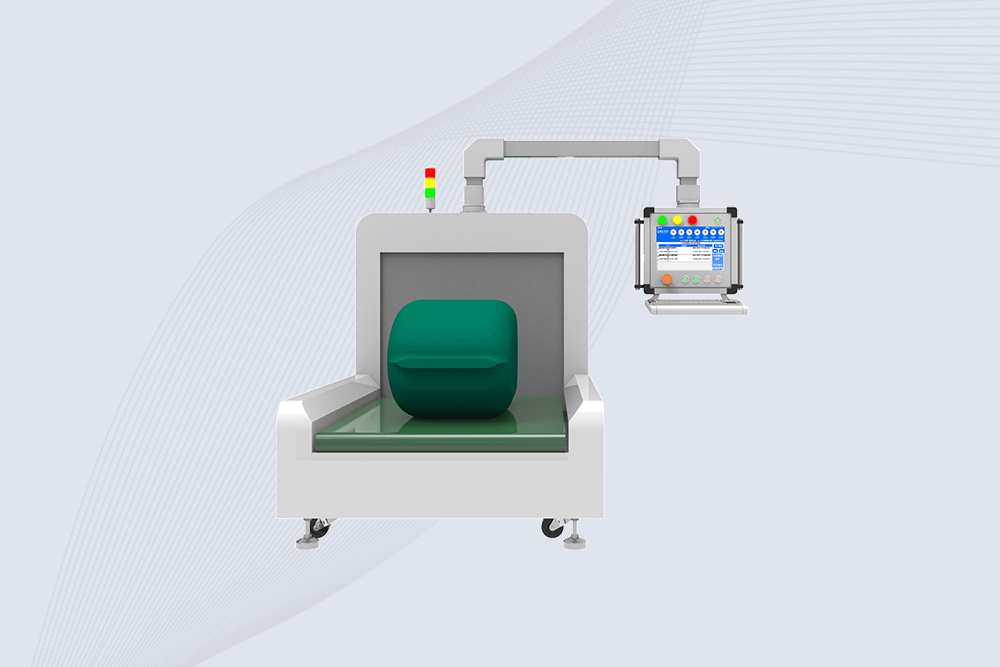
Cykeo’s CYKEO-TP3BC RFID inventory tunnel System management machine delivers 400+ tags/sec counting with ISO 18000-6C compliance. Features 80kg conveyor, -20°C~60°C operation, and ERP integration for apparel/electronics warehouses.
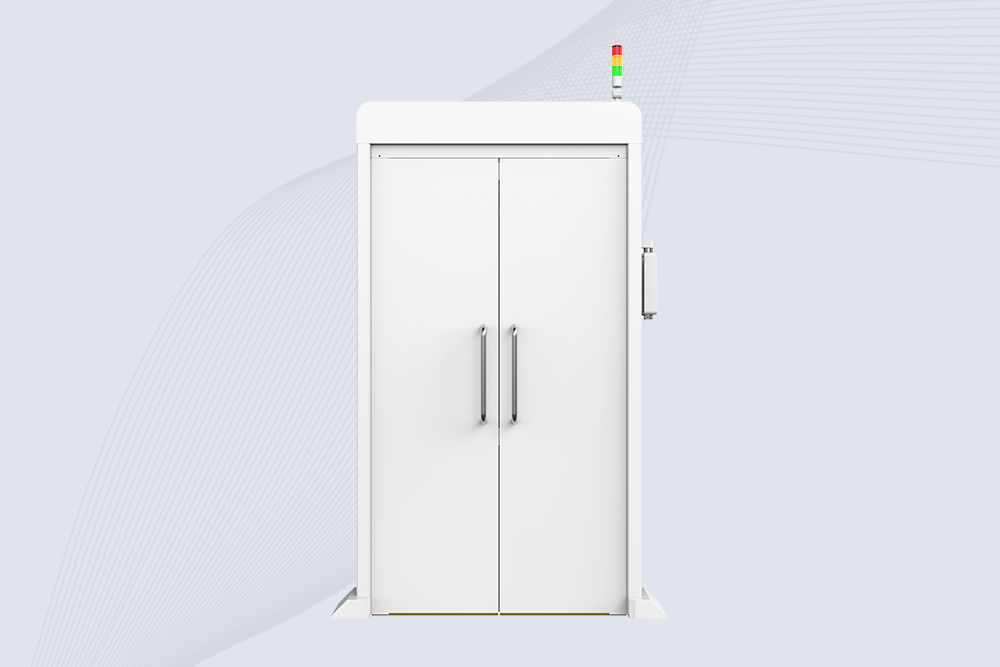
Cykeo’s industrial RFID tunnel scanner enables bulk inventory management for apparel, utilities, and hospitality. Features 10cm anti-interference, ISO18000-6C compliance, and SAP/Oracle integration.
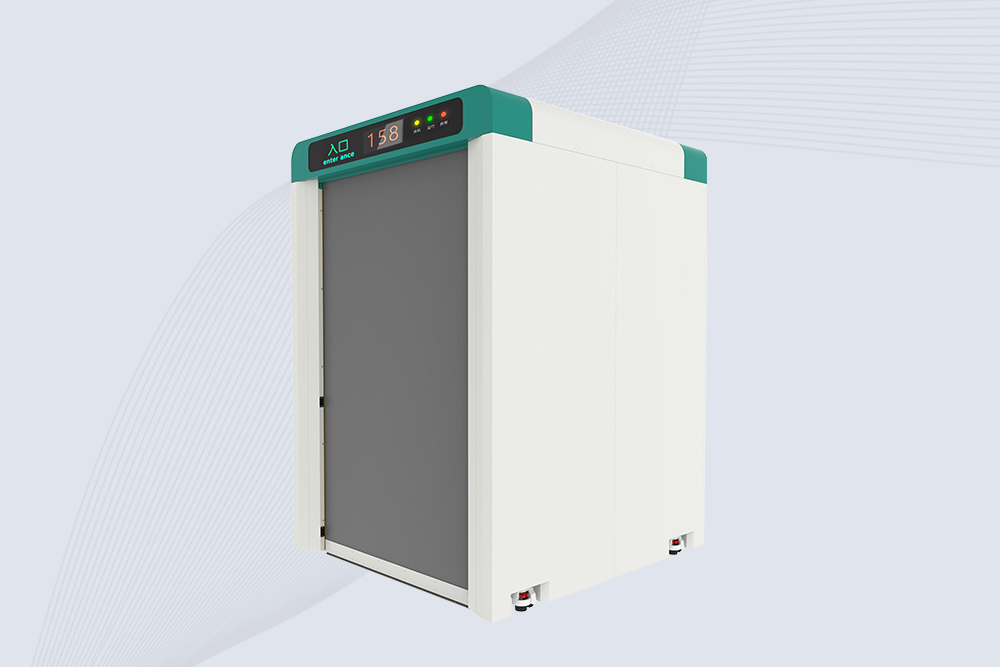
Cykeo CYKEO-TP4 industrial RFID tunnel system features 800-tag/batch processing, PLC-automated shutters, and SAP integration for apparel/hotel/power industries. 3-second verification with 99.9% accuracy.
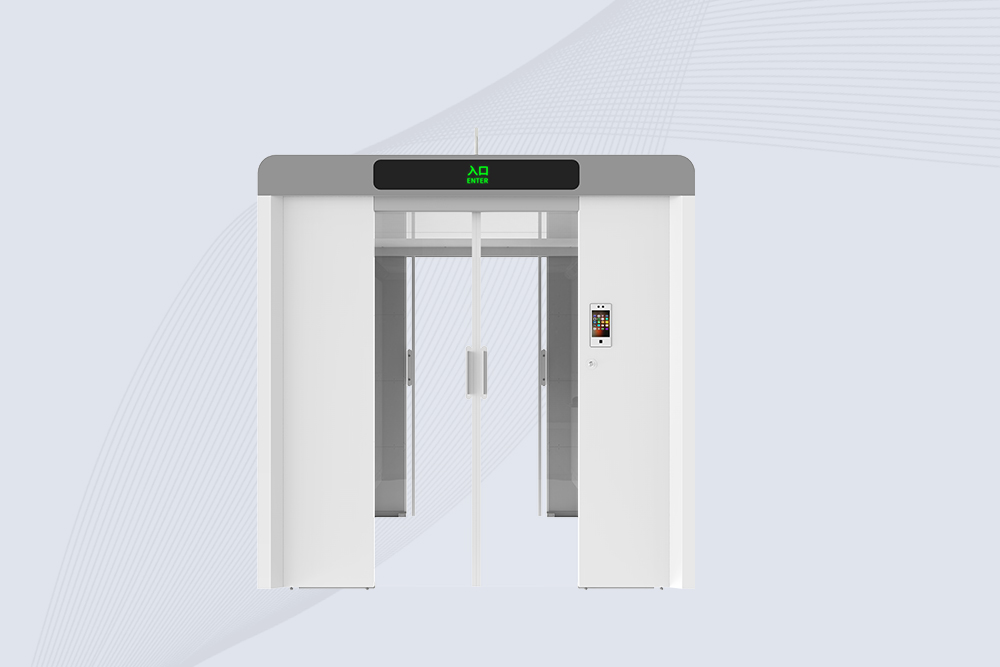
Cykeo CYKEO-TP5A industrial RFID tunnel system features 800-tag/batch processing, PLC-automated shutters, and SAP integration for apparel/hotel/power industries. 3-second verification with 99.9% accuracy.
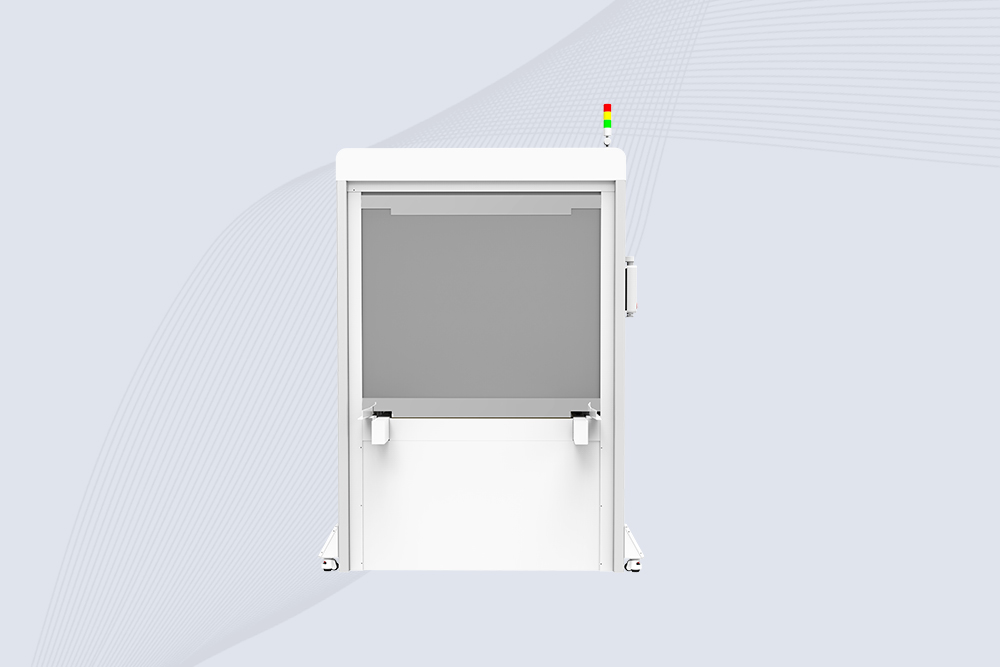
Cykeo CYKEO-TP3 industrial inventory tracking RFID machine achieves 300pcs/3sec bulk scanning with ISO18000-6C compliance. IP65 rugged design for power/garment/hotel linen logistics automation.
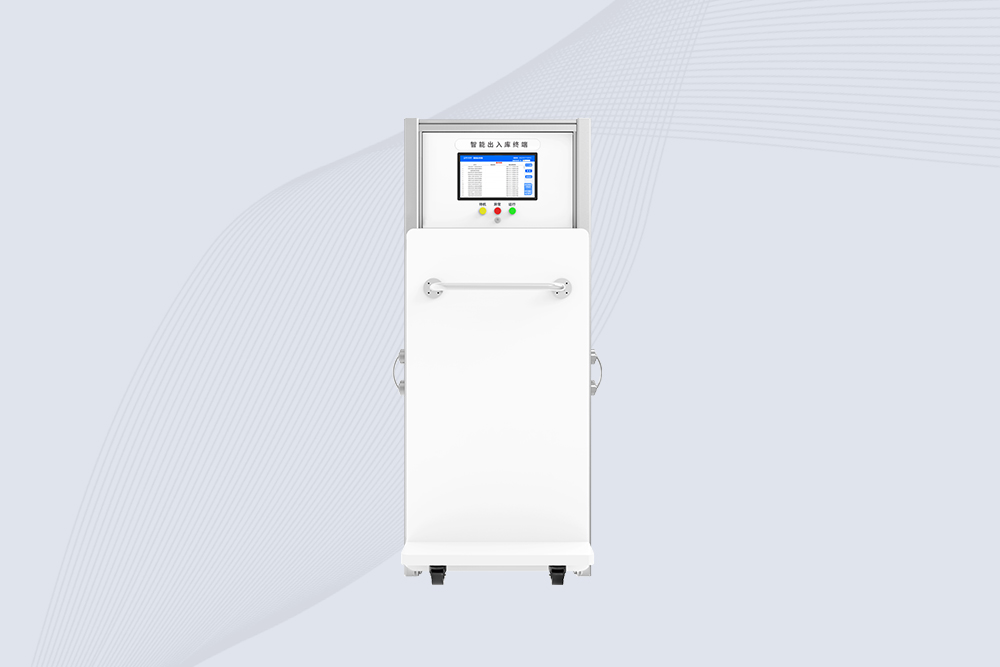
Cykeo CYKEO-GP industrial RFID tunnel achieves 300pcs/sec bulk RFID tags inventory tracking with ISO 18000-6C protocol. 1.9m tunnel height for cage carts, 20cm anti-crosshield tech.

Cykeo’s CYKEO-TP2B automated rfid warehouse management channel enables precision warehouse management with 3s batch processing, ISO 18000-6C compliance, and -20℃ cold chain operation.

Cykeo CYKEO-TP5 RFID inventory management solution delivers 100 tags/sec bulk processing, ISO 18000-6C compliance, and SAP/Oracle WMS integration for power/retail/logistics sectors.
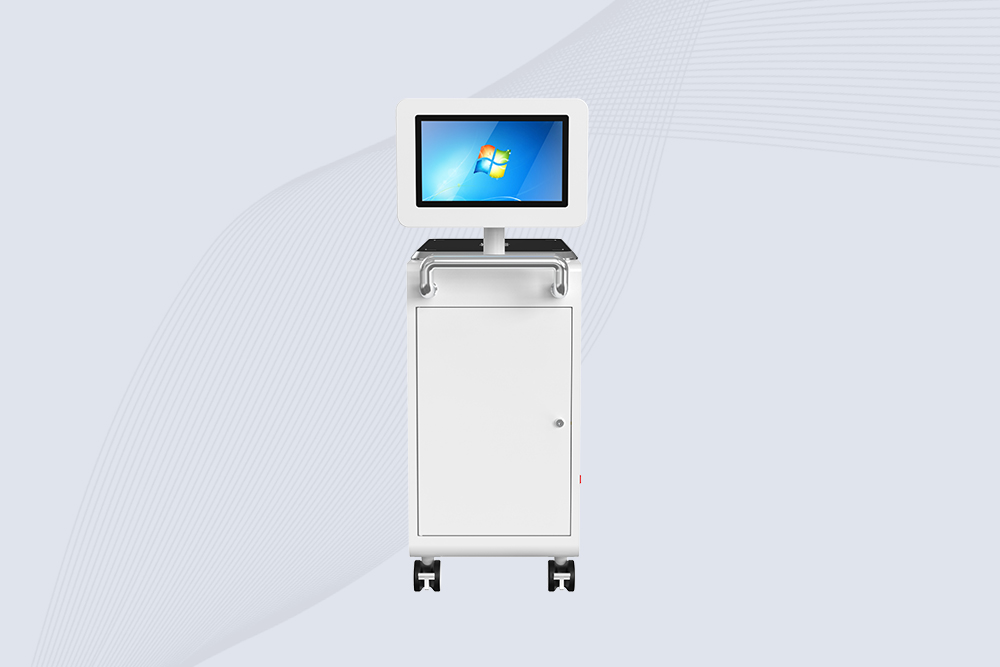
Cykeo CYKEO-C4A RFID inventory systems Cart feature dual-band scanning, 10-antenna array, and SAP integration for warehouse/hospital/supermarket asset audits. 300+ items/min accuracy with industrial reliability.
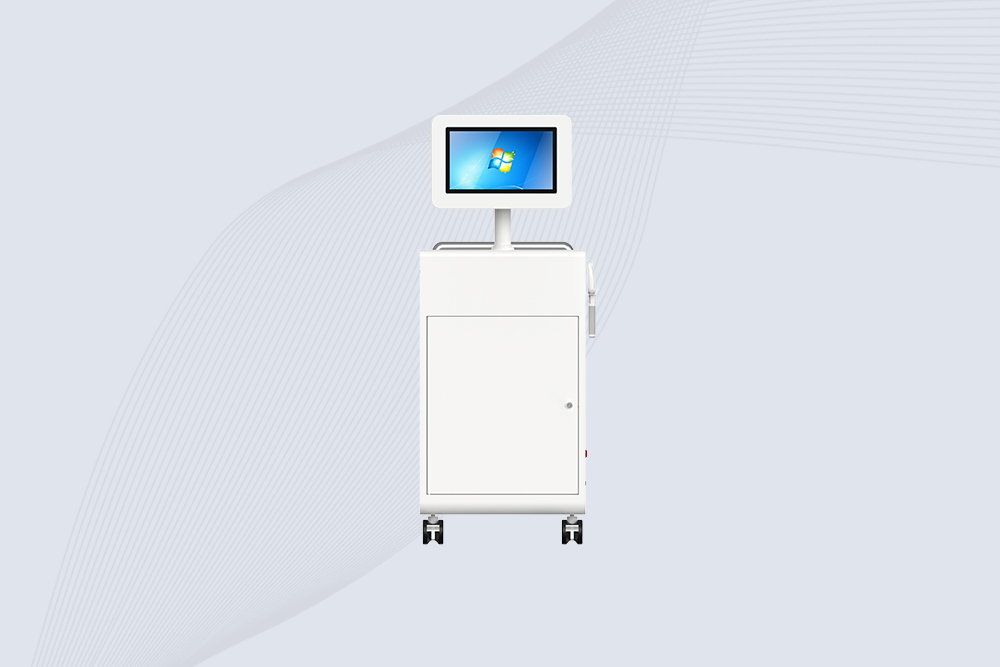
Cykeo CYKEO-C4B RFID inventory managment cart features dual-band scanning, 10-antenna array, and SAP integration for real-time asset tracking in warehouses/hospitals.
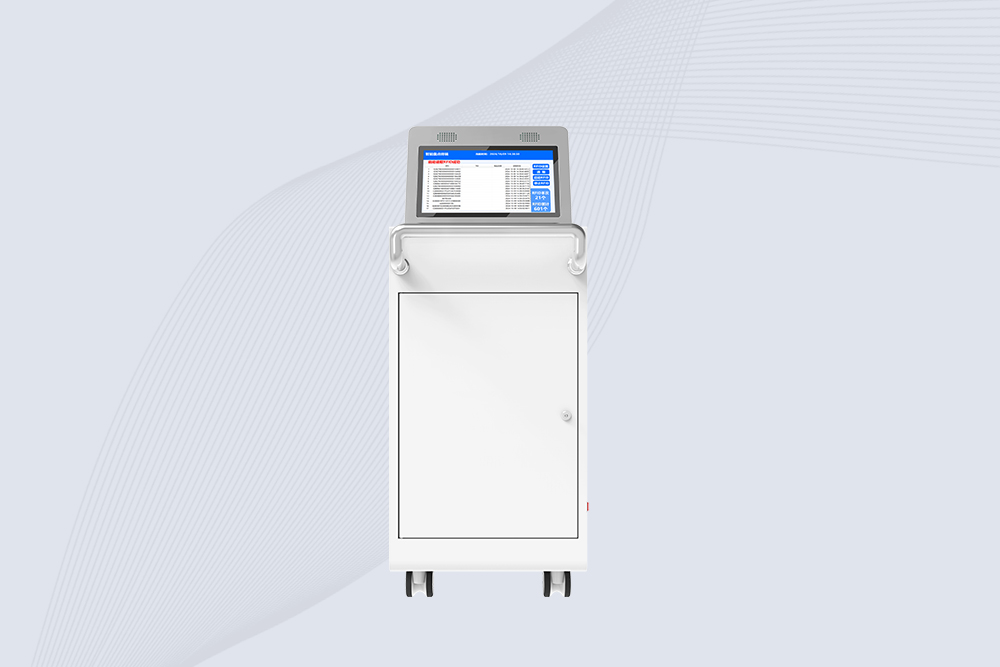
Cykeo CYKEO-C4C RFID inventory tracking cart features 10-antenna array, 300+ items/min scanning, and SAP integration for real-time asset visibility in warehouses/hospitals.
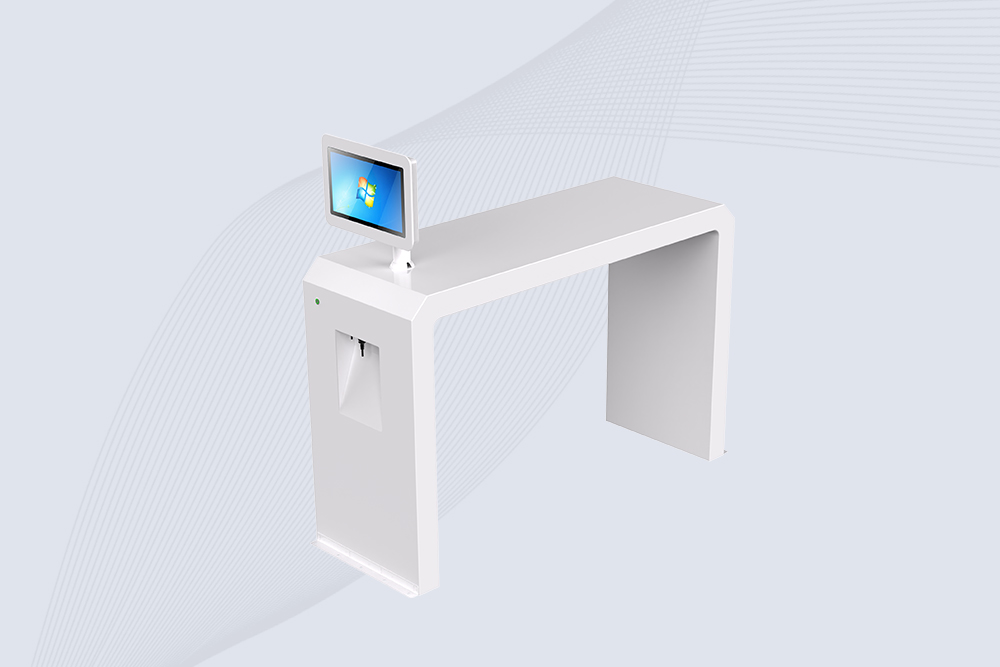
Cykeo CYKEO-T8B industrial rfid gate access system offers 1.85m scanning corridor, 99.6% read accuracy, and Windows/Android OS for production line verification. Supports SAP/Oracle integration.
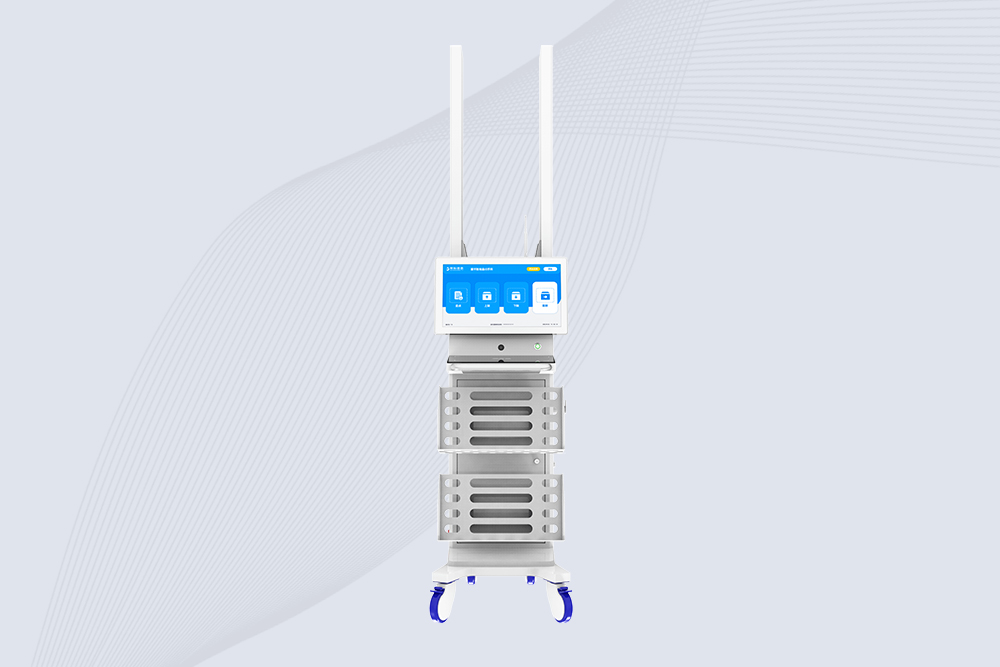
Cykeo CYKEO-C1A RFID tag inventory system features vertical 2.2m manual lift, dual antennas, and Android/Windows OS for warehouse/library inventory. Supports SAP/Oracle integration.

Cykeo CYKEO-TP4A retractable RFID gate processes 1000+ items in 10 seconds with expandable width design. Ideal for large-scale utility, hotel linen, and apparel inventory management.
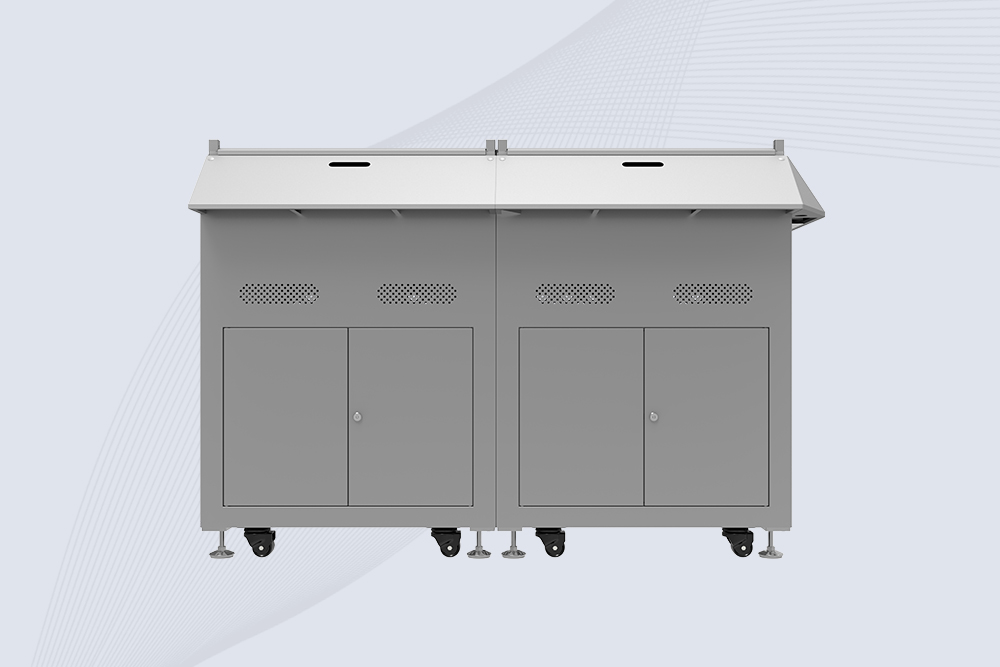
Cykeo CYKEO-S1 RFID library book return sorting system processes 1200 books/hour with modular design and dual-frequency RFID support. Ideal for automated library book sorting and categorization.
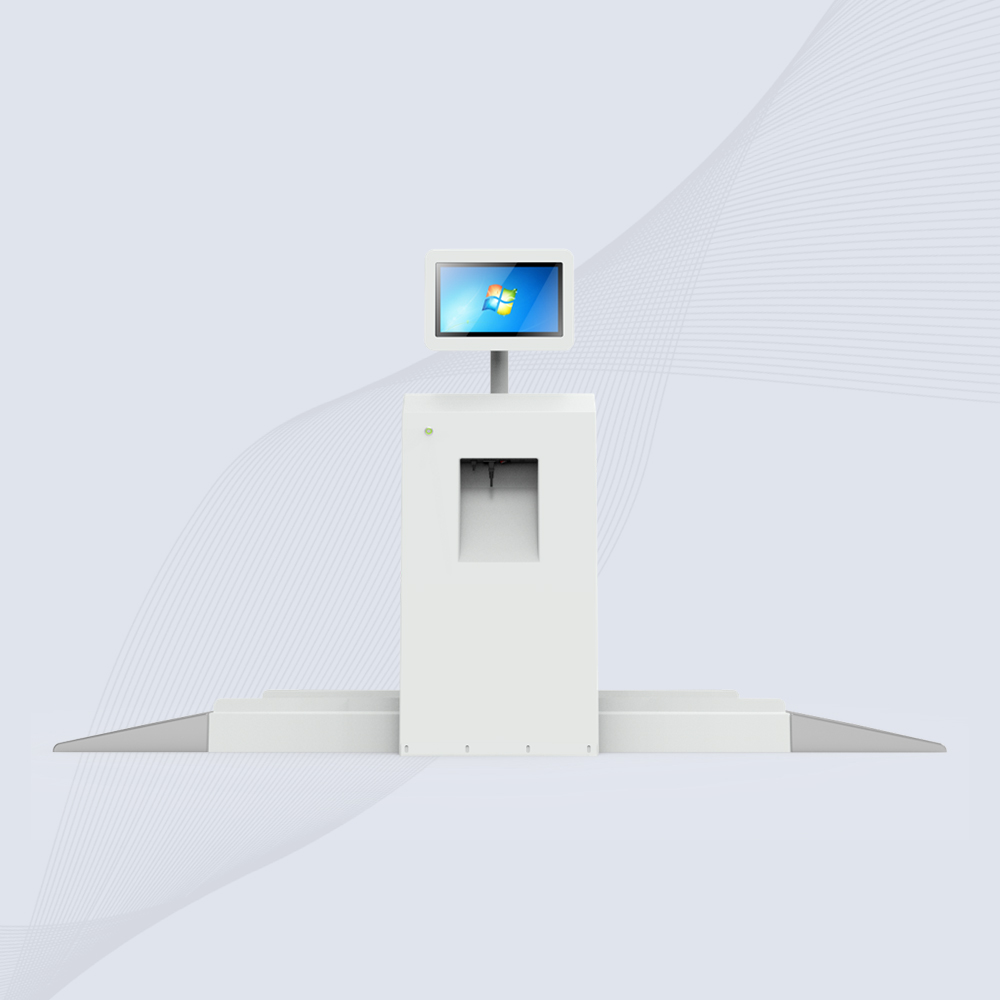
Cykeo CYKEO-TP2C RFID tunnel reader verifies 400+ items in 3 seconds with 4-antenna array and PLC control. Ideal for warehouse inventory management with 99.9% accuracy.
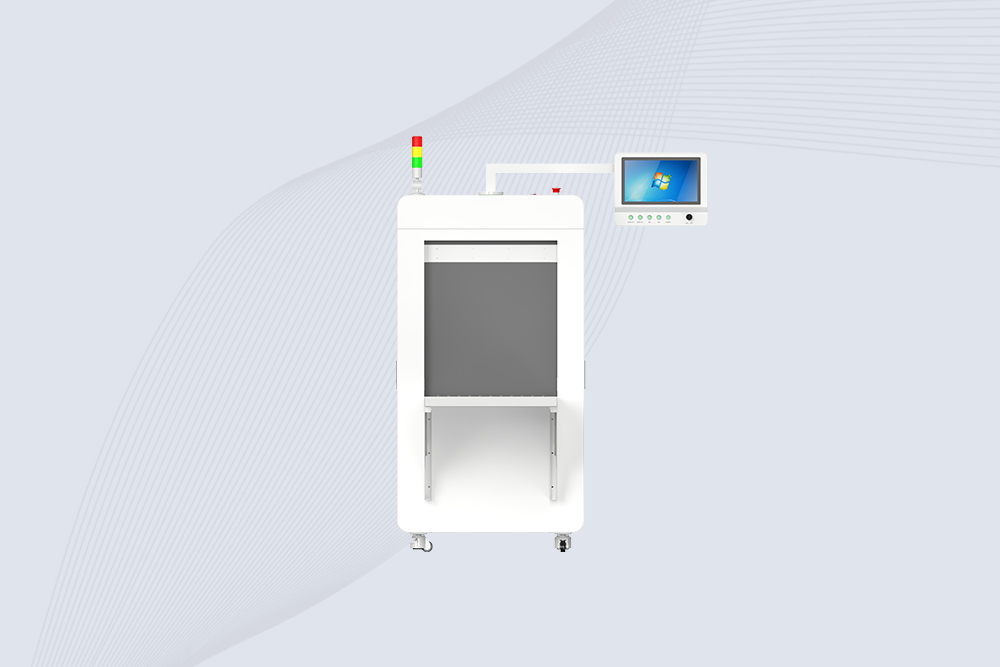
Cykeo CYKEO-TP2D compact RFID tunnel scanner reader offers enclosed scanning with auto-shutter door and IR-activated conveyor. Ideal for mid-scale warehouse inventory management.
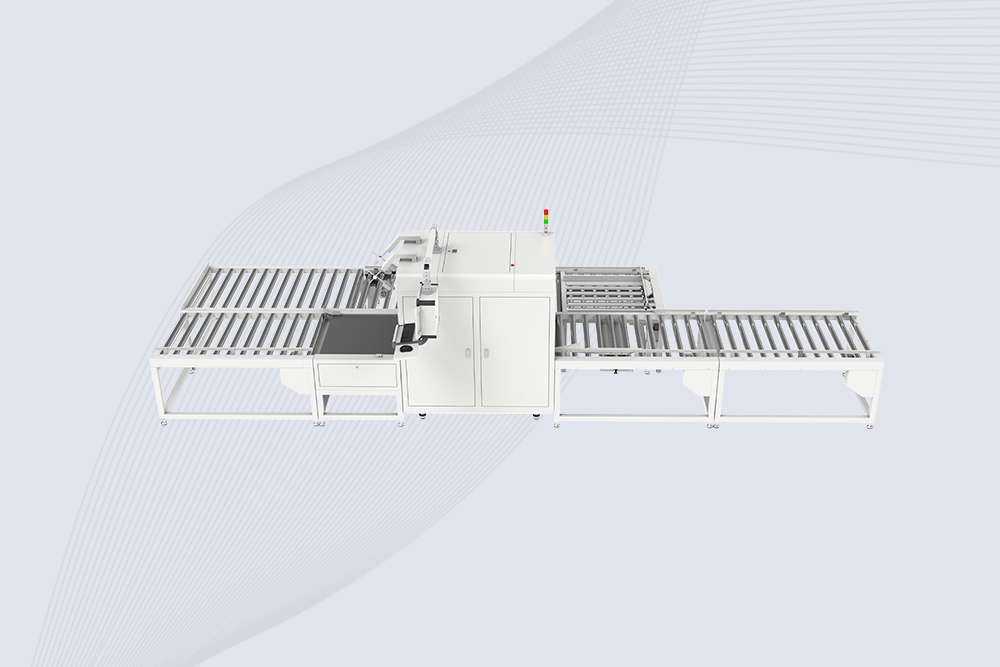
Cykeo CYKEO-TP2A RFID tunnel reader verifies 400+ items in 3 seconds. Integrates RFID, barcode, weighing, and automated sorting for warehouse logistics. Boosts accuracy to 100%.

RFID tag writing requires a compatible UHF RFID reader writer, encoding software, and correct memory configuration to write and verify EPC or application dat...
More
RFID and healthcare solutions improve medical inventory accuracy, reduce manual workload, and enable real-time UHF tracking for surgical consumables and hospital assets.
More
A practical comparison of RFID vs barcode in hospital equipment tracking. Learn the real differences in speed, accuracy, and daily usability in healthcare environments.
More
RFID Tunnel, also known as a radio frequency identification channel, is a device based on RFID technology mainly used for rapid and batch identification and data collection of items equipped with RFID tags. Basic Components:It typically consists o...
More