Introduction
Although active RFID and GPS are similar in some ways, the technological differences between them are significant. In addition, active RFID and GPS can be combined to create unique tracking systems.
Active RFID Identification
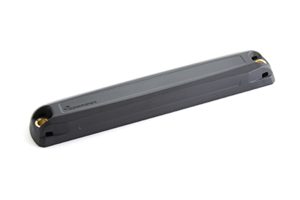
Active UHF radio frequency identification technology differs from other types of RFID because it uses a battery as an internal power source. This type of RFID technology typically operates in the UHF portion of the radio spectrum, usually around 433 MHz or 900 MHz. A typical active RFID system has a read range of over 100 meters and is widely used in applications such as remote monitoring, IT asset management, and automotive manufacturing.
Active RFID tags send “beacons” or signals to readers at predetermined intervals, depending on the specific tag frequency and programming (typically every 3 to 5 seconds). These tags can store large amounts of data and are available in rugged formats designed for demanding environments.
GPS
The Global Positioning System (GPS) is a U.S.-owned technology that uses satellites to locate and track GPS-enabled devices and tags. According to the U.S. government, all GPS systems are divided into three parts: the space segment, the control segment, and the user segment. The user segment includes GPS receivers and other positioning devices used to receive signals from satellites for 3D positioning.
GPS satellites broadcast their exact position, status, and timing data from space, and these signals are received by GPS devices on Earth. The exact time when the signal is received is recorded and used to calculate the distance between the GPS device and the satellite.
A GPS device on Earth receives signals from at least four different satellites, calculates its distance from each one, and then uses algorithms to determine its precise location.
Comparing GPS and Active RFID
Combining GPS and Active RFID Technology
When people think about GPS technology, they usually think of GPS devices in cars or smartphones. However, using GPS technology for asset tracking is becoming increasingly common. GPS tags or receivers are now used in applications involving large asset tracking, such as cargo, shipping containers, and industrial machinery.
Active RFID cannot provide the extreme read range offered by GPS tags, but it performs very well in applications that involve tracking items within a fixed area, such as warehouse yards or across multiple warehouses.
In the past, GPS and RFID technologies have been combined. This combination gives businesses the enhanced visibility provided by GPS while also benefiting from the unique identification capabilities of RFID. To track assets effectively, both technologies require software systems to generate the desired results. To compare these two technologies, refer to the chart above.
Active RFID tags with built-in GPS receivers can provide GPS location coordinates as part of their regular beacon payload. This type of tag can be read by active RFID readers or transmitted directly to satellites through beacon signals. Satellite base stations can then receive these signals, and software applications can query the data to retrieve location information.
Conclusion
To learn more about GPS or active radio frequency identification technology, please contact us.
If you would like to learn more about RFID technology, please visit our website or explore additional RFID resources.
 Cykeo RFID IoT Solution Products R&D Manufacturer