Items or assets made of certain surface materials can be difficult to tag using adhesive RFID labels or hard tags with permanent or semi-permanent mounting methods. To ensure proper attachment, we recommend following these simple steps.
Step 1: Determine the Attachment Method
Identify the material of the asset surface and the type of RFID tag you are using. This helps determine the most suitable attachment method for the tag, surface, and application.
Most RFID tags come with several recommended mounting methods, but that doesn’t mean you must use them. For example, RFID inlays are typically attached using standard or high-strength adhesives. However, some materials or use cases are not compatible with adhesives, requiring alternative solutions.
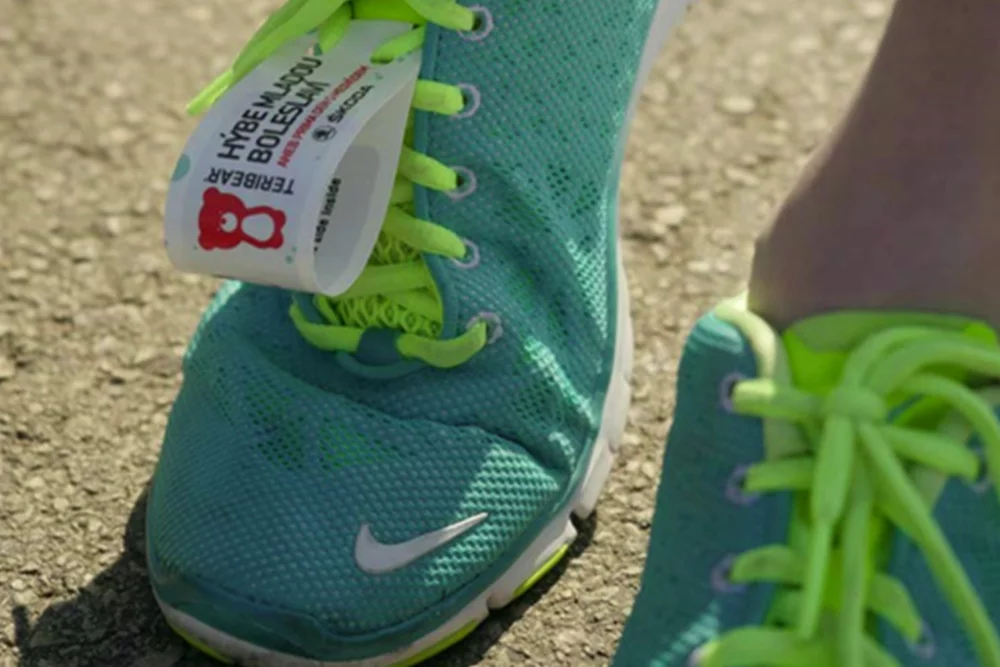
Example: In RFID race timing applications, RFID inlays are often laminated and punched with holes so they can be attached to a runner’s shoelaces. Due to the soft, flexible material and constant movement, the tag cannot reliably adhere directly to the shoe.
Step 2: Tag Placement
Choosing the correct placement location is critical. Poor positioning can lead to low read rates and even deployment failure.
Here are key considerations:
Place the RFID tag where it can be easily read by the reader.
Avoid placing tags directly behind other tags, as this can cause “tag shadowing” and reduce readability.
For items containing liquid, place the tag closer to the air side of the container rather than near the liquid.
The human body is also considered a liquid-rich environment (about 60% water).
To reduce interference, RFID race bib tags often use foam-backed labels to create space between the tag and the body.
Step 3: Prepare the Surface
Clean the surface using an alcohol wipe or a damp cloth to remove dust and debris.
Ensure the surface is completely clean and free of particles.
Allow the surface to fully dry before proceeding.
Important tip: Do NOT polish or smooth the surface. A slightly rough surface provides better adhesion because it increases the bonding area for the adhesive.
Step 4: Apply the Tag
Carefully place the tag in the selected position and press it gently.
Do not apply excessive pressure, especially for thin RFID labels or inlays.
Too much force may damage the internal connection between the antenna and the chip.
Additional Attachment Methods
Besides standard adhesives and epoxy, there are several other common ways to attach RFID tags:
Adhesives (General Glue / Super Glue / Epoxy)
Ensure the surface is clean and dust-free before applying the tag.
Drilling Methods (Screws, Rivets, Embedding)
These methods involve physically modifying the asset and are more complex.
Hanging Methods (Zip Ties, Strings, Holes)
When hanging a tag:
Check the attachment point carefully.
Avoid placing tags where they may be frequently touched, damaged, or broken.
Ensure the tag stays securely in place unless intentionally removed.
Sewing Method
Common for textiles and garments:
Minimal preparation is required—just choose the correct position.
Tags can be sewn into hems or behind labels.
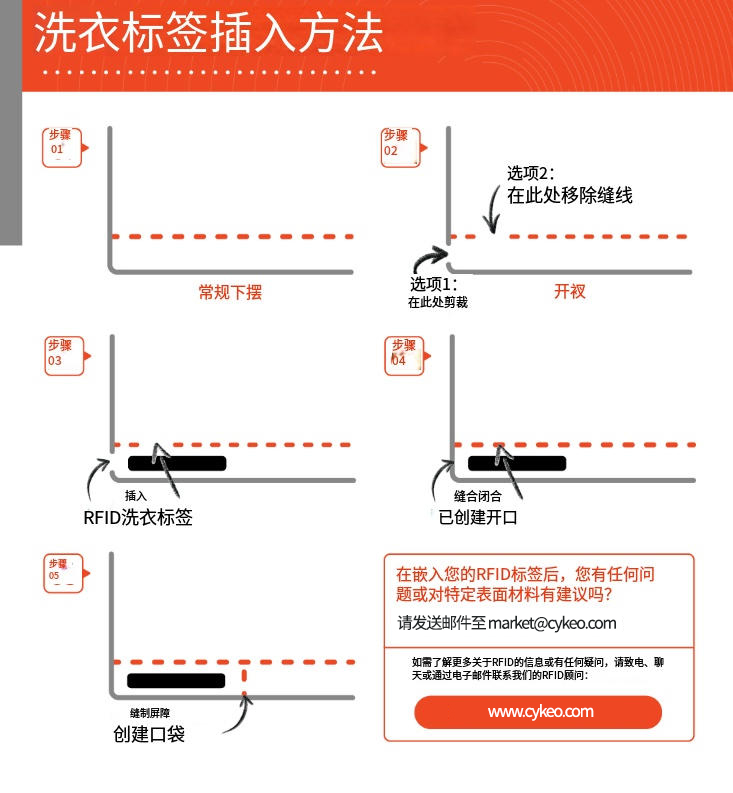
If inserting into an existing hem, open a small section, insert the tag, and resew.
Important tip: Prevent the tag from moving around inside the fabric. The best way is to sew a small “pocket” inside the hem to keep the tag fixed in position, ensuring consistent readability.
Conclusion
Proper surface preparation and correct tag placement are essential for successful RFID deployment. By selecting the right attachment method and following these steps, you can significantly improve tag performance and reliability.
Sometimes referred to as semi-passive or semi-active, Battery-Assisted Passive (BAP) tags are essentially passive RFID tags with a built-in battery. Since these tags wait for a signal from an RFID reader before responding, they function similarly ...
Welcome to Part 6 RFID Roadmap We have divided the information into nine sections: RFID Overview, RFID Readers, RFID Antennas, RFID Tags, Hardware, Auxiliary Equipment, Advanced Principles, Ideal Equipment Performance, RFID System Deployment, and ...
Welcome to Part 1 RFID Roadmap We divide the information into nine parts: RFID overview, RFID readers, RFID antennas, RFID tags, hardware, auxiliary equipment, advanced principles, ideal device performance, RFID system deployment, and different ty...
Welcome to Part 2 RFID Roadmap We divide the information into nine parts: RFID overview, RFID readers, RFID antennas, RFID tags, hardware, auxiliary equipment, advanced principles, ideal device performance, RFID system deployment, and different ty...
 Cykeo RFID IoT Solution Products R&D Manufacturer