 Cykeo RFID IoT Solution Products R&D Manufacturer

How RFID Work: Understanding RFID Technology and Identification Process
185How RFID work explained with real technology insights. Learn how RFID tags, readers, and systems communicate for tracking, automation, and industrial applications.
MoreAll RFID Product
Back when I was running supply chain projects, my biggest nightmare wasn’t slow sales — it was not being able to tell where my stock actually was.
Take last year’s Double 11 (China’s Black Friday) at an e-commerce warehouse in Longgang, Shenzhen. The system showed we still had 3,200 units of a hot-selling power bank. A manual check revealed only 2,800. The missing 400? No clue. Wrong shipments? Overstock buried somewhere? Or just vanished? That’s when it hit me: inventory accuracy is the profit floor for any business.
Barcode scanning for stock-takes in a high-SKU environment is like watching a movie in slow motion. Then we tried RFID (Radio Frequency Identification), and I realized it’s not just “faster” — it’s a ticket out of the stock-taking grind.
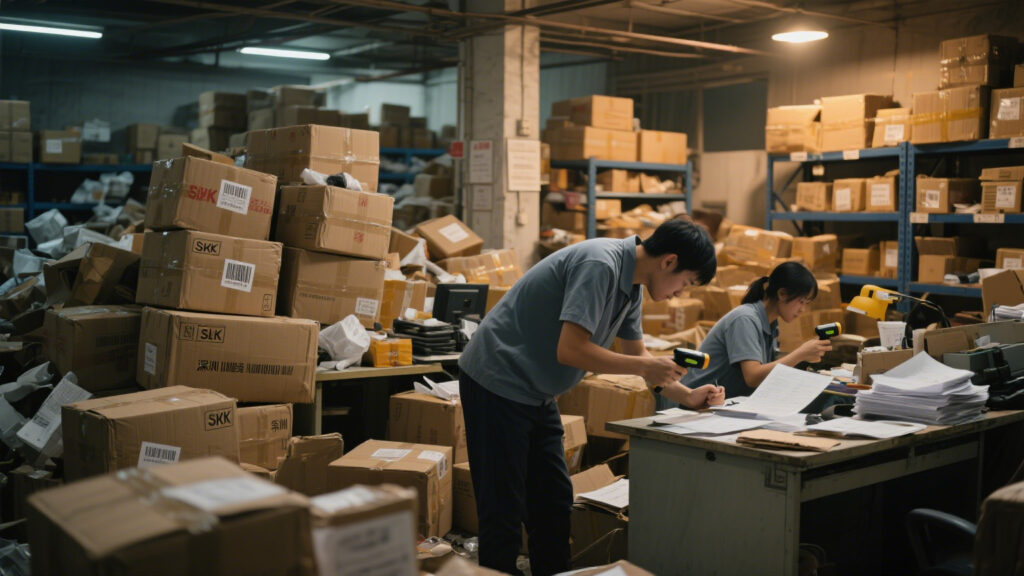
RFID works by reading electronic tags (Tags) attached to items using radio waves. Think of it as a barcode upgrade — except it doesn’t use “eyes” (barcode scanners) to see, but “ears” (readers) to listen.
In the industry, we usually talk about two types:
Here’s an industry secret: most factories dipping their toes into RFID start with passive tags. The moment a boss hears “You’ll need to replace batteries,” you can see the frown forming.
In retail trials, RFID boosted stock accuracy from 75% to over 95%. Sounds impressive, but let’s be real — you don’t get that on day one. In our Dongguan 3C warehouse pilot, the first three counts still had 5% errors. We later found it was because tags were slapped on randomly, with metal shelves blocking signals.
RFID’s most addictive feature? Bulk reads. Walk past a row of shelves and hundreds of tags go beep-beep-beep into the system. Compared to scanning items one by one with a barcode gun, it’s like taking a bullet train instead of a shared bike.
During a trial in a Suzhou warehouse, the client’s backend could track the real-time location of every box — like installing GPS inside the warehouse. This killed the classic “I can’t find it” excuse some pickers loved to use.
Honestly, this part isn’t plug-and-play. Yes, RFID integrates beautifully with WMS (Warehouse Management System) to automate receiving, stock-taking, and dispatch. But unless you get the system interfaces right, you’re just building a high-tech island.


RFID isn’t a magic wand — it won’t instantly wipe out stockouts, overstocking, or mis-shipments. But it will turn your inventory data from “guesswork” into “science.”
Personally, I think when tag prices drop another 30% and integration costs for SMEs are cut in half, RFID will be as common as barcodes today. By then, though, some newer black-tech will probably be ready to steal its spotlight. That’s the reality of supply chain: always chasing, always upgrading.
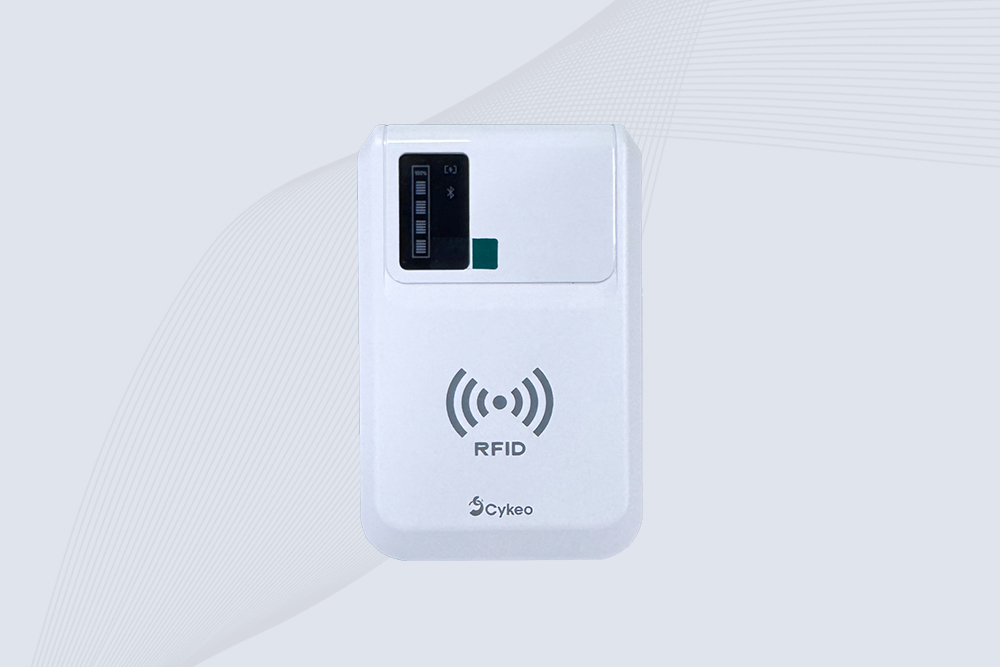
Cykeo CYKEO-B5L portable iPhone RFID reader features 8m range, 500 tags/sec scanning, and built-in 10000mAh charger. Perfect for retail/warehouse teams needing iOS integration.
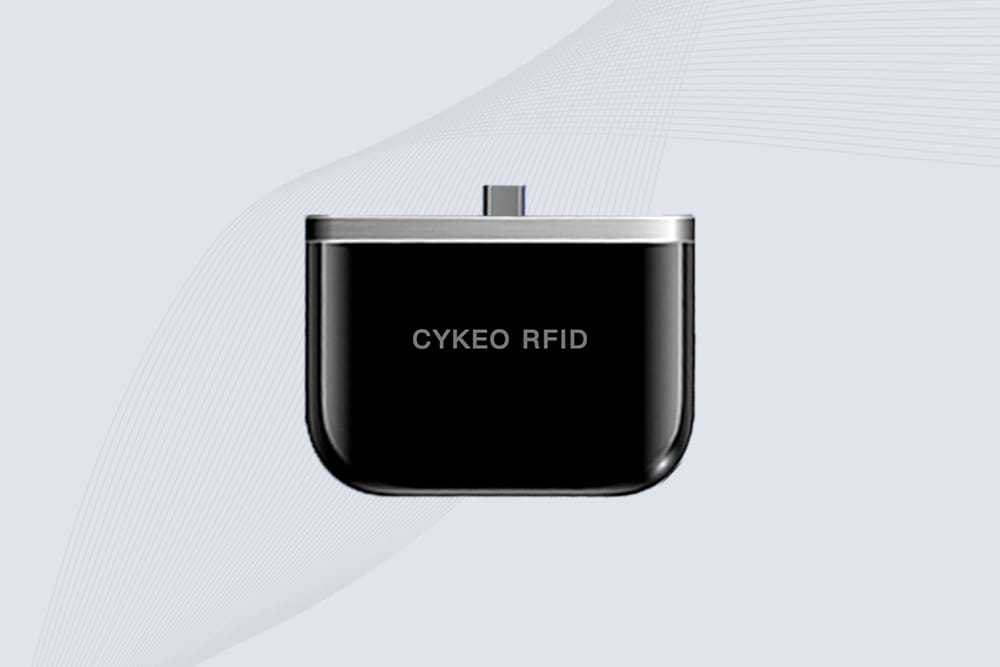
Cykeo CYKEO-B4L Android RFID reader features 37g magnetic phone attachment, 30cm UHF scanning, and Java/C# SDK for mobile asset tracking. Ideal for anti-counterfeit and warehouse verification.
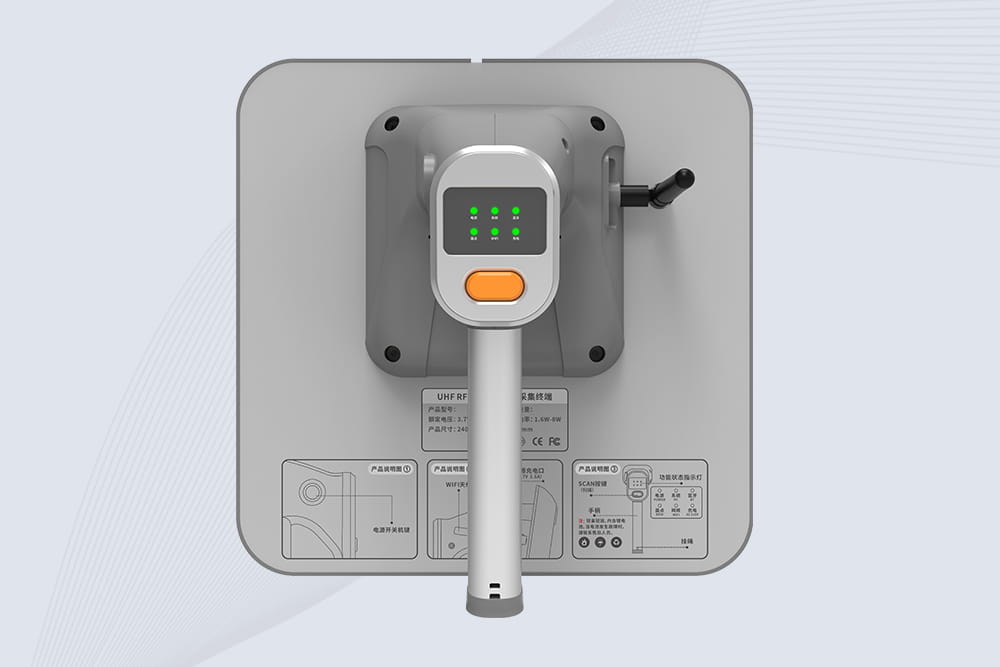
Cykeo CYKEO-B9 UHF Bluetooth handheld RFID scanner features 12m UHF range, 200+ tags/sec scanning, IP67 rugged design for retail/warehouse/pharma. Supports Android SDK & real-time Bluetooth 5.0 transmission.
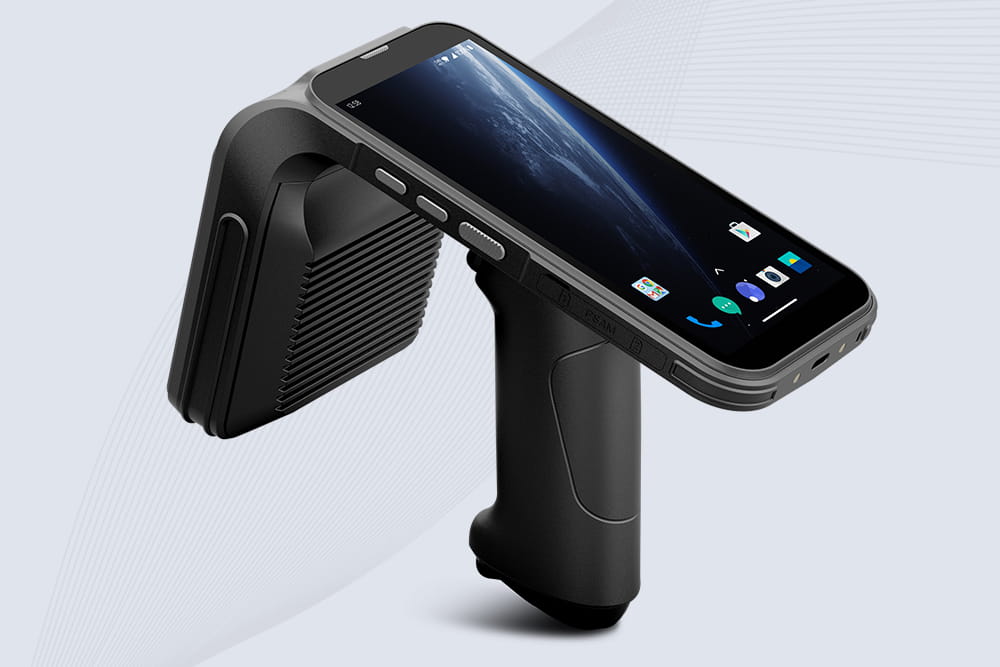
Cykeo CYKEO-B4 UHF Handheld RFID Reader scanner delivers 1300 tags/sec reading, 30m UHF range, and 12-hour battery life. IP65 rugged design with barcode/NFC/ID scanning for retail/manufacturing/logistics.
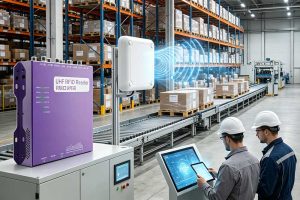
How RFID work explained with real technology insights. Learn how RFID tags, readers, and systems communicate for tracking, automation, and industrial applications.
More
Rewritable RFID tags for RFID software solution providers and developers
More
This article explores how RFID technology is used in asset management: the benefits, the common challenges, practical lessons learned from real-world projects, and strategies to improve success rates in different environments. Perfect for teams lo...
More
What does RFID stand for in retail? Learn how Radio Frequency Identification improves inventory accuracy, smart checkout, product tracking, and retail automation.
More