 Cykeo RFID IoT Solution Products R&D Manufacturer
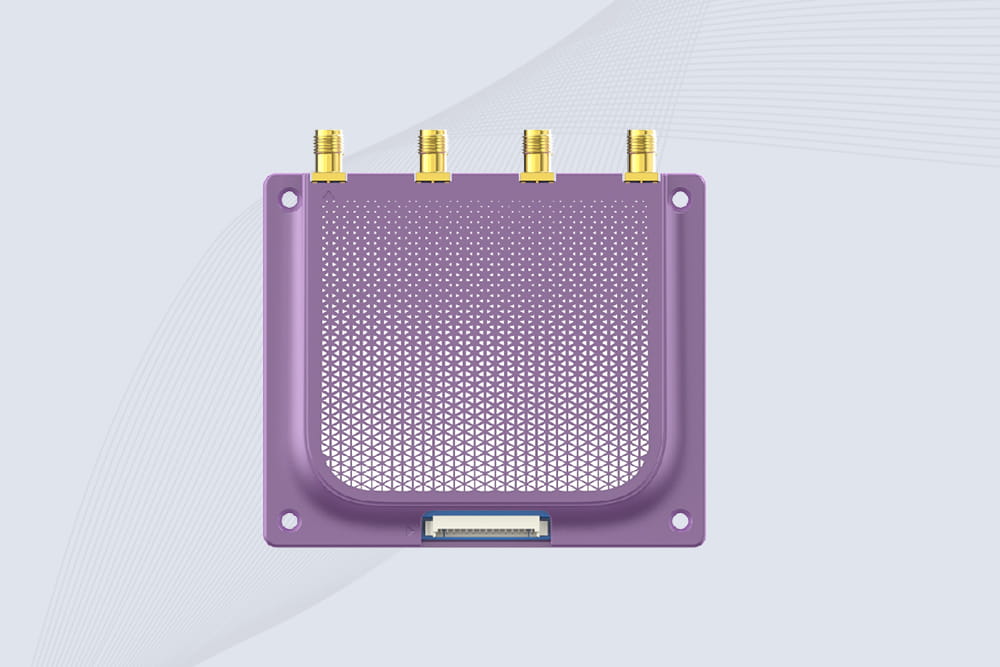
Choose High-Quality RFID Provider to Enhance Business Management Efficiency
1293RFID providers play crucial role in the application and promotion of this technology, offering comprehensive solutions that range from hardware to software.
MoreAll RFID Product
You’re tired of replacing batteries in hundreds of sensors. Worse, your boss keeps nagging about the company’s carbon footprint. Enter energy-harvesting RFID modules—the tech that powers IoT devices using sunlight, heat, or even vibrations. No batteries, no waste, no guilt. Let’s explore how these modules work and why they’re the future of sustainable IoT.

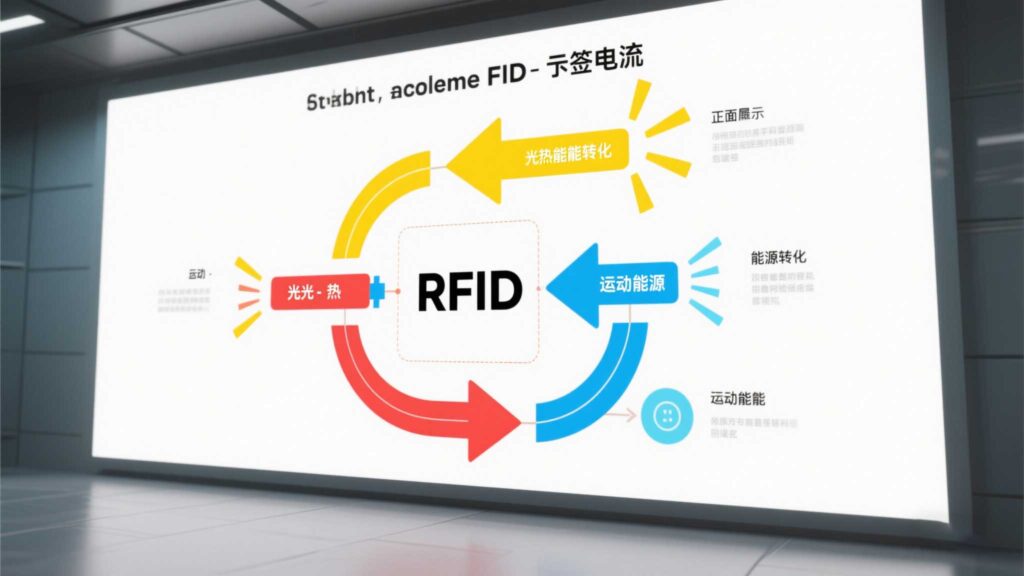
Energy-harvesting RFID modules convert ambient energy into power for tracking and data transmission. Think of them as solar panels for your sensors, but way cooler:
Real-World Win: Cykeo’s solar RFID tags monitor soil sensors in smart farms, lasting 5+ years without a single battery swap.
a. Zero Maintenance
b. Eco Credibility
c. Cost Savings
d. Extreme Durability
a. Smart Agriculture
b. Industrial IoT
c. Healthcare
Workaround: Hybrid modules (energy-harvesting + coin battery backup).
a. Match Energy Source to Your Environment
b. Check Power Thresholds
c. Test Read Range
d. Prioritize Certifications
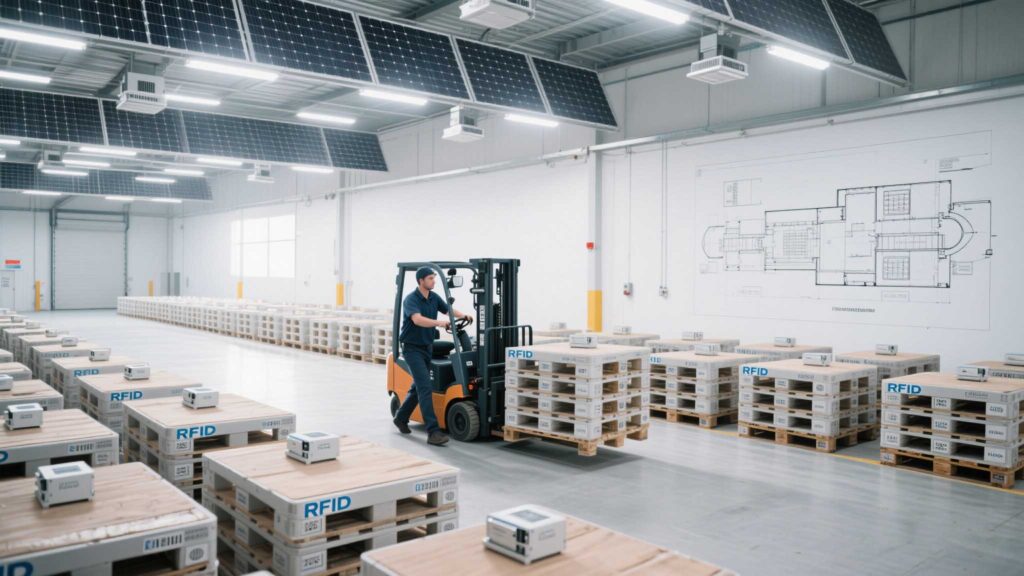
Takeaway: Energy-harvesting RFID isn’t sci-fi—it’s a practical fix for battery bloat. By tapping into free ambient energy, you’ll future-proof IoT deployments while ticking every sustainability checkbox. Start small: slap solar tags on outdoor equipment or thermal tags on HVAC systems. Mother Earth (and your CFO) will thank you.

RFID providers play crucial role in the application and promotion of this technology, offering comprehensive solutions that range from hardware to software.
More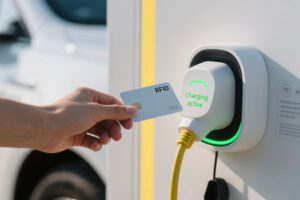
Discover how RFID cards for EV charging work: secure, tap-to-charge access without apps. Learn setup steps, benefits, and Cykeo’s compatibility tips.
More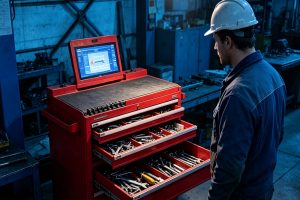
Struggling with tool loss in your factory? Discover how RFID tool cabinets help reduce tool loss by up to 90% with real-time tracking and access control.
More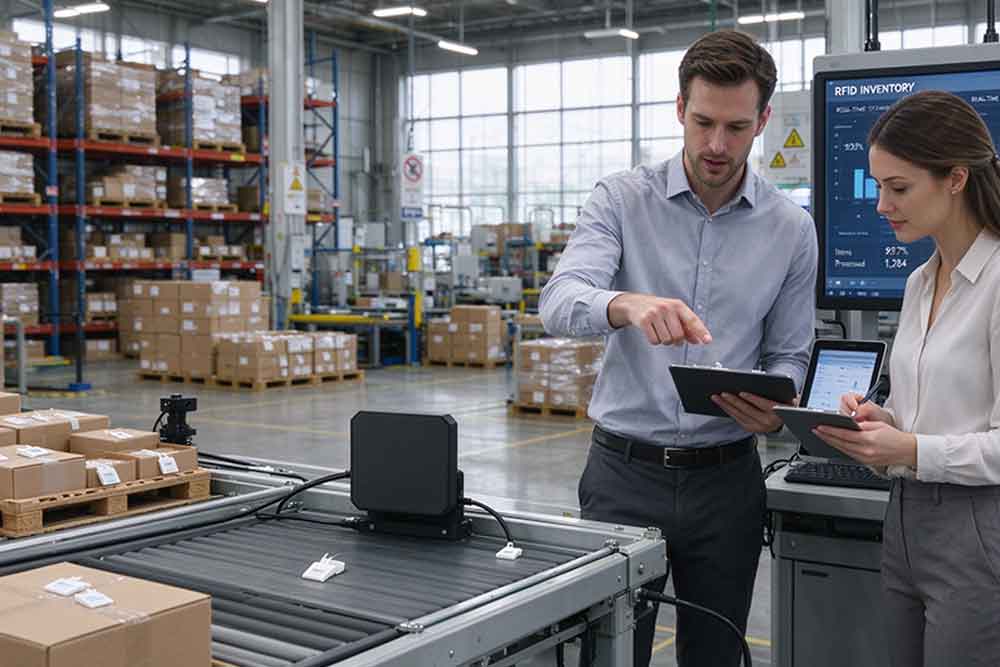
RFID connects physical assets with digital systems, enabling automated identification, tracking, and operational visibility when properly designed and deployed.
More