 Cykeo RFID IoT Solution Products R&D Manufacturer






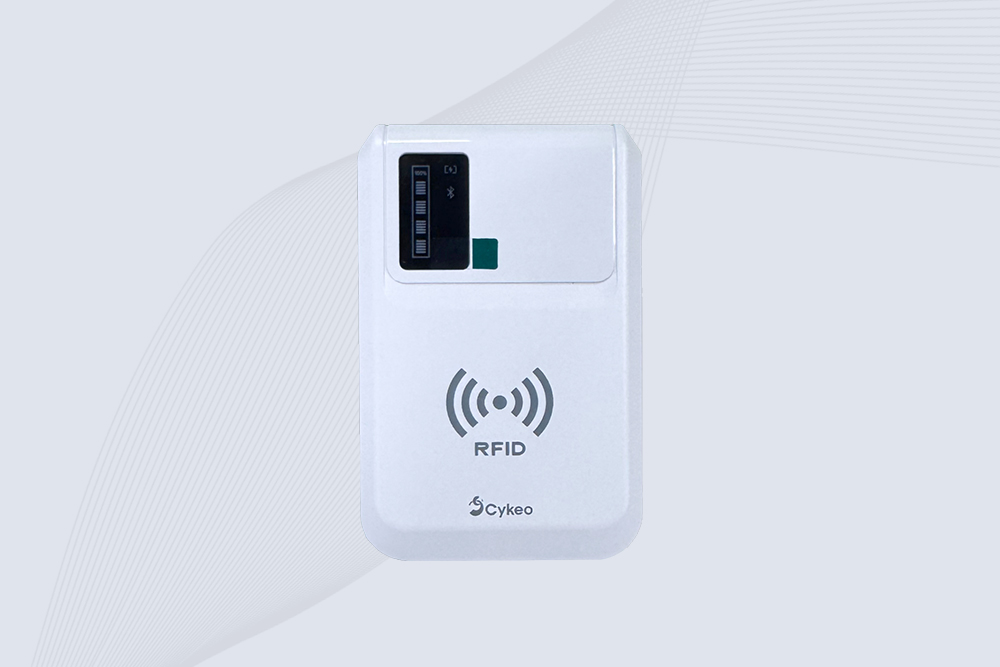




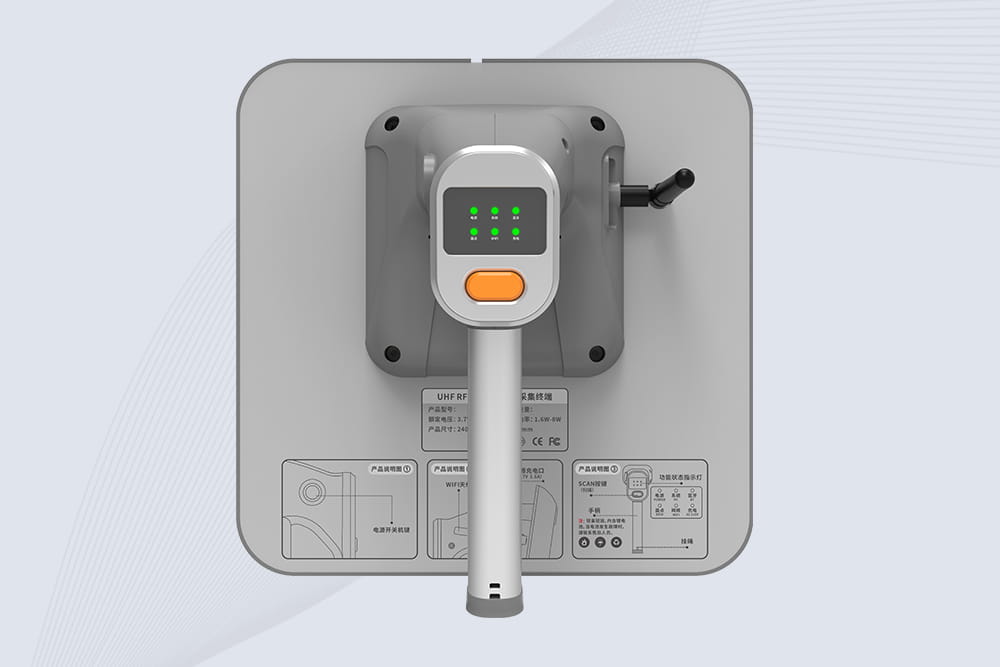
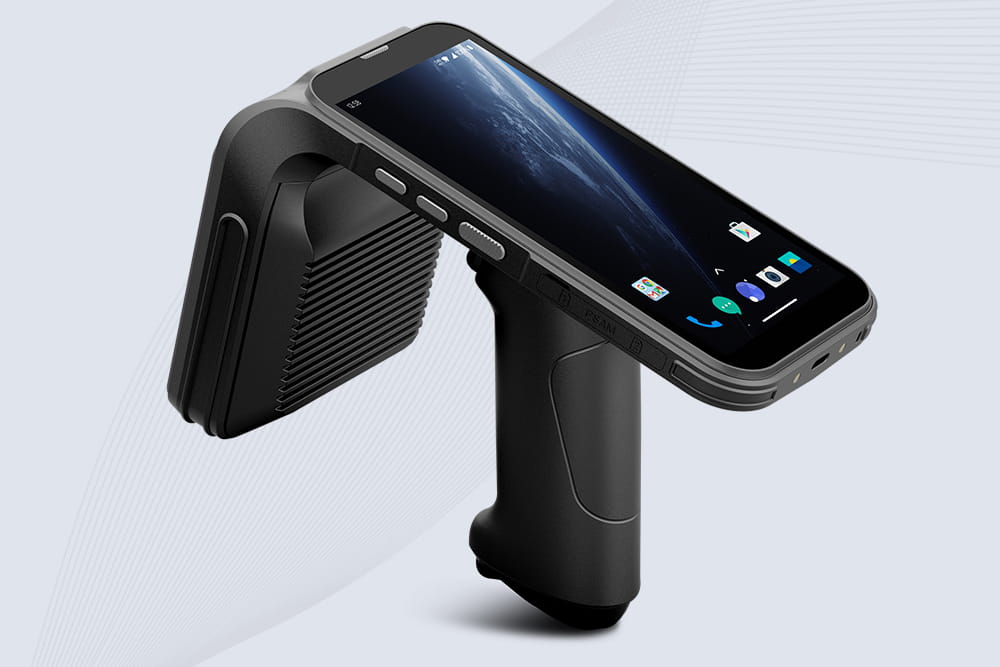
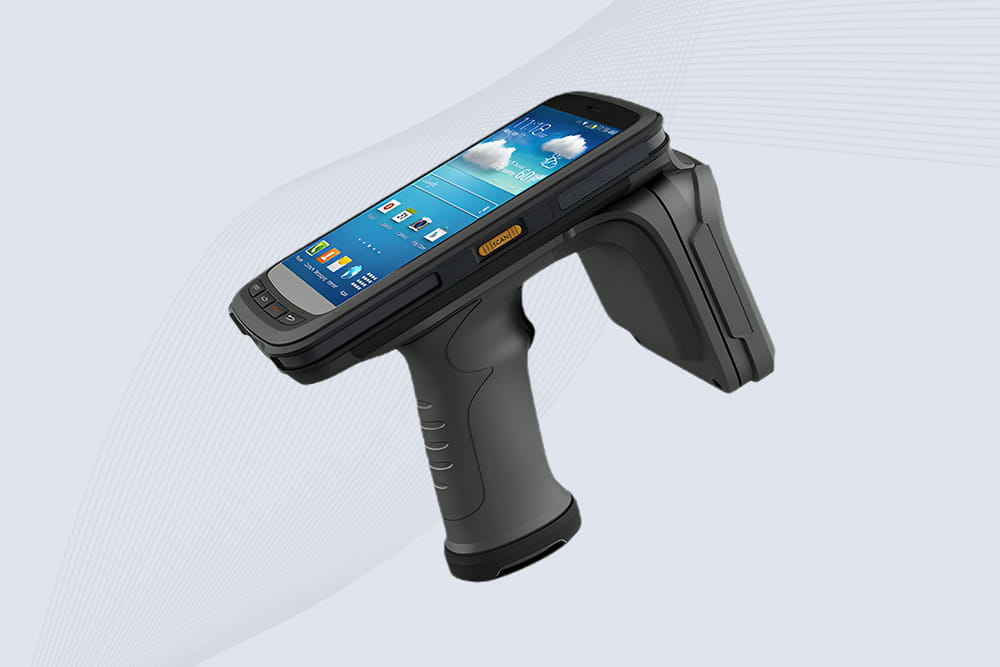




When Conducting a Records Inventory, a Portable RFID Reader Changes Everything.
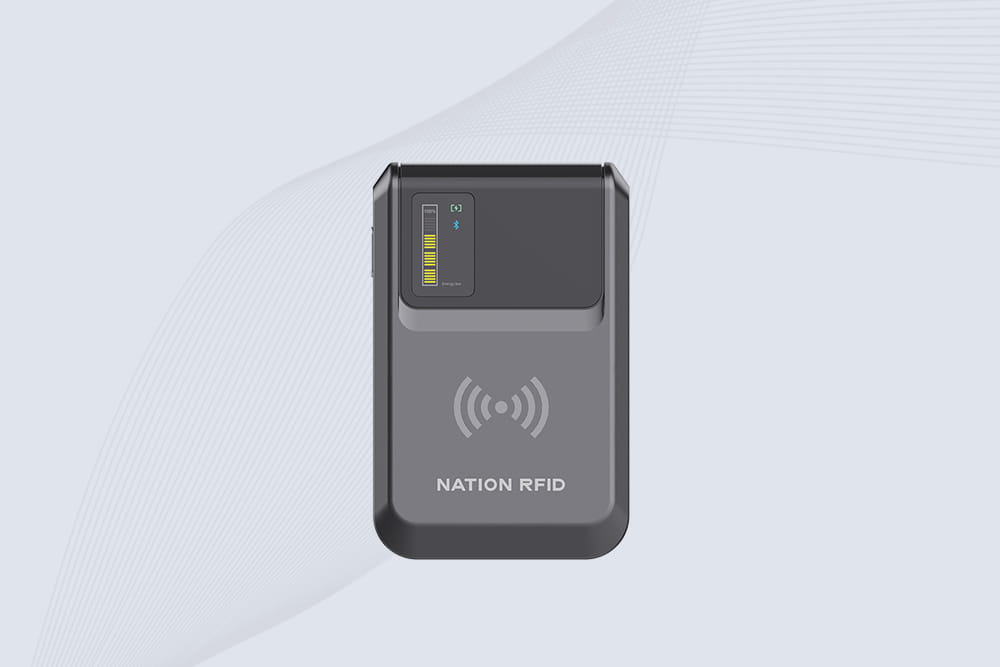
17Discover why when conducting a records inventory a portable RFID reader is transformative. Learn best practices for faster, more accurate audits.
MoreAll RFID Product
The logistics industry generates 1.9 billion tons of packaging waste yearly—enough to circle the globe 600 times. While RFID is famed for efficiency, its role in sustainability is often overlooked. From biodegradable tags to waste-free shipping routes, here’s how RFID is turning supply chains into circular economies.
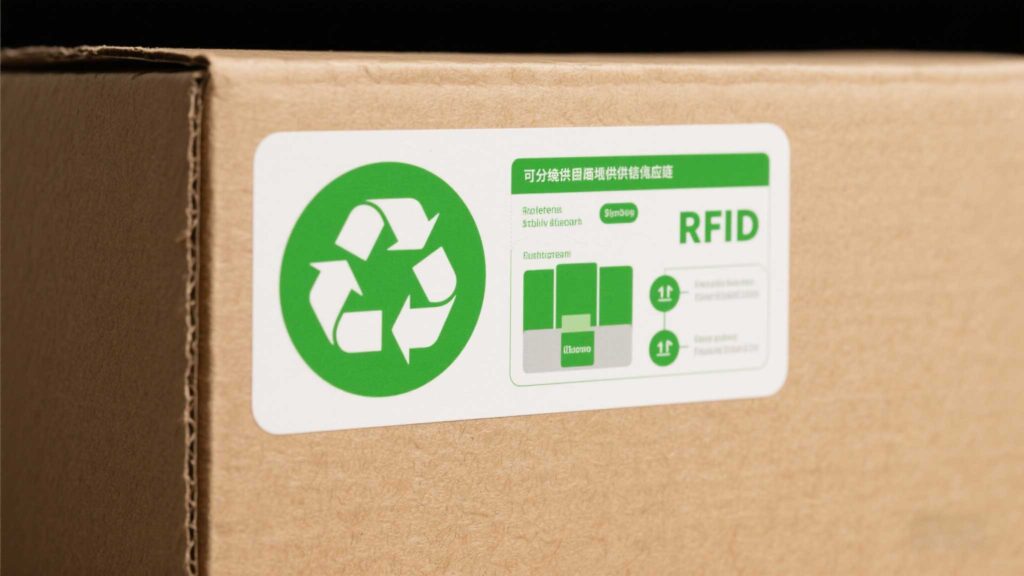
Excess packaging often stems from “just-in-case” padding to protect misrouted goods. RFID eliminates guesswork:
Single-use packaging dominates landfills. RFID enables reusable systems:
Traditional RFID tags contain plastics and metals. Innovations now offer:
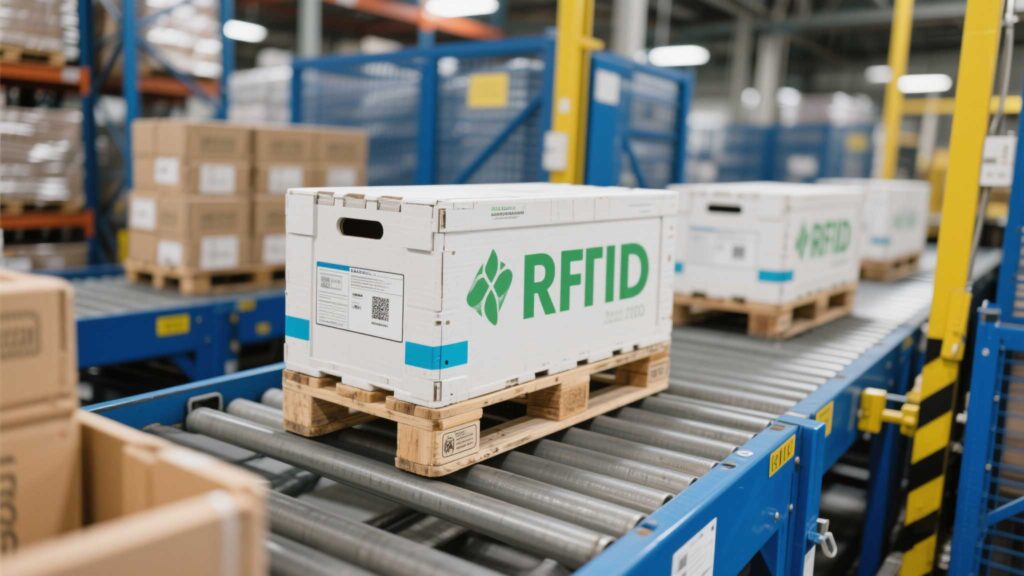
Idling trucks and redundant trips account for 15% of logistics emissions. RFID aids smarter routing:
Only 14% of plastic packaging is recycled due to sorting errors. RFID fixes this:
Cykeo’s Circular RFID Platform helps brands track packaging from factory to Recycling. A beverage company using it achieved 100% reuse of glass bottles, eliminating single-use labels.
Sustainable RFID isn’t about tree-hugging—it’s about profit preservation. By cutting waste fines, packaging costs, and fuel bills, eco-smart RFID systems pay for themselves while future-proofing against climate regulations. For businesses eyeing net-zero goals, this tech is the ultimate two-for-one: planet saved, margins secured.

Discover why when conducting a records inventory a portable RFID reader is transformative. Learn best practices for faster, more accurate audits.
More
Rfid School Attendance System, with its advanced technology and innovative management approach, is rapidly becoming a preferred choice in the education sector.
More
The aviation industry is known for its stringent safety requirements, where even the smallest detail can impact flight safety. However, traditional tool management methods often suffer from inefficiency and human error, posing significant...
More
Choosing between linear and circular polarized antennas for retail UHF RFID? We tested both in busy stores—see which cuts scan errors by 80%.
More