 Cykeo RFID IoT Solution Products R&D Manufacturer





RFID EPC in the Wild: What It Really Does
441Cut through the jargon. An engineer's plain-English guide to how the Electronic Product Code (EPC) acts as the brain of RFID, enabling true item intelligence beyond simple tracking.
MoreAll RFID Product
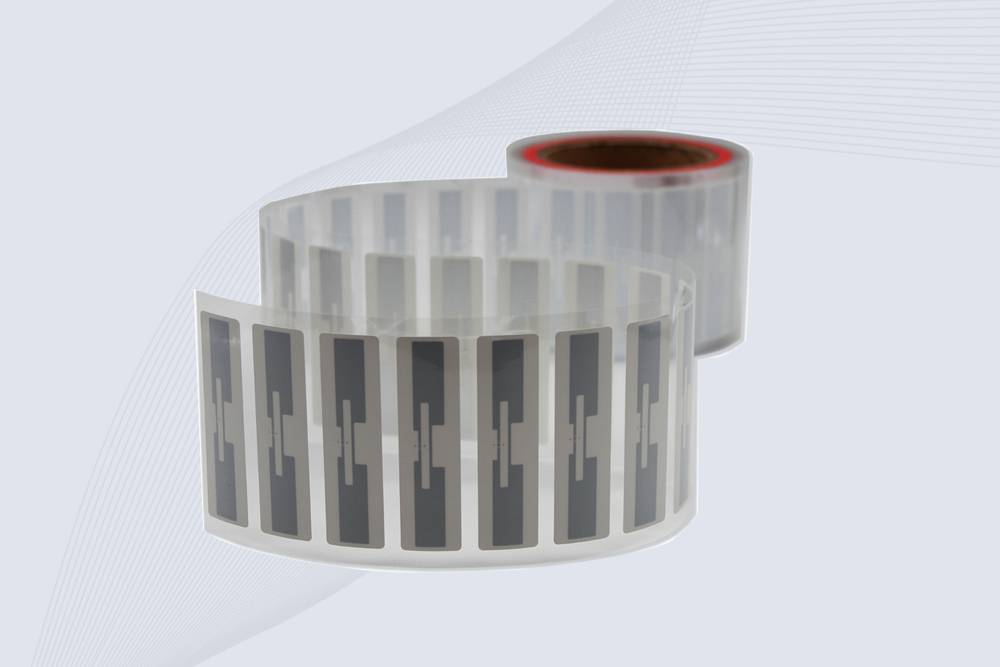
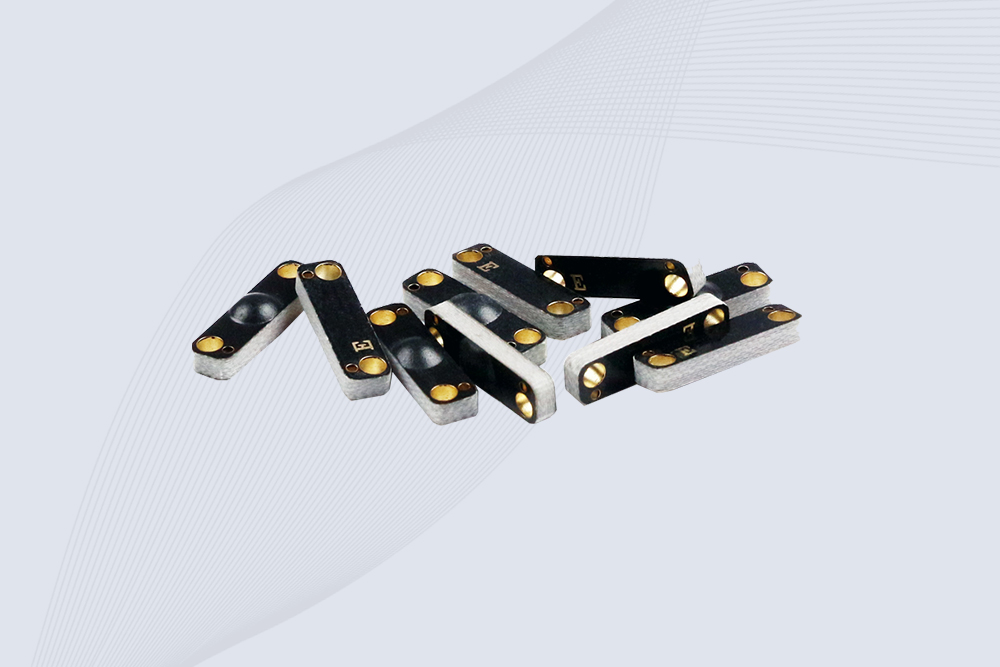
Yes, specialized RFID tags can operate in temperatures as low as -40°C and as high as 85°C, making them viable for cold chain logistics like frozen food transport, vaccine storage, and cryogenic applications. However, tag materials, adhesive strength, and antenna design must be engineered to handle thermal stress, condensation, and repeated freeze-thaw cycles. Below, we explain how to select and deploy RFID tags for sub-zero environments.
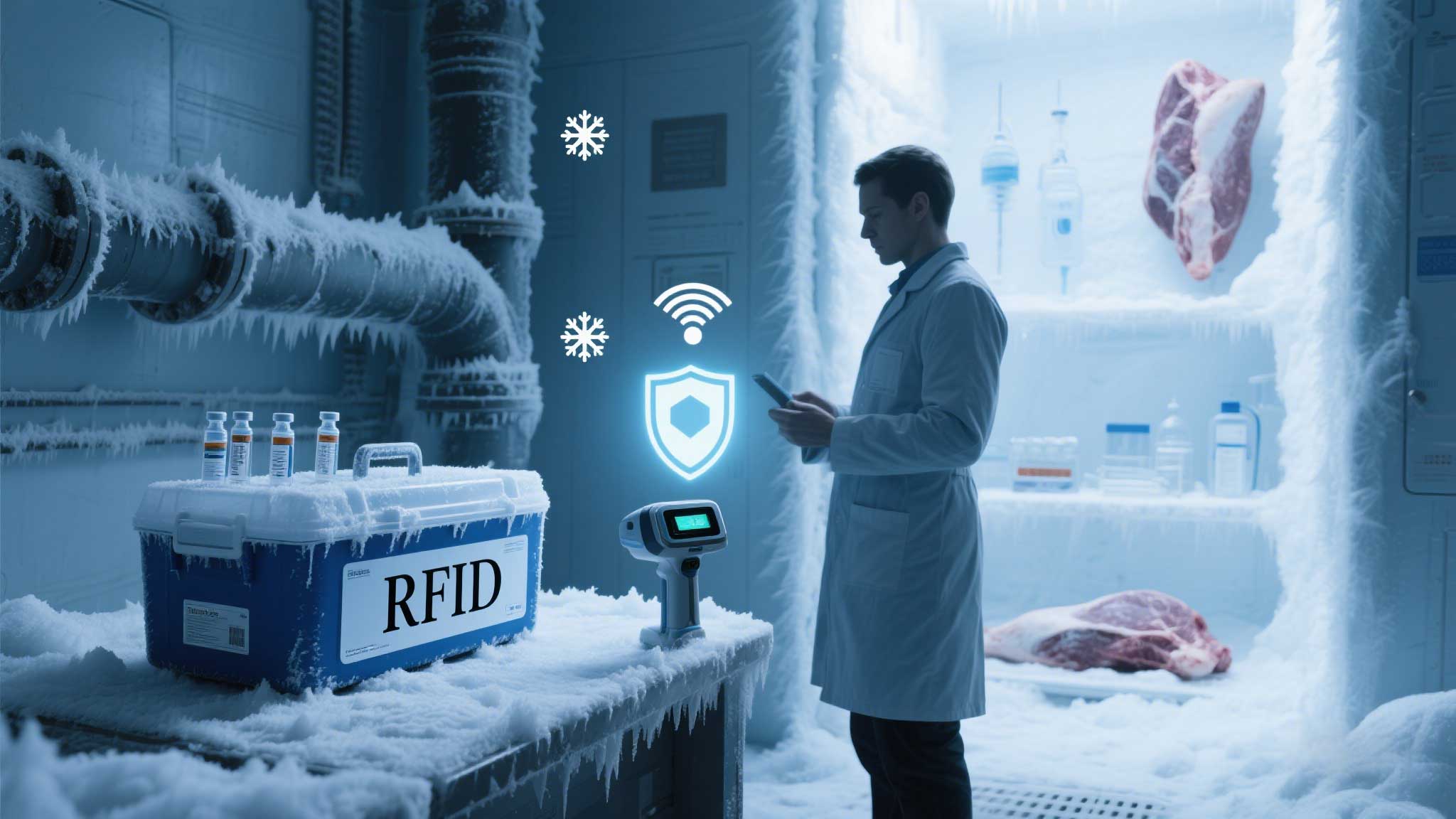
Cykeo’s freezer-grade tags use silicone encapsulation and ISO 10993-certified adhesives, proven in meat processing plants and biotech labs.
| Application | Typical Temp Range | RFID Performance Challenges |
|---|---|---|
| Frozen Food Storage | -25°C to -18°C | Condensation on tags during defrost cycles |
| Pharmaceutical Transport | -80°C (ultra-low) | Antenna detuning due to material contraction |
| Cryogenic Shipping | -196°C (liquid nitrogen) | Tag embrittlement and adhesive failure |
Solutions:
A Nordic seafood distributor reduced lost shipments by 45% using Cykeo’s tags to track pallets across -30°C freezer warehouses.
Cykeo’s tags undergo 1,000+ freeze-thaw cycles in validation labs and support dual-frequency operation (UHF/HF) to ensure readability even if ice buildup dampens UHF signals. Their cloud platform alerts users to temperature excursions or tag damage in real time.
Cut through the jargon. An engineer's plain-English guide to how the Electronic Product Code (EPC) acts as the brain of RFID, enabling true item intelligence beyond simple tracking.
More
Avoid costly RFID errors! Learn the top 5 antenna placement mistakes in industrial and retail settings—and practical fixes to ensure flawless tag reads.
More
Discover how RFID technology enhances agricultural traceability, reduces waste, and improves compliance. Learn how farms and food brands are leveraging RFID for safer, sustainable food supply chains.
More
Can I make my own RFID reader? Yes, with Arduino or Raspberry Pi for HF tags. But UHF is harder, and commercial deployment is a different game. Here's what to expect.
More