Honestly, when I first dealt with RFID tags, I thought, “It’s just a sticker, right? How hard can it be?” Turns out, I was dead wrong. One tag here and there? No problem. But when you hit hundreds, thousands, or tens of thousands… suddenly it’s a whole different game. That’s when “bulk RFID tags” go from nice-to-have to absolutely necessary.
But here’s the thing: buying in bulk doesn’t automatically save money. I’ve seen it go horribly wrong more times than I can count. You order a huge batch thinking you’re clever, and two months later half of them are useless because you didn’t check compatibility or environment.
Why People Buy Bulk RFID Tags
The first reason is obvious: price. You buy ten, it costs a few dollars each. You buy 5,000? Suddenly, the per-tag cost can drop by half—or so you think. But the catch is that cheap tags often have shorter lifespans, bad read ranges, or can’t survive your warehouse conditions. That “deal” can backfire.
The second reason is volume. A warehouse tracking hundreds of pallets, a store with thousands of items, or a factory with dozens of parts daily—you can’t make do with a handful of tags. And honestly, suppliers usually only let you customize tags—size, shape, pre-programming—once you hit big orders.
When Bulk Actually Makes Sense
From my experience, here’s where bulk works:
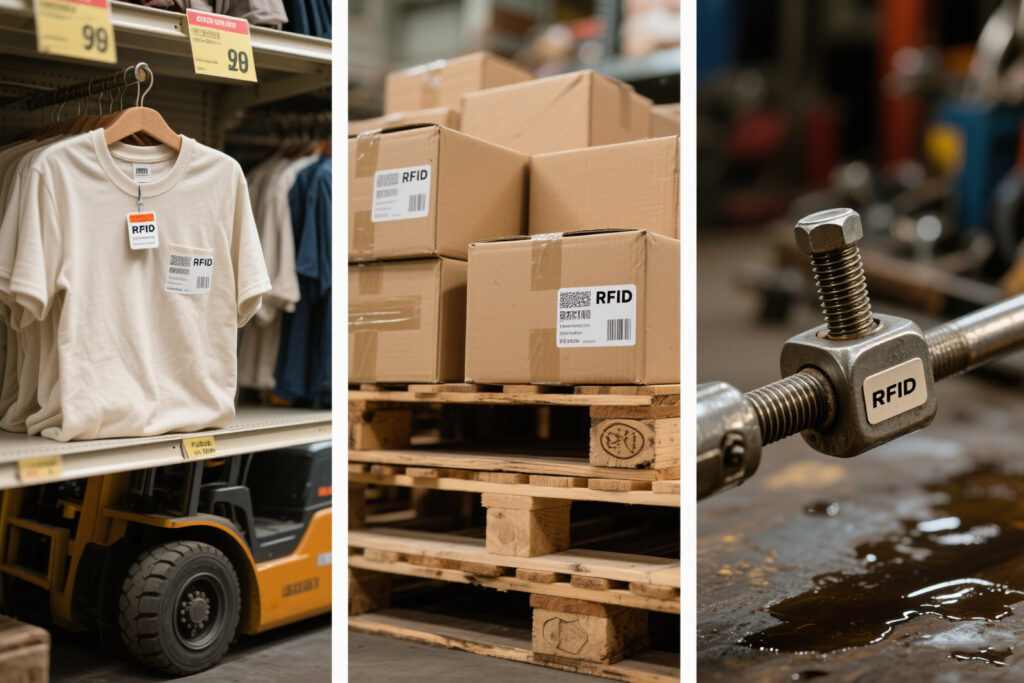
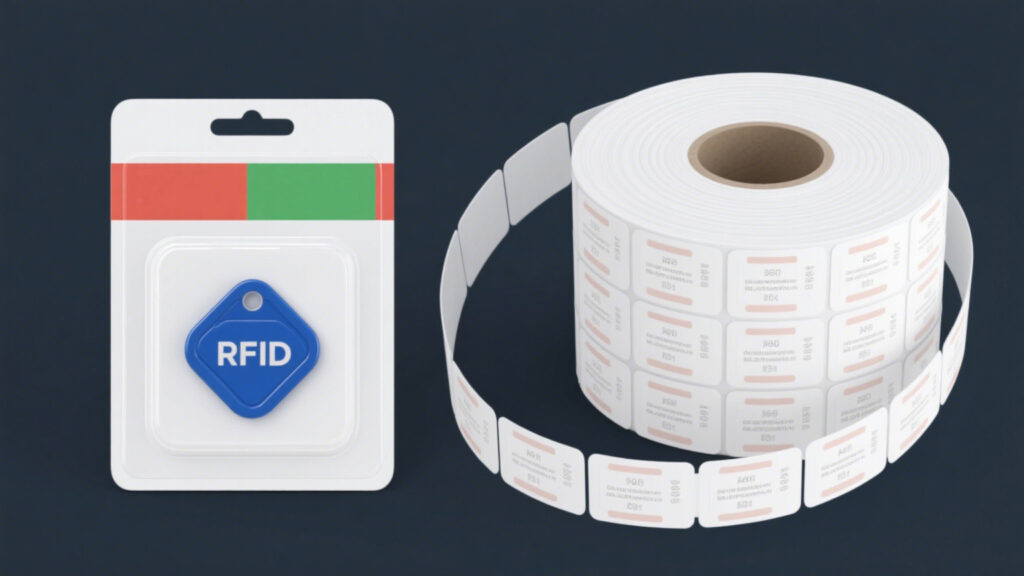
Warehouses & Logistics: I once watched a guy try to label 200 pallets with single tags. Took him three full days. Had he used rolls? Maybe three hours.
Retail: During peak season, stores need thousands of anti-theft tags. Buying piece by piece? Forget it—you’d lose your mind.
Manufacturing: Parts, tools, molds… one small factory I visited went through over 10,000 tags a month.
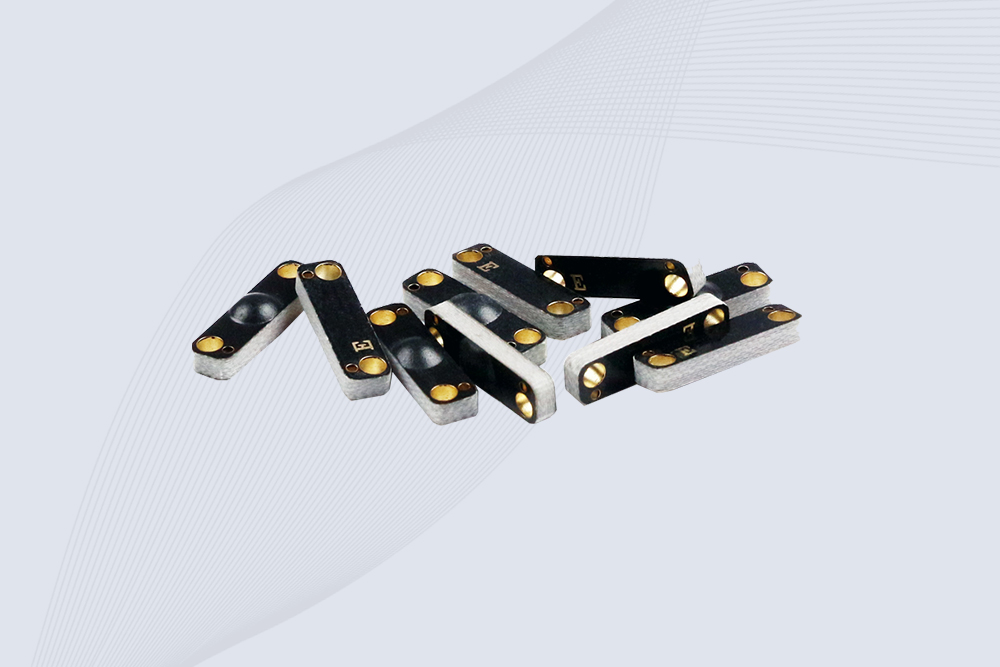
Harsh Environments: High heat, metal shelves, humidity—regular cheap tags just die. You need the right kind, and buying in bulk is the only way to make it worthwhile.
In short: bulk makes sense when you’re drowning in items and need a reliable system.
Common Pitfalls I’ve Seen
Here’s where people screw up:
Cheap tags look good on paper. One client bought 2,000 “great deal” tags. Half of them stopped working in weeks. Money wasted, time wasted.
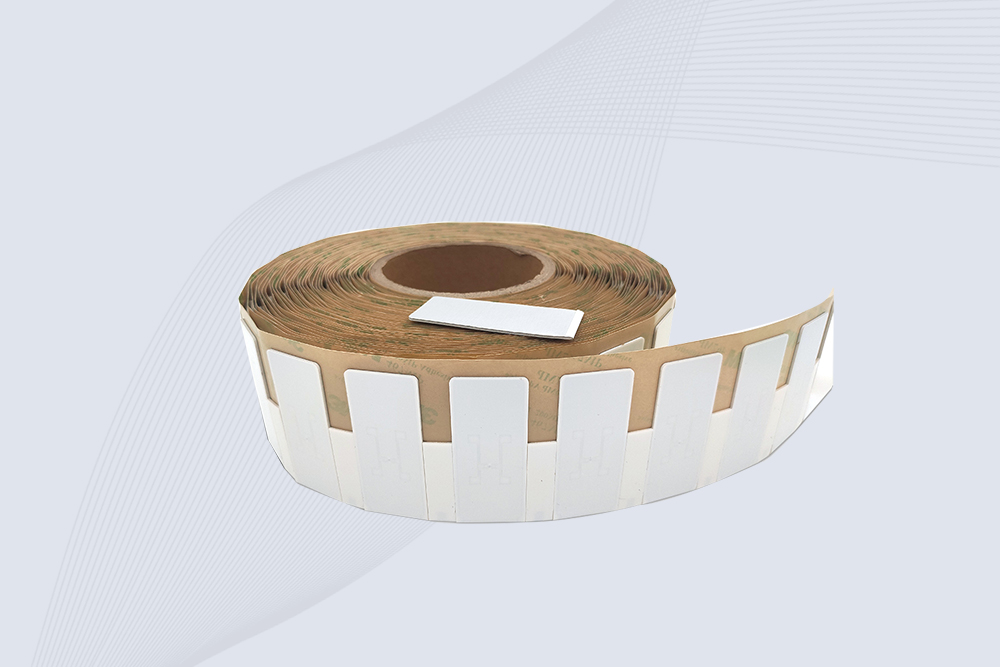
Printer headaches. Rolls don’t always fit the printer. You’d think that’s obvious—until you’ve got hundreds of useless tags sitting there.
Environment matters. Metal shelves, humid storage, or extreme temperatures can ruin normal tags. I’ve seen people buy a whole batch only to realize they don’t read at all.
So don’t just chase the lowest price. Compatibility and usage environment are way more important than most people think.
Choosing the Right Tags
Before you order, think:
Where will they live—metal, plastic, heat, moisture?
How far do they need to read—three inches or three meters?
Which frequency—UHF, HF, or NFC?
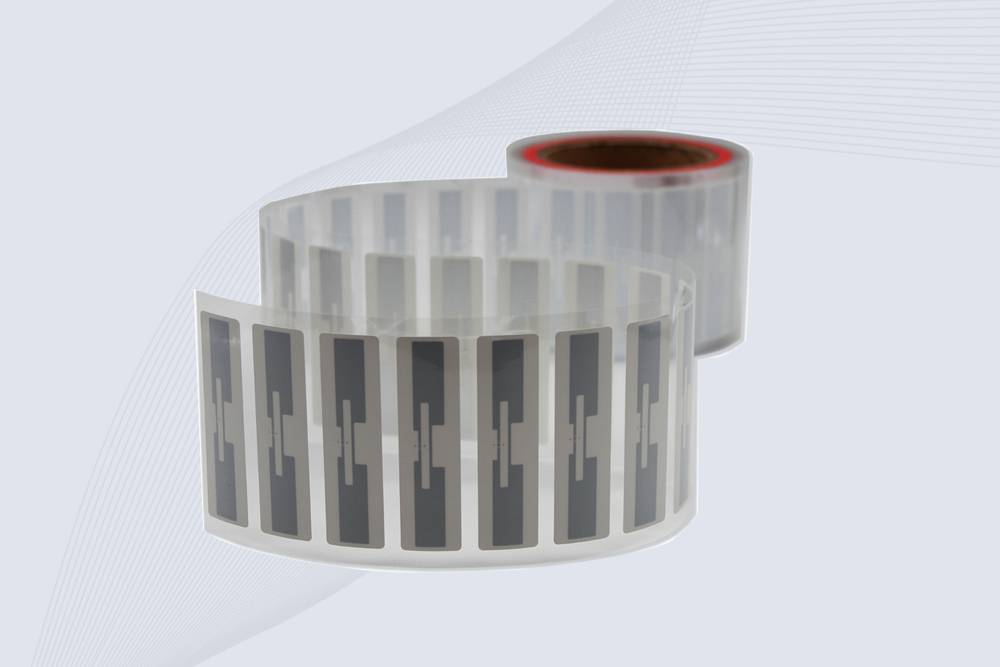
What type—bare inlay, sticker, or rugged?
A rule I follow: always test a small batch first. I’ve seen people order 50,000 tags at once. Half didn’t work. Disaster.
Writing Data to Bulk Tags
Most bulk tags arrive blank. Writing them one by one? Torture. Options I’ve seen work:
Print-and-encode in one step using a printer with an encoder.
Use a dedicated bulk encoder for entire rolls.
Some people even rig up their own system, because off-the-shelf solutions can’t keep up. One shop I saw could encode 10,000 tags in under an hour—brilliant, but definitely overkill for most people.
Bottom Line
Bulk RFID tags aren’t a magic way to save money. Here’s what really matters:
Are they being used in the right environment?
Will your existing equipment actually read them?
Have you thought through printing and bulk encoding?
If you think it through, bulk tags can save you money and headaches. Ignore these points, and you’ll end up with thousands of useless stickers staring back at you. I’ve been there.
CYKEO Passive RFID Tags are made for wet and high-humidity environments where standard labels do not last. This rfid passive tag is often used around liquids, chemicals and temperature changes, providing stable reading distance and long data life for industrial tracking.
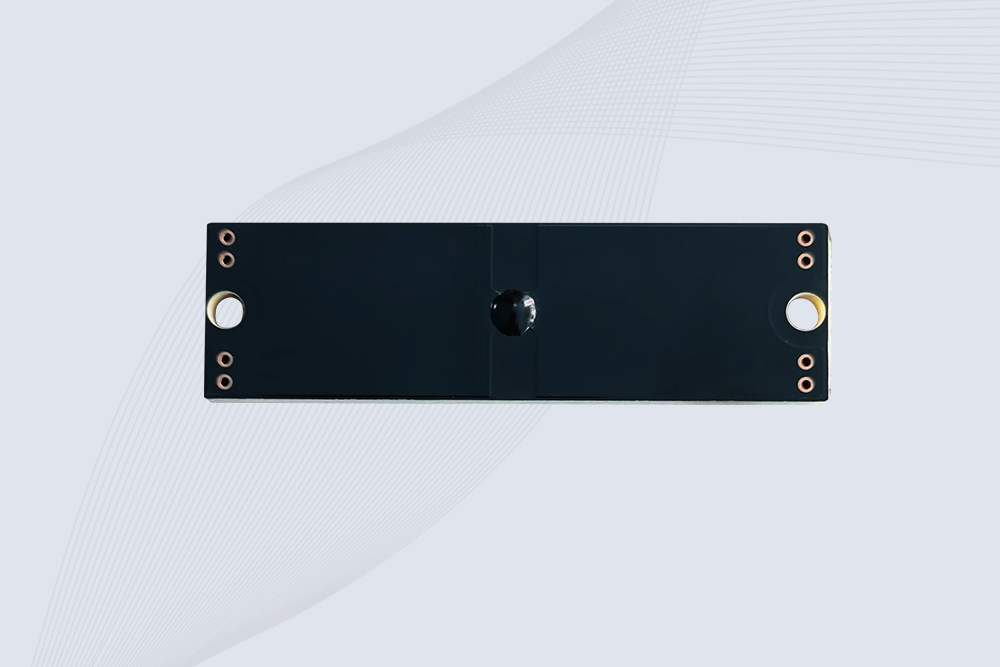
CYKEO CK-BQ1504 Metal RFID Tags is a compact anti-metal UHF RFID solution built for direct mounting on metal surfaces. With stable 8-meter read range, Ucode-8 chip, and long data retention, this rfid metal tag fits tools, containers, automotive parts, and industrial asset tracking.
CYKEO CK-BQ7020 On-Metal RFID Tags are designed for reliable tracking on steel and metal surfaces. Built with an FR4 epoxy body and industrial-grade chips, these On-Metal RFID Tags deliver stable performance, long data life, and chemical resistance, making them a dependable RFID anti-metal tag for harsh environments.
The CYKEO CK-BQ6025 Anti-Metal RFID Tag is built for metal surfaces where standard tags fail. Designed for long-range performance, harsh environments, and stable data retention, this Anti-Metal RFID Tag is ideal for industrial assets, containers, and equipment tracking using on metal RFID tags.
Ever wonder how an RFID reader actually works? This article breaks it down in a human way — how the reader talks to tags, what happens in warehouses or metro gates, and why it’s quietly powering daily life everywhere.
New to RFID? Our practical guide on how to use an RFID reader covers setup, scanning, configuration, and integrating tag data into your workflows with CYKEO systems.
Need to read your RFID card number? This no-nonsense guide shows you the fastest methods, from simple USB readers to professional tools, and explains what the number means.
RFID tunnel machine, a cutting-edge technology in modern logistics, is transforming the way warehouses are managed. It is more than just a simple tool; it’s a vital solution to improving warehouse efficiency. By leveraging RFID (Radio Frequ...
 Cykeo RFID IoT Solution Products R&D Manufacturer