When people talk about a hospital parking system using RFID, most of the time it sounds clean on paper but messy in reality. Hospitals are not clean lab environments. You’ve got ambulances rushing in, staff coming in at weird hours, visitors who don’t know where they’re going, and IT systems that were installed… let’s say, a long time ago.
So when I look at a fixed RFID reader for this kind of project, I’m not asking “what’s the max read range?” first. I’m asking: Will this thing fight me during integration?
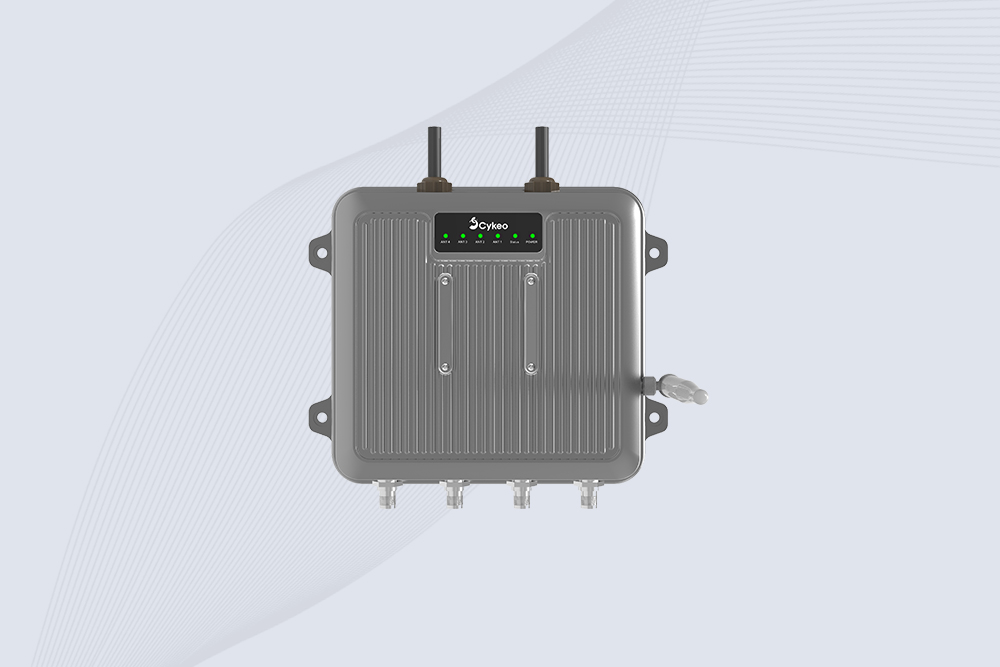
That’s where the CYKEO fixed RFID reader actually surprised me.
Why hospitals are a different animal for RFID parking
You’ll notice pretty quickly that hospitals care less about flashy features and more about flow. Vehicles must move. No hesitation. No second scan. No “please reverse and try again.”
In a real hospital parking system using RFID, you’re usually dealing with:
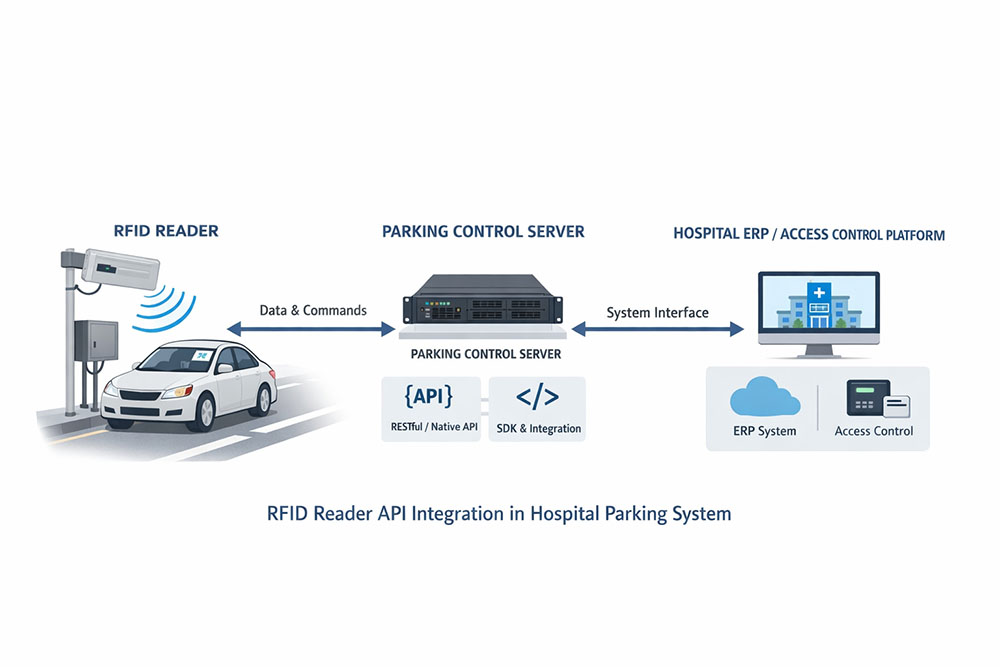
Existing access control or ERP systems that cannot be replaced
Tight lanes, metal structures, and unpredictable RF reflections
I didn’t think frequency flexibility would matter much at first — but later I realized how critical it is. The 840–960 MHz range gives you room to tune behavior depending on region, tag type, and antenna layout. That flexibility saves time on-site. A lot of it.
The part integrators actually care about: integration
This is where things usually break. Not at the hardware level — but at software.
What I like here is that CYKEO didn’t lock the reader into some weird closed ecosystem.
You get:
RESTful API
Native API, which matters more than people admit
Support for IoT and ERP integration without ugly workarounds
Development in Java and C#, which honestly covers most enterprise environments
You’ll find that when you’re integrating into a hospital system, REST alone isn’t always enough. Sometimes the parking platform wants direct control, sometimes the hospital IT insists on native hooks. Having both options avoids a lot of uncomfortable meetings.
And yes, there’s a secondary development SDK. Not a marketing “SDK”, but an actual toolkit for custom firmware behavior and application-level control. I didn’t expect to use it at first — but later, when we needed custom filtering logic at the reader level, it suddenly mattered.
What it feels like in a real parking lane
Here’s the moment that sold it for me.
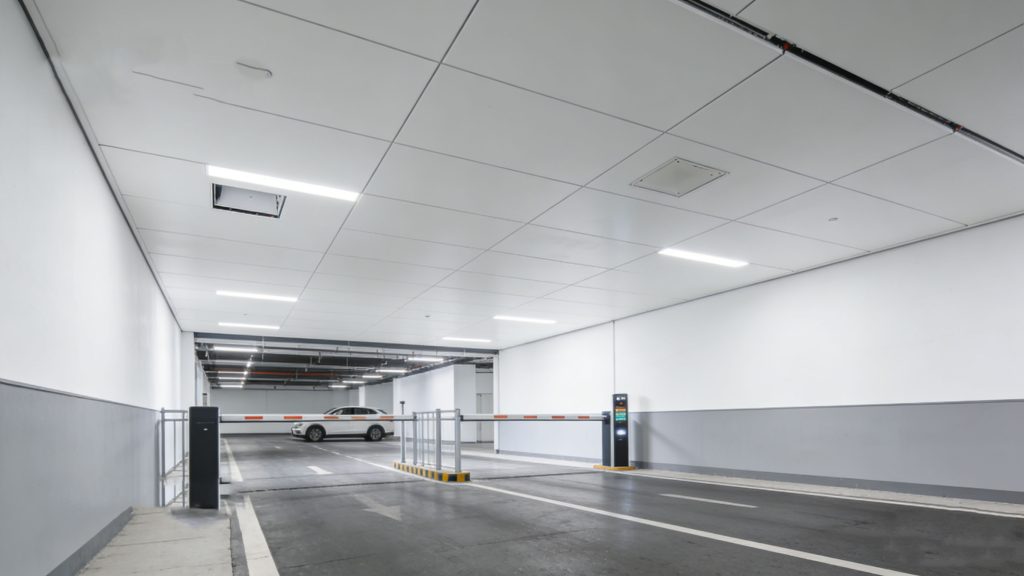
A vehicle rolls in. Not fast, not slow. Tag is on the windshield, slightly off-angle. Metal canopy overhead. Other cars nearby.
The reader just… reads it. No drama. No retries. Gate opens.
You’ll notice that kind of reliability only when it doesn’t fail. That’s the point.
And when you connect that behavior to the backend logic — staff whitelist, emergency vehicle priority, time-based rules — the system starts to feel invisible. Which is exactly what hospitals want.
I didn’t expect to like this reader as much as I do. At first glance, it’s “just another fixed RFID reader.” But once you put it inside a hospital parking system — where timing, reliability, and software compatibility actually matter — it behaves like something designed by people who’ve been there before.
If you’re building or upgrading a hospital parking system using RFID, especially as a system integrator or solution provider, this is the kind of device that stays out of your way. And sometimes, that’s the highest compliment you can give hardware.
A Fixed RFID Reader That Actually Fits a Hospital Parking System (From an Integrator’s Point of View)
I’ll be honest. When people talk about a hospital parking system using RFID, most of the time it sounds clean on paper but messy in reality. Hospitals are not clean lab environments. You’ve got ambulances rushing in, staff coming in at weird hours, visitors who don’t know where they’re going, and IT systems that were installed… let’s say, a long time ago.
So when I look at a fixed RFID reader for this kind of project, I’m not asking “what’s the max read range?” first. I’m asking: Will this thing fight me during integration?
That’s where the CYKEO fixed RFID reader actually surprised me.
Why hospitals are a different animal for RFID parking
You’ll notice pretty quickly that hospitals care less about flashy features and more about flow. Vehicles must move. No hesitation. No second scan. No “please reverse and try again.”
In a real hospital parking system using RFID, you’re usually dealing with:
Existing access control or ERP systems that cannot be replaced
Tight lanes, metal structures, and unpredictable RF reflections
I didn’t think frequency flexibility would matter much at first — but later I realized how critical it is. The 840–960 MHz range gives you room to tune behavior depending on region, tag type, and antenna layout. That flexibility saves time on-site. A lot of it.
The part integrators actually care about: integration
This is where things usually break. Not at the hardware level — but at software.
What I like here is that CYKEO didn’t lock the reader into some weird closed ecosystem.
You get:
RESTful API
Native API, which matters more than people admit
Support for IoT and ERP integration without ugly workarounds
Development in Java and C#, which honestly covers most enterprise environments
You’ll find that when you’re integrating into a hospital system, REST alone isn’t always enough. Sometimes the parking platform wants direct control, sometimes the hospital IT insists on native hooks. Having both options avoids a lot of uncomfortable meetings.
And yes, there’s a secondary development SDK. Not a marketing “SDK”, but an actual toolkit for custom firmware behavior and application-level control. I didn’t expect to use it at first — but later, when we needed custom filtering logic at the reader level, it suddenly mattered.
What it feels like in a real parking lane
Here’s the moment that sold it for me.
A vehicle rolls in. Not fast, not slow. Tag is on the windshield, slightly off-angle. Metal canopy overhead. Other cars nearby.
The reader just… reads it. No drama. No retries. Gate opens.
You’ll notice that kind of reliability only when it doesn’t fail. That’s the point.
And when you connect that behavior to the backend logic — staff whitelist, emergency vehicle priority, time-based rules — the system starts to feel invisible. Which is exactly what hospitals want.
I didn’t expect to like this reader as much as I do. At first glance, it’s “just another fixed RFID reader.” But once you put it inside a hospital parking system — where timing, reliability, and software compatibility actually matter — it behaves like something designed by people who’ve been there before.
If you’re building or upgrading a hospital parking system using RFID, especially as a system integrator or solution provider, this is the kind of device that stays out of your way. And sometimes, that’s the highest compliment you can give hardware.
CYKEO Embedded RFID Modules are designed for compact industrial and IoT devices that require stable UHF performance. These UHF RFID Modules support global protocols, flexible power control, and reliable multi-tag reading for smart cabinets, production lines, and asset tracking systems.
CYKEO Embedded RFID Module is built for compact IoT and industrial devices that need stable UHF performance. This UHF module supports global protocols, low power operation, and reliable multi-tag reading for smart lockers, production lines, and always-on RFID systems.
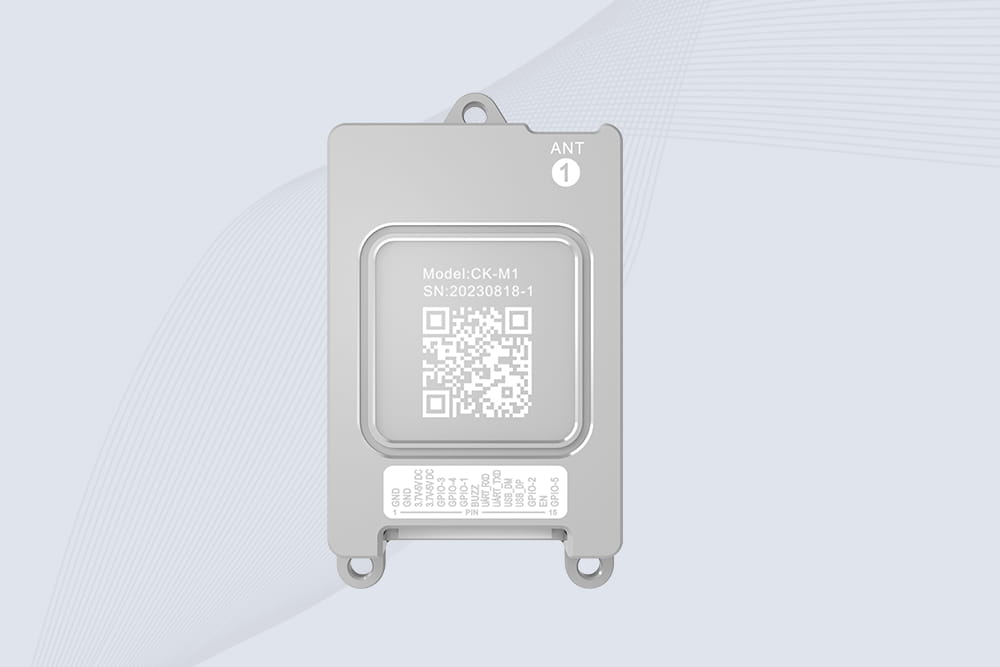
CYKEO CK-M1 drone rfid module is a compact UHF RFID reader module designed for drones and UAV platforms. It supports long-range aerial scanning, fast multi-tag reading, and stable performance in wind, vibration, and outdoor environments.
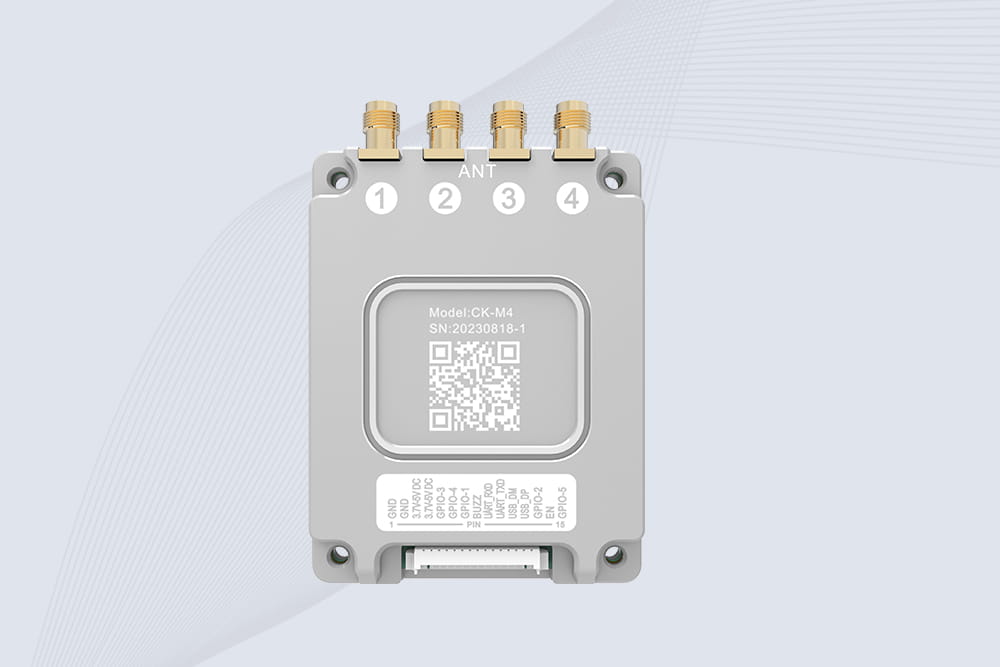
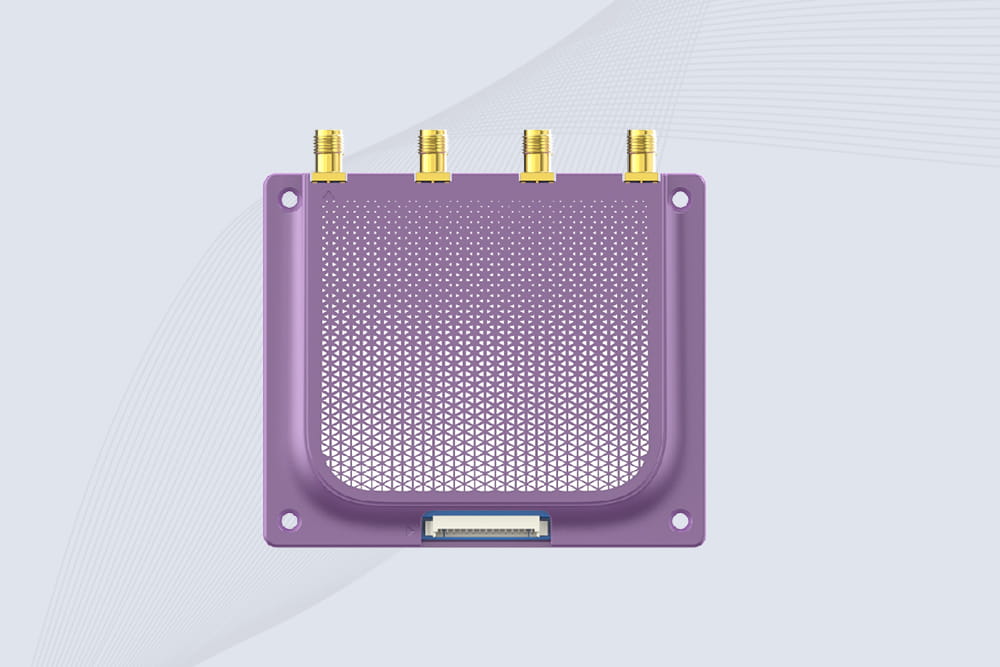
CYKEO CK-M4 RC522 RFID Module is an industrial-grade UHF RFID reader with 4 ports, supporting ISO, EPC, and GB protocols. High-speed, accurate reading for IoT, automation, and warehouse applications.
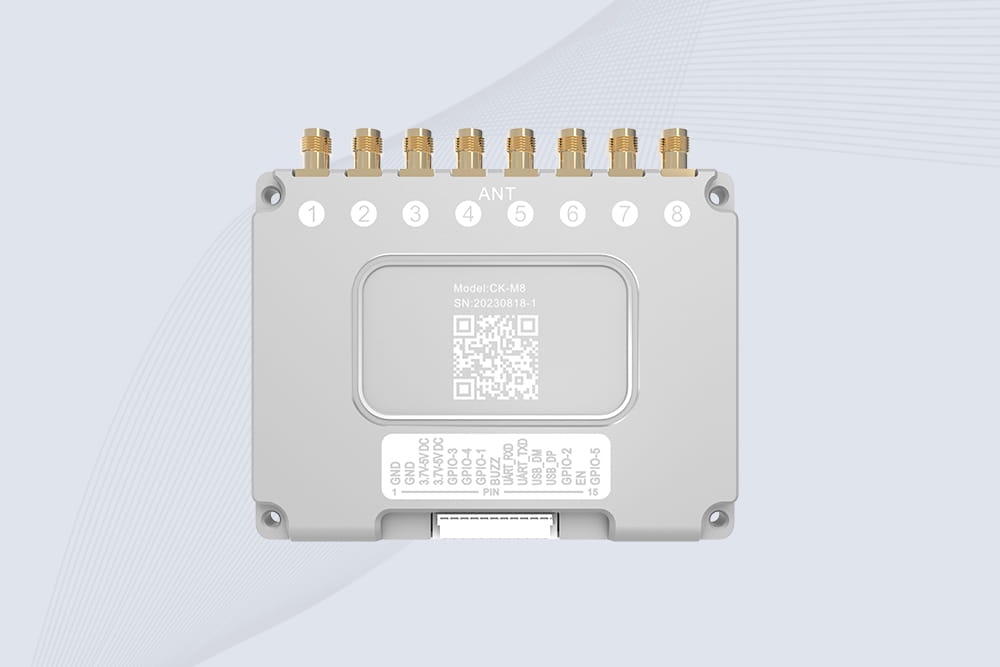
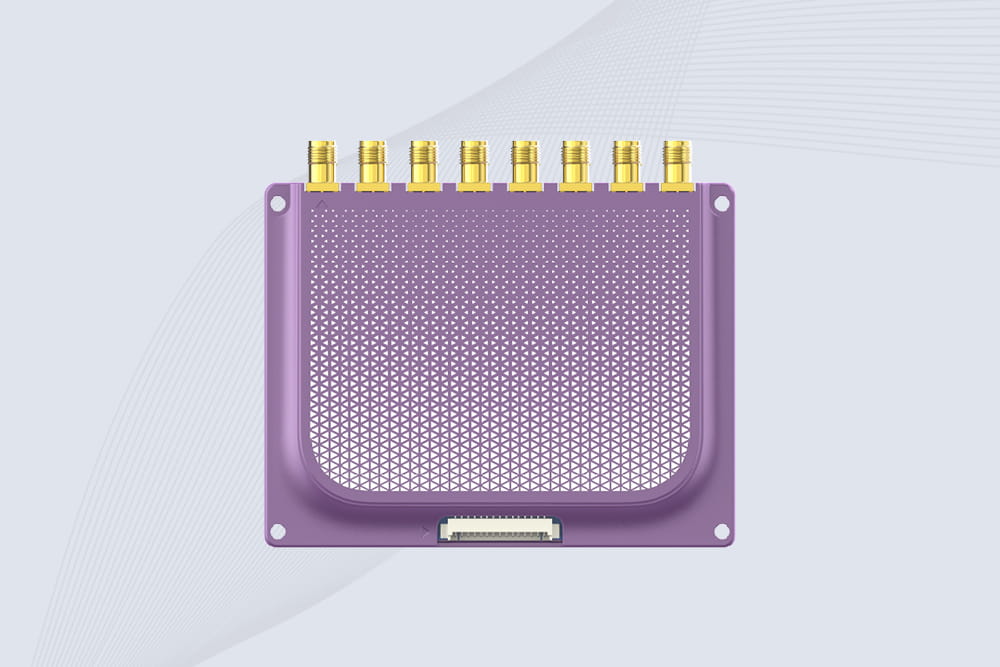
CYKEO CK-M8 Module RFID is an 8-port UHF R2000 RFID Module designed for high-density, multi-tag environments. Stable 33dBm output, ISO & GB protocol support, ideal for warehouses, factories, and automated systems.
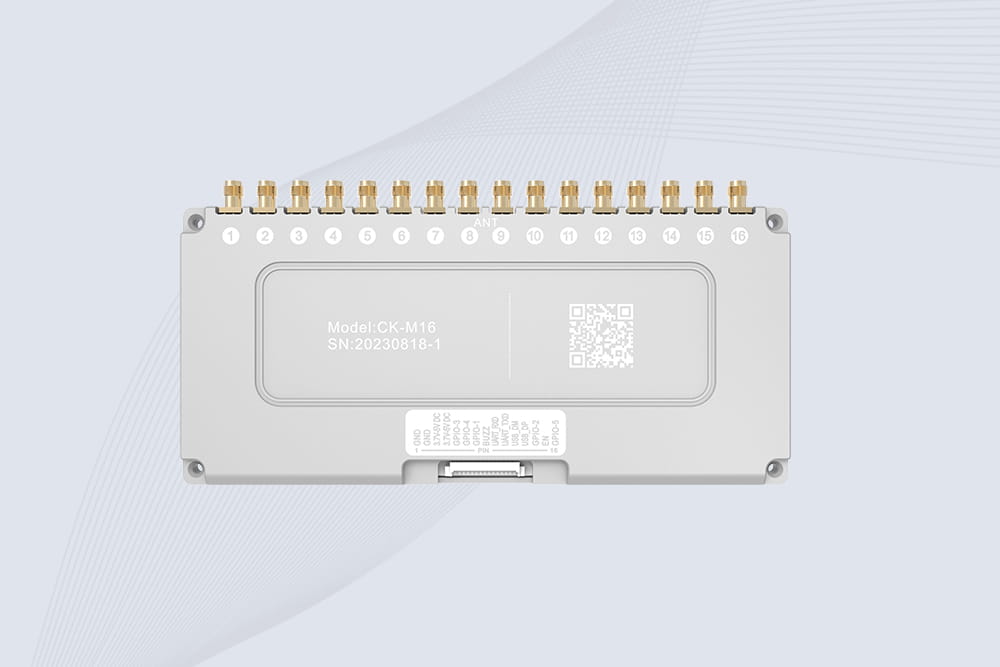
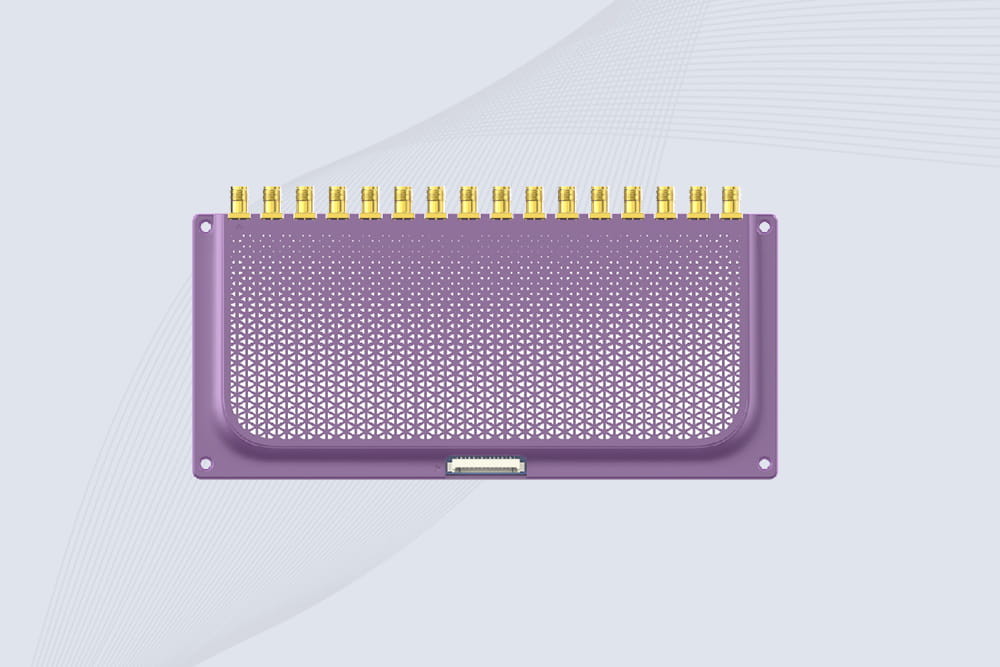
CYKEO CK-M16 RFID Module is a 16-port UHF RFID reader module based on the R2000 chipset. Designed for dense tag environments, it supports ISO and GB standards and delivers stable multi-antenna control for industrial automation.
The CYKEO CK-M16L RFID Reader Module is a 16-channel UHF RFID core designed for dense tag environments. With adjustable 33dBm output, multi-protocol support, and stable multi-antenna control, this RFID Tag Reader Module fits industrial automation, warehouse systems, and large-scale IoT deployments.
CYKEO CK-M8L module RFID is a compact industrial UHF module built for dense tag and multi-antenna environments. With 8 RF ports, adjustable 33 dBm output, and ISO & GB protocol support, it is widely used in factories, warehouses, and automated tracking systems.
CYKEO CK-M4L UHF RFID Module is a compact 4-channel RFID tag reader module designed for dense tag environments. Supporting ISO and GB protocols, it delivers stable reads up to 10 meters for industrial and IoT systems.
Cykeo CYKEO-A11 UHF RFID reader antenna delivers 11dBi gain, 840-960MHz frequency range, and IP65 ruggedness for retail, logistics, and industrial RFID systems. Features low VSWR and easy installation.
CYKEO Antenna RFID Reader delivers stable long-range UHF performance with a 10.5dBi directional design, built for warehouses, conveyor portals, and industrial RFID systems. This rfid reader antenna provides 20m+ read distance and rugged IP67 protection.
Cykeo CYKEO-A5B industrial Linear RFID Antenna delivers 5dBi gain, ≤1.5:1 VSWR, and IP65 rugged design for warehouse, production line, and logistics UHF systems.
Cykeo’s CYKEO-B12 Long Range RFID Antenna delivers 15m+ read range with 12dBi gain, IP65 rugged design, and global 840-960MHz UHF support. Ideal for warehouse/logistics asset tracking.
Cykeo CYKEO-B10 Long Distance RFID Antenna offers 10dBi gain, 840-960MHz frequency range, IP65 rating, and 20m+ coverage for logistics/warehousing/ETC systems. Low VSWR ensures stable signal transmission.
Cykeo CYKEO-A6 UHF RFID panel antenna features 6dBi gain, 840-960MHz broadband, IP65 metal-ready housing for logistics/smart retail. 18mm ultra-thin design with tool-free mounting.
Cykeo CK-A3 industrial antenna RFID UHF offers 5m+ tag detection, ≤1.3:1 VSWR, IP65 rugged design, and global UHF spectrum compatibility (840-960MHz) for warehouses, factories, and retail.
Cykeo CYKEO-B5 directional RFID antenna provides 5dBi gain with 60° narrow beamwidth for precise inventory tracking. IP65-rated, global UHF frequency support, and low VSWR.
Create your own high-performance DIY RFID antenna! 5dBi gain, 840-960MHz tunable, step-by-step guides. Compatible with Arduino, Raspberry Pi, and commercial UHF readers.
Cykeo CYKEO-A7 Flexible RFID Antenna features 840-960MHz wideband tuning, 7dBi gain, and IP68 rating for medical/retail/industrial curved surface deployments. 98% read accuracy with peel-and-stick installation.
Cykeo CYKEO-B5A industrial Passive RFID Antenna delivers 5dBi gain, 70° beamwidth, and -40°C~55°C operation for warehouses/smart cabinets. Compatible with Zebra/Impinj readers.
Cykeo’s CYKEO-A9B High Gain RFID Antenna delivers 15m+ read range with 9dBi amplification. Features IP54 rugged design, 840-960MHz bandwidth, and 80° beamwidth for warehouse/manufacturing RFID systems.
Cykeo’s enterprise-grade 8dbi Impinj RFID Antenna 10m+ read range with 840-960MHz tuning. Features IP65 housing, 1.4 VSWR, 35° beamwidth for retail/warehouse RFID systems.
Cykeo CYKEO-A9 industrial UHF RFID antenna delivers 9dBi gain, 840-960MHz frequency range, and IP65 protection for warehouse/logistics/retail RFID systems. Features N-type connector and ≤1.3:1 VSWR.
CYKEO UHF RFID Antenna built for long-distance and industrial applications. This antenna rfid uhf delivers strong gain, outdoor durability, and reliable tag performance in warehouses, yards, and vehicle ID systems.
CYKEO Antenna RFID delivers reliable long-range UHF performance in warehouses, retail shelves, and cold-chain environments. This compact uhf rfid antenna provides stable reads with circular polarization and ultra-wide 840–960 MHz support, ideal for industrial tracking, smart shelves, and asset monitoring.
Cykeo’s CYKEO-C8 UHF RFID antennas delivers 8dBi gain, 840-960MHz full-band coverage, and IP65 ruggedness for manufacturing/warehouse RFID systems. Industrial RFID Antennas Features
Cykeo’s 8dBi UHF RFID antenna and reader kit delivers 10m+ range, 840-960MHz broadband, and IP65 ruggedness for factories, warehouses, and logistics. ISO 18000-6C & EPC Gen2 certified.
Cykeo’s CYKEO-A12C UHF Large RFID Antenna delivers 12dBi gain, 840-960MHz global frequency, IP65 ruggedness for logistics/warehousing/automotive. 40° beamwidth ensures stable 15m+ tag reads.
CYKEO Near Field RFID Antenna provides precise 5–30 cm reading for shelves, cabinets, and workstations. This compact rfid shelf antenna delivers stable short-range performance around metal and clutter, ideal for pharmacies, libraries, and electronics sorting.
Cykeo CYKEO-C1 industrial Forklift RFID Reader features 20m read range, 600 tags/sec scanning, Impinj R2000 chipset, and IP67 rugged design. Ideal for warehouse logistics and manufacturing. Supports ISO 18000-6C/6B protocols.
Cykeo CYKEO-R4 industrial UHF RFID Fixed Reader features 4 TNC ports, 400+ tags/sec speed, IP67 housing, and global frequency compliance for vehicle inspection, smart warehouse, and asset management systems.
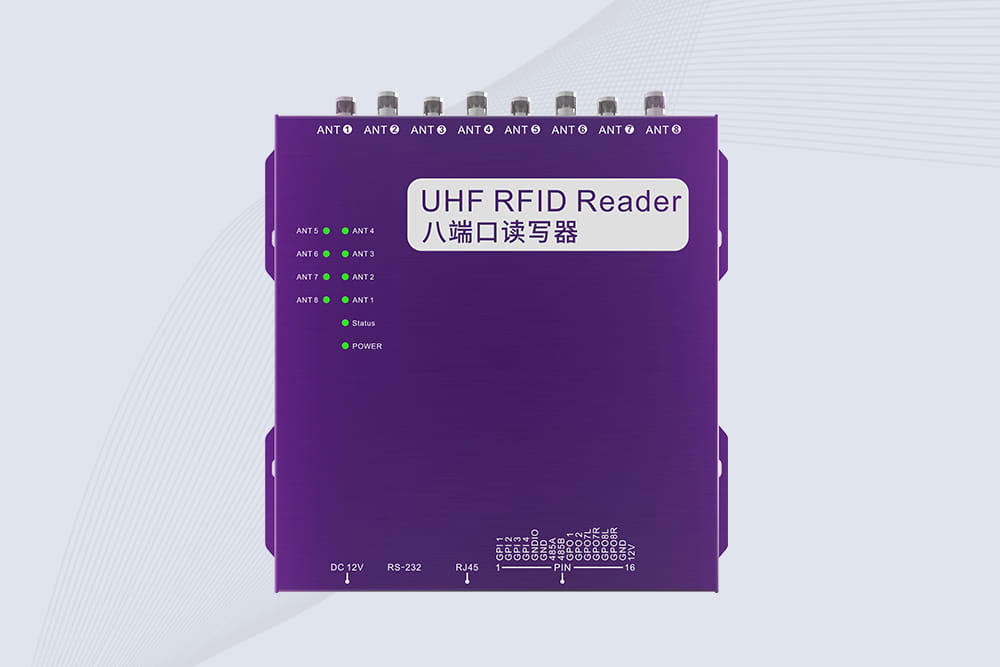
CYKEO CYKEO-R8L Fixed RFID Reader with 8-port UHF design, Impinj-based RF core and up to 20m read range. An industrial Fixed RFID Reader for vehicle inspection, warehouse portals, smart manufacturing lines and secure access checkpoints.
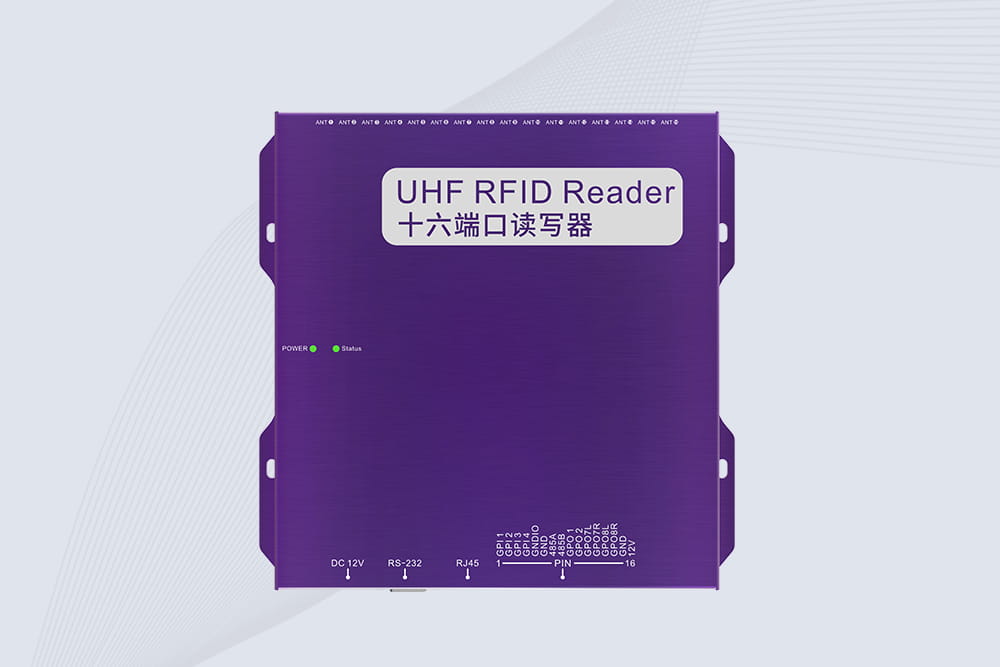
RFID Fixed Reader from CYKEO – the CYKEO-R16L 16-port UHF fixed reader for warehouses, smart cabinets, and production lines. Long-range, multi-tag reading, stable performance for 24/7 industrial use.
RFID Tunnel systems rely on seamless RFID reader and antenna integration. Learn how open APIs, flexible antenna layouts, and SDK support turn RFID tunnels into scalable warehouse identification solutions.
When you start looking for an rfid label supplier, you’ll quickly notice the market is full of promises like “high precision” or “covering all industries.” But when it comes down to actually solving problems with RFID labels, these slogans don’t...
Compare handheld and fixed RFID readers for retail stores. Learn the pros, cons, and best use cases for each to optimize inventory accuracy and customer experience.
Discover how RFID for stock management is reshaping inventory accuracy and operational efficiency across industries. Learn about its key benefits, real-world challenges, and best practices for successful deployment in warehouses, retail, manufactu...
 Cykeo RFID IoT Solution Products R&D Manufacturer