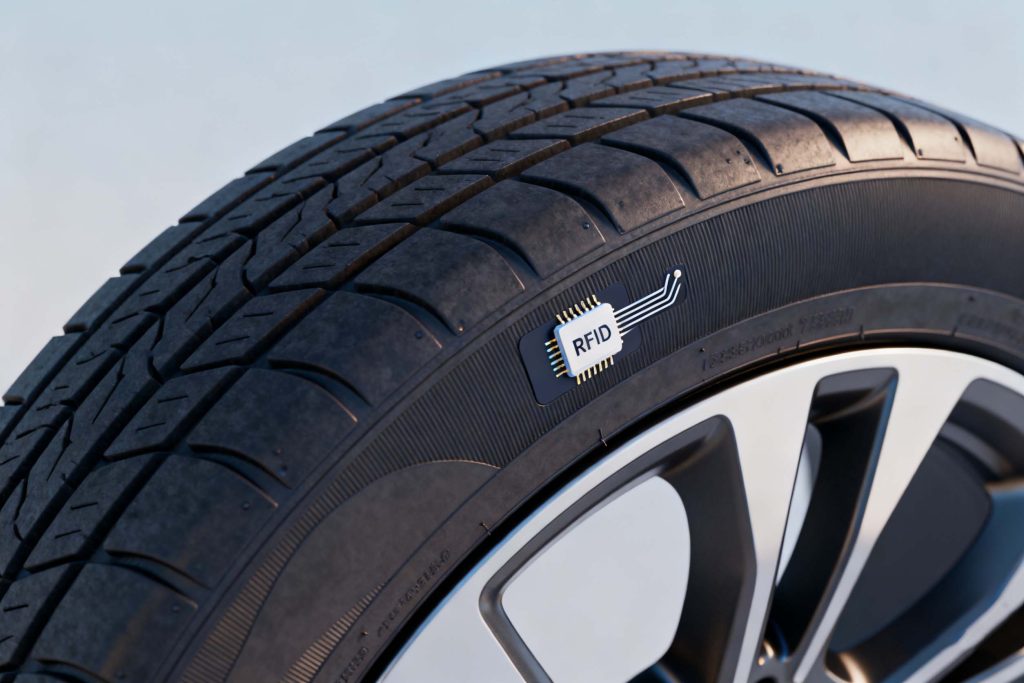
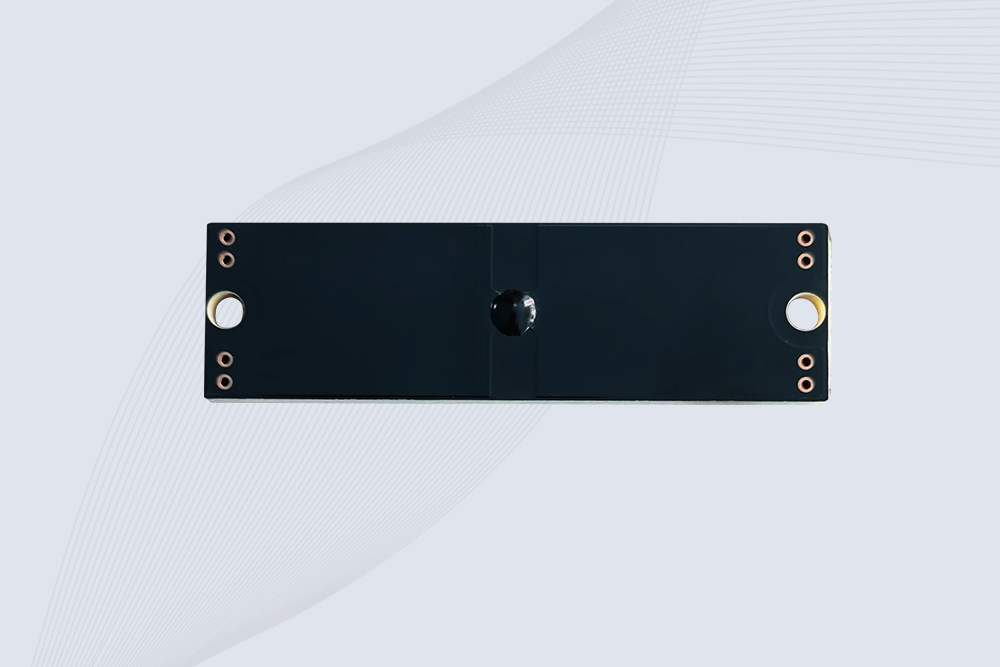
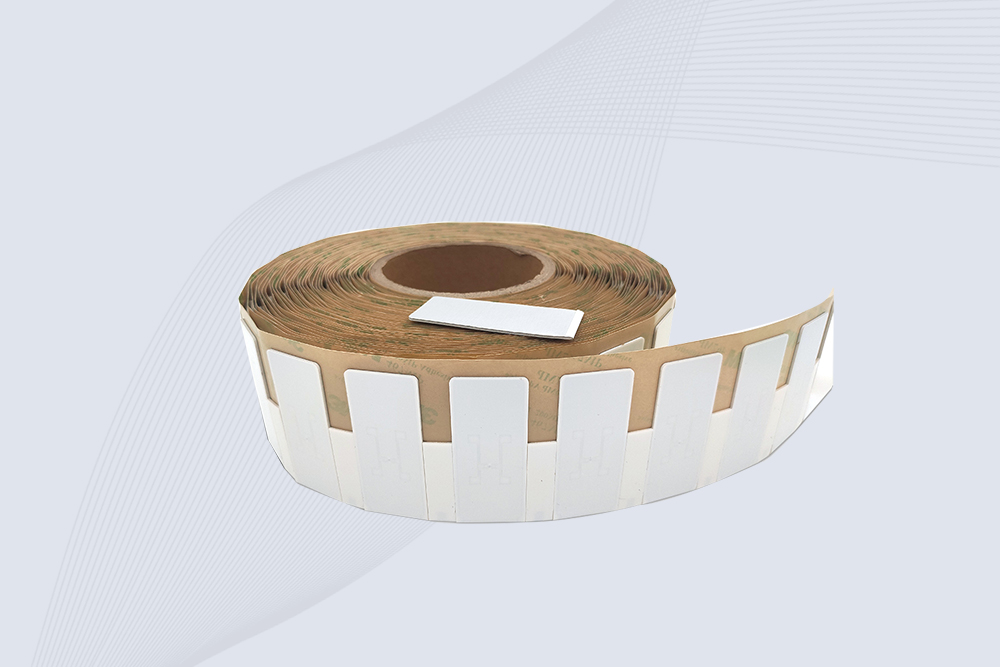
These days, a tire isn’t just a piece of rubber you throw on a car and forget. A lot of tires are going digital, and RFID is basically the tiny “brain” making that possible. It’s just a small chip with a little antenna, and it stores a tire’s identity and its data through wireless signals.
It doesn’t need a battery, doesn’t need power from the tire itself. As long as there’s a reader nearby, the chip shows what it knows.
But making RFID work inside a tire isn’t as easy as sticking a tag on the side. A tire goes through crazy conditions — high heat, high pressure during vulcanization, constant stretching, hits from the road, temperature swings… so that tiny tag has to survive all of it. And once the information is written in, it shouldn’t be something anyone can change. That’s how the system keeps the tire’s identity real, secure, and impossible to copy.
How RFID Is Actually Used in a Tire
The idea is simple: the tag is built right into the tire from day one. It stays there for the tire’s whole life — from the factory, to the warehouse, through shipping, onto the vehicle, and finally to recycling.
Whenever a reader scans it, you instantly see who the tire is, when it was made, where it traveled, how long it’s been used, how many times it’s been serviced, and when it’s ready to retire.
The technology relies on global wireless standards, which makes everything easier. No matter where the tire goes — different countries, different factories, different inventory systems — the data can be read and updated in the same way. It all connects to a digital system in the background.
Why Manufacturing and Supply Chains Love It
Honestly, the benefit is huge. Before this, people had to read printed numbers, stick labels on, scan barcodes, and hope none of that fell off or got misread.
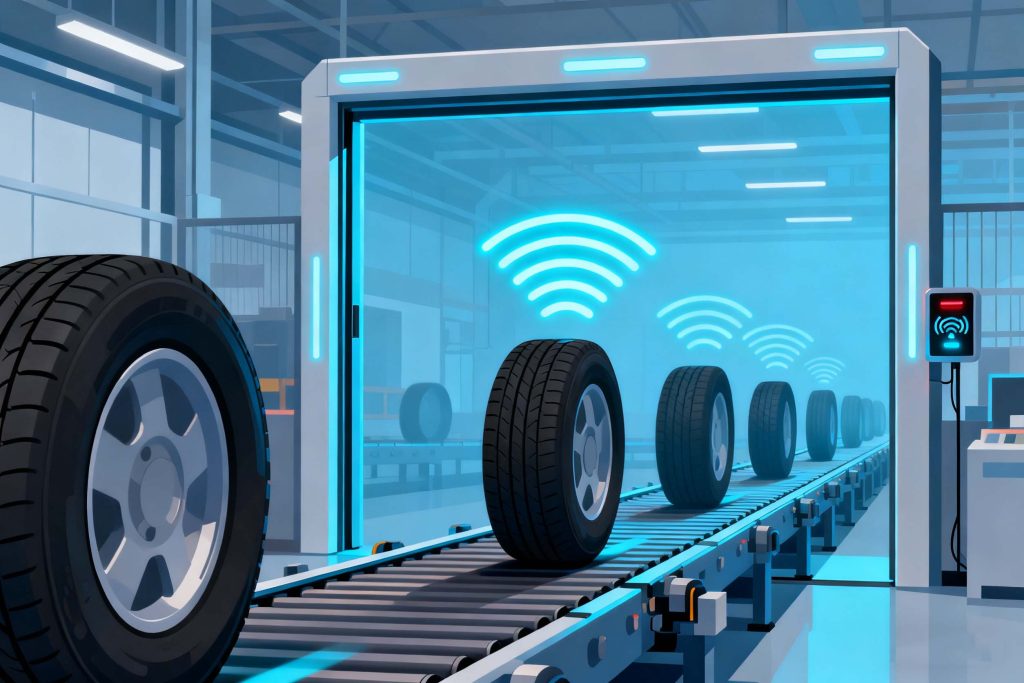
Now? A whole batch of tires can pass through a gate and get scanned automatically. Production, inventory, tracking, shipping — everything becomes faster and more accurate.
Factories waste less time, lose fewer tires in the system, and avoid those “where did this batch go?” moments.
Even More Useful for Fleets and Daily Operations
If you manage trucks, buses, or delivery vehicles, you know tires are a headache. There are tons of them, they move around constantly, and manual records usually end up wrong at some point.
RFID changes that completely.
Every tire has its own identity. One quick scan shows its condition, remaining life, repair history, which vehicle it was on, and when it needs attention.
Maintenance stops being guesswork. Changing or rotating tires gets recorded automatically.
Assets no longer disappear or get mixed up.
It Also Helps with Recycling and Sustainability
Everyone’s talking about circular economy now, and tires are part of that push. With RFID, the entire life of the tire is logged, which makes sorting and recycling much easier. People handling used tires can quickly tell if a tire should be retreaded, reused, or broken down for materials.
This kind of tracking also fits perfectly with future digital product passport systems — the kind that show where materials came from and where they end up.
What It Means Going Forward
As more tires start using RFID, the whole industry moves toward a world where every tire becomes a digital asset — trackable, manageable, and connected.
It boosts efficiency for manufacturers, helps drivers and fleets stay safer, supports recycling, and keeps everyone aligned with future regulations.
And honestly, it just makes managing tires way less of a headache.
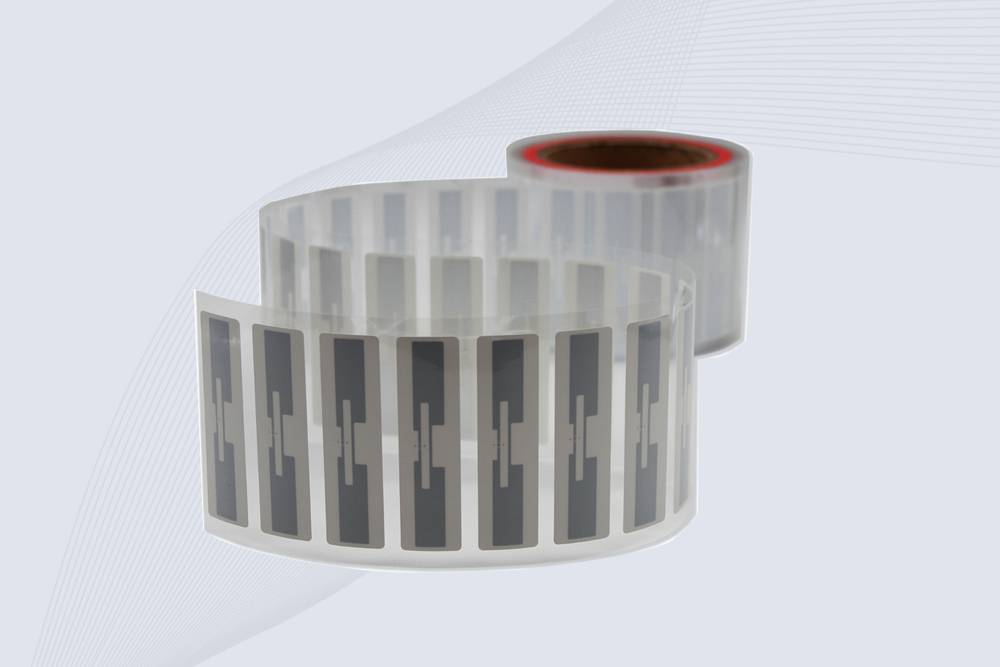
CYKEO Passive RFID Tags are made for wet and high-humidity environments where standard labels do not last. This rfid passive tag is often used around liquids, chemicals and temperature changes, providing stable reading distance and long data life for industrial tracking.
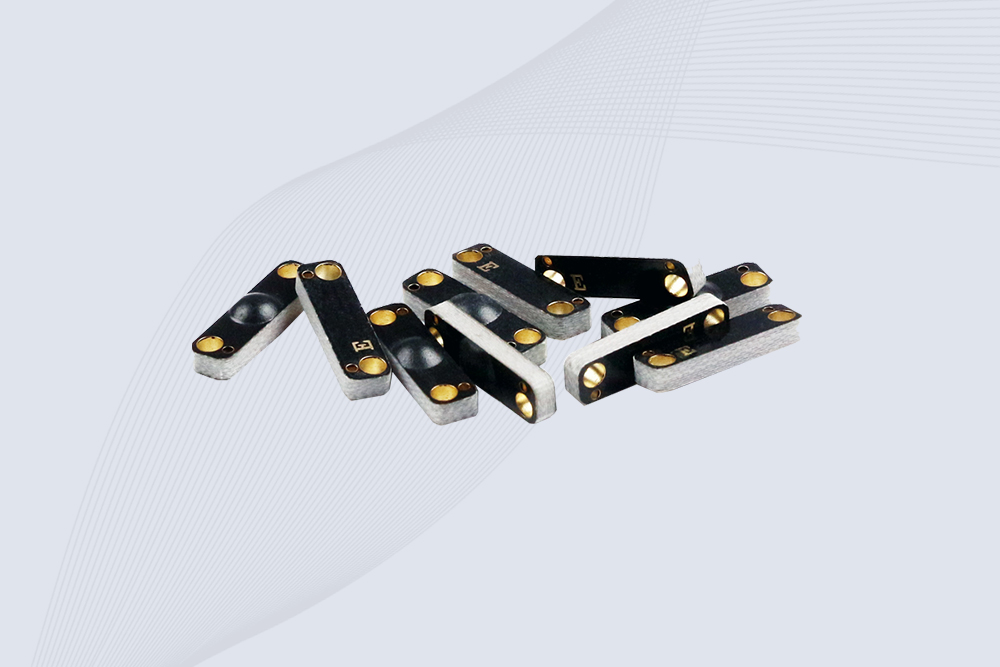
CYKEO CK-BQ1504 Metal RFID Tags is a compact anti-metal UHF RFID solution built for direct mounting on metal surfaces. With stable 8-meter read range, Ucode-8 chip, and long data retention, this rfid metal tag fits tools, containers, automotive parts, and industrial asset tracking.
CYKEO CK-BQ7020 On-Metal RFID Tags are designed for reliable tracking on steel and metal surfaces. Built with an FR4 epoxy body and industrial-grade chips, these On-Metal RFID Tags deliver stable performance, long data life, and chemical resistance, making them a dependable RFID anti-metal tag for harsh environments.
The CYKEO CK-BQ6025 Anti-Metal RFID Tag is built for metal surfaces where standard tags fail. Designed for long-range performance, harsh environments, and stable data retention, this Anti-Metal RFID Tag is ideal for industrial assets, containers, and equipment tracking using on metal RFID tags.
Learn como programar RFID access control step by step: from reading card UIDs with Arduino to enrolling credentials in commercial controllers. Practical tips, common mistakes, and best practices for a secure system.
Explore how armoire RFID smart cabinets work in real environments. Learn about RFID reader design, cabinet structure, antenna layout, and why RFID cabinets deliver stable asset tracking in industrial, medical, and secure storage scenarios.
Explore the latest trends in RFID technology for retail, including smart inventory, contactless checkout, and sustainability. Learn how Cykeo drives retail innovation.
 Cykeo RFID IoT Solution Products R&D Manufacturer