Ask “where are RFID used” and you’ll get a list: retail, logistics, healthcare, manufacturing, libraries, laundries. All true, and all useless — because the list doesn’t tell you whether any of it applies to your operation, or which of those deployments actually paid for themselves.
A more useful answer starts with a different question: where does a tag get read? RFID is not used “in retail” — it’s used at a receiving door, a shelf, a checkout lane, a cabinet. The industry is just the setting. Once you see deployments as read points, the list collapses into about six physical patterns, and it becomes obvious which ones you already have.
This article maps RFID three ways: by industry, by read point, and by how fast the money comes back. Then it does the part most vendor content skips — the five situations where RFID is genuinely the wrong tool.
The Short Answer
RFID is used wherever something physical has to be identified, counted, located or verified without scanning it one at a time. That covers incoming goods, work-in-progress, tools, medical equipment, returnable containers, linen, vehicles and baggage.
The technology is not industry-specific. The tag is: a garment gets a paper label, a steel tool gets an on-metal tag, a linen item gets a sewn-in fabric tag, a pallet gets a large industrial label. Same chip family, completely different physical design.
Eight Industries, and What Actually Gets Tagged
The columns that matter are the middle two — what carries the tag, and what physical moment creates the record:
Industry
What gets tagged
Where the read happens
Typical payback
Apparel & footwear retail
Individual garments
Receiving, shelf count, fitting room, POS
Weeks to months
Grocery & FMCG
Cases, returnable crates, trolleys
Dock door, case picking, depot transfers
Months
3PL & parcel
Cartons, totes, roll cages
Conveyor tunnel, dock doors, cross-dock
Weeks
Manufacturing (WIP)
Components, bins, fixtures
Workstation, conveyor entry, line-side
Quarters
Automotive
Containers, tools, sub-assemblies
Line-side, paint and oven zones, tool crib
Quarters
Healthcare
Pumps, instrument trays, linen
Equipment room, cabinet, sterile services
Months
Aviation
Baggage, MRO parts, ground equipment
Baggage make-up, stores, apron
Months to quarters
Textile rental & laundry
Uniforms, bed linen, mats
Sortation, wash tunnel, dispatch
Months
Two patterns are worth noticing. First, the fastest paybacks cluster where a read point already exists as a physical checkpoint — a dock door, a sortation line, a cabinet. You’re not adding a process; you’re automating one that people already walk through. Second, the slowest paybacks are in plants and airlines, not because the technology struggles, but because those deployments touch many systems and many shifts.
For industry-by-industry detail — what each sector tags and why — the existing guide to where RFID tags are used goes deeper than this article needs to.
The Six Read Points Behind Almost Every Deployment
Strip the industry labels away and there are six physical patterns. If your operation has one of these, you have a candidate project:
Read point
Hardware pattern
What it produces
Dock door / portal
Fixed reader + 2–4 antennas around a doorway
Received / shipped events, automatically
Conveyor tunnel
Reader with antennas on several sides of a tunnel
Near-100% reads on fast-moving items
Zone / room level
Reader with an antenna covering a defined area
“It’s in this room or bay”, not exact position
Handheld sweep
Handheld reader, operator walks the aisle
Cycle counts, item search, exception checks
Smart cabinet / locker
Reader inside the cabinet, antenna in the shelf
Who took what, when, and what came back
Vehicle mount
Reader and antenna on a forklift or truck
Yard moves, route-level visibility
The practical point: the read point decides the hardware budget, and the read point is almost always dictated by the workflow you already have. A warehouse with dock doors will spend its money on portals and antennas. A tool room with no doors will spend it on a cabinet. Neither is “more advanced” than the other.
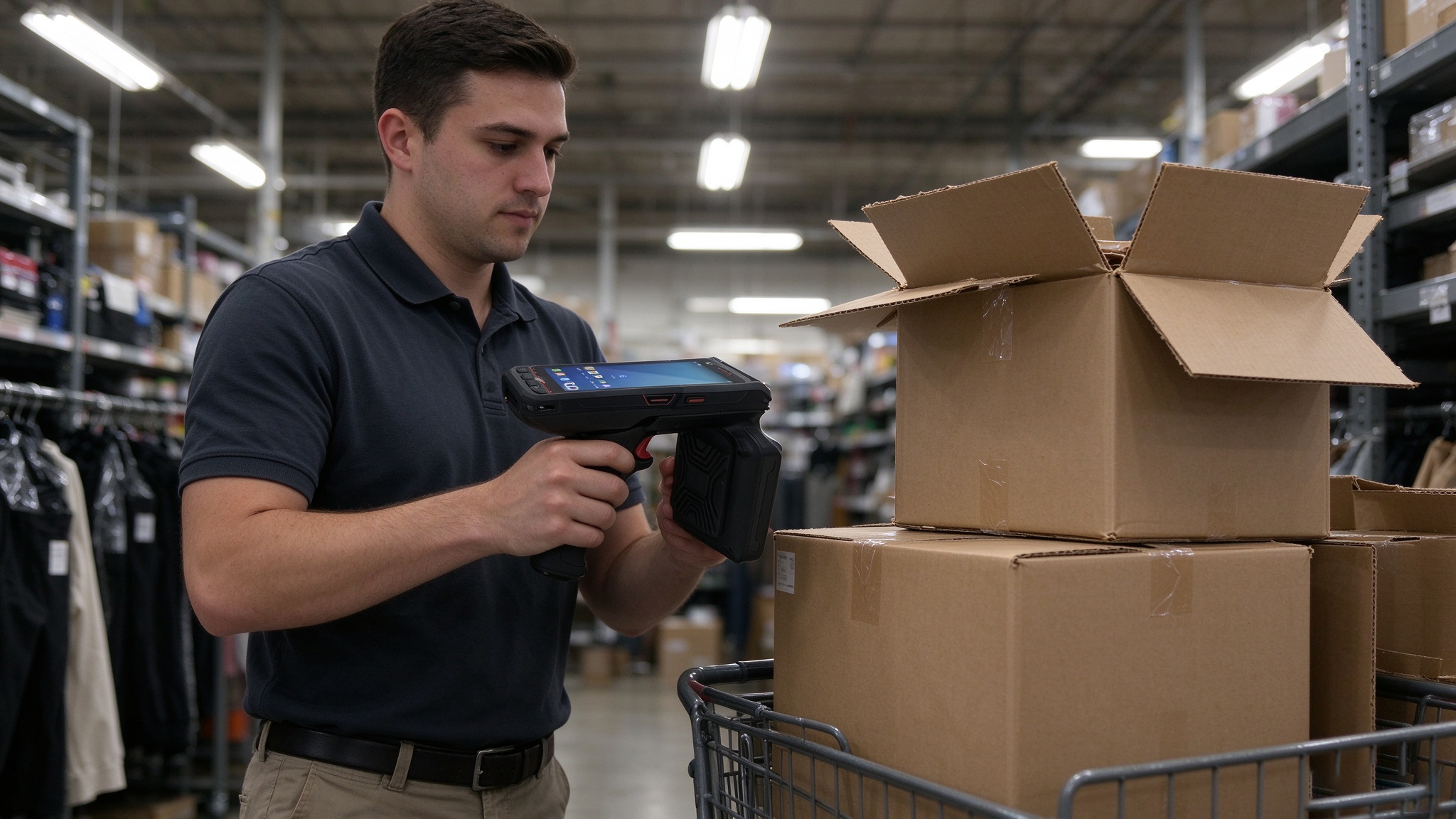
Receiving is the fastest payback in retail — the count happens once, at a door that already exists.
Which Deployments Pay Back Fastest
Sorting by payback is more useful than sorting by industry, because it tells you where to start. Three tiers, based on what these projects typically look like in the field:
Weeks to months — automate a count that people already do
Receiving verification at a dock door (replaces manual carton counting)
Cycle counting with a handheld (replaces aisle-by-aisle barcode scanning)
Tool checkout from a cabinet (replaces sign-out sheets)
Linen and uniform loss tracking (replaces “we think we’re short”)
These share a property: the labour being replaced is measurable today, so the saving is easy to defend internally. If you need one project to prove the business case, start here.
Months — replace a search or a reconciliation
Finding medical equipment across a hospital campus
Store replenishment from shelf-level accuracy
Cross-dock and depot transfers in a 3PL network
Textile rental cycle tracking
The saving is real but diffuse: staff stop hunting, discrepancies stop being discovered late, stock stops being ordered twice. Harder to quantify in advance, easier to see after a quarter.
Quarters — change how a process works
Work-in-progress tracking across a production line
Plant-wide container and fixture traceability
Baggage handling across an airline’s network
Full store or network rollout after a pilot
These are the highest-value projects and the ones most likely to stall, because they require several departments to change at once. Budget for the integration and the change management, not just the hardware.
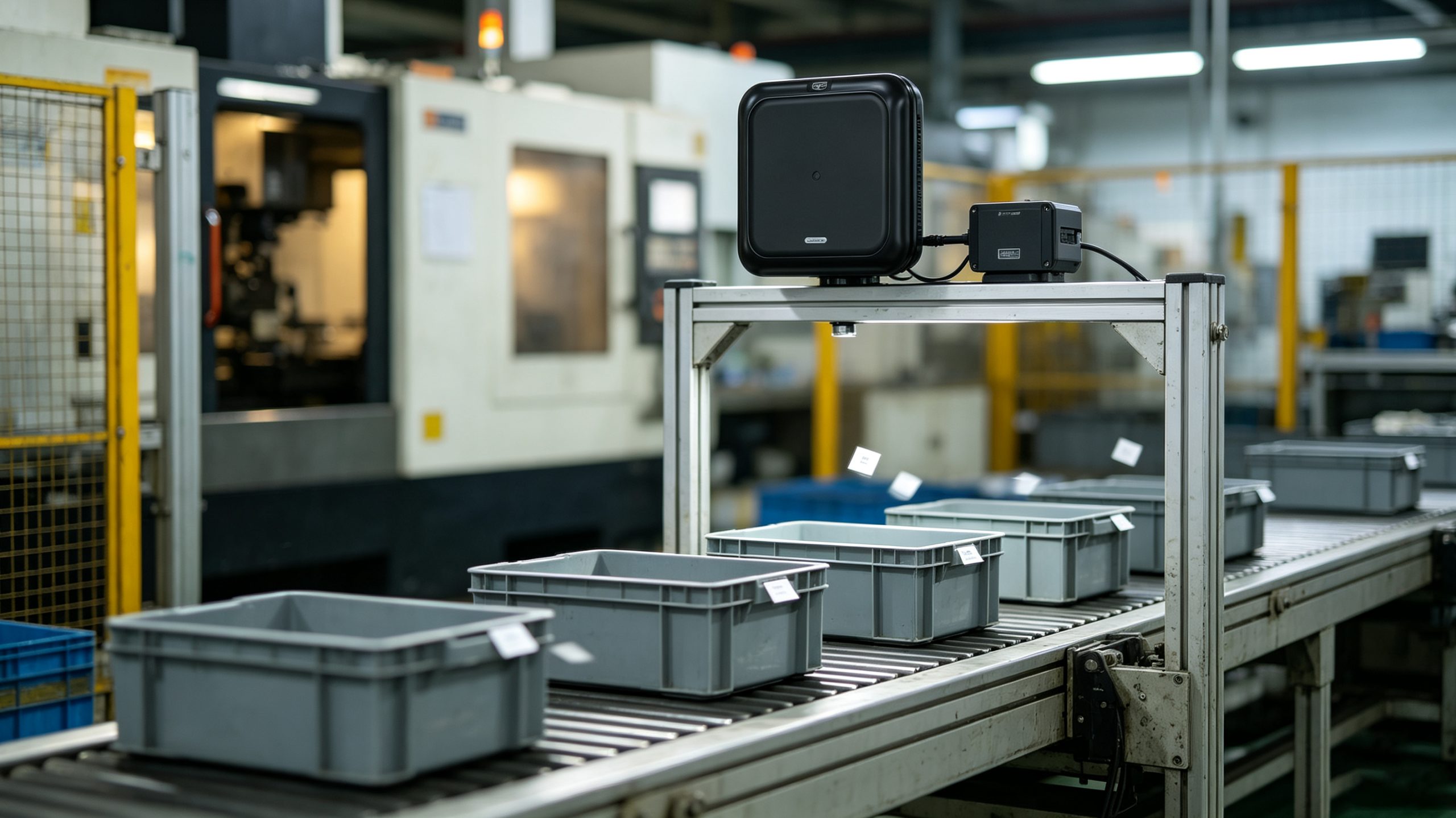
Plant projects pay back slower because they touch many systems — but the ceiling is higher.
Five Places RFID Is the Wrong Tool
This is the section vendors leave out, and it’s the one that saves the most money:
1. A workstation where a person already handles one item. If an operator picks up one part and scans one barcode, RFID adds a tag and an antenna to solve a problem that isn’t there. Barcodes win on cost.
2. Single-use items worth under about a dollar, with no compliance driver. A $0.10 tag on a $0.50 disposable is arithmetic that never closes. Item-level RFID works where the item is valuable, reusable, or required to be traceable.
3. Dense metal or liquid environments with no budget for tag testing. It can be done — on-metal tags and specialised inlays exist — but the tag may cost 10–30× a standard label. If the project can’t absorb a real test phase, it will fail at the tag, not at the reader.
4. A process with no owner for exceptions. RFID produces exceptions: a missed read, a duplicate, a tag seen in the wrong zone. If nobody’s job is to resolve them, the system degrades into a dashboard nobody trusts within two months. This is the most common non-technical failure.
5. When the bottleneck is layout, not identification. If goods sit because the receiving bay is too small, tagging them makes the queue visible, not shorter. Fix the layout first.
Notice that none of these are “RFID doesn’t work”. They’re all cases where the economics or the organisation doesn’t fit — which is a different, and much more common, reason for failure.
What Successful Deployments Have in Common
Across industries, three conditions show up in nearly every project that works:
A read point that already exists in the process. The dock door, the cabinet, the sortation line. If you have to invent a new physical step, adoption will fight you.
A tag with an obvious home on the item. Sewn in a hem, bolted to a container, stuck under a pallet lip. Tags that dangle get torn off, and torn tags read as missing inventory.
Someone who owns the number. Inventory accuracy, read rate, tool availability — one person, one metric, reviewed weekly. Projects without this owner look successful in the pilot and quietly decay afterwards.
The technology choice matters, but it’s the third item that decides whether the deployment is still running in year two.
Three Applications Growing Fastest Right Now
If you want to know where the next wave of deployments is, watch asset classes rather than industries:
1. Returnable transport items. Crates, kegs, pallets, totes and roll cages travel between sites and come back. RFID fits because the asset already has a loop — and because the cost of losing them is spread across a network nobody can see. A pallet pool of 20,000 units with a 3% annual loss rate is a number you can attack.
2. Textile and workwear rental. Every garment is reused hundreds of times, so one tag cost is divided by a very large number of reads. The metrics are loss rate and cycles per item, and both become visible the moment each item carries an ID.
3. On-site tool and equipment control. Construction sites, utilities and MRO stores move high-value tools in and out every shift. A reader-equipped cabinet, or a gate at the site entrance, turns “who has the torque wrench” from a phone call into a query.
What these three share: the tagged object is expensive, reused and mobile. That combination pays for a tag far faster than tagging something cheap, single-use and stationary.
What a Starting Deployment Costs
Rough ranges, so you can sanity-check a quotation before you read it in detail:
Use case
Tag cost
Hardware
Order of magnitude
Dock door receiving
0.05–0.15 (label)
Fixed reader + 2–4 antennas
2,000–6,000 per door
Handheld cycle counting
0.05–0.15
One handheld
600–2,500
Tool cabinet
1–3 (hard tag)
Reader-equipped cabinet
3,000–12,000
Conveyor tunnel
0.08–0.20
Multi-antenna tunnel + software
8,000–25,000
Laundry / textile
0.30–1.00 (washable)
Handheld or tunnel + software
5,000–20,000
Two line items hide outside these numbers: software/integration (often 30–50% of the total) and the tags themselves at scale (a 50,000-item inventory at $0.10 is $5,000 before any hardware). If a quotation covers hardware only, it isn’t a project cost.
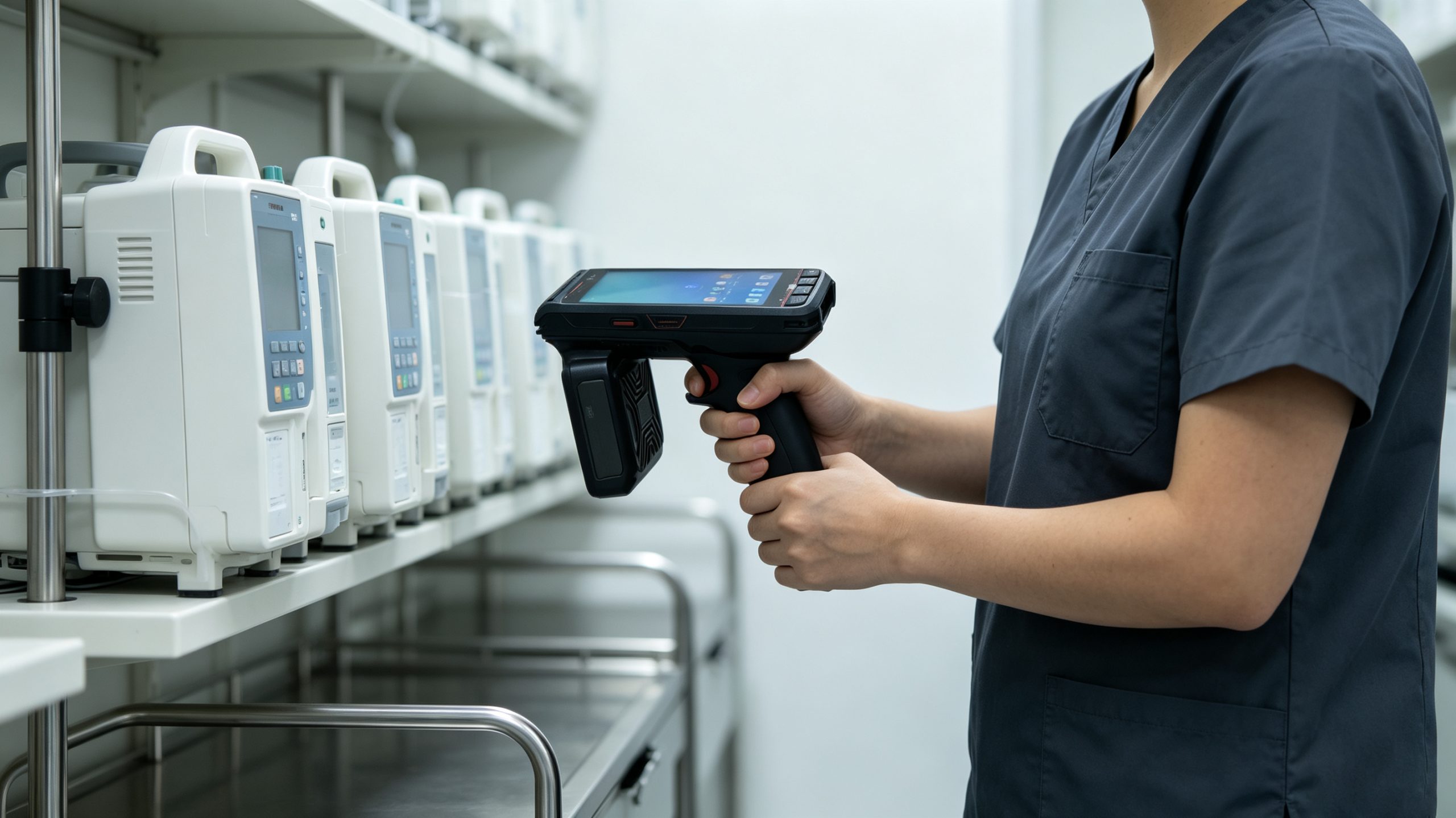
In hospitals the saving is search time — staff stop walking floors looking for a pump.
A Worked Example: One Dock Door
Numbers make the payback question concrete. A 3PL handling 60 inbound pallets a day, 250 days a year, currently counts cartons by hand at the door:
Today: two people, about an hour each, per shift. Call it 500 labour hours a year at 20/hour — **10,000**, before counting the disputes over short shipments.
Portal: one fixed reader and two antennas around the door, installed and integrated: 4,000–5,000. Pallet tags at 0.12 × 15,000 a year: **1,800**.
Result: pallets are read as the forklift passes; the count is a by-product of driving through the door. Payback lands around six to eight months, and the receiving record becomes timestamps instead of handwriting.
Three things make this example work, and they’re the three conditions above: the door already exists, the pallet already has somewhere to put a tag, and one supervisor owns the receiving accuracy number. Change any one of them and the same hardware takes twice as long to pay back.
Where to Start, in One Paragraph
Pick the process where someone currently counts things by hand, at a physical point they already walk through, and where the count is wrong often enough to be annoying. Tag that. Measure the count before and after. That single pilot will tell you more about your site’s RF environment than any datasheet — and if it works, you already have the read point for the next application.
Frequently Asked Questions
Where is RFID used the most?
Apparel retail and logistics are the two largest volumes, because both read hundreds of items at once at a point that already exists — a receiving door or a sortation line.
Is RFID used outside warehouses?
Yes. Hospitals, laundries, construction sites, farms, event venues and vehicle gates all use UHF tags. The pattern is the same: a read point, a tagged object, and a record that matters
Can RFID work outdoors?
Yes, with the right tag and reader protection. Windshield tags at vehicle gates and container tags in yards are common. Rain, dust and temperature swings affect the tag’s housing more than the chip.
Does RFID replace barcodes?
Usually not. Most sites end up with both: RFID for bulk movement and inventory, barcodes for single-item workstation scans and for suppliers who haven’t tagged anything.
How many tags can one reader handle?
Hundreds per second in good conditions, with 100–300 realistic in a dense doorway read. Heavily stacked metal or liquid loads reduce that number, which is why on-site testing matters.
What’s the smallest useful RFID project?
One handheld reader, a few thousand labels and one process — a cycle count, a receiving check, or a tool sign-out. That’s enough to prove or disprove the case in a few weeks
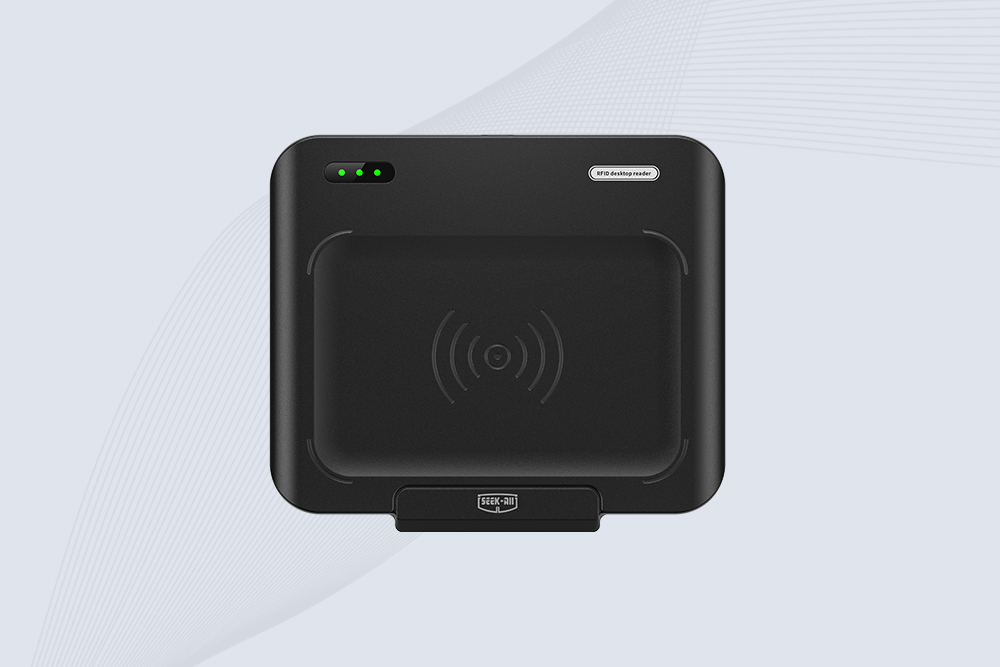
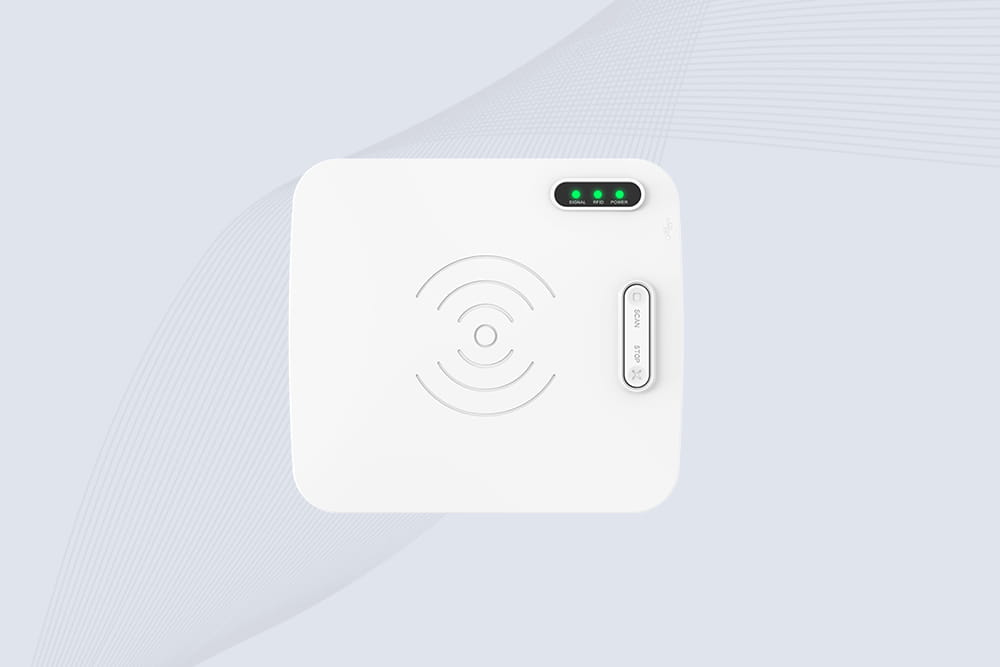
SSD-D3AL is a USB-HID UHF RFID reader with 0–30 cm reading, 0–15 cm writing, over 600 tags/s recognition, USB plug-and-play operation and OEM Logo customization.
SSD-D1AL is a compact USB UHF RFID reader with Impinj E710/X3M1 chipset, USB-HID, 600+ tags/s recognition, 4/8/16 antenna support and plug-and-play USB power.
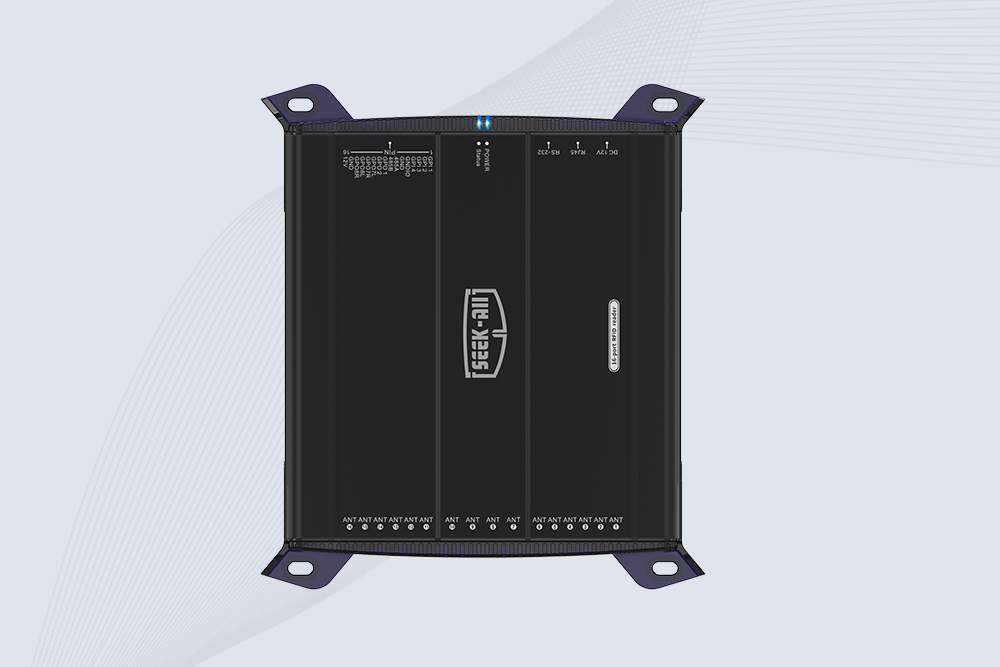
SSD-R16L Multi-Channel RFID Infrastructure for Automated Inventory Management ✔️ 16-Port High-Density RFID Reading Equipped with 16 SMA antenna ports, SSD-R16L supports multi-antenna deployment for warehouses, retail stores, logistics, production lines, and large-area RFID identification. ✔️ High-Speed & Long-Range Performance With up to 33…
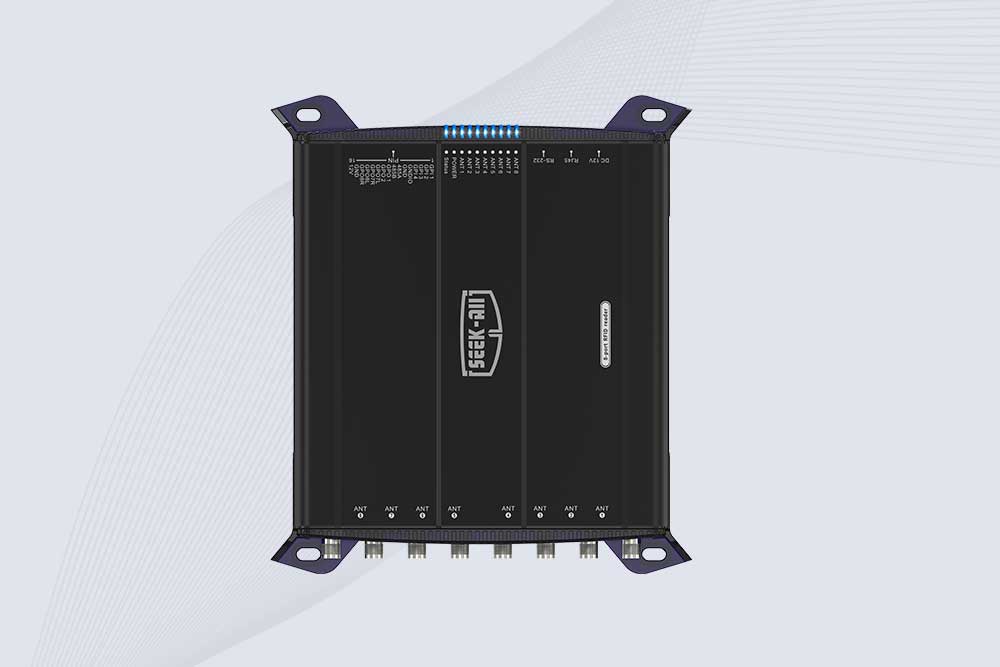
SSD-R8L 8-port UHF RFID reader with 33dBm output, up to 20m reading range and 600+ tags/s recognition. Ideal for warehouse, logistics, retail and asset tracking.
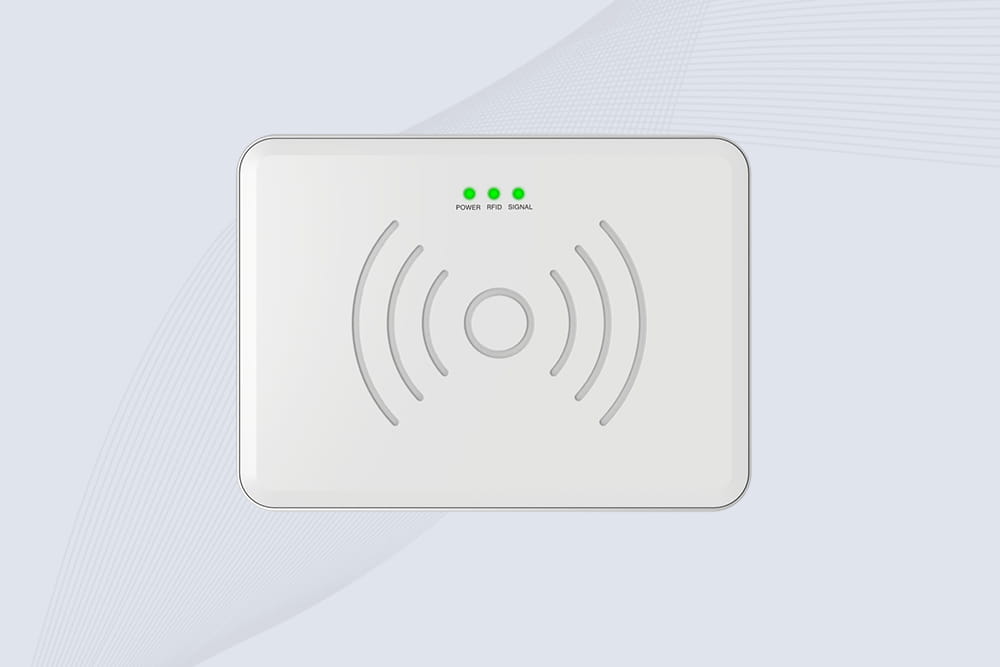
CYKEO CYKEO-D1LA USB RFID Reader is a compact desktop solution with near-field control for precise tag reading and encoding. Powered by USB, supporting ISO 18000-6C, and built for stable batch writing, this usb rfid tag reader fits retail, libraries, offices, and controlled RFID encoding tasks.
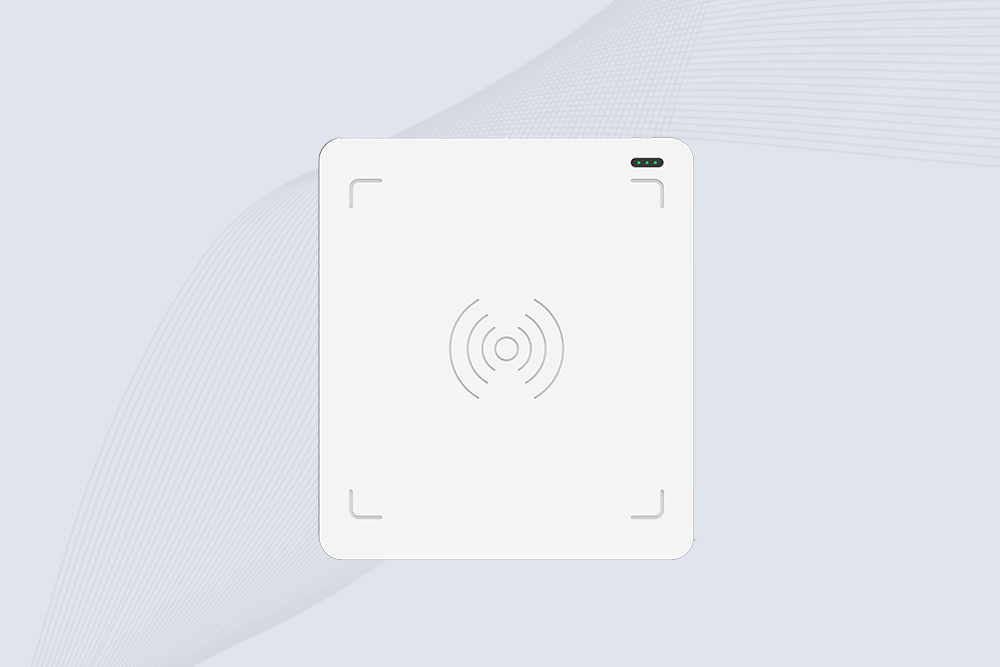
CYKEO CYKEO-D1L RFID scanner USB is a compact desktop UHF RFID scanner designed for short-range tag writing and verification. This usb rfid scanner supports batch encoding, stable 0–26 dBm output, and works across Windows, Linux, and Android systems.
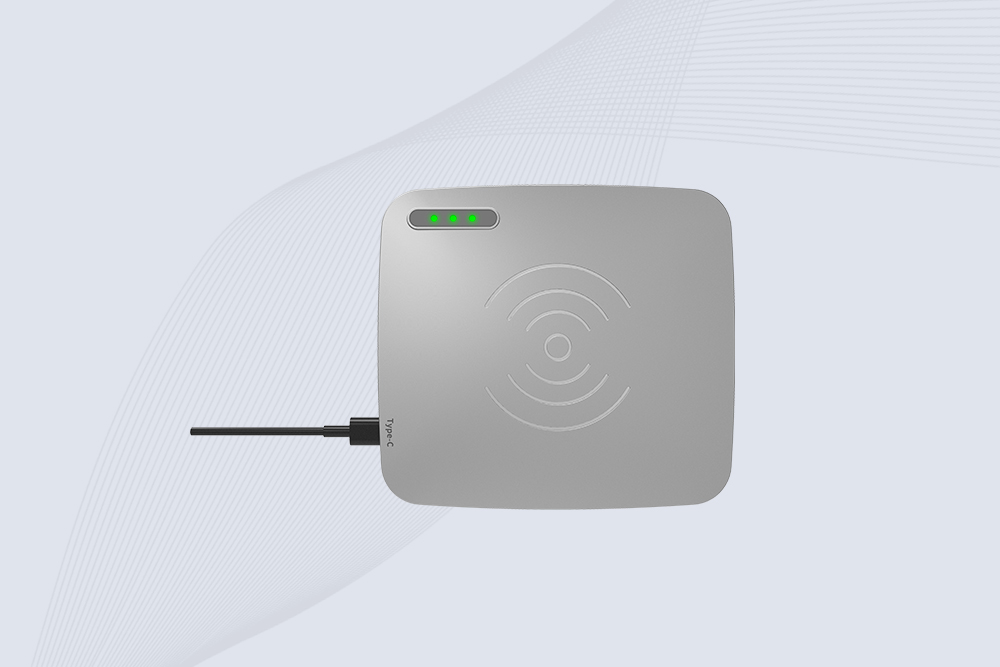
CYKEO CYKEO-D1C USB RFID Card Reader is a near-field UHF desktop writer designed for secure, short-range tag encoding. With USB-C connectivity and stable 26 dBm output, this rfid reader usb c is ideal for badge issuance, label encoding, and controlled desktop RFID workflows.
CYKEO CYKEO-D2L RFID Reader USB is a compact desktop encoder built on the Impinj R500 chip. With near-field control and stable USB power, this usb rfid card reader delivers precise tag writing for offices, retail counters, and small-scale logistics encoding tasks.
CYKEO CYKEO-D3L USB RFID Tag Reader delivers stable UHF tag reading and writing for daily desktop and light industrial tasks. Designed for controlled short-range operation, this USB RFID Tag Reader works reliably with rfid tag and reader systems in libraries, tool tracking, and inventory registration.
The CYKEO CYKEO-D4L UHF RFID Tag Reader is a stable Desktop RFID Reader designed for accurate tag registration, borrowing, and return workflows. Built with the Impinj R2000 chip, this UHF RFID Tag Reader delivers controlled short-range reads for libraries, asset tracking, and inventory management environments.
The CYKEO CYKEO-D5L Desktop RFID Card Reader is a stable UHF RFID Card Reader designed for controlled short-range reading and writing. Built for libraries, tool rooms, and asset desks, this UHF RFID Card Reader supports dense tag handling, secure data processing, and easy USB integration.
The CYKEO CYKEO-D6L RFID Reader Writer is a heavy-duty Desktop RFID Reader designed for short-range, high-accuracy tag programming. Built for libraries, labs, and asset desks, this RFID Reader Writer supports batch processing, stable 33dBm output, and seamless integration with existing management systems.
Cykeo CYKEO-D8A embedded RFID badge reader offers 30+ tags/sec scanning, 20cm anti-crosstalk precision, and DC 12V power for unmanned stores, warehouses, and smart inventory systems.
Cykeo’s CYKEO-D8C UHF RFID gate reader achieves 200-tag/batch scanning with adjustable power control, ideal for retail inventory and smart warehouse management.
CYKEO Embedded RFID Modules are designed for compact industrial and IoT devices that require stable UHF performance. These UHF RFID Modules support global protocols, flexible power control, and reliable multi-tag reading for smart cabinets, production lines, and asset tracking systems.
CYKEO Embedded RFID Module is built for compact IoT and industrial devices that need stable UHF performance. This UHF module supports global protocols, low power operation, and reliable multi-tag reading for smart lockers, production lines, and always-on RFID systems.
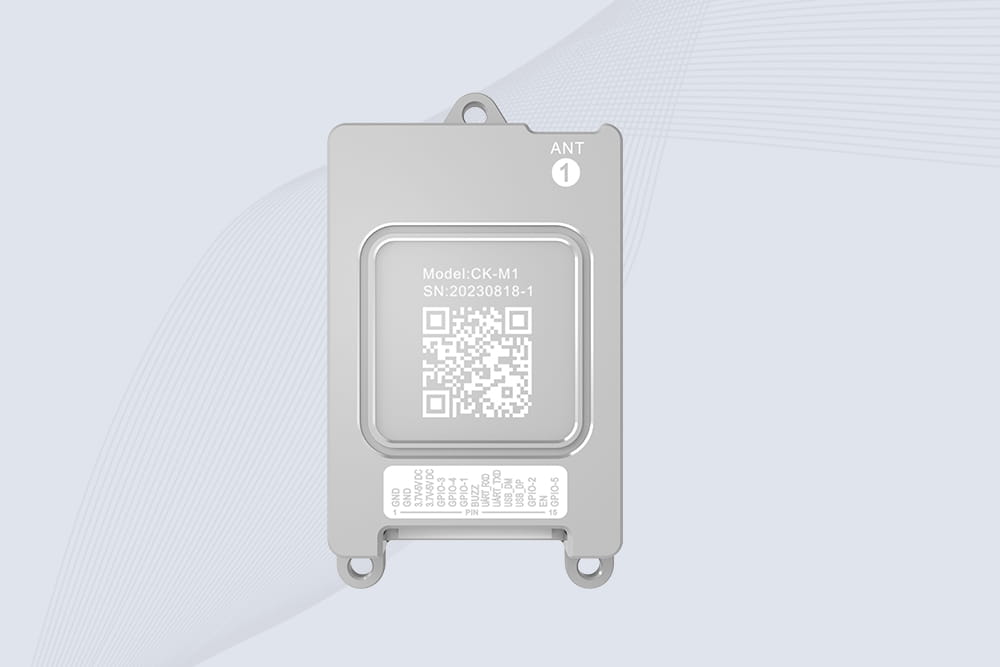
CYKEO CYKEO-M1 drone rfid module is a compact UHF RFID reader module designed for drones and UAV platforms. It supports long-range aerial scanning, fast multi-tag reading, and stable performance in wind, vibration, and outdoor environments.
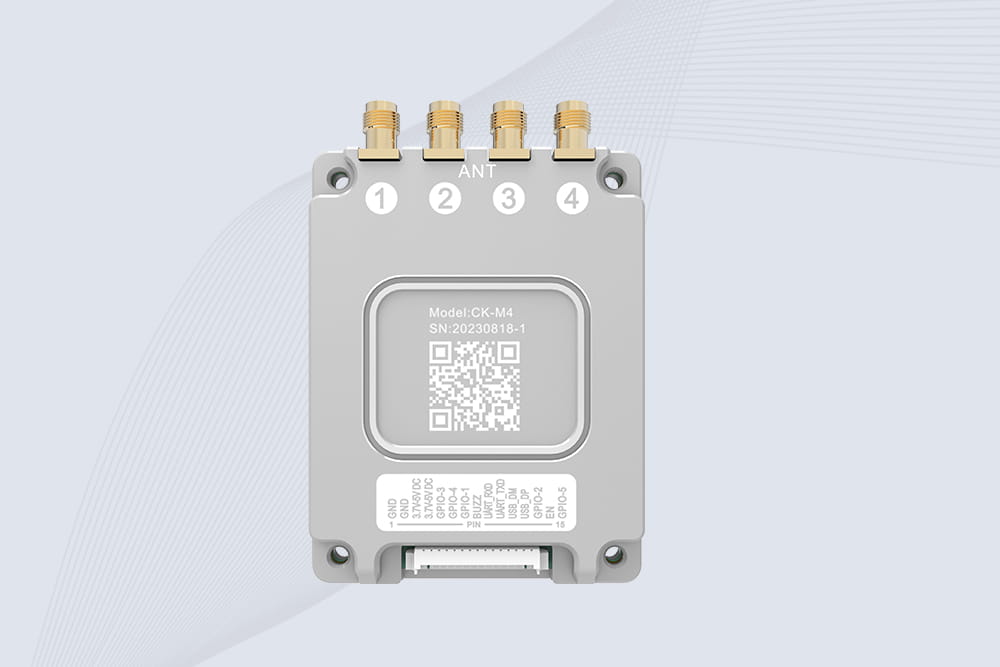
CYKEO CYKEO-M4 RC522 RFID Module is an industrial-grade UHF RFID reader with 4 ports, supporting ISO, EPC, and GB protocols. High-speed, accurate reading for IoT, automation, and warehouse applications.
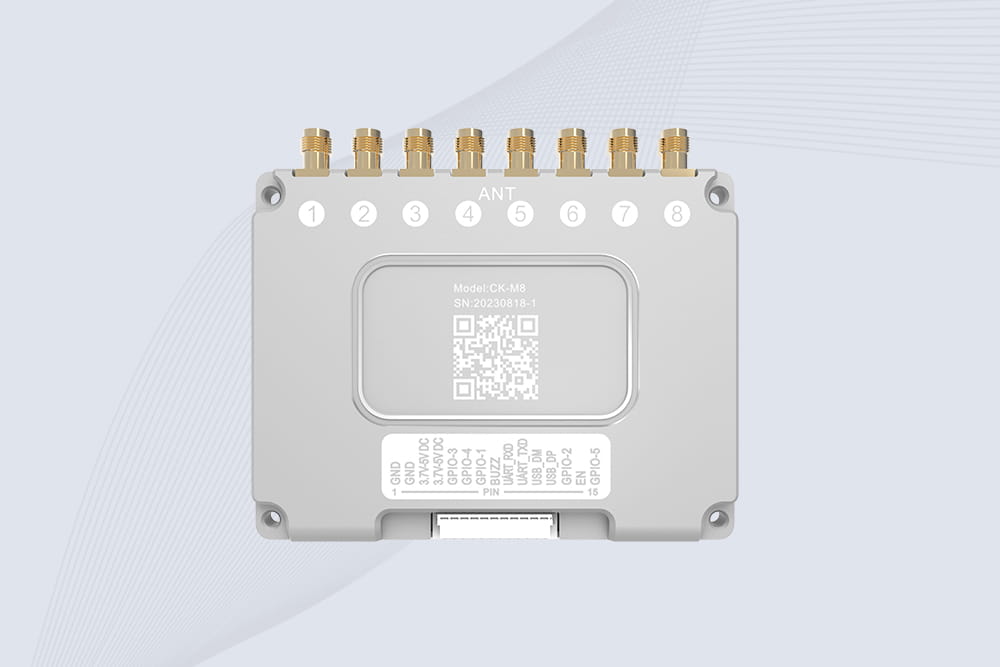
CYKEO CYKEO-M8 Module RFID is an 8-port UHF R2000 RFID Module designed for high-density, multi-tag environments. Stable 33dBm output, ISO & GB protocol support, ideal for warehouses, factories, and automated systems.
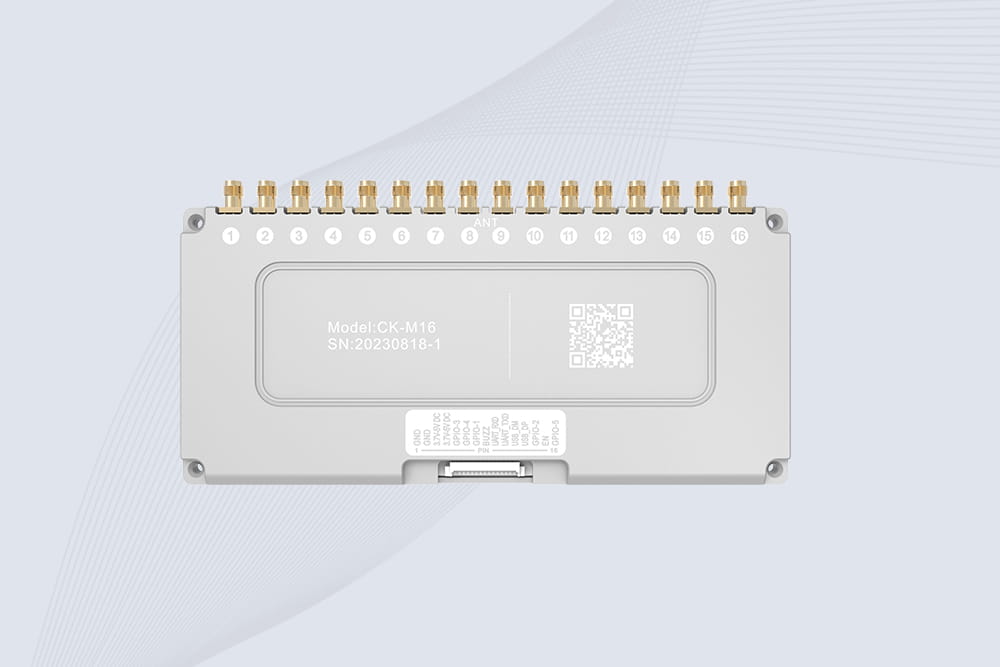
CYKEO CYKEO-M16 RFID Module is a 16-port UHF RFID reader module based on the R2000 chipset. Designed for dense tag environments, it supports ISO and GB standards and delivers stable multi-antenna control for industrial automation.
The CYKEO CYKEO-M16L RFID Reader Module is a 16-channel UHF RFID core designed for dense tag environments. With adjustable 33dBm output, multi-protocol support, and stable multi-antenna control, this RFID Tag Reader Module fits industrial automation, warehouse systems, and large-scale IoT deployments.
CYKEO CYKEO-M8L module RFID is a compact industrial UHF module built for dense tag and multi-antenna environments. With 8 RF ports, adjustable 33 dBm output, and ISO & GB protocol support, it is widely used in factories, warehouses, and automated tracking systems.
CYKEOCYKEO-M4L UHF RFID Module is a compact 4-channel RFID tag reader module designed for dense tag environments. Supporting ISO and GB protocols, it delivers stable reads up to 10 meters for industrial and IoT systems.
Cykeo CYKEO-C1 industrial Forklift RFID Reader features 20m read range, 600 tags/sec scanning, Impinj R2000 chipset, and IP67 rugged design. Ideal for warehouse logistics and manufacturing. Supports ISO 18000-6C/6B protocols.
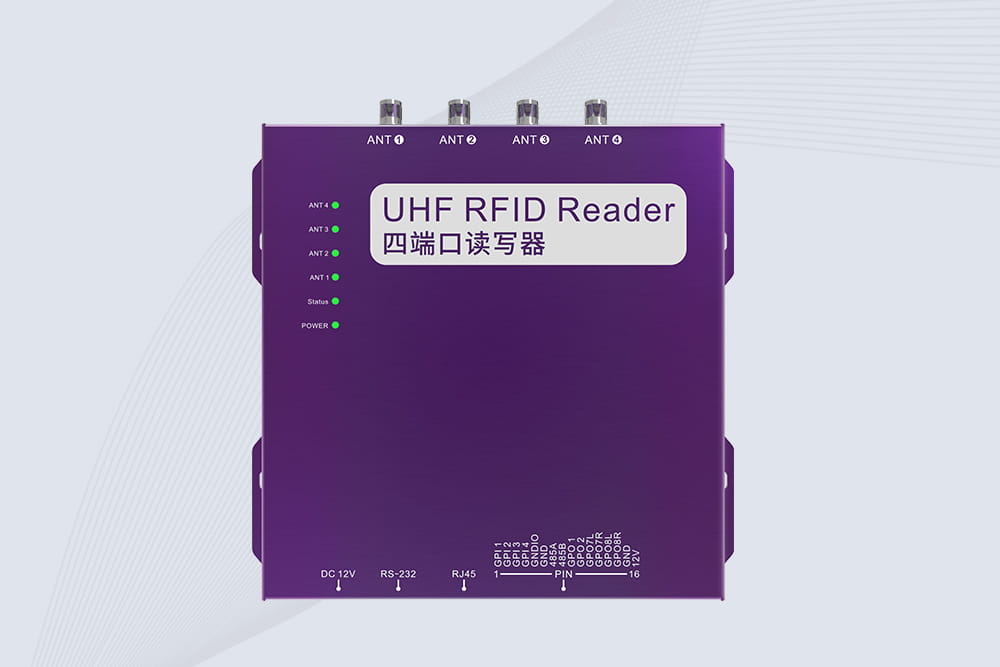
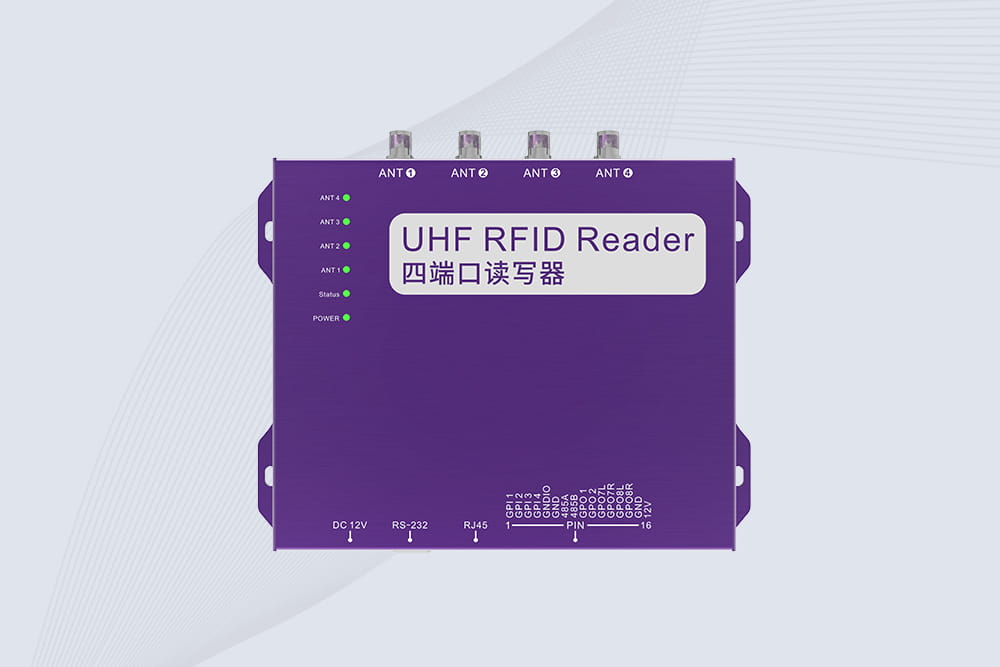
Cykeo CYKEO-R4 industrial UHF RFID Fixed Reader features 4 TNC ports, 400+ tags/sec speed, IP67 housing, and global frequency compliance for vehicle inspection, smart warehouse, and asset management systems.
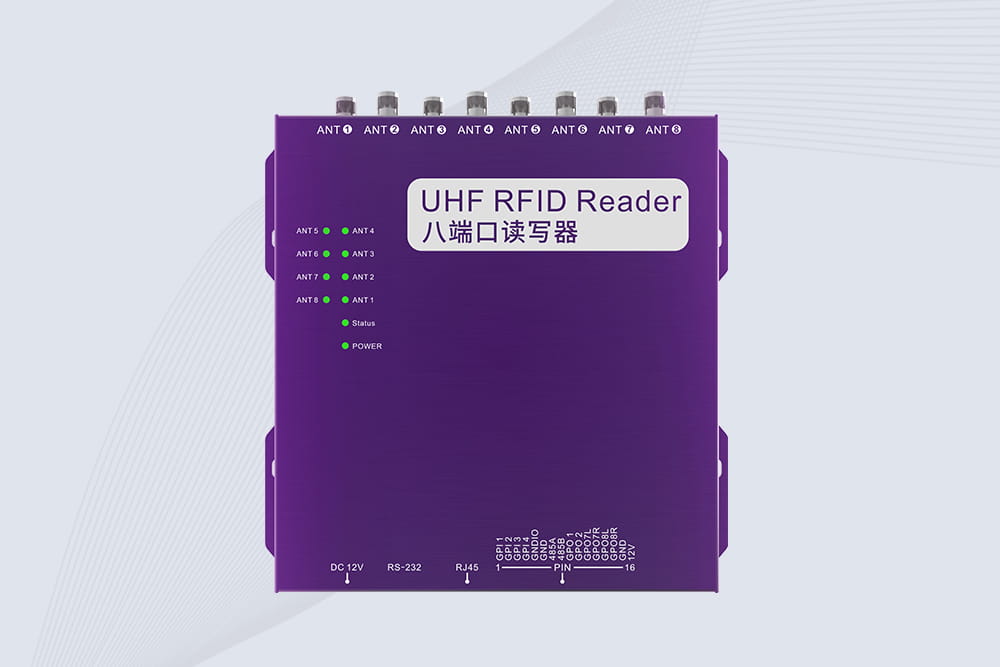
CYKEO CYKEO-R8L Fixed RFID Reader with 8-port UHF design, Impinj-based RF core and up to 20m read range. An industrial Fixed RFID Reader for vehicle inspection, warehouse portals, smart manufacturing lines and secure access checkpoints.
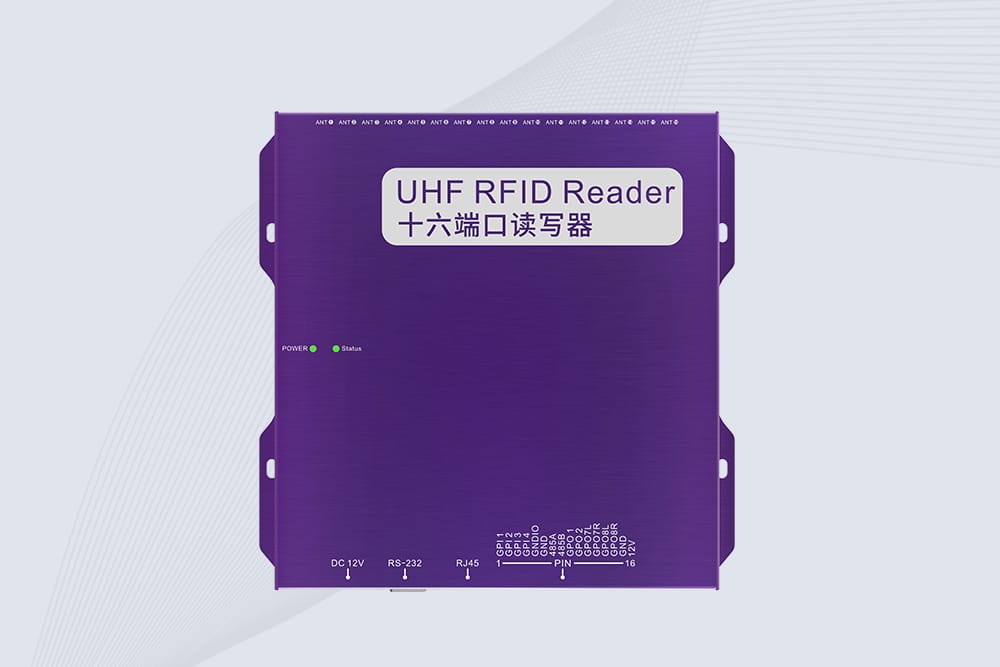
RFID Fixed Reader from CYKEO – the CYKEO-R16L 16-port UHF fixed reader for warehouses, smart cabinets, and production lines. Long-range, multi-tag reading, stable performance for 24/7 industrial use.
handheld RFID reader is a portable intelligent device widely used in asset inventory, warehouse logistics, and medical tracking. This article introduces its working principle, structural components, frequency support, and selection suggestions to ...
Learn how long do led tennis court lights last and how RFID chip reader devices enable fast, accurate data capture for tracking, security, and inventory.
Discover how RFID technology and smart cabinets transform factories and assembly lines. Track parts, tools, and inventory in real-time, prevent mistakes, and optimize production with full visibility.
 Cykeo RFID IoT Solution Products R&D Manufacturer