 Cykeo RFID IoT Solution Products R&D Manufacturer
How to Hook Up an RFID Antenna to Arduino: Getting Your First Read
253Learn how to hook up an RFID antenna to Arduino using common modules like the RC522. Our guide covers the connections, code basics, and what to do when it doesn't work.
MoreAll RFID Product
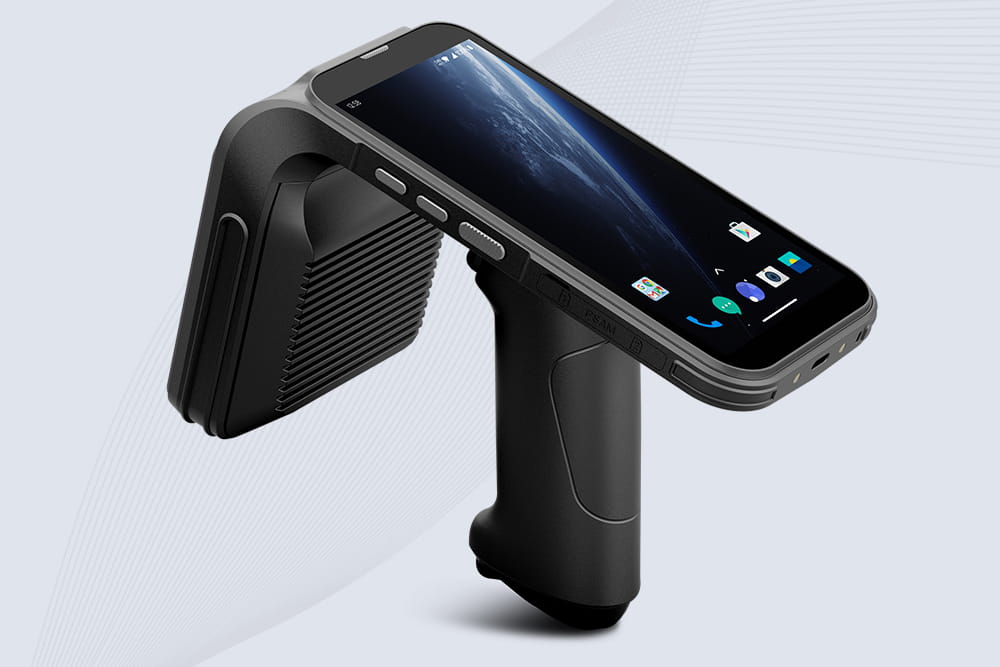
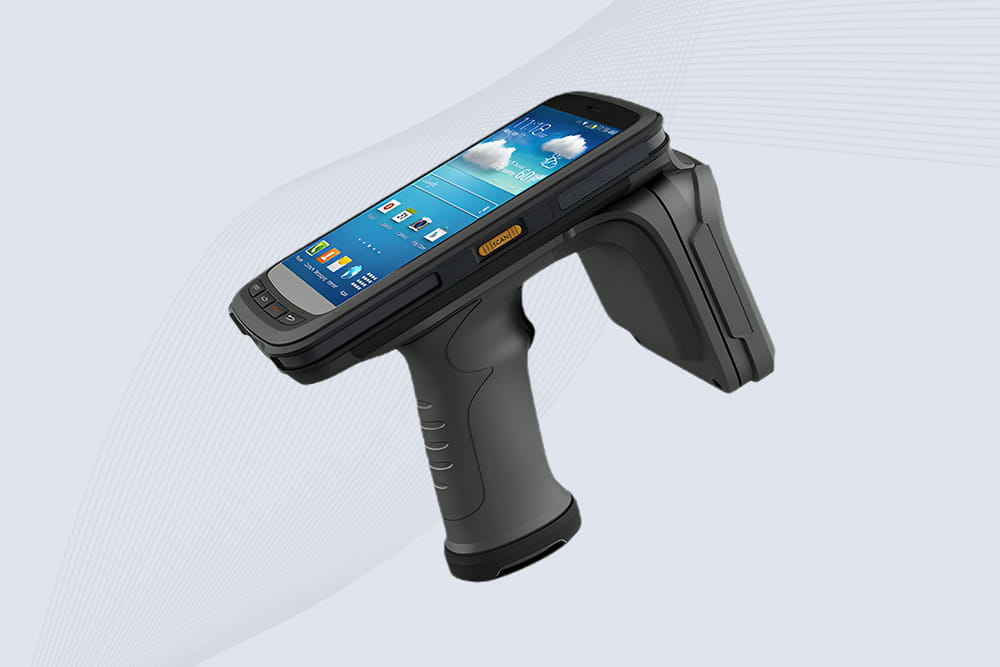
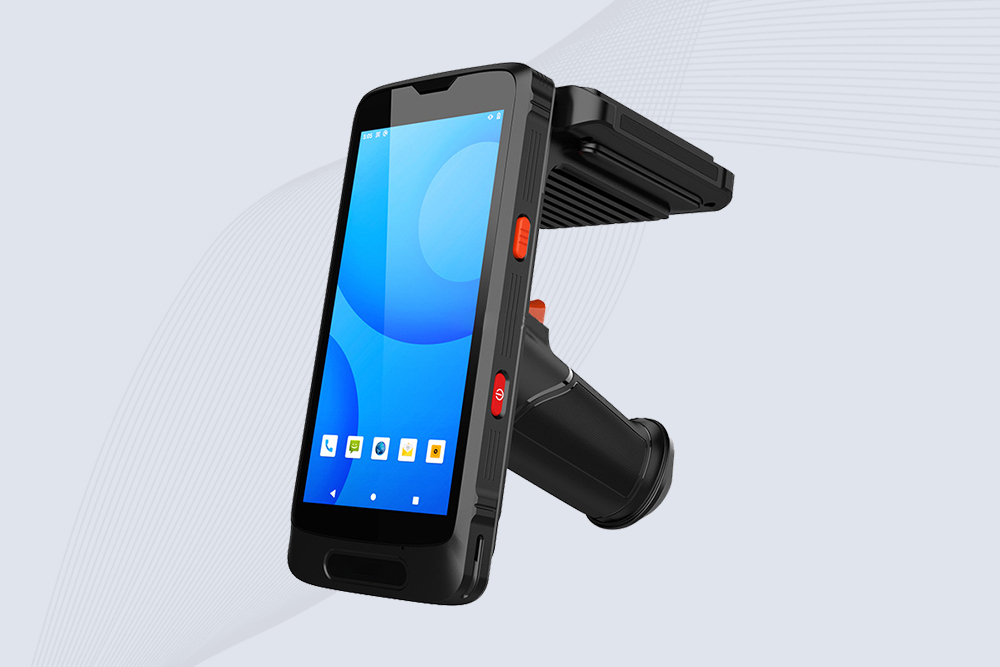
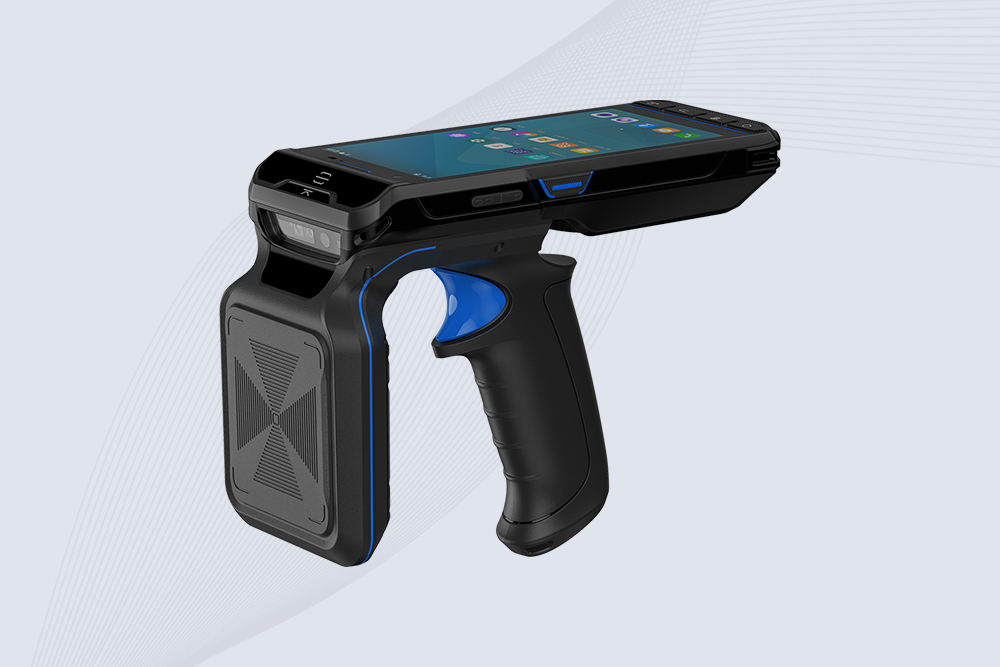
Handheld RFID scanners are designed for flexibility, but their scanning range varies widely based on technology, environment, and tag type. While most consumer-grade devices max out at 1–5 meters, industrial models can achieve 10–15 meters under optimal conditions. Here’s a breakdown of what determines range and how to maximize it for your operations.

Cykeo’s industrial handheld scanners use proprietary technologies to push range limits:
In open-field testing, Cykeo devices achieved 12-meter reads on passive UHF tags, outperforming industry averages.
Environmental factors drastically impact performance:
For tracking assets beyond 15 meters (e.g., yard management, vehicle tracking), pair handheld scanners with fixed readers or GPS-enabled tags.
A shipping yard reduced manual searches by 80% using Cykeo’s handheld scanners to locate containers from 10 meters away. Workers now scan 200+ assets per hour without climbing stacks.
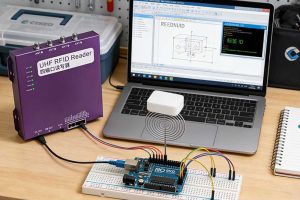
Learn how to hook up an RFID antenna to Arduino using common modules like the RC522. Our guide covers the connections, code basics, and what to do when it doesn't work.
More
Explore how RFID ceiling readers work in real warehouses, from ceiling installation to staff adaptation, revealing efficiency gains and human-centered management.
More
Discover how RFID chips operate: energy harvesting, signal transmission, and real-world applications. Learn about passive, active, and semi-passive chip designs.
More
Learn step-by-step how to integrate handheld RFID scanners with inventory management software. Discover Cykeo’s seamless solutions for real-time tracking.
More