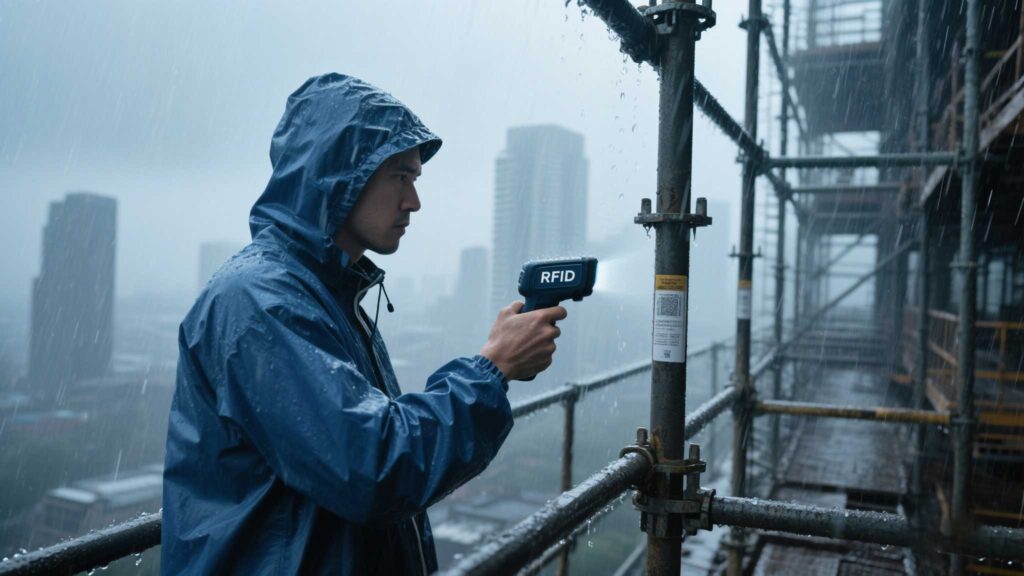
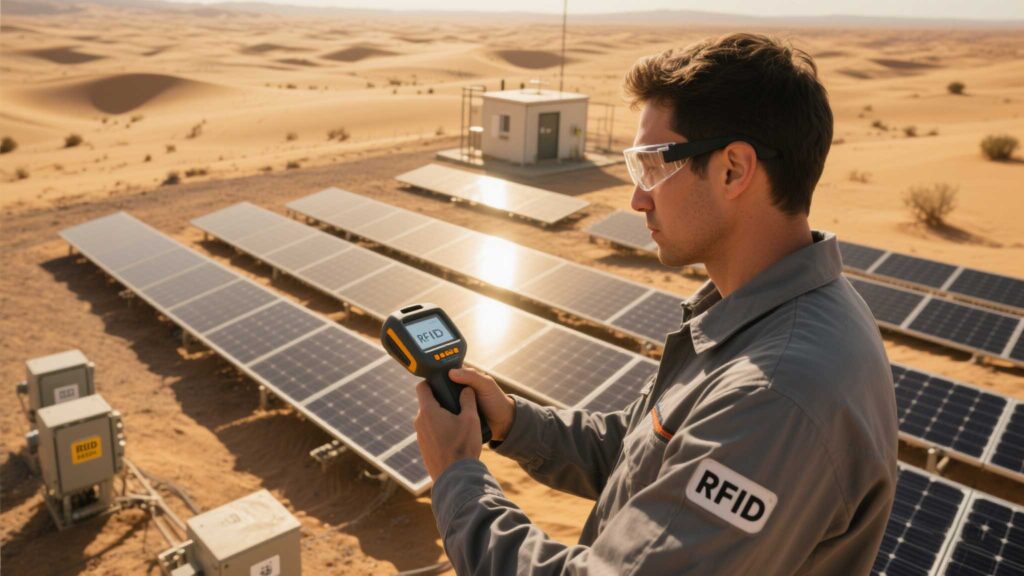
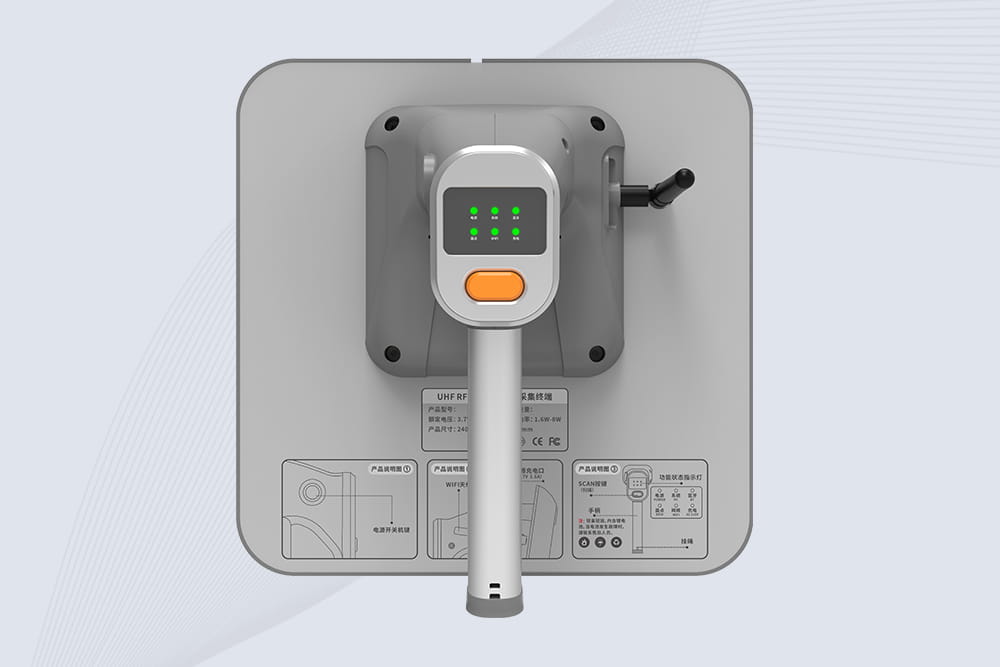
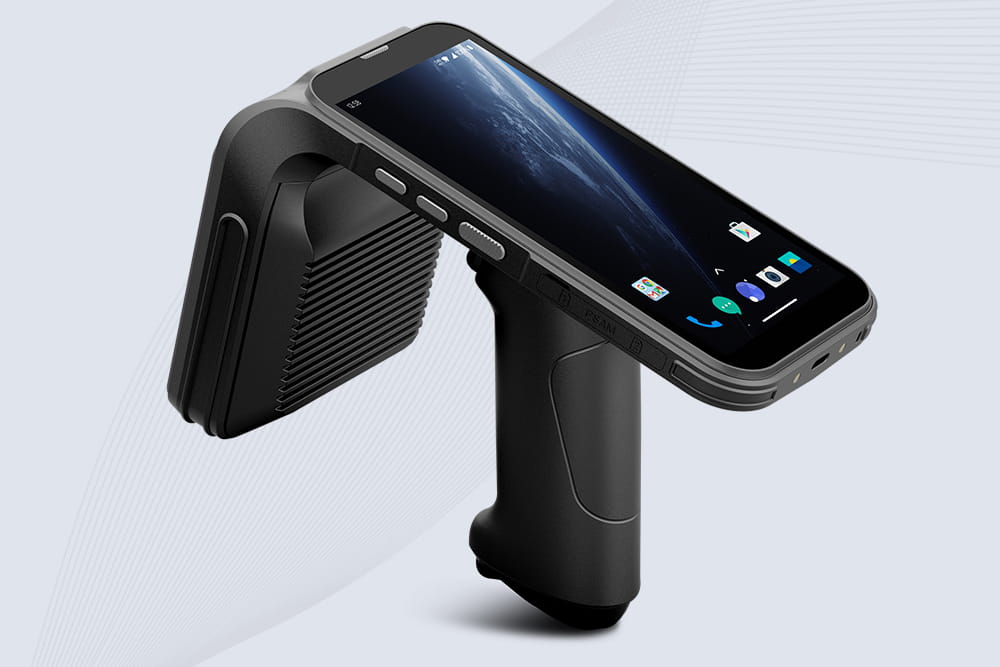
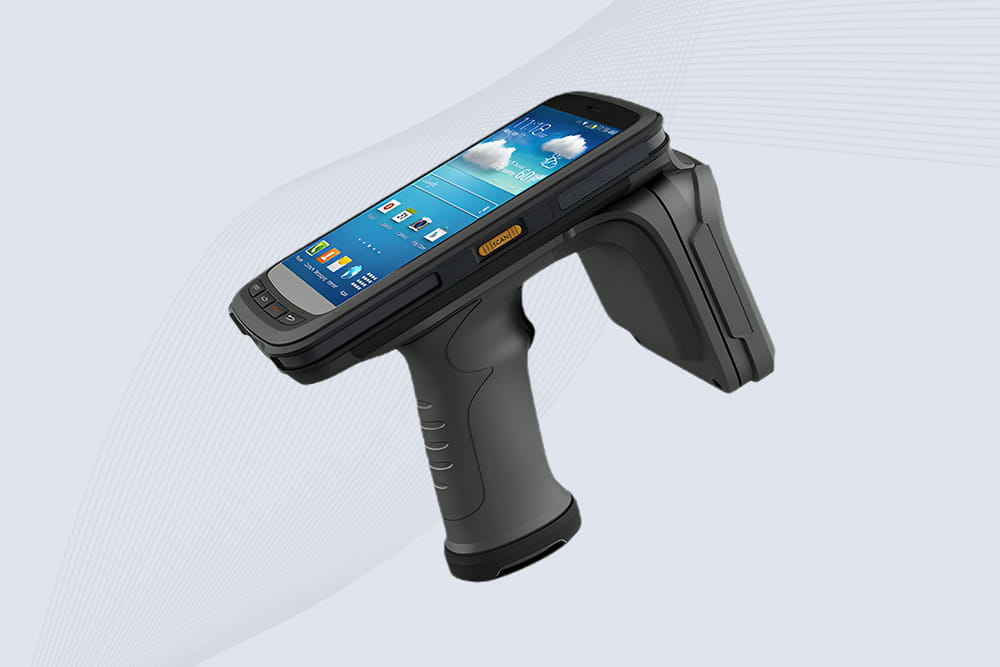
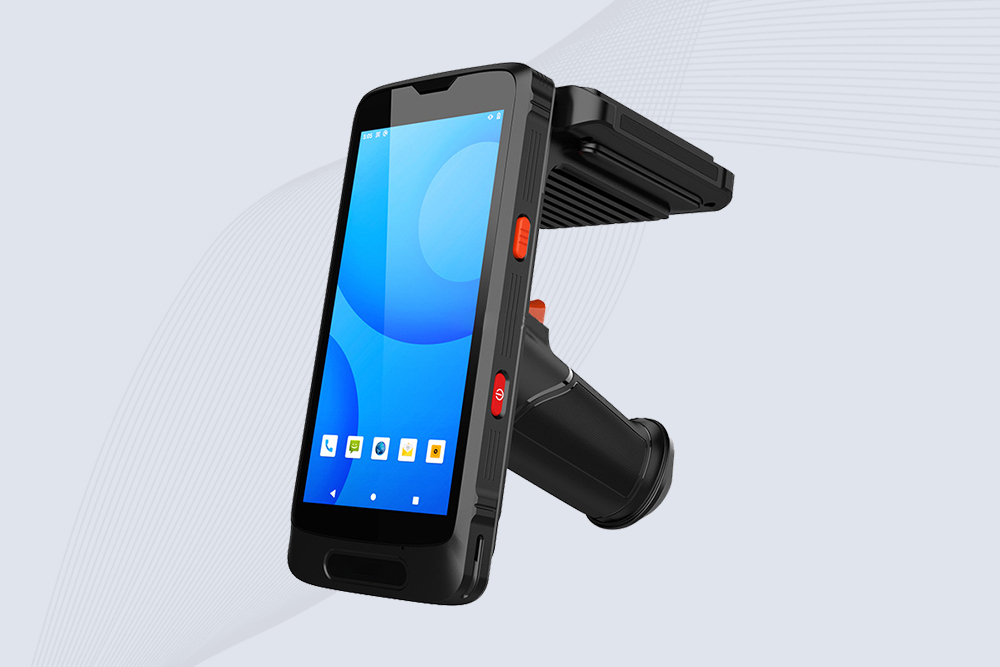
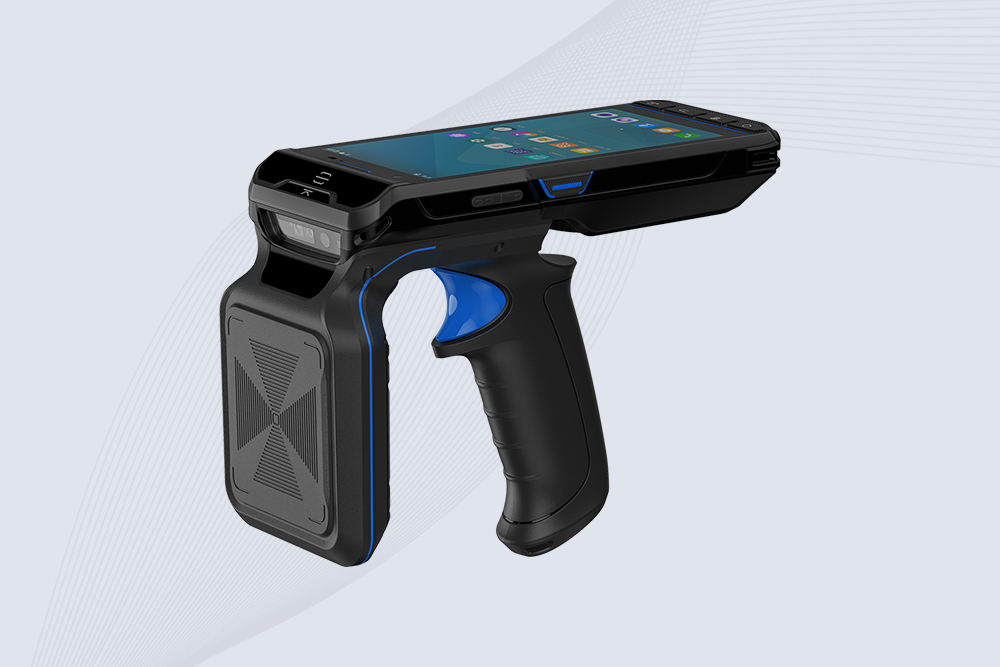
Outdoor environments are brutal on tech tools—rain, dust, heat, and accidental drops can turn a pricey handheld RFID scanner into a paperweight in months. But some scanners thrive in these conditions. What sets them apart? Let’s explore the must-have features that keep RFID scanners working through storms, heatwaves, and rough handling.
1. IP Ratings: The First Line of Defense
What It Means: IP (Ingress Protection) ratings indicate resistance to solids (dust) and liquids (water). For outdoor use, aim for:
IP54: Protects against dust and water splashes (e.g., light rain).
IP67: Fully dustproof and waterproof up to 30 minutes in 1 meter of water.
Why It Matters: A scanner rated IP67 can survive sudden downpours on a construction site or being dropped in a puddle. Cykeo’s industrial-grade models, for instance, are built to IP67 standards, making them reliable for forestry or utility fieldwork.
2. Rugged Materials: Built to Survive Drops
Key Components:
Rubberized Grips: Prevent slips during rain or snow.
Reinforced Corners: Absorb shock from 6+ foot drops onto concrete.
Shatterproof Screens: Gorilla Glass or similar materials resist cracks.
Pro Tip: Check MIL-STD-810G certification—a military standard for durability against vibrations, shocks, and extreme temps.
3. Temperature Tolerance: From Freezing to Sweltering
Outdoor scanners must handle:
Cold: -20°C (-4°F) for winter logistics or alpine surveys.
Heat: 50°C (122°F) for desert mining or summer construction.
Battery Note: Lithium-ion batteries perform better than NiMH in extreme temps.
4. Sunlight-Readable Displays
Problem: Glare makes screens unreadable in direct sunlight. Solution:
Read Field Reviews: Look for feedback from mining, construction, or agriculture users.
Takeaway: A durable handheld RFID scanner isn’t just about surviving the elements—it’s about maintaining accuracy and speed when the weather turns ugly or the job site gets chaotic. Brands like Cykeo design their outdoor-ready models to balance toughness with usability, but always prioritize features that match your environment. Whether you’re tracking equipment in a hurricane-prone warehouse or managing livestock in the desert, the right scanner keeps working when others fail.
A hands-on breakdown of how an RFID bank card reader works, the security flaws it faces, and practical defenses. Discover the unseen technical tug-of-war hidden behind the convenience of contactless payments.
Discover how RFID for stock management is reshaping inventory accuracy and operational efficiency across industries. Learn about its key benefits, real-world challenges, and best practices for successful deployment in warehouses, retail, manufactu...
Discover durable textile RFID tags designed for industrial laundry, uniform, and linen tracking. Improve inventory accuracy, reduce loss, and manage textiles efficiently with long-lasting RFID laundry tags.
 Cykeo RFID IoT Solution Products R&D Manufacturer