 Cykeo RFID IoT Solution Products R&D Manufacturer
how to set up rfid reader
176A UHF RFID reader is set up by connecting a compatible antenna and host system, configuring regional frequency and RF power, then testing tag detection withi...
MoreAll RFID Product
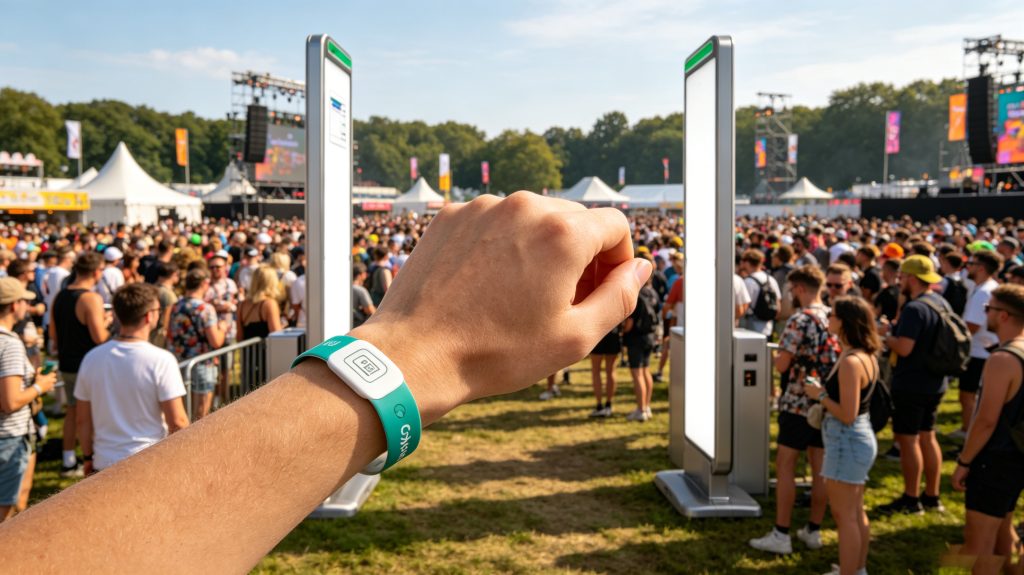
A silicone RFID wristband is a durable, waterproof wearable device embedded with an RFID chip, allowing secure identification, access control, cashless payment, and attendance tracking in a convenient wristband form.
Unlike paper tickets, plastic cards, or printed badges, a silicone RFID wristband stays attached to the user throughout an event or operation. That simple difference explains why RFID wristbands have become common in festivals, water parks, fitness centers, hospitals, resorts, and corporate access systems.
As a company involved in RFID identification and tracking solutions, we have seen organizations initially adopt silicone RFID wristbands for access control, only to later expand their use into payments, membership management, and visitor analytics.
A silicone RFID wristband combines a flexible silicone band with an embedded RFID or NFC chip.
The chip stores a unique identification number that communicates with RFID readers.
| Component | Function |
|---|---|
| Silicone Band | Comfortable wearable structure |
| RFID Chip | Stores identification data |
| RFID Antenna | Enables wireless communication |
| Reader System | Reads and processes data |
| Management Software | Controls access and records events |
Most silicone RFID wristbands operate using either:
The appropriate frequency depends on the intended use case.
One reason becomes obvious the moment you enter a crowded venue.
People lose tickets.
People misplace access cards.
People forget badges.
They rarely lose something attached to their wrist.
These practical benefits explain their widespread adoption across multiple industries.
Access control remains one of the largest applications.
Instead of presenting a card, users simply approach an RFID reader.
The interaction often takes less than a second.
According to the RFID Journal, contactless identification systems continue to expand globally because they improve both convenience and operational efficiency.
Compared with traditional keys:
For facility managers, visibility becomes just as important as security.

Large events increasingly rely on RFID wristbands.
The reasons are practical rather than technological.
Long ticket queues create frustration.
Cash transactions slow service.
Manual attendance tracking introduces errors.
RFID solves these problems simultaneously.
According to the Event Industry Council, event organizers continue investing in digital attendee technologies to improve visitor experience and operational efficiency.
At one event site review, the biggest operational improvement was not gate speed.
It was reduced staffing requirements.
Attendees moved through checkpoints faster, while organizers gained better visibility into crowd flow patterns.
That secondary benefit often goes unnoticed during planning.
Silicone is particularly well suited for environments involving water exposure.
| Application | Why Silicone Works |
| Water Parks | Waterproof |
| Swimming Pools | Chemical resistance |
| Resorts | Long-term durability |
| Fitness Centers | Sweat resistance |
| Healthcare | Easy cleaning |
Unlike paper-based alternatives, silicone RFID wristbands remain functional after repeated exposure to moisture and daily wear.
This durability contributes significantly to lower replacement costs.
| Feature | Silicone RFID Wristband | RFID Card |
| Wearability | Excellent | None |
| Waterproof | Yes | Limited |
| User Convenience | High | Moderate |
| Risk of Loss | Low | Higher |
| Event Usage | Excellent | Moderate |
| Long-Term Comfort | High | N/A |
For user-facing environments, wristbands often achieve higher adoption rates simply because they require less effort from the user.
Organizations often compare RFID wristbands based solely on chip specifications.
That rarely determines project success.
Comfort matters.
Durability matters.
User compliance matters.
A wristband that survives six months of daily use often delivers greater value than one offering slightly more memory but requiring frequent replacement.
In practice, user behavior usually influences outcomes more than technical specifications.
That reality becomes clear after deployment.
A silicone RFID wristband is a wearable RFID device containing an embedded RFID chip used for identification, access control, and tracking.
Yes. Most silicone RFID wristbands are designed to withstand water exposure, making them suitable for pools, resorts, and outdoor environments.
Yes. Many event organizers and resorts use RFID wristbands for cashless payment systems.
Events, hospitality, healthcare, fitness centers, education, access control, and entertainment venues commonly use RFID wristbands.
Depending on usage conditions and material quality, silicone RFID wristbands can remain functional for several years.
A silicone RFID wristband combines durability, convenience, and secure contactless identification into a single wearable solution. From access control and membership management to event operations and cashless payments, silicone RFID wristband technology continues to help organizations improve security, efficiency, and user experience.
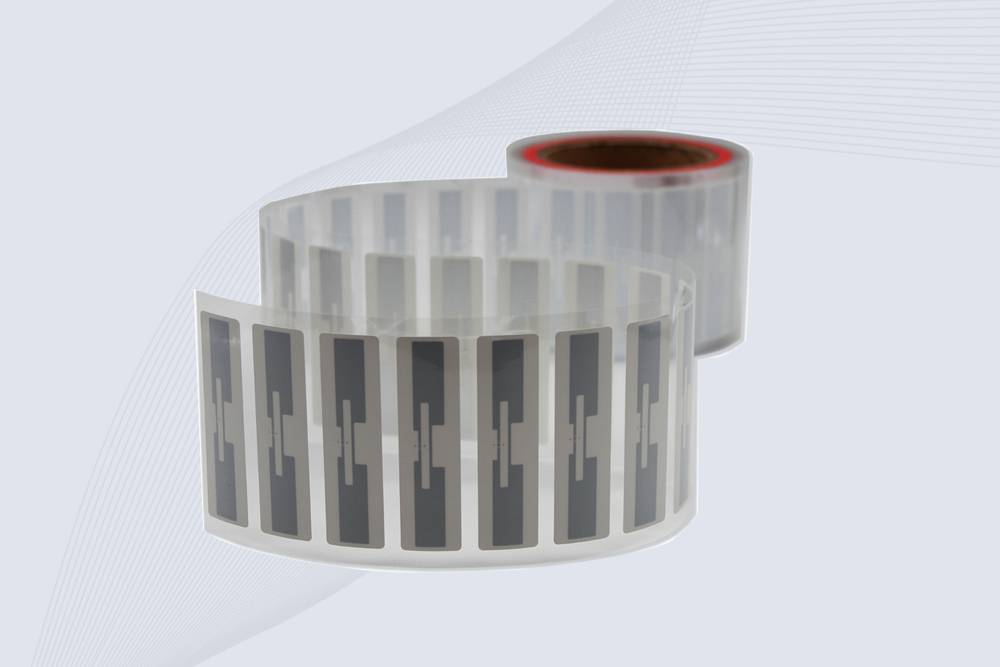
CYKEO Passive RFID Tags are made for wet and high-humidity environments where standard labels do not last. This rfid passive tag is often used around liquids, chemicals and temperature changes, providing stable reading distance and long data life for industrial tracking.
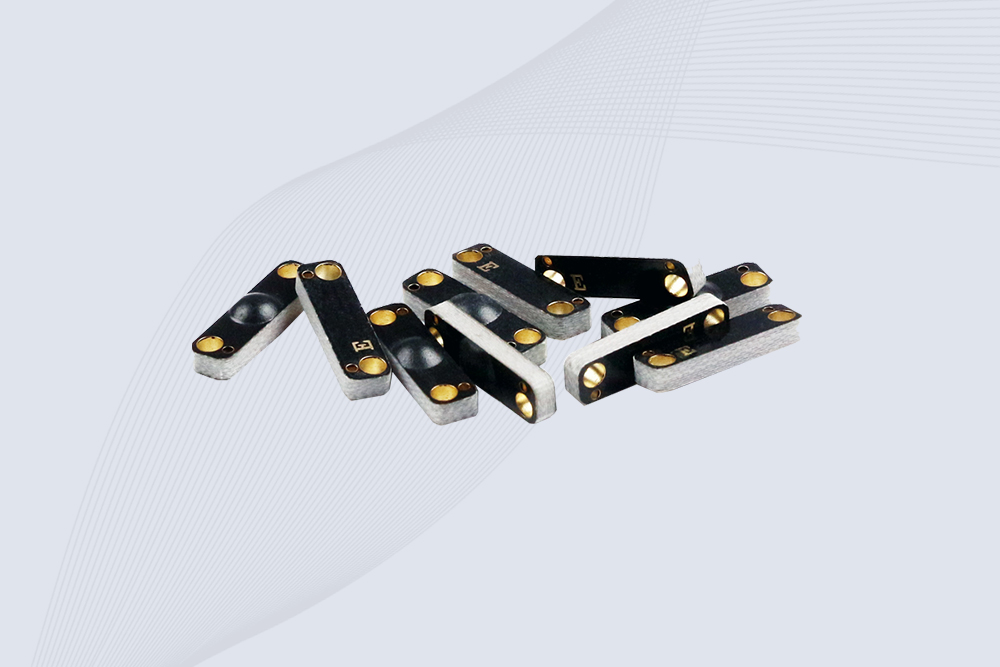
CYKEO CYKEO-PCB1504 Metal RFID Tags is a compact anti-metal UHF RFID solution built for direct mounting on metal surfaces. With stable 8-meter read range, Ucode-8 chip, and long data retention, this rfid metal tag fits tools, containers, automotive parts, and industrial asset tracking.
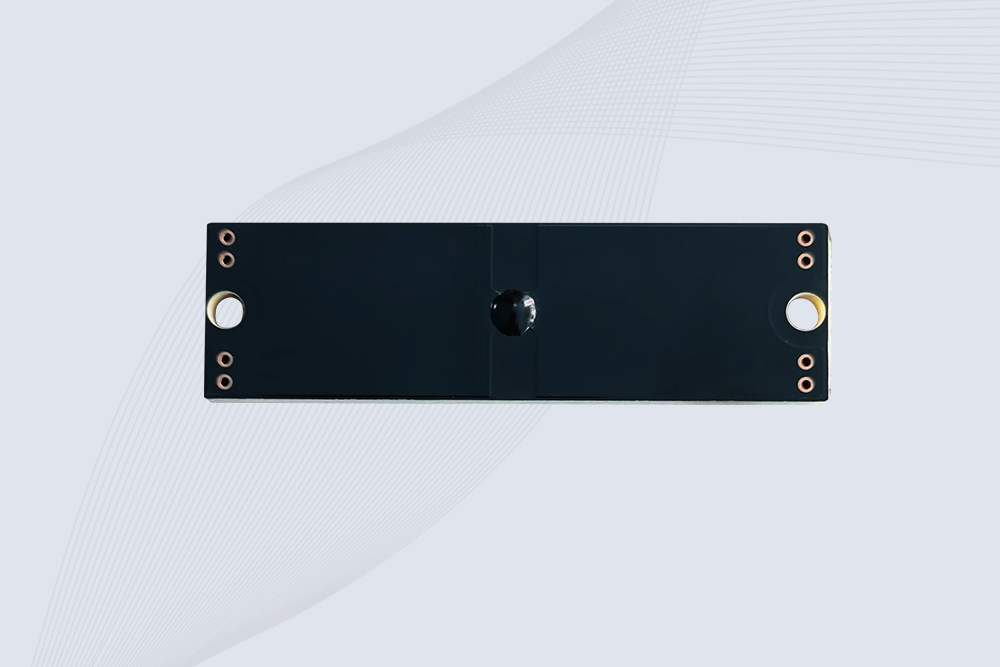
CYKEO CYKEO-PCB7020 On-Metal RFID Tags are designed for reliable tracking on steel and metal surfaces. Built with an FR4 epoxy body and industrial-grade chips, these On-Metal RFID Tags deliver stable performance, long data life, and chemical resistance, making them a dependable RFID anti-metal tag for harsh environments.
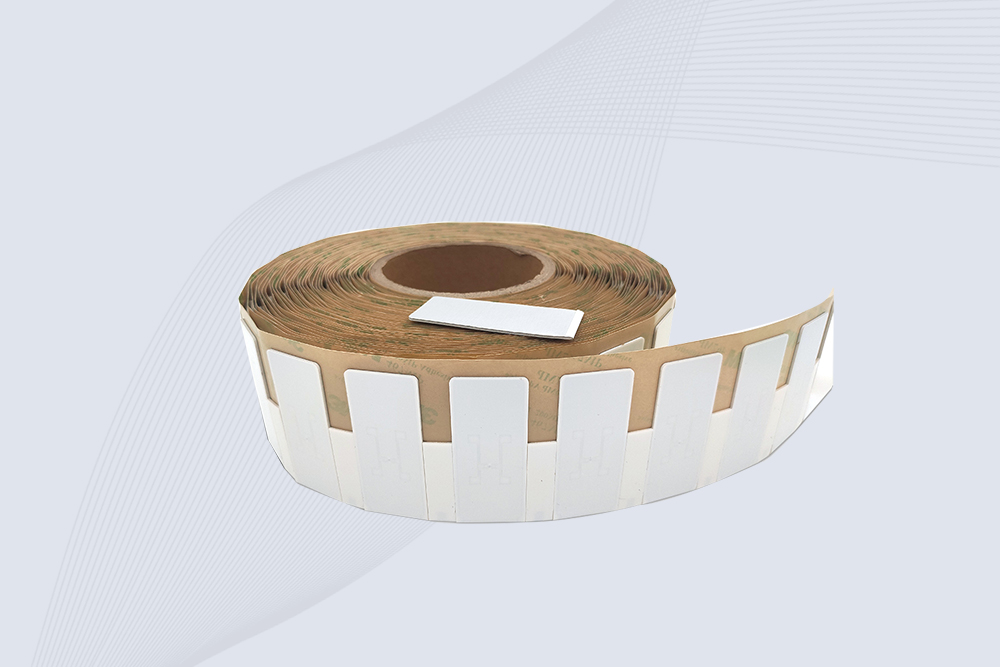
The CYKEO CYKEO-60-25 Anti-Metal RFID Tag is built for metal surfaces where standard tags fail. Designed for long-range performance, harsh environments, and stable data retention, this Anti-Metal RFID Tag is ideal for industrial assets, containers, and equipment tracking using on metal RFID tags.
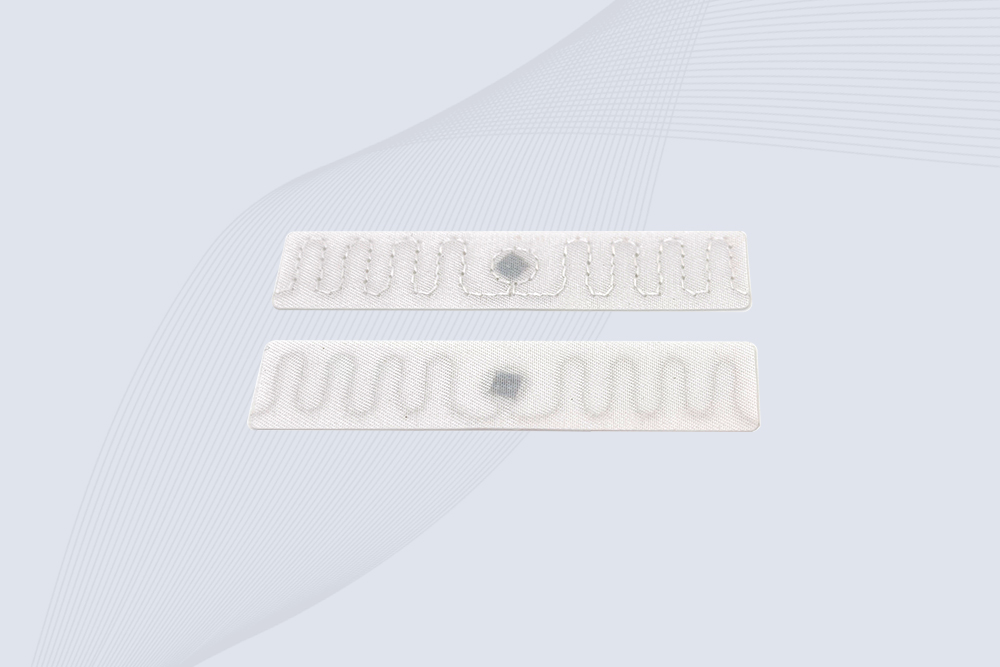
The CYKEO RFID Laundry Tag is designed for long-term textile identification in harsh laundry environments. Built to withstand high heat, chemicals, and repeated washing, this RFID Laundry Tag delivers stable performance for hotels, hospitals, and industrial laundry operations using laundry rfid tags at scale.
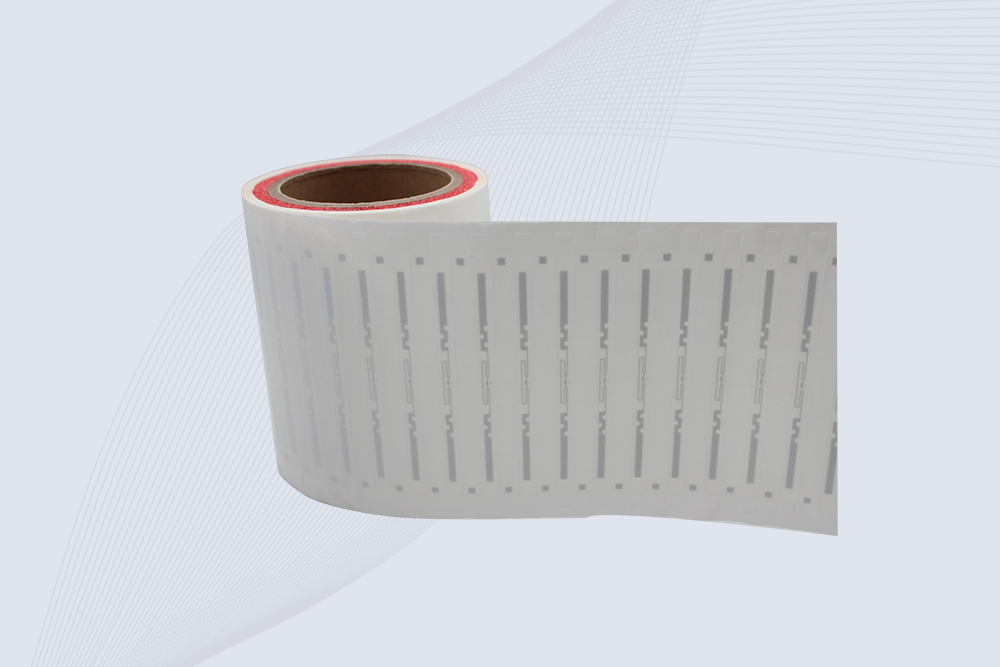
The CYKEO CYKEO-125-7 RFID Book Tag is designed for reliable book and document tracking in libraries and archives. This RFID Book Tag delivers long read range, dense placement support, and stable performance on shelves, making it a practical rfid tag on books for library automation, file management, and archival systems.
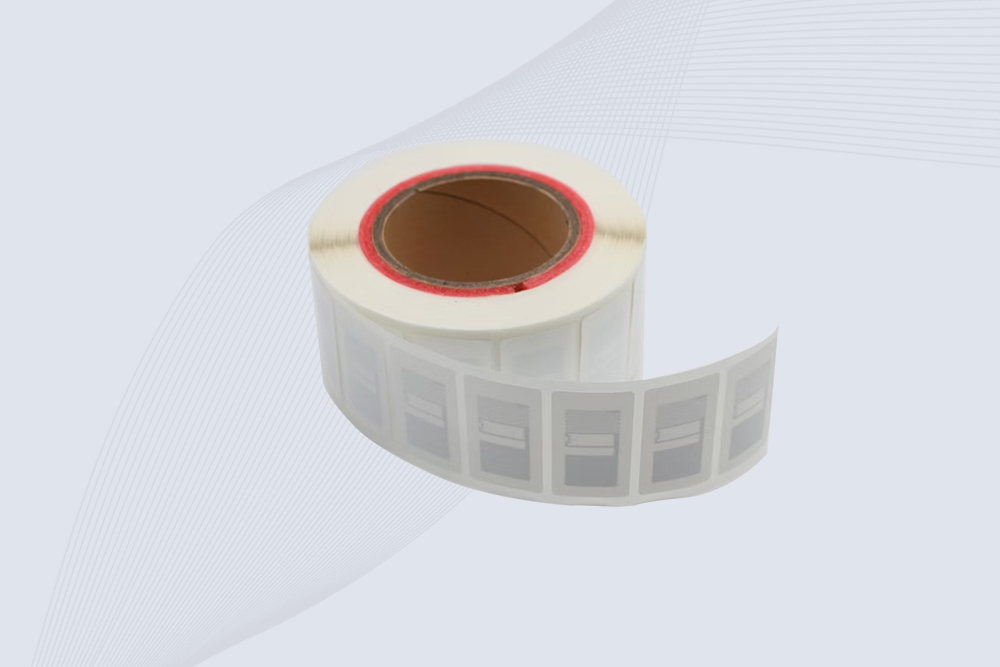
CYKEO RFID tags in hospitals are designed for sterile environments where accuracy matters. These autoclavable RFID tags support long-term tracking of surgical tools, implants, and medications, helping hospitals improve visibility, compliance, and patient safety.

CYKEO RFID Cable Tie Tag is built for reliable identification on metal surfaces. This UHF RFID Cable Tie Tag is widely used in rfid tags for inventory systems, industrial asset management and Hospital RFID Tags, offering stable read performance, long service life and global EPC Gen2 compatibility.
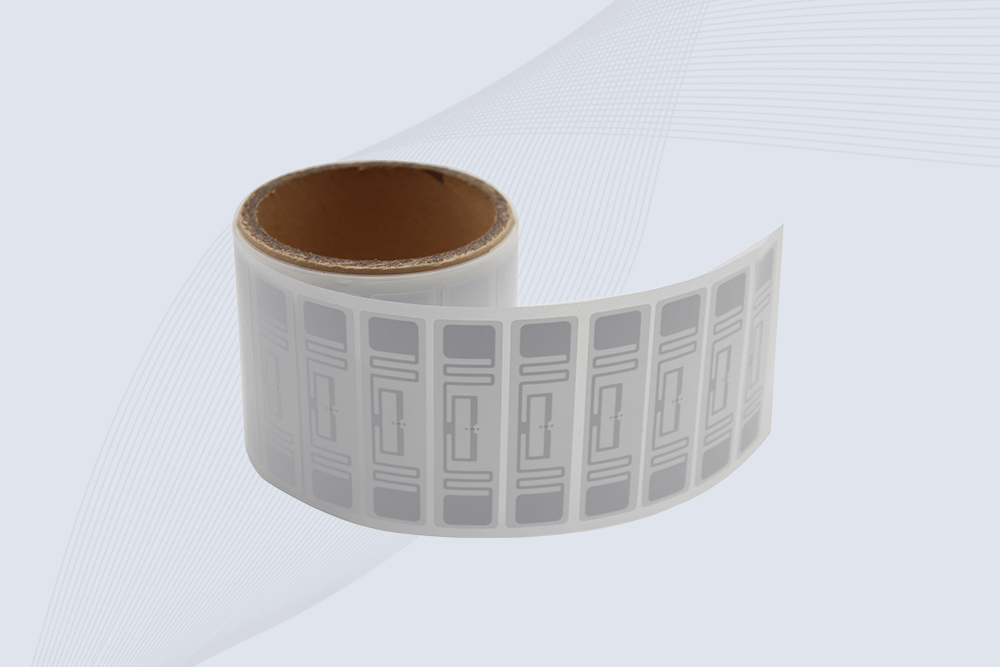
CYKEO RFID Asset Tag is designed for stable identification of metal assets in industrial environments. This UHF RFID Asset Tag is commonly used for rfid tag asset tracking on equipment, tools and containers, providing reliable reads, long service life and ISO/IEC 18000-6C support.

CYKEO UHF RFID Card is designed for fast identification and long-term use in industrial and commercial systems. Supporting ISO 18000-6C, this UHF RFID Card works at 860–960 MHz and is suitable for custom RFID cards used in asset tracking, access control and inventory management.
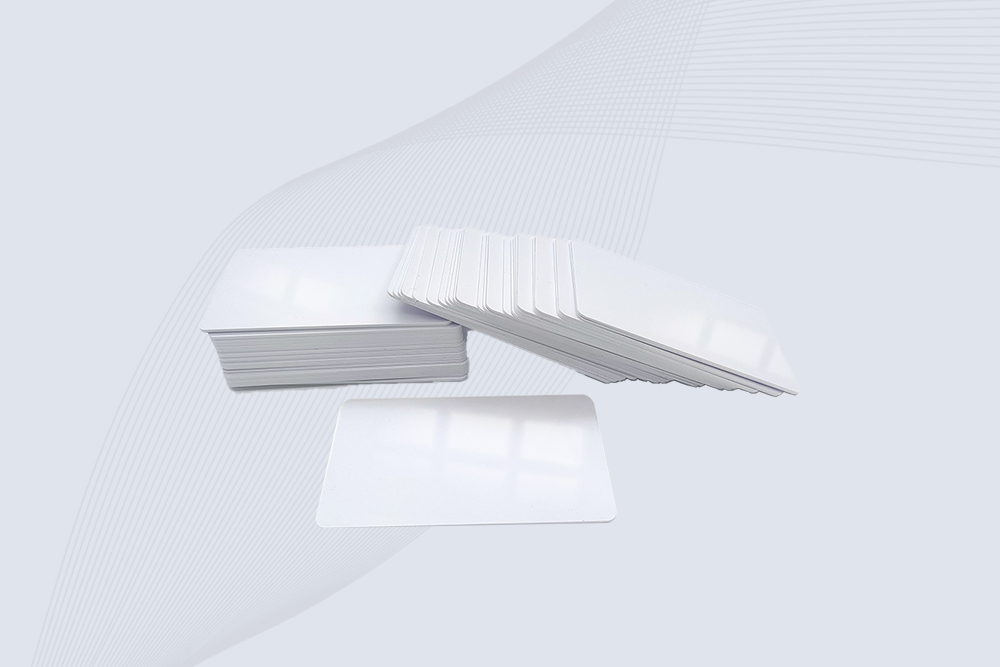
CYKEO HF RFID Cards are designed for secure and stable access control systems. These 13.56 MHz RFID key cards support ISO 14443-A, reliable rewriting and long service life, making HF RFID Cards suitable for offices, campuses, events and membership management.
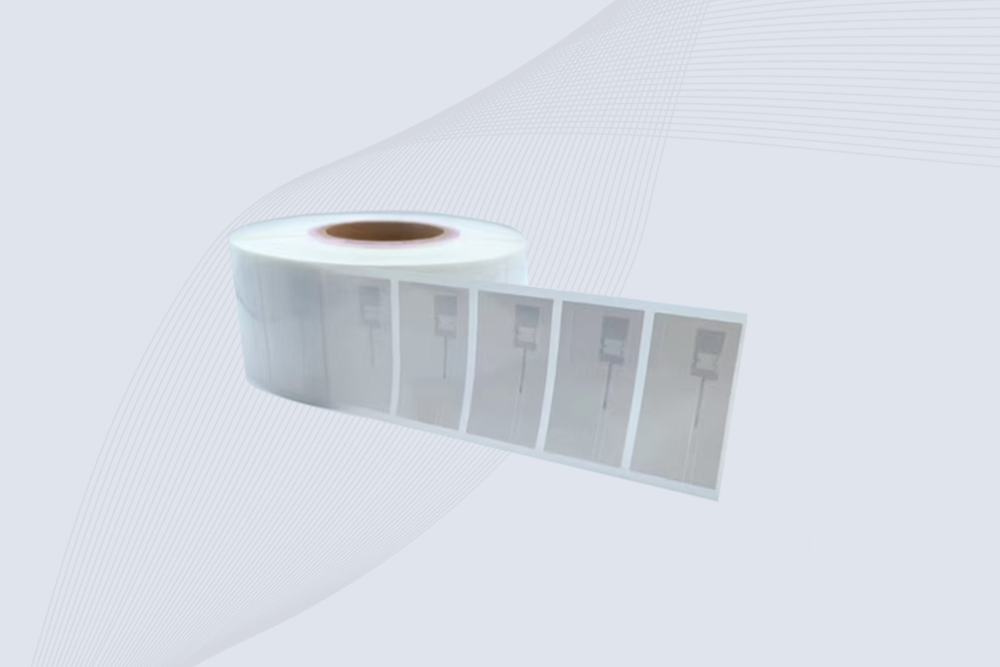
CYKEO UHF RFID Tag is designed for reliable tracking of metal jewelry and high-value items. This Jewelry RFID Tag supports long-range reading up to 8 meters, anti-counterfeit protection and stable performance on metal, making it suitable for retail, inventory control and asset management.

A UHF RFID reader is set up by connecting a compatible antenna and host system, configuring regional frequency and RF power, then testing tag detection withi...
More
Discover how a long range RFID scanner helps mining companies track heavy equipment, tools, vehicles, and materials across large mining sites. Learn practical deployment tips and choose the right industrial RFID solution.
More
Discover how rfid flag tag technology improves UHF asset tracking, warehouse visibility, cable management, and inventory accuracy with Cykeo RFID solutions.
More
Discover top RFID module brands for accurate medical equipment tracking in hospitals. Compare features like read range, compliance, and durability for healthcare needs.
More