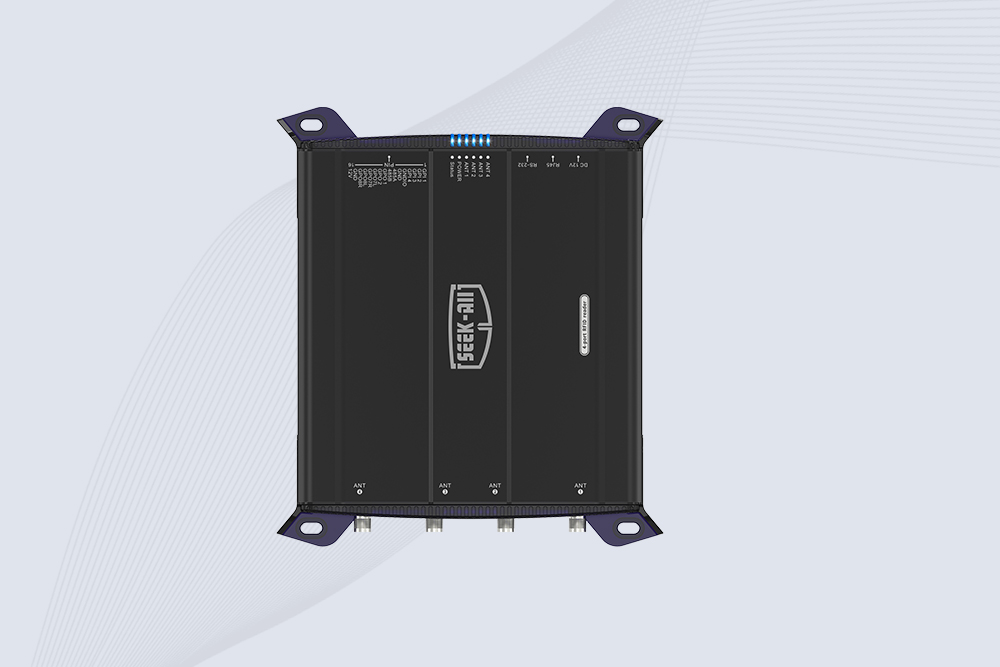
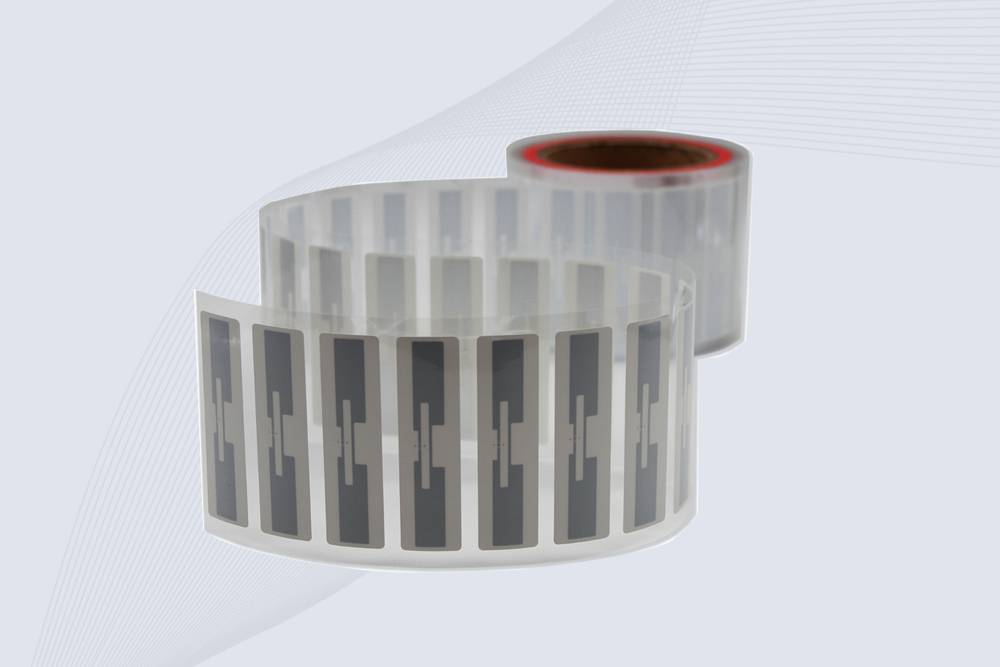
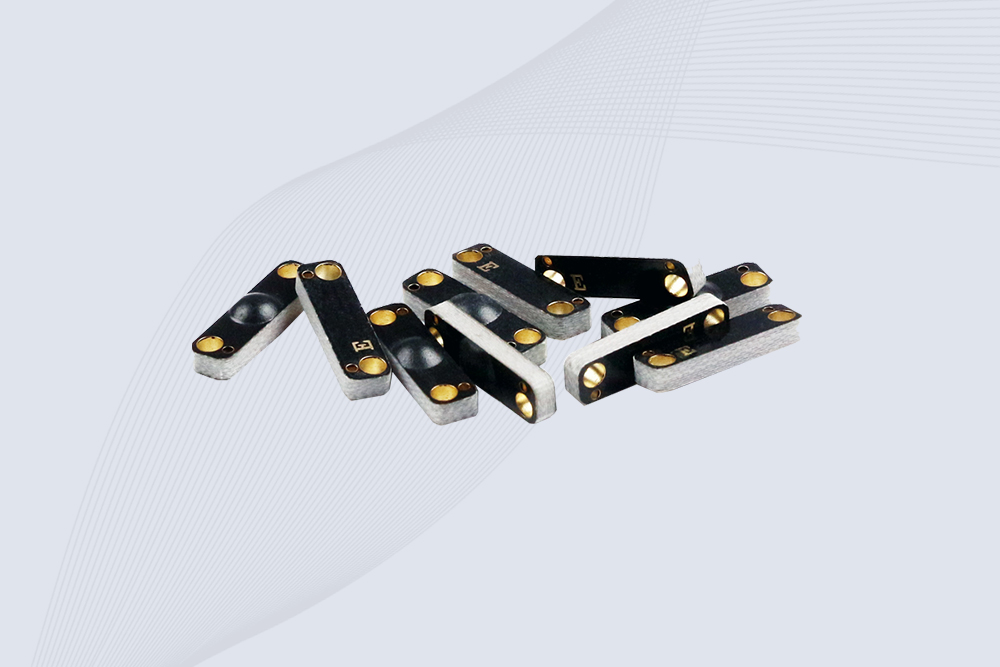
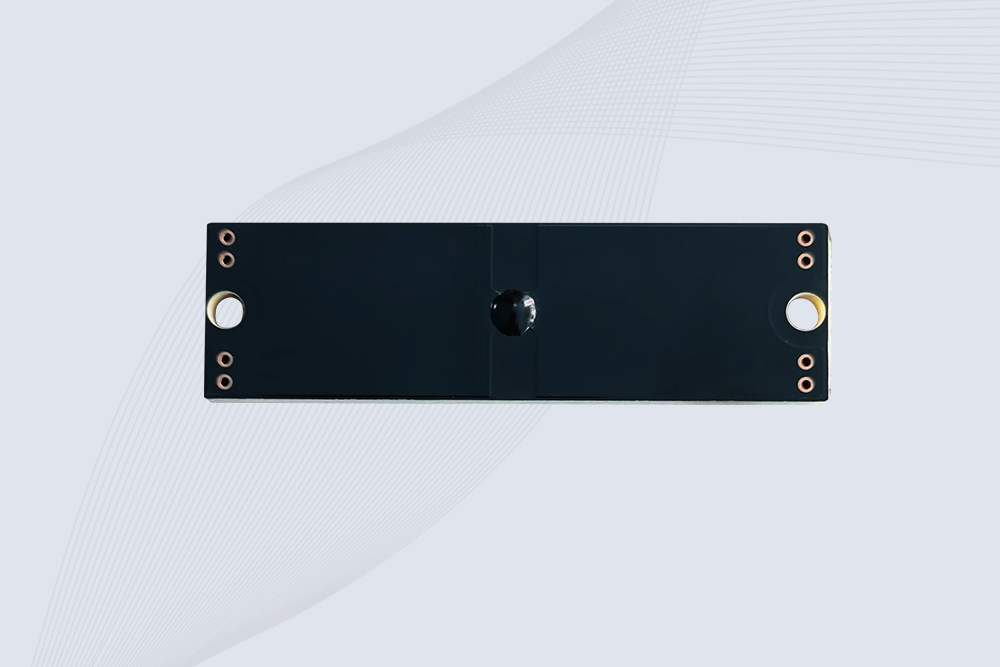
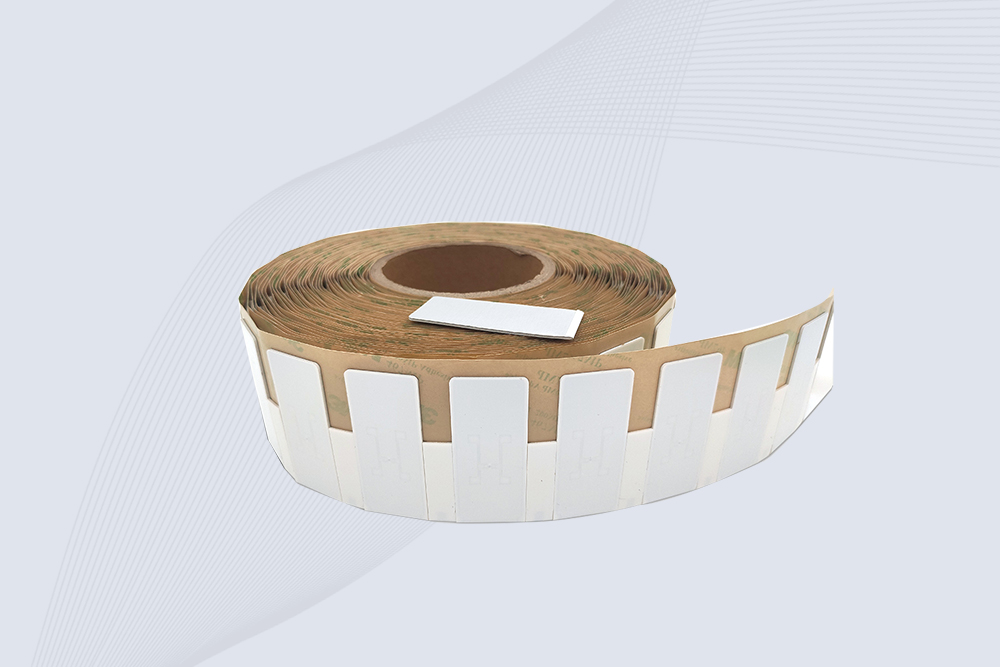
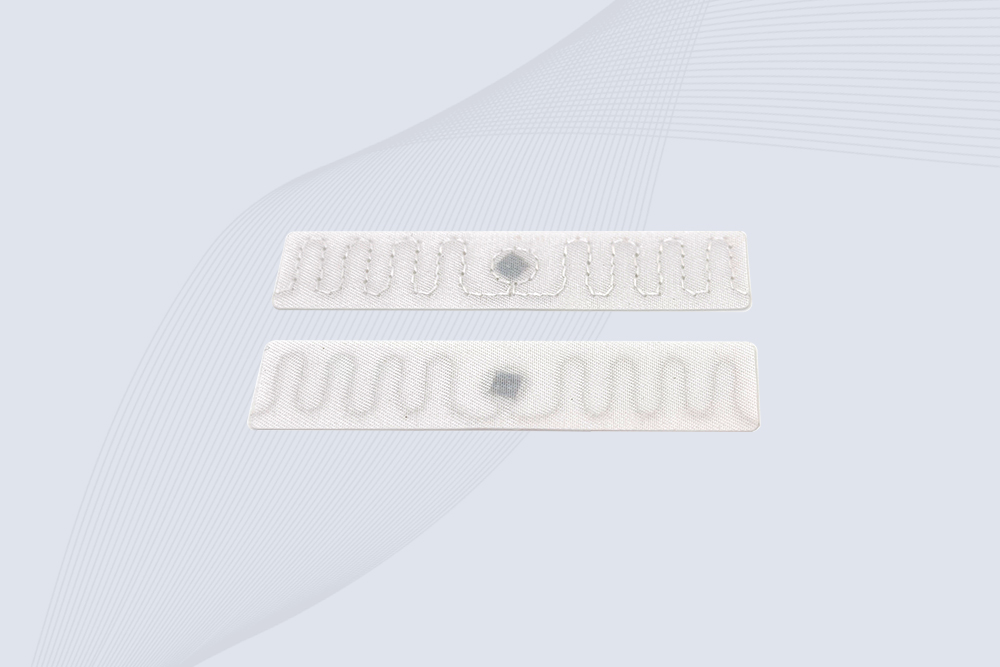
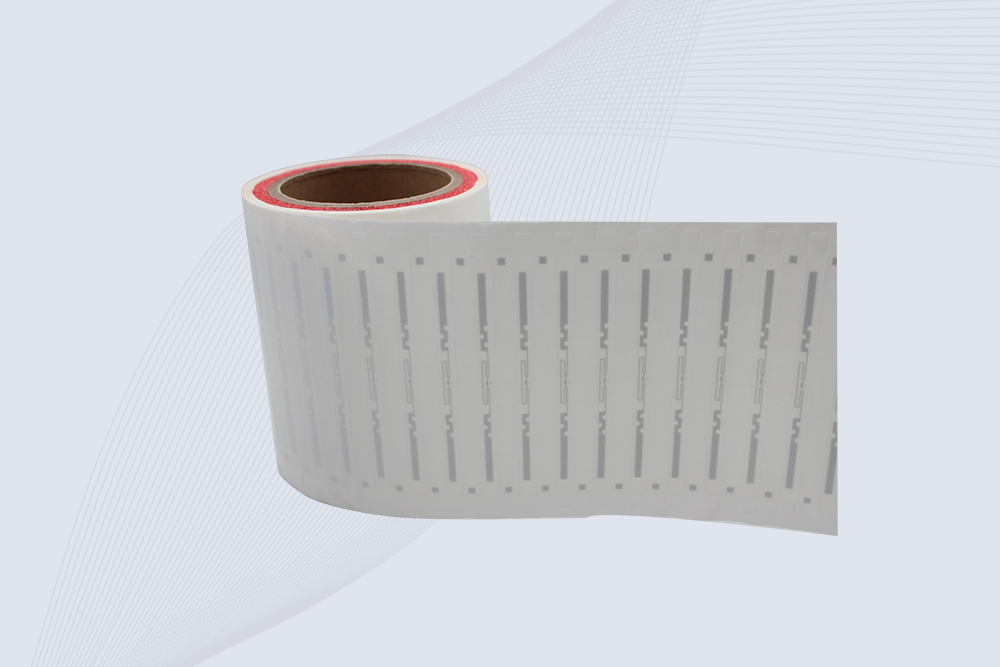
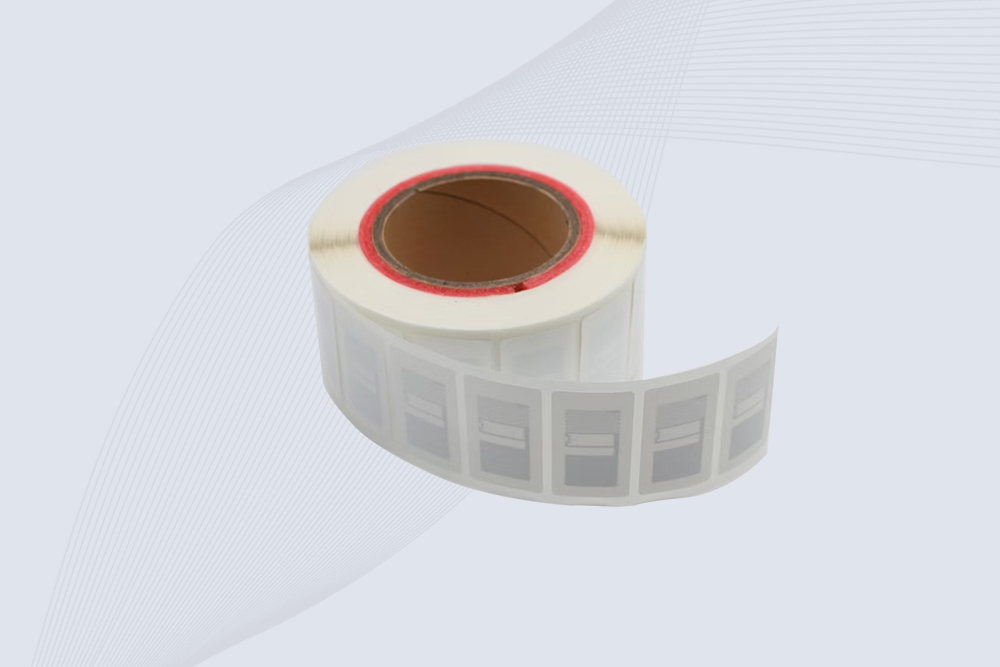
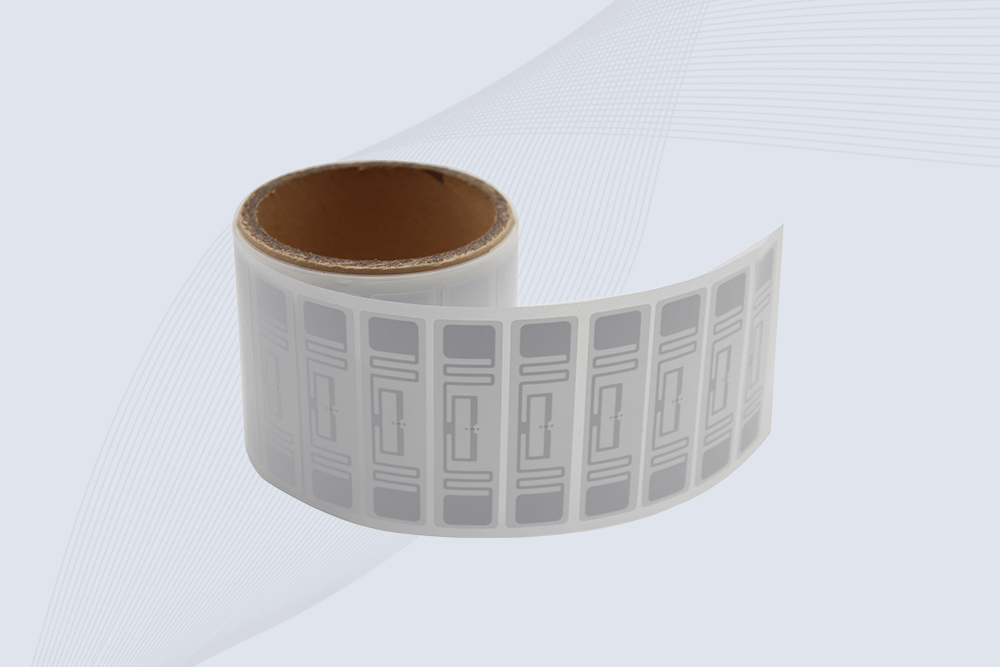
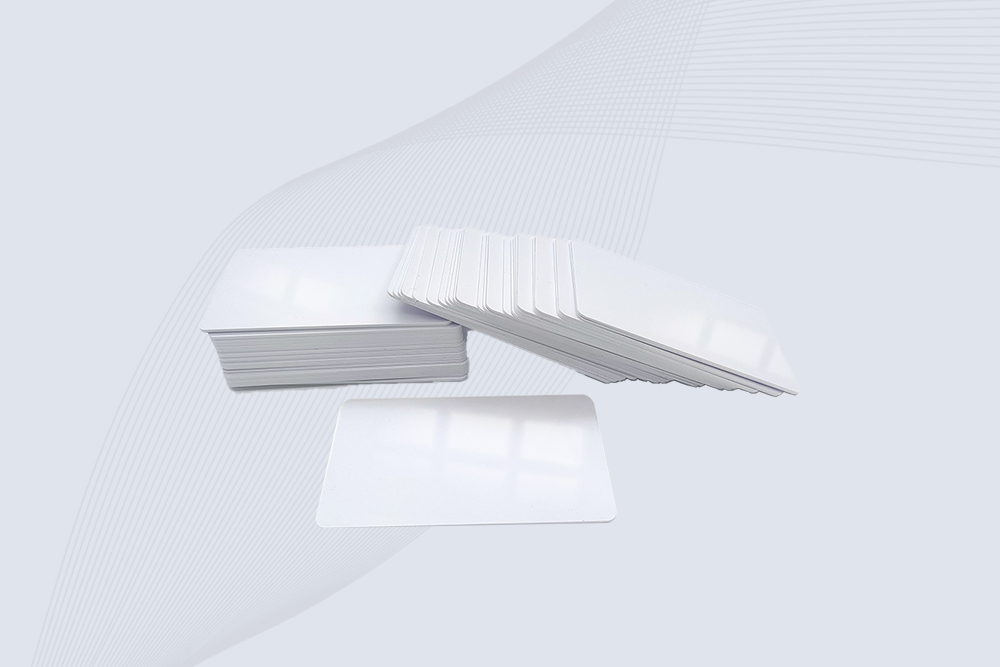
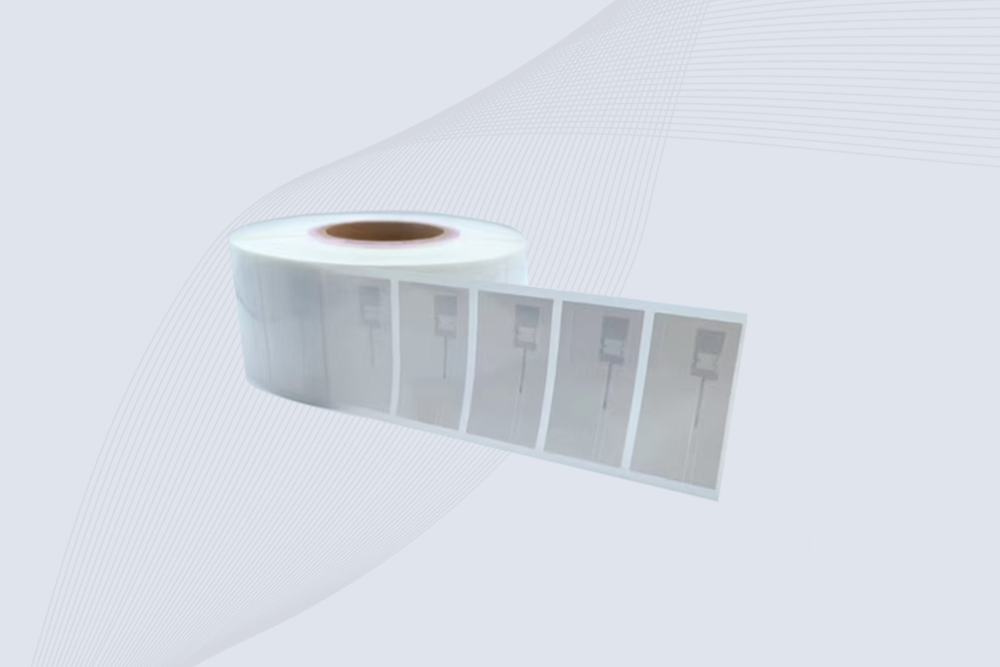
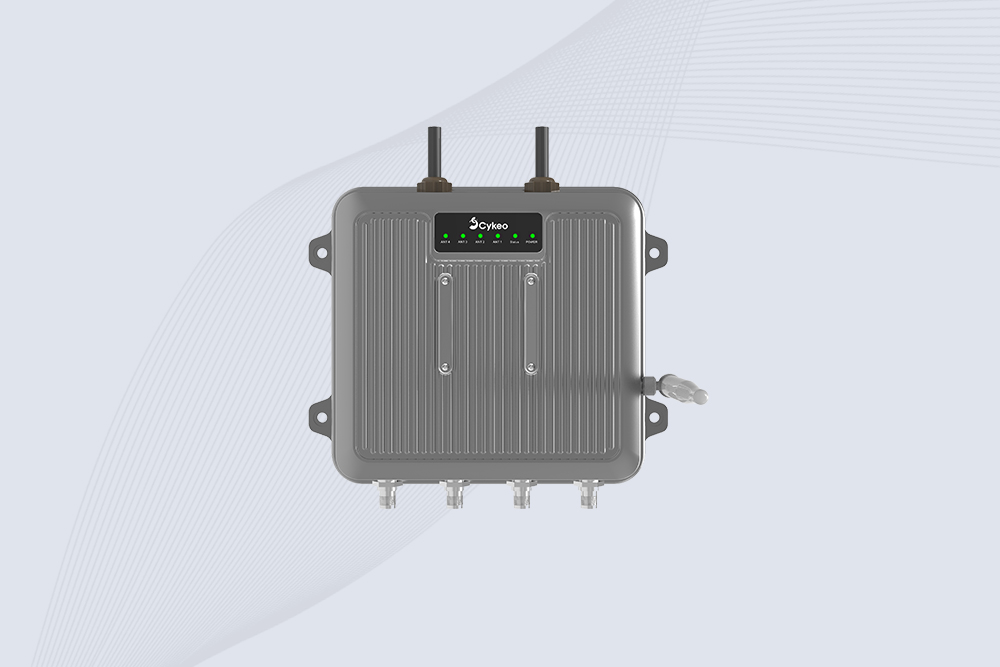
What is RFID tags? RFID tags are small electronic identification devices that store data and communicate wirelessly with RFID readers through radio frequency signals. They enable automatic tracking, inventory management, and asset identification without direct contact.
RFID tags are the physical foundation of an RFID system. Unlike traditional labels or barcodes, they contain an integrated circuit and antenna structure that allows information to be transmitted automatically.
During Cykeo RFID deployment projects, engineers often find that the tag selection determines more than half of the system performance. A tag placed on a metal tool, inside a warehouse pallet, or attached to medical equipment requires completely different designs. The challenge is not simply “adding an RFID tag”; it is selecting the correct tag structure for the real environment.
According to RAIN Alliance, billions of RFID tags are deployed globally every year across supply chain, retail, healthcare, and industrial applications. The growth of RFID adoption is driven by the demand for automated identification and real-time visibility.
Understanding What is RFID Tags and How They Work
When people search what is RFID tags, they usually want to understand one simple question: how can a small label identify objects automatically?
An RFID tag contains three primary elements:
RFID Tag Component
Function
Integrated Circuit (IC)
Stores identification information and controls communication
Antenna
Receives and transmits radio frequency signals
Substrate / Housing
Protects internal components and supports installation
The working process happens through wireless communication:
The RFID reader sends a radio frequency signal.
The RFID tag receives the signal.
The tag sends stored identification data back to the reader.
The RFID system processes the information through software.
For passive RFID tags, no internal battery is required. The energy comes from the reader’s electromagnetic field. Active RFID tags contain their own power source and are typically used when longer-range communication is needed.
Cykeo engineers have tested RFID tags in environments where small details create major differences. A warehouse with steel shelves can reduce performance if ordinary tags are used. A correctly selected anti-metal RFID tag, however, can maintain stable communication because its structure isolates the antenna from the metal surface.
Types of RFID Tags for Different Applications
Not all RFID tags are identical. Frequency, materials, memory capacity, and application requirements determine the correct tag type.
1. UHF RFID Tags
UHF RFID tags typically operate between 860–960 MHz and are widely used for industrial identification.
Common applications include:
Warehouse inventory
Manufacturing tracking
Logistics management
Asset tracking
Retail supply chains
UHF RFID tags are popular because they support longer reading distances and fast multi-tag identification.
2. HF RFID Tags
HF RFID tags operate at 13.56 MHz and are commonly used in:
Library management
Smart cards
Document tracking
Access systems
3. Anti-Metal RFID Tags
Metal surfaces create challenges for normal RFID tags because they interfere with electromagnetic performance.
Anti-metal RFID tags use special materials and antenna structures to maintain reliable identification on:
Industrial equipment
Metal containers
Tools
Machinery components
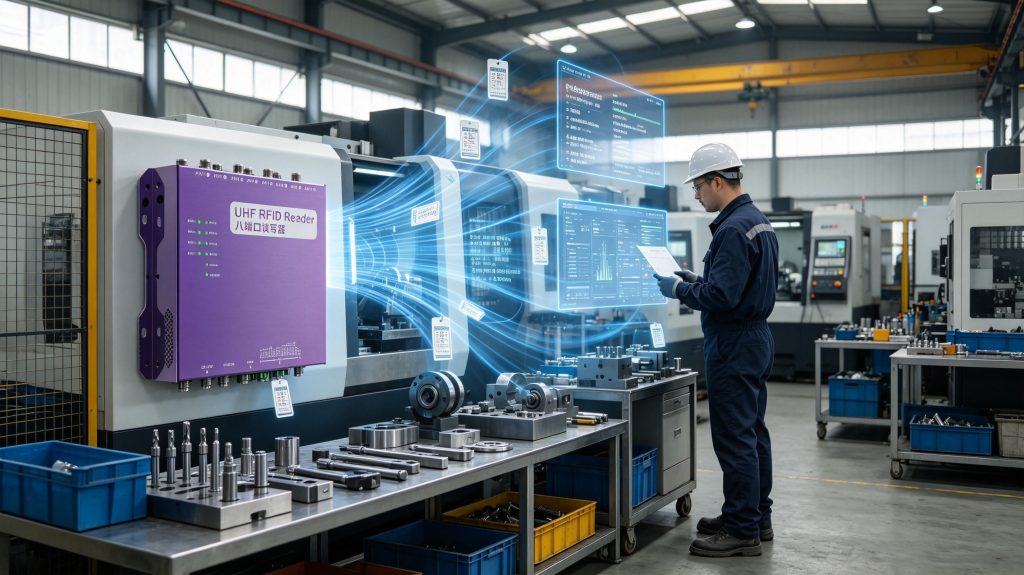
RFID tags provide reliable identification for tools, equipment, and production assets in modern factories.
How RFID Tags Improve Enterprise Tracking Efficiency
The value of RFID tags appears when they are integrated into business workflows.
Compared with manual identification methods, RFID tags provide:
Advantage
Business Impact
Automatic identification
Reduces manual scanning operations
Unique digital identity
Improves asset visibility
Batch reading capability
Speeds up inventory processes
Writable memory options
Supports updated information storage
Durable construction
Works in demanding environments
According to GS1 EPC RFID Technology Standards, EPC-based RFID enables standardized identification methods for global supply chain operations.
In Cykeo implementation cases, the most successful RFID tag projects usually start from workflow analysis. Engineers first observe how workers move, where assets are stored, and when identification is required. Only after understanding the process is the RFID tag selected.
This practical approach avoids a common industry problem: choosing expensive RFID hardware that does not match the actual application.
RFID Tags in Real-World Industrial Applications
RFID tags are now used across many industries:
Manufacturing
Factories attach RFID tags to tools, components, and work-in-progress products to improve production visibility.
Logistics
Warehouses use RFID tags on pallets and packages to automate inventory counting and shipment verification.
Healthcare
Hospitals use RFID tags for medical equipment management, supply tracking, and pharmaceutical monitoring.
Retail
Retail companies apply RFID tags for inventory accuracy, product management, and loss prevention.
Cykeo provides RFID tags and identification solutions designed for industrial environments where reliability, durability, and integration capability are critical.
Why RFID Tag Selection Requires Engineering Experience
A frequent misunderstanding is that all RFID tags perform similarly.
In reality, RFID tag performance depends on:
Operating frequency
Reader power
Antenna design
Installation location
Material characteristics
Environmental conditions
For example, an RFID tag working perfectly on cardboard packaging may fail when attached to steel machinery. A warehouse pallet tag and an automotive component tag may both use RFID technology, but their internal structures are completely different.
Cykeo engineers evaluate these variables before recommending RFID tag solutions. This experience comes from real deployments where temperature, vibration, metal interference, and workflow speed directly influence system reliability.
Cykeo RFID Tag Technical Advantages for Industrial Identification
RFID tags are not simply electronic labels. In industrial environments, they are precision identification components that must maintain stable performance under vibration, temperature changes, metal interference, and continuous operation.
Cykeo RFID tag solutions are developed based on real deployment requirements, including manufacturing tracking, warehouse inventory, tool management, and enterprise asset identification.
The key technical advantages include:
Technical Feature
Cykeo RFID Tag Advantage
Multi-frequency support
Supports different application requirements including HF and UHF RFID environments
Durable material design
Suitable for industrial equipment and long-term asset tracking
Anti-metal structure
Enables reliable identification on metal surfaces
High compatibility
Works with industrial RFID readers and enterprise systems
Custom solutions
Supports different sizes, materials, and installation methods
Industrial Durability and Environmental Adaptability
Many RFID projects fail because the tag is treated as a simple sticker.
In actual factories, RFID tags face:
Metal surfaces that reflect radio signals
Dust and mechanical vibration
Temperature fluctuations
Frequent handling impacts
Outdoor exposure
Cykeo engineers evaluate these conditions before selecting RFID tag structures.
For example, a tool management project in a maintenance workshop requires tags that remain readable after repeated handling. A warehouse pallet application focuses more on fast recognition speed and stable communication distance.
The same RFID technology requires different engineering approaches depending on the asset.
UHF RFID Tags for High-Speed Asset Tracking
UHF RFID tags are widely used in logistics and manufacturing because they support longer-distance identification and fast inventory operations.
Typical applications include:
Warehouse pallet tracking
Production line monitoring
Equipment management
Vehicle component identification
Supply chain visibility
When combined with Cykeo UHF RFID readers, UHF RFID tags can support automated identification processes where multiple tagged items are detected simultaneously.
The advantage appears clearly during inventory operations. Instead of stopping workers to scan individual items, RFID systems can collect information while products continue moving through the workflow.
RFID Tag Selection Guide for Different Industries
Choosing the correct RFID tag requires understanding the application environment.
Industry
Recommended RFID Tag Type
Application Example
Manufacturing
Industrial UHF RFID tags
Production tracking
Logistics
UHF RFID labels
Pallet and shipment management
Equipment Management
Anti-metal RFID tags
Tools and machinery tracking
Healthcare
HF/UHF RFID tags
Medical asset monitoring
Archives
HF RFID tags
Document identification
Cykeo focuses on application-driven RFID design rather than selling one universal tag model.
During engineering evaluation, several factors must be considered:
What material is the tag attached to?
What reading distance is required?
How many tags need to be identified simultaneously?
Is the environment indoor or outdoor?
Does the customer need writable memory?
These details directly affect RFID system reliability.
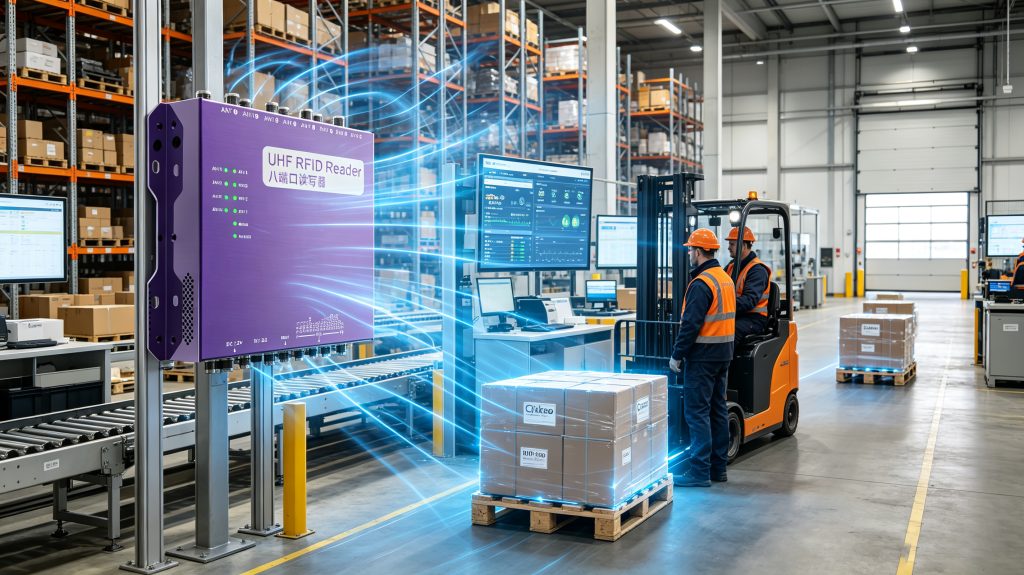
RFID tags allow warehouses to identify products automatically and improve inventory accuracy.
Why Businesses Invest in RFID Tag Technology
Companies adopt RFID tags because they solve visibility problems that traditional identification methods cannot handle efficiently.
Key business improvements include:
Inventory Accuracy Improvement
RFID enables automated inventory collection and reduces dependence on manual counting.
Operational Efficiency Enhancement
Workers spend less time searching for assets and recording information.
Asset Lifecycle Management
Each RFID tag creates a unique digital identity that can follow an asset throughout its lifecycle.
Data-Based Decision Making
RFID information can connect with ERP, MES, and warehouse management systems to support operational analysis.
FAQ: What is RFID Tags?
1. What is RFID tags used for?
RFID tags are used to identify, track, and manage physical objects automatically. Common applications include inventory management, asset tracking, manufacturing, logistics, healthcare, and retail.
2. How do RFID tags store information?
RFID tags store information inside an integrated circuit. When activated by RFID reader, the tag transmits stored identification data through radio frequency communication.
3. Do RFID tags need batteries?
Most passive RFID tags do not require batteries. They receive energy from the RFID reader signal. Active RFID tags include internal batteries for longer-range applications.
4. Can RFID tags work on metal?
Standard RFID tags may experience interference on metal surfaces. Anti-metal RFID tags use specialized structures to maintain reliable performance on metal equipment and containers.
5. How long do RFID tags last?
The lifespan of RFID tags depends on material, environment, and application. Industrial RFID tags designed for asset tracking can operate for many years under suitable conditions.
6. What is the difference between RFID tags and RFID labels?
RFID labels are usually thin adhesive RFID tags designed for products and packaging, while RFID tags may include stronger housings for industrial assets.
7. How far can RFID tags be read?
Reading distance depends on tag type, reader power, antenna design, and environment. UHF RFID tags can typically support longer reading distances than HF RFID tags.
Understanding What is RFID Tags in Modern Industries
What is RFID tags is the starting point for understanding automated identification technology. RFID tags provide every physical object with a digital identity, allowing enterprises to improve tracking accuracy, reduce manual operations, and build smarter workflows.
From manufacturing equipment to logistics networks, RFID tags have become an essential connection between physical assets and digital systems.
Cykeo continues developing RFID tag and reader solutions designed for demanding industrial environments, helping companies achieve reliable identification, better visibility, and scalable automation.
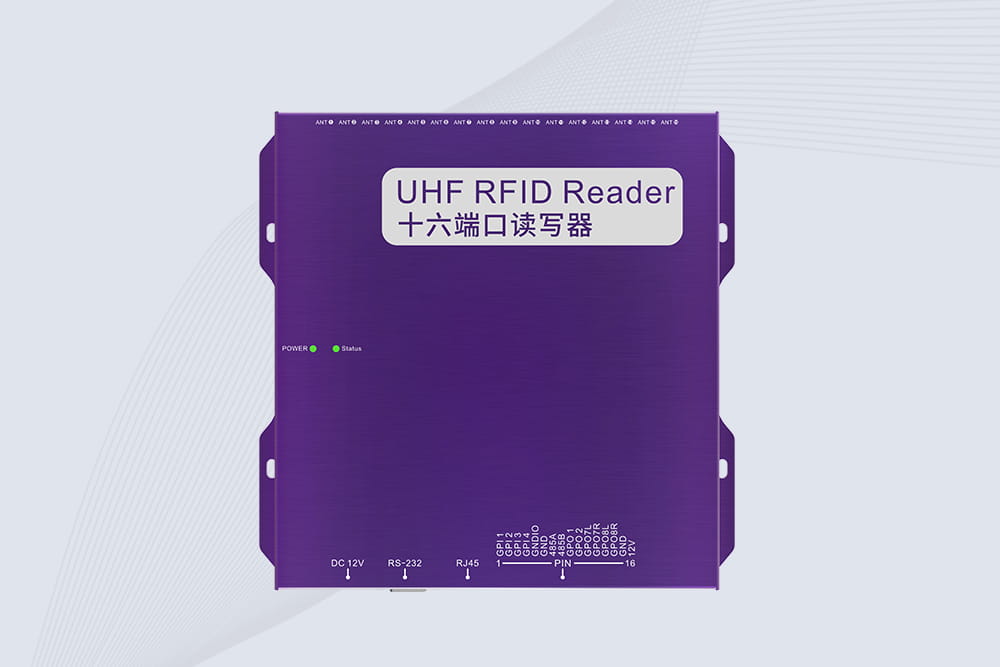
SSD-R16L Multi-Channel RFID Infrastructure for Automated Inventory Management ✔️ 16-Port High-Density RFID Reading Equipped with 16 SMA antenna ports, SSD-R16L supports multi-antenna deployment for warehouses, retail stores, logistics, production lines, and large-area RFID identification. ✔️ High-Speed & Long-Range Performance With up to 33…
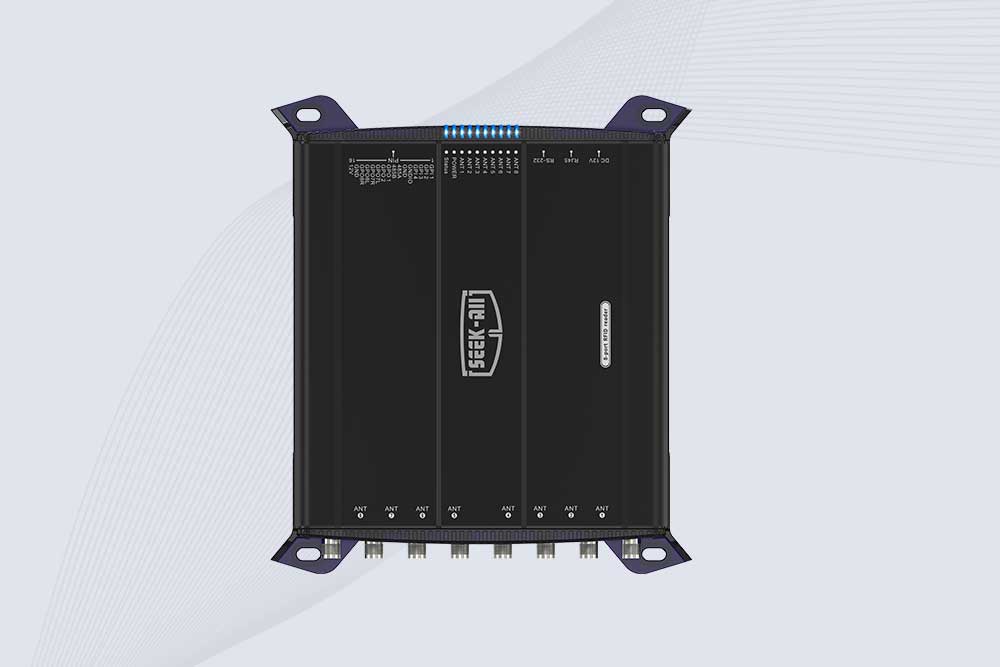
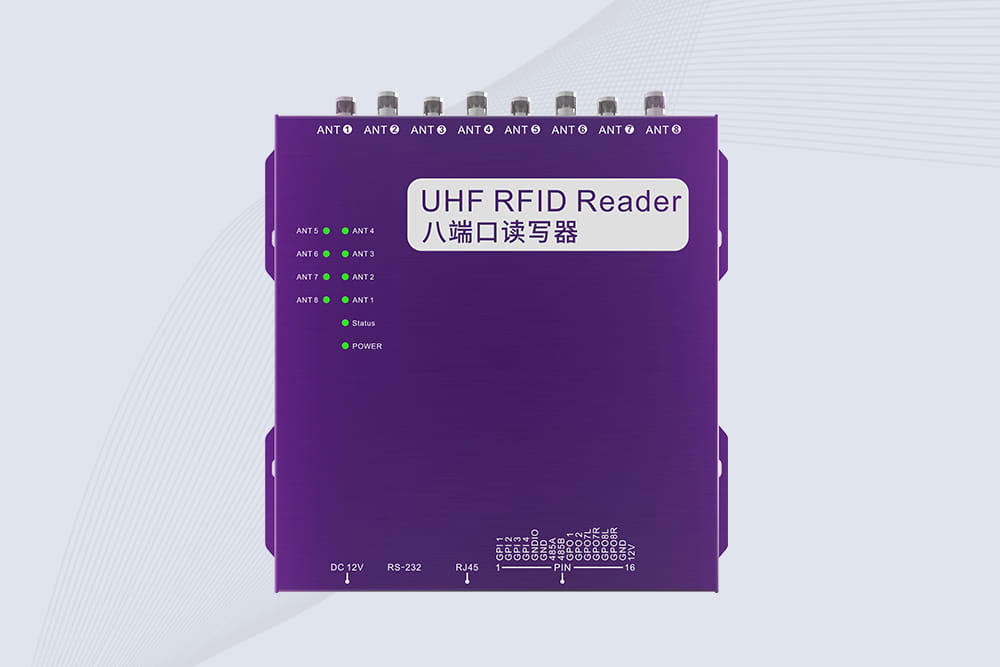
SSD-R8L 8-port UHF RFID reader with 33dBm output, up to 20m reading range and 600+ tags/s recognition. Ideal for warehouse, logistics, retail and asset tracking.
CYKEO Passive RFID Tags are made for wet and high-humidity environments where standard labels do not last. This rfid passive tag is often used around liquids, chemicals and temperature changes, providing stable reading distance and long data life for industrial tracking.
CYKEO CYKEO-PCB1504 Metal RFID Tags is a compact anti-metal UHF RFID solution built for direct mounting on metal surfaces. With stable 8-meter read range, Ucode-8 chip, and long data retention, this rfid metal tag fits tools, containers, automotive parts, and industrial asset tracking.
CYKEO CYKEO-PCB7020 On-Metal RFID Tags are designed for reliable tracking on steel and metal surfaces. Built with an FR4 epoxy body and industrial-grade chips, these On-Metal RFID Tags deliver stable performance, long data life, and chemical resistance, making them a dependable RFID anti-metal tag for harsh environments.
The CYKEO CYKEO-60-25 Anti-Metal RFID Tag is built for metal surfaces where standard tags fail. Designed for long-range performance, harsh environments, and stable data retention, this Anti-Metal RFID Tag is ideal for industrial assets, containers, and equipment tracking using on metal RFID tags.
The CYKEO RFID Laundry Tag is designed for long-term textile identification in harsh laundry environments. Built to withstand high heat, chemicals, and repeated washing, this RFID Laundry Tag delivers stable performance for hotels, hospitals, and industrial laundry operations using laundry rfid tags at scale.
The CYKEO CYKEO-125-7 RFID Book Tag is designed for reliable book and document tracking in libraries and archives. This RFID Book Tag delivers long read range, dense placement support, and stable performance on shelves, making it a practical rfid tag on books for library automation, file management, and archival systems.
CYKEO RFID tags in hospitals are designed for sterile environments where accuracy matters. These autoclavable RFID tags support long-term tracking of surgical tools, implants, and medications, helping hospitals improve visibility, compliance, and patient safety.
CYKEO RFID Cable Tie Tag is built for reliable identification on metal surfaces. This UHF RFID Cable Tie Tag is widely used in rfid tags for inventory systems, industrial asset management and Hospital RFID Tags, offering stable read performance, long service life and global EPC Gen2 compatibility.
CYKEO RFID Asset Tag is designed for stable identification of metal assets in industrial environments. This UHF RFID Asset Tag is commonly used for rfid tag asset tracking on equipment, tools and containers, providing reliable reads, long service life and ISO/IEC 18000-6C support.
CYKEO UHF RFID Card is designed for fast identification and long-term use in industrial and commercial systems. Supporting ISO 18000-6C, this UHF RFID Card works at 860–960 MHz and is suitable for custom RFID cards used in asset tracking, access control and inventory management.
CYKEO HF RFID Cards are designed for secure and stable access control systems. These 13.56 MHz RFID key cards support ISO 14443-A, reliable rewriting and long service life, making HF RFID Cards suitable for offices, campuses, events and membership management.
CYKEO UHF RFID Tag is designed for reliable tracking of metal jewelry and high-value items. This Jewelry RFID Tag supports long-range reading up to 8 meters, anti-counterfeit protection and stable performance on metal, making it suitable for retail, inventory control and asset management.
Cykeo CYKEO-C1 industrial Forklift RFID Reader features 20m read range, 600 tags/sec scanning, Impinj R2000 chipset, and IP67 rugged design. Ideal for warehouse logistics and manufacturing. Supports ISO 18000-6C/6B protocols.
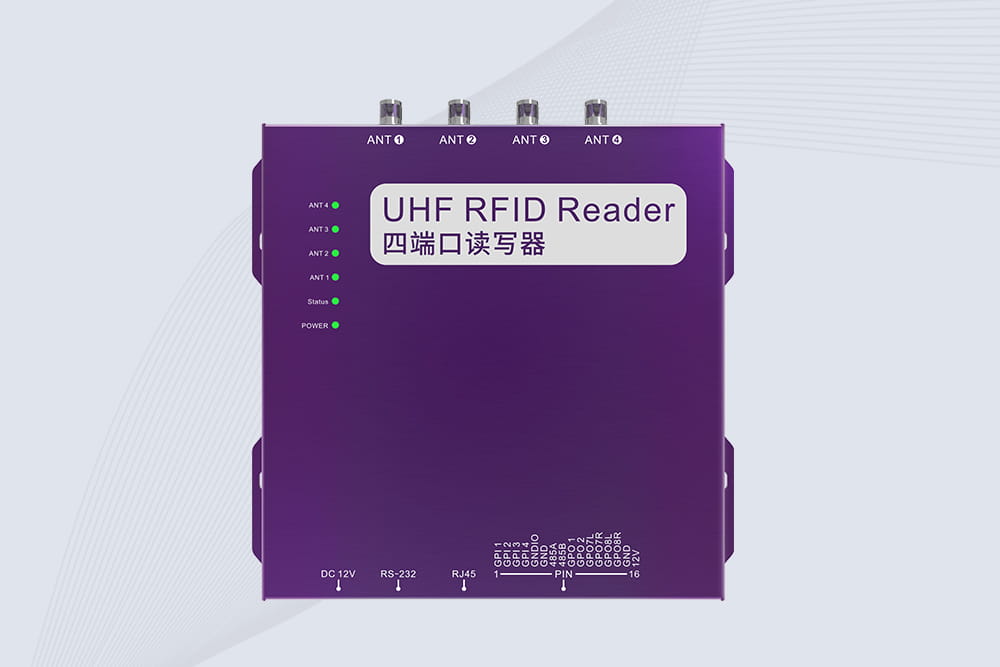
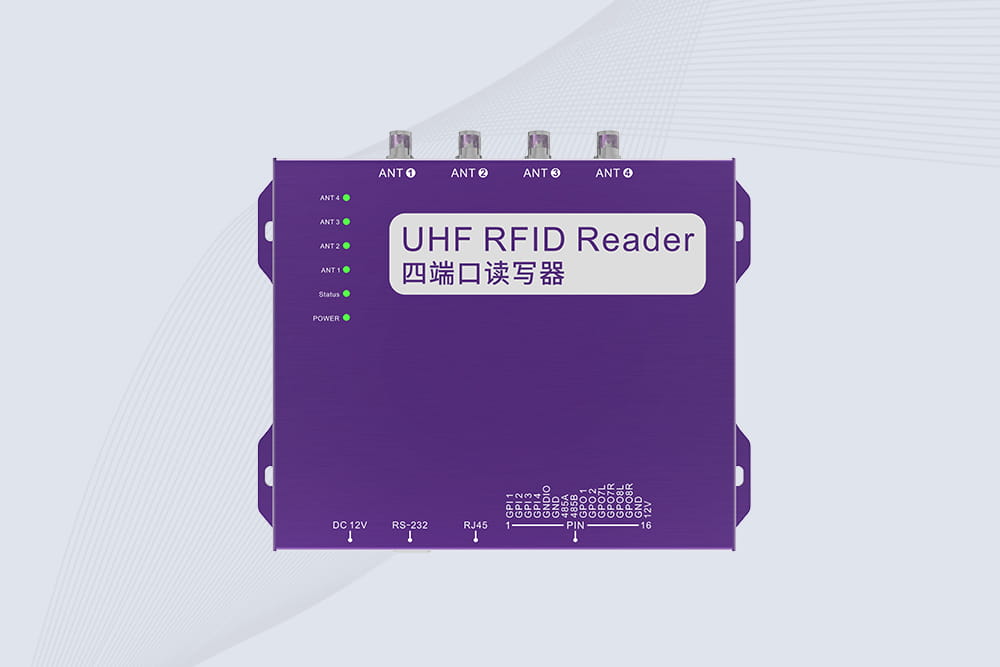
Cykeo CYKEO-R4 industrial UHF RFID Fixed Reader features 4 TNC ports, 400+ tags/sec speed, IP67 housing, and global frequency compliance for vehicle inspection, smart warehouse, and asset management systems.
CYKEO CYKEO-R8L Fixed RFID Reader with 8-port UHF design, Impinj-based RF core and up to 20m read range. An industrial Fixed RFID Reader for vehicle inspection, warehouse portals, smart manufacturing lines and secure access checkpoints.
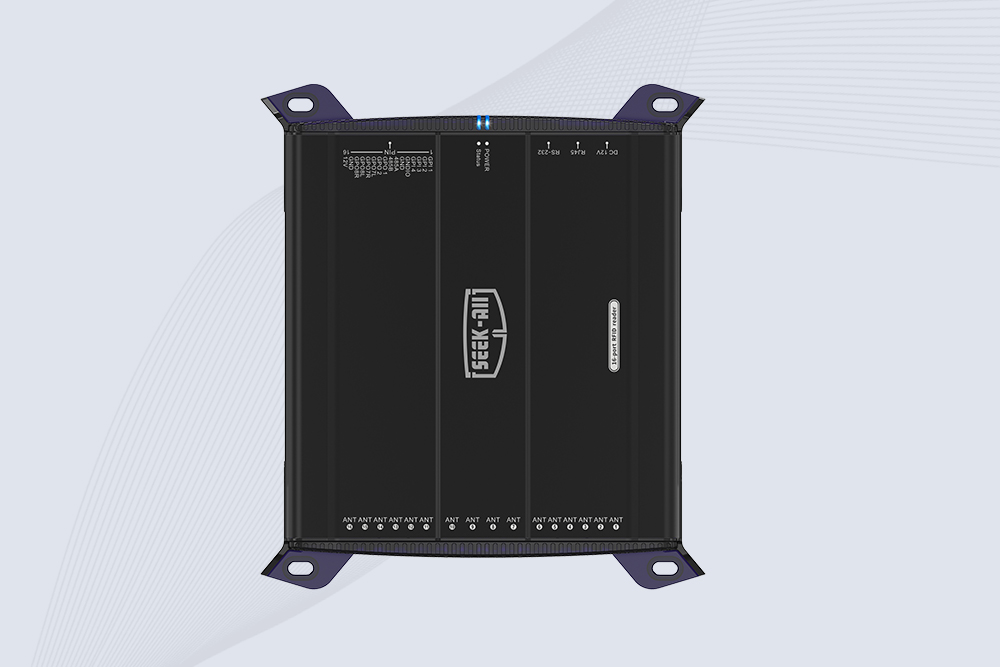
RFID Fixed Reader from CYKEO – the CYKEO-R16L 16-port UHF fixed reader for warehouses, smart cabinets, and production lines. Long-range, multi-tag reading, stable performance for 24/7 industrial use.
A hands-on look at the CK-T8D RFID Gate Access Control System. This article breaks down real warehouse performance, read accuracy, direction detection, anti-interference capability, and why this industrial RFID gate fits high-volume access points ...
Choosing the right UHF RFID fixed reader? Learn how to select the right model based on range, antenna ports, environment, and system integration for your project.
Learn how RFID cow tags help farmers track, identify, and manage cattle more efficiently. Discover how these tags work, their types, and the real benefits they bring to modern livestock farming.
Choosing the right UHF RFID tag reader is critical for project success. This guide explains key factors like read range, antenna ports, interfaces, and integration to help you select the best industrial RFID reader for your application.
 Cykeo RFID IoT Solution Products R&D Manufacturer