 Cykeo RFID IoT Solution Products R&D Manufacturer
Can RFID Reader Read NFC? Let’s Settle This.
80Can RFID reader read NFC? We explain the technical relationship, which readers are compatible, and why most industrial RFID systems cannot read NFC tags.
MoreAll RFID Product
You are designing a product—a smart cabinet that tracks inventory, a kiosk that reads membership cards, or a printer that encodes RFID labels while it prints. You need RFID capability, but bolting a finished desktop reader onto your sleek enclosure would ruin the design and add cost you do not need.
Here is the thing. When people search what is rfid reader module, they usually discover that finished readers are not the only option. For OEMs and system integrators, there is a different class of device—a bare circuit board with no case, no beeper, no power cord. Just the essential electronics that make RFID work, designed to be embedded inside your product .
Let me explain what an RFID reader module actually is, how it differs from finished readers, and when you need one for your project.
An RFID reader module is a bare electronic circuit board containing the core RFID radio components—the reader chip, microcontroller, and RF circuitry—designed to be integrated into a larger product or system . Unlike finished readers that come in a protective case with power supplies and connectors ready to use, modules are components that require custom hardware and software integration to become functional .
Think of it like a computer motherboard versus a complete desktop PC. The motherboard has all the essential electronics, but you still need to put it in a case, add a power supply, connect peripherals, and install software before you can use it. An RFID module is the motherboard; a finished reader is the complete PC.
Module customers typically fall into two categories :
The table below shows the key differences between these two approaches :
| Feature | Finished RFID Reader | RFID Reader Module |
|---|---|---|
| Enclosure | Protective case included | Bare circuit board, no housing |
| Power supply | Built-in, just plug in | Requires custom power design |
| Antenna | Built-in or external ports with connectors | Requires integration, may have tiny RF connectors or solder pads |
| Interface | USB, Ethernet, Bluetooth ready to use | Requires custom connection (UART, SPI, GPIO) |
| Certification | Pre-certified (FCC, CE) | Requires final product certification |
| Development effort | Minimal—plug and play | Significant—hardware and software integration |
| Cost at scale | Higher per unit | Lower per unit in volume |
| Form factor | Fixed by manufacturer | Can be tailored to your product |
For the right application, modules offer significant advantages that make the extra development effort worthwhile :
Cost efficiency at scale. When you are producing hundreds or thousands of units, paying only for the hardware your application requires makes sense. A finished reader includes a case, power supply, and features you may not use. A module strips away everything unnecessary, reducing per-unit cost significantly at volume.
Flexibility in specifications. Modules allow you to specify frequency ranges, processing power, and optional features based on your exact needs. You are not limited to what a finished reader offers. Need a specific frequency band for your region? Want lower power consumption for battery operation? Modules give you those choices .
Form factor control. Finished readers come in fixed sizes that may not work with your industrial design. With a module, you decide where it sits inside your enclosure and how big the final product becomes. The module can be placed exactly where it fits best .
Deep integration. The module becomes part of your product, not an external attachment. This creates a cleaner, more professional result and enables features that would be impossible with an add-on reader.
A typical RFID reader module contains several core components working together :
RFID reader chip: The heart of the module that manages radio frequency communication with tags. Chips like those from Impinj or other manufacturers handle the RF protocol, encoding, and decoding. The choice determines read speed, sensitivity, and available features .
Microcontroller (MCU): Coordinates activities, processes data, and manages communication with the host system. It runs the firmware that implements protocols and handles commands from your application .
RF front end: Includes power amplifiers, filters, and matching networks that prepare signals for the antenna and amplify received tag responses. This section heavily influences read range and reliability .
Power management: Regulates voltage and current to ensure stable operation. Critical for battery-powered devices, with some modules offering low-power sleep modes .
Communication interface: UART (serial), SPI, I2C, or USB for connecting to your host processor. Most modules communicate over simple serial protocols using standard interfaces .
Oscillator/crystal: Provides precise timing for RF generation and system clock.
Shielding: Metal cans or covers to prevent electromagnetic interference with other components in your product.
The antenna itself is typically not part of the module. Modules provide RF connectors (like SMA or U.FL) or solder pads where you attach an external antenna suited to your application and enclosure .
Bringing a module-based product to market requires a structured approach. Industry experts recommend a three-step process to move from concept to mass production :
Step 1: Module Development Kit (Software Stage)
Start with a development kit that includes the module mounted on a carrier board with standard connectors. This lets you connect antennas, write code, and test performance without building custom hardware. Use the manufacturer’s SDK to develop your application logic and test in your target environment .
Step 2: Sensor Hub / Prototype Hardware (Hardware Stage)
Once software is working, move to prototype hardware. This might be a custom board that includes the module plus other components—power regulation, additional sensors, communication interfaces like Bluetooth or Wi-Fi. At this stage, you test the complete system in real-world conditions and begin pre-screening for regulatory compliance .
The prototype hardware comes with engineering files (schematics, layout files, Gerber files) that provide PCB manufacturers with detailed specifications for your final design .
Step 3: Mass Production Design
Finally, design your production printed circuit board that integrates the module directly. For surface-mount modules, this means SMT assembly alongside your other components. You then complete regulatory certification for your finished product and begin volume purchasing of modules .
Attempting to skip steps in this process is strongly discouraged—each stage builds necessary knowledge and reduces risk .
When evaluating modules, you will encounter these specifications :
Frequency range: Must match your region and application. UHF modules typically cover 860-960 MHz with regional variants. HF modules operate at 13.56 MHz, LF at 125 kHz.
RF output power: Measured in dBm. Ranges from 0 dBm to +33 dBm depending on module. Higher power means longer range but more power consumption and regulatory limits.
Receiver sensitivity: How well the module hears weak tag responses. Better sensitivity means longer range and better performance in challenging environments.
Read speed: Tags per second. Good modules achieve 200-500+ tags per second with advanced anti-collision algorithms.
Antenna ports: Some modules have one port, others support multiple antennas for diversity or multiplexing .
Power consumption: Critical for battery-powered devices. Look for low-power modes and sleep currents.
Communication interfaces: Common options include UART/TTL, RS232, RS485, USB, and even Bluetooth/Wi-Fi on advanced modules .
Physical dimensions: Modules range from tiny surface-mount packages to larger boards with through-hole connectors.
Operating temperature: Industrial modules typically handle -20°C to +60°C or wider.
Protocol support: Ensure the module supports the tag types you need—ISO 18000-6C for UHF, ISO 14443 for Mifare, etc. .
RFID reader modules appear in countless products across industries :
Smart cabinets and shelves: Modules inside cabinets read tools, medical supplies, or inventory, reporting real-time stock levels to central systems.
Printers: Thermal transfer printers with integrated UHF modules encode RFID tags while printing labels—all in one pass, ensuring each tag gets the right data.
Kiosks and vending machines: Modules read customer loyalty cards, track inventory inside the machine, or enable contactless payments.
Medical devices: Small modules fit inside equipment to track usage, maintenance schedules, and location within hospitals.
Industrial tablets: Rugged tablets with built-in UHF for field asset management and warehouse operations.
Access control readers: Modules form the core of door readers, parking gates, and elevator controls.
Charging stations: Electric vehicle charging stations use RFID modules for user authentication and billing .
Antenna placement is critical. If the module’s location inside your product is not ideal for user interaction, you may need an external antenna placed closer to the reading surface . The module should support external antenna connections to solve this problem.
Size vs. performance involves tradeoffs. Smaller antennas generally mean less energy transferred to tags, reducing read range. However, modern transponders require less energy than older ones, allowing smaller form factors while maintaining acceptable performance .
Connectors and headers ease integration. Look for modules with standard connectors or through-hole pins that match your PCB design. Proper mounting options also simplify mechanical integration .
Regulatory compliance requires attention. If your module lacks integrated antennas, it will not carry radio certifications. Your finished product must be certified (FCC in the US, IC in Canada, CE in Europe) before market release .
What is RFID reader module? It is the electronic core of an RFID reader, packaged as a component for OEMs and integrators to build into their own products. Unlike finished readers that work out of the box, modules require engineering effort—but offer cost savings, design flexibility, and seamless integration in return.
Choosing between a finished reader and a module comes down to your volume, your engineering resources, and how RFID fits into your product vision. If you are building one system for internal use, buy a finished reader. If you are building 1,000 units to sell, talk to us about modules.
CYKEO offers a range of RFID reader modules for UHF, HF, and LF applications, all with complete documentation, SDKs, and technical support. Our engineering team has helped companies integrate RFID into medical devices, industrial equipment, consumer products, and more.
When you are ready to move from concept to product, CYKEO modules give you the building blocks to make it happen.
Need an RFID module for your product?
CYKEO offers development kits for all our modules. Contact our OEM team to discuss your application and get started with a prototype.
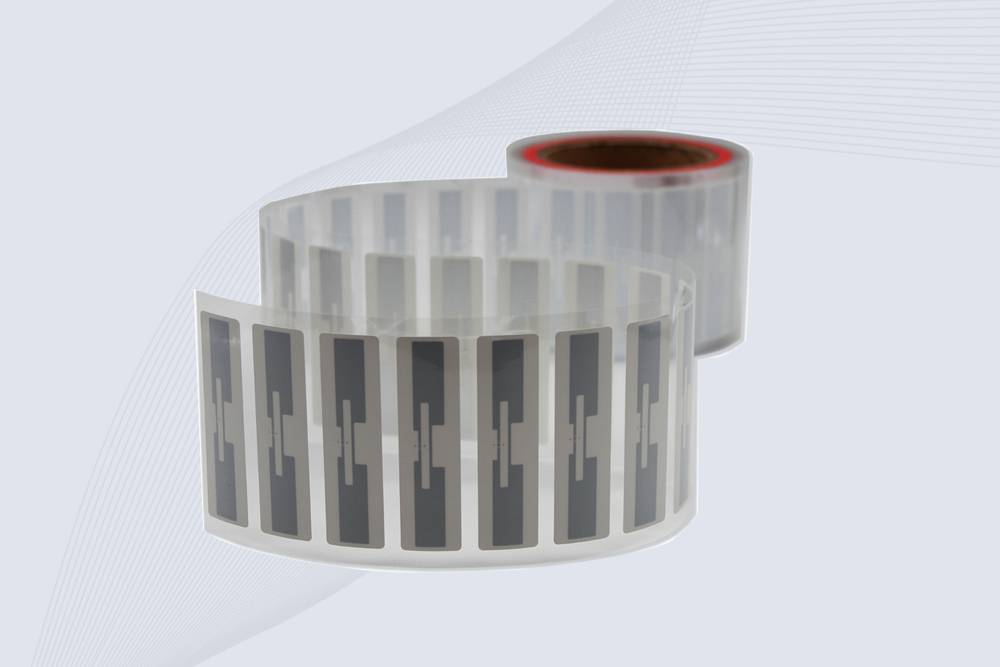
CYKEO Passive RFID Tags are made for wet and high-humidity environments where standard labels do not last. This rfid passive tag is often used around liquids, chemicals and temperature changes, providing stable reading distance and long data life for industrial tracking.
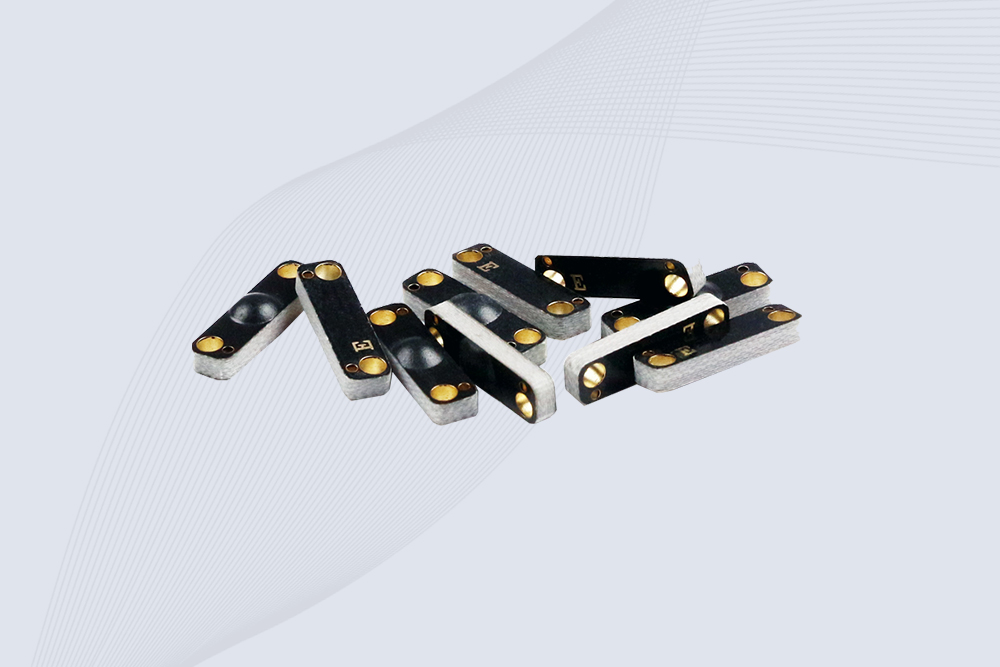
CYKEO CYKEO-PCB1504 Metal RFID Tags is a compact anti-metal UHF RFID solution built for direct mounting on metal surfaces. With stable 8-meter read range, Ucode-8 chip, and long data retention, this rfid metal tag fits tools, containers, automotive parts, and industrial asset tracking.
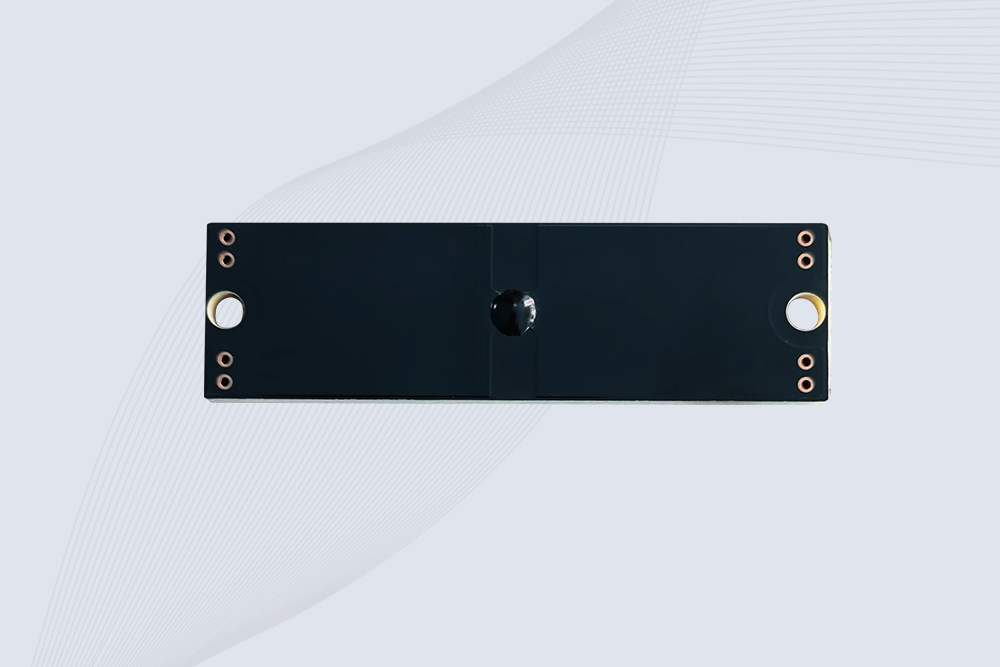
CYKEO CYKEO-PCB7020 On-Metal RFID Tags are designed for reliable tracking on steel and metal surfaces. Built with an FR4 epoxy body and industrial-grade chips, these On-Metal RFID Tags deliver stable performance, long data life, and chemical resistance, making them a dependable RFID anti-metal tag for harsh environments.
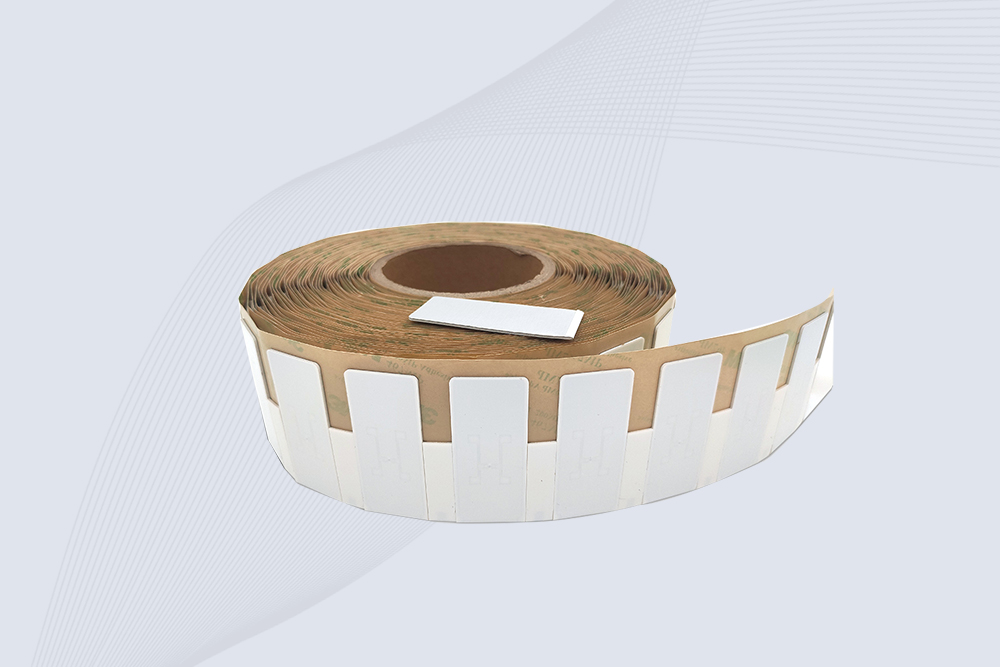
The CYKEO CYKEO-60-25 Anti-Metal RFID Tag is built for metal surfaces where standard tags fail. Designed for long-range performance, harsh environments, and stable data retention, this Anti-Metal RFID Tag is ideal for industrial assets, containers, and equipment tracking using on metal RFID tags.
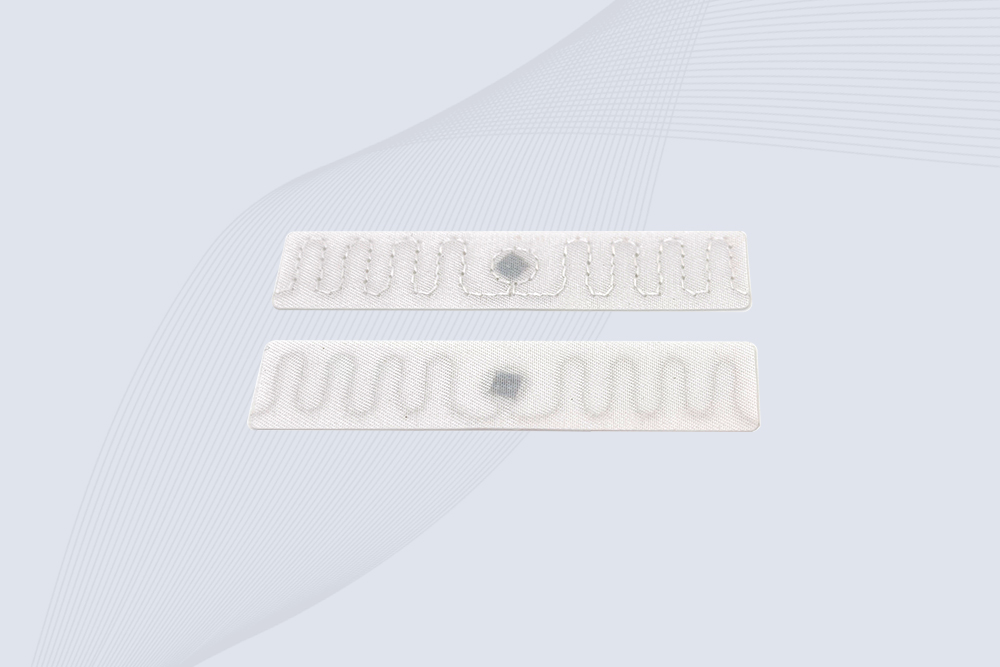
The CYKEO RFID Laundry Tag is designed for long-term textile identification in harsh laundry environments. Built to withstand high heat, chemicals, and repeated washing, this RFID Laundry Tag delivers stable performance for hotels, hospitals, and industrial laundry operations using laundry rfid tags at scale.
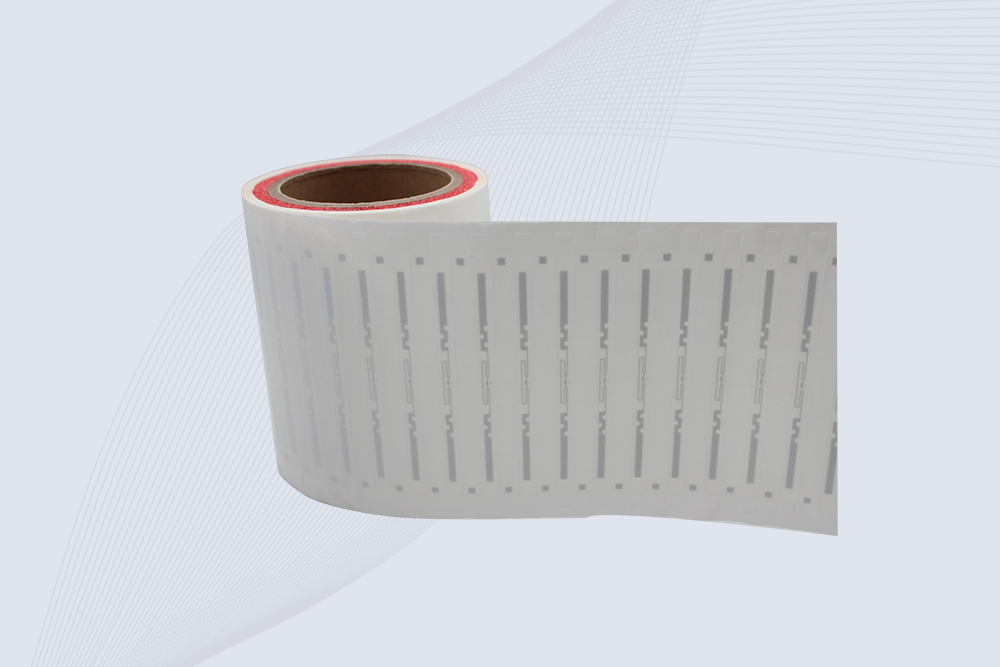
The CYKEO CYKEO-125-7 RFID Book Tag is designed for reliable book and document tracking in libraries and archives. This RFID Book Tag delivers long read range, dense placement support, and stable performance on shelves, making it a practical rfid tag on books for library automation, file management, and archival systems.
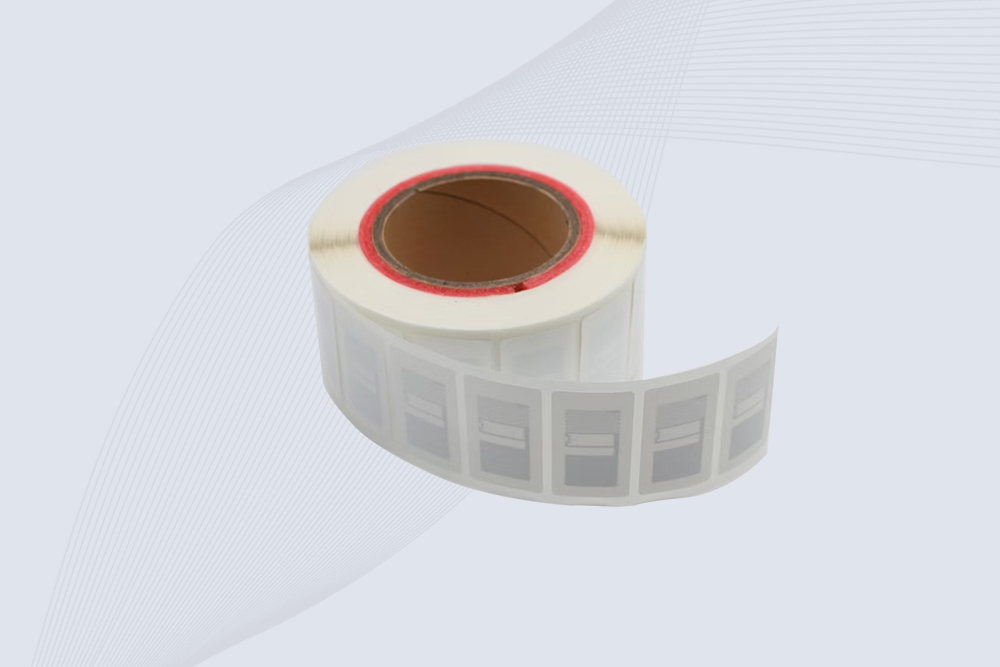
CYKEO RFID tags in hospitals are designed for sterile environments where accuracy matters. These autoclavable RFID tags support long-term tracking of surgical tools, implants, and medications, helping hospitals improve visibility, compliance, and patient safety.

CYKEO RFID Cable Tie Tag is built for reliable identification on metal surfaces. This UHF RFID Cable Tie Tag is widely used in rfid tags for inventory systems, industrial asset management and Hospital RFID Tags, offering stable read performance, long service life and global EPC Gen2 compatibility.
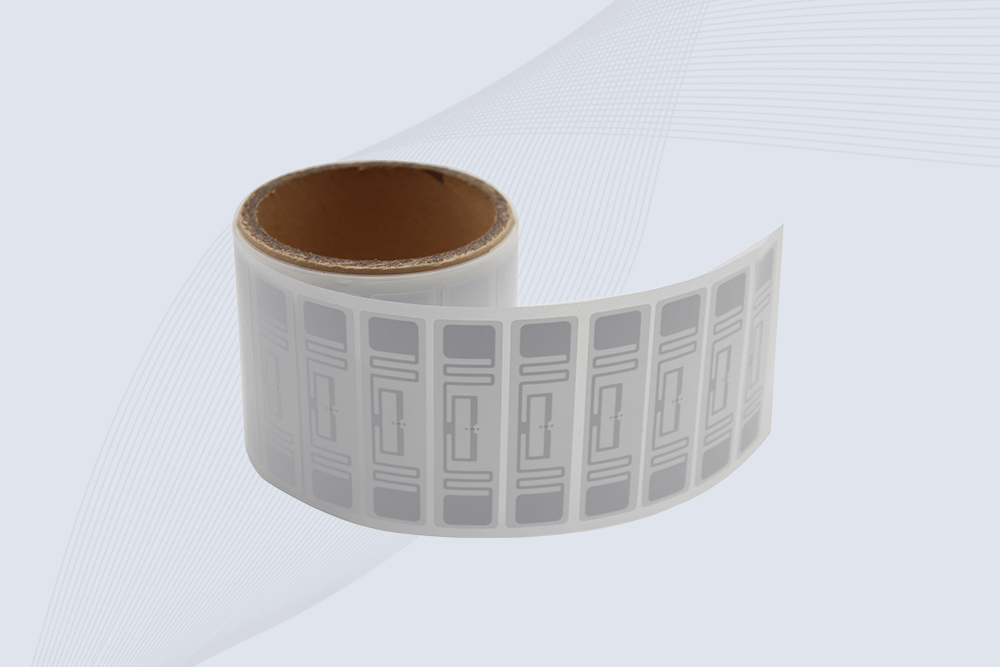
CYKEO RFID Asset Tag is designed for stable identification of metal assets in industrial environments. This UHF RFID Asset Tag is commonly used for rfid tag asset tracking on equipment, tools and containers, providing reliable reads, long service life and ISO/IEC 18000-6C support.

CYKEO UHF RFID Card is designed for fast identification and long-term use in industrial and commercial systems. Supporting ISO 18000-6C, this UHF RFID Card works at 860–960 MHz and is suitable for custom RFID cards used in asset tracking, access control and inventory management.
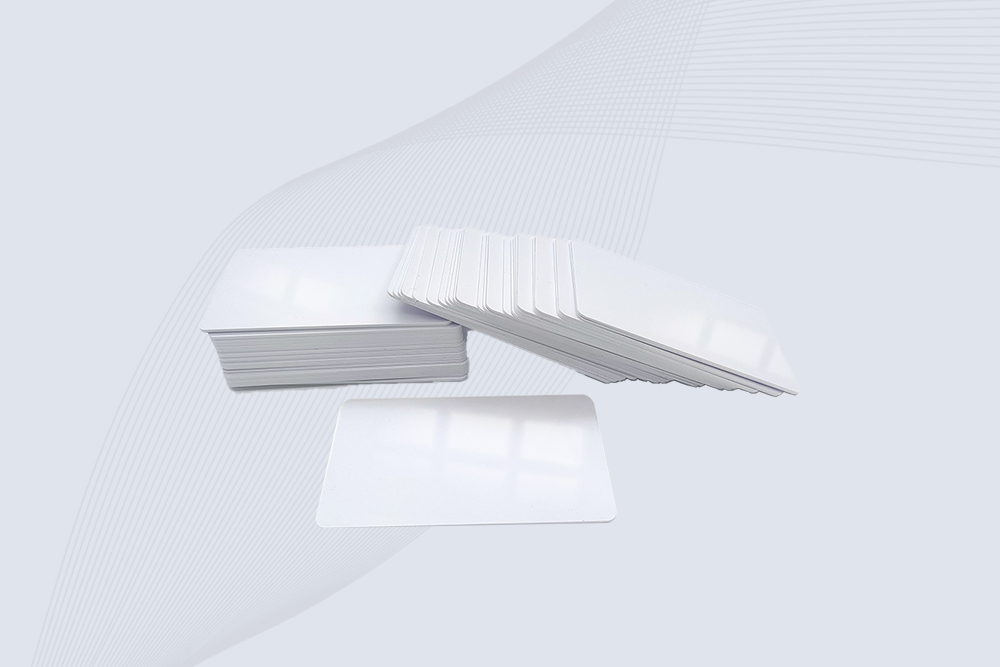
CYKEO HF RFID Cards are designed for secure and stable access control systems. These 13.56 MHz RFID key cards support ISO 14443-A, reliable rewriting and long service life, making HF RFID Cards suitable for offices, campuses, events and membership management.
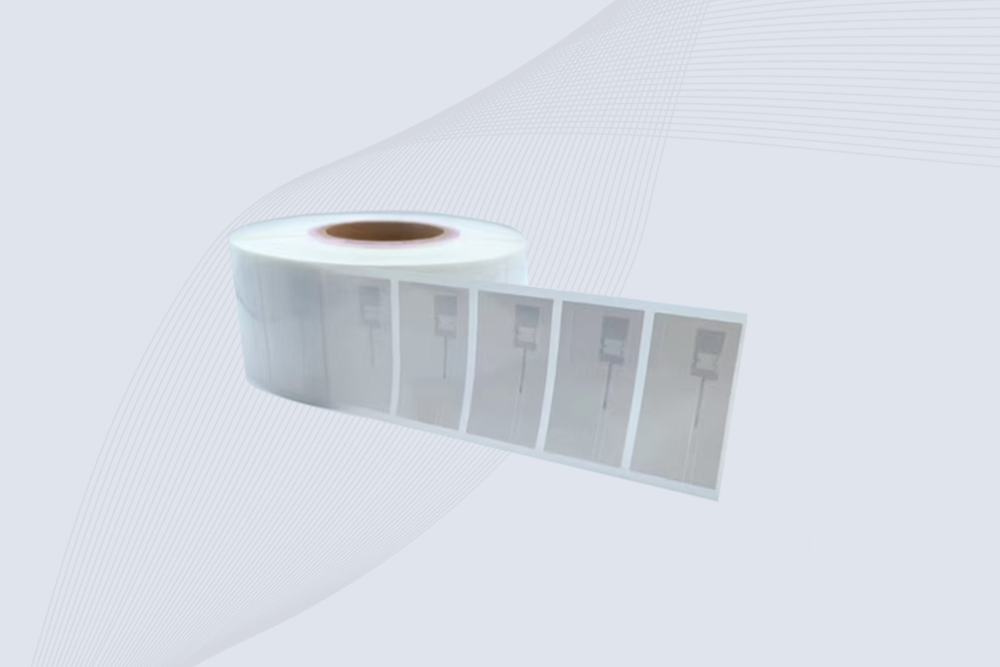
CYKEO UHF RFID Tag is designed for reliable tracking of metal jewelry and high-value items. This Jewelry RFID Tag supports long-range reading up to 8 meters, anti-counterfeit protection and stable performance on metal, making it suitable for retail, inventory control and asset management.
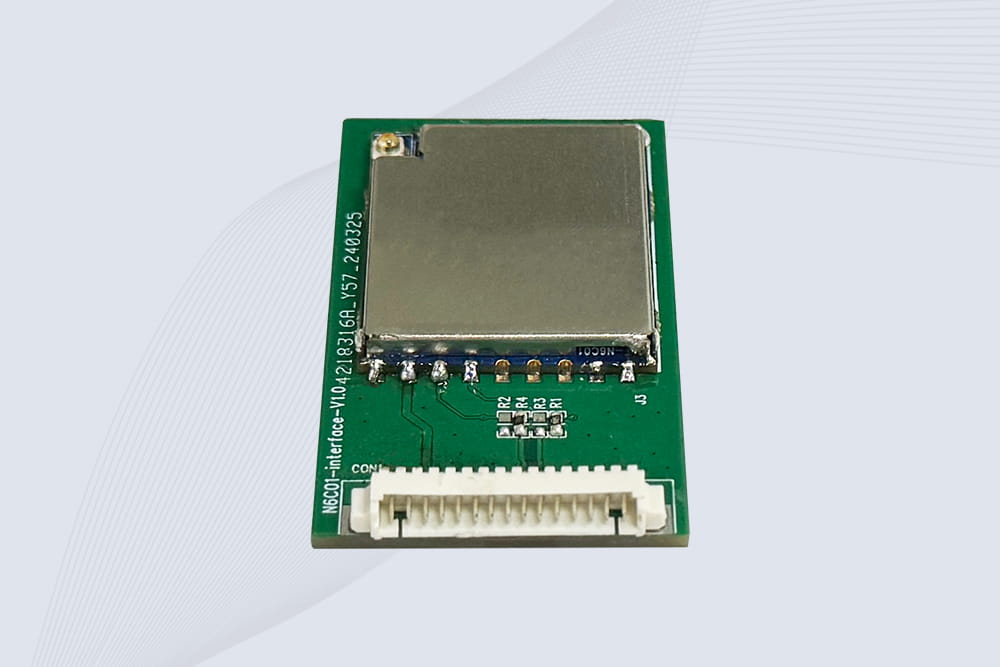
CYKEO Embedded RFID Modules are designed for compact industrial and IoT devices that require stable UHF performance. These UHF RFID Modules support global protocols, flexible power control, and reliable multi-tag reading for smart cabinets, production lines, and asset tracking systems.
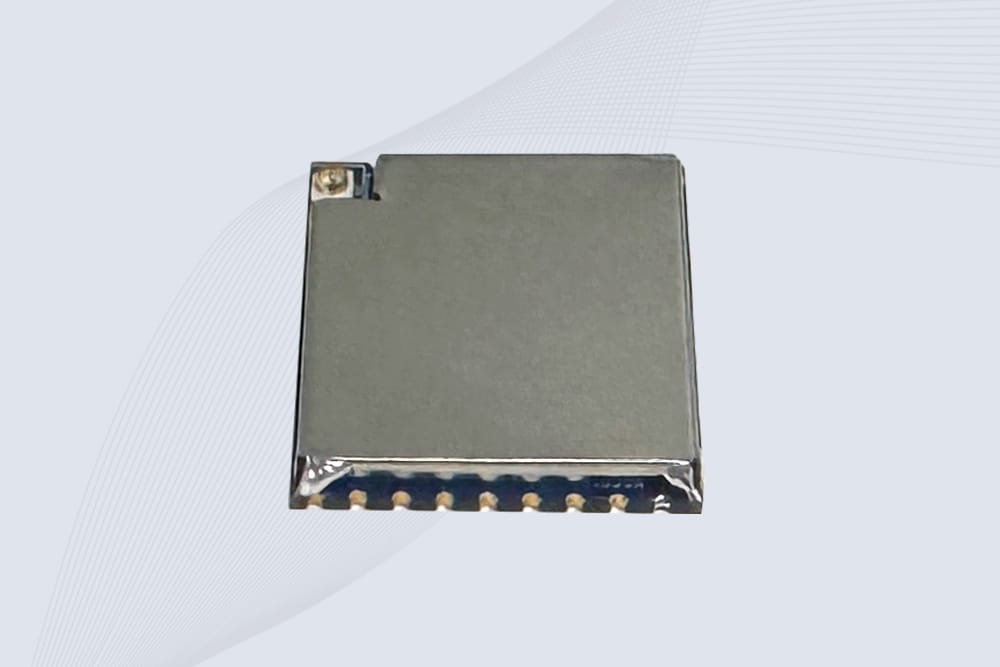
CYKEO Embedded RFID Module is built for compact IoT and industrial devices that need stable UHF performance. This UHF module supports global protocols, low power operation, and reliable multi-tag reading for smart lockers, production lines, and always-on RFID systems.
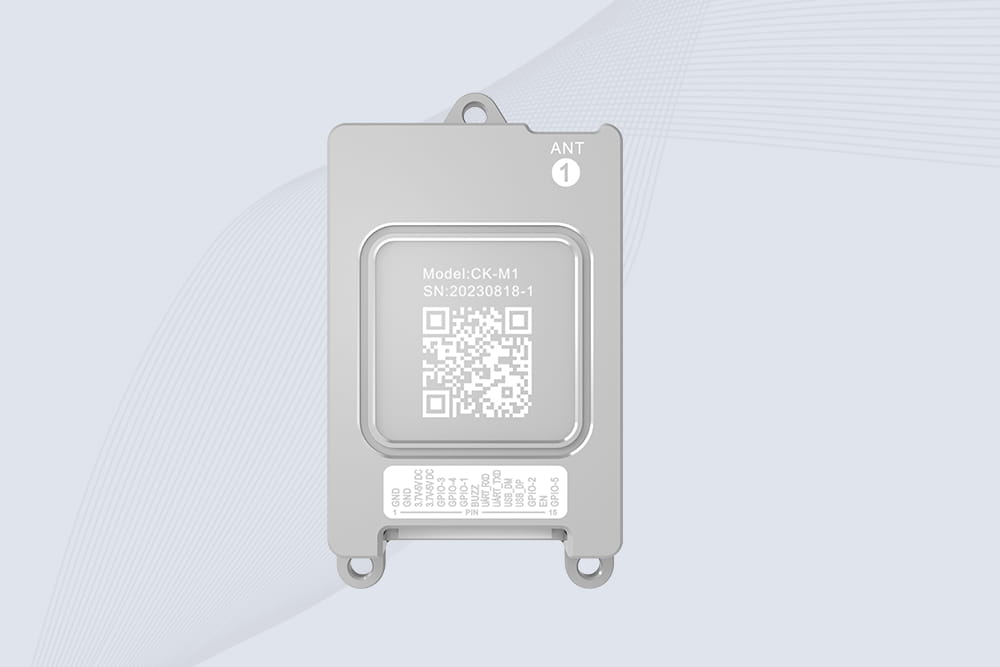
CYKEO CYKEO-M1 drone rfid module is a compact UHF RFID reader module designed for drones and UAV platforms. It supports long-range aerial scanning, fast multi-tag reading, and stable performance in wind, vibration, and outdoor environments.
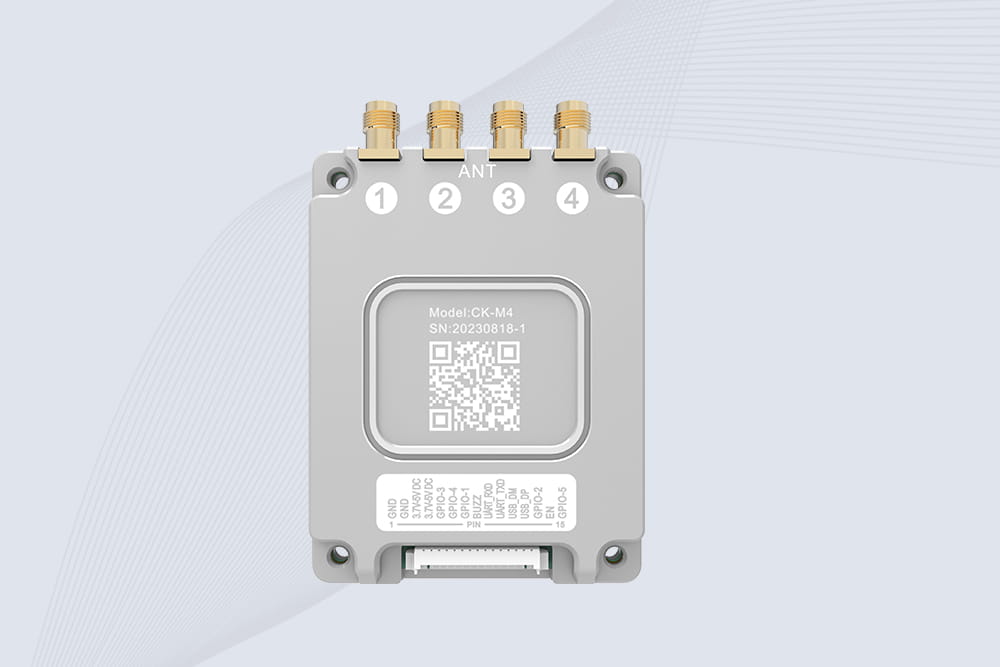
CYKEO CYKEO-M4 RC522 RFID Module is an industrial-grade UHF RFID reader with 4 ports, supporting ISO, EPC, and GB protocols. High-speed, accurate reading for IoT, automation, and warehouse applications.
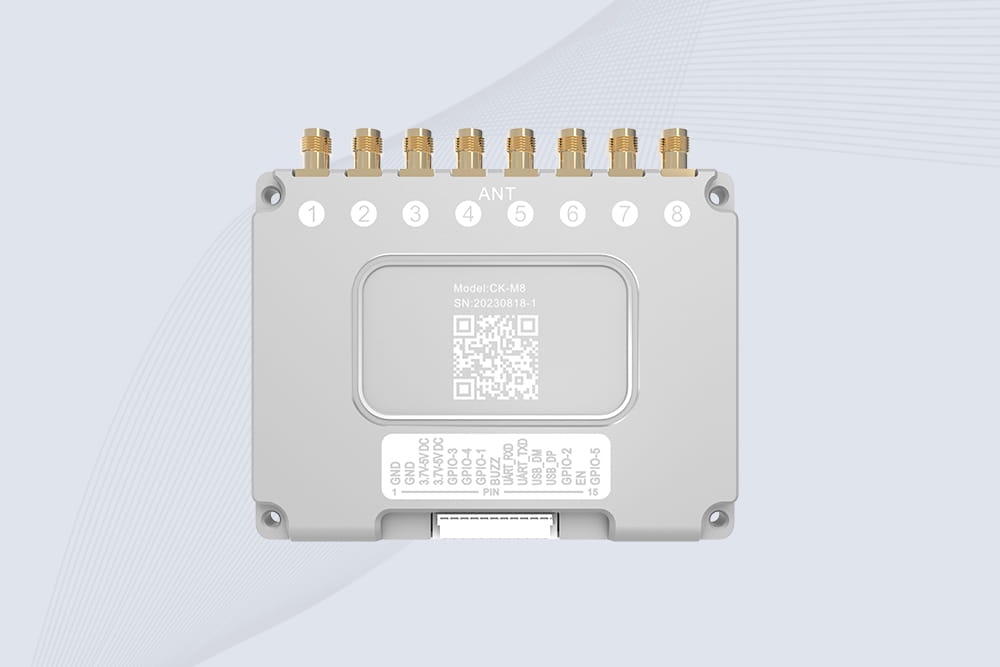
CYKEO CYKEO-M8 Module RFID is an 8-port UHF R2000 RFID Module designed for high-density, multi-tag environments. Stable 33dBm output, ISO & GB protocol support, ideal for warehouses, factories, and automated systems.
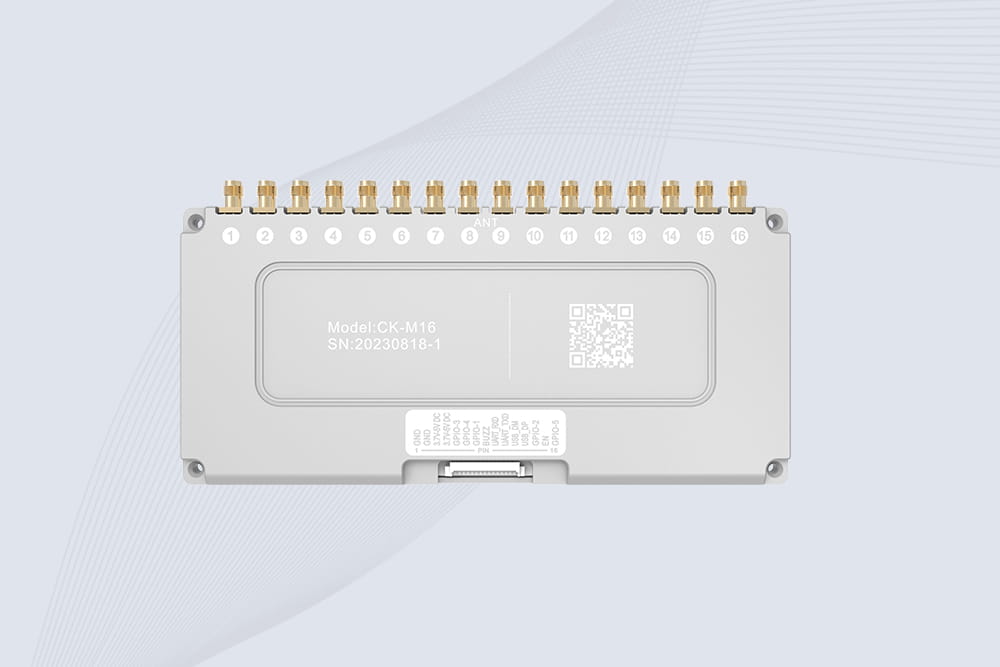
CYKEO CYKEO-M16 RFID Module is a 16-port UHF RFID reader module based on the R2000 chipset. Designed for dense tag environments, it supports ISO and GB standards and delivers stable multi-antenna control for industrial automation.
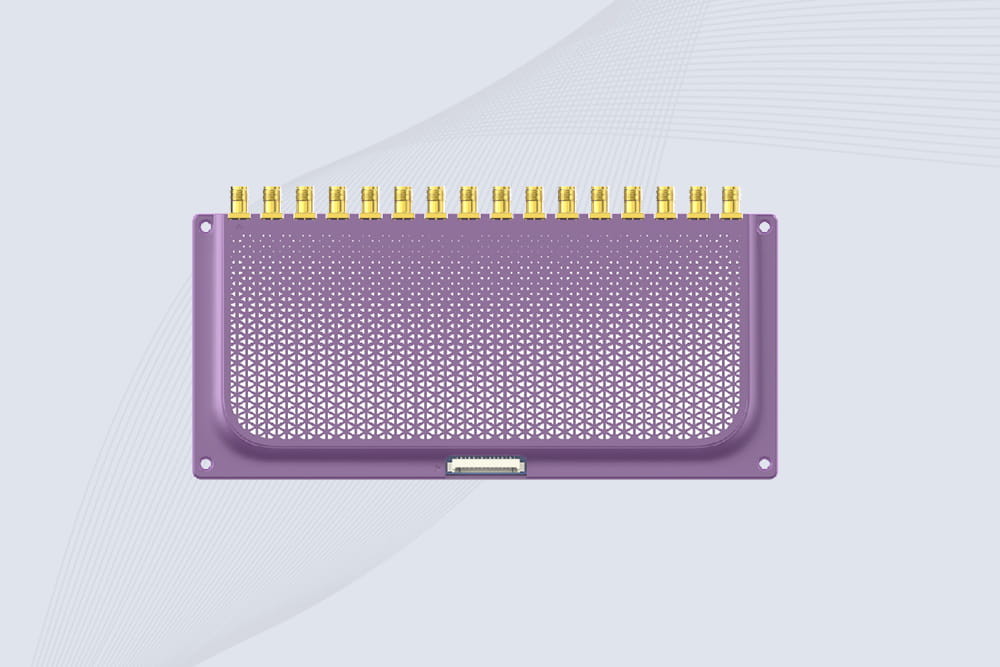
The CYKEO CYKEO-M16L RFID Reader Module is a 16-channel UHF RFID core designed for dense tag environments. With adjustable 33dBm output, multi-protocol support, and stable multi-antenna control, this RFID Tag Reader Module fits industrial automation, warehouse systems, and large-scale IoT deployments.
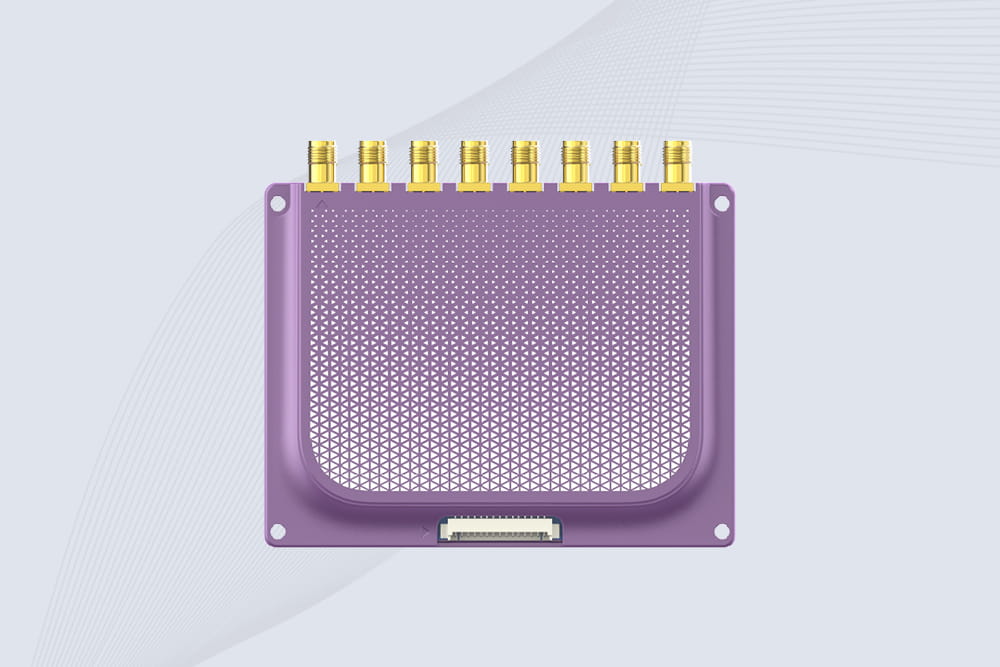
CYKEO CYKEO-M8L module RFID is a compact industrial UHF module built for dense tag and multi-antenna environments. With 8 RF ports, adjustable 33 dBm output, and ISO & GB protocol support, it is widely used in factories, warehouses, and automated tracking systems.
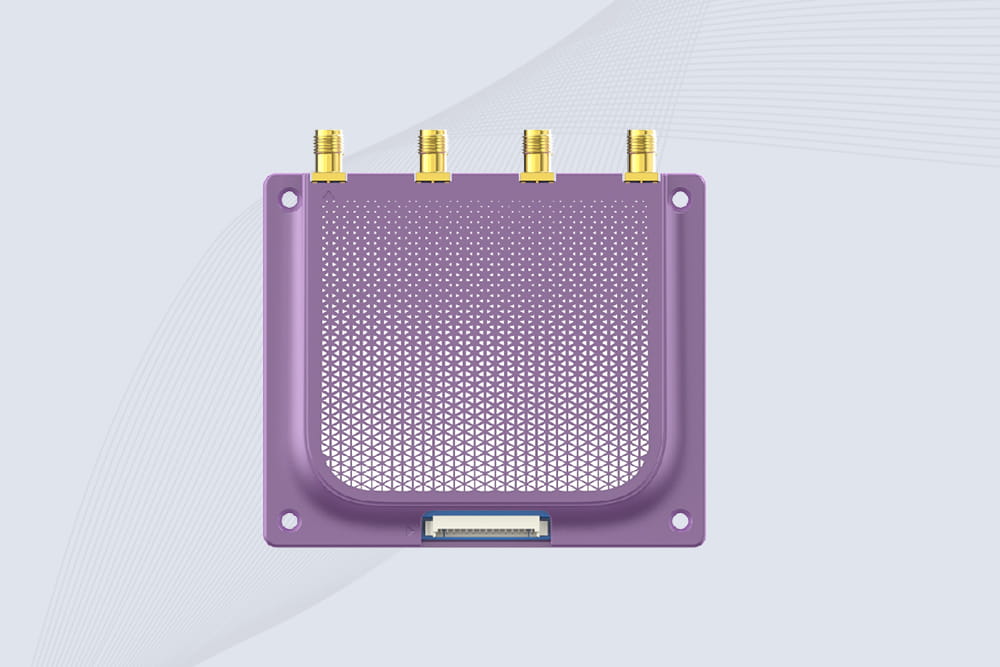
CYKEOCYKEO-M4L UHF RFID Module is a compact 4-channel RFID tag reader module designed for dense tag environments. Supporting ISO and GB protocols, it delivers stable reads up to 10 meters for industrial and IoT systems.
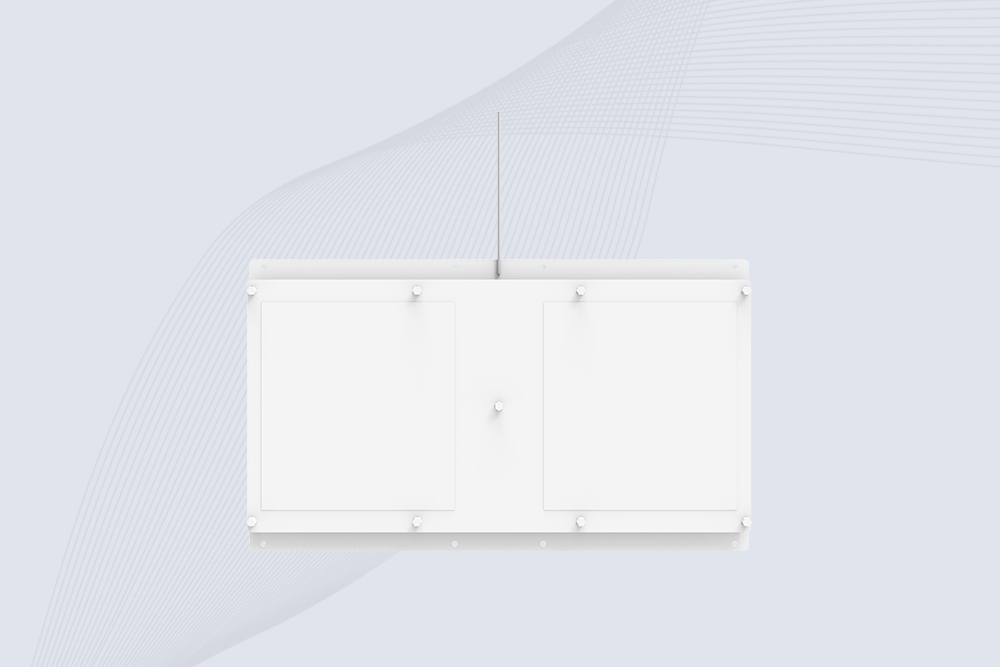
Cykeo CYKEO-A11 UHF RFID reader antenna delivers 11dBi gain, 840-960MHz frequency range, and IP65 ruggedness for retail, logistics, and industrial RFID systems. Features low VSWR and easy installation.
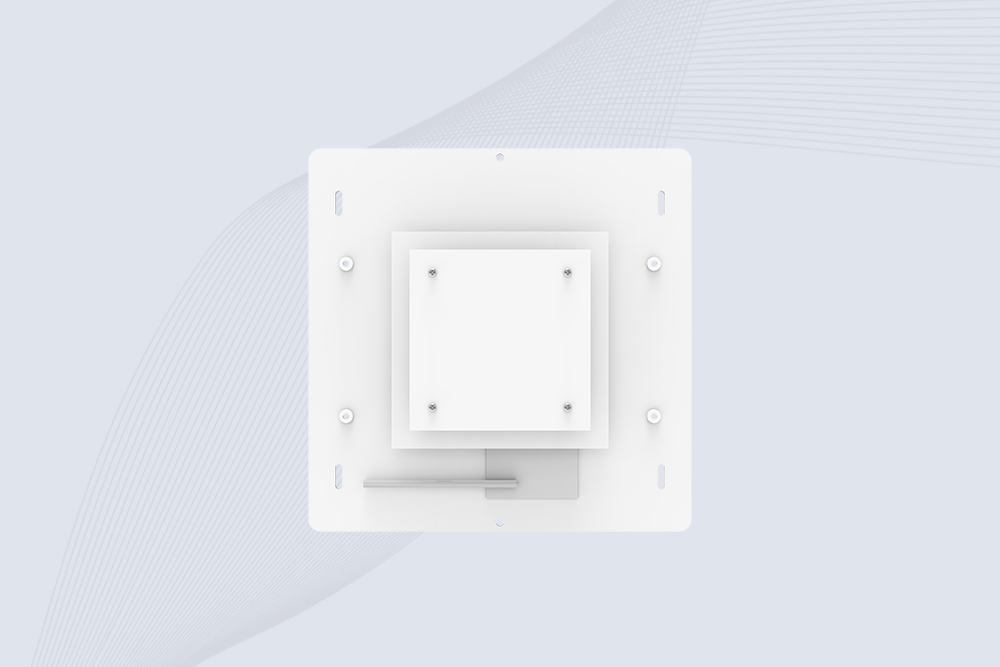
CYKEO Antenna RFID Reader delivers stable long-range UHF performance with a 10.5dBi directional design, built for warehouses, conveyor portals, and industrial RFID systems. This rfid reader antenna provides 20m+ read distance and rugged IP67 protection.

Cykeo CYKEO-PHF3 industrial HF RFID Antenna offers 24-point dynamic tracking, ISO 14443A/15693 protocols, metal-environment stability for archives/libraries/manufacturing.

Cykeo CYKEO-A5B industrial Linear RFID Antenna delivers 5dBi gain, ≤1.5:1 VSWR, and IP65 rugged design for warehouse, production line, and logistics UHF systems.

Cykeo’s CYKEO-B12 Long Range RFID Antenna delivers 15m+ read range with 12dBi gain, IP65 rugged design, and global 840-960MHz UHF support. Ideal for warehouse/logistics asset tracking.
Cykeo CYKEO-B10 Long Distance RFID Antenna offers 10dBi gain, 840-960MHz frequency range, IP65 rating, and 20m+ coverage for logistics/warehousing/ETC systems. Low VSWR ensures stable signal transmission.
Cykeo CYKEO-A6 UHF RFID panel antenna features 6dBi gain, 840-960MHz broadband, IP65 metal-ready housing for logistics/smart retail. 18mm ultra-thin design with tool-free mounting.

Cykeo CK-A3 industrial antenna RFID UHF offers 5m+ tag detection, ≤1.3:1 VSWR, IP65 rugged design, and global UHF spectrum compatibility (840-960MHz) for warehouses, factories, and retail.
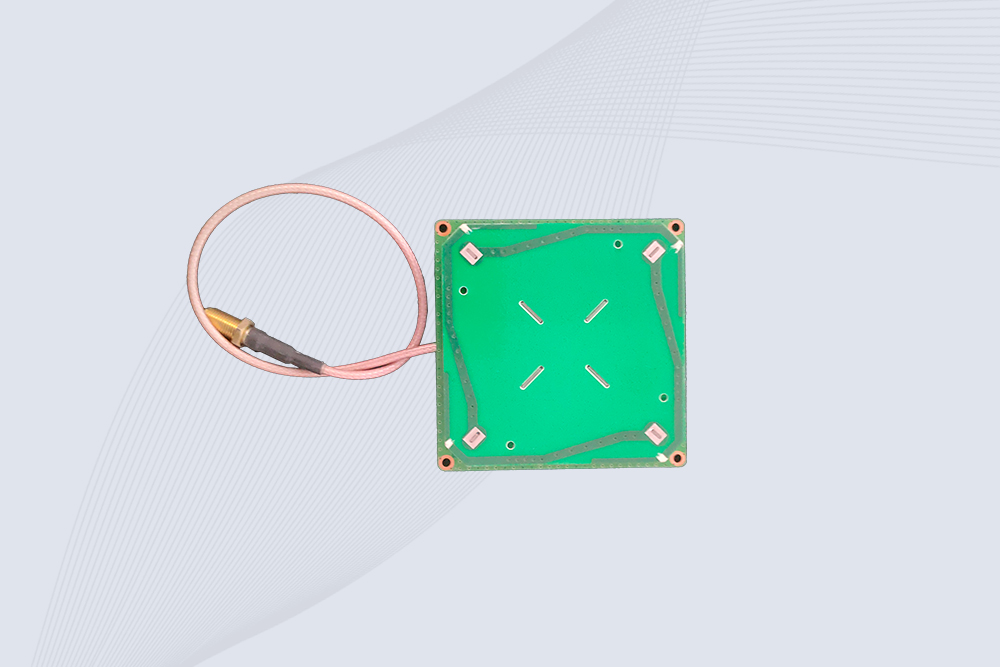
Cykeo CYKEO-B5 directional RFID antenna provides 5dBi gain with 60° narrow beamwidth for precise inventory tracking. IP65-rated, global UHF frequency support, and low VSWR.
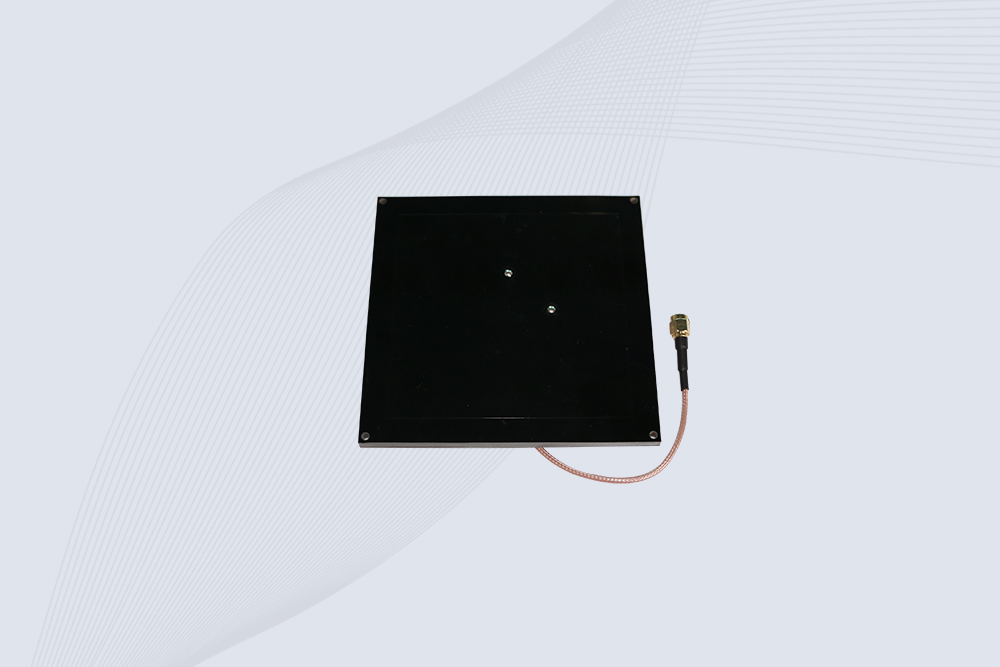
Create your own high-performance DIY RFID antenna! 5dBi gain, 840-960MHz tunable, step-by-step guides. Compatible with Arduino, Raspberry Pi, and commercial UHF readers.
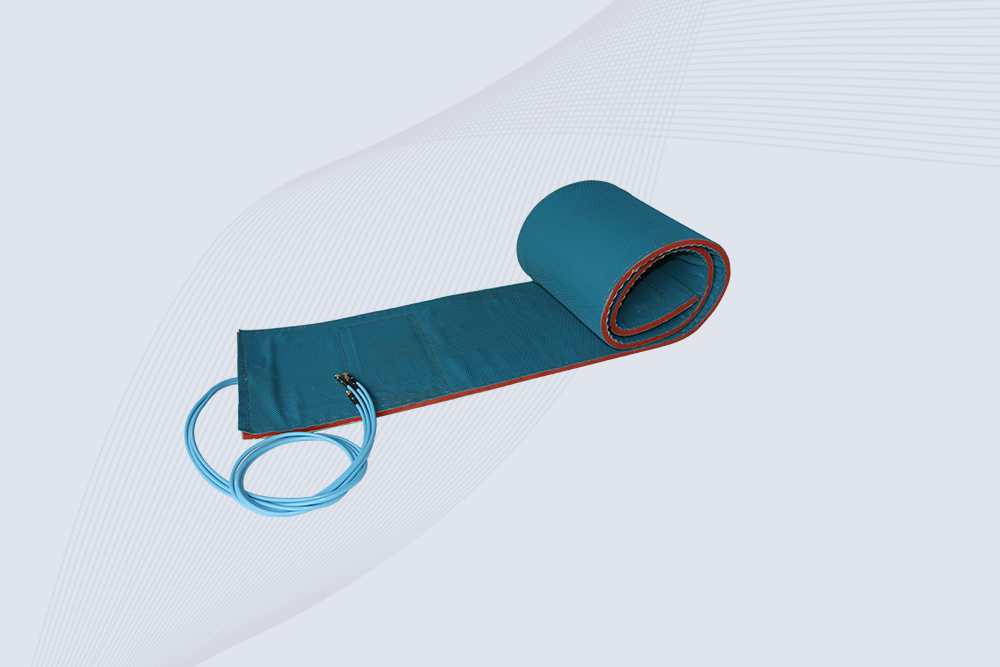
Cykeo CYKEO-A7 Flexible RFID Antenna features 840-960MHz wideband tuning, 7dBi gain, and IP68 rating for medical/retail/industrial curved surface deployments. 98% read accuracy with peel-and-stick installation.
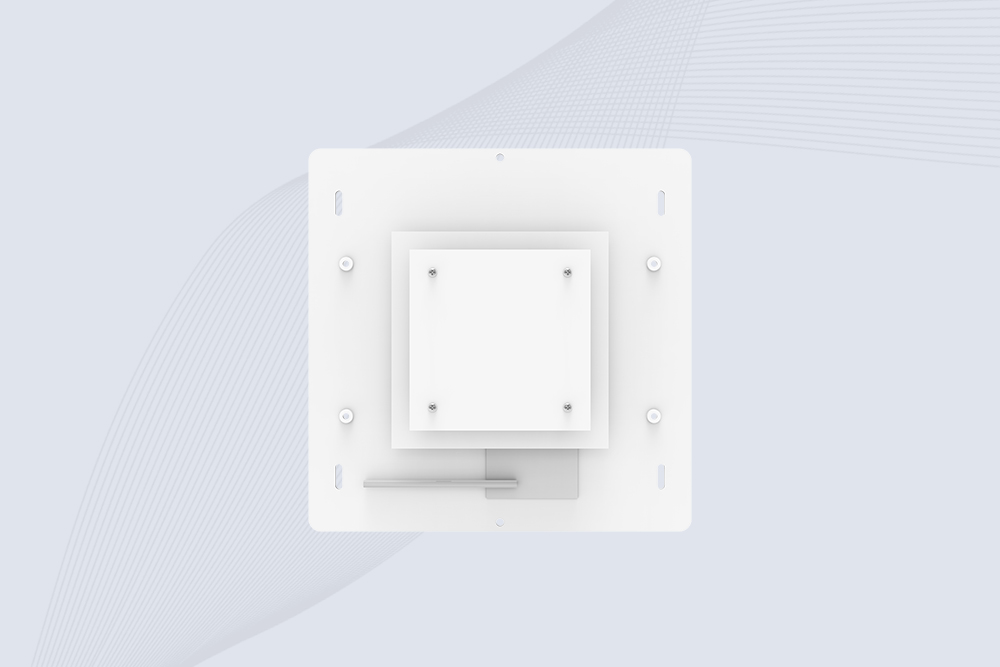
Cykeo CYKEO-B5A industrial Passive RFID Antenna delivers 5dBi gain, 70° beamwidth, and -40°C~55°C operation for warehouses/smart cabinets. Compatible with Zebra/Impinj readers.
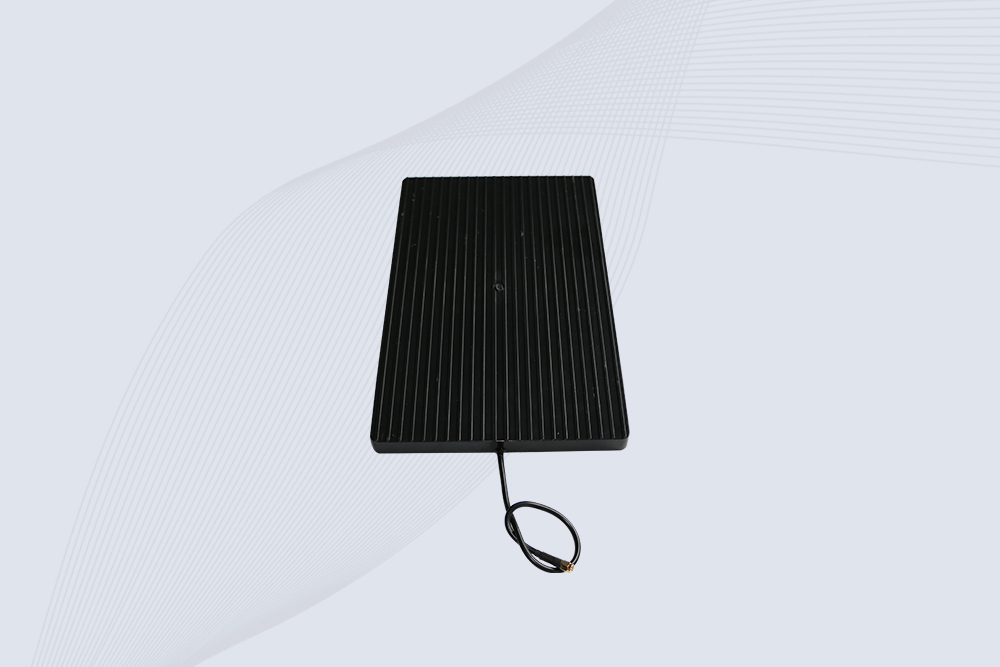
Cykeo’s CYKEO-A9B High Gain RFID Antenna delivers 15m+ read range with 9dBi amplification. Features IP54 rugged design, 840-960MHz bandwidth, and 80° beamwidth for warehouse/manufacturing RFID systems.

Cykeo’s enterprise-grade 8dbi Impinj RFID Antenna 10m+ read range with 840-960MHz tuning. Features IP65 housing, 1.4 VSWR, 35° beamwidth for retail/warehouse RFID systems.
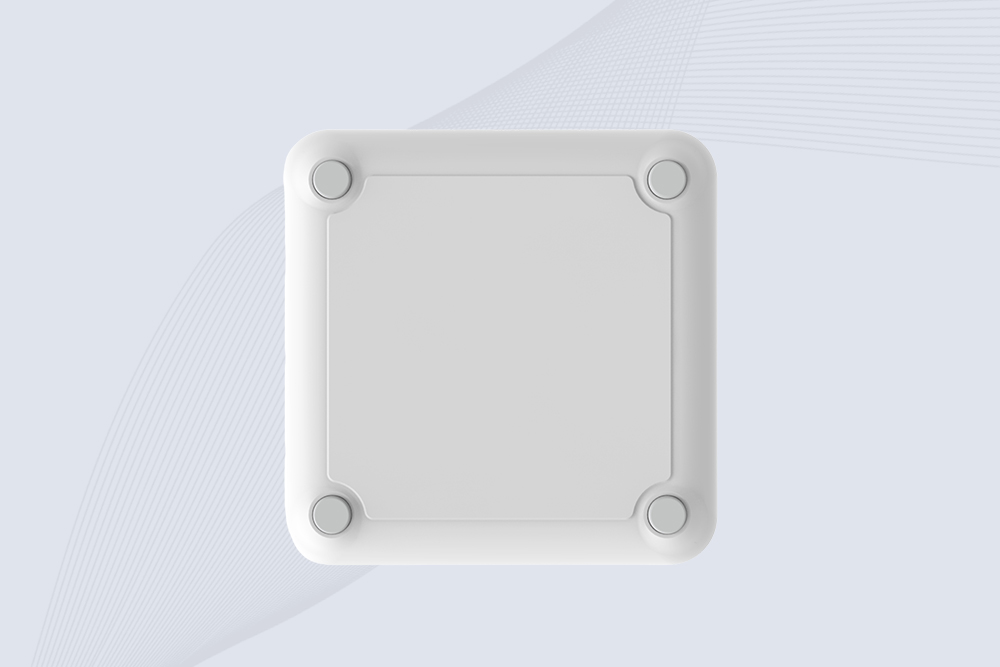
Cykeo CYKEO-A9 industrial UHF RFID antenna delivers 9dBi gain, 840-960MHz frequency range, and IP65 protection for warehouse/logistics/retail RFID systems. Features N-type connector and ≤1.3:1 VSWR.
CYKEO UHF RFID Antenna built for long-distance and industrial applications. This antenna rfid uhf delivers strong gain, outdoor durability, and reliable tag performance in warehouses, yards, and vehicle ID systems.
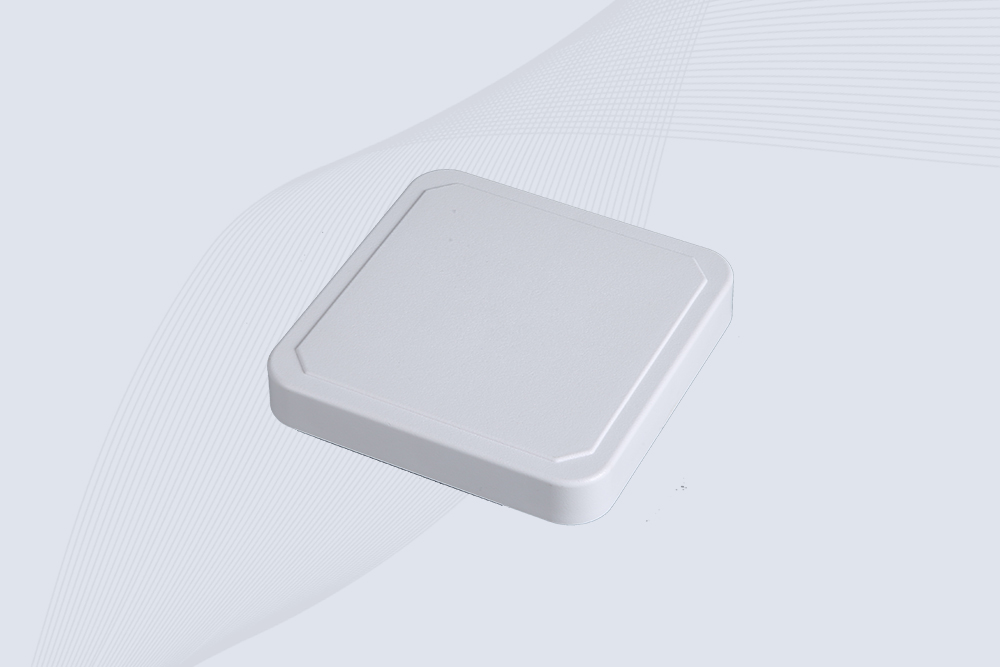
CYKEO Antenna RFID delivers reliable long-range UHF performance in warehouses, retail shelves, and cold-chain environments. This compact uhf rfid antenna provides stable reads with circular polarization and ultra-wide 840–960 MHz support, ideal for industrial tracking, smart shelves, and asset monitoring.
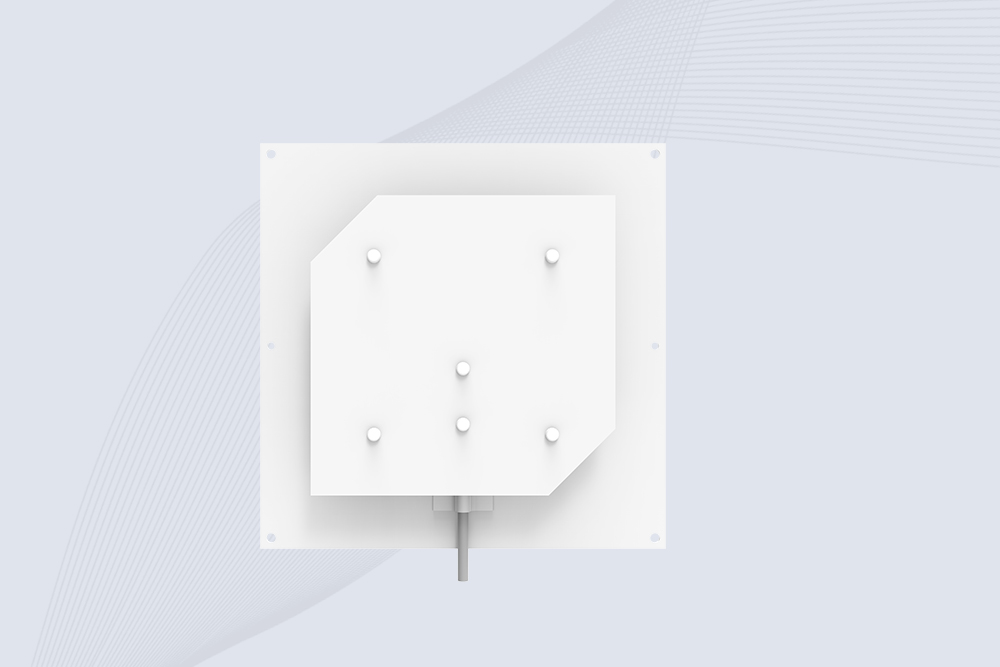
Cykeo’s CYKEO-C8 UHF RFID antennas delivers 8dBi gain, 840-960MHz full-band coverage, and IP65 ruggedness for manufacturing/warehouse RFID systems. Industrial RFID Antennas Features
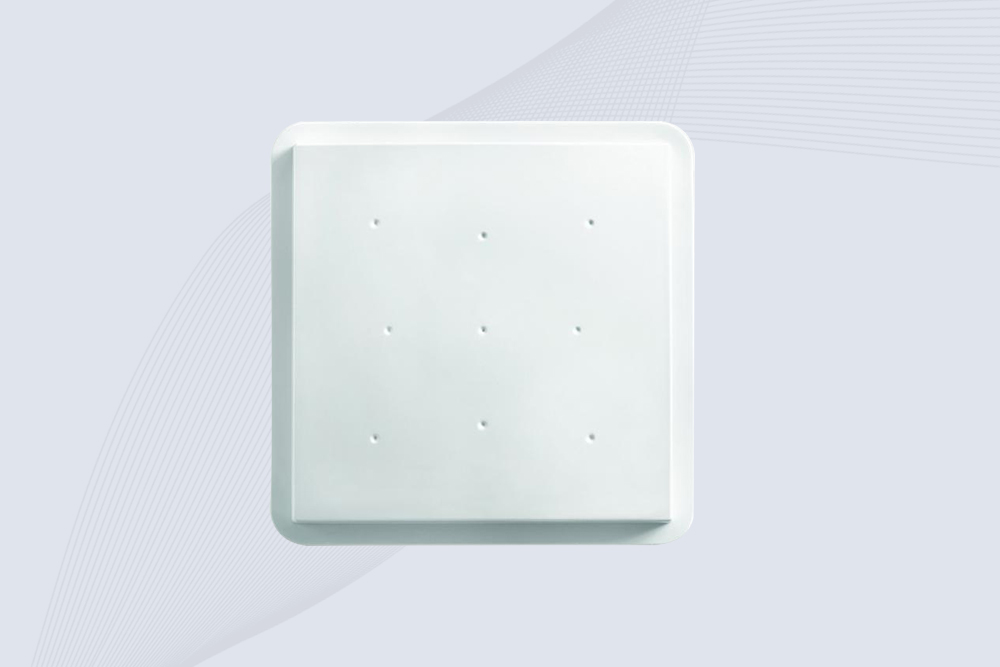
Cykeo’s 8dBi UHF RFID antenna and reader kit delivers 10m+ range, 840-960MHz broadband, and IP65 ruggedness for factories, warehouses, and logistics. ISO 18000-6C & EPC Gen2 certified.
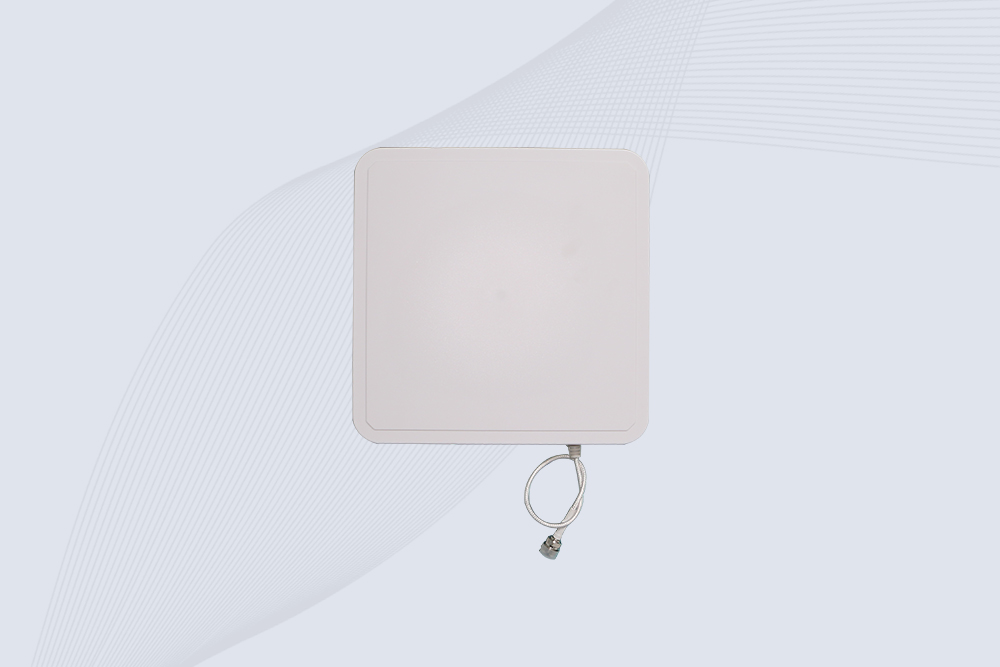
Cykeo CYKEO-A9A industrial UHF RFID reader and antenna kit delivers 10m range, 500 tags/sec, IP65 ruggedness for manufacturing/logistics. Supports EPC Gen2, ISO18000-6C.
Cykeo’s CYKEO-A12C UHF Large RFID Antenna delivers 12dBi gain, 840-960MHz global frequency, IP65 ruggedness for logistics/warehousing/automotive. 40° beamwidth ensures stable 15m+ tag reads.

CYKEO Near Field RFID Antenna provides precise 5–30 cm reading for shelves, cabinets, and workstations. This compact rfid shelf antenna delivers stable short-range performance around metal and clutter, ideal for pharmacies, libraries, and electronics sorting.
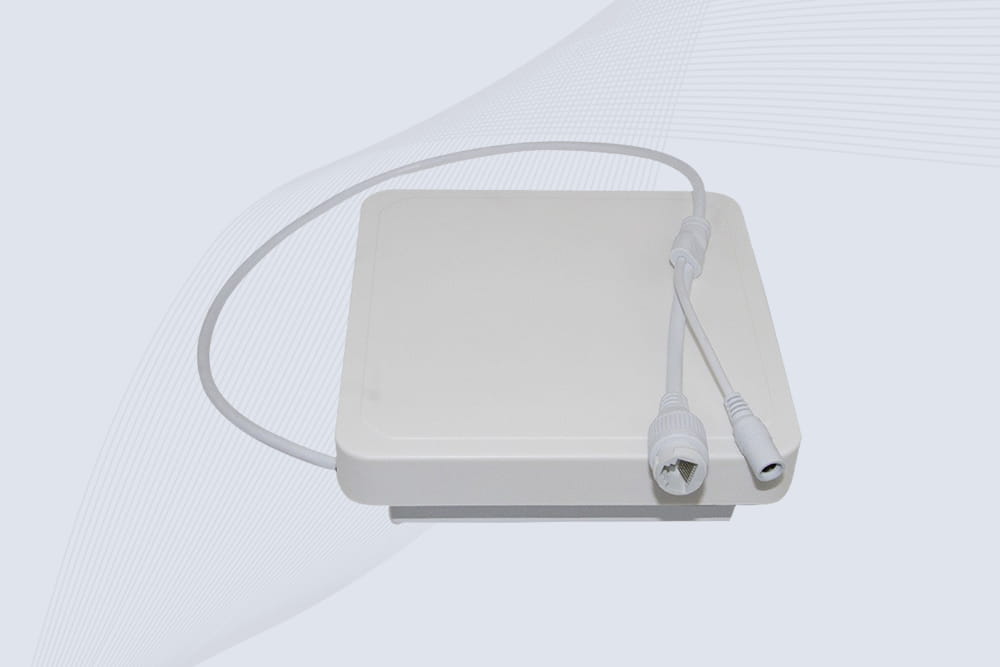
Cykeo’s industrial long range RFID reader delivers 20-meter scanning, 500+ tags/sec speed, and IP67 waterproof design for automated warehouses, logistics, and harsh environment applications.
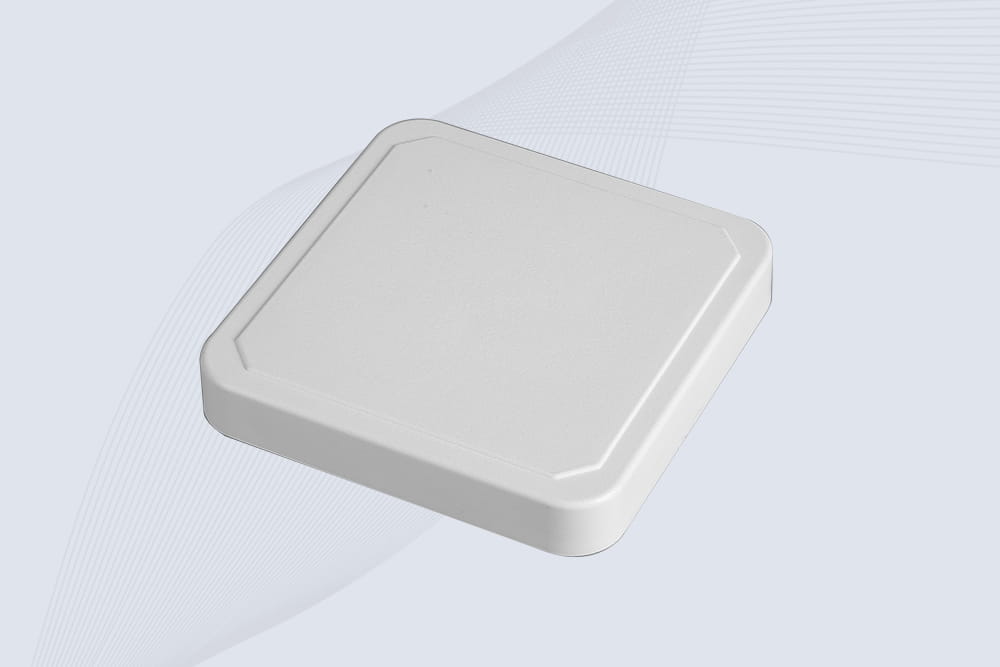
Cykeo’s CYKEO-RA6L industrial RFID long range reader features 20m read distance, 500 tags/sec speed, and IP67 protection. Ideal for warehouse automation, manufacturing WIP tracking, and smart logistics. Supports ISO 18000-6C/6B protocols.
CYKEO Long Range RFID Tag Reader built for outdoor and industrial operations. This Outdoor RFID Reader delivers 20m read distance, fast tag processing, and IP67 durability for wide-area tracking.
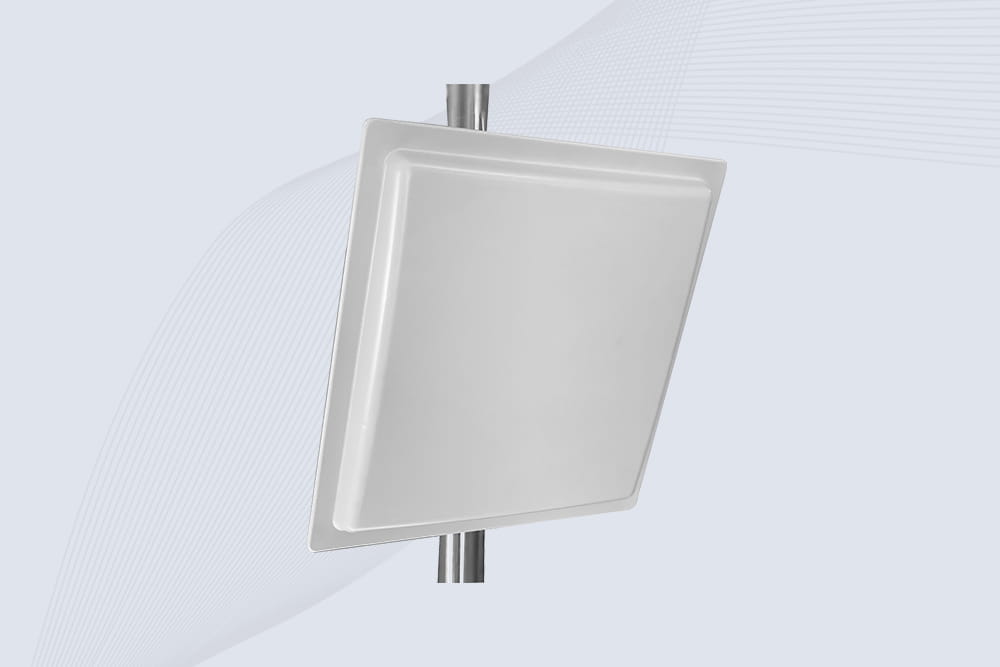
Cykeo CYKEO-RA12L industrial Long Range RFID Reader delivers 20m read range, 200+ tags/sec scanning, and IP67 protection for manufacturing/logistics applications. Supports ISO 18000-6C/GB protocols.
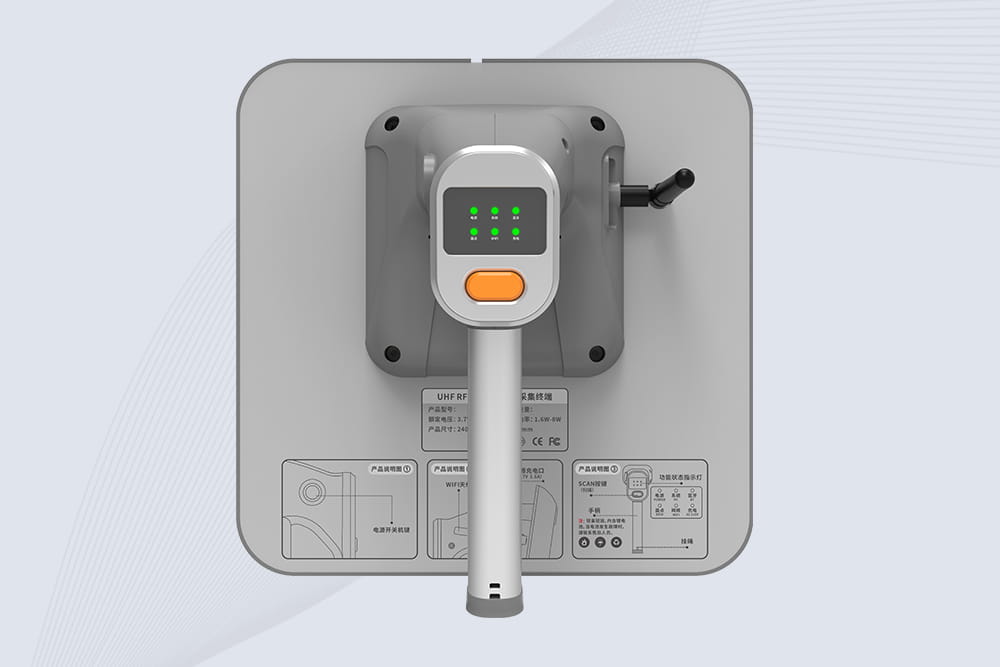
Cykeo CYKEO-B9 UHF Bluetooth handheld RFID scanner features 12m UHF range, 200+ tags/sec scanning, IP67 rugged design for retail/warehouse/pharma. Supports Android SDK & real-time Bluetooth 5.0 transmission.
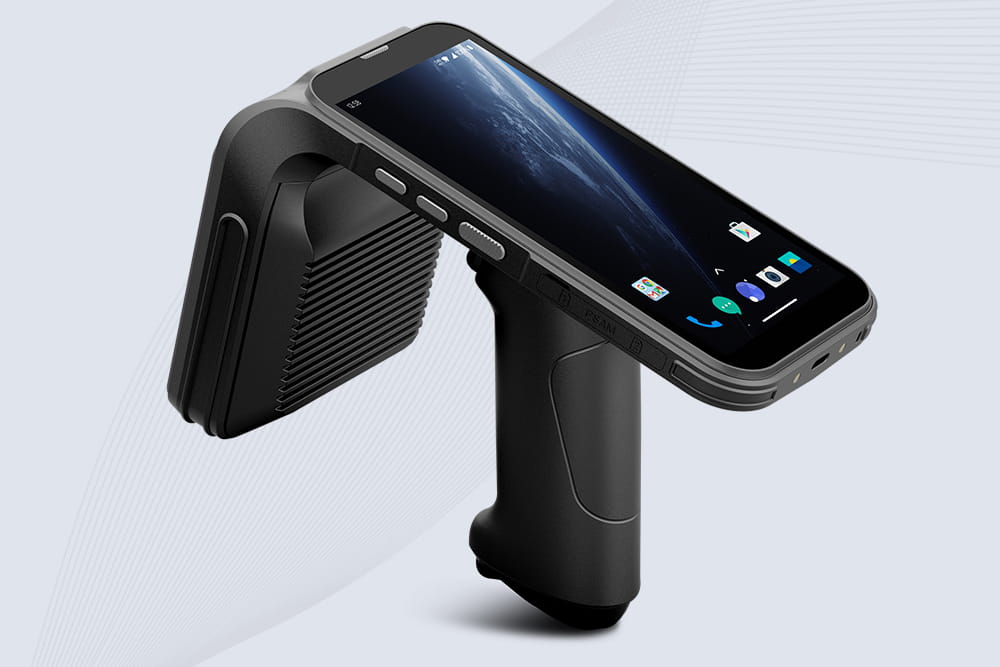
Cykeo CYKEO-B4 UHF Handheld RFID Reader scanner delivers 1300 tags/sec reading, 30m UHF range, and 12-hour battery life. IP65 rugged design with barcode/NFC/ID scanning for retail/manufacturing/logistics.
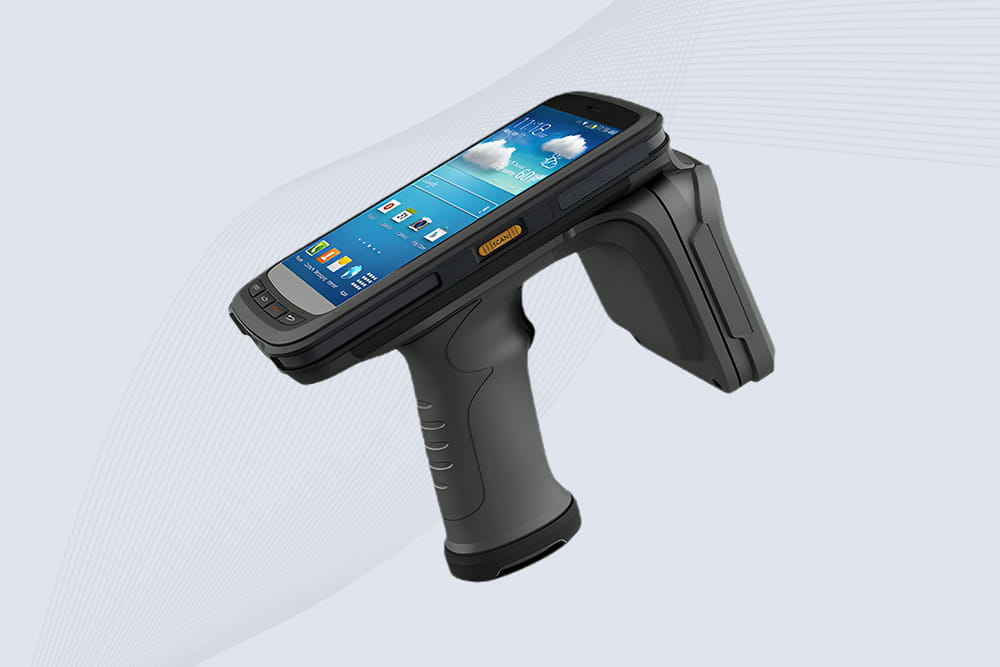
Cykeo CYKEO-B2 industrial UHF RFID handheld offers 10m range, 500 tags/sec scanning, Android 11 OS, and IP65 rugged design for retail/warehouse/manufacturing.
Can RFID reader read NFC? We explain the technical relationship, which readers are compatible, and why most industrial RFID systems cannot read NFC tags.
More
Ever wondered "can phones read RFID"? We reveal what smartphones can actually do, their serious limitations, and why businesses need dedicated readers.
More
Learn how to track livestock efficiently using handheld RFID readers. Discover best practices for tagging, data collection, and integrating with farm management software.
More
What’s the true cost of an RFID reader system? We break down hardware, software, and hidden expenses—plus how Cykeo’s solutions maximize ROI.
More