Car tagging is the process of assigning a unique, trackable identity to a vehicle so it can be recognized automatically — without stopping, without manual checks, and without human judgment calls.
In simple terms:
a car gets “tagged,” and systems know it’s there.
That rfid tag might be electronic, visual, or digital. What matters is the outcome: fast identification, reliable records, fewer disputes.
How car tagging actually works in the real world
When people ask what is car tagging, they usually imagine a sticker or a label. Sometimes that’s true. Often it’s not that visible.
Most modern car tagging systems rely on one of these:
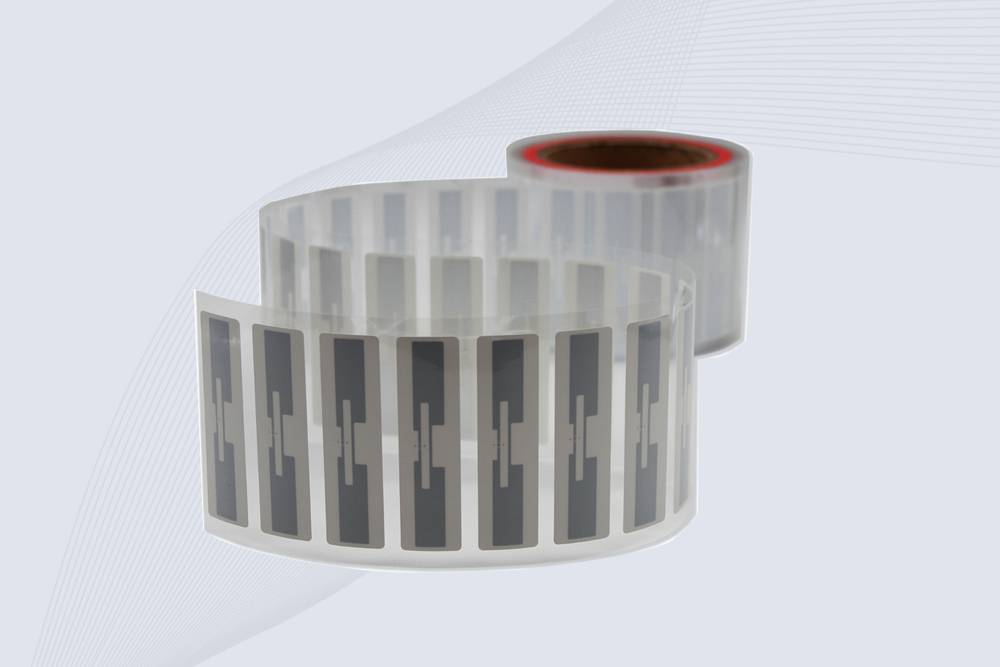
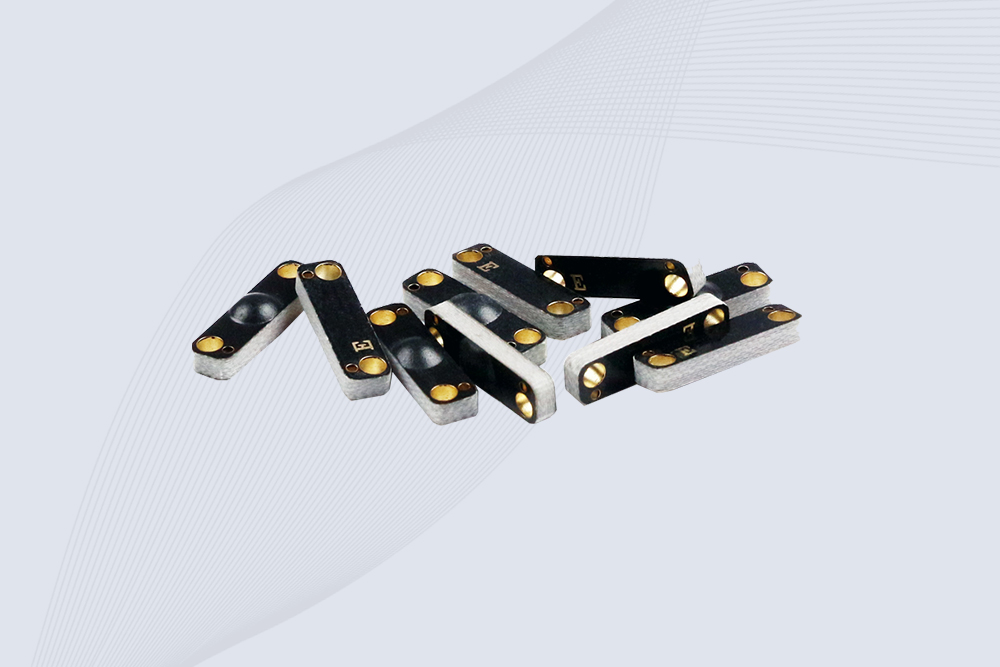
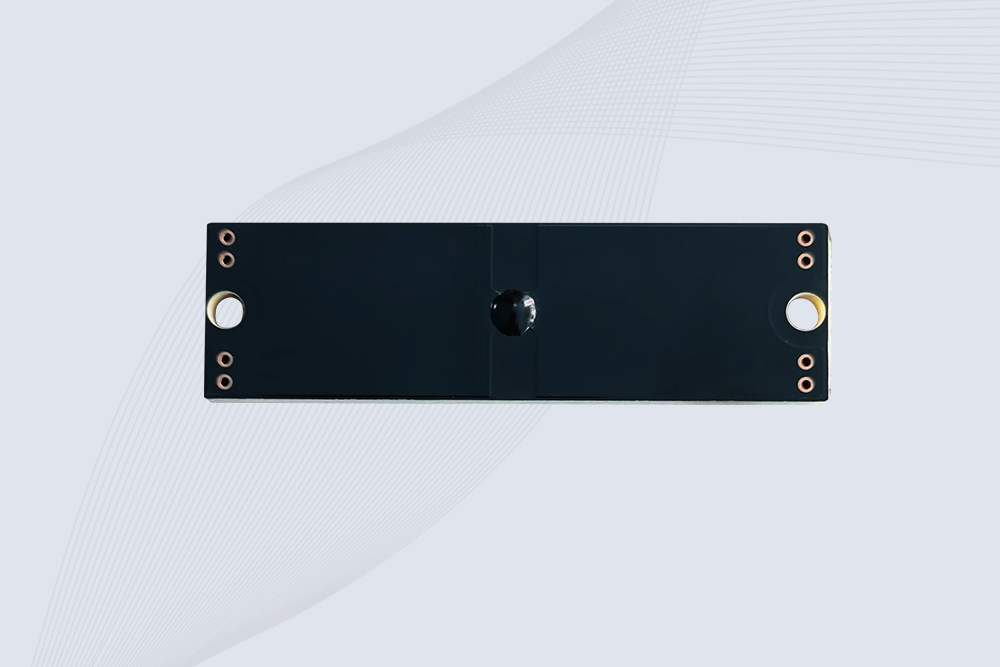
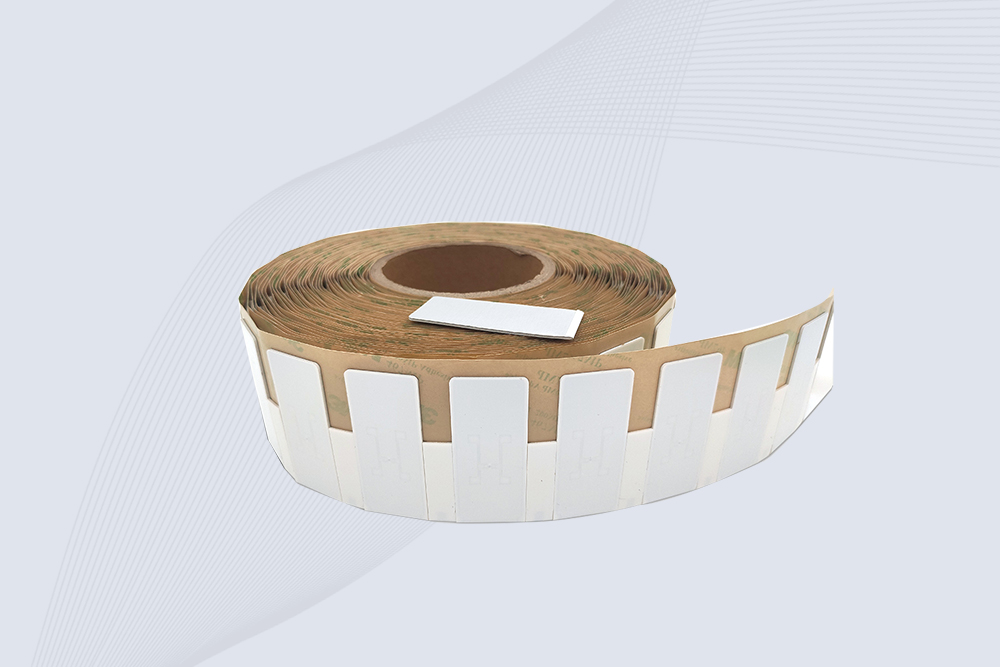
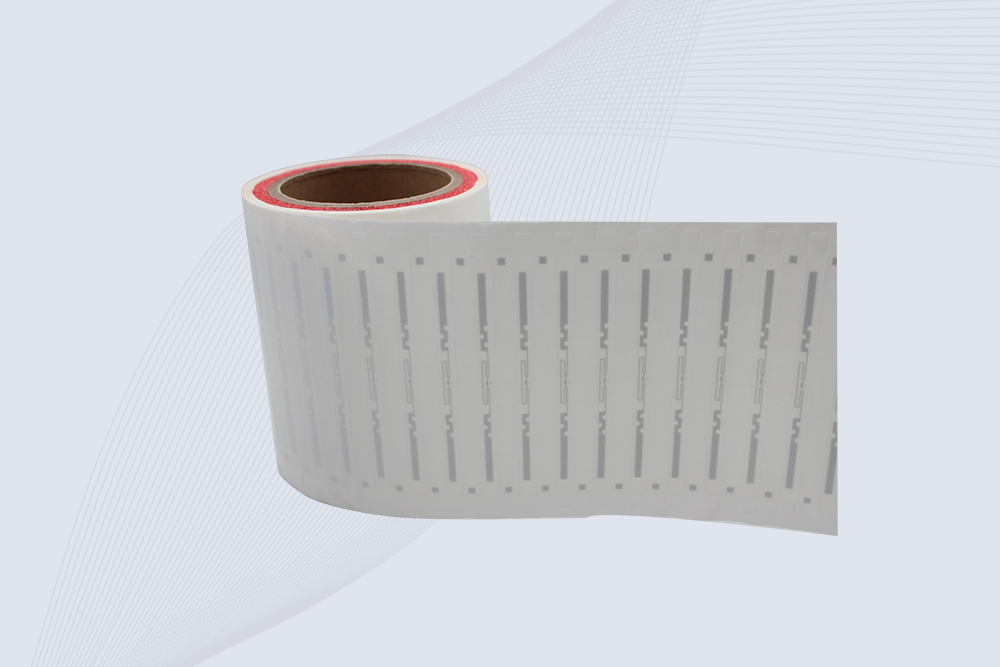
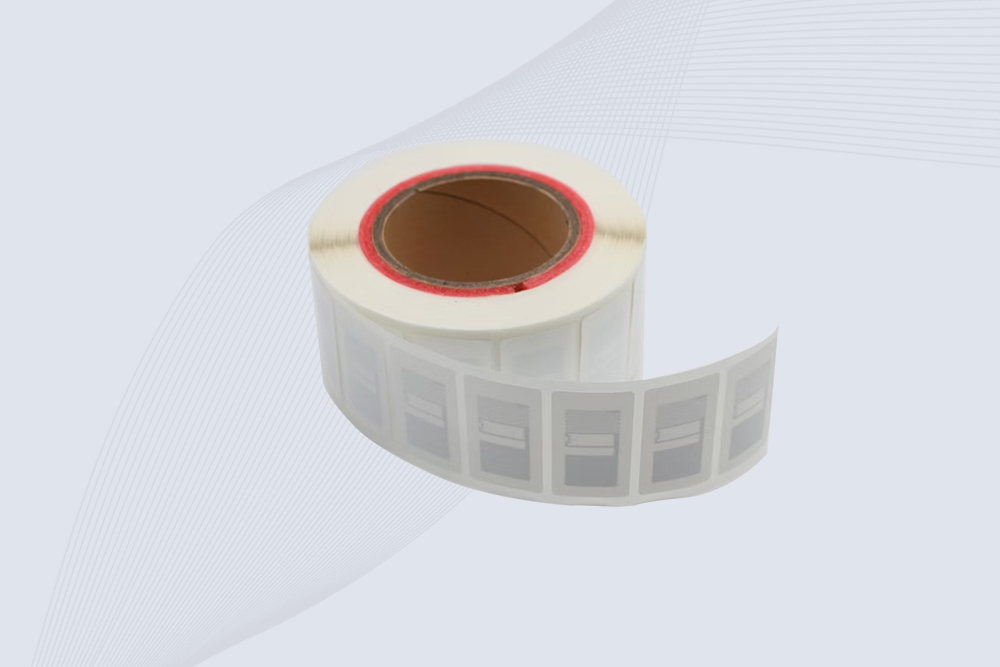
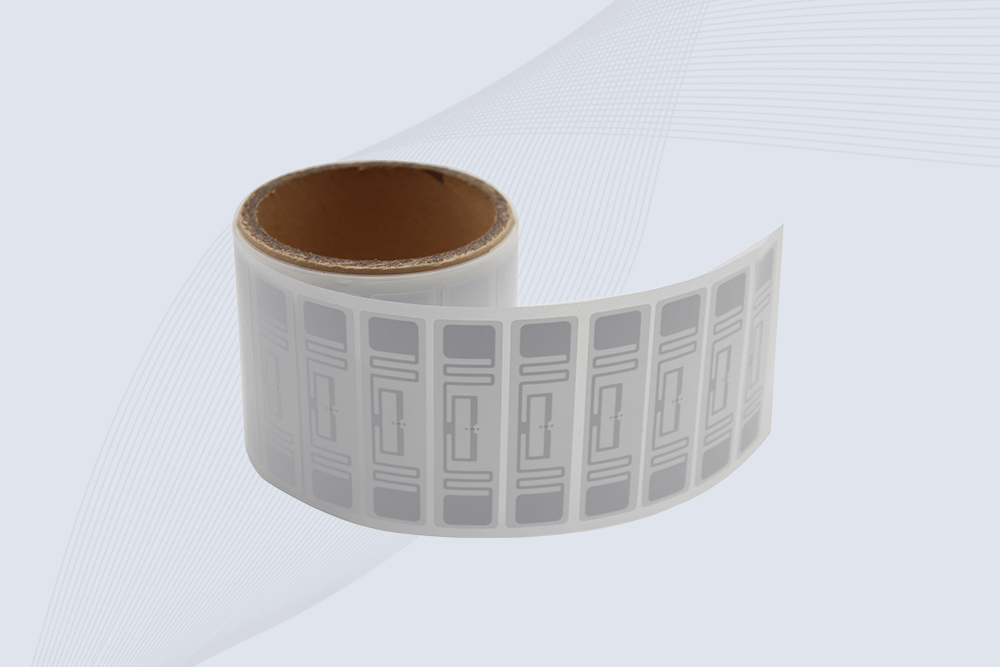
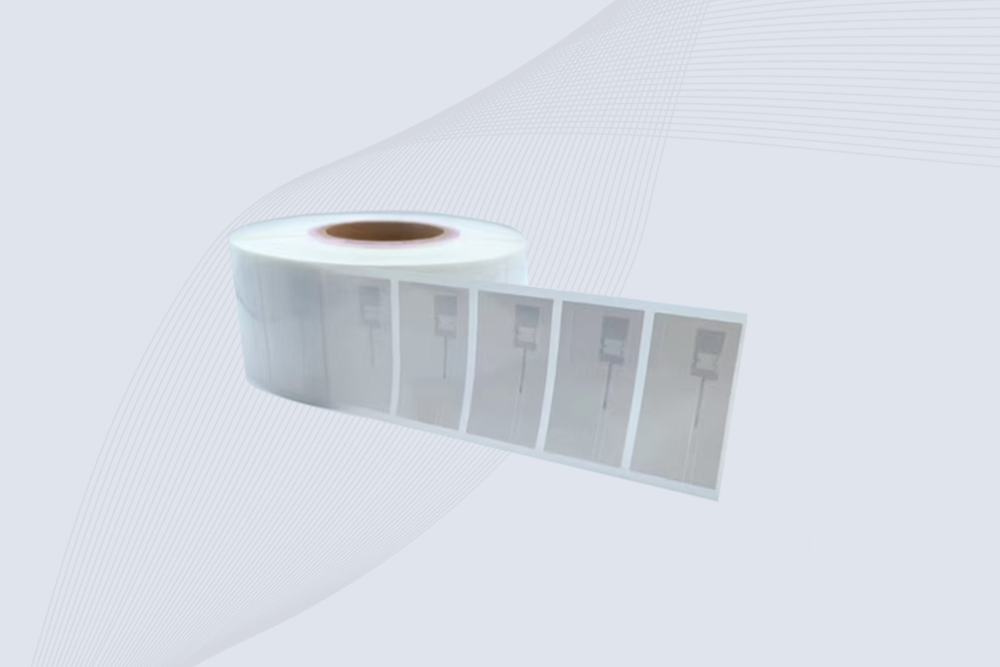
- RFID vehicle tags mounted on the windshield or headlamp
- License plate recognition (LPR / ANPR) using cameras
- QR or NFC tags for controlled-access environments
At CYKEO, we see RFID-based car tagging used most where speed and accuracy matter — parking entrances, gated communities, logistics yards, and city traffic systems.
No ticket. No button. No pause.
The car approaches, the system reads the tag, the gate opens. That’s it.
Why car tagging exists (and why it keeps spreading)
Manual vehicle checks fail in predictable ways. People forget tickets. Plates get dirty. Guards make judgment calls.
Car tagging removes all that.
It brings:
- Consistency
- Time-stamped records
- Traceable vehicle movement
Once operators experience that difference, they don’t go back.
Is car tagging the same as tracking people?
No. And this matters.
Car tagging identifies vehicles, not drivers. The system logs entries, exits, and durations — not personal behavior. In regulated deployments, data is tied to vehicle IDs, not individuals.
This distinction is why car tagging is widely accepted in commercial and municipal environments.
Common places where car tagging is used
You’ve probably passed through one already without noticing.
- Parking garages and smart parking systems
- Residential compounds and office parks
- Toll roads and express lanes
- Fleet depots and logistics centers
CYKEO works with operators who need reliable vehicle tagging systems that function in rain, dust, glare, and high traffic volume — conditions where manual systems fall apart.
RFID car tagging vs license plate recognition
Both work. They just solve slightly different problems.
RFID car tagging
- Faster at close range
- Less affected by dirt or lighting
- Requires a physical rfid tag
License plate tagging systems
- No hardware on the vehicle
- Dependent on camera angle and visibility
- More sensitive to weather and plate condition
Many sites combine both. Redundancy is intentional.
The practical takeaway
So, what is car tagging?
It’s not a trend word. It’s a practical answer to a simple question:
How do you identify vehicles accurately, every time, without slowing traffic down?
That’s why car tagging systems keep showing up in cities, campuses, and private infrastructure projects worldwide.
And that’s why CYKEO treats car tagging as infrastructure — not a gadget.
UHF RFID Tags Recommended
 Cykeo RFID IoT Solution Products R&D Manufacturer