 Cykeo RFID IoT Solution Products R&D Manufacturer









Does NFC Read RFID? Here’s the No-BS Answer.
110Does NFC read RFID? Get a straight answer on the technology relationship, compatibility limits, and why NFC can't handle industrial tracking.
MoreAll RFID Product
Question: My team’s looking at rolling out RFID for warehouse tracking. The sales guy keeps talking about “antenna specs” and “gain.” Honestly, it’s a bit much. Can we just get a simple breakdown? What is an RFID antenna in practical terms? Why is it a separate piece from the RFID reader anyway?
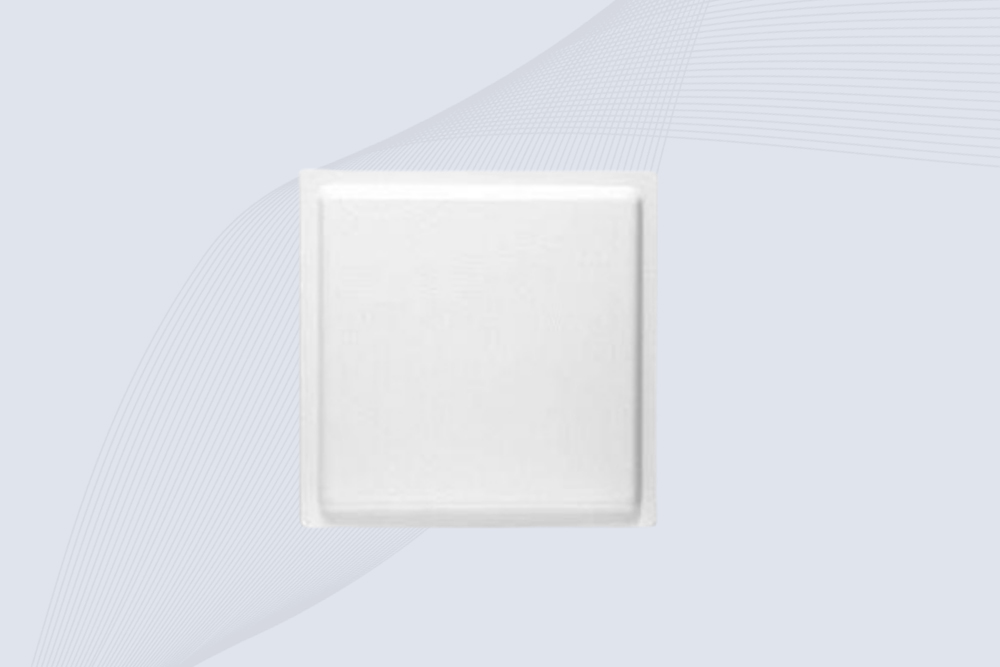
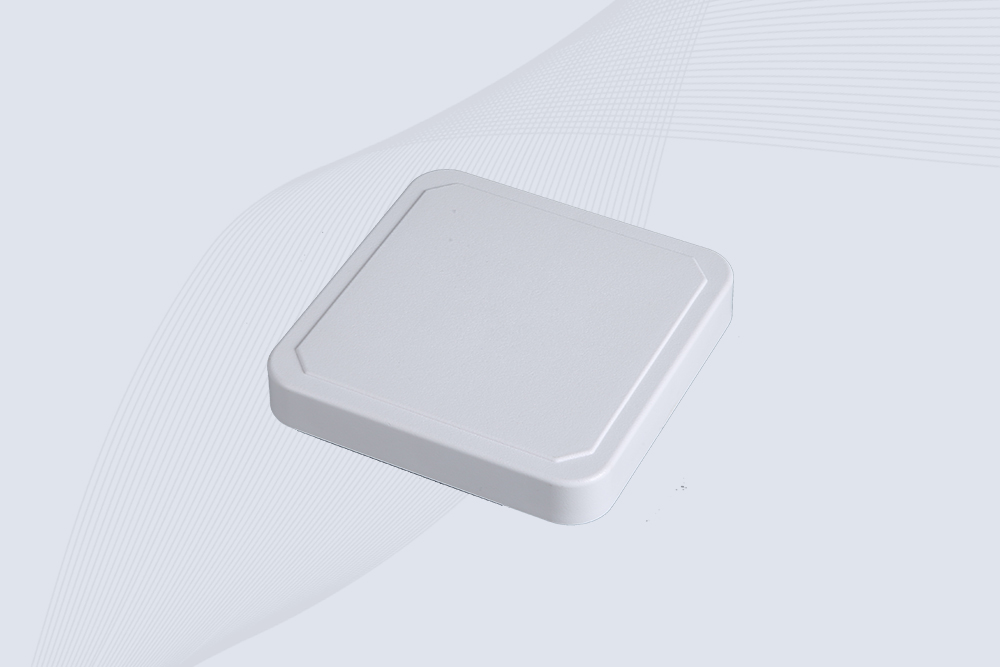
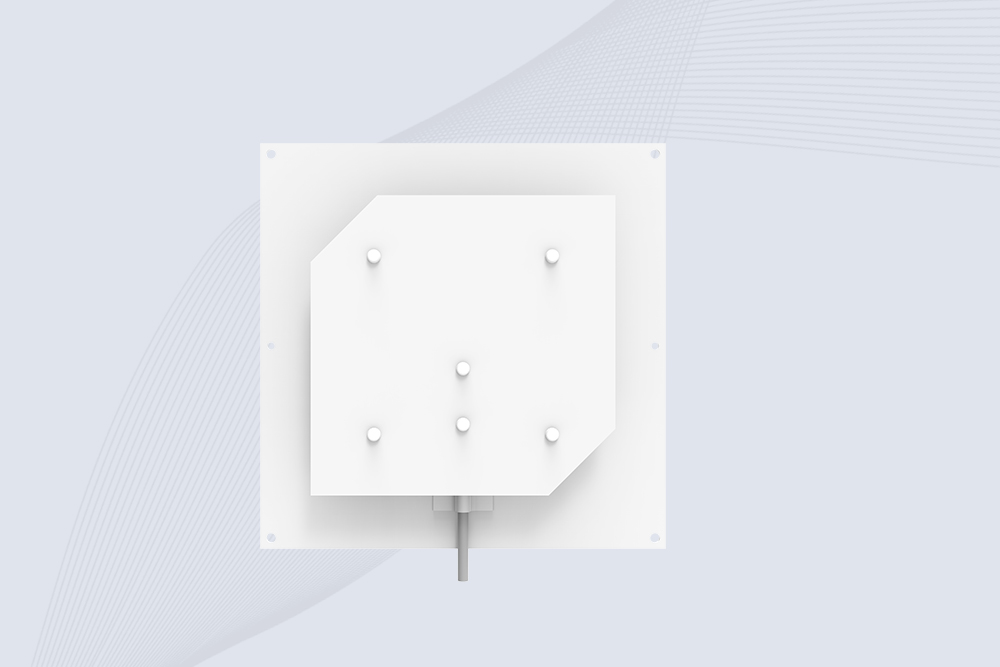
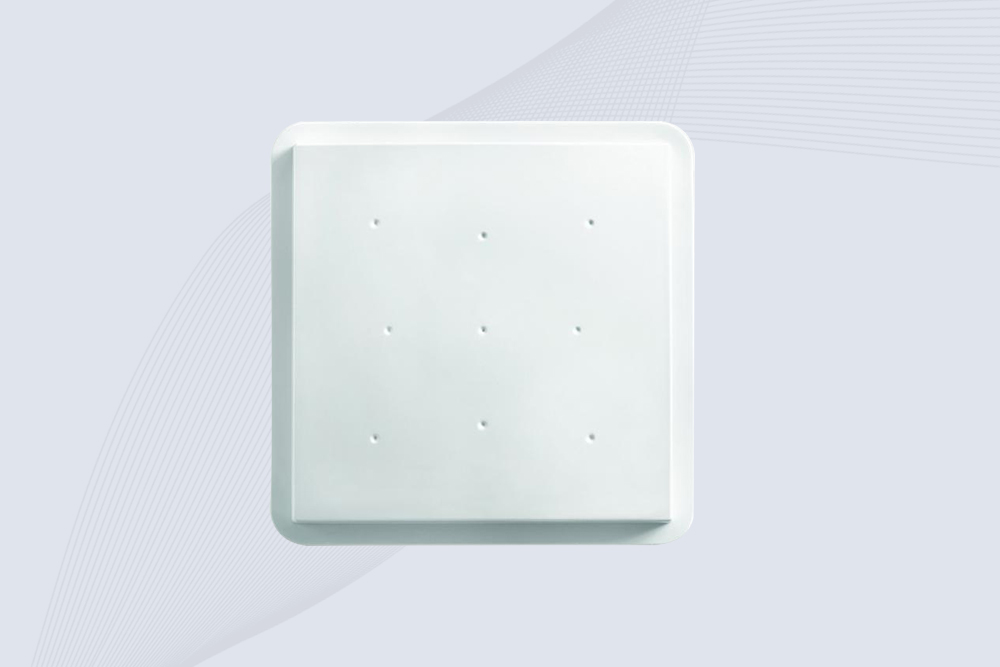
Answer: Perfect question. Let’s skip the textbook definitions. Here’s the practical truth: the antenna is the only part of your system that actually touches the physical world. The rfid tag reader is a computer in a box. It crunches numbers. The antenna? That’s your scout on the front lines.
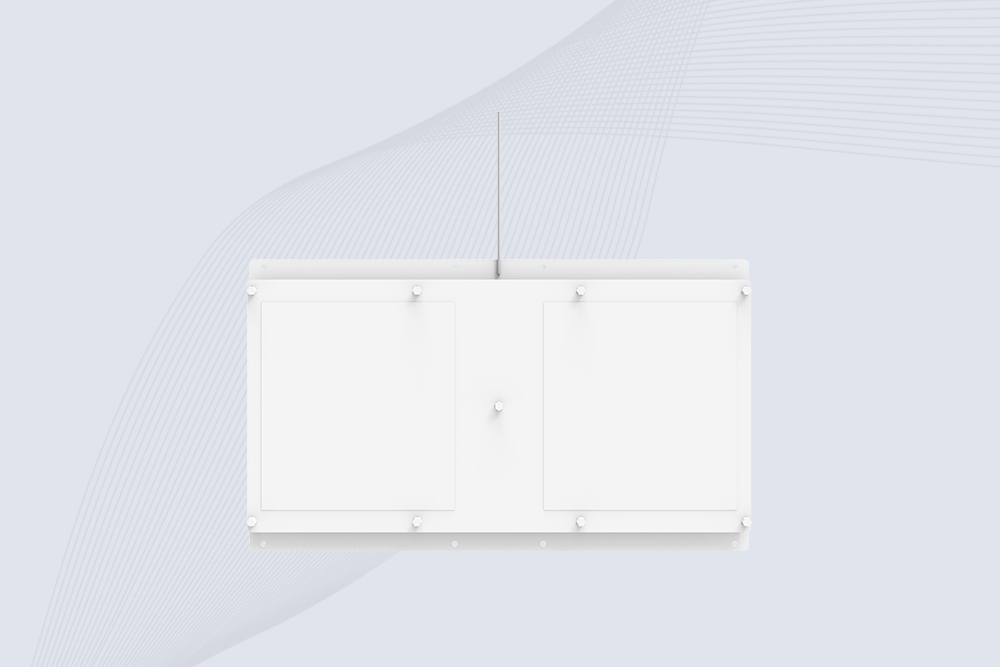
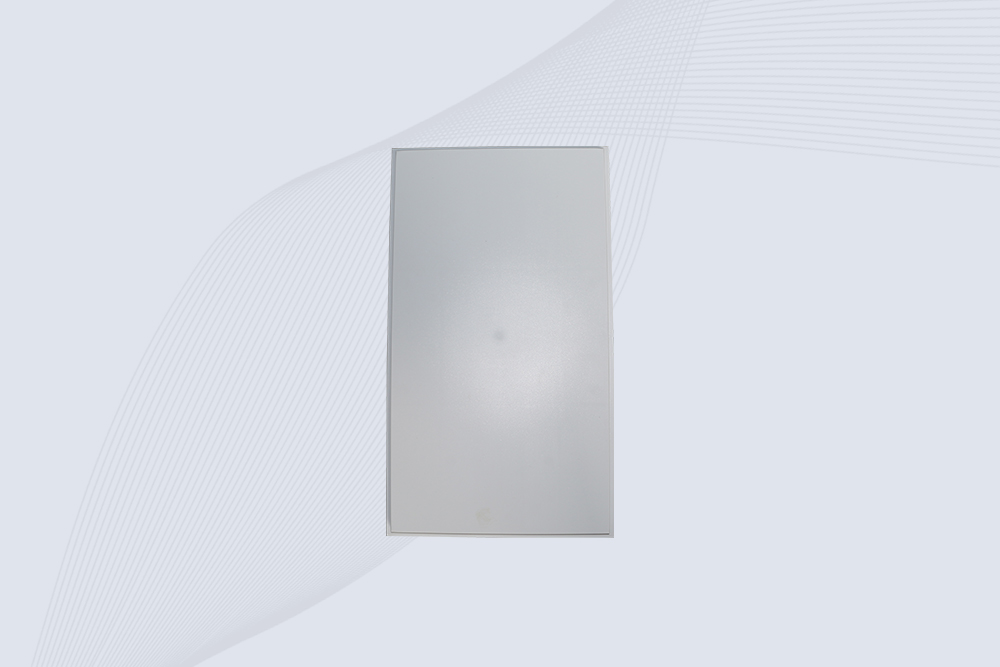
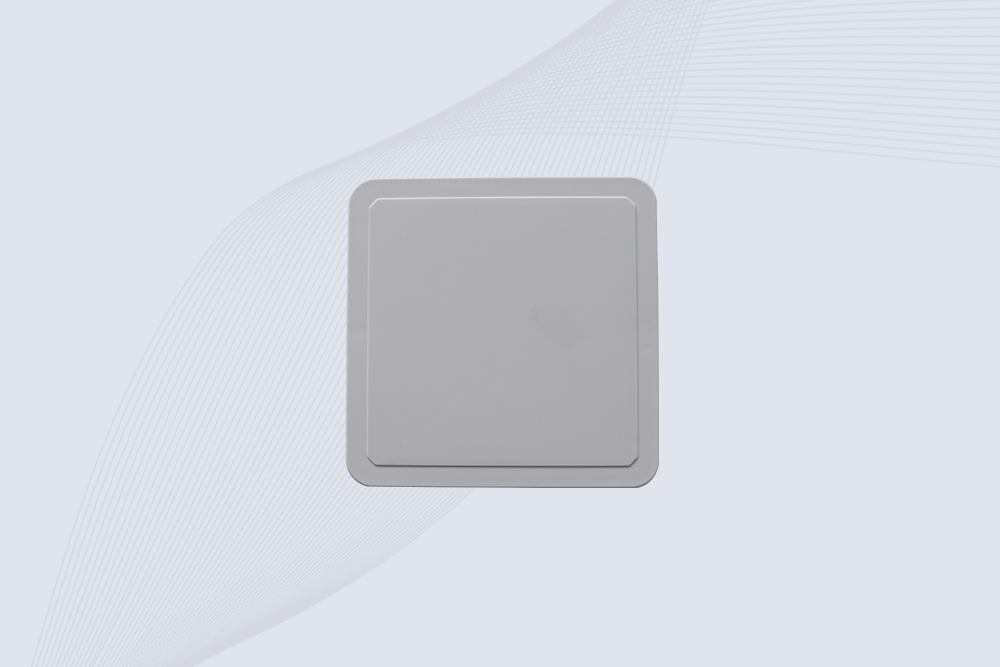
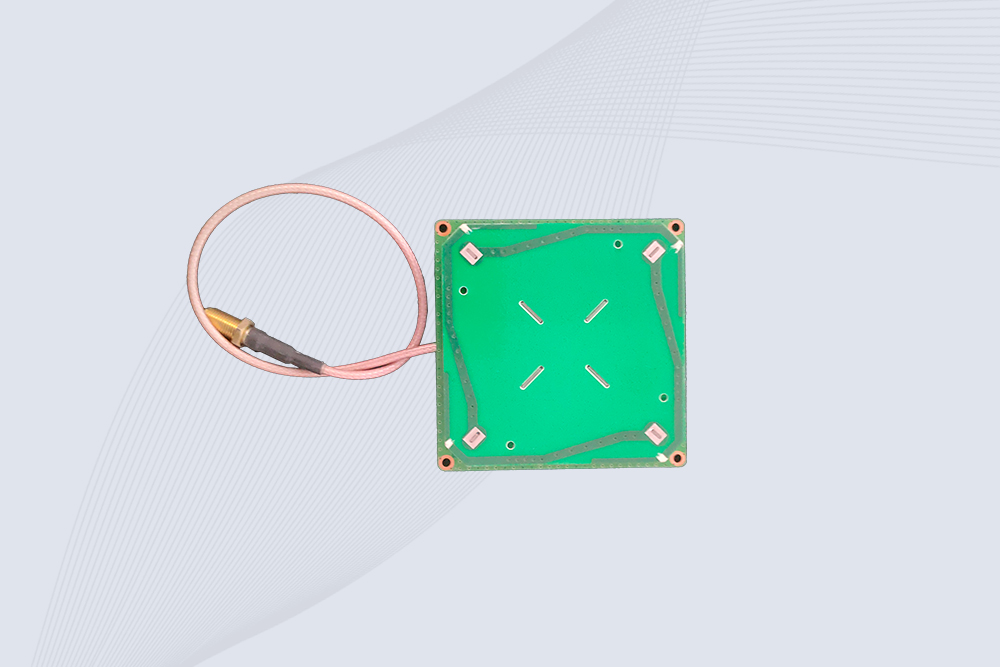
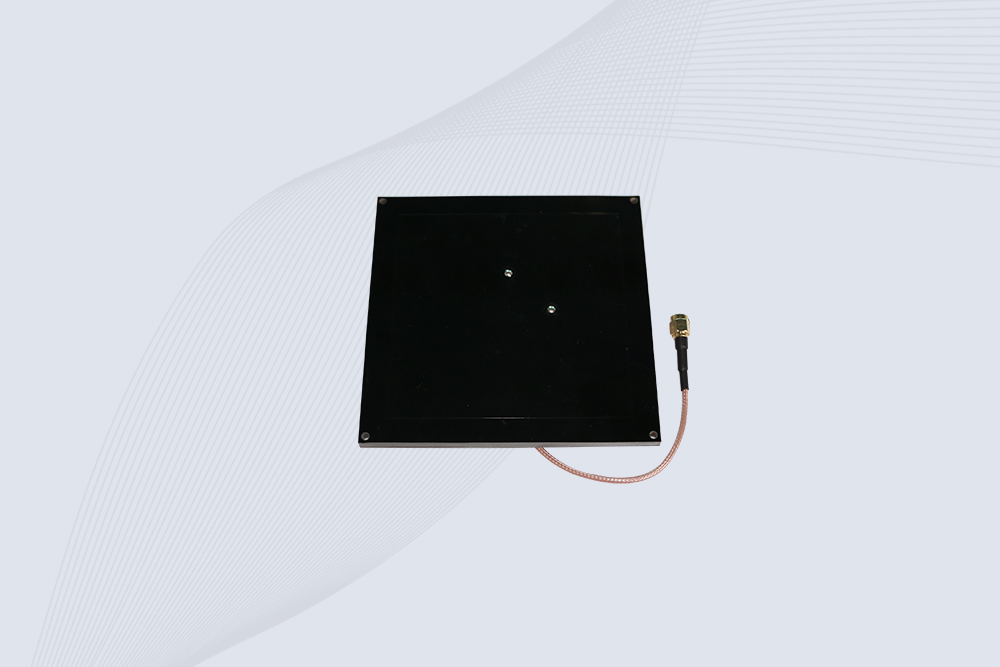
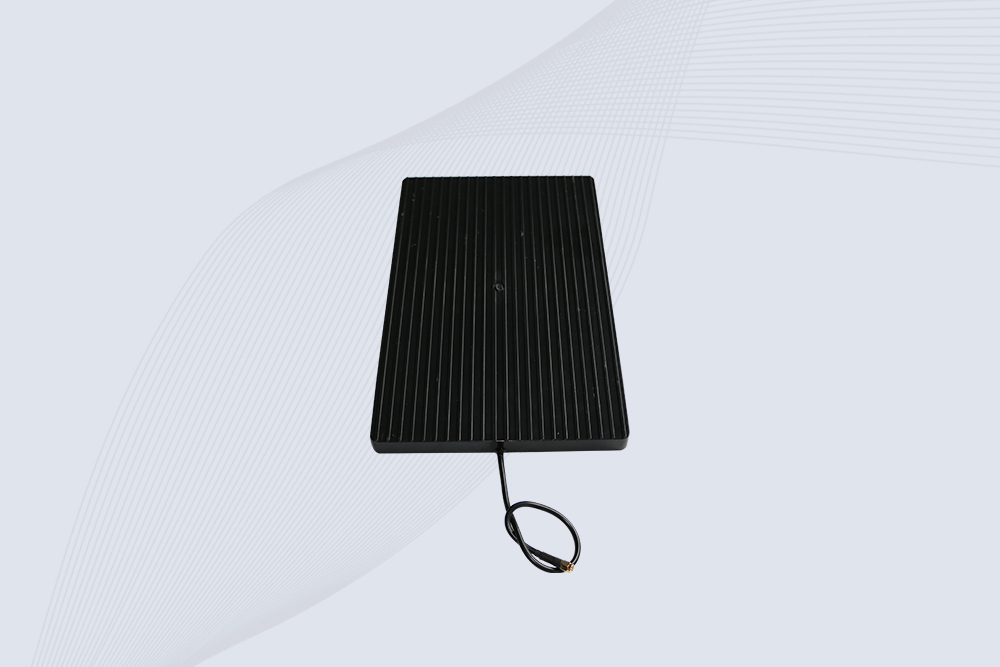
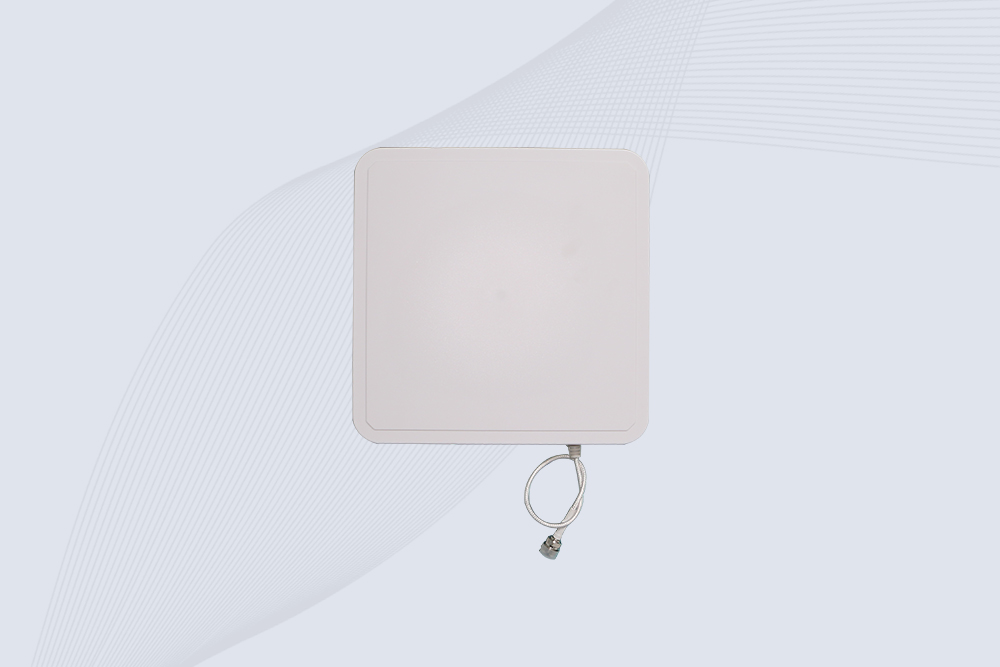
What is an RFID antenna? It’s a specialized radio device with one critical job: to project a controllable “field” of energy and listen for a reply.
Think of it this way. You want to read a tag on a box 15 feet away. Your reader shouts “HEY, ANY TAGS OUT THERE?” The RFID antenna is what gives that shout a direction, shape, and reach. A bad antenna shouts in all directions weakly. A good one focuses that shout like a megaphone right down your warehouse aisle.
But here’s the magic part most people miss: for the common, battery-free “passive” tags, the antenna’s shout isn’t just a question—it’s also the power source. The radio waves it sends out carry just enough energy to wake up a tag’s microchip. The tag then uses that borrowed power to whisper back “I’m Box #1234.” The antenna catches that whisper. No antenna power, no tag response. Simple as that.
So you bought a good antenna. Great. Now you can still completely fail. Why? Because every antenna has a “personality”—a specific radiation pattern. Some throw a wide, short bubble. Others shoot a long, narrow beam like a flashlight.
I’ve seen a company mount a perfect antenna facing a metal wall. It was like trying to have a conversation in a mirror closet—all the energy bounced back, drowned the signal, and reads were a disaster. Another classic? Using a short-range “bubble” antenna for a long conveyor line. Tags were only seen for a split second.
Here’s the bottom line your sales guy might not stress: What is an RFID antenna? It’s the bridge between your digital plan and messy reality. Choosing the right one isn’t about checking a spec sheet box. It’s about asking: What’s the shape of my read zone? What’s around it (metal, water, noise)? How far do my tags need to be?
At CYKEO, we spend as much time on site planning and antenna selection as we do on the hardware itself. Because the fanciest reader is worthless if the antenna can’t do its one job in your specific environment. Get this piece wrong, and you’re not doing RFID—you’re just wasting money on radio gear.
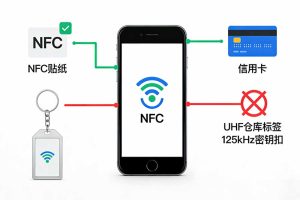
Does NFC read RFID? Get a straight answer on the technology relationship, compatibility limits, and why NFC can't handle industrial tracking.
More
Learn how to integrate handheld RFID readers with ERP systems like SAP or Oracle. Follow expert steps for data sync, API setup, and real-time inventory updates.
More
Discover whether GPS or RFID is the most effective technology for tracking inventory in stores. Compare accuracy, cost, and use cases for retail operations.
More
Thinking of using a cell phone for RFID? We answer if cell phones can read RFID tags, explain the serious limitations, and show when professional systems are essential.
More