What Is a RFID Antenna? (It’s Not the Whole Reader)
Question: I’m trying to piece together how an RFID system works, and I keep seeing “antenna” listed as a separate part. Honestly, it’s a bit confusing. So, what is a RFID antenna exactly? Is it just the part that beeps?
Answer: That’s a super common point of confusion, so don’t worry. You’re right to question it. The short answer is this: the rfid antenna is the essential piece of hardware that handles the actual wireless conversation with the RFID tags. It’s not the whole “reader” unit you might hold in your hand or mount on a wall.
If we break it down, what is a RFID antenna? Think of it like the speaker and microphone on your smartphone. The phone itself (the “reader”) has the brain, memory, and software. But the speaker and microphone are the specialized components that send your voice out and pick up the other person’s voice. Without them, you can’t communicate, even if the phone is powered on.
An RFID antenna does the same job, but with radio waves. Its core function is to:
- Broadcast a radio signal to create an interrogation zone or field.
- Capture the tiny signals bouncing back from RFID tags within that zone.
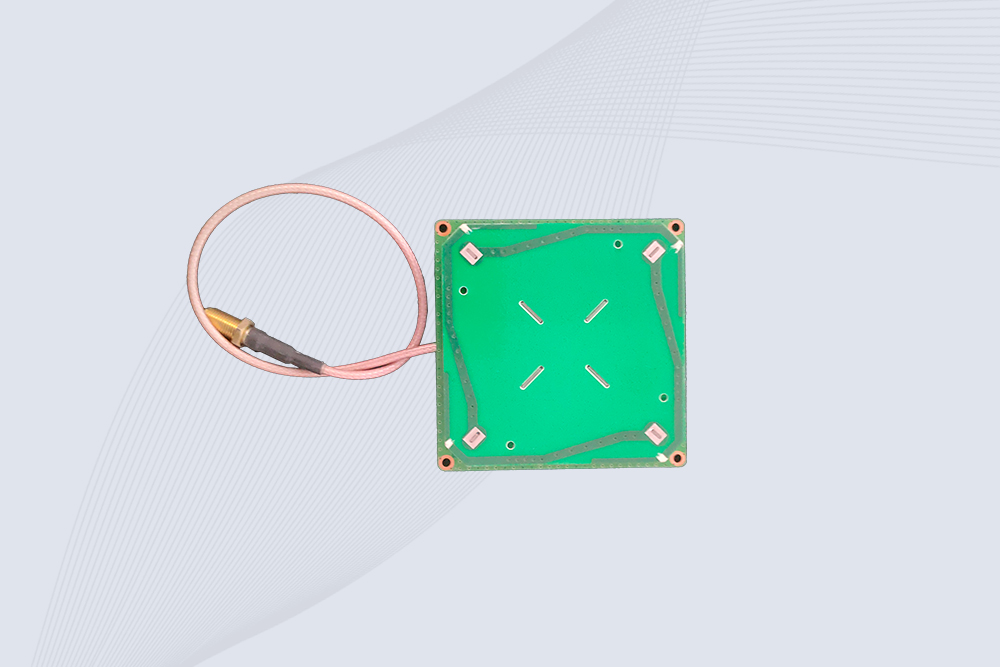
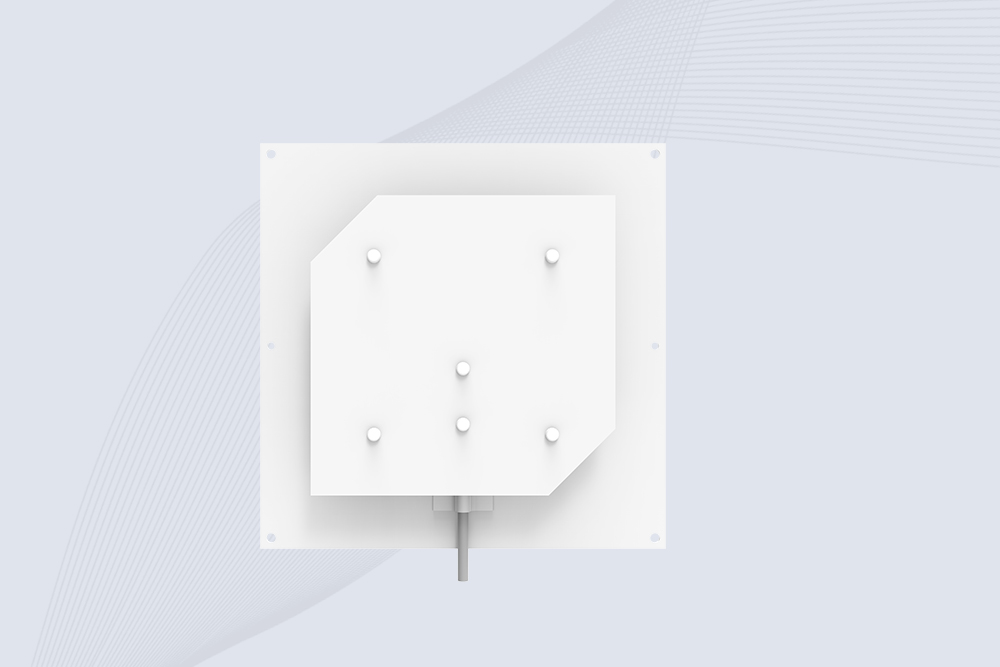
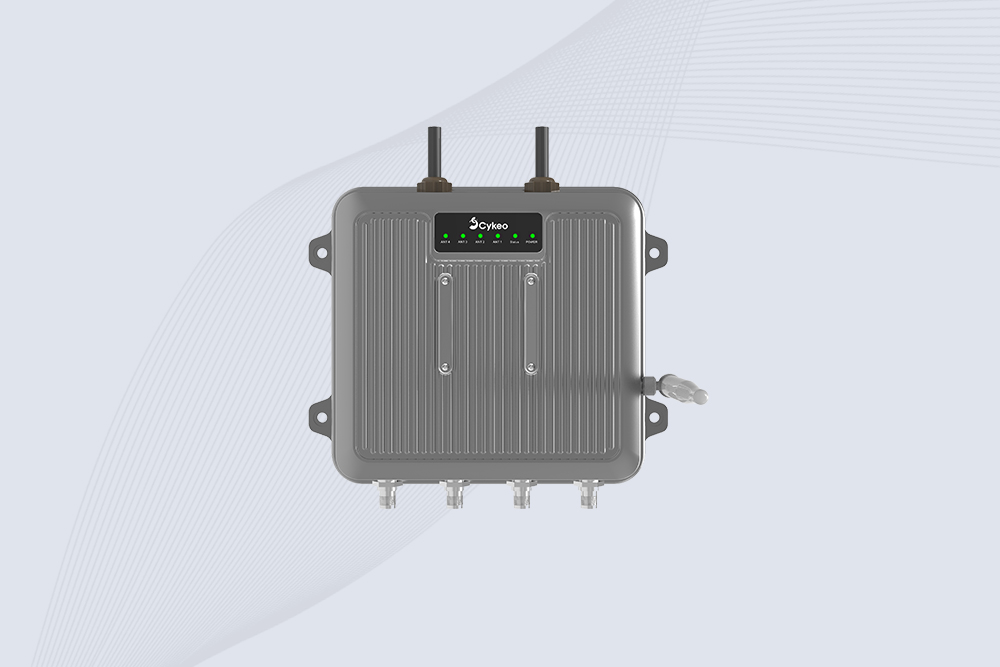
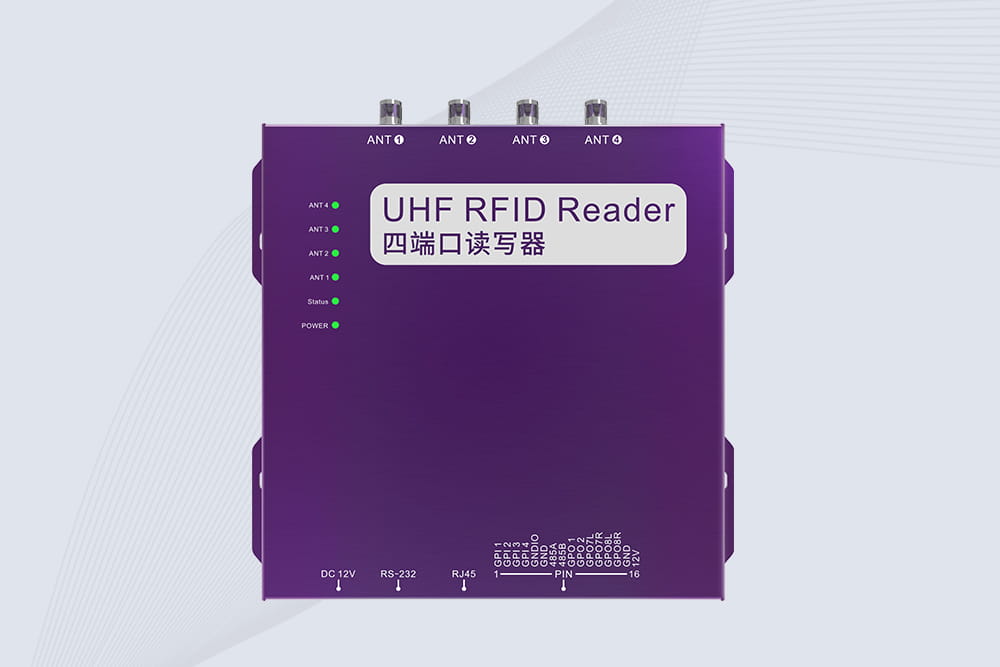
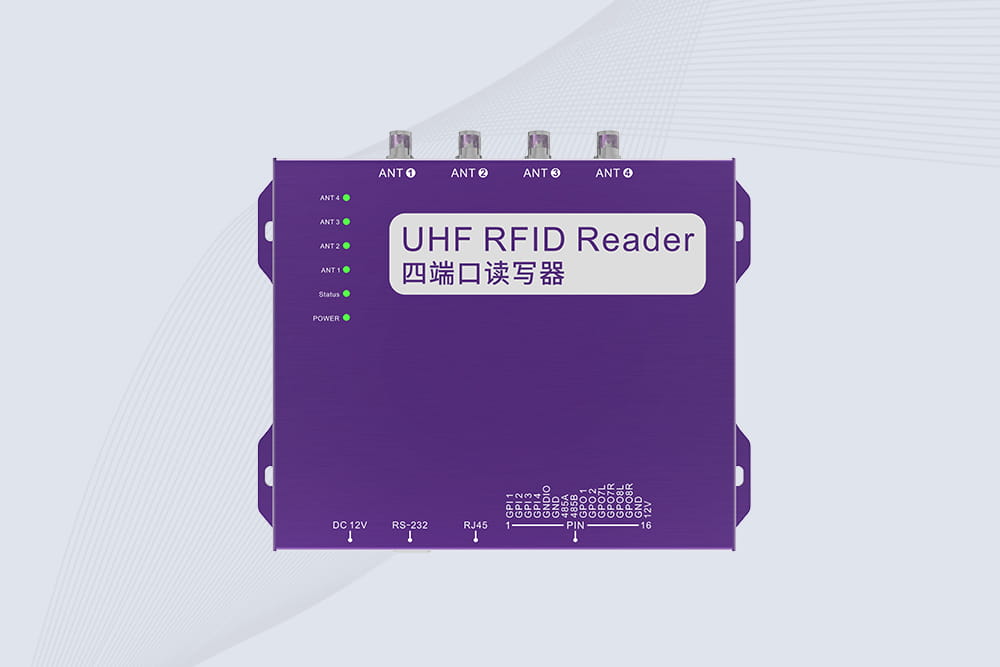
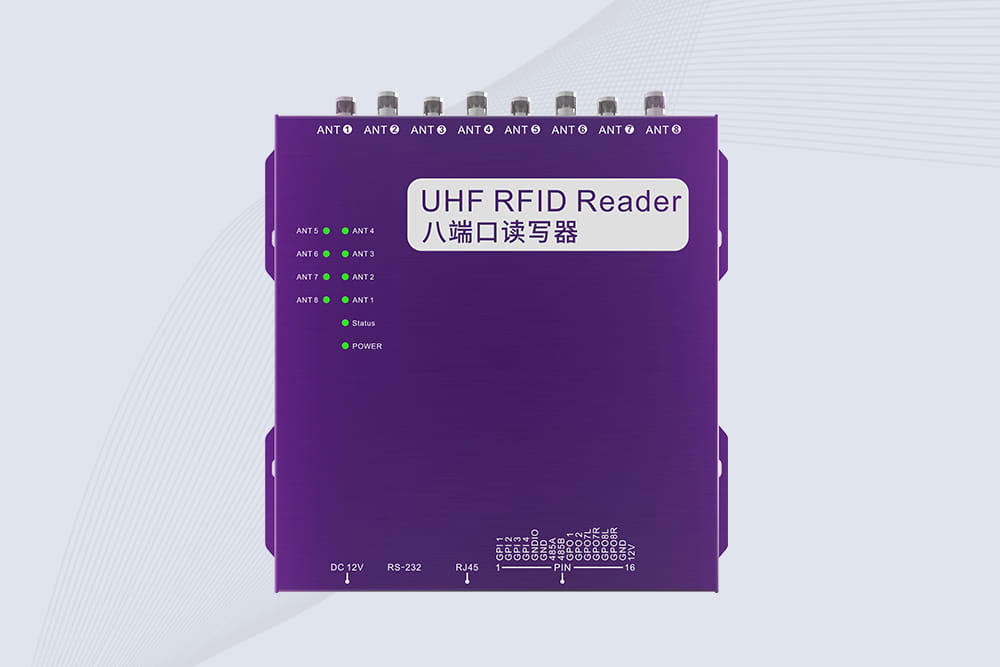
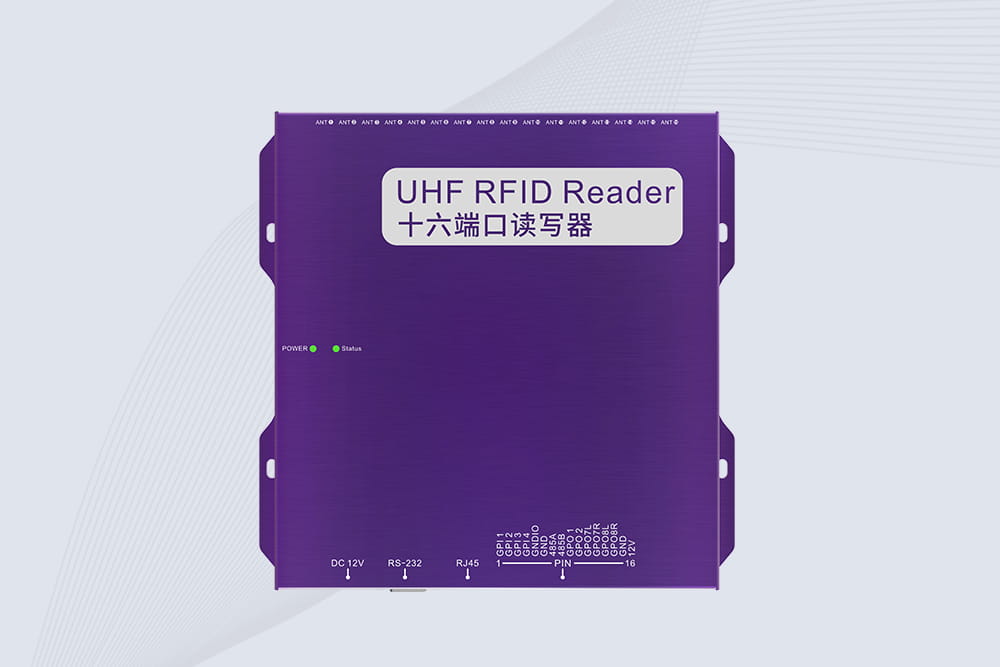
The reader (or “interrogator”) then takes the data the antenna collects, processes it, and sends it to your computer or software system. In many systems, especially industrial ones, the antenna is a separate, sometimes bulky unit connected by a cable. This allows you to position the “ears and mouth” of the system exactly where you need it—like over a doorway or a conveyor belt—while keeping the reader’s electronics protected elsewhere.
What This Looks Like on the Ground
Once you know what is a RFID antenna, you’ll start noticing different types:
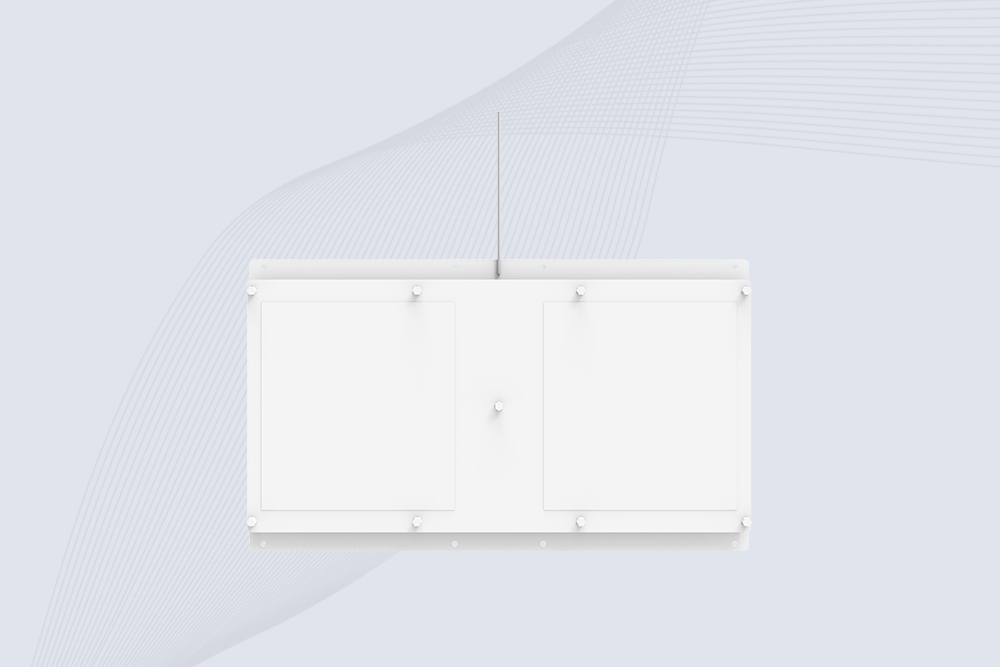
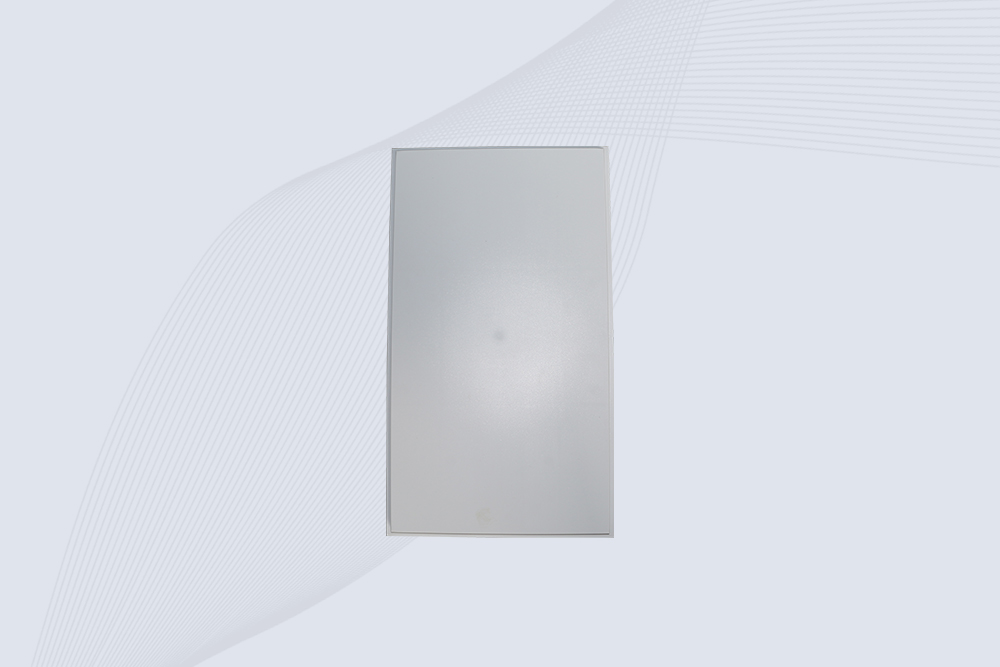
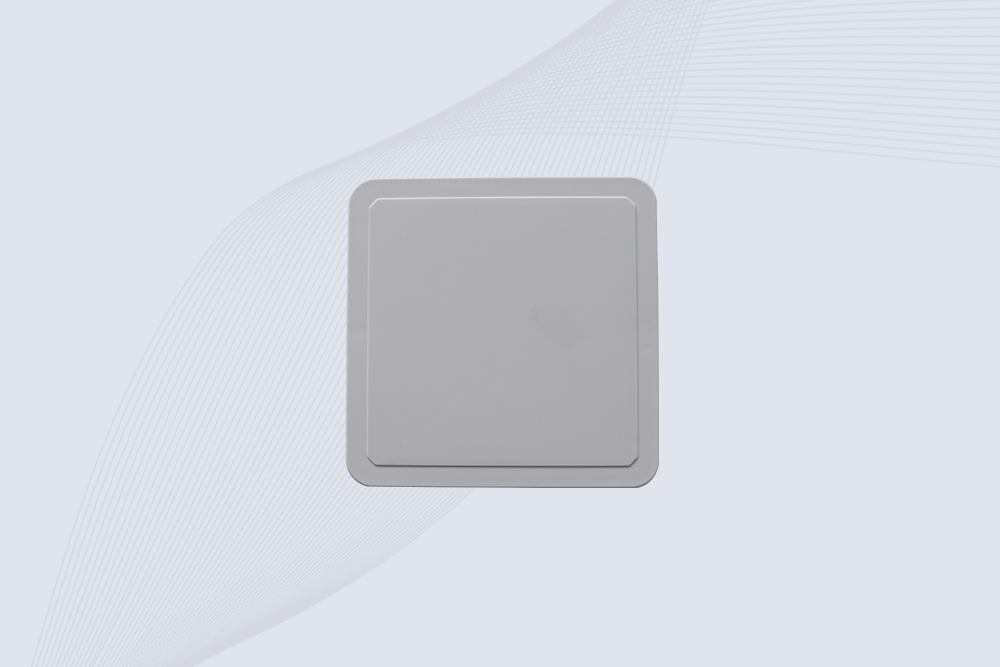
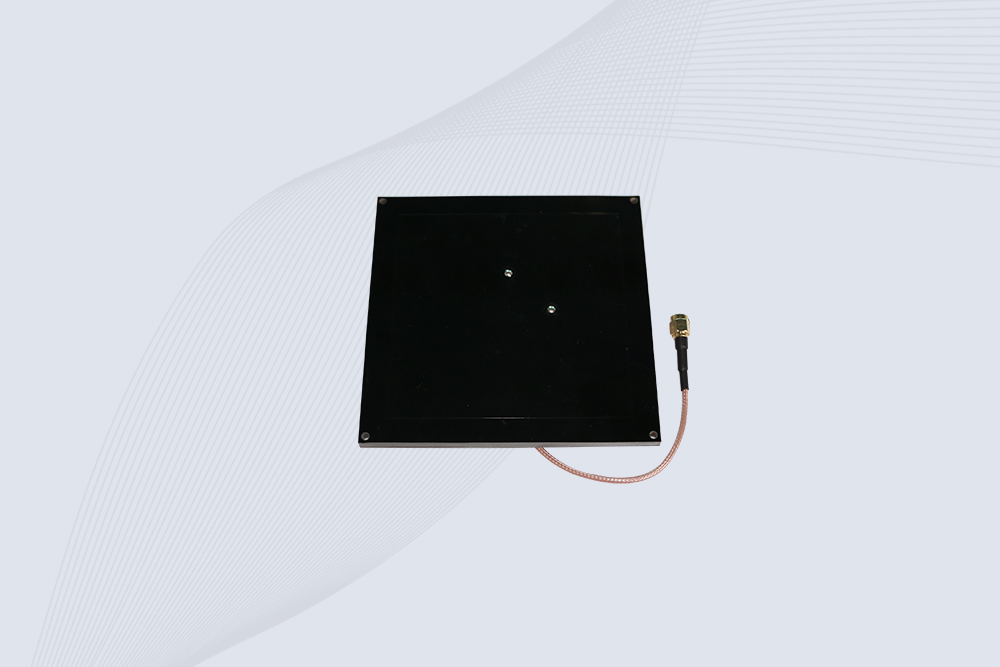
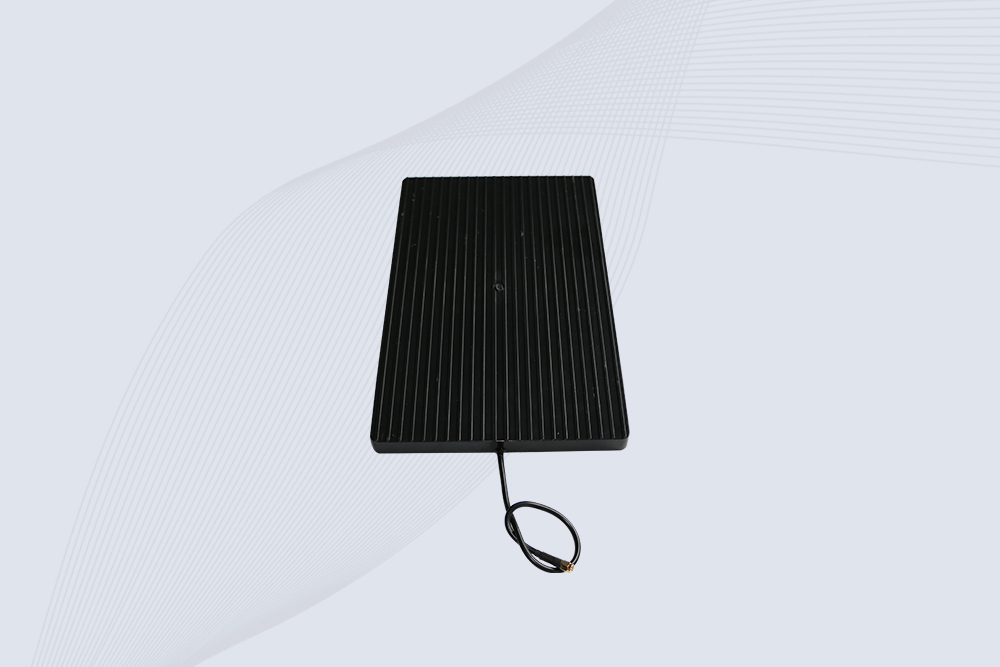
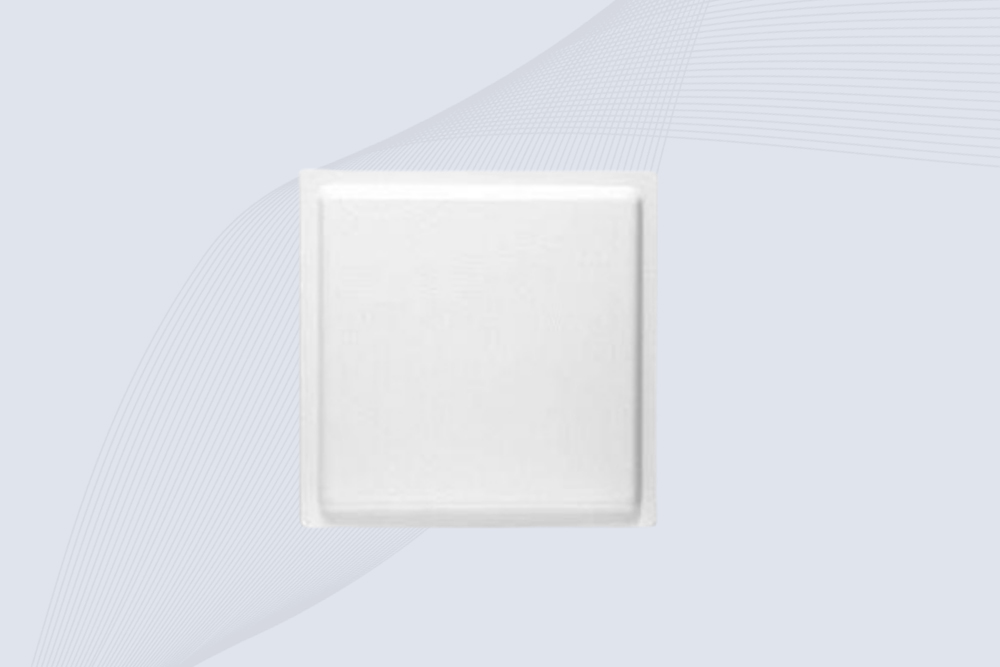
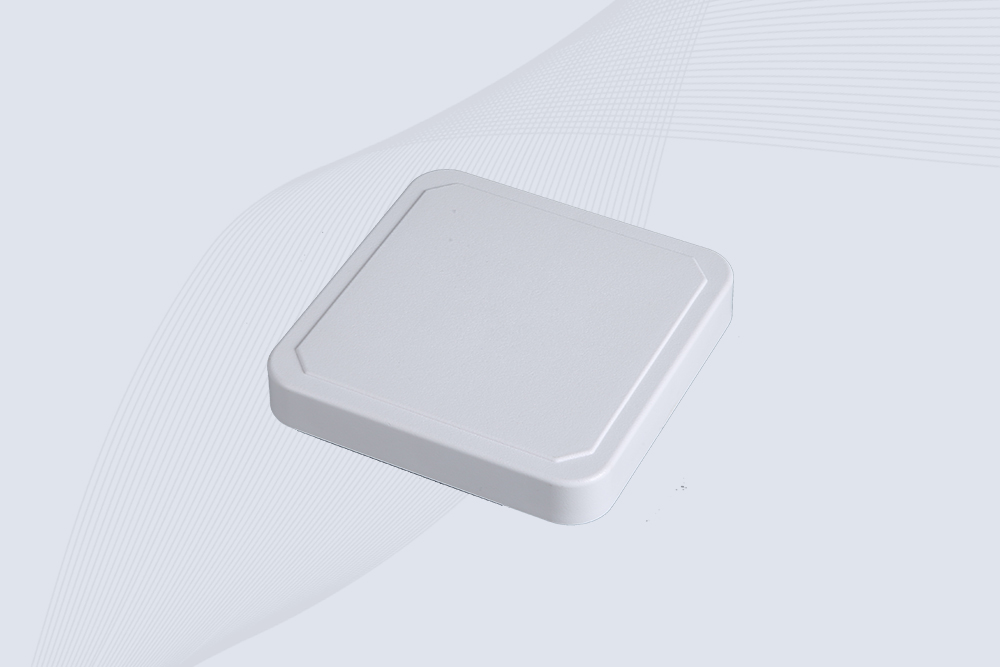
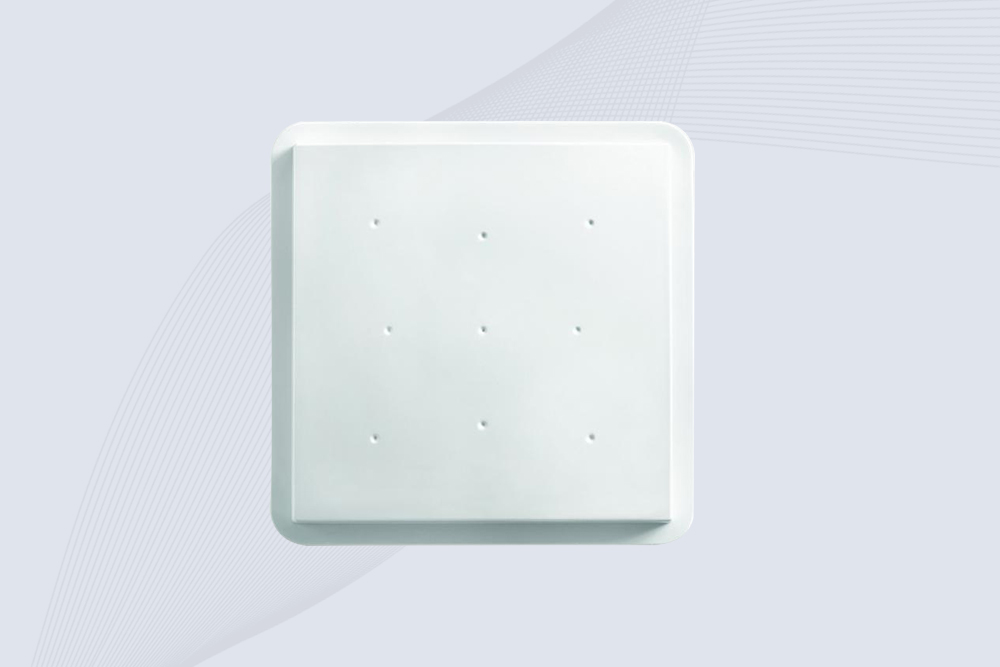
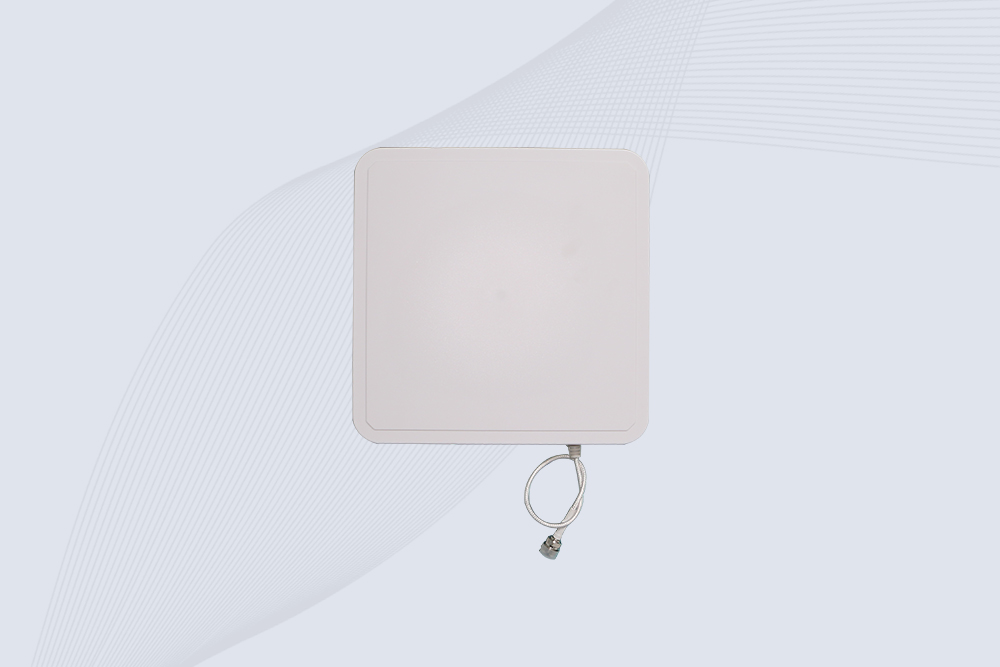
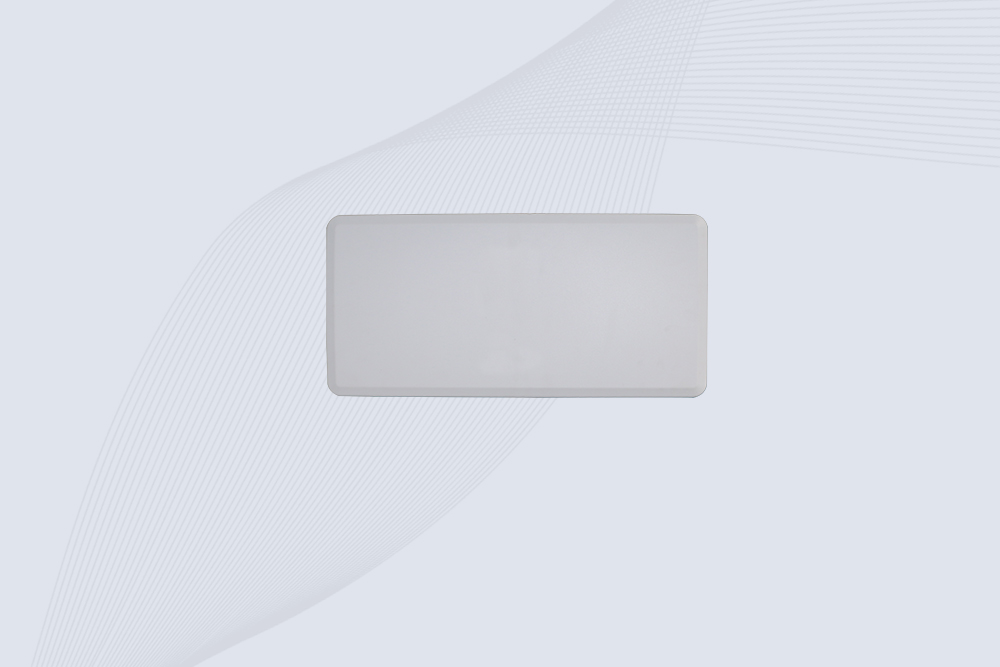
- The Flat Panel: That rectangular, often white or grey panel you see mounted on a warehouse dock door. It’s a UHF antenna designed to read tags from several feet away.
- The Circular Pad: The surface you tap your key fob or payment card on. It contains a small, flat HF antenna with a very short, precise read field.
- The Pistol Grip: The handheld scanner used in stores for inventory often has the antenna and rfid reader built into a single unit for portability.
A Key Thing to Remember: The antenna’s physical design—its shape, size, and internal wiring—directly determines the shape and reach of its read zone. A long, narrow “tunnel” zone is perfect for a conveyor, while a wide, fan-shaped zone is better for a doorway. Choosing the right antenna isn’t an afterthought; it’s critical for making your whole system work reliably.
So, in summary, what is a RFID antenna? It’s the dedicated transceiver component that makes the wireless link possible. It’s the workhorse of the physical layer, defining where and how well your system can “see” tags. At CYKEO, we engineer our antennas to be the robust, dependable link in the chain, because we know that if the antenna doesn’t perform, nothing else matters.
RFID Antennas Recommendation
 Cykeo RFID IoT Solution Products R&D Manufacturer