 Cykeo RFID IoT Solution Products R&D Manufacturer








RFID Antenna Issues? Quick Fixes for Poor Read Range, Interference & More
892Struggling with RFID antenna problems? Learn how to troubleshoot read errors, interference, and connectivity issues with step-by-step solutions.
MoreAll RFID Product
Question: I’m looking into RFID systems for my business and keep hearing about the “antenna” as a separate part. Honestly, it’s confusing. What does an RFID antenna do that’s so different from the reader itself?
Answer: Great question. This trips up a lot of people starting with RFID. Simply put, if the rfid reader is the brain, the antenna is the voice and the ears. It’s the critical hardware component that handles the actual wireless conversation with the tags. You can’t have a working system without it.
So, what does an RFID antenna do? It has two absolutely essential jobs, and the second one is pretty mind-blowing if you’re new to this.
1. It Creates the Communication Field.
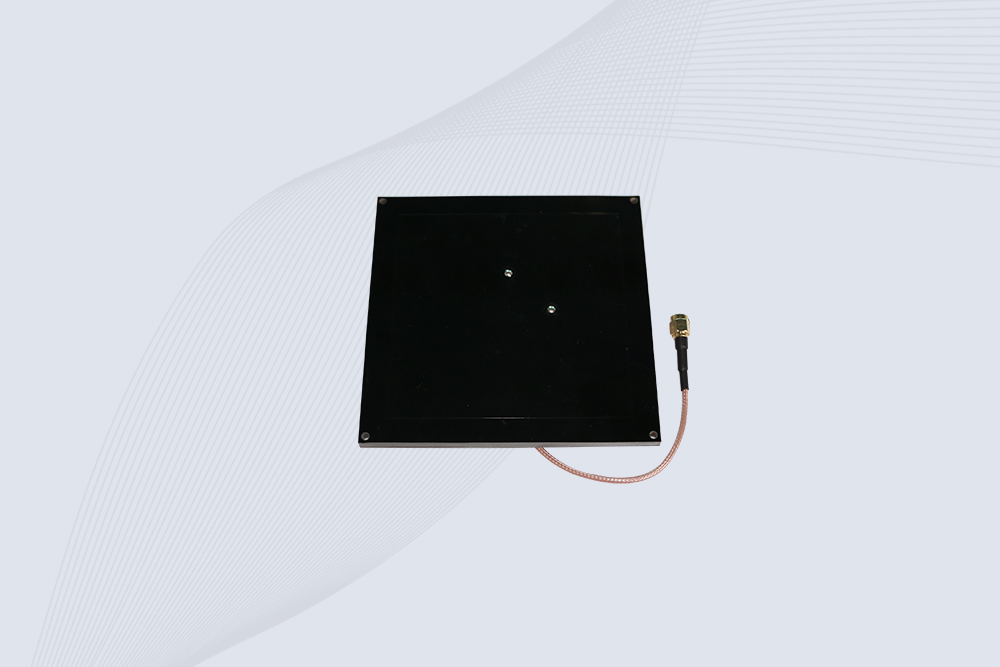
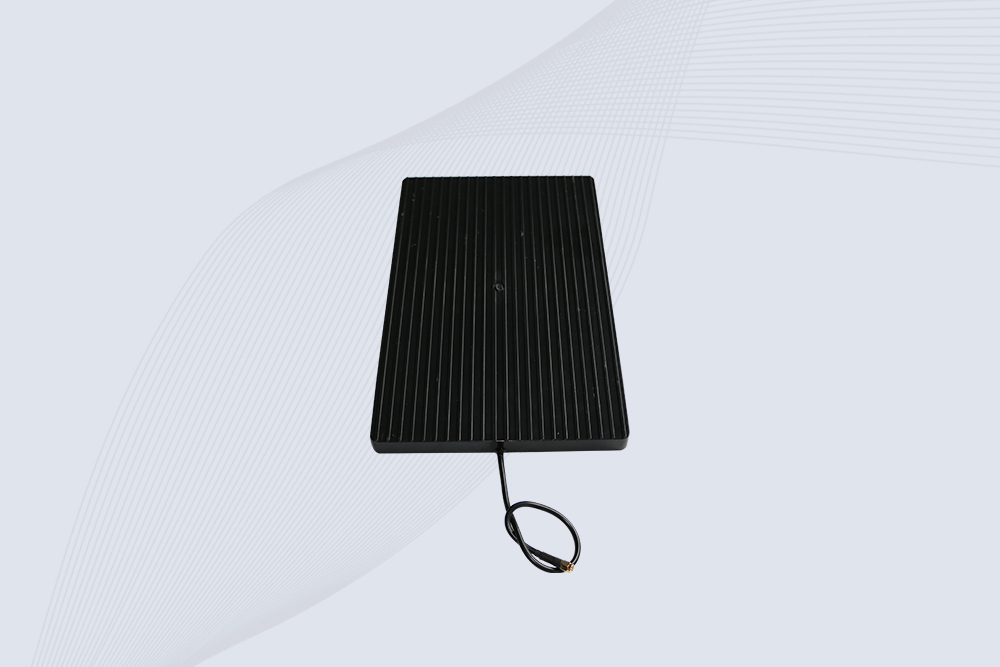
Think of it like a lighthouse emitting a constant beam of radio waves, but instead of light, it’s a controlled electromagnetic field. This field is the “zone” where communication can happen. The antenna’s design (its size, shape, and type) determines the shape and reach of this zone—whether it’s a long, narrow tunnel for a conveyor belt or a wide bubble for a doorway.
2. It Powers Passive Tags AND Talks to Them.
This is the cool part. Most RFID tags are “passive” – they have no battery. So how do they wake up and send data? The antenna makes it happen.
When a passive tag enters the antenna’s field, the tiny coil inside the tag absorbs just enough energy from that field to briefly power up its microchip. It’s a wireless power transfer. Then, immediately, that powered-up chip sends its unique ID back to the antenna by modulating the signal (like subtly changing the reflection of the lighthouse’s beam). The antenna picks up this change, decodes it, and sends the data to the reader for processing.
In short, the RFID antenna both powers the conversation and carries the conversation with passive tags. For battery-assisted tags, it handles just the conversation part.
Once you know what does an RFID antenna do, you’ll spot its function everywhere:
The Bottom Line: What does an RFID antenna do? It enables the “RF” in RFID. It broadcasts the signal, establishes the read zone, wirelessly powers passive tags, and captures their returning data. Choosing the right antenna—its frequency (LF, HF, UHF), gain, and polarization—is as important as choosing the reader itself for a successful deployment. At CYKEO, we engineer our antennas for reliability in tough environments because we know that if the antenna fails, the entire data link fails.

Struggling with RFID antenna problems? Learn how to troubleshoot read errors, interference, and connectivity issues with step-by-step solutions.
More
The CYKEO CK-B4L is a compact Android UHF RFID Reader designed for software developers and system integrators who need a reliable mobile RFID reader for Android environments. Its 30 cm controlled range, Type-C connection, and developer-friendly SD...
More
Learn how iPhones and Android devices can emulate RFID tags using NFC or third-party tools. Discover Cykeo’s mobile-compatible RFID readers for seamless integration.
More
RFID vs GPS: Discover key differences in range, cost & accuracy. Learn when to use each for assets, vehicles, or inventory. Make informed decisions.
More