You hear “block” and “RFID reader” in the same sentence. Maybe someone mentioned “block 8” or “RFID blocking wallet.” It sounds like the same word, but it means completely different things.
Here is the thing. When people search what block RFID reader, they usually mean one of two things. Either they are talking about memory blocks inside an RFID tag—where data is stored. Or they are talking about RFID blocking technology—devices that prevent unauthorized reading of your cards.
Let me explain both meanings so you know which one applies to your situation.
Meaning 1: RFID Memory Blocks (Tag Data Storage)
If you are programming RFID tags or reading data from cards, “block” refers to how the tag’s memory is organized .
What Are Blocks in RFID Tags?
RFID tags don’t just store one number. Their memory is divided into smaller units called blocks. Think of a block like a page in a notebook—each page holds a fixed amount of information.
For Mifare Classic HF tags (13.56 MHz), the most common type in access control:
Memory is divided into 16 sectors (sector 0 through 15)
Block 0: Contains manufacturer data (unique ID, chip type). Read-only on most cards .
Blocks 3, 7, 11, 15, etc.: Called “trailer blocks.” These store the access keys for that sector. Writing to a trailer block incorrectly can lock the entire sector permanently .
Other blocks: Store user data—employee names, access permissions, balance values, etc.
Why Blocks Matter When Using an RFID Reader
When you use an RFID reader to read or write data, you specify which block to access .
Example reading specific blocks with CYKEO SDK:
python
# After authenticating to sector 2
block_nums = [8, 9, 10]  # Sector 2 data blocks
data = []
for block_num in block_nums:
    block_data = reader.read_block(block_num)
    if block_data:
        data += block_data

print("Data from blocks 8-10:", ''.join(chr(i) for i in data))
Rules for working with blocks:
Always authenticate to the sector before reading/writing its blocks
Never write to trailer blocks unless you are setting access keys
Different card types have different block counts—check your tag’s datasheet
For UHF Tags: Memory Banks Instead of Blocks
UHF RAIN RFID tags (ISO 18000-6C) use a different structure. Instead of sectors and blocks, they have four memory banks:
Bank 00: Reserved (passwords)
Bank 01: EPC (main identifier)
Bank 10: TID (factory unique ID)
Bank 11: User memory
Each bank is accessed by specifying the bank, start word, and word count. Words are 2 bytes each.
So when someone asks “what block RFID reader” in a technical context, they are asking how to access specific data locations on the tag.
Meaning 2: RFID Blocking (Privacy Protection)
The other meaning of “block” in RFID is completely different. Here, “blocking” means preventing unauthorized reading of RFID tags .
What Is RFID Blocking?
RFID blocking is a security measure that stops RFID readers from accessing data stored on your contactless cards, passports, or ID badges . It protects against “RFID skimming”—where someone with a hidden reader could scan your card without your knowledge .
How RFID Blocking Works
RFID blocking uses materials that disrupt electromagnetic signals . When radio waves hit these materials, they are blocked or absorbed, preventing them from reaching the RFID chip inside your card.
Common RFID-blocking materials:
Aluminum foil: Can block signals but tears easily—not a long-term solution
Copper: Highly conductive, creates a barrier that absorbs radio waves
Carbon fiber: Woven metal material, effective against many frequencies
Mu-metal: Special alloy designed to redirect electromagnetic signals
These materials are built into:
RFID-blocking wallets (most common)
Passport sleeves
Card holders
Backpacks and clothing with woven shielding
Does RFID Blocking Really Work?
Yes—if the product is well-made and completely covers your cards. The thicker and denser the shielding material, the more effective it is .
To test if your RFID blocker works: Place a contactless card inside the wallet or sleeve. Hold it near a payment terminal as if you were going to pay. If the terminal does not read the card, the blocker is working .
Other RFID Blocking Methods
Beyond physical shielding, there are other ways to block RFID readers:
Kill command: Permanently disables a tag. Used at checkout in some retail applications. Once killed, the tag can never be read again .
Blocker tag: A special RFID tag that simulates many tags simultaneously, confusing readers and preventing them from identifying real tags . This was proposed as a privacy solution where consumers carry a “blocker tag” that shields all their other tags.
Blocking Reader: An active device that communicates with nearby tags, “capturing” them and preventing other readers from accessing them . Research has shown these can protect tags within about 1 meter .
Faraday cage: Any enclosure made of conductive material that blocks electromagnetic fields. A simple metal box acts as a Faraday cage .
Do You Need RFID Blocking?
The risk of RFID skimming is relatively low compared to online fraud, but it is a real threat . RFID blocking is most relevant for:
Travelers moving through crowded airports where skimmers might operate
Anyone concerned about identity theft from passport or ID card scanning
People with contactless payment cards who want extra peace of mind
Secure facilities where access card cloning is a concern
Criminals can potentially clone key fobs or access cards if they can read them from a distance, then use the cloned credentials to enter secure locations .
Which Meaning Applies to You?
If you are programming RFID tags or developing RFID applications, “block” means memory blocks inside the tag. You will work with block numbers, sector authentication, and data storage.
If you are a consumer concerned about someone secretly scanning your credit cards or passport, “block” means RFID-blocking wallets, sleeves, and other privacy products.
Both meanings are valid. The context tells you which one people are asking about.
CYKEO Solutions for Both Worlds
For working with RFID memory blocks:
CYKEO readers and software give you full access to tag memory. Our CK-D1L desktop encoder reads and writes individual blocks on Mifare cards. The CYKEO Tag Manager software shows block-by-block data so you can see exactly what is stored .
For RFID blocking and privacy:
CYKEO does not make blocking wallets—we make readers. But we support privacy-aware design. Our readers are used in legitimate access control and inventory systems, not for skimming. We advocate for responsible RFID use and encourage consumers to protect their cards if they are concerned.
The Bottom Line
What block RFID reader has two completely different answers:
Memory blocks: The data storage units inside RFID tags. When programming tags, you read and write specific blocks using your RFID reader .
RFID blocking: Technology that prevents unauthorized reading of your cards. This includes metal wallets, sleeves, and special devices that jam or confuse RFID readers .
If you are working with RFID tags, you care about blocks as storage locations. If you are carrying RFID cards, you might care about blocking as protection.
CYKEO readers give you precise control over block-level operations when you need to program or read tags. And we support your right to protect your personal information with blocking products if you choose.
When you are not sure which meaning applies, ask yourself: are you reading tags or protecting them from being read? That will tell you everything.
Need help with block-level RFID programming? CYKEO offers SDKs and software that give you full access to tag memory. Contact our team for documentation and examples.
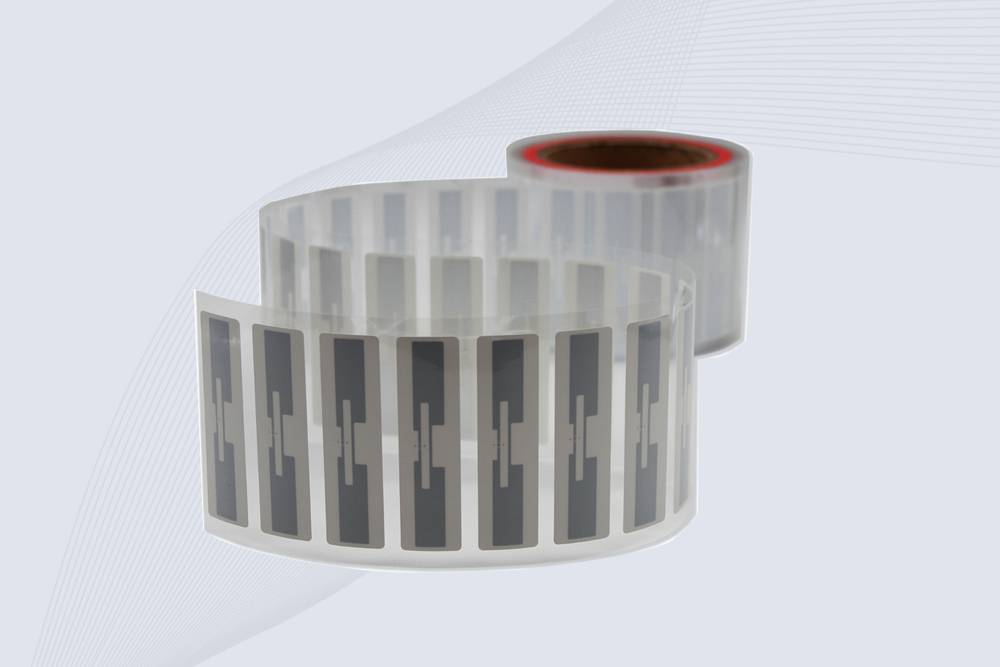
CYKEO Passive RFID Tags are made for wet and high-humidity environments where standard labels do not last. This rfid passive tag is often used around liquids, chemicals and temperature changes, providing stable reading distance and long data life for industrial tracking.
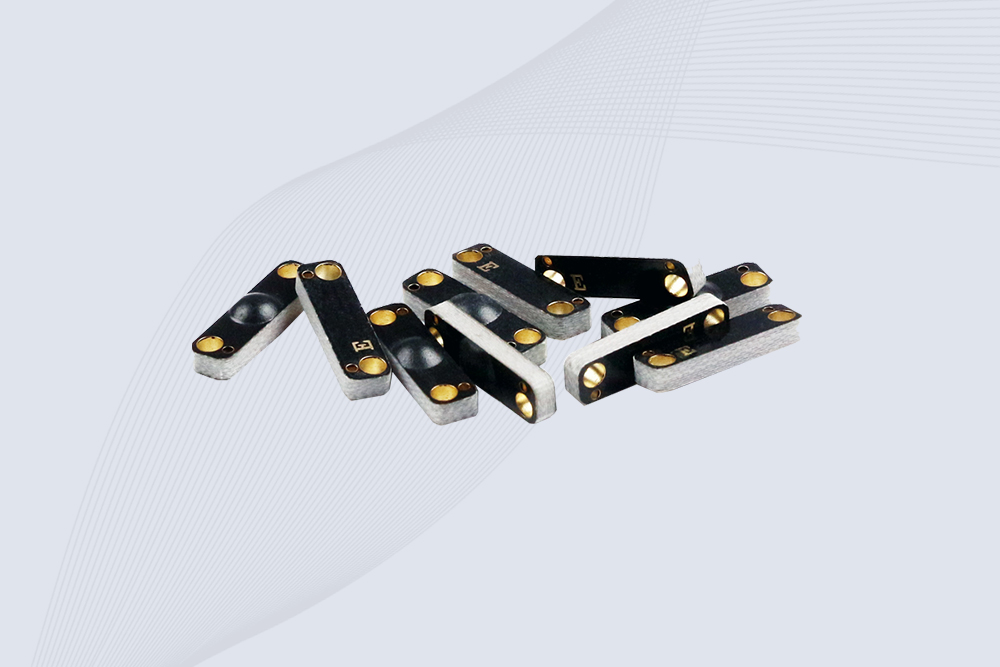
CYKEO CYKEO-PCB1504 Metal RFID Tags is a compact anti-metal UHF RFID solution built for direct mounting on metal surfaces. With stable 8-meter read range, Ucode-8 chip, and long data retention, this rfid metal tag fits tools, containers, automotive parts, and industrial asset tracking.
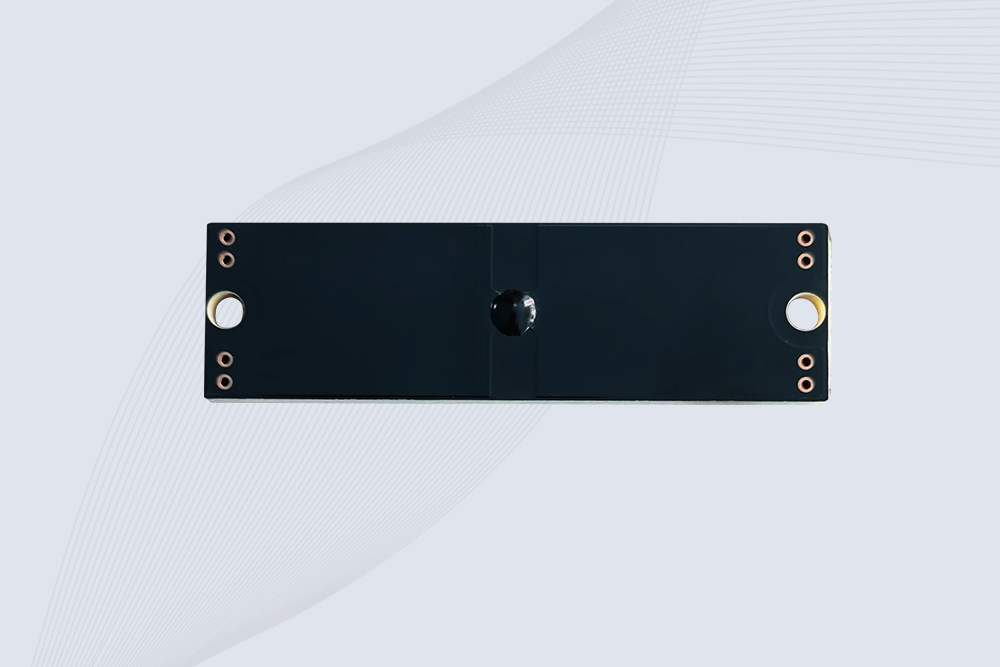
CYKEO CYKEO-PCB7020 On-Metal RFID Tags are designed for reliable tracking on steel and metal surfaces. Built with an FR4 epoxy body and industrial-grade chips, these On-Metal RFID Tags deliver stable performance, long data life, and chemical resistance, making them a dependable RFID anti-metal tag for harsh environments.
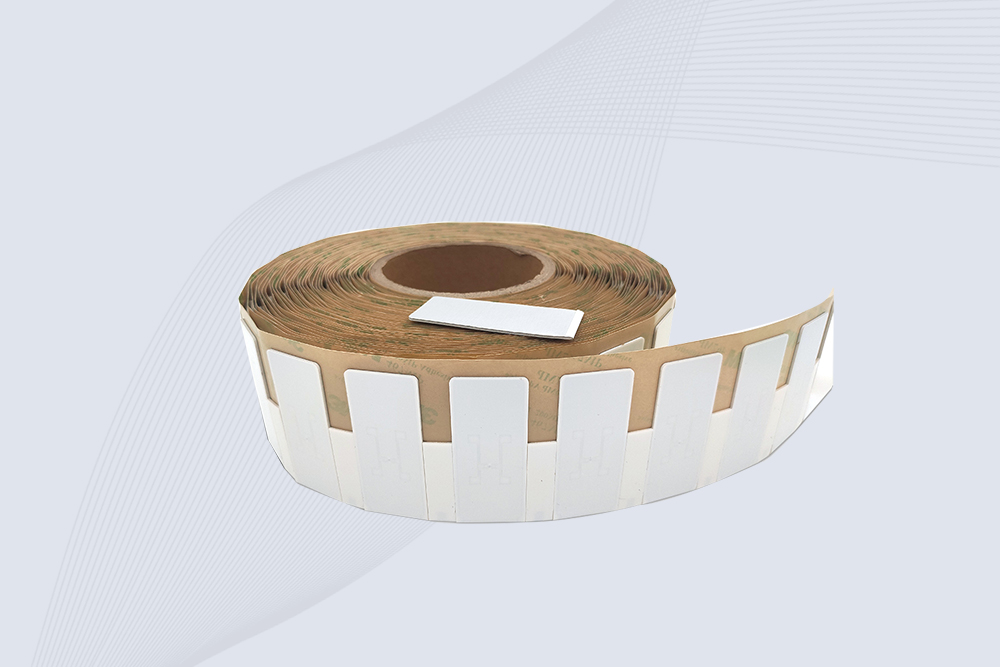
The CYKEO CYKEO-60-25 Anti-Metal RFID Tag is built for metal surfaces where standard tags fail. Designed for long-range performance, harsh environments, and stable data retention, this Anti-Metal RFID Tag is ideal for industrial assets, containers, and equipment tracking using on metal RFID tags.
The CYKEO RFID Laundry Tag is designed for long-term textile identification in harsh laundry environments. Built to withstand high heat, chemicals, and repeated washing, this RFID Laundry Tag delivers stable performance for hotels, hospitals, and industrial laundry operations using laundry rfid tags at scale.
The CYKEO CYKEO-125-7 RFID Book Tag is designed for reliable book and document tracking in libraries and archives. This RFID Book Tag delivers long read range, dense placement support, and stable performance on shelves, making it a practical rfid tag on books for library automation, file management, and archival systems.
CYKEO RFID tags in hospitals are designed for sterile environments where accuracy matters. These autoclavable RFID tags support long-term tracking of surgical tools, implants, and medications, helping hospitals improve visibility, compliance, and patient safety.
CYKEO RFID Cable Tie Tag is built for reliable identification on metal surfaces. This UHF RFID Cable Tie Tag is widely used in rfid tags for inventory systems, industrial asset management and Hospital RFID Tags, offering stable read performance, long service life and global EPC Gen2 compatibility.
CYKEO RFID Asset Tag is designed for stable identification of metal assets in industrial environments. This UHF RFID Asset Tag is commonly used for rfid tag asset tracking on equipment, tools and containers, providing reliable reads, long service life and ISO/IEC 18000-6C support.
CYKEO UHF RFID Card is designed for fast identification and long-term use in industrial and commercial systems. Supporting ISO 18000-6C, this UHF RFID Card works at 860–960 MHz and is suitable for custom RFID cards used in asset tracking, access control and inventory management.
CYKEO HF RFID Cards are designed for secure and stable access control systems. These 13.56 MHz RFID key cards support ISO 14443-A, reliable rewriting and long service life, making HF RFID Cards suitable for offices, campuses, events and membership management.
CYKEO UHF RFID Tag is designed for reliable tracking of metal jewelry and high-value items. This Jewelry RFID Tag supports long-range reading up to 8 meters, anti-counterfeit protection and stable performance on metal, making it suitable for retail, inventory control and asset management.
CYKEO Embedded RFID Modules are designed for compact industrial and IoT devices that require stable UHF performance. These UHF RFID Modules support global protocols, flexible power control, and reliable multi-tag reading for smart cabinets, production lines, and asset tracking systems.
CYKEO Embedded RFID Module is built for compact IoT and industrial devices that need stable UHF performance. This UHF module supports global protocols, low power operation, and reliable multi-tag reading for smart lockers, production lines, and always-on RFID systems.
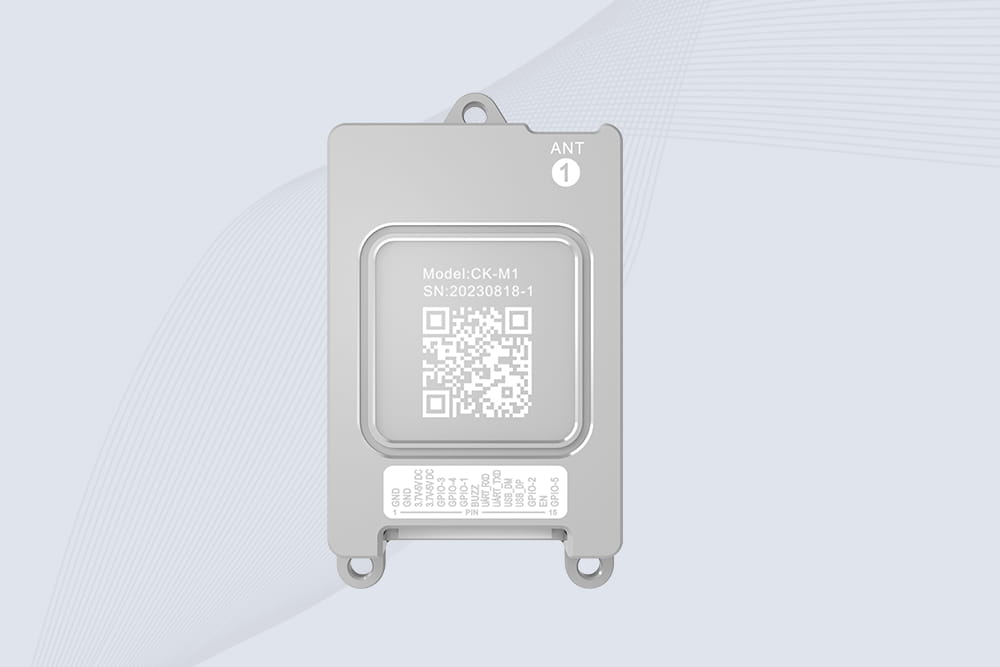
CYKEO CYKEO-M1 drone rfid module is a compact UHF RFID reader module designed for drones and UAV platforms. It supports long-range aerial scanning, fast multi-tag reading, and stable performance in wind, vibration, and outdoor environments.
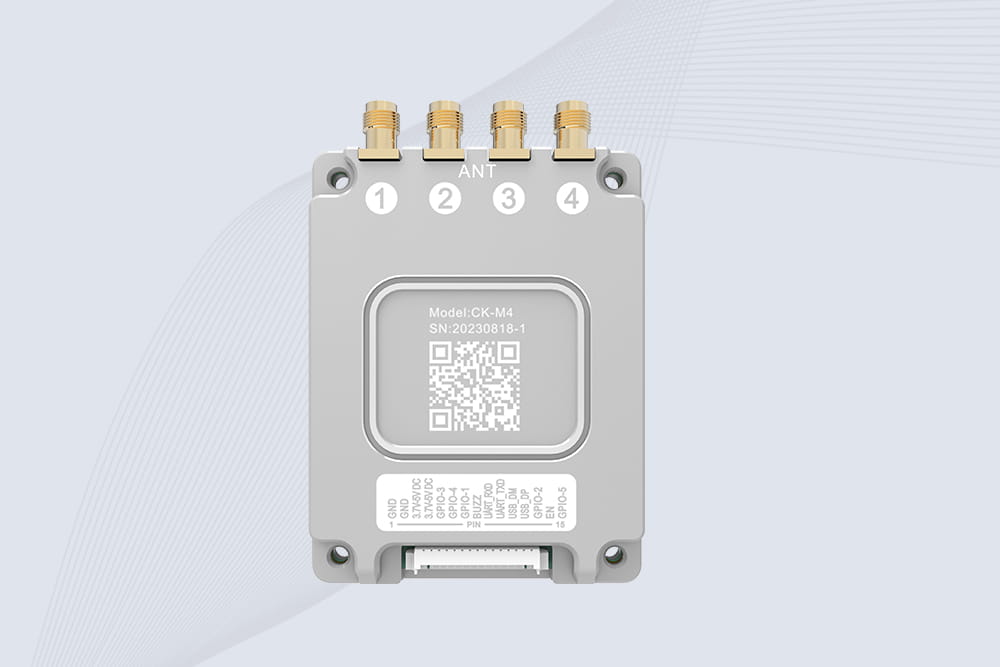
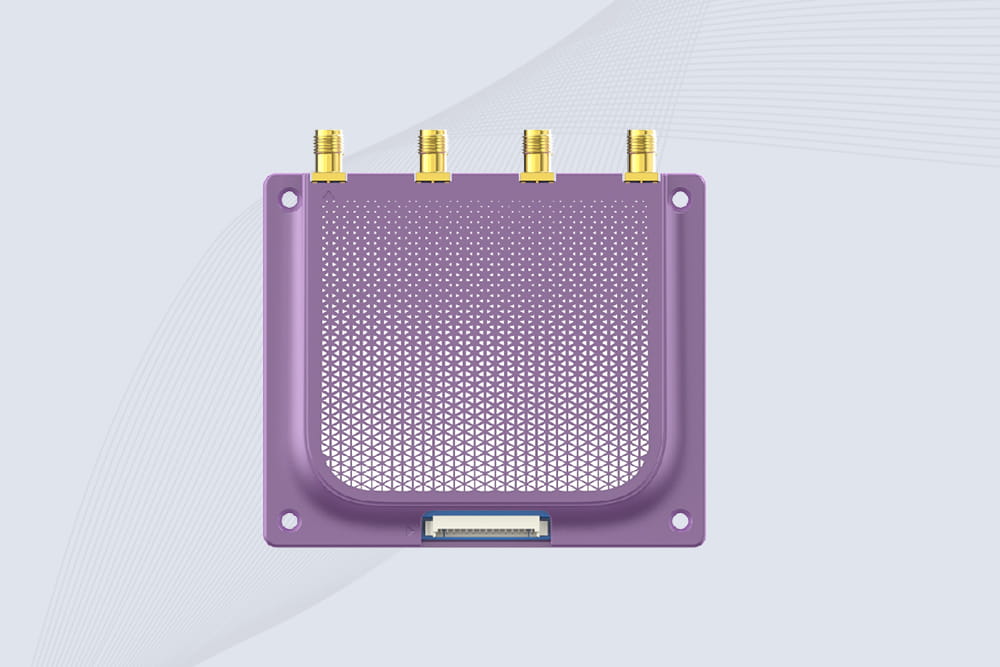
CYKEO CYKEO-M4 RC522 RFID Module is an industrial-grade UHF RFID reader with 4 ports, supporting ISO, EPC, and GB protocols. High-speed, accurate reading for IoT, automation, and warehouse applications.
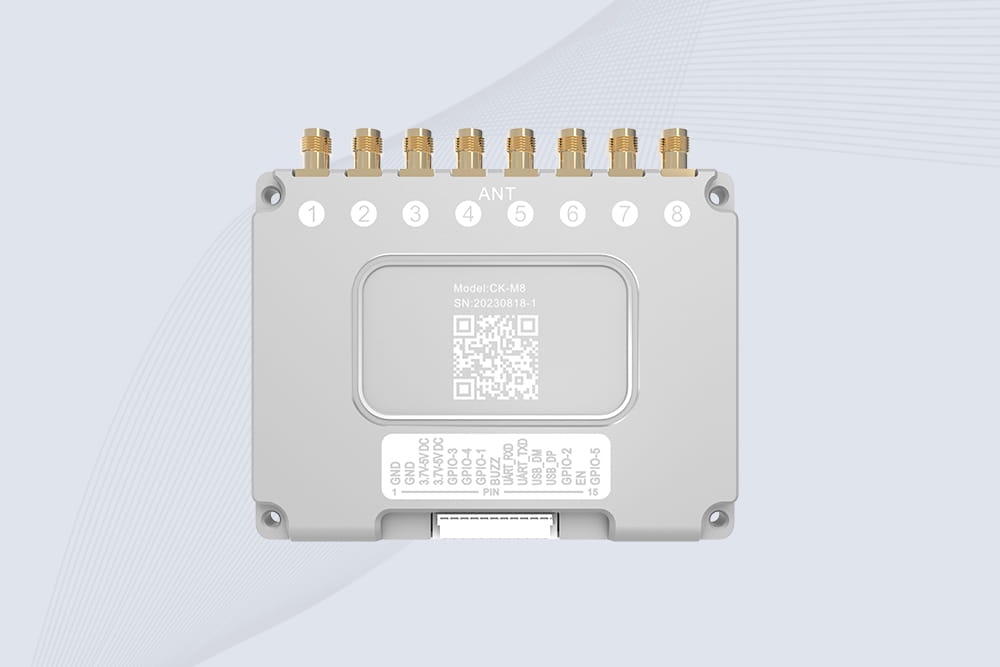
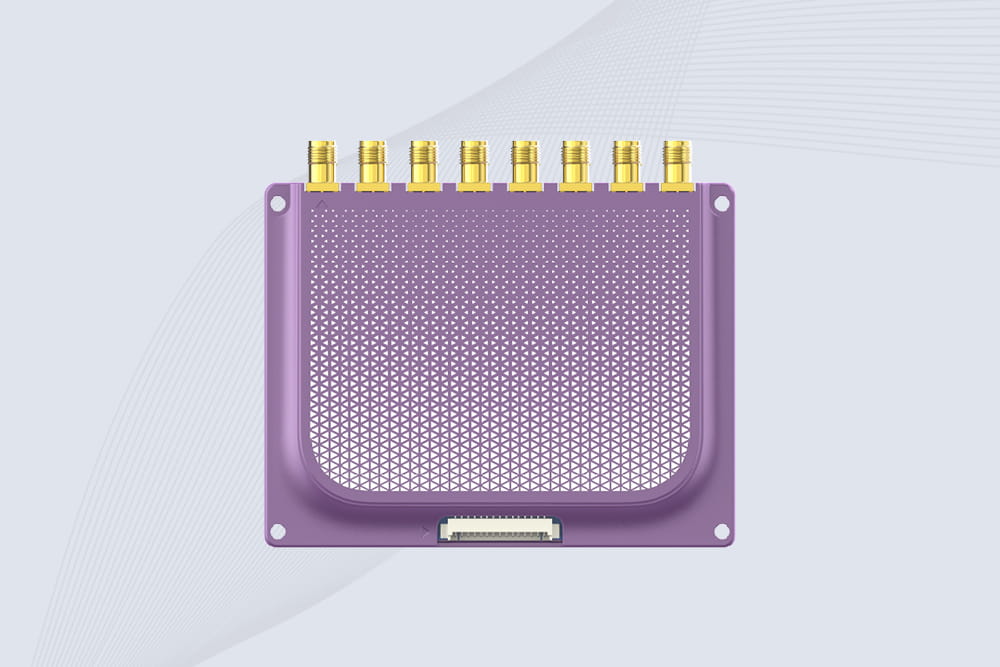
CYKEO CYKEO-M8 Module RFID is an 8-port UHF R2000 RFID Module designed for high-density, multi-tag environments. Stable 33dBm output, ISO & GB protocol support, ideal for warehouses, factories, and automated systems.
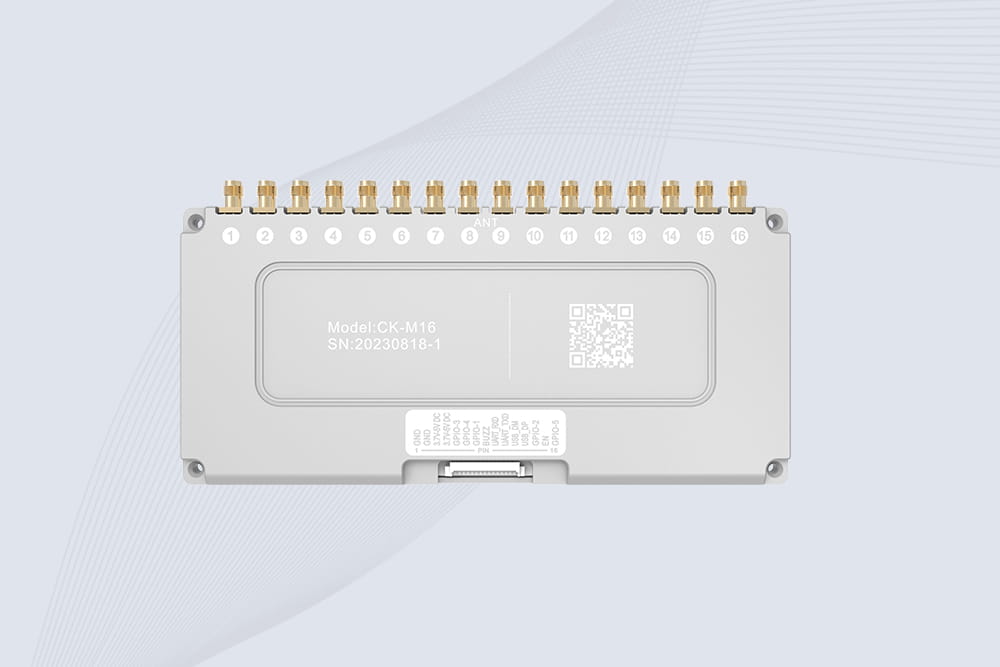
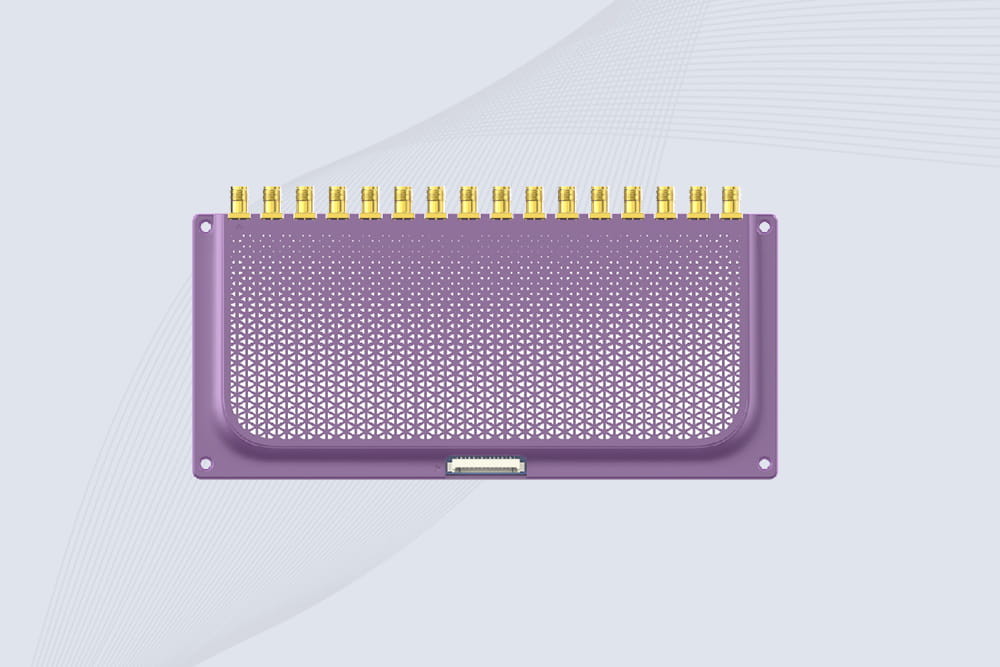
CYKEO CYKEO-M16 RFID Module is a 16-port UHF RFID reader module based on the R2000 chipset. Designed for dense tag environments, it supports ISO and GB standards and delivers stable multi-antenna control for industrial automation.
The CYKEO CYKEO-M16L RFID Reader Module is a 16-channel UHF RFID core designed for dense tag environments. With adjustable 33dBm output, multi-protocol support, and stable multi-antenna control, this RFID Tag Reader Module fits industrial automation, warehouse systems, and large-scale IoT deployments.
CYKEO CYKEO-M8L module RFID is a compact industrial UHF module built for dense tag and multi-antenna environments. With 8 RF ports, adjustable 33 dBm output, and ISO & GB protocol support, it is widely used in factories, warehouses, and automated tracking systems.
CYKEOCYKEO-M4L UHF RFID Module is a compact 4-channel RFID tag reader module designed for dense tag environments. Supporting ISO and GB protocols, it delivers stable reads up to 10 meters for industrial and IoT systems.
Cykeo CYKEO-A11 UHF RFID reader antenna delivers 11dBi gain, 840-960MHz frequency range, and IP65 ruggedness for retail, logistics, and industrial RFID systems. Features low VSWR and easy installation.
CYKEO Antenna RFID Reader delivers stable long-range UHF performance with a 10.5dBi directional design, built for warehouses, conveyor portals, and industrial RFID systems. This rfid reader antenna provides 20m+ read distance and rugged IP67 protection.
Cykeo CYKEO-A5B industrial Linear RFID Antenna delivers 5dBi gain, ≤1.5:1 VSWR, and IP65 rugged design for warehouse, production line, and logistics UHF systems.
Cykeo’s CYKEO-B12 Long Range RFID Antenna delivers 15m+ read range with 12dBi gain, IP65 rugged design, and global 840-960MHz UHF support. Ideal for warehouse/logistics asset tracking.
Cykeo CYKEO-B10 Long Distance RFID Antenna offers 10dBi gain, 840-960MHz frequency range, IP65 rating, and 20m+ coverage for logistics/warehousing/ETC systems. Low VSWR ensures stable signal transmission.
Cykeo CYKEO-A6 UHF RFID panel antenna features 6dBi gain, 840-960MHz broadband, IP65 metal-ready housing for logistics/smart retail. 18mm ultra-thin design with tool-free mounting.
Cykeo CK-A3 industrial antenna RFID UHF offers 5m+ tag detection, ≤1.3:1 VSWR, IP65 rugged design, and global UHF spectrum compatibility (840-960MHz) for warehouses, factories, and retail.
Cykeo CYKEO-B5 directional RFID antenna provides 5dBi gain with 60° narrow beamwidth for precise inventory tracking. IP65-rated, global UHF frequency support, and low VSWR.
Create your own high-performance DIY RFID antenna! 5dBi gain, 840-960MHz tunable, step-by-step guides. Compatible with Arduino, Raspberry Pi, and commercial UHF readers.
Cykeo CYKEO-A7 Flexible RFID Antenna features 840-960MHz wideband tuning, 7dBi gain, and IP68 rating for medical/retail/industrial curved surface deployments. 98% read accuracy with peel-and-stick installation.
Cykeo CYKEO-B5A industrial Passive RFID Antenna delivers 5dBi gain, 70° beamwidth, and -40°C~55°C operation for warehouses/smart cabinets. Compatible with Zebra/Impinj readers.
Cykeo’s CYKEO-A9B High Gain RFID Antenna delivers 15m+ read range with 9dBi amplification. Features IP54 rugged design, 840-960MHz bandwidth, and 80° beamwidth for warehouse/manufacturing RFID systems.
Cykeo’s enterprise-grade 8dbi Impinj RFID Antenna 10m+ read range with 840-960MHz tuning. Features IP65 housing, 1.4 VSWR, 35° beamwidth for retail/warehouse RFID systems.
Cykeo CYKEO-A9 industrial UHF RFID antenna delivers 9dBi gain, 840-960MHz frequency range, and IP65 protection for warehouse/logistics/retail RFID systems. Features N-type connector and ≤1.3:1 VSWR.
CYKEO UHF RFID Antenna built for long-distance and industrial applications. This antenna rfid uhf delivers strong gain, outdoor durability, and reliable tag performance in warehouses, yards, and vehicle ID systems.
CYKEO Antenna RFID delivers reliable long-range UHF performance in warehouses, retail shelves, and cold-chain environments. This compact uhf rfid antenna provides stable reads with circular polarization and ultra-wide 840–960 MHz support, ideal for industrial tracking, smart shelves, and asset monitoring.
Cykeo’s CYKEO-C8 UHF RFID antennas delivers 8dBi gain, 840-960MHz full-band coverage, and IP65 ruggedness for manufacturing/warehouse RFID systems. Industrial RFID Antennas Features
Cykeo’s 8dBi UHF RFID antenna and reader kit delivers 10m+ range, 840-960MHz broadband, and IP65 ruggedness for factories, warehouses, and logistics. ISO 18000-6C & EPC Gen2 certified.
Cykeo’s CYKEO-A12C UHF Large RFID Antenna delivers 12dBi gain, 840-960MHz global frequency, IP65 ruggedness for logistics/warehousing/automotive. 40° beamwidth ensures stable 15m+ tag reads.
CYKEO Near Field RFID Antenna provides precise 5–30 cm reading for shelves, cabinets, and workstations. This compact rfid shelf antenna delivers stable short-range performance around metal and clutter, ideal for pharmacies, libraries, and electronics sorting.
Cykeo’s industrial long range RFID reader delivers 20-meter scanning, 500+ tags/sec speed, and IP67 waterproof design for automated warehouses, logistics, and harsh environment applications.
Cykeo’s CYKEO-RA6L industrial RFID long range reader features 20m read distance, 500 tags/sec speed, and IP67 protection. Ideal for warehouse automation, manufacturing WIP tracking, and smart logistics. Supports ISO 18000-6C/6B protocols.
CYKEO Long Range RFID Tag Reader built for outdoor and industrial operations. This Outdoor RFID Reader delivers 20m read distance, fast tag processing, and IP67 durability for wide-area tracking.
Cykeo CYKEO-RA12L industrial Long Range RFID Reader delivers 20m read range, 200+ tags/sec scanning, and IP67 protection for manufacturing/logistics applications. Supports ISO 18000-6C/GB protocols.
Need a robust UHF near-field RFID reader antenna? See how its focused field enables precise item-level tracking in metal-rich, dense, or sensitive environments where others fail.
Discover how handheld RFID readers optimize logistics tracking with mobile scanning, automated sorting, and cargo identification, enhancing supply chain visibility and operational efficiency.
Want to learn how to build a RFID reader? We walk through two practical approaches using Arduino/Raspberry Pi and explain when you should just buy one instead.
Vehicle RFID tags are essential components for smart vehicle identification, access control, and fleet management. They are widely used in parking lots, logistics parks, toll roads, and smart city systems to enhance management efficiency and secur...
 Cykeo RFID IoT Solution Products R&D Manufacturer