 Cykeo RFID IoT Solution Products R&D Manufacturer
Barcodes vs RFID: Which Saves More Time and Money Right Now?
492Barcodes vs RFID: Discover which tracking tech cuts labor costs faster. See how businesses choose based on scanning headaches, metal interference, and hidden expenses.
MoreAll RFID Product
UHF textile services use RFID-enabled textile tags and readers to automatically identify, track, and manage linens, uniforms, garments, and reusable textiles throughout their entire lifecycle. The technology improves inventory accuracy, reduces losses, and increases laundry processing efficiency.
In commercial laundry operations, textiles rarely disappear because they are stolen. More often, they vanish inside complex workflows.
A cart arrives late.
A uniform enters the wrong sorting stream.
A hospital blanket completes 120 wash cycles but nobody notices.
After working with RFID-based textile management projects in healthcare, hospitality, and industrial uniform programs, I’ve seen a common challenge: organizations know how many textiles they purchased, but struggle to know where those textiles actually are today.
That visibility gap is precisely why UHF textile services have become one of the fastest-growing RFID applications.
Each textile item receives a washable RFID UHF tag designed to withstand:
When tagged textiles move through collection points, laundry facilities, storage rooms, or distribution centers, RFID readers automatically capture their identity and movement history.
| Process Stage | RFID Function |
|---|---|
| Textile Registration | Unique ID Assignment |
| Collection | Automated Counting |
| Laundry Sorting | Batch Identification |
| Washing & Drying | Lifecycle Monitoring |
| Distribution | Inventory Verification |
| Usage Tracking | Loss Prevention |
The result is continuous visibility without manual counting.
Traditional textile management relies heavily on manual counting.
That process consumes time.
And people make mistakes.
According to the official website of the RFID Journal, healthcare systems and commercial laundries adopting RFID have reported substantial reductions in manual inventory processes while improving textile visibility across operations.
In one healthcare laundry project I visited, workers previously spent nearly three hours every day verifying incoming linen carts.
After RFID deployment, verification became largely automatic.
The room became quieter.
The paperwork disappeared.
The most immediate improvement isn’t speed.
It’s confidence.
Managers stop estimating inventory levels.
They know them.
According to industry studies published by GS1 Global Standards Organization, RFID technology consistently improves inventory visibility across supply chain operations compared with manual tracking systems.
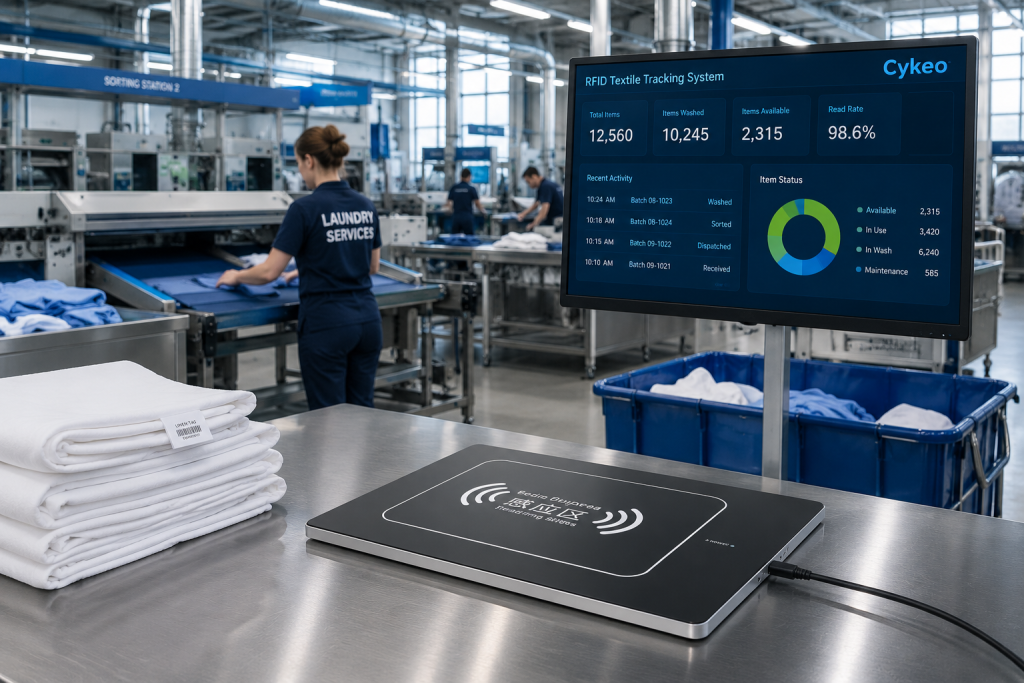
Healthcare organizations commonly track:
The ability to monitor wash cycles is especially valuable.
Textiles have usable lifespans.
RFID provides objective lifecycle data.
Hotels use UHF textile services to manage:
Lost linen costs accumulate slowly.
Then suddenly become expensive.
RFID helps reveal where those losses occur.
Manufacturing facilities often issue:
RFID simplifies employee assignment and garment accountability.
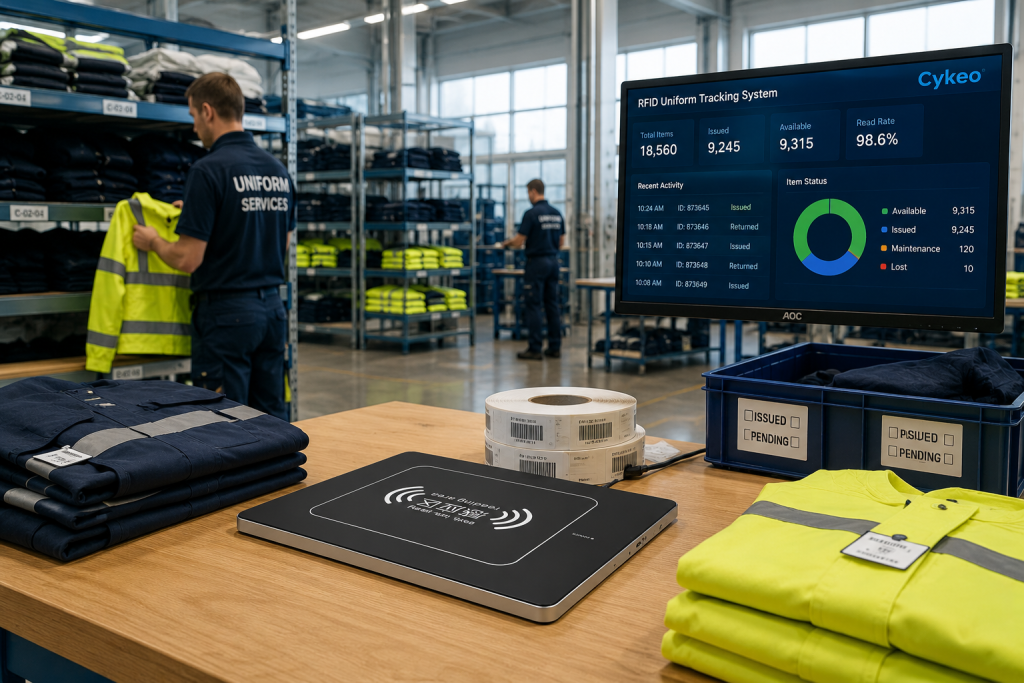
When organizations evaluate textile expenses, they often focus on purchasing costs.
That is understandable.
It is also incomplete.
The larger cost frequently comes from:
One commercial laundry manager once told me something interesting.
They didn’t realize how many garments were sitting idle in storage until RFID showed them.
They stopped buying more uniforms.
Not because they had fewer employees.
Because they finally had visibility.
UHF textile services are used to automate the identification, tracking, inventory management, and lifecycle monitoring of linens, garments, uniforms, and reusable textiles.
Yes. Textile RFID tags are specifically engineered to withstand repeated washing, drying, water extraction, and industrial laundry processes.
Absolutely. Hospitals commonly use RFID textile systems to manage linens, patient gowns, blankets, scrubs, and surgical textiles.
RFID creates visibility at every movement point, making it easier to identify misplaced textiles, unauthorized removals, and inventory discrepancies.
Modern uhf textile services provide much more than automated counting. They create visibility across the entire textile lifecycle, helping hospitals, hotels, laundries, and industrial organizations reduce losses, improve inventory accuracy, and optimize textile utilization. As textile management becomes increasingly data-driven, uhf textile services continue to deliver measurable operational and financial benefits for organizations managing large volumes of reusable fabrics.
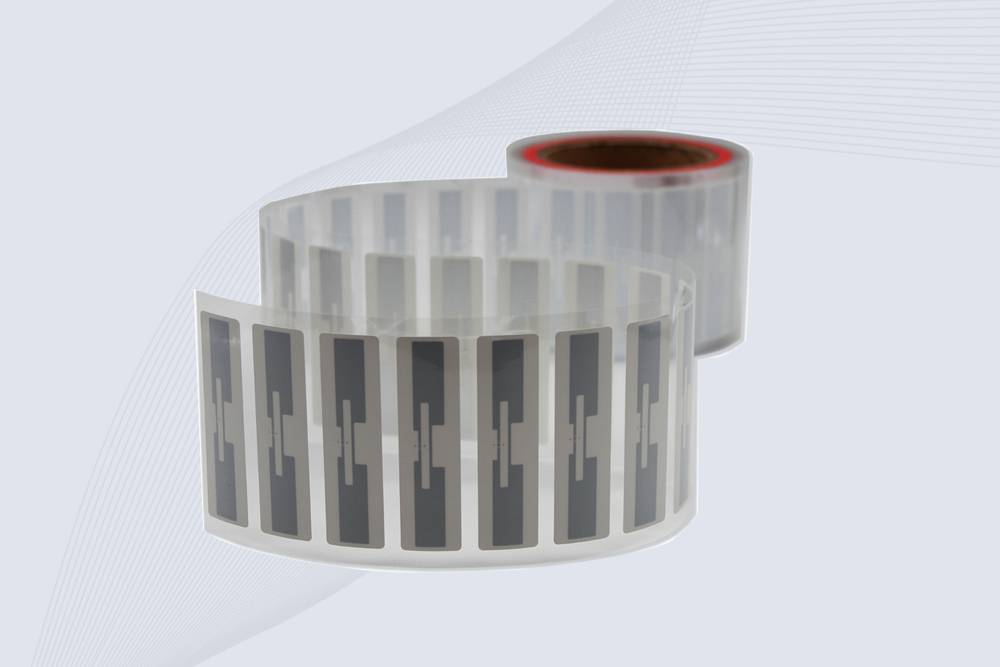
CYKEO Passive RFID Tags are made for wet and high-humidity environments where standard labels do not last. This rfid passive tag is often used around liquids, chemicals and temperature changes, providing stable reading distance and long data life for industrial tracking.
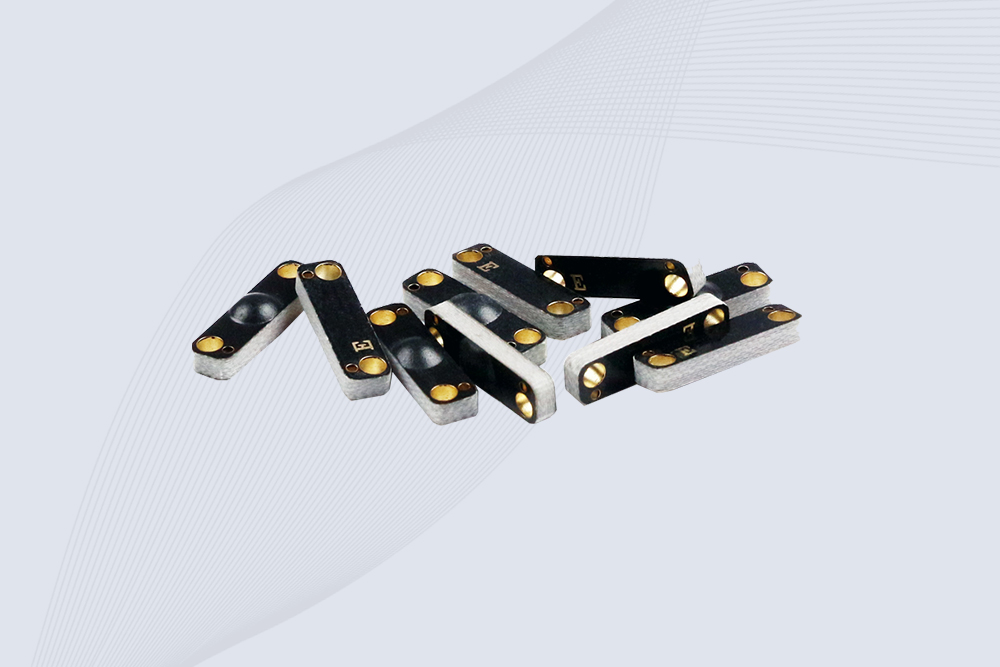
CYKEO CYKEO-PCB1504 Metal RFID Tags is a compact anti-metal UHF RFID solution built for direct mounting on metal surfaces. With stable 8-meter read range, Ucode-8 chip, and long data retention, this rfid metal tag fits tools, containers, automotive parts, and industrial asset tracking.
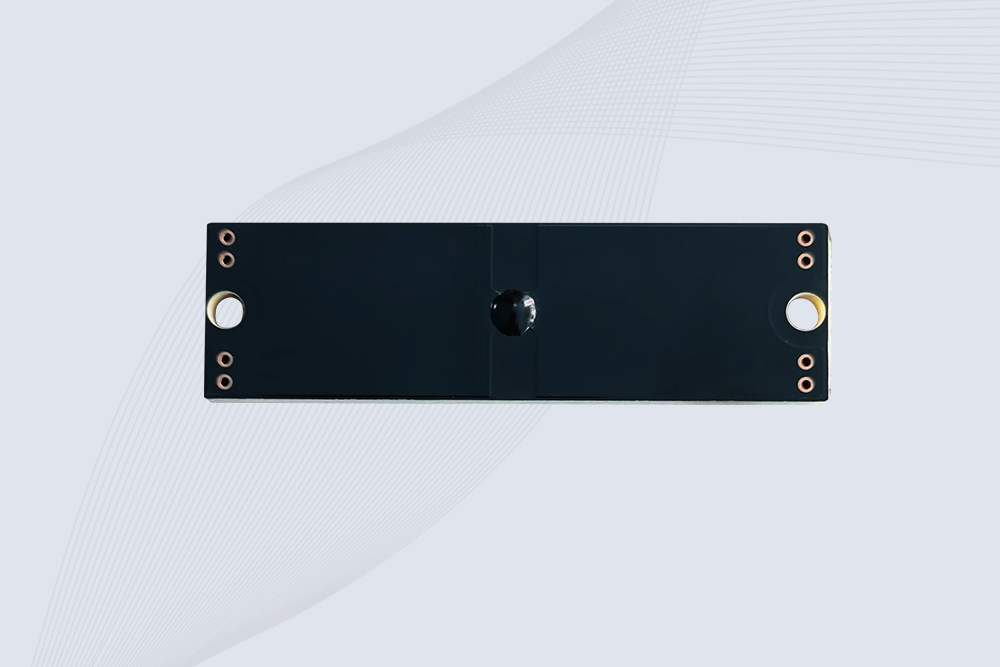
CYKEO CYKEO-PCB7020 On-Metal RFID Tags are designed for reliable tracking on steel and metal surfaces. Built with an FR4 epoxy body and industrial-grade chips, these On-Metal RFID Tags deliver stable performance, long data life, and chemical resistance, making them a dependable RFID anti-metal tag for harsh environments.
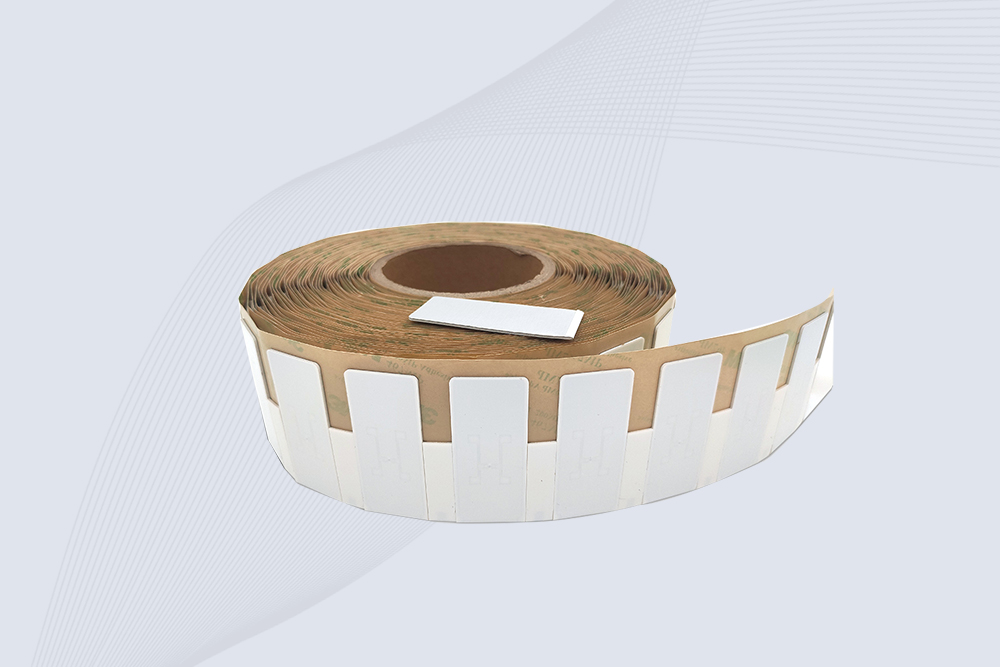
The CYKEO CYKEO-60-25 Anti-Metal RFID Tag is built for metal surfaces where standard tags fail. Designed for long-range performance, harsh environments, and stable data retention, this Anti-Metal RFID Tag is ideal for industrial assets, containers, and equipment tracking using on metal RFID tags.
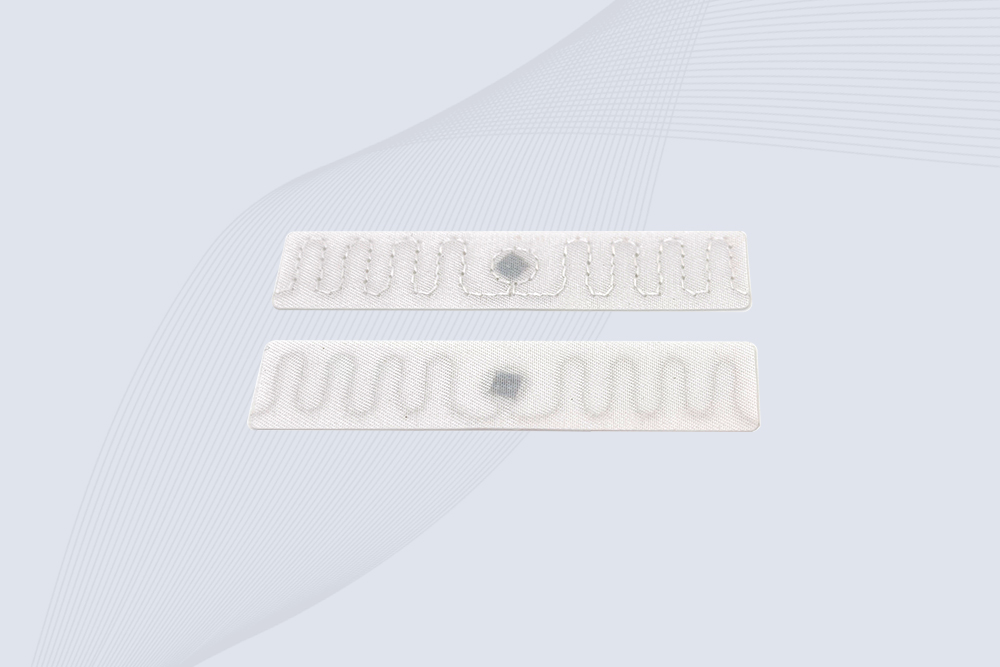
The CYKEO RFID Laundry Tag is designed for long-term textile identification in harsh laundry environments. Built to withstand high heat, chemicals, and repeated washing, this RFID Laundry Tag delivers stable performance for hotels, hospitals, and industrial laundry operations using laundry rfid tags at scale.
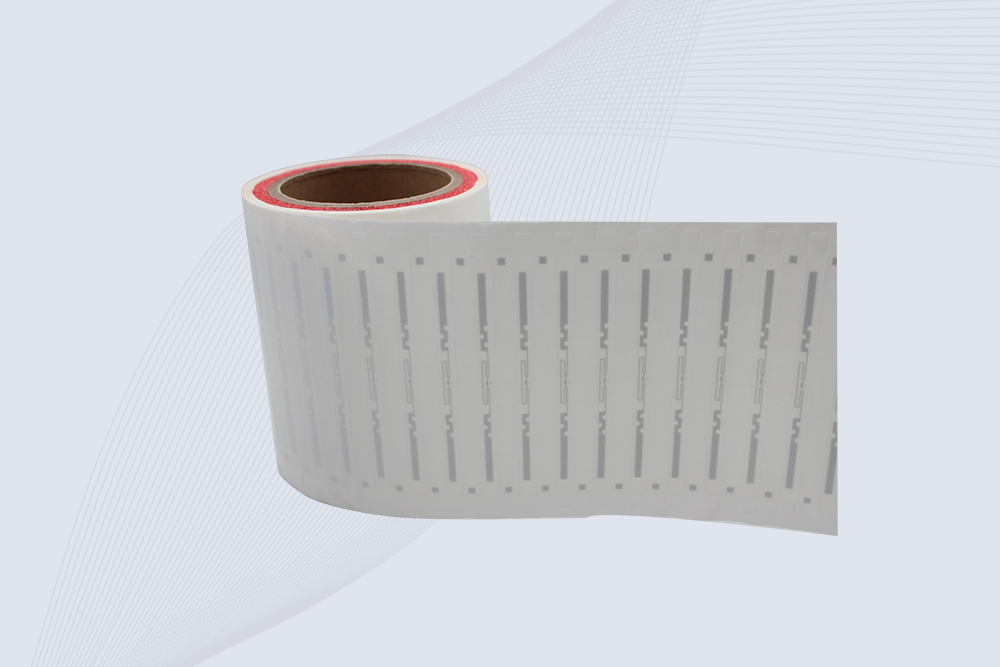
The CYKEO CYKEO-125-7 RFID Book Tag is designed for reliable book and document tracking in libraries and archives. This RFID Book Tag delivers long read range, dense placement support, and stable performance on shelves, making it a practical rfid tag on books for library automation, file management, and archival systems.
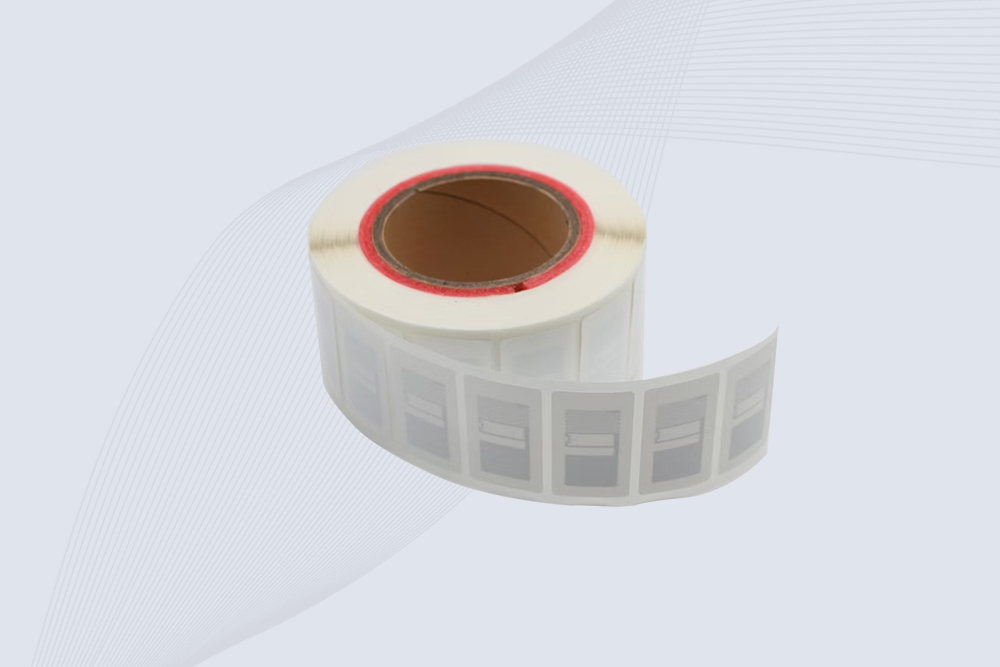
CYKEO RFID tags in hospitals are designed for sterile environments where accuracy matters. These autoclavable RFID tags support long-term tracking of surgical tools, implants, and medications, helping hospitals improve visibility, compliance, and patient safety.

CYKEO RFID Cable Tie Tag is built for reliable identification on metal surfaces. This UHF RFID Cable Tie Tag is widely used in rfid tags for inventory systems, industrial asset management and Hospital RFID Tags, offering stable read performance, long service life and global EPC Gen2 compatibility.
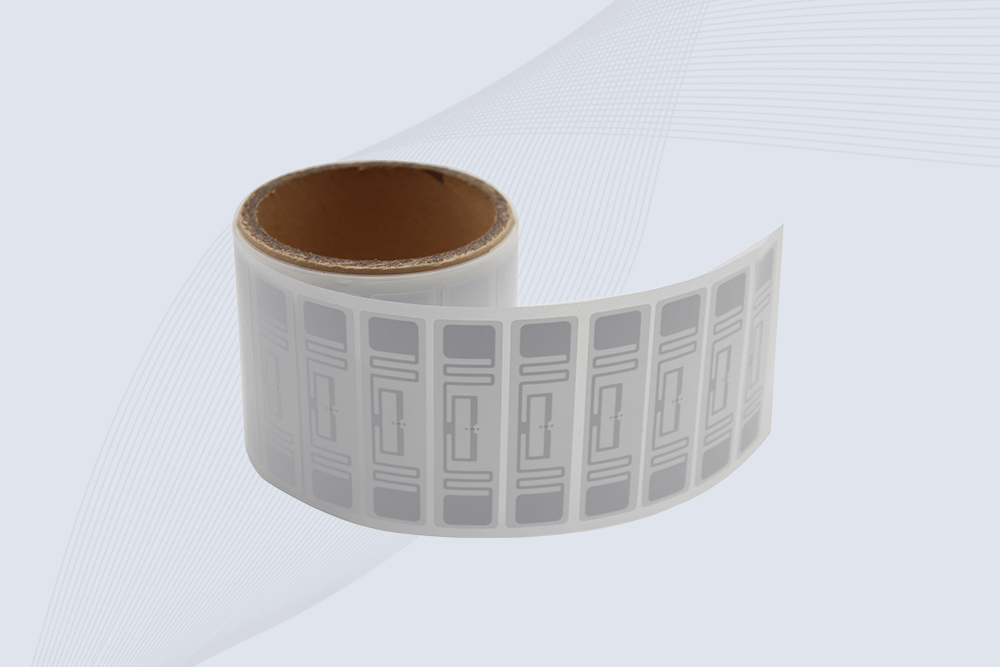
CYKEO RFID Asset Tag is designed for stable identification of metal assets in industrial environments. This UHF RFID Asset Tag is commonly used for rfid tag asset tracking on equipment, tools and containers, providing reliable reads, long service life and ISO/IEC 18000-6C support.

CYKEO UHF RFID Card is designed for fast identification and long-term use in industrial and commercial systems. Supporting ISO 18000-6C, this UHF RFID Card works at 860–960 MHz and is suitable for custom RFID cards used in asset tracking, access control and inventory management.
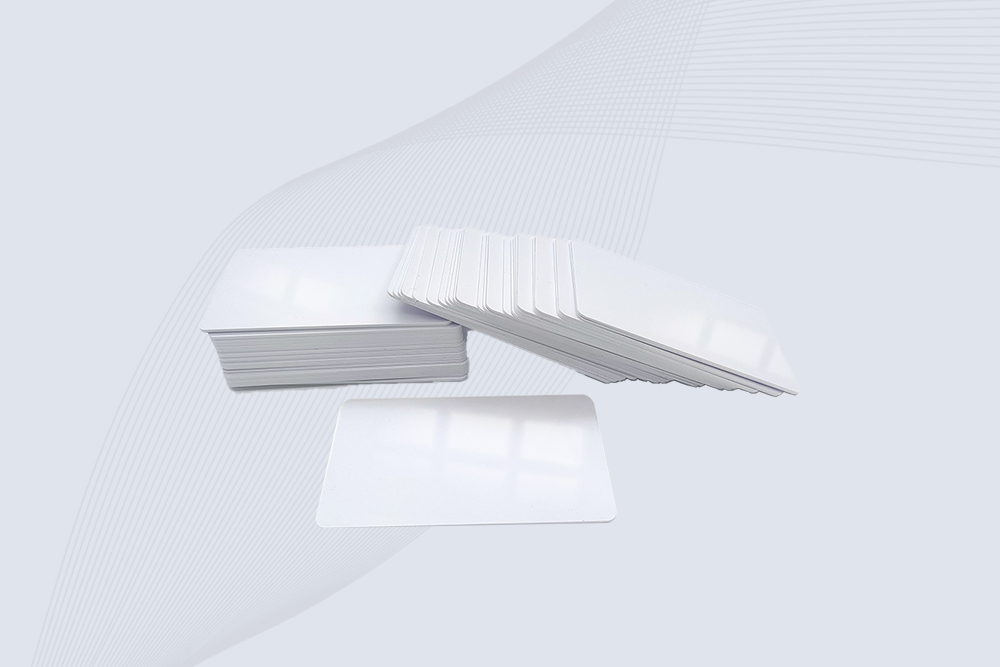
CYKEO HF RFID Cards are designed for secure and stable access control systems. These 13.56 MHz RFID key cards support ISO 14443-A, reliable rewriting and long service life, making HF RFID Cards suitable for offices, campuses, events and membership management.
CYKEO UHF RFID Tag is designed for reliable tracking of metal jewelry and high-value items. This Jewelry RFID Tag supports long-range reading up to 8 meters, anti-counterfeit protection and stable performance on metal, making it suitable for retail, inventory control and asset management.

Barcodes vs RFID: Discover which tracking tech cuts labor costs faster. See how businesses choose based on scanning headaches, metal interference, and hidden expenses.
More
Traditional barcodes and standard RFID tags struggle in metal surface applications due to the shielding and reflective properties of metal, which cause signal attenuation and reading errors.
More
A Fixed RFID Reader isn’t just hardware—it’s becoming essential in warehouses, retail, healthcare, and manufacturing. This article shares practical insights, compares fixed vs handheld readers, and explores its value in inventory and asset managem...
More
Learn how security clothes tags work, how retailers handle tag removal, and how RFID clothing tag suppliers can provide better anti-theft solutions for apparel businesses.
More