 Cykeo RFID IoT Solution Products R&D Manufacturer
What’s the Maximum Scanning Range of a Handheld RFID Device?
1463Discover the maximum scanning range of handheld RFID devices, factors affecting performance, and how Cykeo’s technology extends coverage for industrial use.
MoreAll RFID Product
UHF RFID chips are ultra-high-frequency integrated circuits that power long-range, fast, and multi-tag identification in modern RFID tracking systems.
That is the direct answer. In practical systems, these chips are the “decision core” of RFID tags—everything from reading speed to signal stability depends on their design quality.
At Cykeo, when evaluating RFID performance in warehouse and industrial deployments, we consistently trace system reliability back to one component: the chip inside the tag.
It sounds small. But it determines whether a system reads one tag or reads hundreds at once.
UHF RFID chips store and transmit digital identity data using ultra-high-frequency radio signals (typically 860–960 MHz globally).
They are embedded in RFID tags and communicate with readers without physical contact.
A chip typically handles:
According to RAIN RFID Alliance industry overview, UHF RFID technology is now widely deployed across global supply chains due to its ability to identify multiple tagged objects simultaneously.
In field testing environments, we’ve seen identical antennas and readers produce very different results simply because of chip variation.
A higher-quality UHF RFID chip improves:
This becomes especially important in logistics centers where tags may be stacked, wrapped, or positioned near metal surfaces.
A typical UHF RFID chip includes:
| Component | Function |
|---|---|
| RF front-end | Receives and transmits radio signals |
| Logic processor | Handles anti-collision and protocol control |
| Memory blocks | Stores EPC and user data |
| Power harvesting module | Converts RF energy into operating power |
Unlike active devices, most UHF chips are passive. They rely entirely on the reader’s emitted energy.
This is why signal efficiency matters more than battery power.
Determines how well the chip responds in weak RF environments.
Allows multiple tags to respond without signal overlap.
Defines how data is stored and accessed (EPC, TID, user memory).
Most chips operate across 860–960 MHz depending on region.
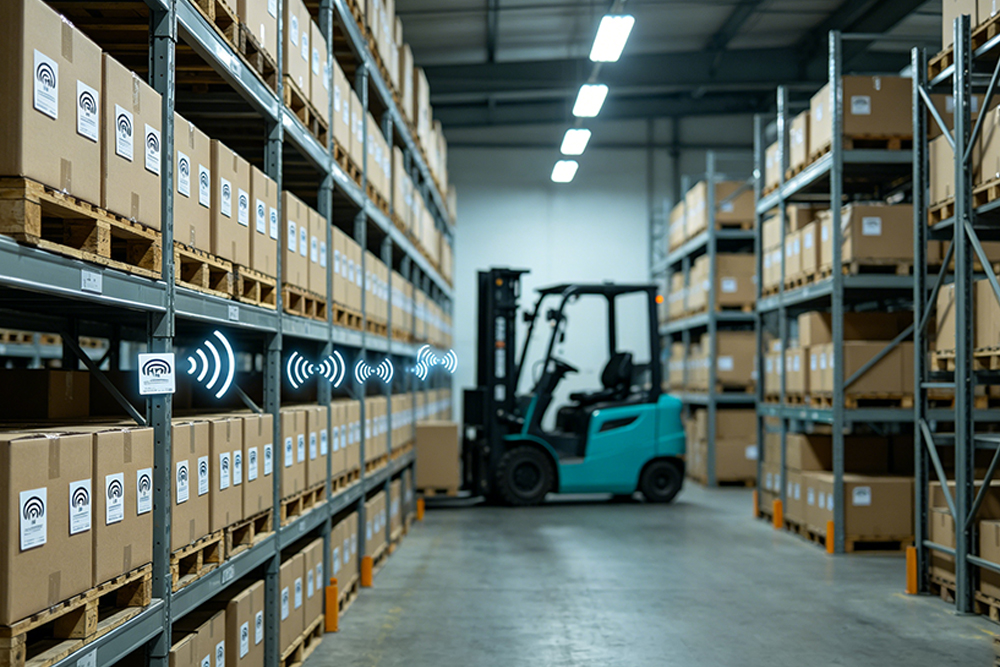
In warehouse environments, chip performance differences are not theoretical.
During dense pallet scanning tests, low-quality chips often caused:
After switching to higher-grade UHF RFID chips, read consistency improved significantly in multi-tag zones.
This aligns with findings from GS1 RFID standards overview, which emphasizes standardized chip performance as a key factor in global interoperability.
UHF RFID chips are widely used in:
Their value increases with scale—the larger the system, the more important chip efficiency becomes.
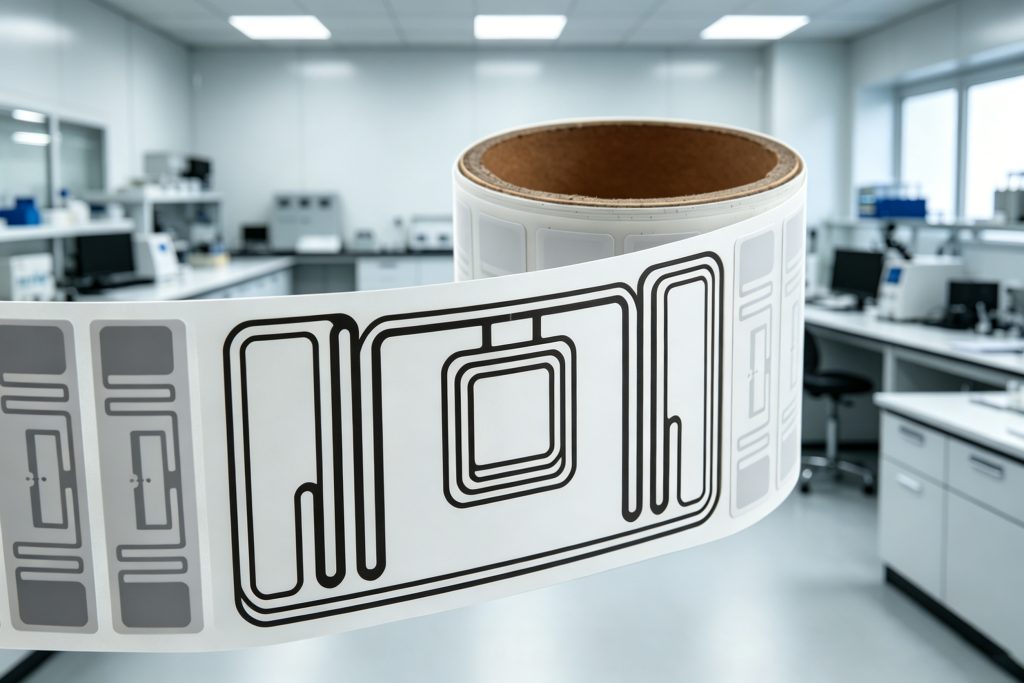
They are used for identifying and tracking objects wirelessly in logistics, retail, manufacturing, and healthcare systems.
No. Most UHF RFID chips are passive and powered by the reader’s RF signal.
Depending on system design, typical ranges vary from a few centimeters to several meters.
No. Chip quality directly affects read accuracy, speed, and system stability.
UHF RFID chips are small components, but they define system performance at scale.
In real deployments, the difference between stable tracking and inconsistent data often comes down to chip efficiency, not just reader power or software design.
That is why chip selection is not a detail—it is a foundation.
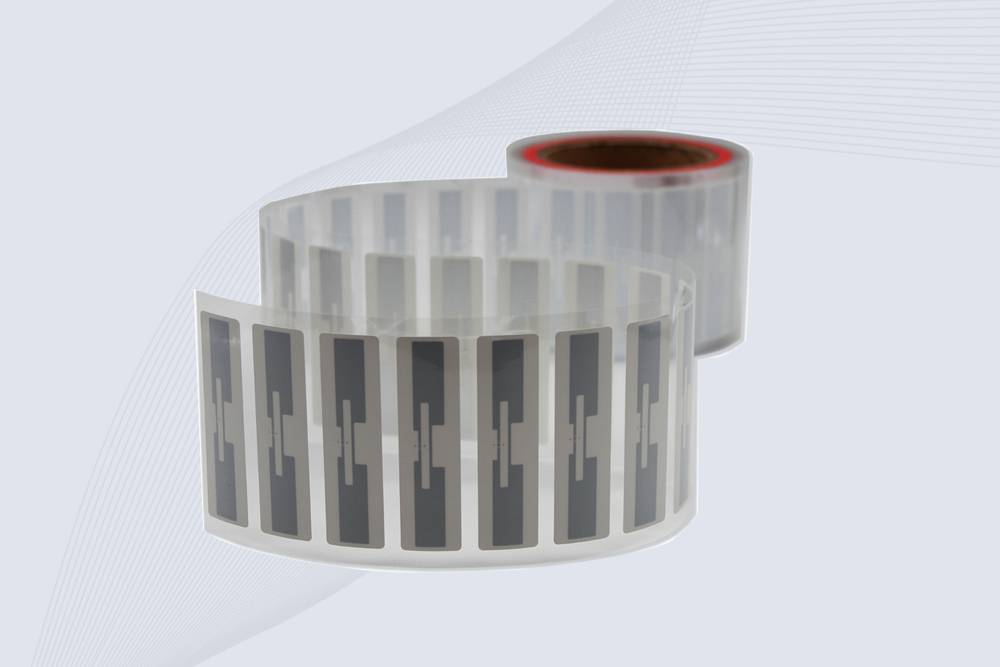
CYKEO Passive RFID Tags are made for wet and high-humidity environments where standard labels do not last. This rfid passive tag is often used around liquids, chemicals and temperature changes, providing stable reading distance and long data life for industrial tracking.
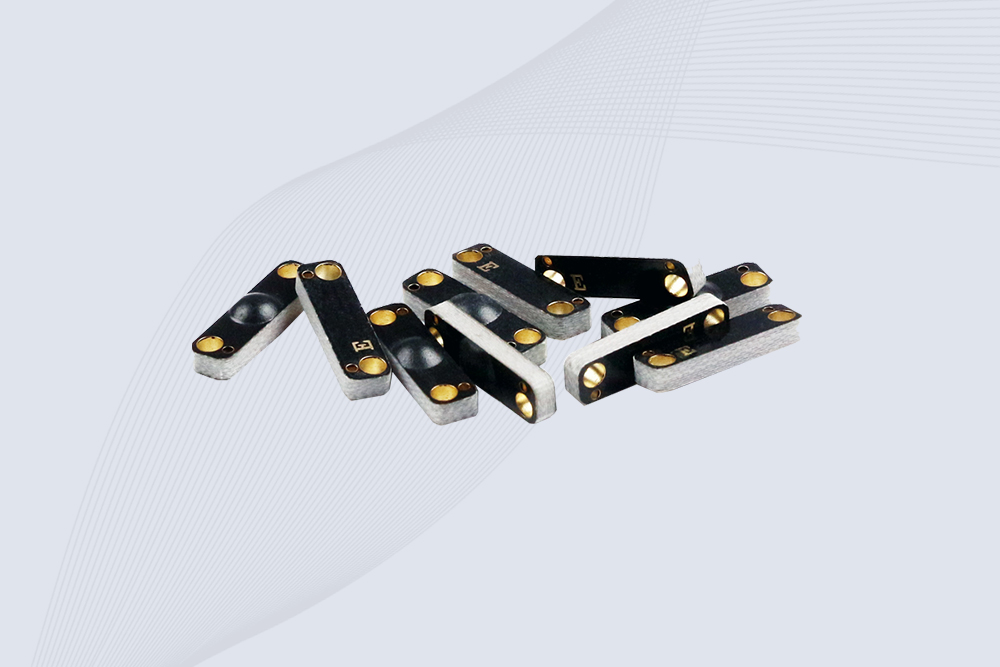
CYKEO CYKEO-PCB1504 Metal RFID Tags is a compact anti-metal UHF RFID solution built for direct mounting on metal surfaces. With stable 8-meter read range, Ucode-8 chip, and long data retention, this rfid metal tag fits tools, containers, automotive parts, and industrial asset tracking.
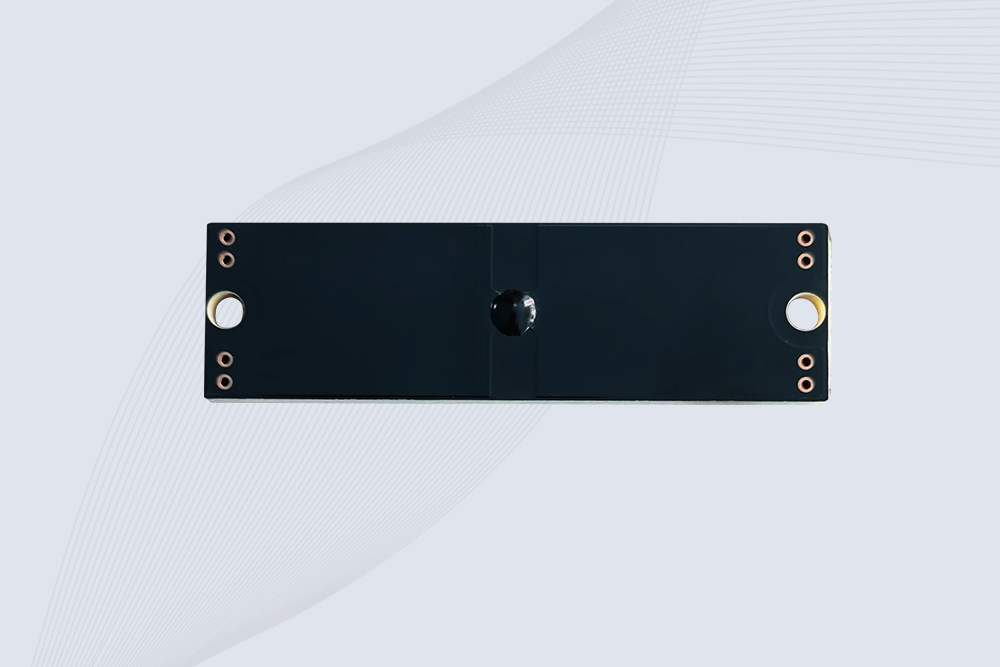
CYKEO CYKEO-PCB7020 On-Metal RFID Tags are designed for reliable tracking on steel and metal surfaces. Built with an FR4 epoxy body and industrial-grade chips, these On-Metal RFID Tags deliver stable performance, long data life, and chemical resistance, making them a dependable RFID anti-metal tag for harsh environments.
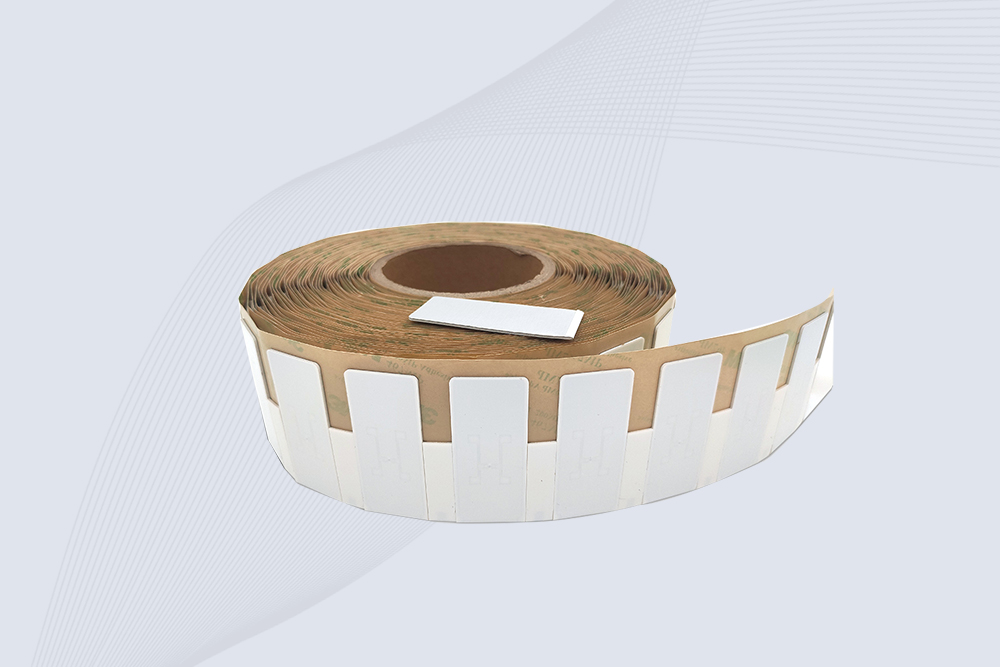
The CYKEO CYKEO-60-25 Anti-Metal RFID Tag is built for metal surfaces where standard tags fail. Designed for long-range performance, harsh environments, and stable data retention, this Anti-Metal RFID Tag is ideal for industrial assets, containers, and equipment tracking using on metal RFID tags.
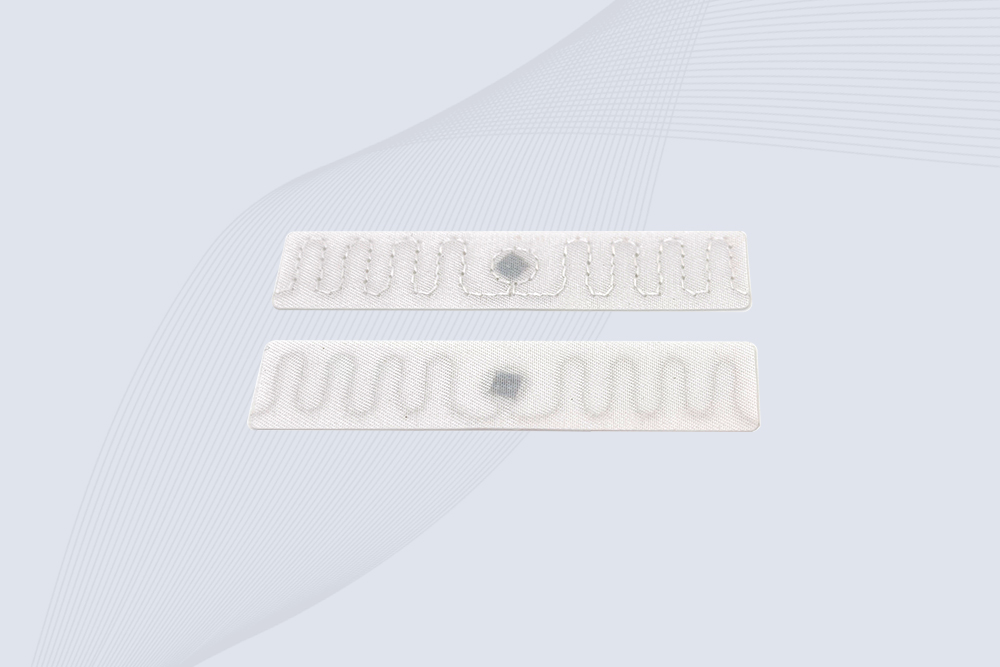
The CYKEO RFID Laundry Tag is designed for long-term textile identification in harsh laundry environments. Built to withstand high heat, chemicals, and repeated washing, this RFID Laundry Tag delivers stable performance for hotels, hospitals, and industrial laundry operations using laundry rfid tags at scale.
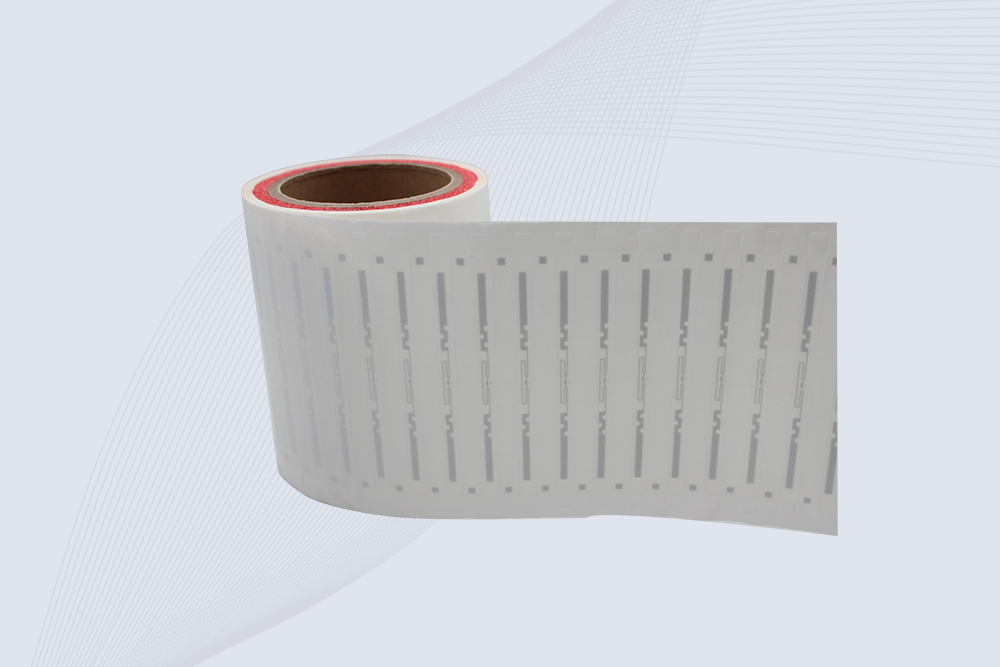
The CYKEO CYKEO-125-7 RFID Book Tag is designed for reliable book and document tracking in libraries and archives. This RFID Book Tag delivers long read range, dense placement support, and stable performance on shelves, making it a practical rfid tag on books for library automation, file management, and archival systems.
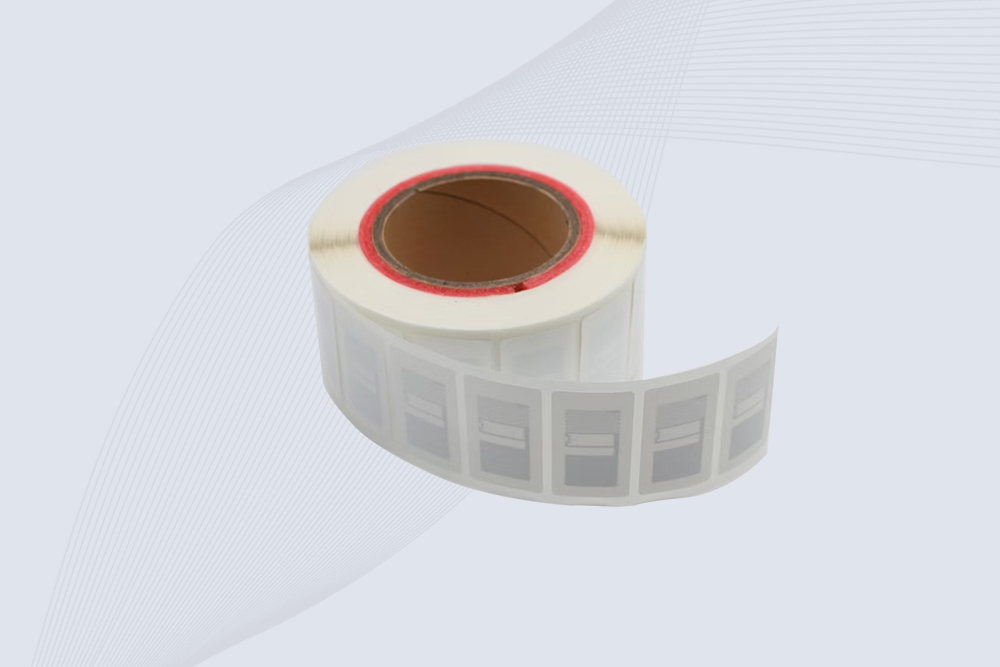
CYKEO RFID tags in hospitals are designed for sterile environments where accuracy matters. These autoclavable RFID tags support long-term tracking of surgical tools, implants, and medications, helping hospitals improve visibility, compliance, and patient safety.

CYKEO RFID Cable Tie Tag is built for reliable identification on metal surfaces. This UHF RFID Cable Tie Tag is widely used in rfid tags for inventory systems, industrial asset management and Hospital RFID Tags, offering stable read performance, long service life and global EPC Gen2 compatibility.
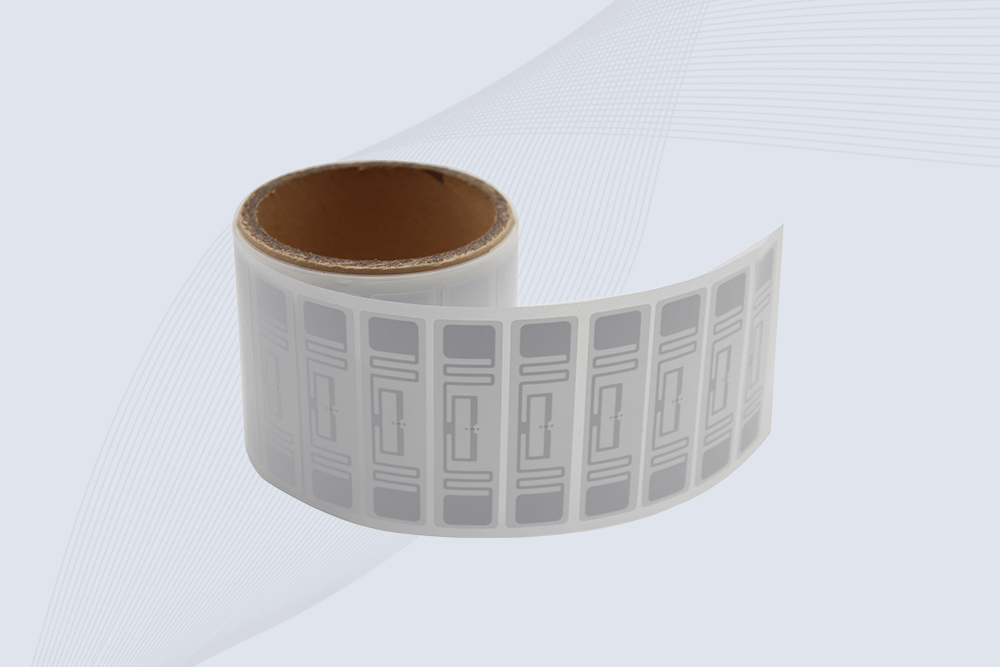
CYKEO RFID Asset Tag is designed for stable identification of metal assets in industrial environments. This UHF RFID Asset Tag is commonly used for rfid tag asset tracking on equipment, tools and containers, providing reliable reads, long service life and ISO/IEC 18000-6C support.
CYKEO UHF RFID Card is designed for fast identification and long-term use in industrial and commercial systems. Supporting ISO 18000-6C, this UHF RFID Card works at 860–960 MHz and is suitable for custom RFID cards used in asset tracking, access control and inventory management.
CYKEO HF RFID Cards are designed for secure and stable access control systems. These 13.56 MHz RFID key cards support ISO 14443-A, reliable rewriting and long service life, making HF RFID Cards suitable for offices, campuses, events and membership management.
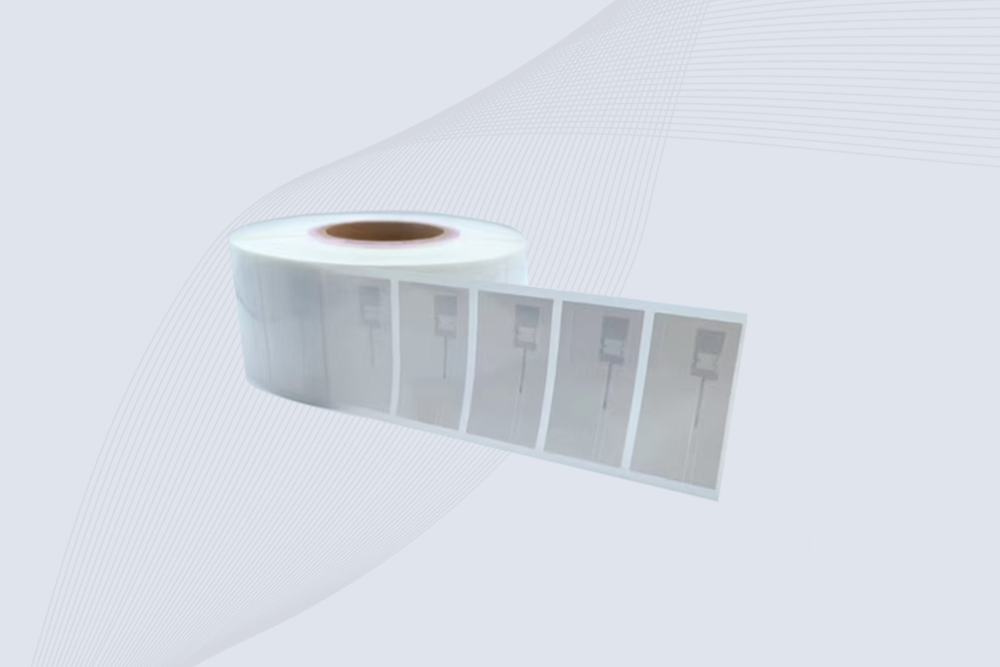
CYKEO UHF RFID Tag is designed for reliable tracking of metal jewelry and high-value items. This Jewelry RFID Tag supports long-range reading up to 8 meters, anti-counterfeit protection and stable performance on metal, making it suitable for retail, inventory control and asset management.
Discover the maximum scanning range of handheld RFID devices, factors affecting performance, and how Cykeo’s technology extends coverage for industrial use.
More
can rfid reader read multiple tags at once? Learn how UHF RFID readers identify multiple tags simultaneously and improve inventory, checkout, and tag-writing efficiency.
More
Discover why UHF fixed RFID readers are ideal for logistics tracking. Learn about long-range scanning, high-speed data capture, and warehouse automation benefits.
More
Wondering "how far away read RFID"? Discover exact read distances for LF, HF, UHF, and active tags. Factors affecting range and real-world performance with CYKEO.
More