 Cykeo RFID IoT Solution Products R&D Manufacturer
Can NFC Reader Read UHF RFID Tags? Let’s Settle This
23Wondering can nfc reader read uhf rfid tags? I tested this myself. Here's why your phone won't read warehouse tags and what actually works with CYKEO hardware.
MoreAll RFID Product
The first time I saw an RFID tunnel scanner in action, I remember thinking: this is almost boring.
Boxes just kept moving on the conveyor. No one stopped them. No one scanned them. No one even looked at them.
And yet the system kept recording every carton that passed through.
That’s the interesting part about RFID tunnel systems. When they work well, they almost disappear into the workflow.
Most warehouses already have scanning systems. Usually barcodes.
The issue isn’t that scanning exists. The issue is how slow it becomes once volume increases.
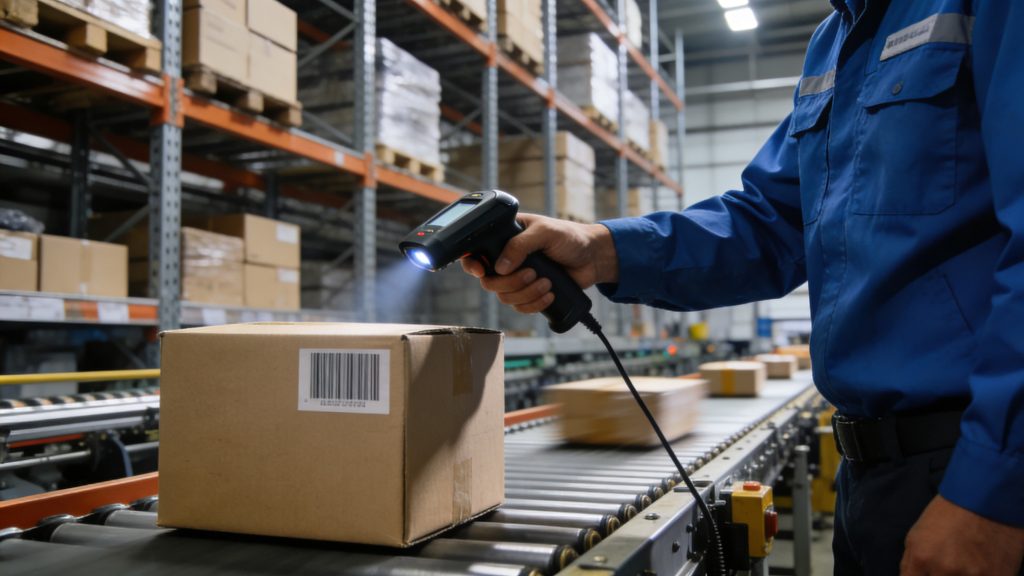
Think about a typical outbound line. A worker grabs a box, rotates it, searches for the barcode label, scans it, checks the system, and then pushes the carton forward.
Now imagine doing that 10,000 times per day.
The scanning itself takes seconds, but those seconds stack up fast.
RFID tunnel scanners were basically designed to remove that friction.
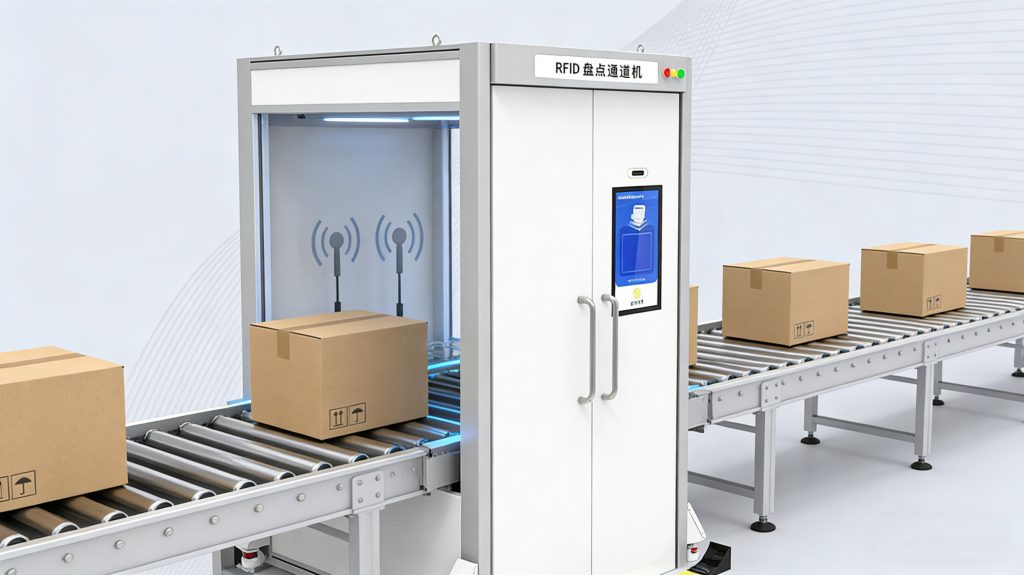
At a basic level, an RFID tunnel scanner is a frame installed around a conveyor belt. Inside the frame are multiple UHF RFID antennas.
As cartons pass through, the antennas read every RFID tag inside the scanning zone.
The key difference from barcode systems is this:
RFID doesn’t need line-of-sight.
Tags can be read automatically while boxes keep moving.
No stopping. No positioning. No manual trigger.
For high-throughput warehouses, that one change alone can reshape the entire outbound workflow.
There’s something about conveyor systems that makes RFID particularly effective.
Movement is predictable.
Cartons pass through the same checkpoint every time.
So instead of asking workers to scan products manually, you simply place the scanner where everything already passes anyway.
That’s why many operations teams install equipment like an RFID tunnel scanner for conveyor-based inventory tracking directly into packing or shipping lines.
The scanning process becomes automatic because the logistics flow itself triggers it.
When errors happen in barcode systems, it’s rarely because the technology failed.
It’s usually because someone forgot to scan something.
Warehouses are busy places. People move fast. Mistakes happen.
RFID tunnel systems reduce that dependency on human action.
If a tagged carton passes through the scanning zone, it gets recorded. The system doesn’t forget. It doesn’t get distracted.
That consistency is what gradually improves inventory accuracy.
Warehouse managers tend to focus on accuracy first, but throughput often becomes the bigger benefit.
Manual verification slows down conveyor lines. Workers become bottlenecks.
RFID tunnels remove that pause.
Boxes keep moving. Data keeps flowing.
In facilities shipping thousands of cartons per hour, even small time savings per package can translate into huge operational gains.
Not every warehouse needs one.
If a facility handles small volumes or mostly palletized goods, handheld RFID readers might already be enough.
But RFID tunnel scanners become extremely valuable in environments like:
E-commerce fulfillment centers
Retail distribution hubs
Apparel logistics warehouses
Electronics assembly lines
Pharmaceutical distribution
These operations share one thing in common: lots of cartons moving quickly on conveyors.
That’s exactly where automated scanning makes the biggest difference.
Something I’ve noticed when talking with warehouse operators: people often focus on the hardware first.
The antennas. The readers. The tunnel frame.
Those things matter, of course. But the real value usually comes from how the scanning data connects to the warehouse management system.
When the software integration is done properly, RFID tunnels become more than scanners.
They become checkpoints.
Each carton that passes through updates inventory, verifies shipments, and confirms logistics events automatically.
Warehouse automation usually happens in small steps.
A conveyor here. A robot there. Maybe better software.
RFID tunnel scanners are another step in that direction.
They don’t replace warehouse workers. They just remove one of the most repetitive tasks in logistics: scanning boxes one by one.
And once that step disappears, the rest of the operation tends to move a little faster.
Sometimes a lot faster.
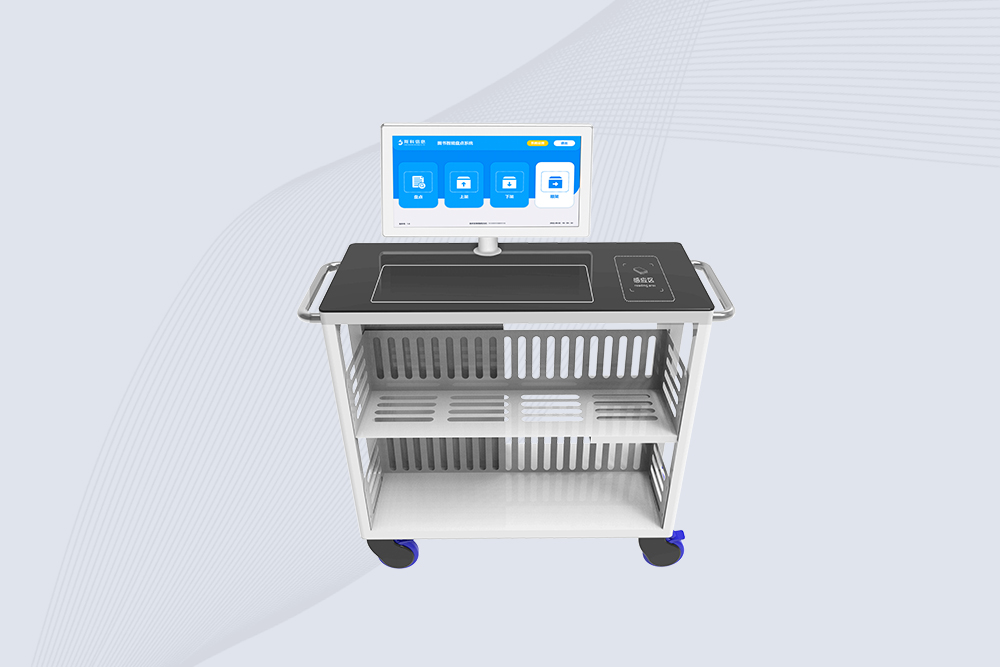
Cykeo CYKEO-C2 UHF RFID inventory cart features 10 UHF readers, 500 tags/sec scanning, Windows/Android OS, and hybrid power for warehouses/libraries. Supports ISO 18000-6C protocols and customization.
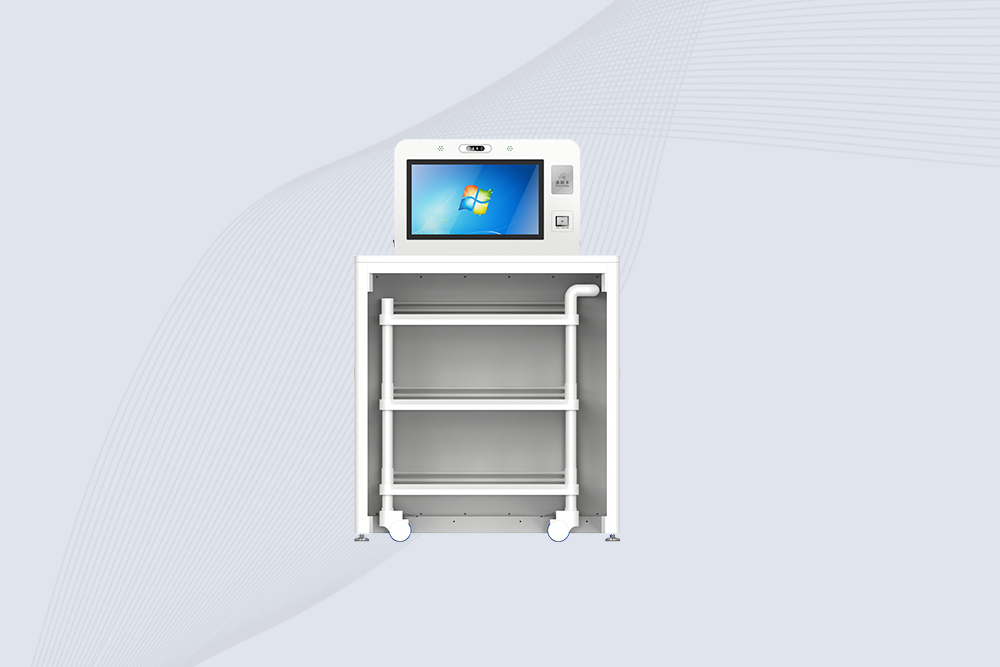
Cykeo’s industrial RFID Inventory Tracking station features dual scanning modes, 200+ items/sec bulk reading, and SAP integration for precise warehouse management. MIL-STD-810G certified with Windows/Android OS.

Cykeo CYKEO-D7 RFID system for inventory offers 40+ tags/sec scanning, 150L secure storage, and Impinj R2000 chipset for warehouses, toolrooms, and retail. Global frequency compliance (840-960MHz).
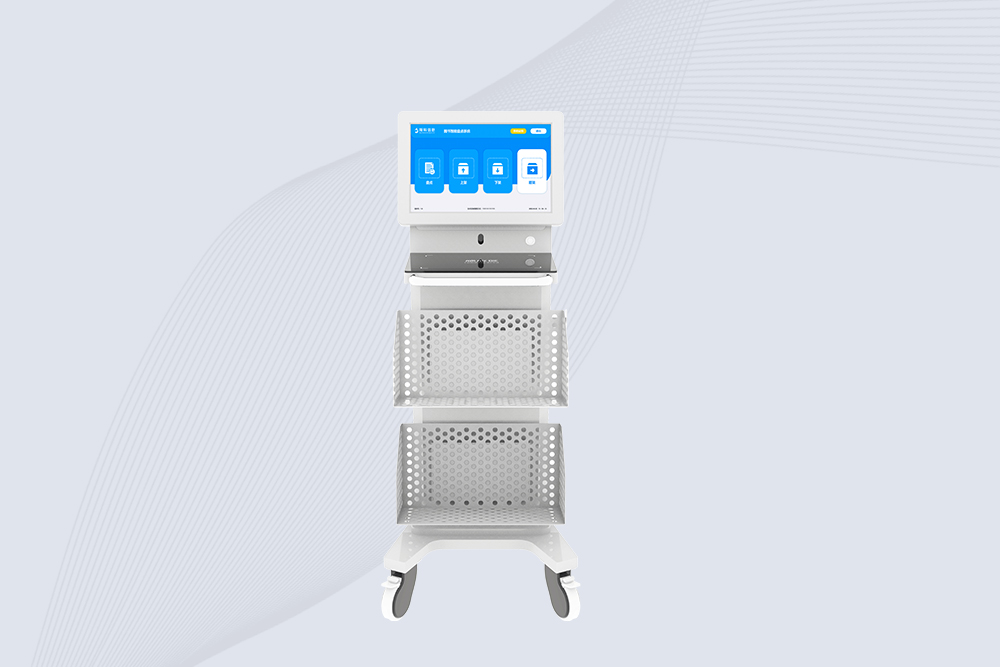
Cykeo CYKEO-C1 mobile RFID scanner cart features PLC-controlled antenna lifting, 10-tag/sec reading, and 21.5″ touchscreen for libraries, hospitals, and warehouses. Supports Windows/Android and multi-protocol RFID.

Cykeo CYKEO-C3 industrial warehouse RFID scanner features motorized lift (2.2m height), 800+ tags/min scanning, Windows/Android OS, and ERP integration. Ideal for high-shelf inventory in logistics/manufacturing.
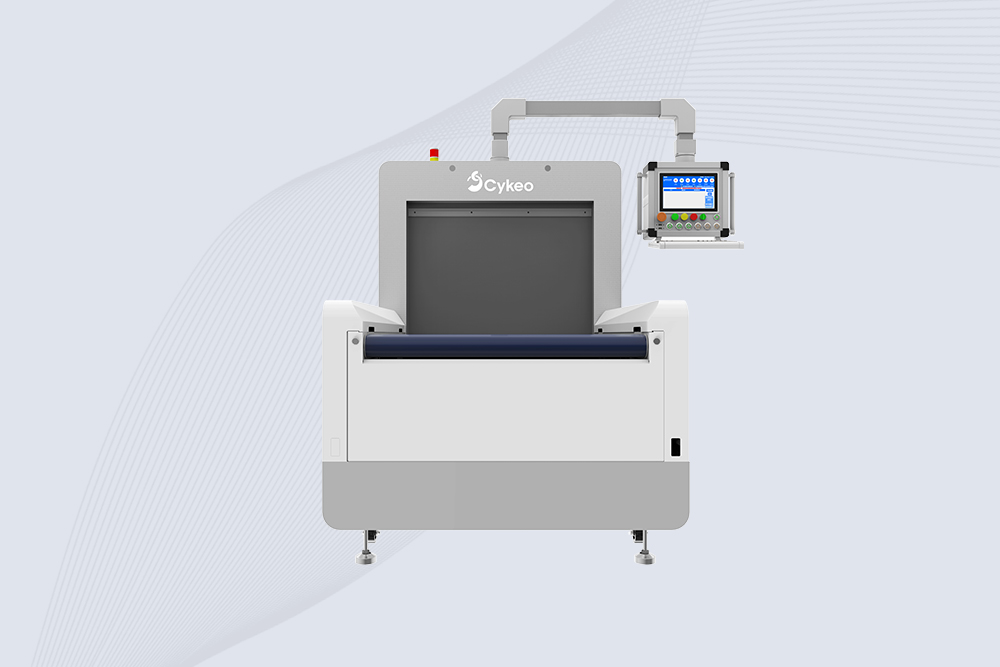
Cykeo’s CYKEO-TP2 automated RFID Inventory Management Tunnel System features 80kg capacity conveyor, 400 tags/sec scanning, and real-time data validation for warehouse/logistics operations.
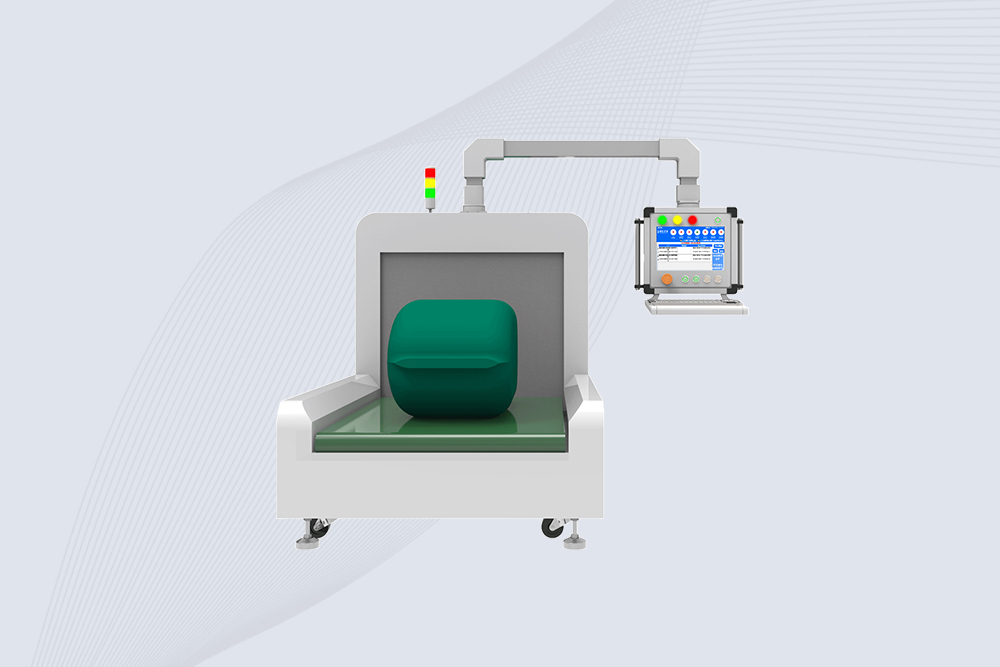
Cykeo’s CYKEO-TP3BC RFID inventory tunnel System management machine delivers 400+ tags/sec counting with ISO 18000-6C compliance. Features 80kg conveyor, -20°C~60°C operation, and ERP integration for apparel/electronics warehouses.
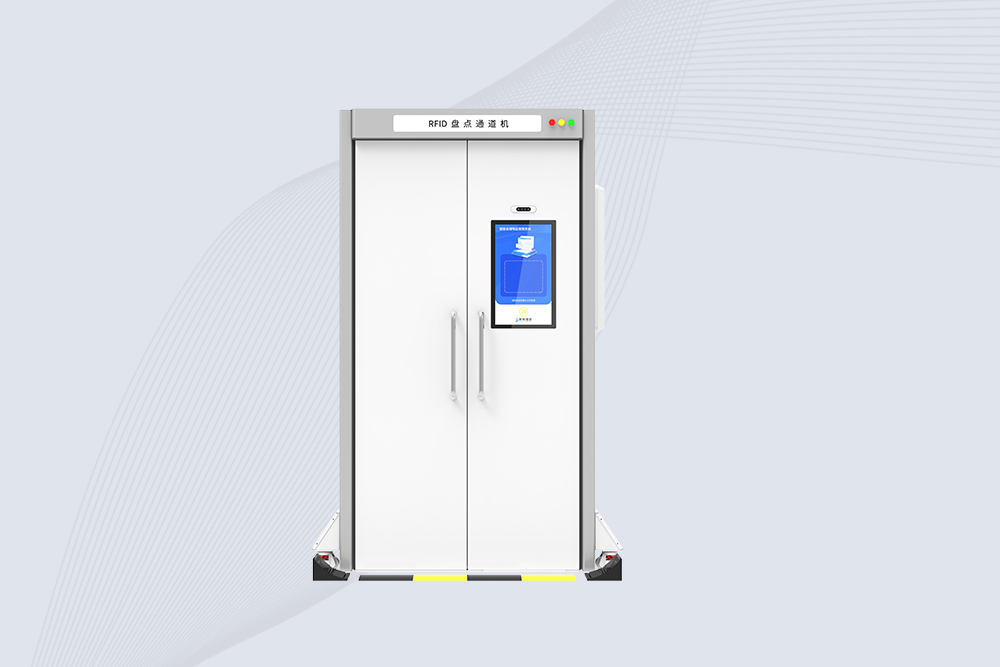
Cykeo’s industrial RFID tunnel scanner enables bulk inventory management for apparel, utilities, and hospitality. Features 10cm anti-interference, ISO18000-6C compliance, and SAP/Oracle integration.
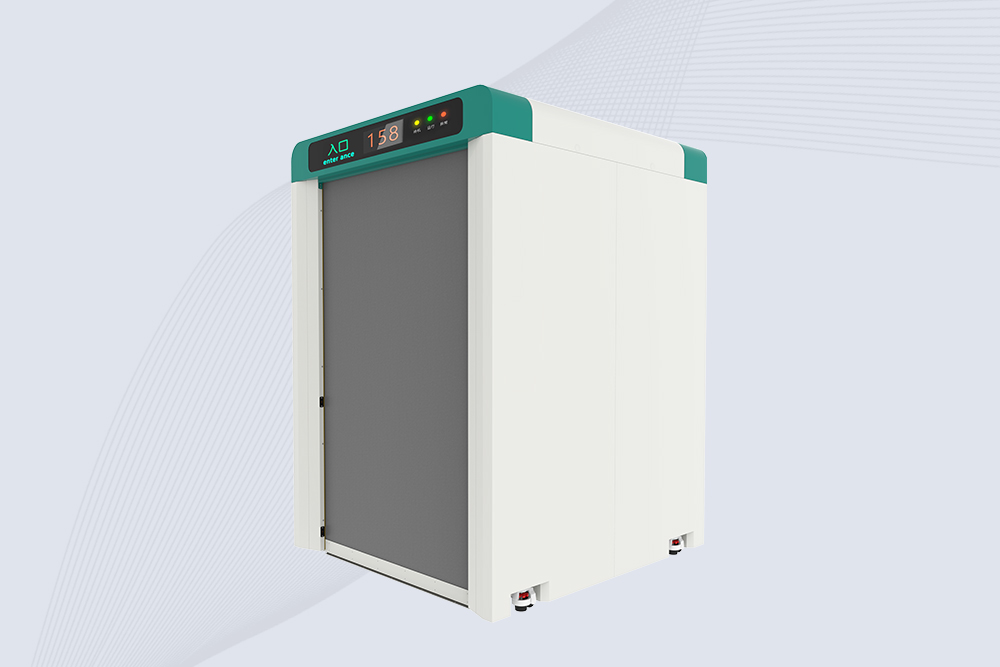
Cykeo CYKEO-TP4 industrial RFID tunnel system features 800-tag/batch processing, PLC-automated shutters, and SAP integration for apparel/hotel/power industries. 3-second verification with 99.9% accuracy.
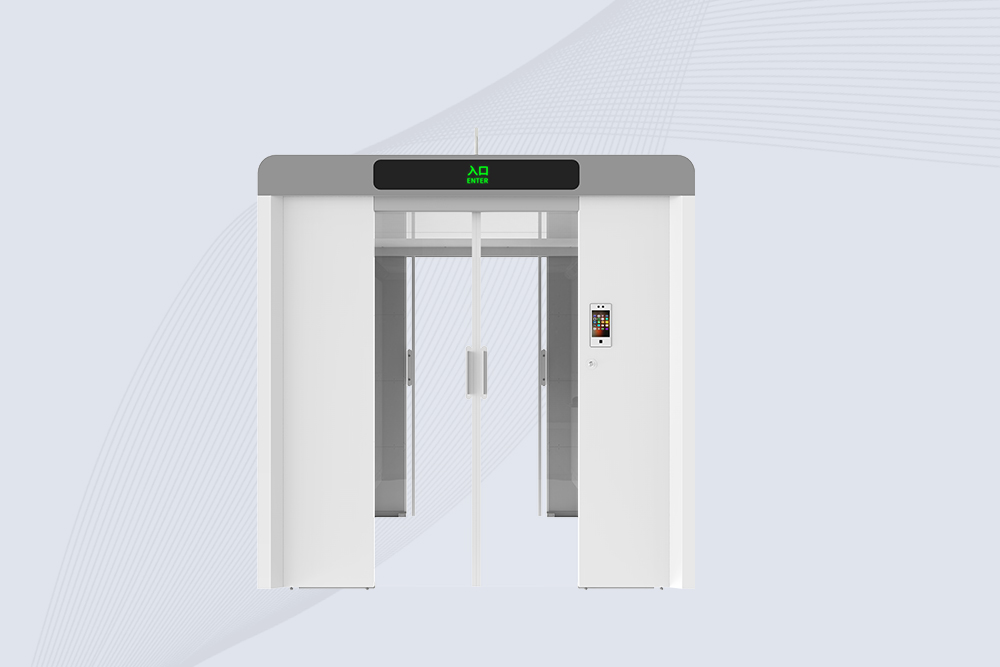
Cykeo CYKEO-TP5A industrial RFID tunnel system features 800-tag/batch processing, PLC-automated shutters, and SAP integration for apparel/hotel/power industries. 3-second verification with 99.9% accuracy.
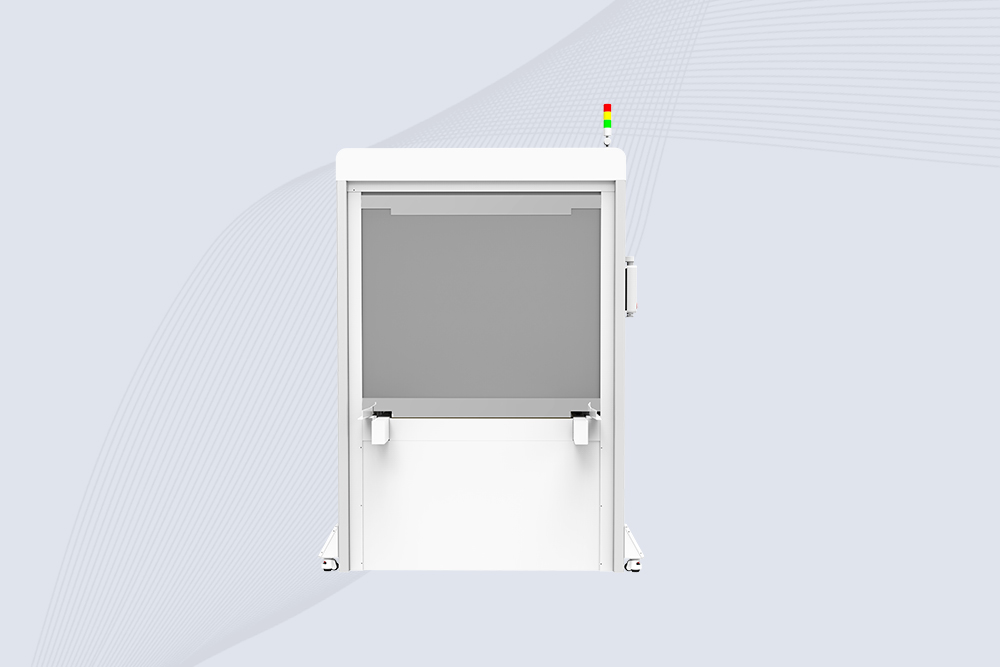
Cykeo CYKEO-TP3 industrial inventory tracking RFID machine achieves 300pcs/3sec bulk scanning with ISO18000-6C compliance. IP65 rugged design for power/garment/hotel linen logistics automation.
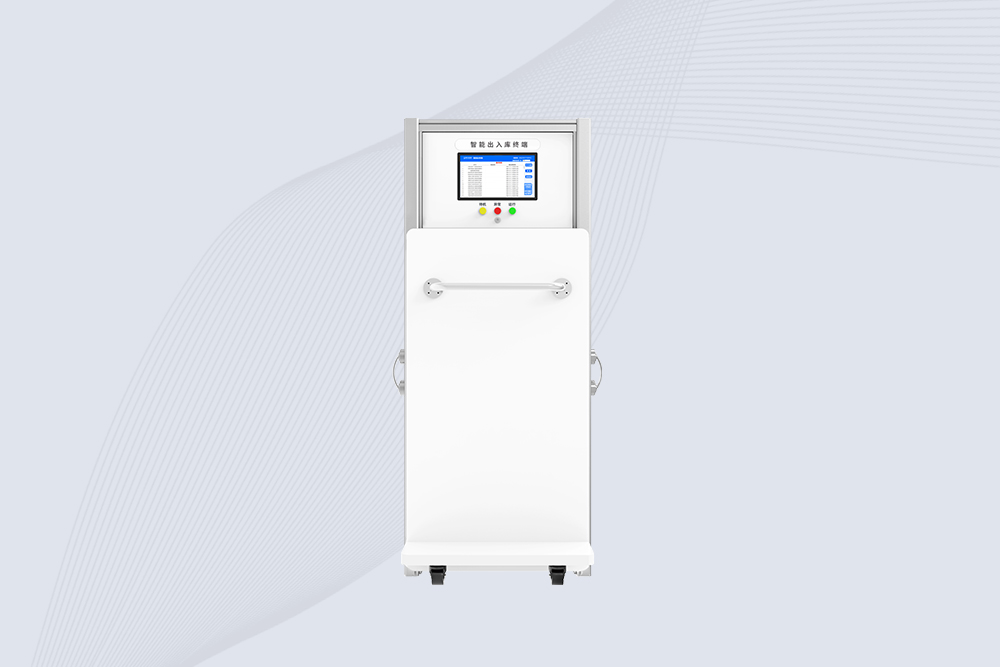
Cykeo CYKEO-GP industrial RFID tunnel achieves 300pcs/sec bulk RFID tags inventory tracking with ISO 18000-6C protocol. 1.9m tunnel height for cage carts, 20cm anti-crosshield tech.

Cykeo’s CYKEO-TP2B automated rfid warehouse management channel enables precision warehouse management with 3s batch processing, ISO 18000-6C compliance, and -20℃ cold chain operation.

Cykeo CYKEO-TP5 RFID inventory management solution delivers 100 tags/sec bulk processing, ISO 18000-6C compliance, and SAP/Oracle WMS integration for power/retail/logistics sectors.
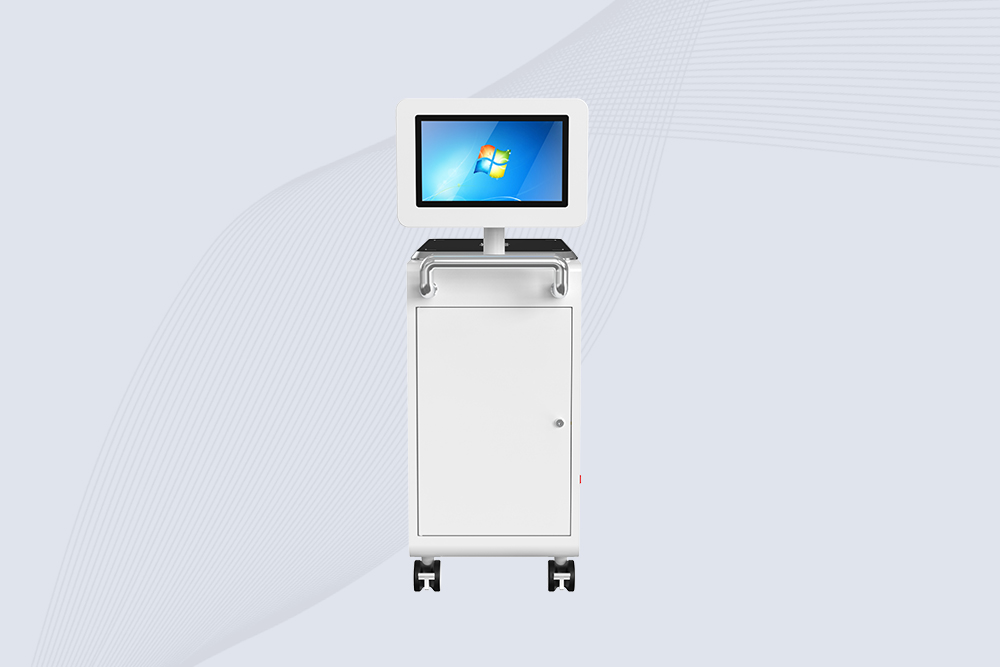
Cykeo CYKEO-C4A RFID inventory systems Cart feature dual-band scanning, 10-antenna array, and SAP integration for warehouse/hospital/supermarket asset audits. 300+ items/min accuracy with industrial reliability.
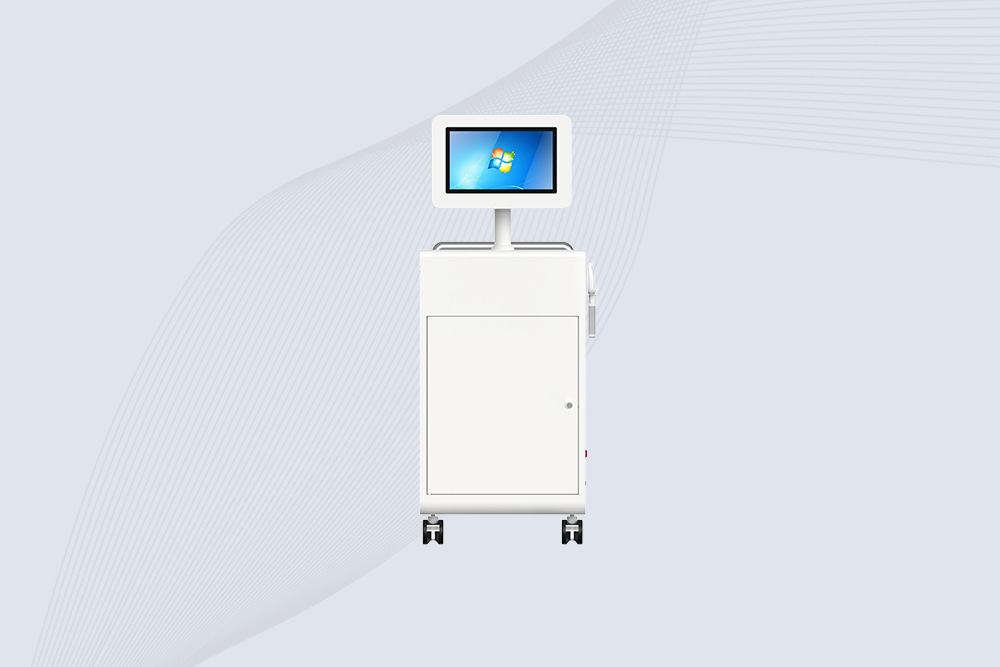
Cykeo CYKEO-C4B RFID inventory managment cart features dual-band scanning, 10-antenna array, and SAP integration for real-time asset tracking in warehouses/hospitals.
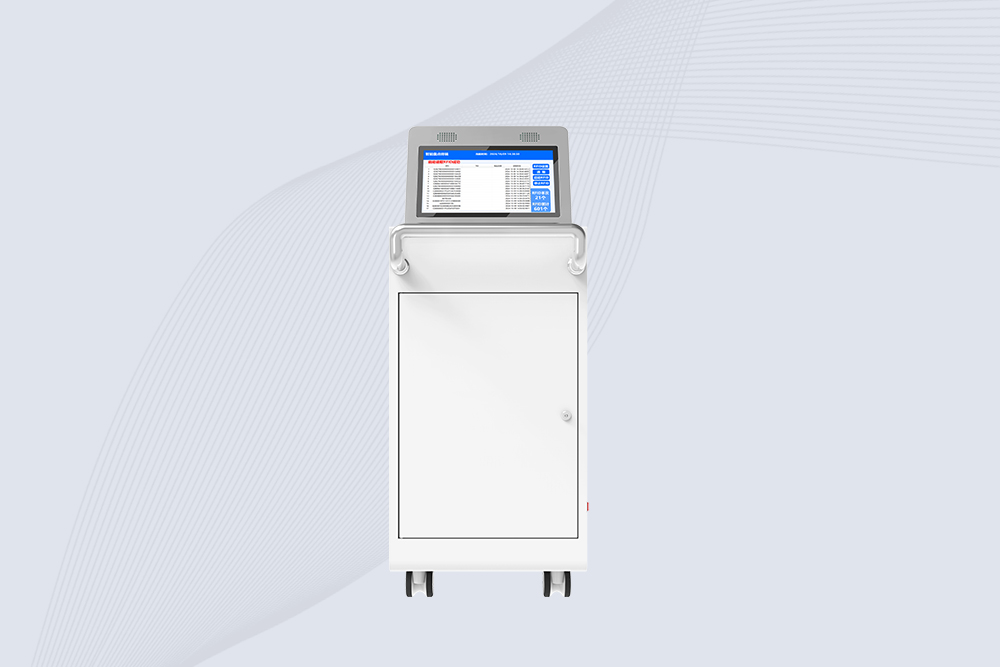
Cykeo CYKEO-C4C RFID inventory tracking cart features 10-antenna array, 300+ items/min scanning, and SAP integration for real-time asset visibility in warehouses/hospitals.
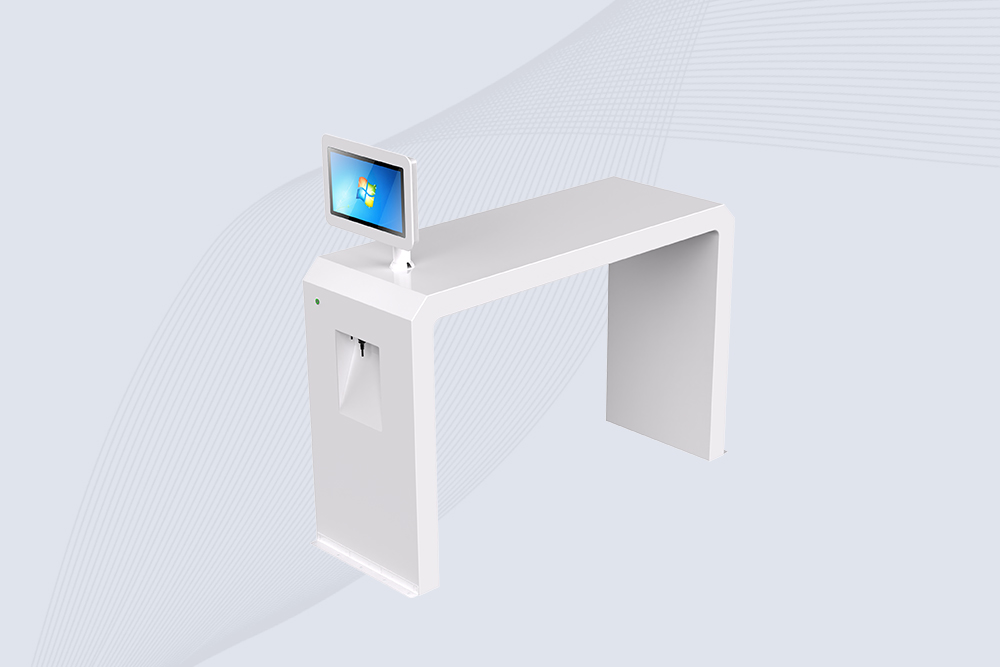
Cykeo CK-T8B industrial rfid gate access system offers 1.85m scanning corridor, 99.6% read accuracy, and Windows/Android OS for production line verification. Supports SAP/Oracle integration.
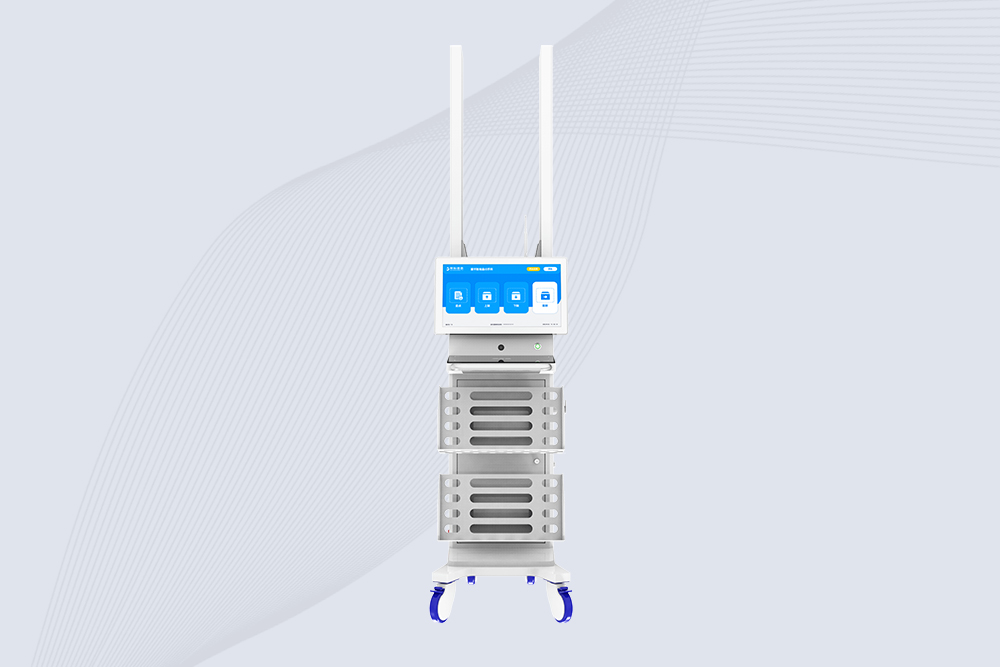
Cykeo CYKEO-C1A RFID tag inventory system features vertical 2.2m manual lift, dual antennas, and Android/Windows OS for warehouse/library inventory. Supports SAP/Oracle integration.
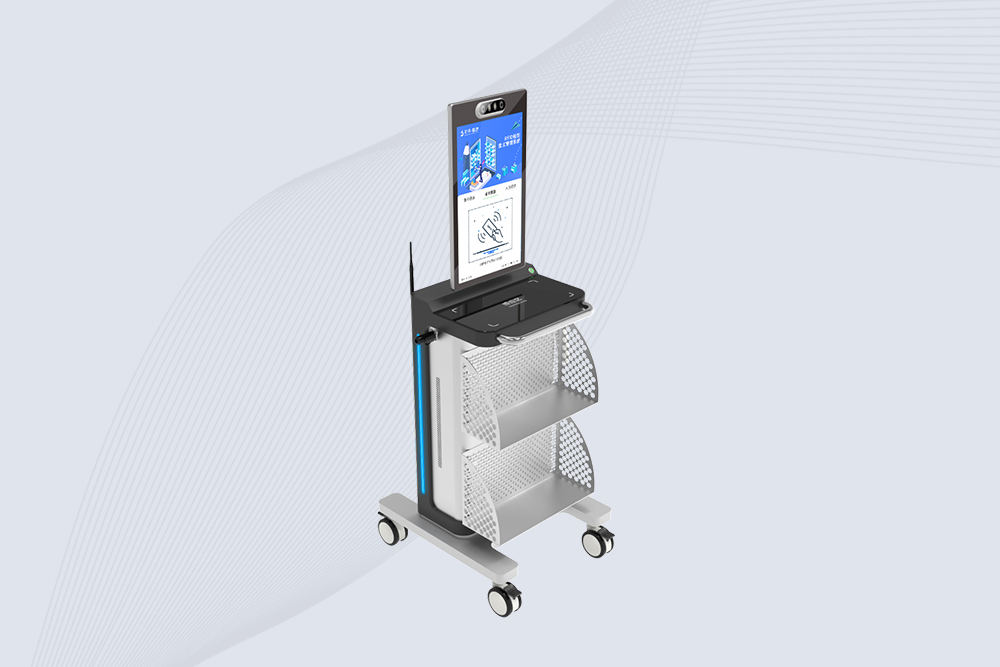
Cykeo CYKEO-C1B RFID to track inventory system features 800+ items/hour scanning, telescopic antenna, and real-time shelf analytics for libraries/warehouses. Supports Windows/Android OS.

Cykeo CYKEO-TP4A retractable RFID gate processes 1000+ items in 10 seconds with expandable width design. Ideal for large-scale utility, hotel linen, and apparel inventory management.
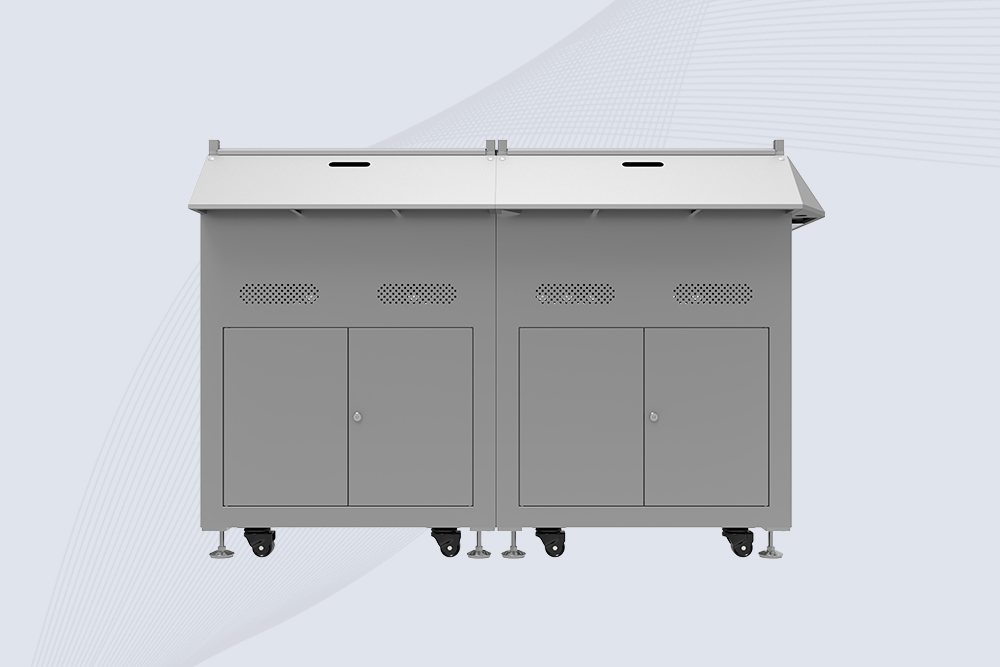
Cykeo CYKEO-S1 RFID library book return sorting system processes 1200 books/hour with modular design and dual-frequency RFID support. Ideal for automated library book sorting and categorization.
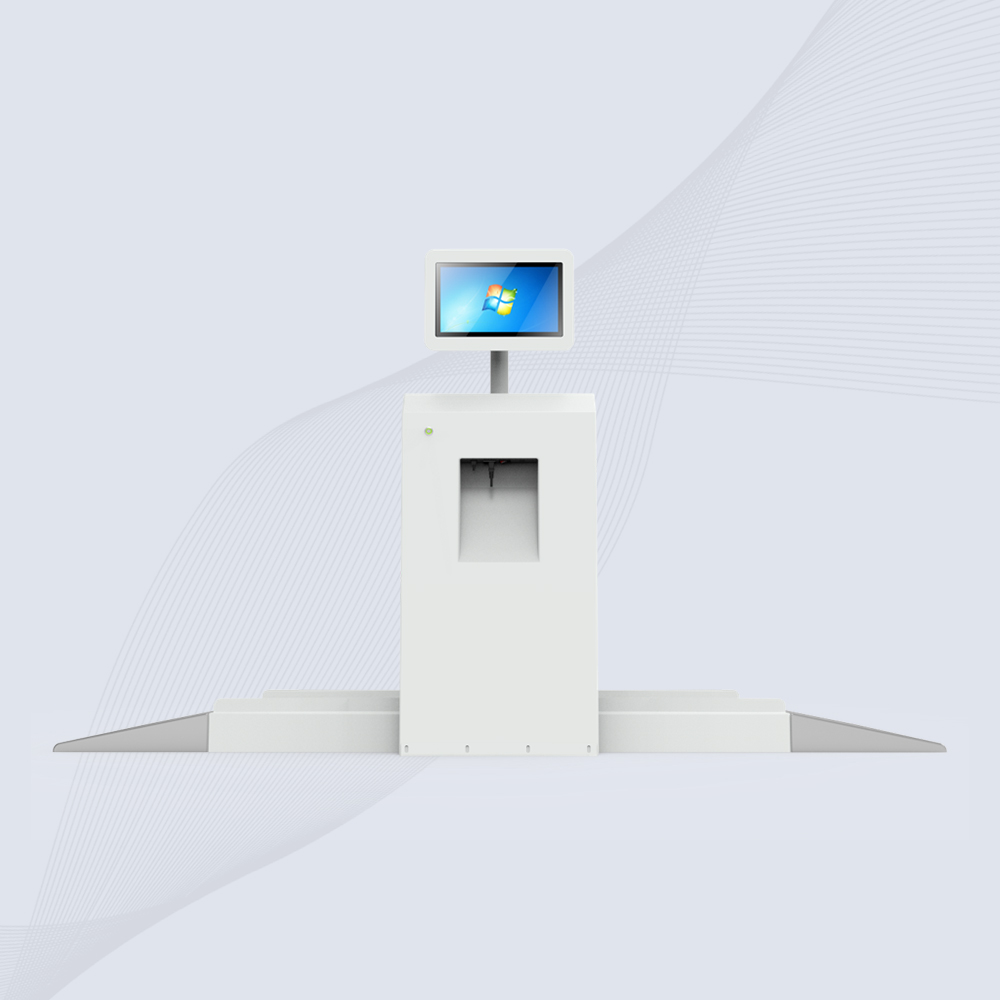
Cykeo CYKEO-TP2C RFID tunnel reader verifies 400+ items in 3 seconds with 4-antenna array and PLC control. Ideal for warehouse inventory management with 99.9% accuracy.
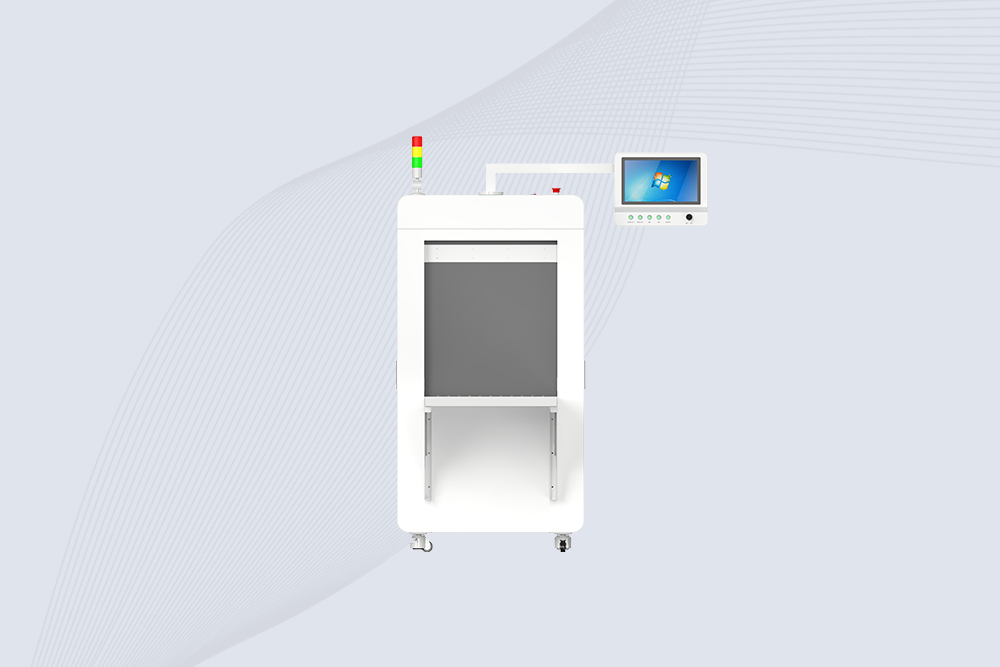
Cykeo CYKEO-TP2D compact RFID tunnel scanner reader offers enclosed scanning with auto-shutter door and IR-activated conveyor. Ideal for mid-scale warehouse inventory management.
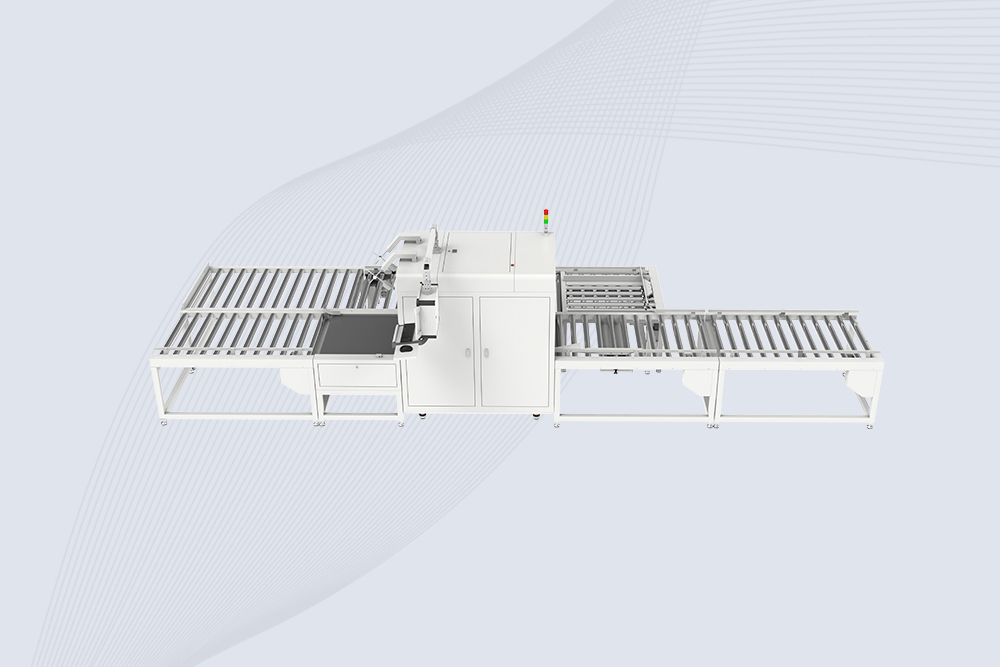
Cykeo CYKEO-TP2A RFID tunnel reader verifies 400+ items in 3 seconds. Integrates RFID, barcode, weighing, and automated sorting for warehouse logistics. Boosts accuracy to 100%.
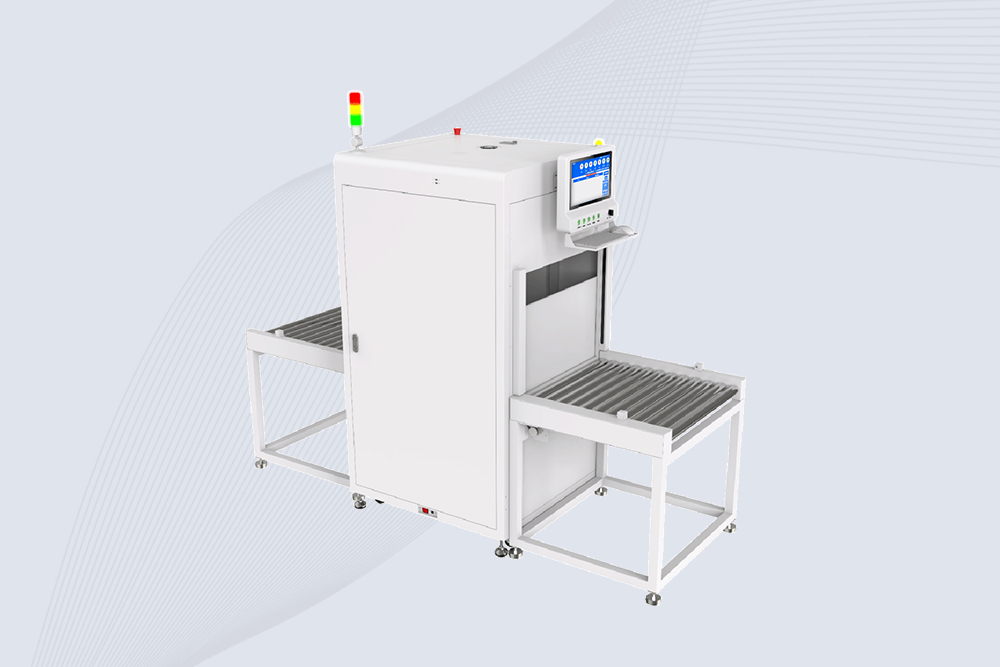
Cykeo CYKEO-TP2BC RFID warehouse inventory tracking system delivers 3-second bulk scans with 99.9% accuracy. Features ISO 18000-6C compliance, ERP integration, and cold chain support for logistics/manufacturing.
Wondering can nfc reader read uhf rfid tags? I tested this myself. Here's why your phone won't read warehouse tags and what actually works with CYKEO hardware.
More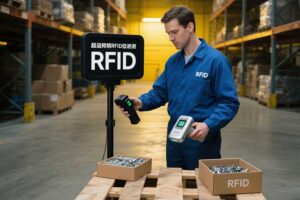
Choosing between UHF and HF RFID readers for your warehouse? We compare range, accuracy, and costs to help you pick the right tech.
More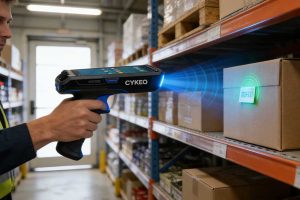
Curious how does an RFID antenna work? We break down the two-step process of sending power and receiving data that makes wireless tracking possible.
More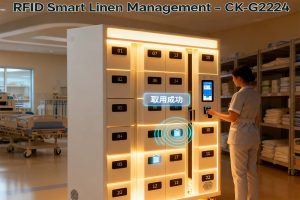
Discover how RFID smart linen cabinets like Cykeo CK-G2224 help hospitals automate linen tracking, reduce waste, improve infection control, and save staff time.
More