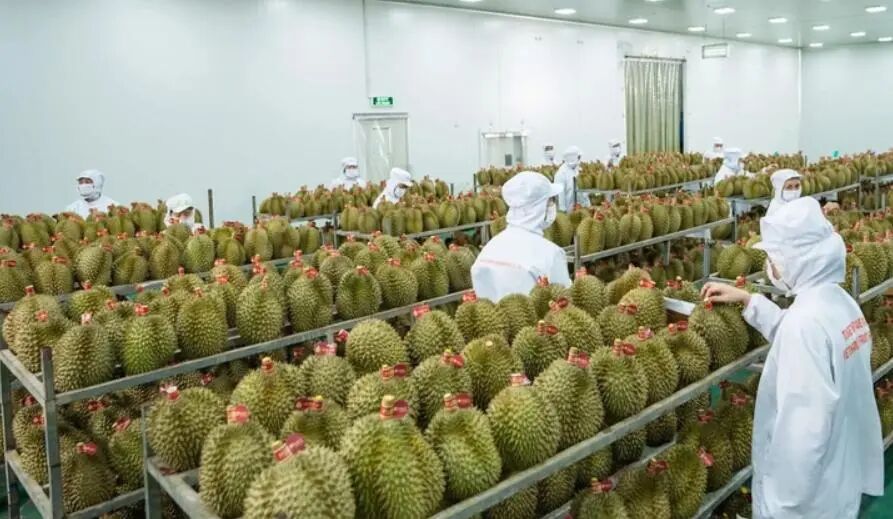
On December 13, Vietnam’s Minister of Agriculture and Environment, Tran Duc Thang, signed a decision to launch a pilot program for durian traceability.
Under the plan, the Ministry of Agriculture and Environment will build a durian supply chain model that fully complies with traceability, quality, and food safety regulations, providing the foundation for pilot implementation.
From a technical perspective, the focus of this initiative is not on “showcasing traceability,” but on establishing a long-term, reusable digital foundation for agricultural products through standardized data collection and identity management.
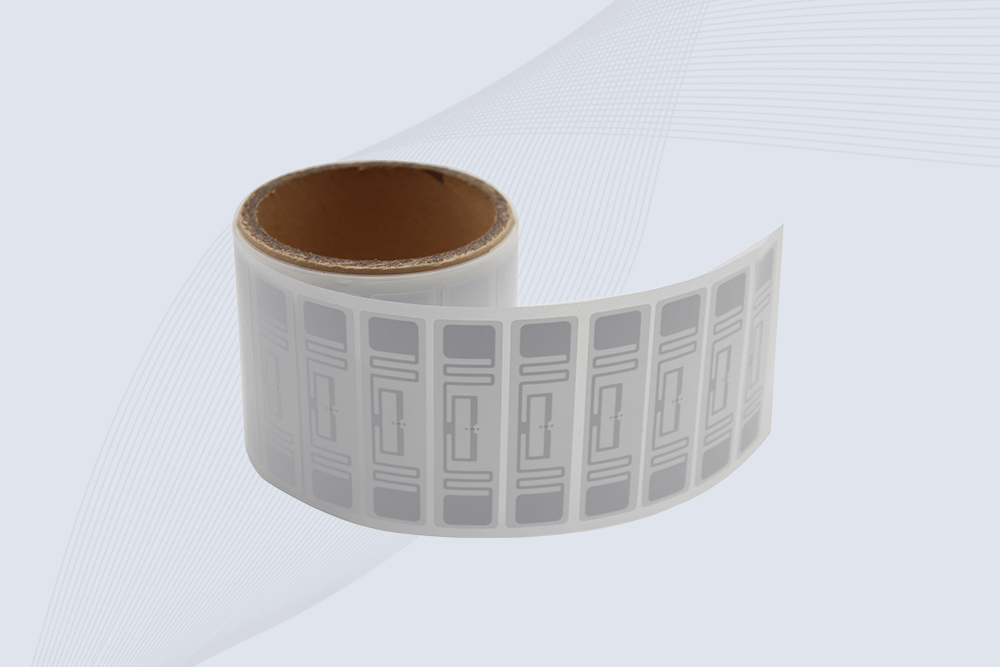
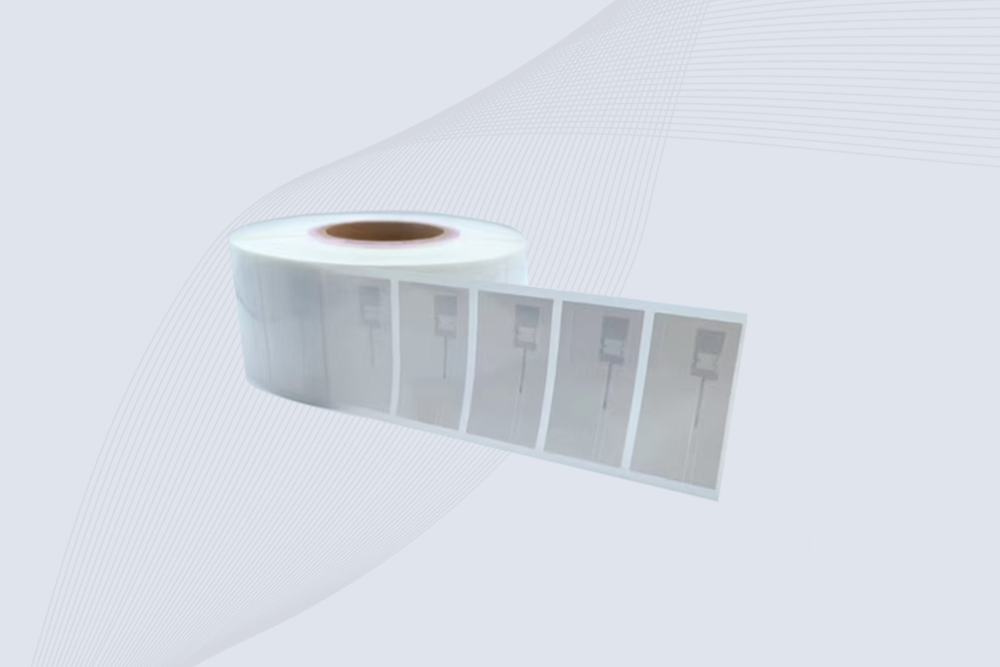
In the export market for high-value fruits, durians are characterized by large volumes, fast circulation, and stringent quality requirements. Traditional approaches based mainly on manual records or single QR codes struggle to support large-scale management. This is why Vietnam has simultaneously introduced automatic identification technologies such as RFID and NFC in the pilot program.
Upgrading Traceability Systems: From “Visible” to “Automatically Recorded”
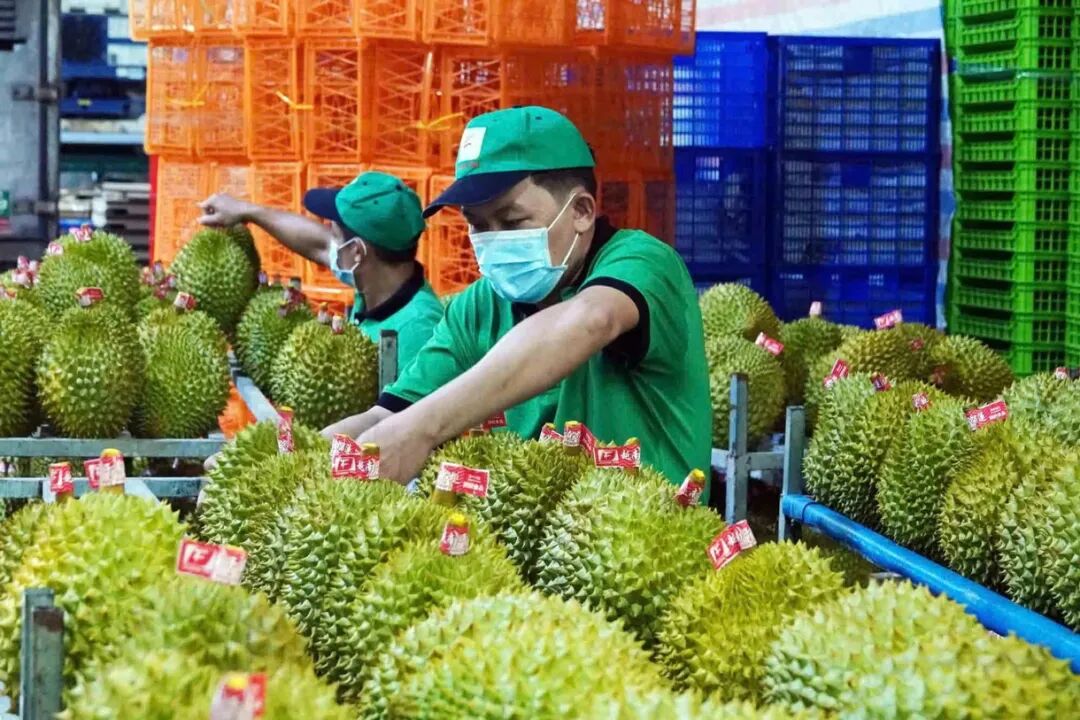
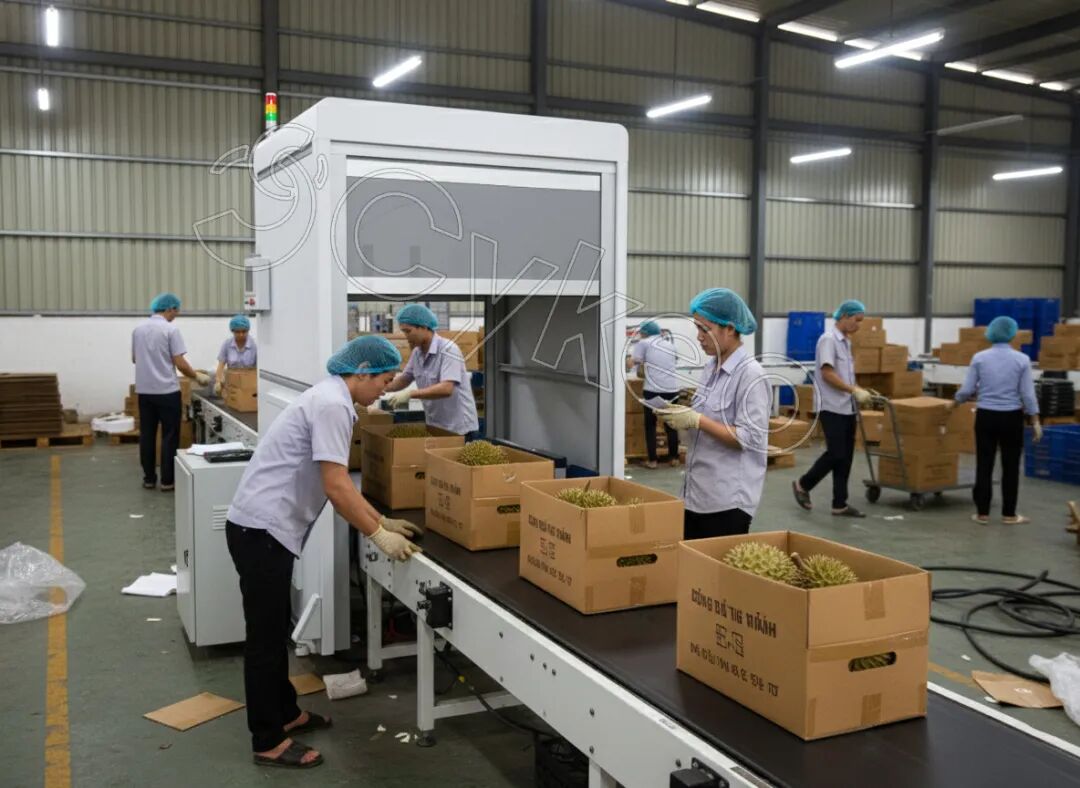
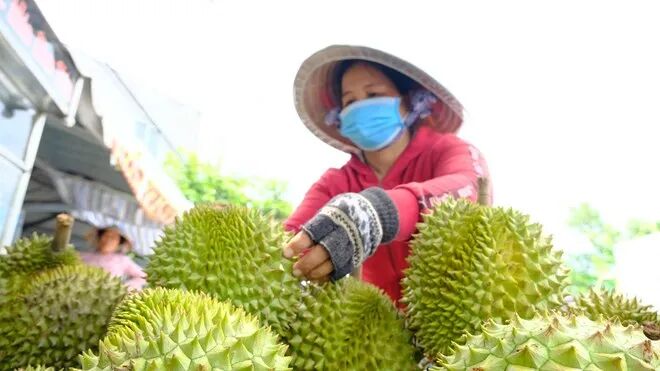
The system enables continuous data records to be generated across all major stages—orchards, procurement, grading, packaging, transportation, and other key processes. Information no longer relies solely on manual input; instead, data is automatically captured during circulation through RFID tags and terminal devices. The pilot period runs from January 1, 2026 to June 30, 2026.
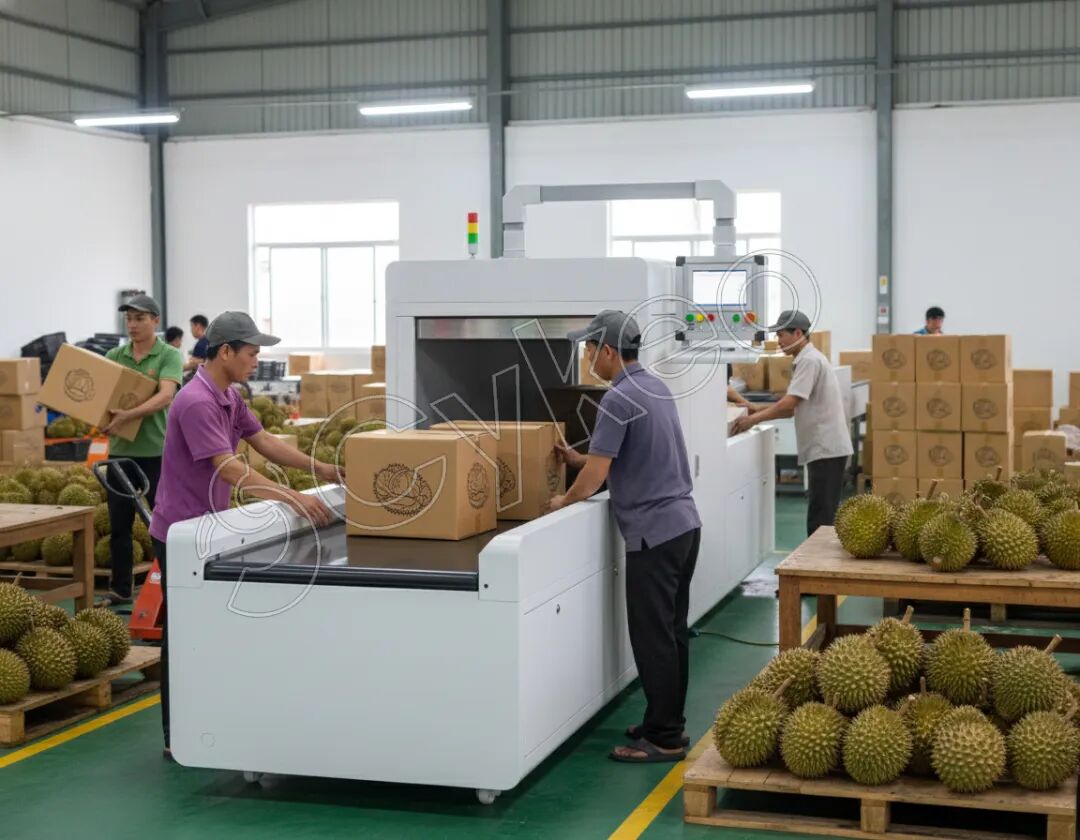
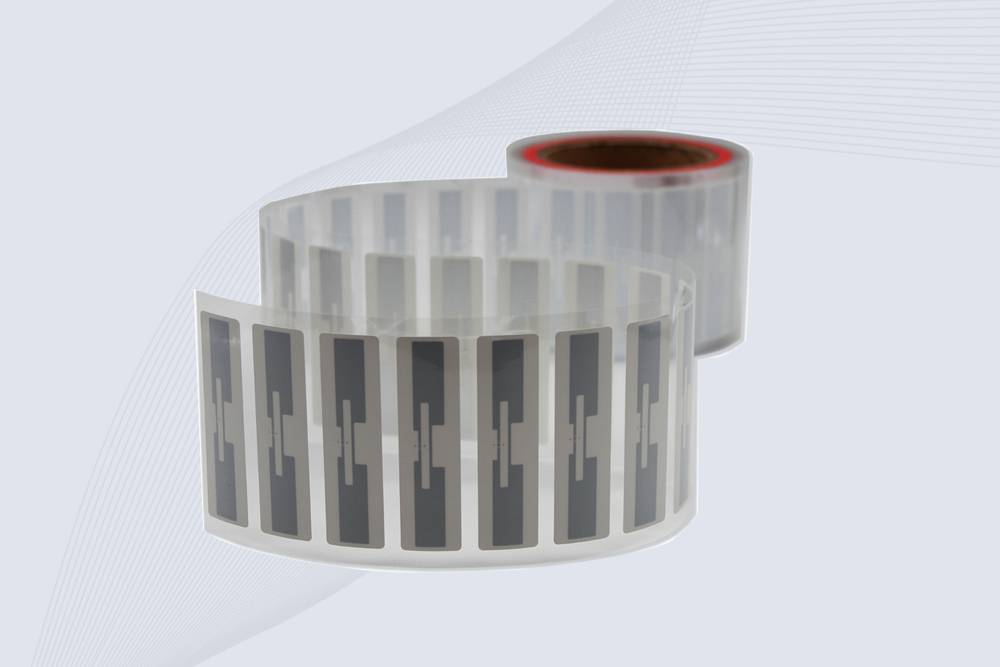
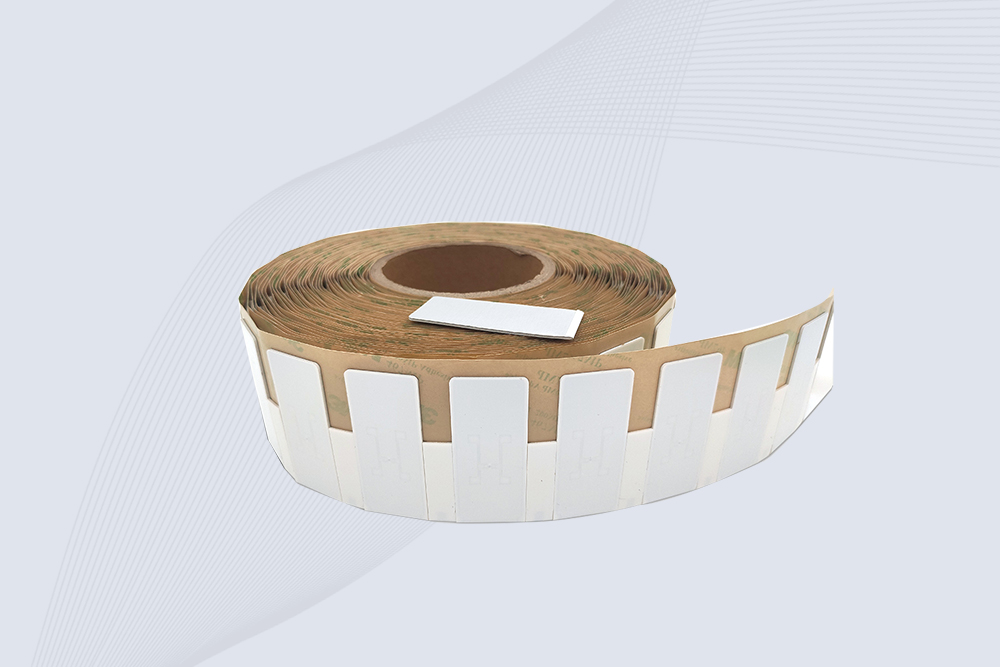
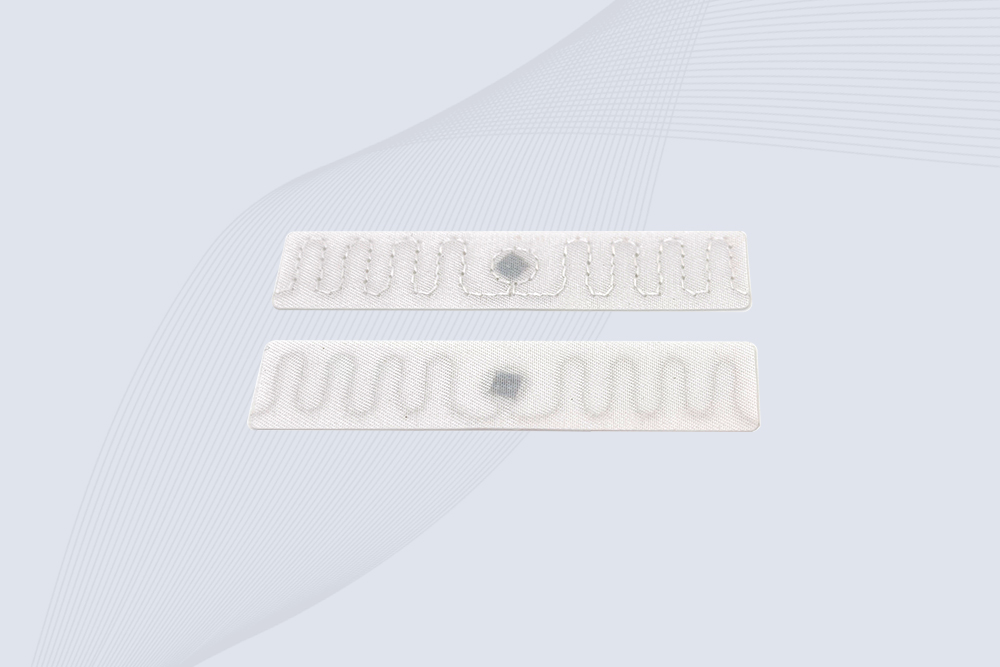
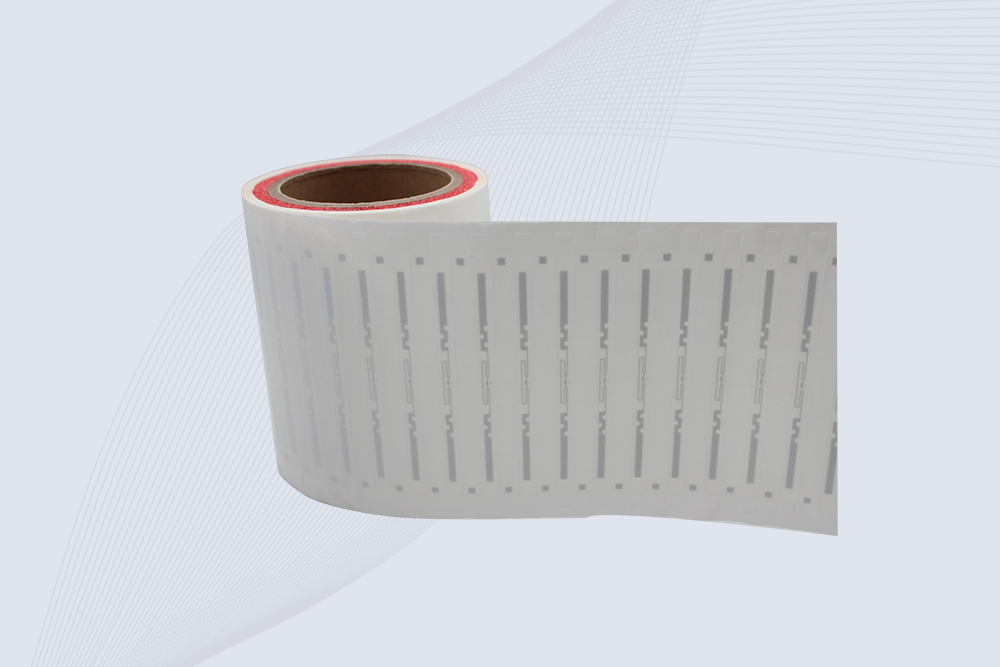
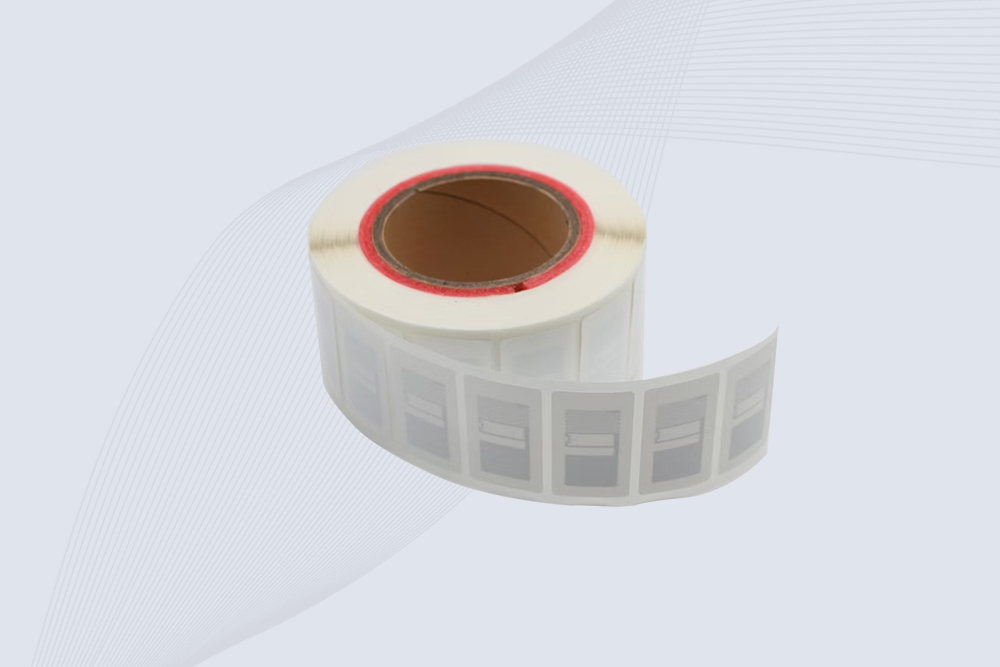
Compared with single-point scanning, RFID is better suited for high-frequency operations such as sorting, warehousing, packing, and logistics. It enables batch identification and rapid verification without changing existing operating practices. This technical approach has been repeatedly validated in materials circulation and asset management, and is now being introduced into agricultural product traceability systems.
Within Cykeo’s RFID application framework, rfid reader mainly handle RFID tag encoding, identity binding, and process data collection, focusing on whether data sources are stable, continuous, and traceable. This logic aligns closely with the core requirements of agricultural traceability systems.
Not Just Consumer Transparency, but Supply Chain Control
After the traceability system goes live, consumers will be able to scan tags to view origin and inspection information—this is the most visible change. From an operational perspective, however, the more important shift lies in how the supply chain itself is managed.
When each batch of durians is assigned a clear digital identity, enterprises can gain greater visibility into inventory status, flow paths, and responsibility points. In the event of quality issues, specific batches and stages can be quickly identified, rather than relying on experience or post-incident investigations.
This model mirrors the RFID management logic commonly used in warehousing and tool management scenarios: first ensure reliable identification, then move on to system integration and data analysis. In related projects, Cykeo typically combines RFID smart terminals with backend systems to ensure long-term stability of front-end data collection, providing a trustworthy foundation for subsequent management.
From Technical Pilots to Institutional Development
Vietnam has explicitly stated that the traceability pilot will advance in parallel with regulations, technical standards, and personnel training. This indicates that the system is not a short-term project, but a component of the country’s future national agricultural product management framework.
Within this structure, RFID is no longer merely an identification tool; it becomes a critical entry point for data compliance and regulatory coordination. Only by integrating IoT devices for environmental data collection and incorporating anti-tampering mechanisms can traceability systems achieve real long-term operational value.
In practical deployment, higher demands are placed on terminal devices in terms of environmental adaptability, read/write stability, and system compatibility. This is why industrial-grade RFID equipment is increasingly being adopted in agriculture and food-related fields.
Starting with Durian, Traceability Systems Are Being Replicated
According to the plan, after the durian pilot concludes, Vietnam will evaluate system performance, costs, and participation levels, and gradually extend this model to other key agricultural products, with the goal of establishing a nationwide agricultural traceability system by the end of 2026.
From an industry development perspective, RFID is evolving from a single-scenario tool into a cross-industry, universal digital identity carrier. Whether for assets, materials, or agricultural products, the core logic remains the same: building trusted data through stable identification.
This is also why Cykeo continues to invest in RFID smart terminals and system integration. When traceability becomes infrastructure, what truly matters is whether the underlying identification and data collection are reliable enough and capable of sustaining long-term operation.
A single durian affixed with an RFID electronic tag represents an entire digital management system that is steadily taking shape.
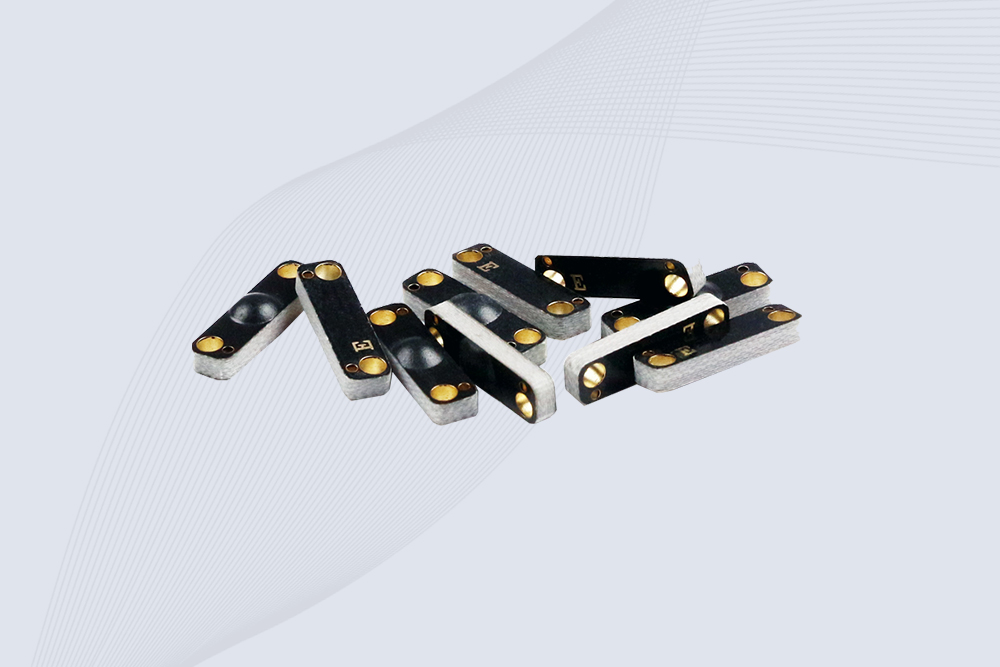
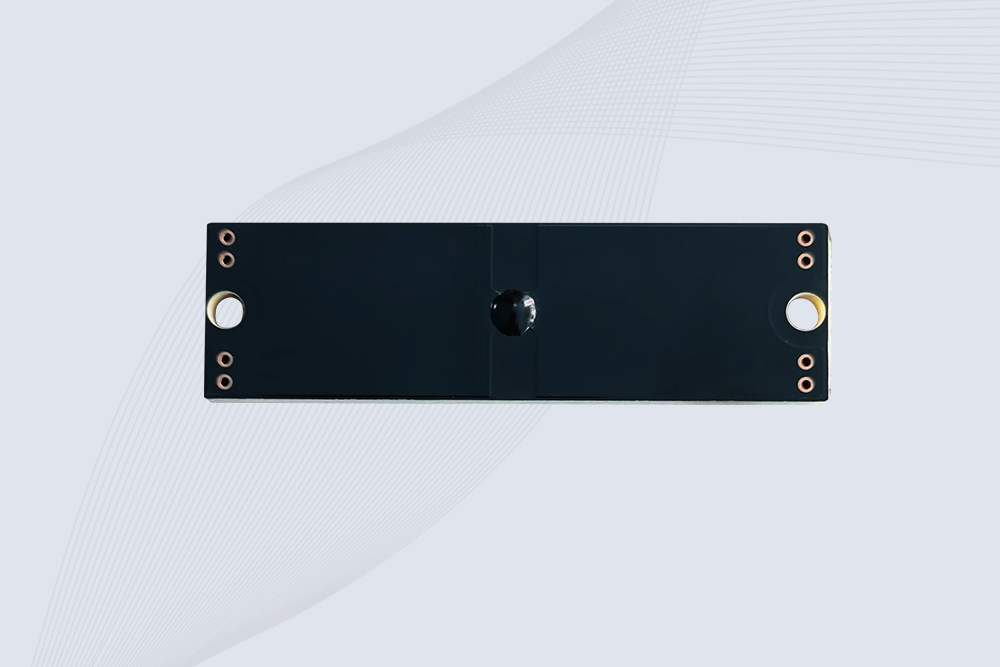
UHF RFID Tags Recommended
 Cykeo RFID IoT Solution Products R&D Manufacturer