Imagine walking into a crowded event, people everywhere, or managing hundreds of pieces of equipment spread across warehouses. Now, think about trying to gather useful data in both situations—without losing your mind. That’s exactly where RFID data collection comes in. It captures real-time information without anyone having to scan a single barcode manually.
From automatic inventory counts to smooth check-ins at events, RFID systems connect the real world with the digital. But here’s the thing: just putting tags on items isn’t enough. You need to understand how to collect the data, make sense of it, and actually use it. Otherwise, all those readings are just numbers sitting in a database.
Section 1: What is RFID Data Collection?
So, what is this RFID data collection everyone talks about? At its simplest, it’s reading information from RFID tags using special readers, then storing and analyzing it to make smarter decisions. Unlike barcodes, RFID doesn’t need to “see” the item, and it can pick up multiple objects at once—sometimes even noting the time or environmental conditions.
Here’s the lowdown:
Passive vs Active Tags
Passive tags rely on the reader’s signal to power up. Cheap, short-range, and effective.
Active tags have their own battery. They reach farther and carry more data.
Data You Can Collect: Unique ID, time stamps, location, and sometimes temperature or humidity.
Where It’s Used: Inventory audits, asset tracking, event check-ins, supply chain monitoring, and even seeing how people move and behave.
Jump in thinking: Many assume RFID is just for objects. But honestly, it can reveal human movement patterns too. Think about that—your attendee data and inventory data are collected the same way. It’s a bit mind-blowing if you stop and think.
Section 2: How RFID Data Collection Works
Here’s how it usually goes down:
Tagging: You stick RFID tags on items, equipment, or event wristbands. Each tag is unique.
Reading: Readers send out electromagnetic waves to “wake up” nearby tags. Passive tags need this to respond.
Data Transmission: The reader sends everything it collects to a database or asset management system.
Processing & Analysis: That data is then used to track locations, monitor usage, or make processes more efficient.
Little thought jump: Think of every tagged object as a “digital actor.” Each one has a story—when it moves, where it goes, how long it hangs around—and all those stories together help you make better decisions.
Section 3: Applications of RFID Data Collection
3.1 Asset Tracking
Tracking machinery, tools, or equipment across locations is simpler than ever.
Real-time tracking cuts down losses, improves maintenance schedules, and creates records you can actually use.
Example: A warehouse scanning hundreds of items in seconds—no one needs to spend hours counting.
3.2 Event Check-Ins and Behavior Analysis
Attendees wear RFID wristbands or badges.
Check-in happens automatically, while organizers can see traffic patterns, popular areas, and engagement levels.
Bonus: You can even enable cashless payments or offer personalized experiences.
3.3 Supply Chain Monitoring
Items tagged during production or shipping can be tracked across distribution networks.
Inventory accuracy improves, shrinkage decreases, and bottlenecks become obvious.
Thinking jump: See the pattern? Assets, people, or shipments—they all become sources of actionable insight. That’s why this tech is spreading fast across industries.
Section 4: Challenges and Best Practices
Challenges:
Metal and liquids can mess with readings.
Tag placement and orientation matter a lot.
Integrating RFID into current systems takes careful planning.
Best Practices:
Test in the actual environment before full deployment.
Pick the right type of tag for your distance and data needs.
Combine RFID readings with analytics tools to make the data useful.
Place readers strategically so nothing important gets missed.
Subtle thought: RFID is more than a tool—it’s a mindset. Moving from reactive monitoring to proactive, data-driven thinking is what really makes it valuable.
Conclusion
RFID data collection isn’t optional anymore; it’s a game-changer. From streamlining check-ins to revolutionizing asset tracking, it turns real-world behavior into insights you can act on.
Deploying RFID successfully isn’t just hardware—it’s designing a system where every tag read becomes intelligence. That’s what improves efficiency and uncovers patterns you’d never see with the naked eye.
Final thought: Every object, every attendee, every asset has a story. RFID data collection just gives us a way to hear it—and act.
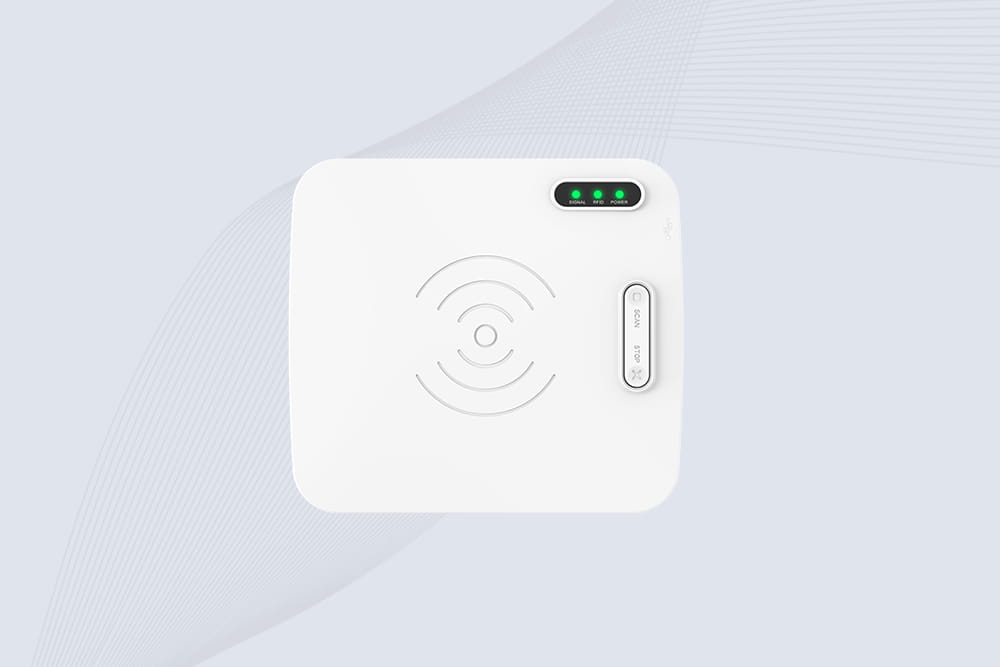
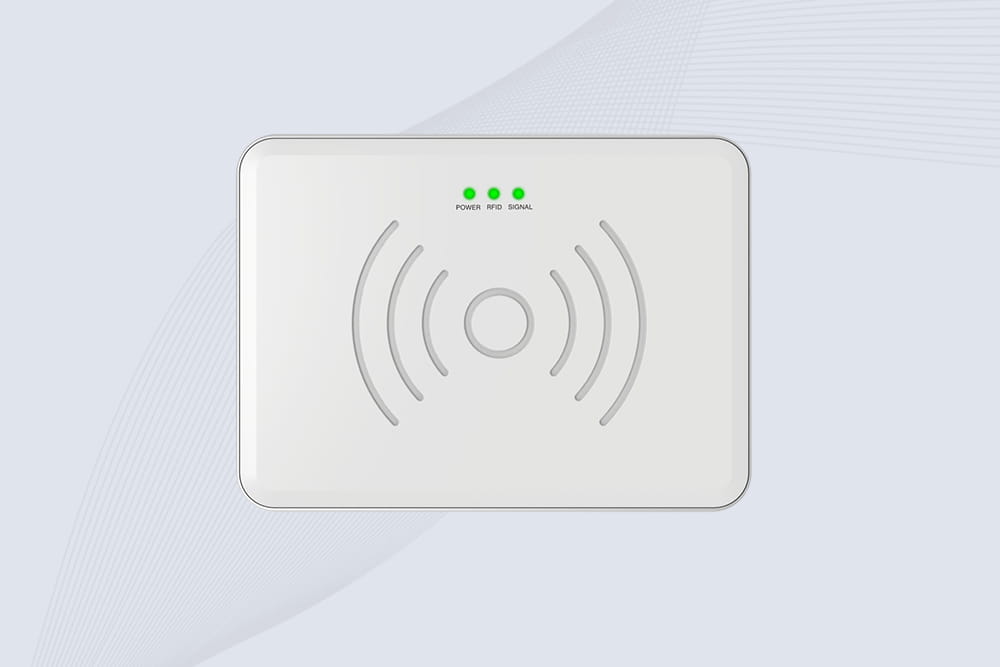
CYKEO CYKEO-D1LA USB RFID Reader is a compact desktop solution with near-field control for precise tag reading and encoding. Powered by USB, supporting ISO 18000-6C, and built for stable batch writing, this usb rfid tag reader fits retail, libraries, offices, and controlled RFID encoding tasks.
CYKEO CYKEO-D1L RFID scanner USB is a compact desktop UHF RFID scanner designed for short-range tag writing and verification. This usb rfid scanner supports batch encoding, stable 0–26 dBm output, and works across Windows, Linux, and Android systems.
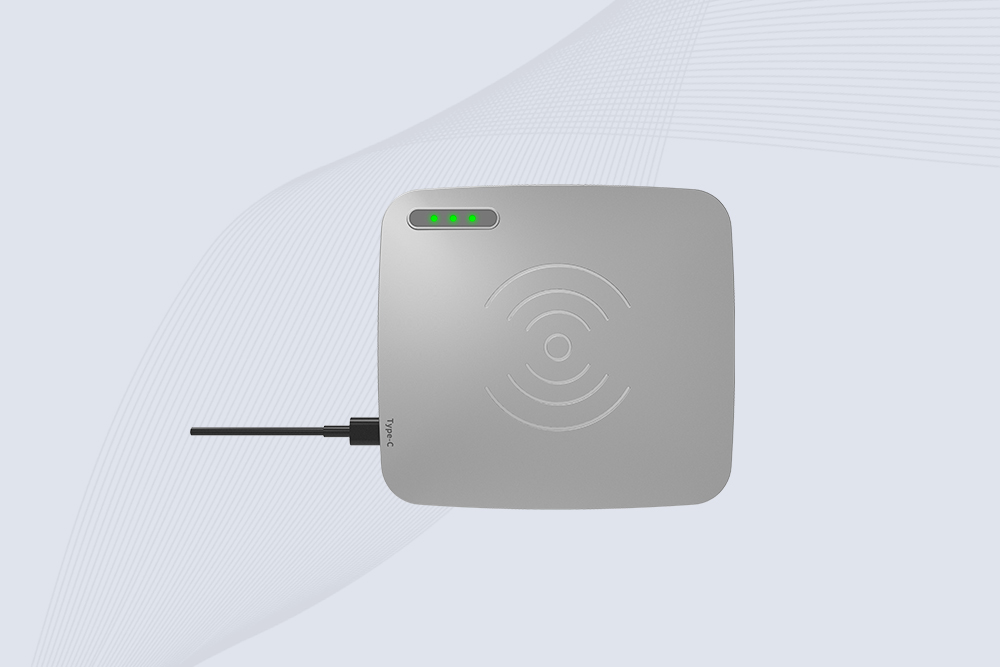
CYKEO CYKEO-D1C USB RFID Card Reader is a near-field UHF desktop writer designed for secure, short-range tag encoding. With USB-C connectivity and stable 26 dBm output, this rfid reader usb c is ideal for badge issuance, label encoding, and controlled desktop RFID workflows.
CYKEO CYKEO-D2L RFID Reader USB is a compact desktop encoder built on the Impinj R500 chip. With near-field control and stable USB power, this usb rfid card reader delivers precise tag writing for offices, retail counters, and small-scale logistics encoding tasks.
Upgrade your storage with the CK-G68 RFID Smart Book Inventory Cabinet. Featuring RFID tech, dual-system support, solar power, and an easy upgrade path, it’s perfect for universities, libraries, and archives.
See how the Cykeo CK-GY2B RFID medical storage cabinet helps hospitals manage medical supplies more accurately, reduce loss, and simplify daily inventory work with real-time tracking.
Buying in Bulk: Are RFID Tags Really Worth It? Honestly, when I first dealt with RFID tags, I thought, “It’s just a sticker, right? How hard can it be?” Turns out, I was dead wrong. One tag here and there? No problem. But when you hit hundreds,...
 Cykeo RFID IoT Solution Products R&D Manufacturer