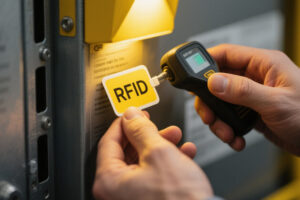
RFID tags sound technical at first — a little abstract, maybe. But once you’ve touched warehouses, access control systems, or asset tracking projects, you realize they’re everywhere, quietly doing their job.
Let’s walk through this the practical way — not textbook theory, just how RFID tags behave in real deployments.
What an RFID Tag Really Is — and How It “Sees” the World
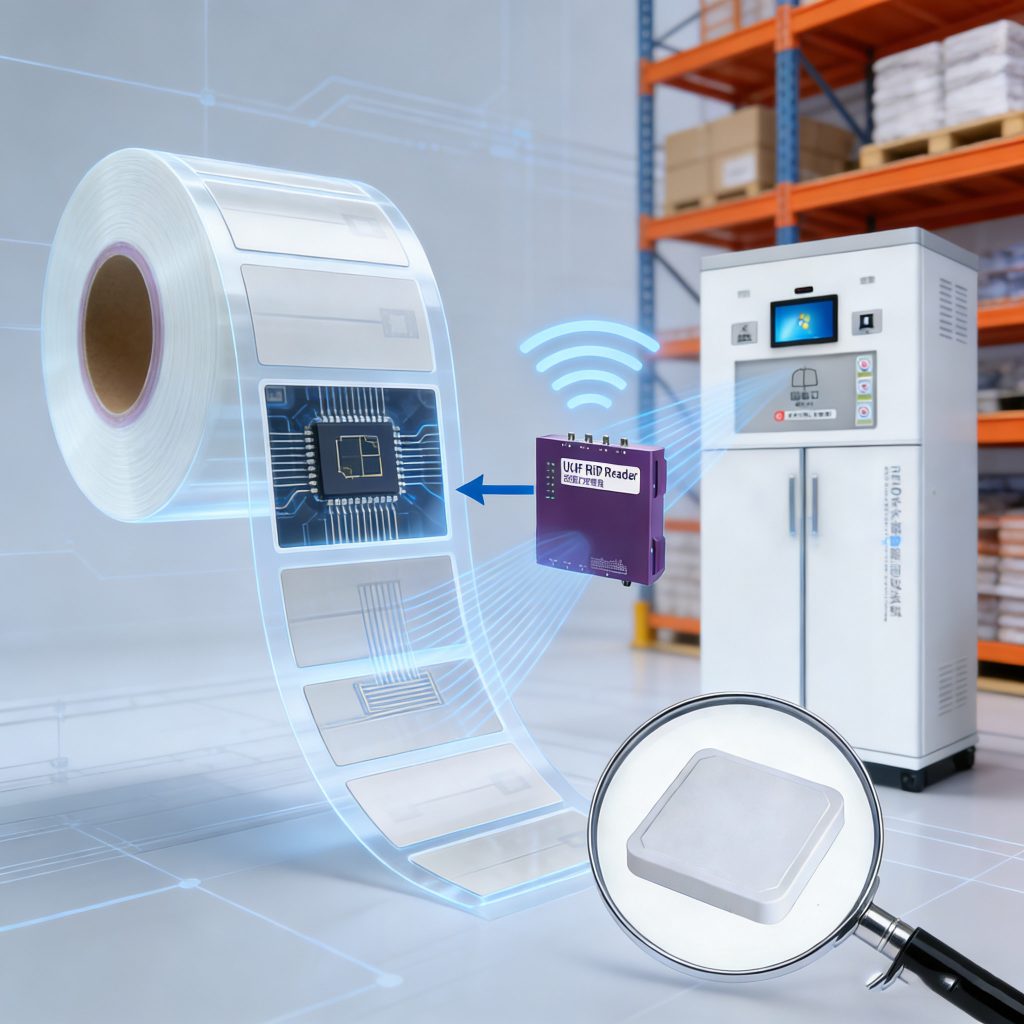
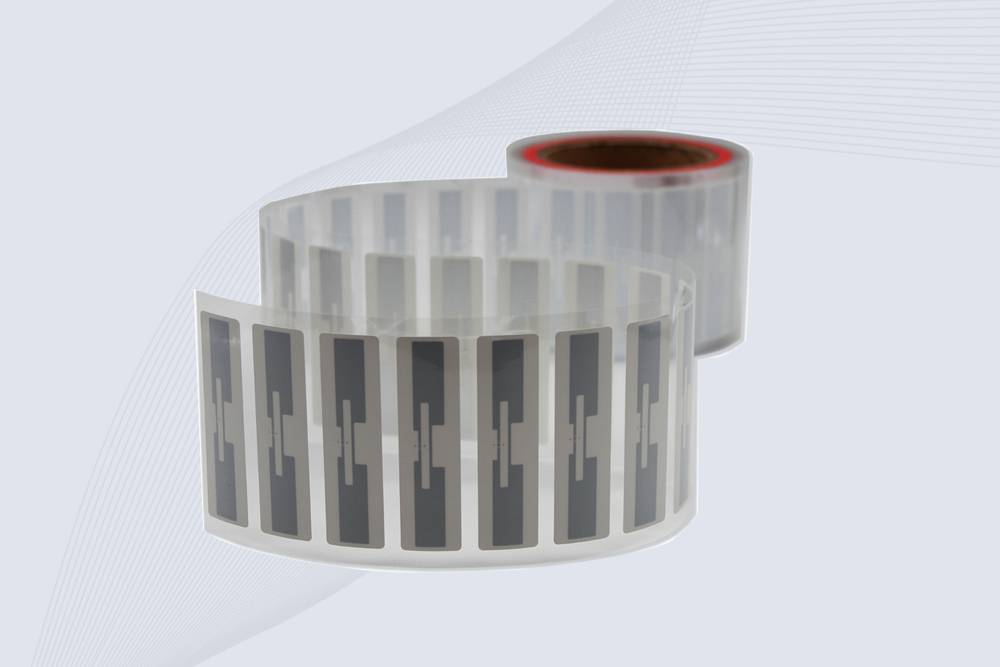
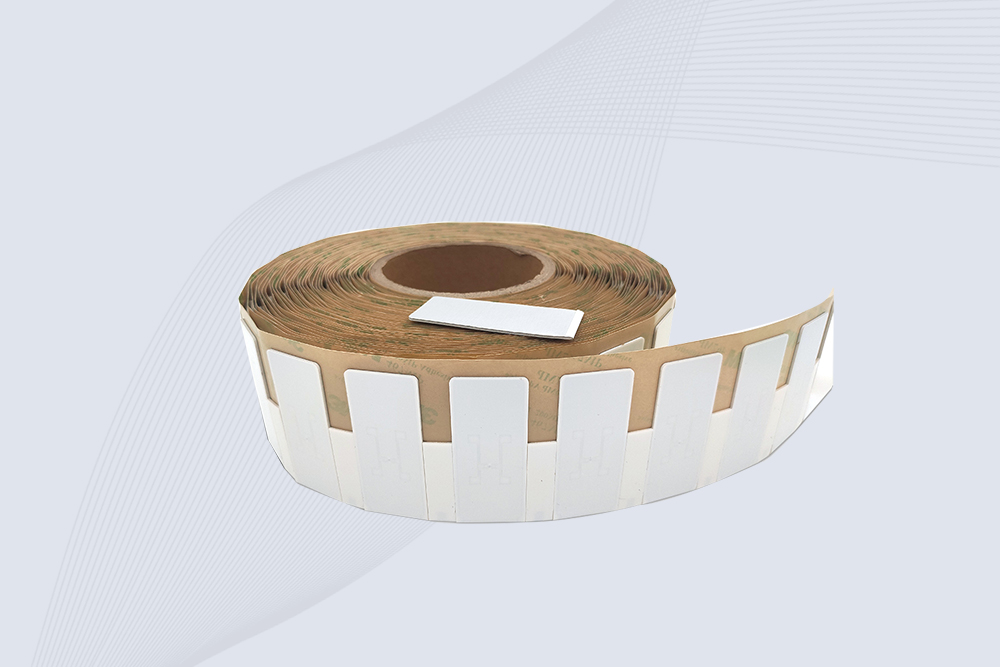
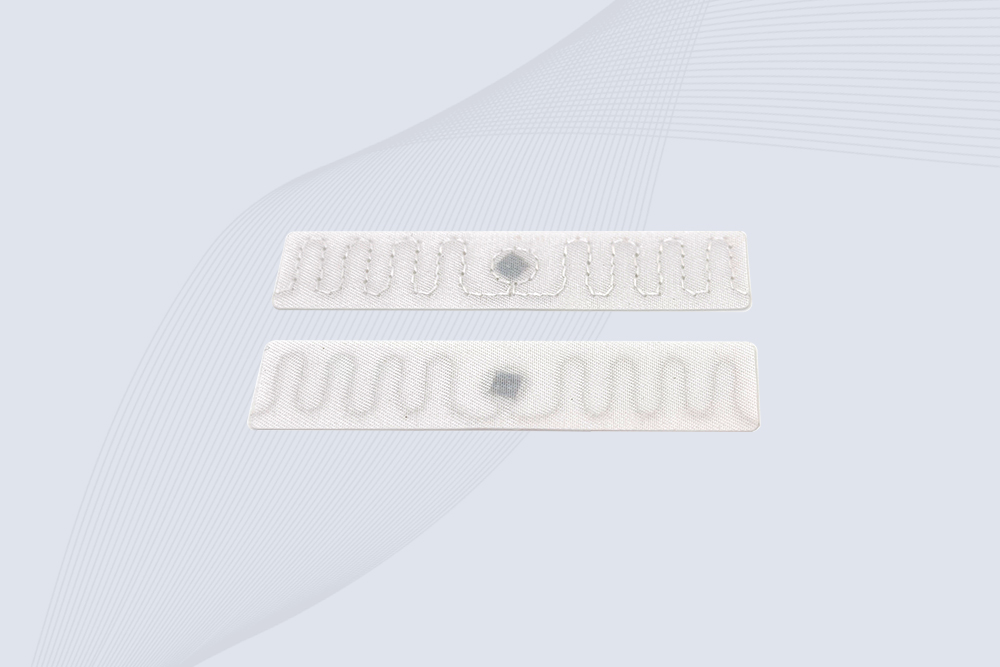
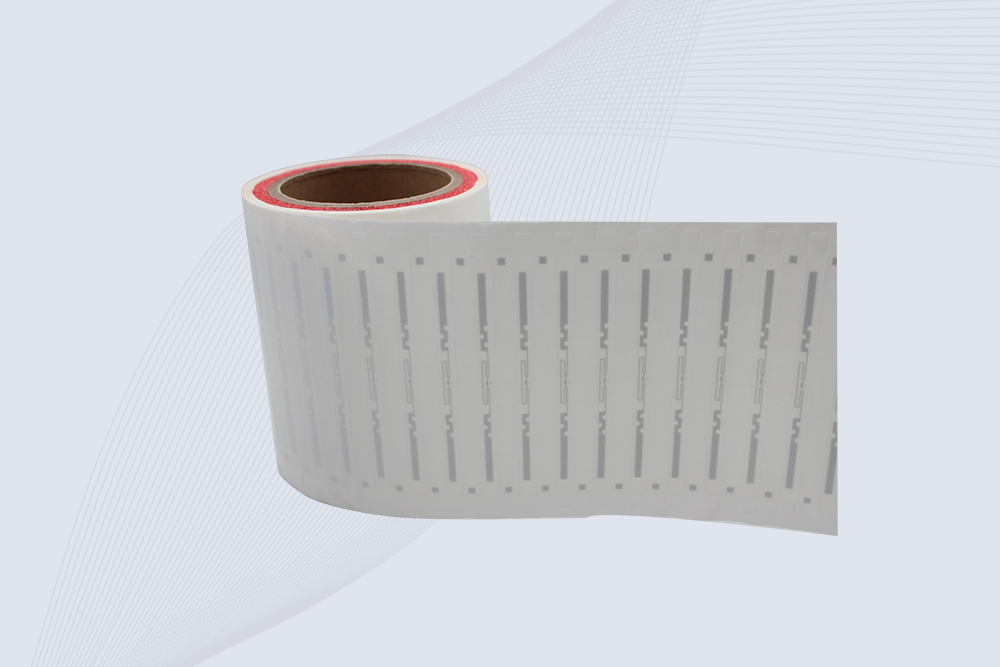
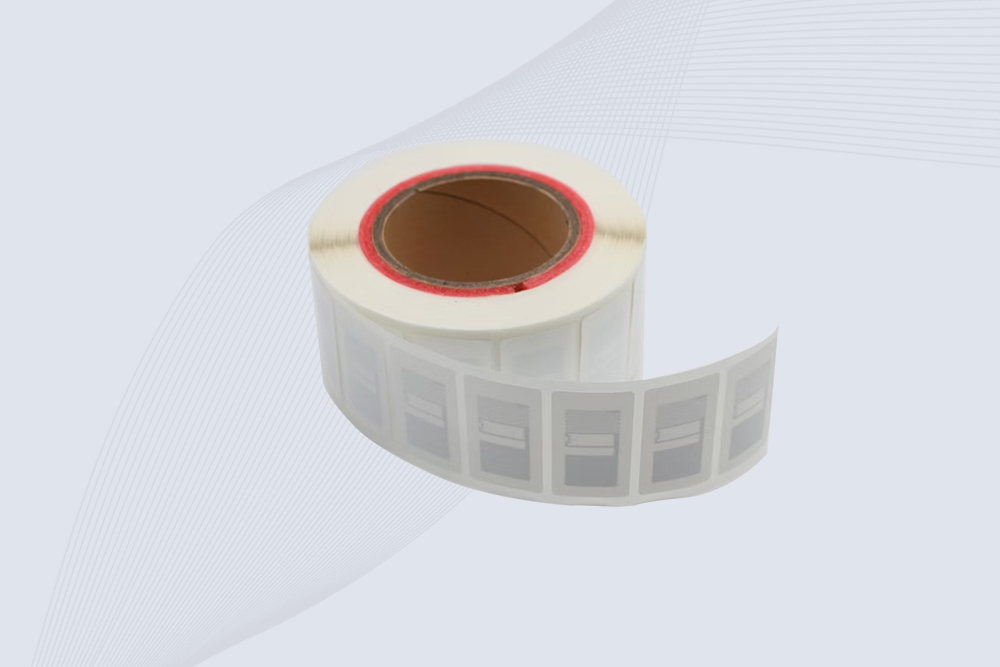
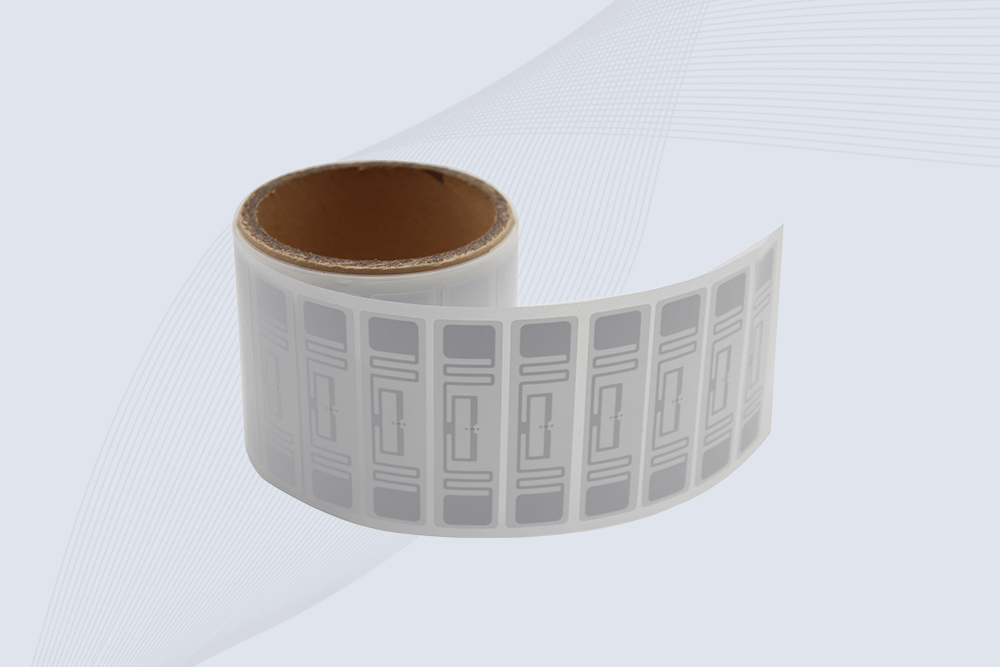
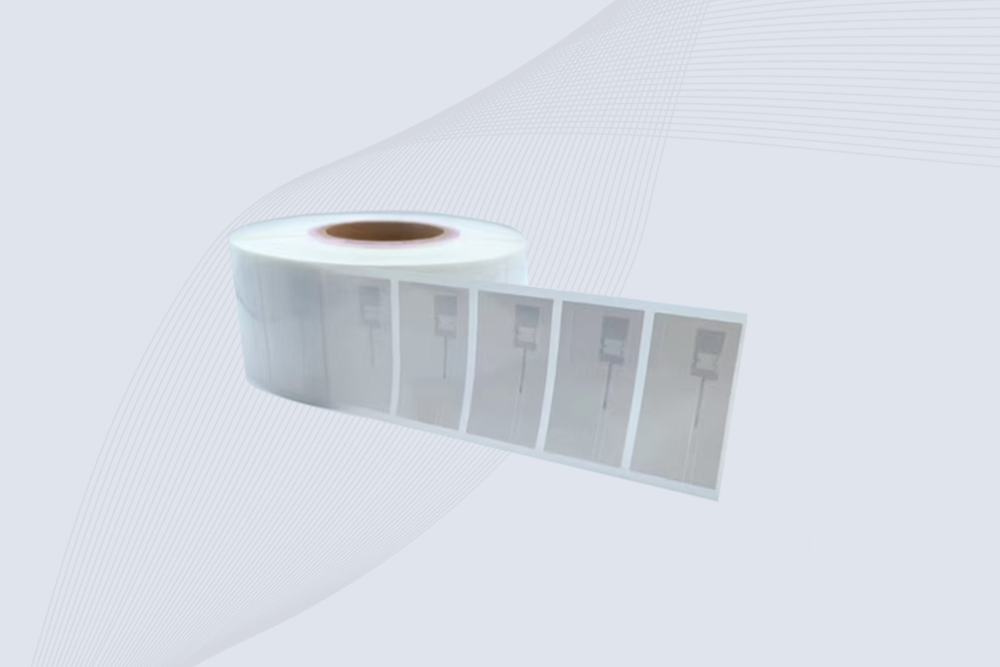
At a basic level, an RFID tag is just a microchip plus an antenna — no screen, no buttons, usually no battery.
What makes it interesting is how it responds to a reader’s signal.
When a reader sends out a RF wave, the tag’s antenna captures that energy. For passive tags, this energy is enough to awaken the chip and let it reflect data back. If you want the full breakdown of this mechanism, including energy harvesting and backscatter communication, check out how RFID tags work.
The key idea is this: the tag doesn’t transmit actively like a radio. It reflects. That’s what makes passive tags small, cheap, and maintenance-free.
Active tags are another class — they have built-in batteries and stronger signals, suitable for long-range tracking where you need distance more than low cost.
How Can You Tell If an RFID Tag Is Actually Working?
This is the part that matters when you’re hands-on with your hardware.
You might understand RFID on paper, but still be stuck wondering whether a tag in your hand is dead, incompatible, or just being tested wrong.
1) Can You Test an RFID Tag with a Smartphone?
Sometimes — but only for certain kinds of tags.
Most modern smartphones include an NFC module, which is essentially a high-frequency RFID (13.56 MHz) subset. That means phones can interact with HF and NFC-compatible tags.
This is exactly what people mean when they talk about how to test RFID tags with a phone. With NFC enabled and a simple NFC utility app, placing a compatible tag near your phone can reveal its UID, tag type, or stored information.
But here’s the catch: phones cannot natively read UHF or LF tags. So if you try this on a UHF logistics label and see nothing, that doesn’t necessarily mean the tag is dead — it may just be the wrong frequency for your phone.
2) Reliable Ways to Check RFID Tag Status
When you need certainty, a dedicated RFID reader is the most reliable tool. A proper reader can tell you whether the tag responds, what frequency it is on, and how stable the signal is.
This is typically the quickest way to check if an RFID tag is working, especially in warehouse, manufacturing, or access-control environments.
There’s also testing in the real system. If a tag is meant to work with a gate reader, access system, or inventory tunnel, testing it directly in that environment often reveals issues you won’t see on the bench — like antenna placement, reader power settings, or interference from metal and liquids.
Sometimes the tag works just fine — it’s the environment that’s giving trouble.
Where RFID Tags Actually Make Sense
RFID isn’t valuable because it’s complicated. It’s valuable because it cuts friction.
In warehouses, it enables bulk reading instead of one-by-one scanning. In access control, it enables fast, touchless identification. In asset tracking or healthcare, it helps you locate what you need without manual searching.
But here’s the practical shift: once you understand how tags behave, choosing the right type becomes a project-level decision.
That’s where a robust catalog of industrial tags becomes useful — instead of grabbing stickers off a shelf, you select from a structured set of options filtered by frequency, environment tolerance, form factor, and application. You’ll find what you need by browsing the RFID tag product catalog, where tags are grouped by use case and physical characteristics to help you match the right hardware to the job.
Final Thoughts
RFID tags may look simple, but they sit at the intersection of radio physics and system integration.
Once you understand:
how they harvest energy,
how they respond to readers,
and how to test them properly,
they stop feeling mysterious.
At that point, RFID becomes what it’s supposed to be — a quiet, reliable piece of infrastructure that just works.
CYKEO Passive RFID Tags are made for wet and high-humidity environments where standard labels do not last. This rfid passive tag is often used around liquids, chemicals and temperature changes, providing stable reading distance and long data life for industrial tracking.
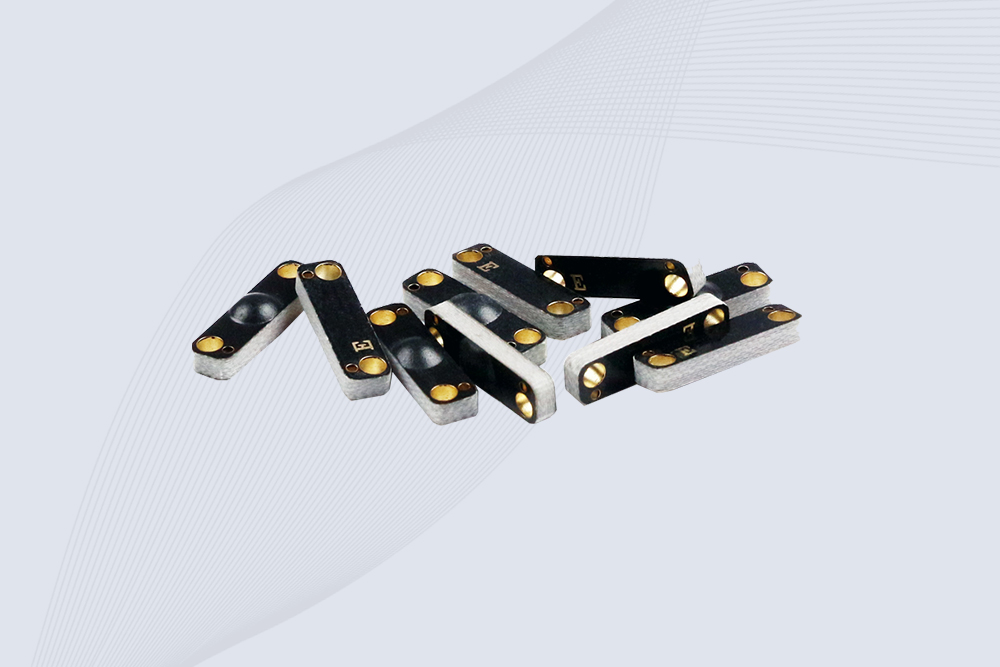
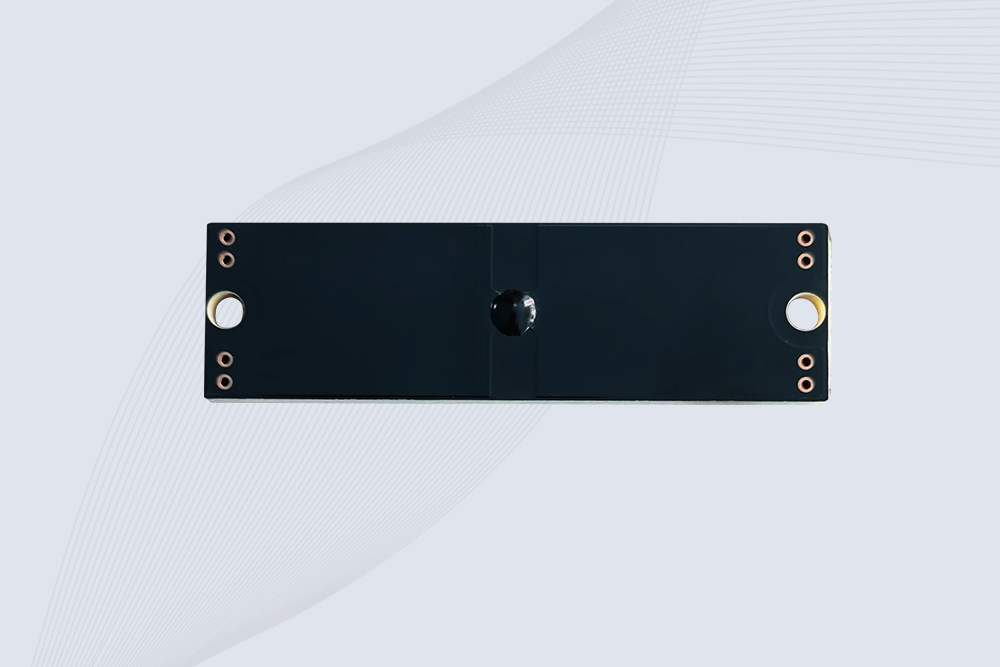
CYKEO CK-BQ1504 Metal RFID Tags is a compact anti-metal UHF RFID solution built for direct mounting on metal surfaces. With stable 8-meter read range, Ucode-8 chip, and long data retention, this rfid metal tag fits tools, containers, automotive parts, and industrial asset tracking.
CYKEO CK-BQ7020 On-Metal RFID Tags are designed for reliable tracking on steel and metal surfaces. Built with an FR4 epoxy body and industrial-grade chips, these On-Metal RFID Tags deliver stable performance, long data life, and chemical resistance, making them a dependable RFID anti-metal tag for harsh environments.
The CYKEO CK-BQ6025 Anti-Metal RFID Tag is built for metal surfaces where standard tags fail. Designed for long-range performance, harsh environments, and stable data retention, this Anti-Metal RFID Tag is ideal for industrial assets, containers, and equipment tracking using on metal RFID tags.
The CYKEO RFID Laundry Tag is designed for long-term textile identification in harsh laundry environments. Built to withstand high heat, chemicals, and repeated washing, this RFID Laundry Tag delivers stable performance for hotels, hospitals, and industrial laundry operations using laundry rfid tags at scale.
The CYKEO CK-BQ12507 RFID Book Tag is designed for reliable book and document tracking in libraries and archives. This RFID Book Tag delivers long read range, dense placement support, and stable performance on shelves, making it a practical rfid tag on books for library automation, file management, and archival systems.
CYKEO RFID tags in hospitals are designed for sterile environments where accuracy matters. These autoclavable RFID tags support long-term tracking of surgical tools, implants, and medications, helping hospitals improve visibility, compliance, and patient safety.
CYKEO RFID Cable Tie Tag is built for reliable identification on metal surfaces. This UHF RFID Cable Tie Tag is widely used in rfid tags for inventory systems, industrial asset management and Hospital RFID Tags, offering stable read performance, long service life and global EPC Gen2 compatibility.
CYKEO RFID Asset Tag is designed for stable identification of metal assets in industrial environments. This UHF RFID Asset Tag is commonly used for rfid tag asset tracking on equipment, tools and containers, providing reliable reads, long service life and ISO/IEC 18000-6C support.
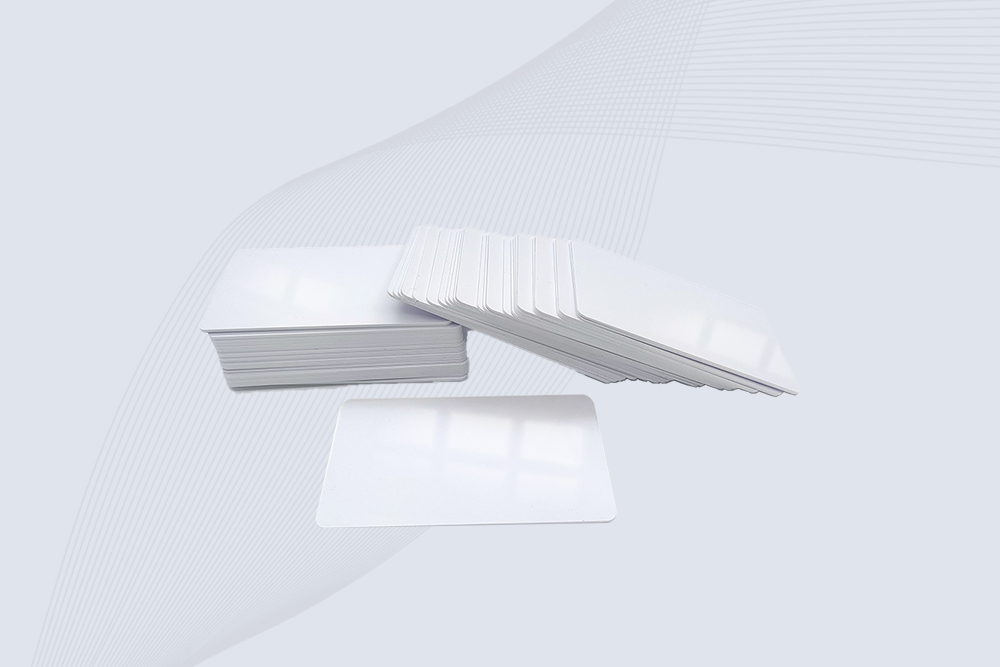
CYKEO UHF RFID Card is designed for fast identification and long-term use in industrial and commercial systems. Supporting ISO 18000-6C, this UHF RFID Card works at 860–960 MHz and is suitable for custom RFID cards used in asset tracking, access control and inventory management.
CYKEO HF RFID Cards are designed for secure and stable access control systems. These 13.56 MHz RFID key cards support ISO 14443-A, reliable rewriting and long service life, making HF RFID Cards suitable for offices, campuses, events and membership management.
CYKEO UHF RFID Tag is designed for reliable tracking of metal jewelry and high-value items. This Jewelry RFID Tag supports long-range reading up to 8 meters, anti-counterfeit protection and stable performance on metal, making it suitable for retail, inventory control and asset management.
Discover the most durable Rugged RFID tags of 2025, designed to withstand harsh conditions. Learn about their heat resistance, impact durability, and waterproofing features to improve industrial asset management.
Discover how handheld RFID scanners combat security risks like data theft, counterfeiting, and unauthorized access. Learn best practices for secure RFID use.
Wondering how to check if your RFID is working? Learn simple and effective steps to test your RFID system, ensuring it’s operating correctly. Discover tips for troubleshooting RFID issues with Cykeo technology.
RFID drone system enables fast, efficient, and low-error warehouse inventory by autonomously flying and reading RFID tags. This article explores its working principles, advantages, use cases, and future trends, helping businesses upgrade to intell...
 Cykeo RFID IoT Solution Products R&D Manufacturer