 Cykeo RFID IoT Solution Products R&D Manufacturer
USB RFID Reader vs RFID Scanner: What Is the Difference?
166USB RFID reader and USB RFID scanner are usually the same type of RFID device. The main difference is terminology: “reader” describes the hardware, while “sc...
MoreAll RFID Product
When people talk about inventory management, the first thing that usually comes up is barcodes. They’ve been around for decades, and they work, but anyone who’s spent time in a warehouse knows the drill: endless scanning, manual checks, and sometimes frustrating mismatches between what the system says and what’s actually on the shelves. That’s where RFID has slowly started to change the game.
The biggest difference with RFID is visibility. Instead of scanning one box at a time, you can literally walk past a pallet and the tags will “announce” themselves to the reader. Suddenly, you know what’s in stock, where it is, and how fast it’s moving. That real-time snapshot of inventory is what makes managers sleep better at night—no more guessing whether something is in aisle five or on the truck that just left.
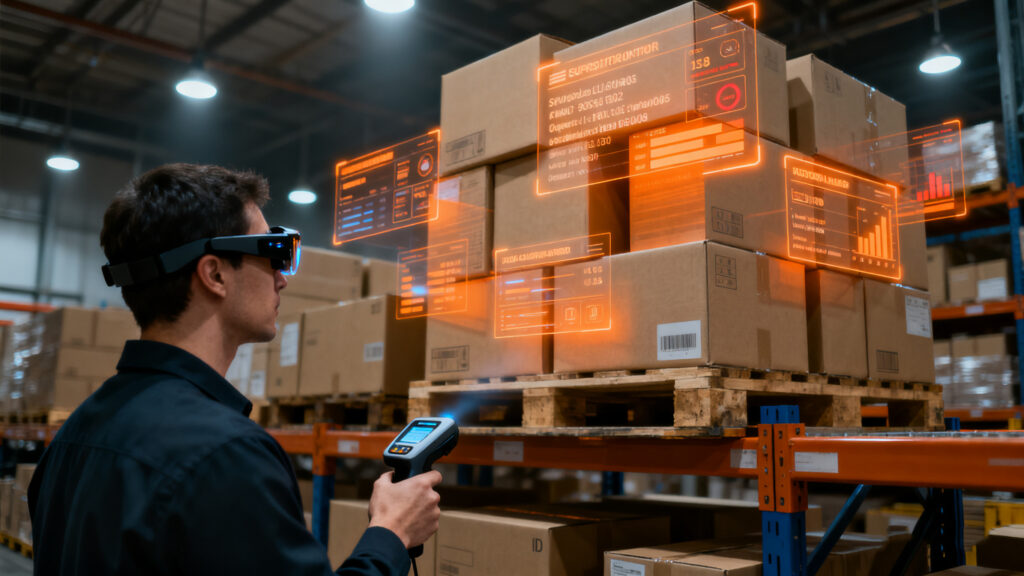
And accuracy goes up. Human error doesn’t disappear, but it drops. No forgotten scans, no mistyped item codes. If you’ve ever been stuck explaining why a shipment was short two units even though the system claimed everything was fine, you’ll appreciate how much headache RFID saves.
The tech isn’t just fancy tracking. It changes daily routines:
And there’s an underrated benefit—customer experience. If stock levels are correct, you don’t disappoint customers with “out of stock” messages or delays. That kind of reliability quietly builds trust.
Anyone who says RFID is flawless is overselling. Tags don’t love metal surfaces or water, so warehouses full of canned goods or liquids can struggle. The infrastructure isn’t cheap either; readers, antennas, integration with existing WMS or ERP systems—it adds up fast. Small businesses might hesitate just looking at the price tag.
Integration can be a headache too. If your current system wasn’t designed with RFID in mind, connecting the dots takes planning, sometimes even a full redesign of warehouse workflows. And don’t forget security—RFID tags can, in theory, be read by the wrong people if protections aren’t in place.
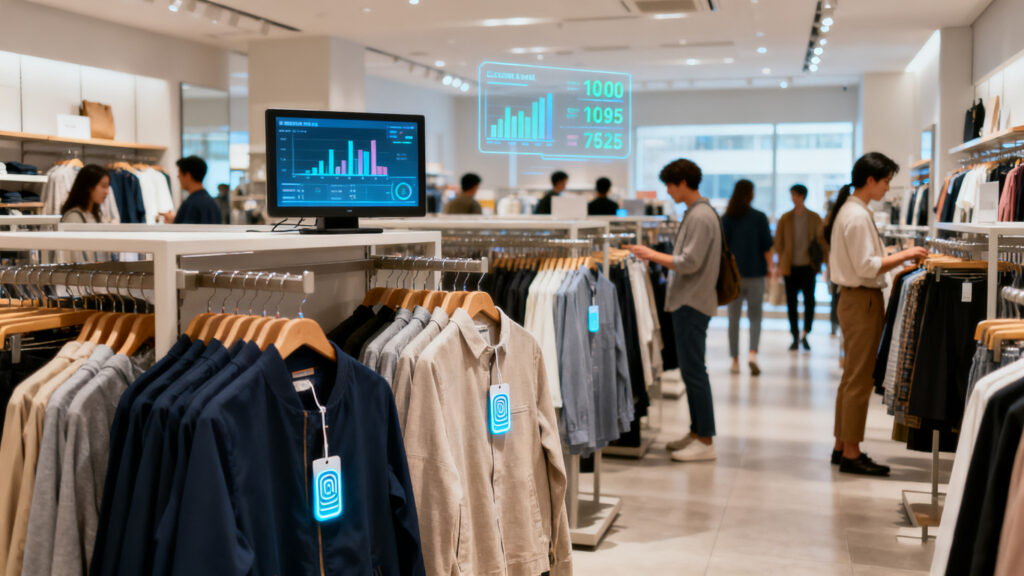
Plenty of industries have already shown what’s possible. Fashion retailers use RFID to keep store shelves accurate and to enable “ship from store” models. Cold storage warehouses rely on it to track pallets without unwrapping everything. Even manufacturers tag raw materials to know exactly where things stand on the production floor.
In each case, the pattern is the same: better data, faster decisions, fewer mistakes.
So, what’s the real use of RFID in inventory management? It’s not about shiny technology for its own sake. It’s about cutting down wasted time, reducing errors, and giving managers a clear picture of what’s happening in their supply chain. The road isn’t without bumps—costs, technical limits, system integration—but for businesses willing to invest, the payoff shows up in smoother operations and happier customers.
In other words, RFID doesn’t replace the fundamentals of inventory management; it makes them finally work the way they were always supposed to.
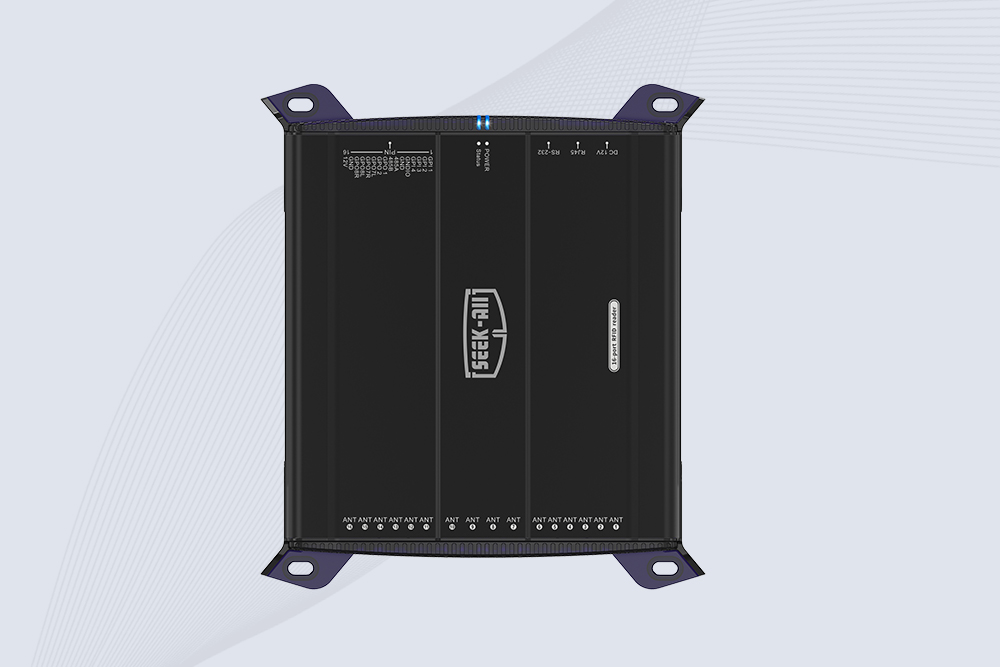
SSD-R16L Multi-Channel RFID Infrastructure for Automated Inventory Management ✔️ 16-Port High-Density RFID Reading Equipped with 16 SMA antenna ports, SSD-R16L supports multi-antenna deployment for warehouses, retail stores, logistics, production lines, and large-area RFID identification. ✔️ High-Speed & Long-Range Performance With up to 33…
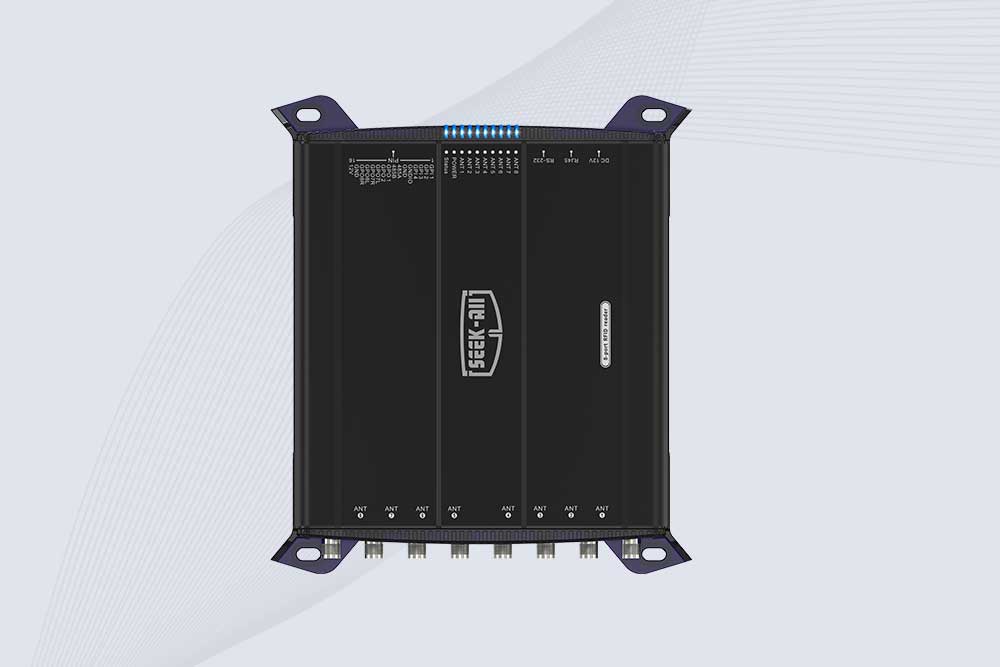
SSD-R8L 8-port UHF RFID reader with 33dBm output, up to 20m reading range and 600+ tags/s recognition. Ideal for warehouse, logistics, retail and asset tracking.
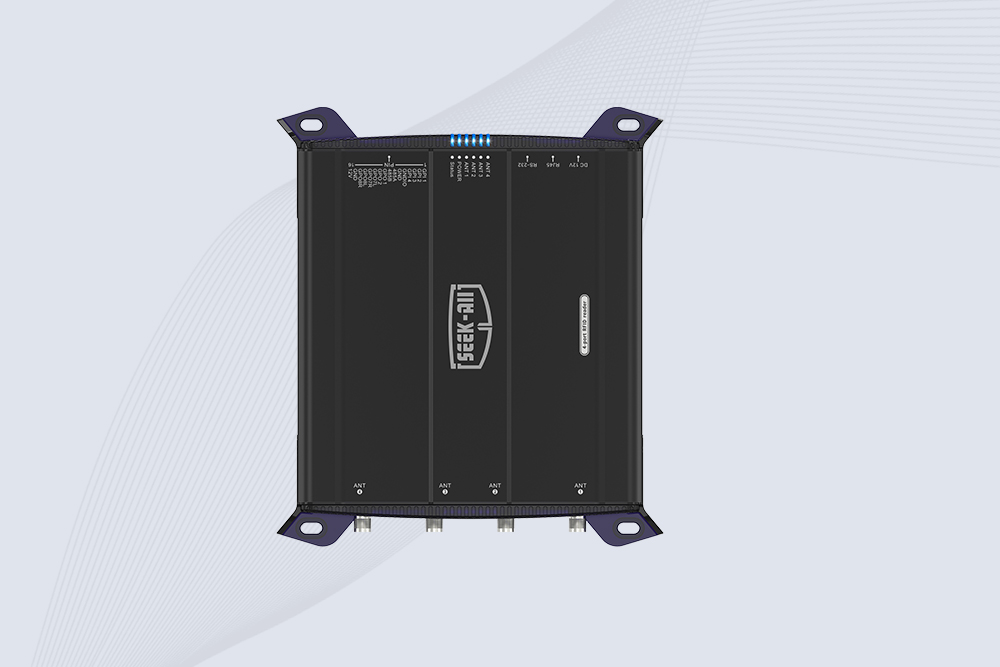
SSD-R4L is a 4-port UHF RFID fixed reader with 33dBm output power, up to 20m reading range, EPC C1G2 support and 600+ tags/s reading speed.
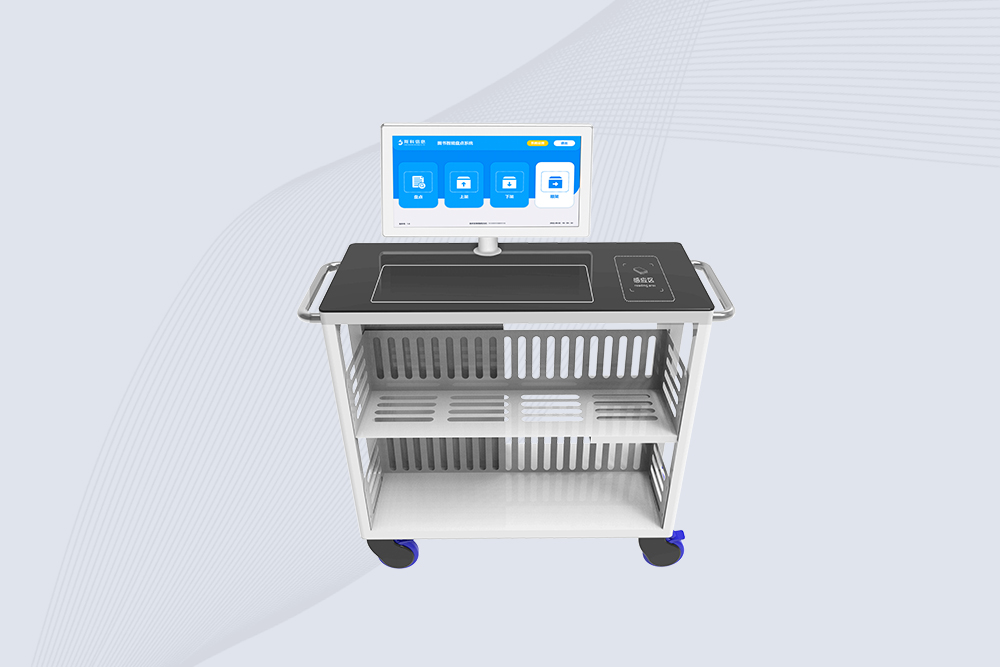
Cykeo CYKEO-C2 UHF RFID inventory cart features 10 UHF readers, 500 tags/sec scanning, Windows/Android OS, and hybrid power for warehouses/libraries. Supports ISO 18000-6C protocols and customization.
USB RFID reader and USB RFID scanner are usually the same type of RFID device. The main difference is terminology: “reader” describes the hardware, while “sc...
More
Discover what is an rfid card, how RFID cards work, and why businesses use them for secure access, tracking, and automation with Cykeo RFID solutions.
More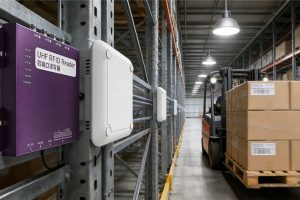
Discover in simple terms what an RFID reader does. Learn how it powers tags, captures data, and enables real-world applications like inventory tracking and access control.
More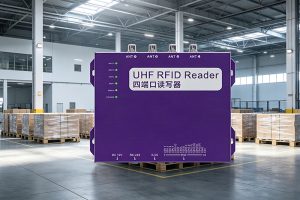
Learn how RFID works with real-world data, UHF reader performance, and deployment insights. Discover how Cykeo improves tracking efficiency and accuracy.
More