You walk through a warehouse door and every pallet gets counted. You wave a handheld across a shelf and instantly know what needs restocking. You drive through a toll booth and the fee is deducted without stopping.
All of these moments rely on the same underlying technology: UHF RFID. It is the workhorse of modern supply chains, retail inventory, and asset tracking—the technology that makes long-range, high-speed identification possible.
Here is the thing. When people search uhf rfid, they usually want to understand what makes it different from the RFID they already know—the proximity cards and library tags—and why it has become so dominant in logistics and industry.
Let me explain UHF RFID from the ground up.
What Is UHF RFID?
UHF RFID stands for Ultra-High Frequency Radio Frequency Identification. It is a wireless technology that uses radio waves in the 860-960 MHz frequency range to identify and track tags attached to objects .
Unlike the low-frequency (125 kHz) and high-frequency (13.56 MHz) RFID you might know from access cards and NFC payments, UHF RFID operates at much higher frequencies. This allows for:
Longer read range: from 3 to 12+ meters (10-40 feet)
Faster read speeds: hundreds of tags per second
Bulk reading: no line of sight required—signals pass through cardboard, plastic, and many materials
Lower tag cost: passive UHF tags can cost under $0.10 in volume
UHF RFID is governed by the EPC Gen2 (ISO 18000-6C) standard, which ensures interoperability between tags and readers from different manufacturers . This standardization is why UHF RFID has become the global standard for supply chain applications.
How UHF RFID Works
The technology relies on a clever physical principle called backscatter modulation. Here is what happens when a reader interrogates tags:
The reader transmits. The UHF RFID reader sends out a continuous radio wave at a specific frequency. For passive tags, this wave does double duty—it carries commands and provides energy .
Tags harvest energy.Passive UHF RFID tags have no battery. Their rfid antenna collects energy from the reader’s signal, powers the tiny microchip, and prepares to respond .
Tags modulate the reflection. Instead of transmitting their own radio signal (which would require a battery), the tag simply changes how much of the reader’s signal it reflects. It does this by switching its antenna impedance on and off—a process called backscatter modulation . This creates a pattern in the reflected signal that encodes the tag’s stored data .
The reader listens. The reader captures these faint reflected signals, amplifies them, and decodes the data. Because tags reflect rather than transmit, they consume very little power and can last decades without batteries .
Anti-collision handles multiple tags. When hundreds of tags are in the field, they would normally collide and become unreadable. UHF RFID uses sophisticated anti-collision algorithms (based on time-division multiple access) to sort out responses, reading all tags in seconds .
UHF RFID Frequency Bands by Region
Unlike HF RFID (13.56 MHz), which is the same worldwide, UHF frequencies vary by region. This matters when you buy tags and readers :
Region
Frequency Range
Notes
North America (FCC)
902-928 MHz
4W EIRP maximum power
Europe (ETSI)
865-868 MHz
2W ERP maximum power (about 3.2W EIRP)
Japan
916-924 MHz (planned)
Region-specific approvals required
China
920-925 MHz
Separate certification required
Rest of world
Varies
Check local regulations before deployment
A growing number of European countries now allow use of an upper band (915-921 MHz) which improves performance . Always verify frequency compliance with your local regulations.
UHF RFID vs HF RFID: What’s the Difference?
This is where people often get confused. Both are RFID, but they serve completely different purposes :
Feature
UHF RFID
HF RFID
Frequency
860-960 MHz
13.56 MHz
Read range
3-12+ meters
Up to 1 meter (typically 10-30 cm)
Read speed
Hundreds of tags/sec
One at a time or a few
Line of sight
Not required—through cardboard, plastic
Short range, but can read through some materials
Tag cost
Low (under $0.10 in volume)
Moderate
Global standard
ISO 18000-6C (EPC Gen2)
ISO 14443, ISO 15693
Typical applications
Warehouse inventory, supply chain, asset tracking
Access control, payments, library books, NFC
The key takeaway: UHF RFID is for long-range, high-speed, bulk reading. HF RFID is for close-range, secure, and often interactive applications.
Types of UHF RFID Tags
UHF tags come in many forms to suit different applications :
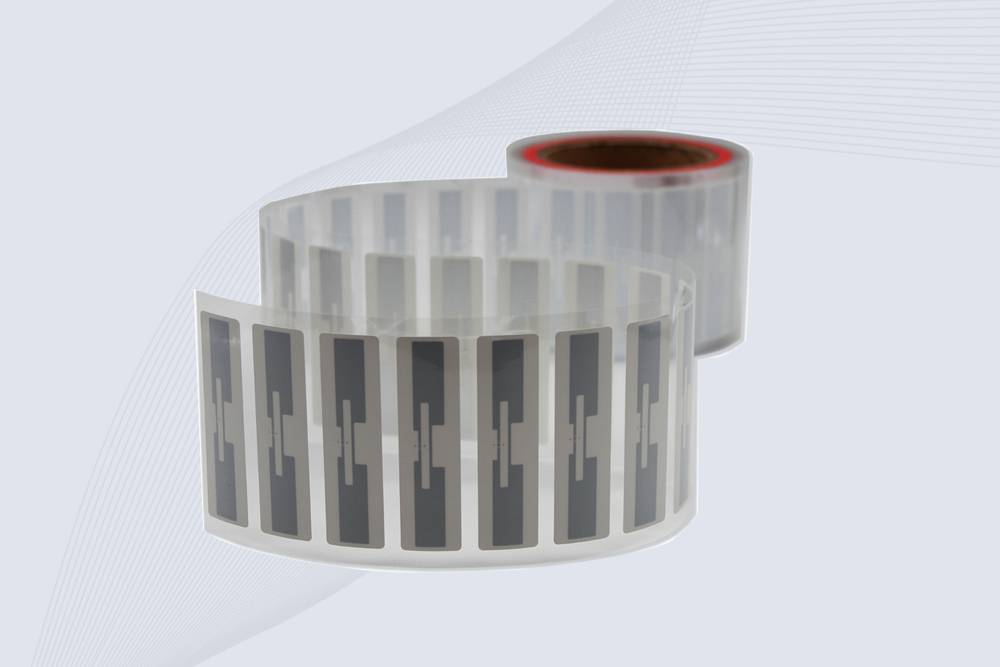
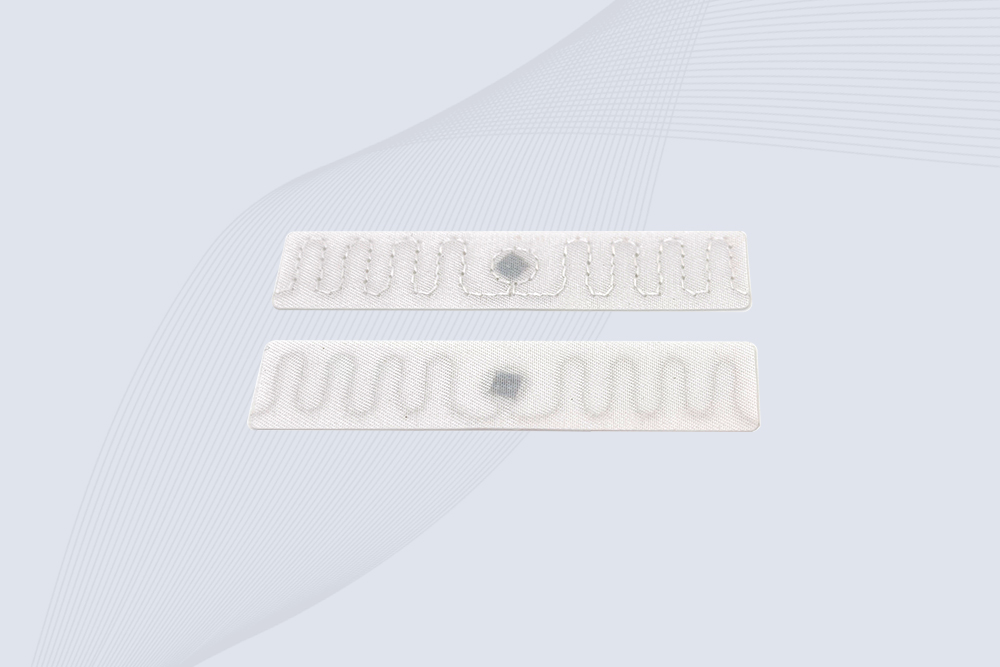
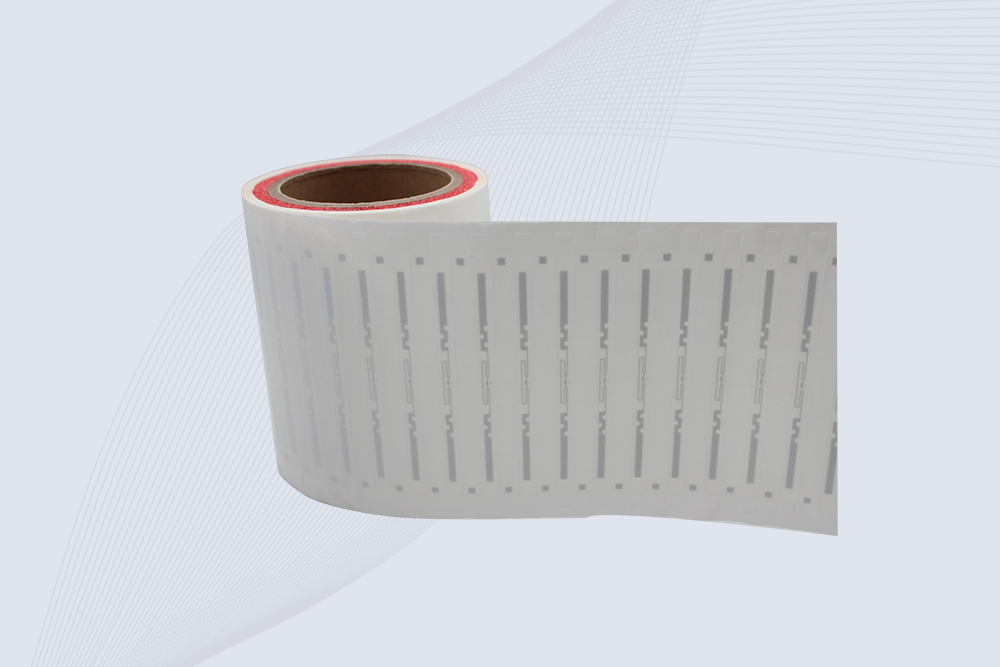
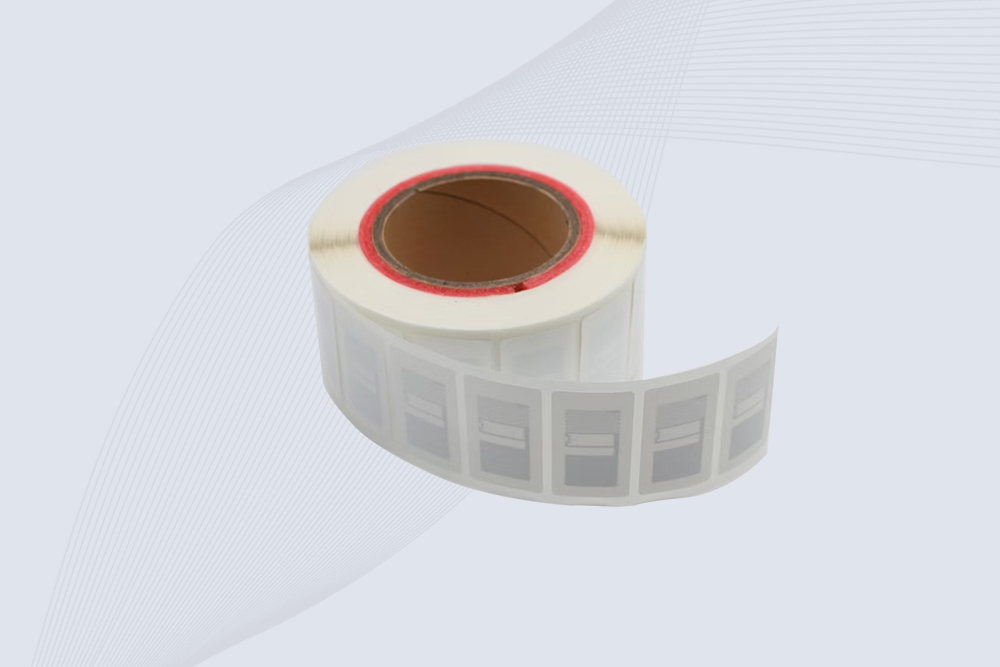
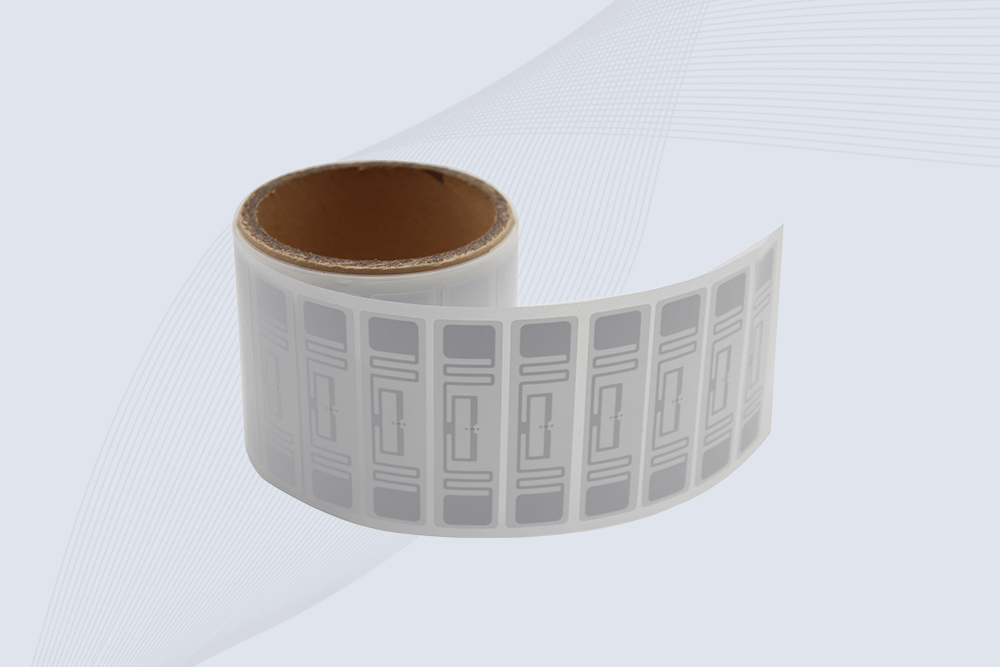
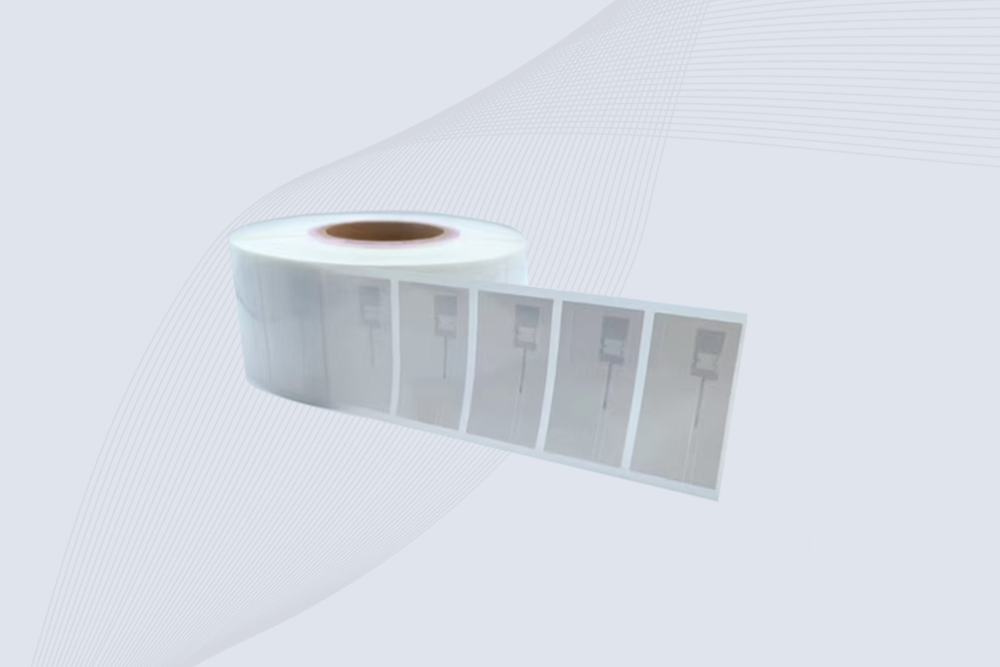
Inlay tags are the basic building block—a chip and antenna on a flexible substrate. These are converted into finished labels by adding adhesive or paper .
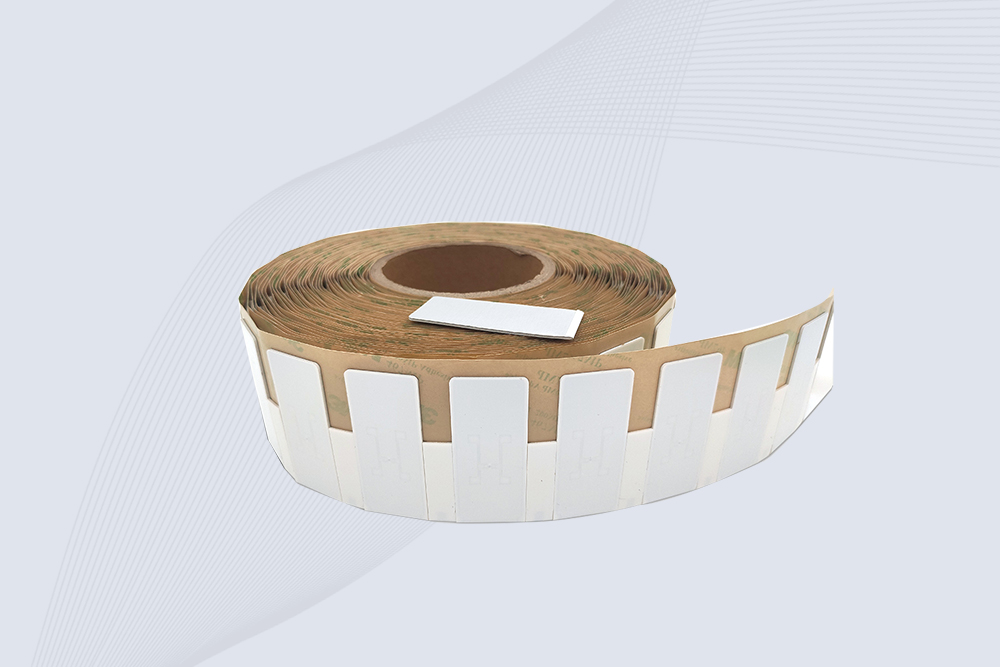
Wet inlays have adhesive backing ready to apply. They are the most common choice for retail inventory and supply chain applications .
Dry inlays have no adhesive and are used in manufacturing processes where the tag will be embedded or laminated .
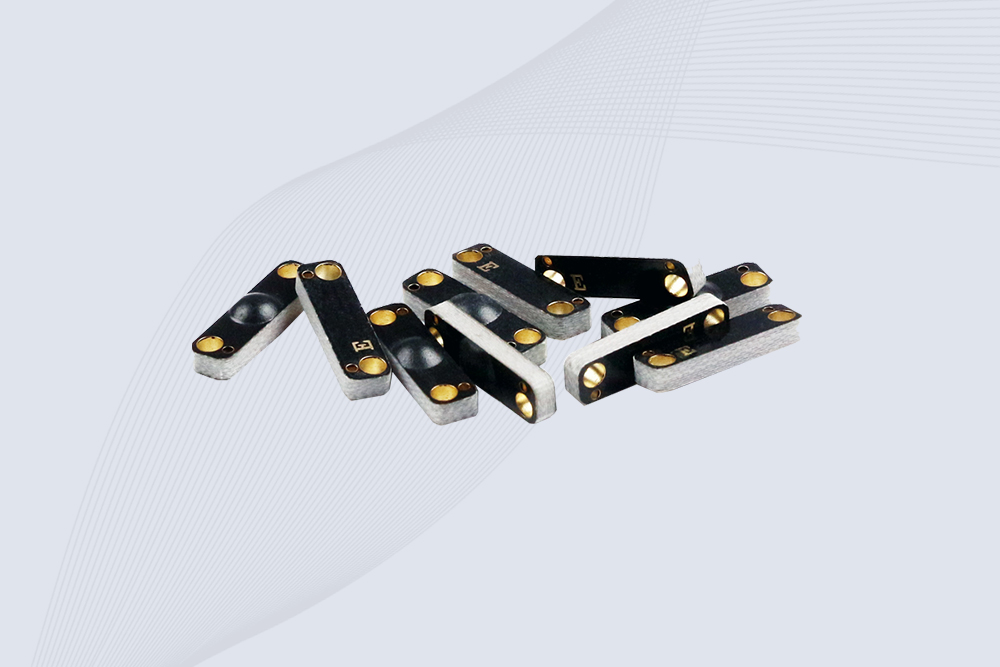
Hard tags (also called rugged tags) are enclosed in durable plastic or ceramic housings. These are used for industrial applications, vehicle tracking, and returnable containers where tags face harsh conditions .
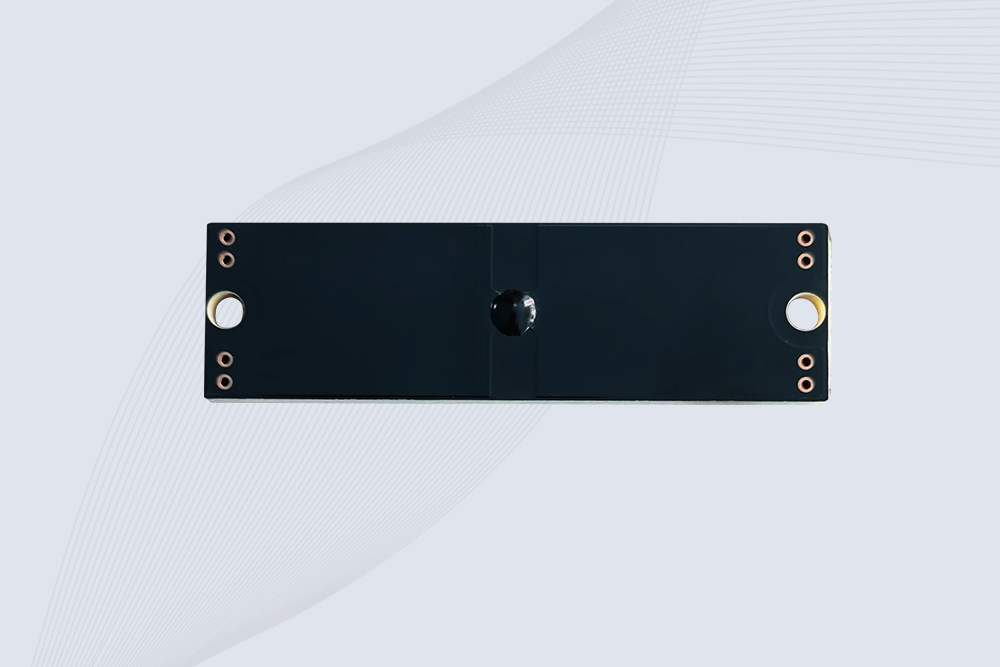
On-metal tags are specially designed to work when mounted directly on metal surfaces. Standard UHF tags fail on metal because the metal reflects signals and detunes the antenna. On-metal tags incorporate materials that isolate the antenna from the metal surface .
RFID printer/encoder tags combine printed labels with RFID inlays, allowing both visual information and electronic data on the same tag .
UHF RFID Readers: The Devices That Make It Work
UHF RFID readers come in several forms, each suited to different workflows :
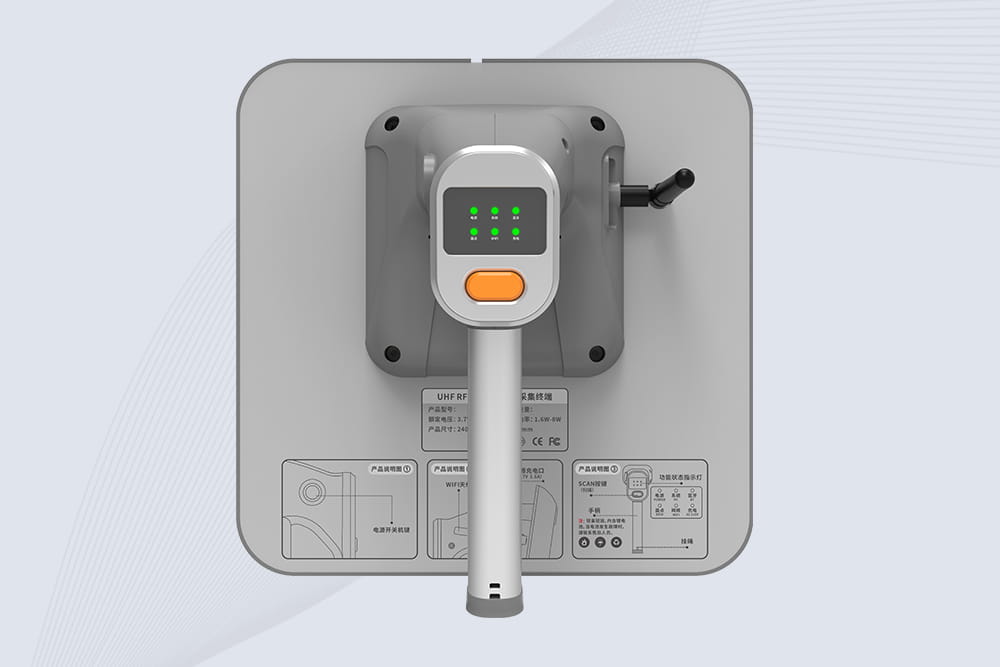
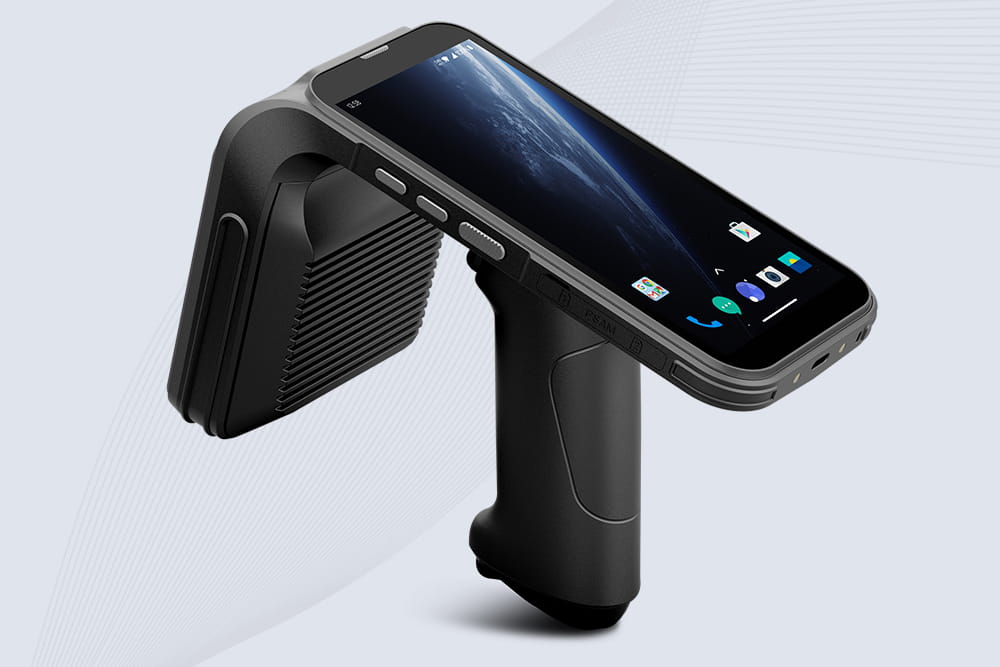
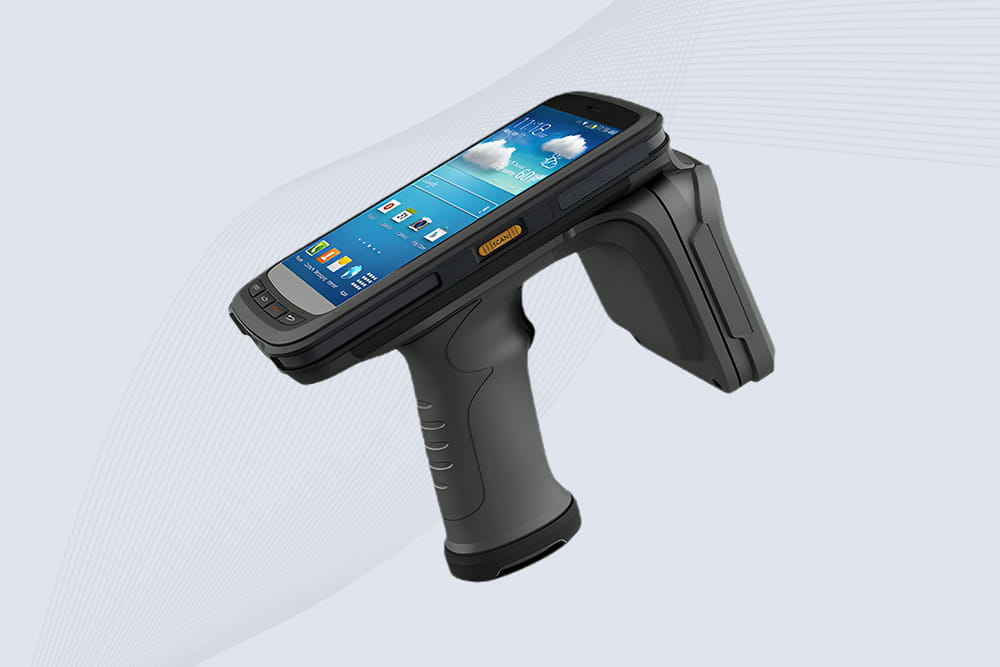
Handheld UHF readers are portable, battery-powered devices that workers carry through facilities. The CYKEO CK-B5L reads over 500 tags in under 3 seconds from up to 8 meters away . Perfect for warehouse cycle counting, retail inventory, and asset tracking.
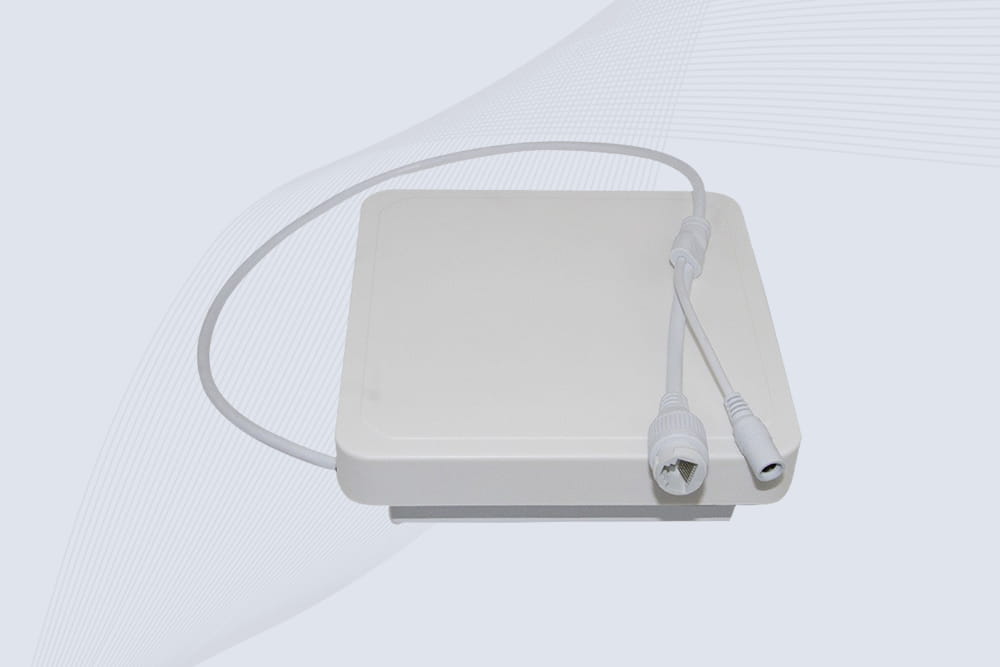
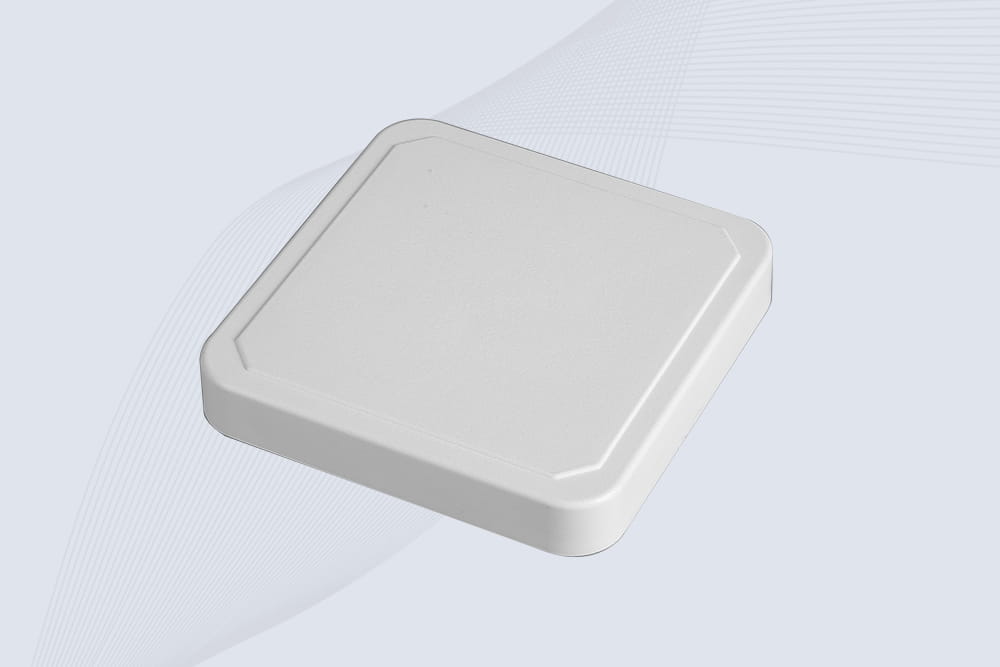
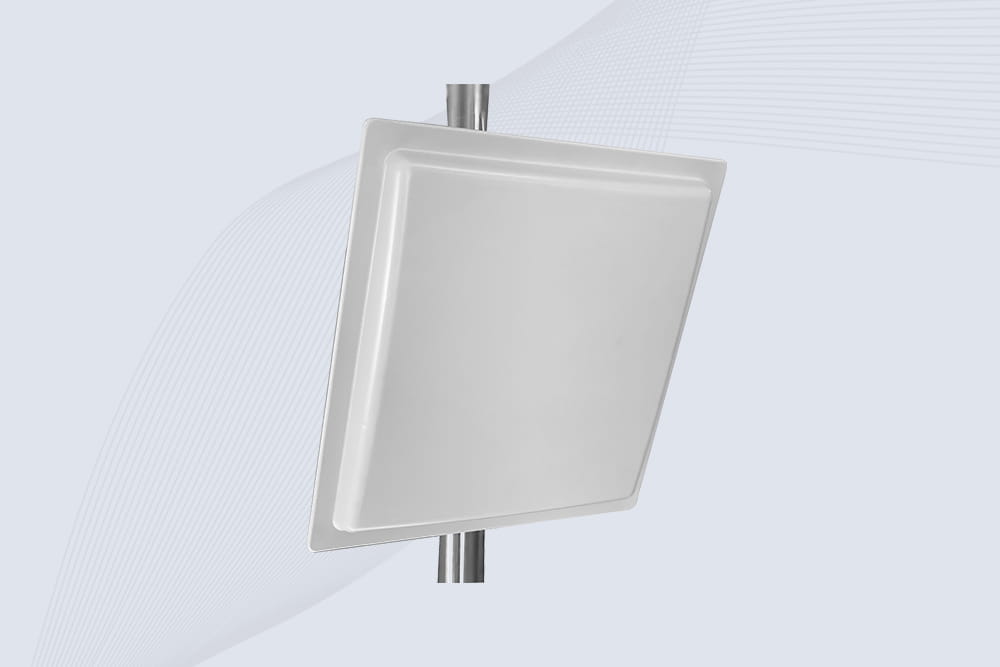
Fixed UHF readers are stationary devices mounted on walls, doorways, or conveyors. They work automatically, reading tags as they pass. The CYKEO CK-R8L supports up to 8 external antennas, covering wide areas like dock doors and conveyor lines .
Desktop UHF readers sit on counters and have short, focused read ranges. Used for encoding tags and small-scale identification where precision matters .
Mobile UHF readers attach to smartphones via USB-C or Bluetooth, turning phones into powerful RFID scanners. The CYKEO CK-B4L is a compact USB reader that fits in a pocket .
Where Is UHF RFID Used?
UHF RFID has become the standard for industries that need to track large numbers of items quickly :
Warehouse and logistics: Dock door portals automatically read incoming and outgoing pallets. Handheld readers cycle-count entire aisles in hours instead of days . Major logistics providers report eliminating millions of manual scans daily with UHF RFID.
Retail inventory: Store staff use handheld UHF readers to scan entire sales floors quickly. Leading retailers achieve up to 99% inventory accuracy, slashing out-of-stocks . Overhead readers provide continuous, real-time visibility—Old Navy is deploying 15,000-16,000 overhead UHF readers across its U.S. stores.
Manufacturing: UHF readers track work-in-progress through production lines. Each station reads tags automatically, providing real-time visibility into bottlenecks and throughput . Data captured at each step creates a digital record for traceability and quality control.
Asset tracking: Expensive equipment like hospital infusion pumps, IT assets, and construction tools are tracked with UHF tags. Readers at key locations know where assets are, reducing search time and preventing loss .
Supply chain and transportation: UHF RFID enables end-to-end visibility from manufacturer to consumer. Cases and pallets are tracked through every handoff, reducing errors and enabling faster recalls when needed.
Advantages of UHF RFID
Why has UHF RFID become the dominant choice for inventory and supply chain?
Long range. UHF readers can read tags from 10 meters away. This enables reading pallets without stopping or requiring workers to get close .
High speed. A single UHF reader can read hundreds of tags per second. A full pallet of 50 items is captured in under three seconds .
No line of sight. Radio waves penetrate cardboard, plastic, and many other materials. Tags can be inside boxes and still be read .
Low tag cost. Passive UHF tags cost under $0.10 in high volumes, making item-level tagging economically viable .
Global standard. EPC Gen2 (ISO 18000-6C) ensures interoperability between tags and readers from different manufacturers .
Read-write capability. Unlike barcodes, UHF tags can be written to multiple times, allowing status updates, inspection results, and history to be stored directly on the tag .
Limitations and Challenges
UHF RFID is not a perfect solution for everything :
Metal interference. Metal reflects radio waves, making standard UHF tags unreadable on metal surfaces. Special on-metal tags solve this but cost more .
Water absorption. Water absorbs UHF signals, making tags on liquid-filled containers or in humid environments harder to read .
Reader interference. Multiple readers operating nearby can interfere with each other. Dense reader mode protocols help manage this .
Regulatory variations. Different frequency bands by region mean readers and tags must be matched to the deployment location .
Tag orientation. UHF tags are directional. A tag facing edge-on to the antenna may not read. Circular polarization antennas help by reading tags in any orientation .
The Bottom Line
UHF RFID is the technology that powers modern supply chains, warehouse automation, and large-scale inventory tracking. It operates at 860-960 MHz, reads tags from meters away, captures hundreds of tags per second, and works through cardboard and plastic.
Unlike LF and HF RFID, which are suited for close-range applications like access control and payments, UHF RFID is designed for speed, distance, and bulk reading. It is why warehouses count inventory in hours instead of days, why retailers know what is on shelves in real time, and why supply chains have end-to-end visibility.
CYKEO offers a complete range of UHF RFID products—handheld readers like the CK-B5L, fixed readers like the CK-R8L, and USB readers like the CK-B4L—all designed to help you capture UHF tag data quickly and reliably.
When you are ready to move from barcode scanning to the speed and efficiency of UHF RFID, start by understanding your tags, your environment, and your workflow. Then choose the reader that fits. CYKEO engineers can help you every step of the way.
Need to implement UHF RFID? CYKEO offers demo readers and tag samples. Contact our team to test UHF RFID in your environment.
CYKEO Passive RFID Tags are made for wet and high-humidity environments where standard labels do not last. This rfid passive tag is often used around liquids, chemicals and temperature changes, providing stable reading distance and long data life for industrial tracking.
CYKEO CYKEO-PCB1504 Metal RFID Tags is a compact anti-metal UHF RFID solution built for direct mounting on metal surfaces. With stable 8-meter read range, Ucode-8 chip, and long data retention, this rfid metal tag fits tools, containers, automotive parts, and industrial asset tracking.
CYKEO CYKEO-PCB7020 On-Metal RFID Tags are designed for reliable tracking on steel and metal surfaces. Built with an FR4 epoxy body and industrial-grade chips, these On-Metal RFID Tags deliver stable performance, long data life, and chemical resistance, making them a dependable RFID anti-metal tag for harsh environments.
The CYKEO CYKEO-60-25 Anti-Metal RFID Tag is built for metal surfaces where standard tags fail. Designed for long-range performance, harsh environments, and stable data retention, this Anti-Metal RFID Tag is ideal for industrial assets, containers, and equipment tracking using on metal RFID tags.
The CYKEO RFID Laundry Tag is designed for long-term textile identification in harsh laundry environments. Built to withstand high heat, chemicals, and repeated washing, this RFID Laundry Tag delivers stable performance for hotels, hospitals, and industrial laundry operations using laundry rfid tags at scale.
The CYKEO CYKEO-125-7 RFID Book Tag is designed for reliable book and document tracking in libraries and archives. This RFID Book Tag delivers long read range, dense placement support, and stable performance on shelves, making it a practical rfid tag on books for library automation, file management, and archival systems.
CYKEO RFID tags in hospitals are designed for sterile environments where accuracy matters. These autoclavable RFID tags support long-term tracking of surgical tools, implants, and medications, helping hospitals improve visibility, compliance, and patient safety.
CYKEO RFID Cable Tie Tag is built for reliable identification on metal surfaces. This UHF RFID Cable Tie Tag is widely used in rfid tags for inventory systems, industrial asset management and Hospital RFID Tags, offering stable read performance, long service life and global EPC Gen2 compatibility.
CYKEO RFID Asset Tag is designed for stable identification of metal assets in industrial environments. This UHF RFID Asset Tag is commonly used for rfid tag asset tracking on equipment, tools and containers, providing reliable reads, long service life and ISO/IEC 18000-6C support.
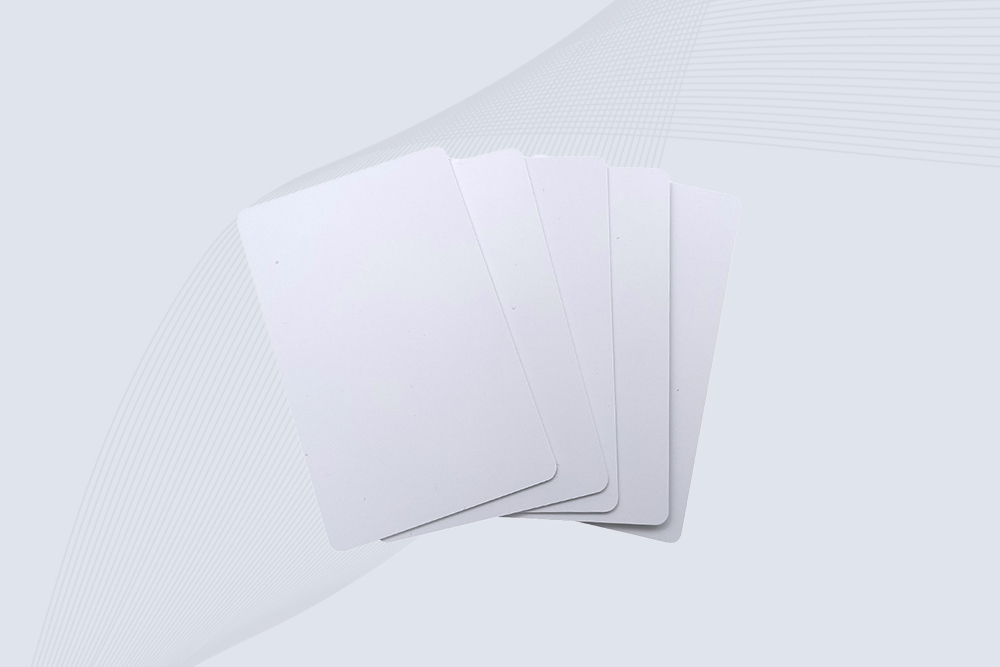
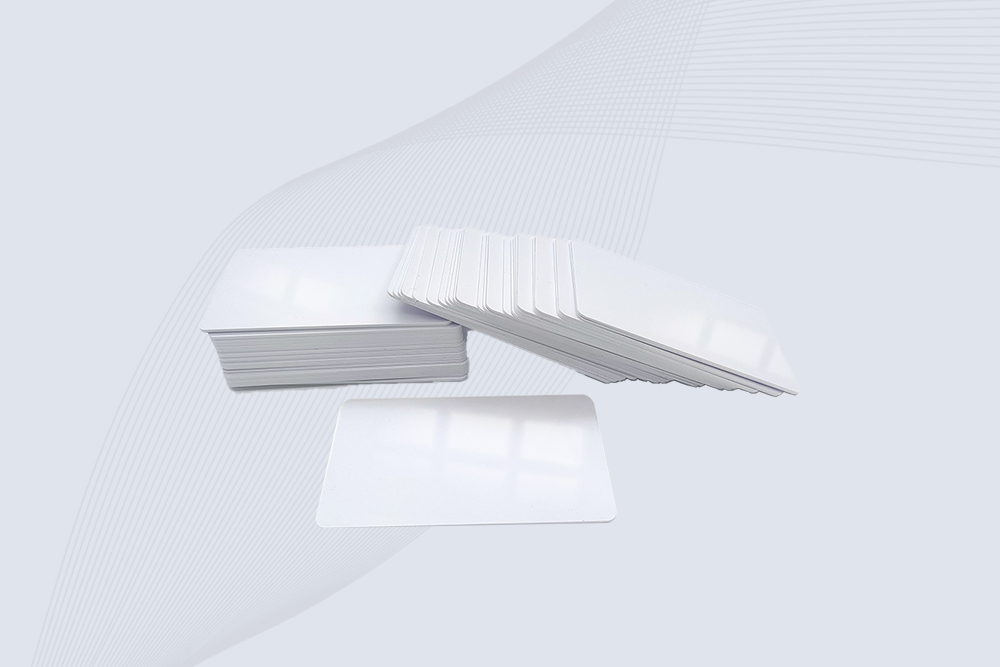
CYKEO UHF RFID Card is designed for fast identification and long-term use in industrial and commercial systems. Supporting ISO 18000-6C, this UHF RFID Card works at 860–960 MHz and is suitable for custom RFID cards used in asset tracking, access control and inventory management.
CYKEO HF RFID Cards are designed for secure and stable access control systems. These 13.56 MHz RFID key cards support ISO 14443-A, reliable rewriting and long service life, making HF RFID Cards suitable for offices, campuses, events and membership management.
CYKEO UHF RFID Tag is designed for reliable tracking of metal jewelry and high-value items. This Jewelry RFID Tag supports long-range reading up to 8 meters, anti-counterfeit protection and stable performance on metal, making it suitable for retail, inventory control and asset management.
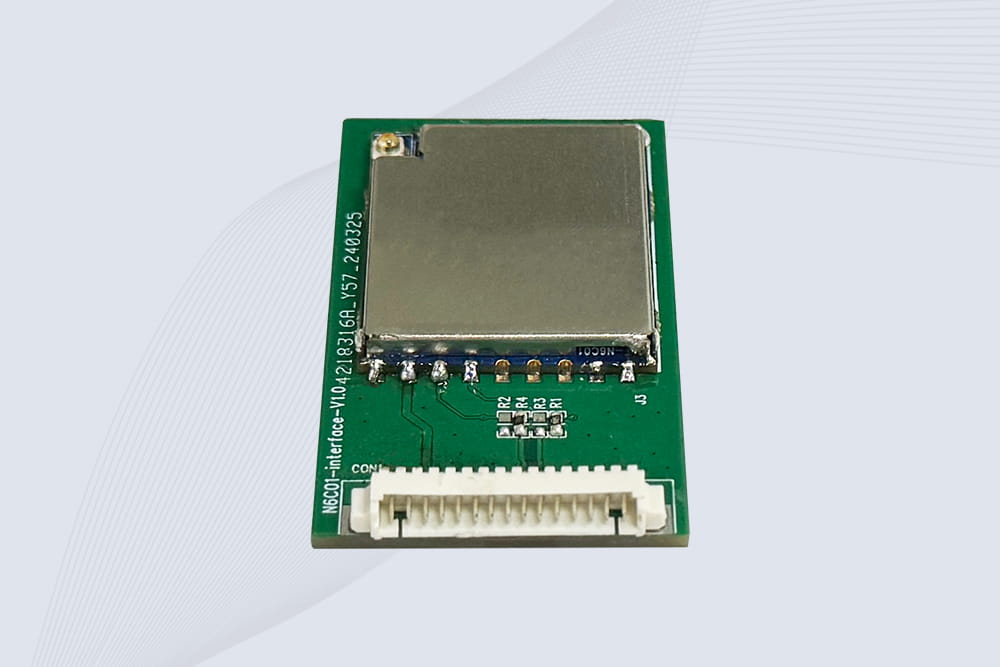
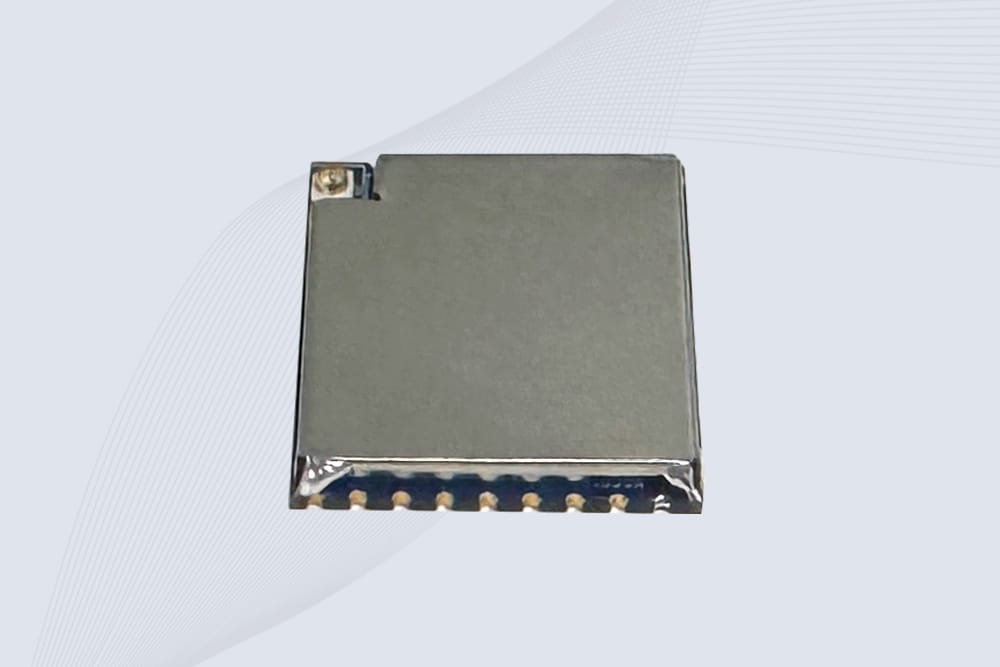
CYKEO Embedded RFID Modules are designed for compact industrial and IoT devices that require stable UHF performance. These UHF RFID Modules support global protocols, flexible power control, and reliable multi-tag reading for smart cabinets, production lines, and asset tracking systems.
CYKEO Embedded RFID Module is built for compact IoT and industrial devices that need stable UHF performance. This UHF module supports global protocols, low power operation, and reliable multi-tag reading for smart lockers, production lines, and always-on RFID systems.
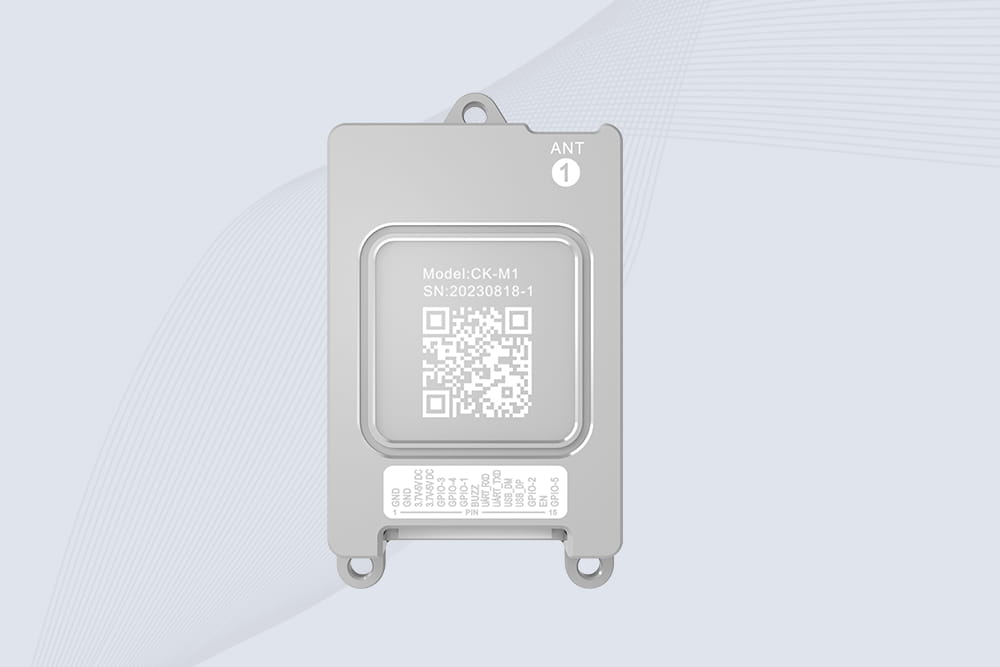
CYKEO CYKEO-M1 drone rfid module is a compact UHF RFID reader module designed for drones and UAV platforms. It supports long-range aerial scanning, fast multi-tag reading, and stable performance in wind, vibration, and outdoor environments.
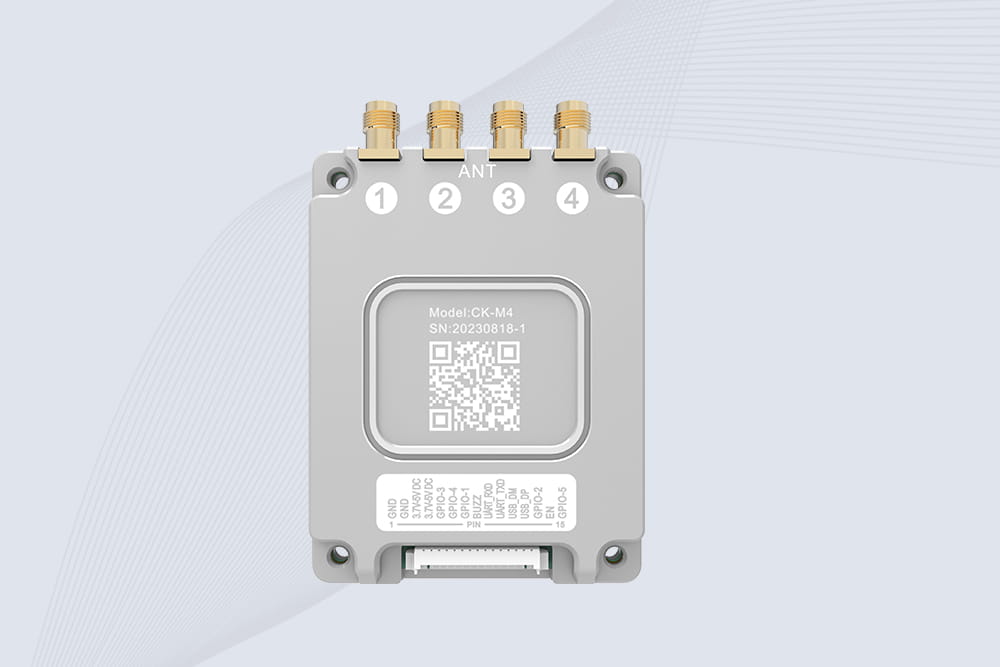
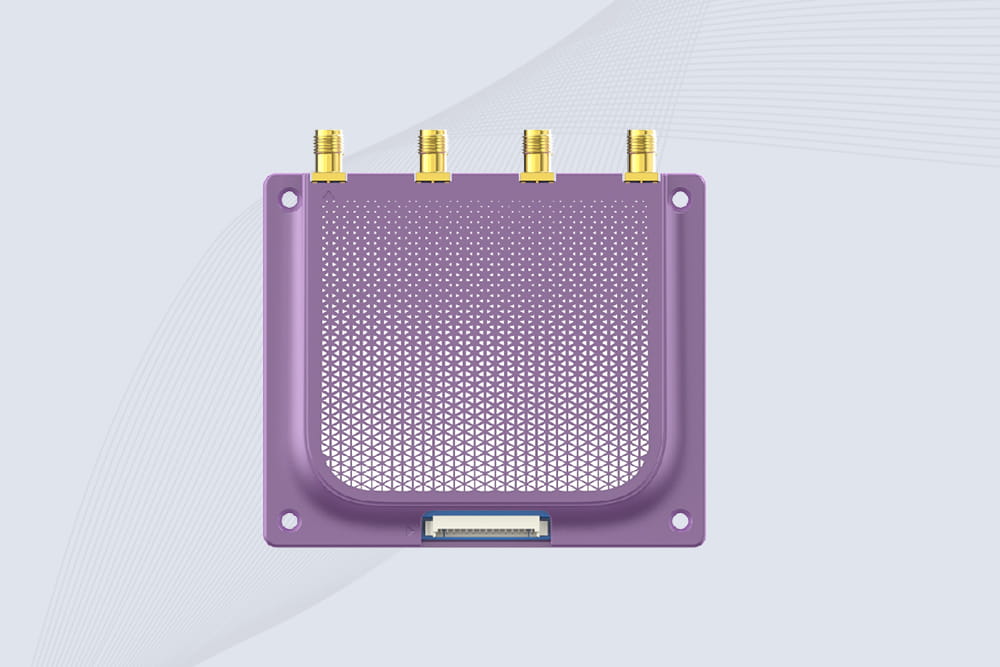
CYKEO CYKEO-M4 RC522 RFID Module is an industrial-grade UHF RFID reader with 4 ports, supporting ISO, EPC, and GB protocols. High-speed, accurate reading for IoT, automation, and warehouse applications.
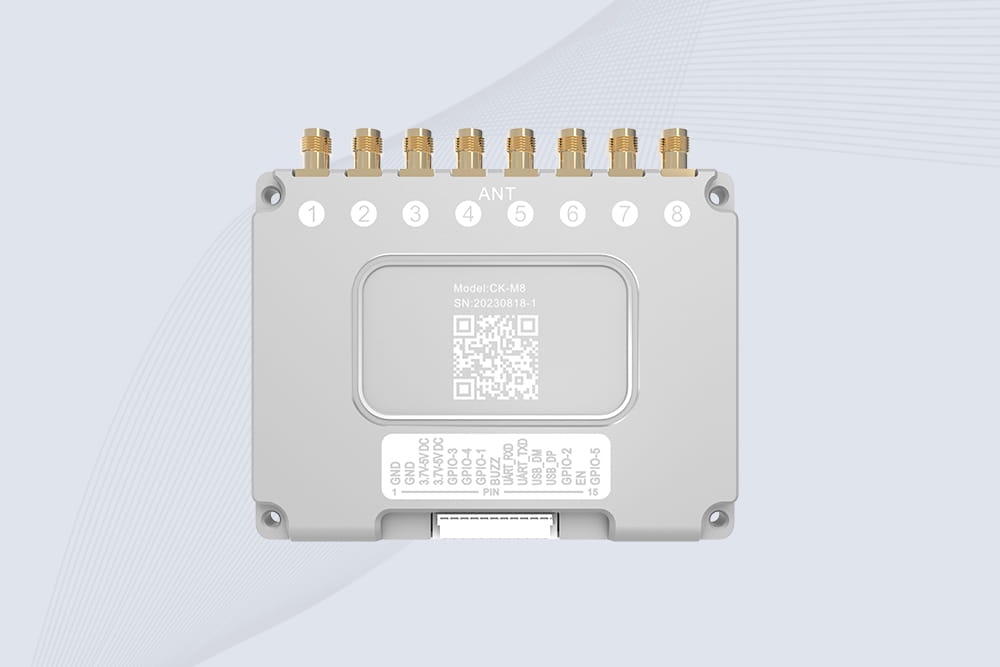
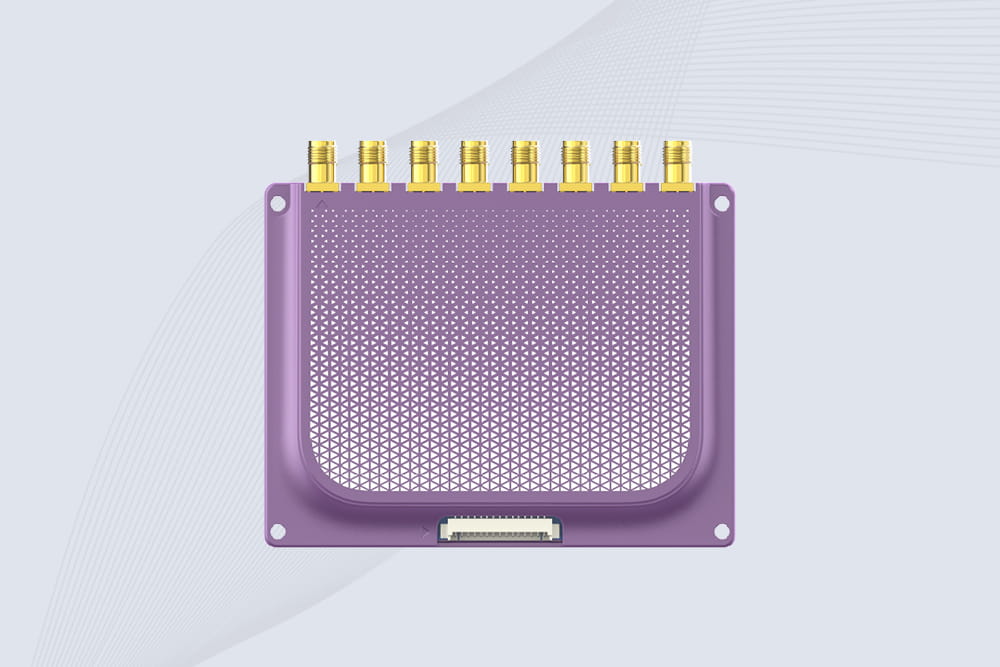
CYKEO CYKEO-M8 Module RFID is an 8-port UHF R2000 RFID Module designed for high-density, multi-tag environments. Stable 33dBm output, ISO & GB protocol support, ideal for warehouses, factories, and automated systems.
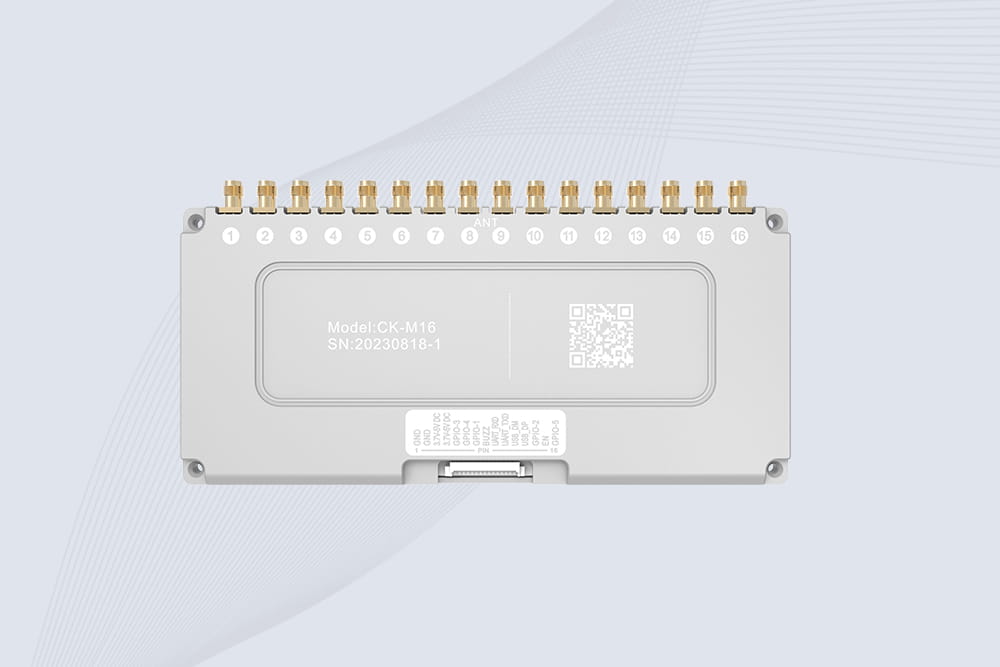
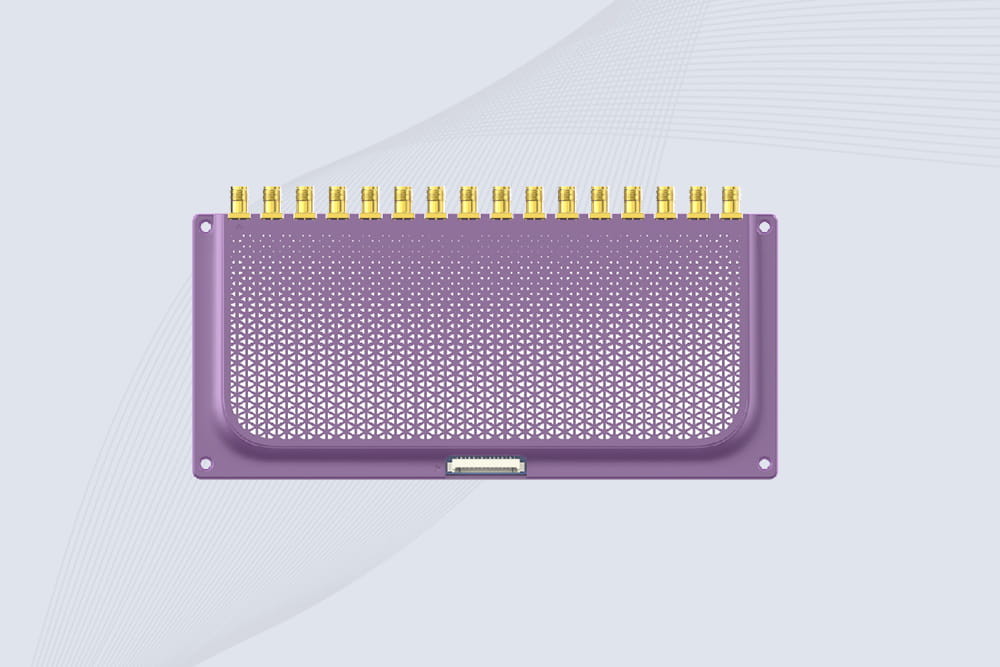
CYKEO CYKEO-M16 RFID Module is a 16-port UHF RFID reader module based on the R2000 chipset. Designed for dense tag environments, it supports ISO and GB standards and delivers stable multi-antenna control for industrial automation.
The CYKEO CYKEO-M16L RFID Reader Module is a 16-channel UHF RFID core designed for dense tag environments. With adjustable 33dBm output, multi-protocol support, and stable multi-antenna control, this RFID Tag Reader Module fits industrial automation, warehouse systems, and large-scale IoT deployments.
CYKEO CYKEO-M8L module RFID is a compact industrial UHF module built for dense tag and multi-antenna environments. With 8 RF ports, adjustable 33 dBm output, and ISO & GB protocol support, it is widely used in factories, warehouses, and automated tracking systems.
CYKEOCYKEO-M4L UHF RFID Module is a compact 4-channel RFID tag reader module designed for dense tag environments. Supporting ISO and GB protocols, it delivers stable reads up to 10 meters for industrial and IoT systems.
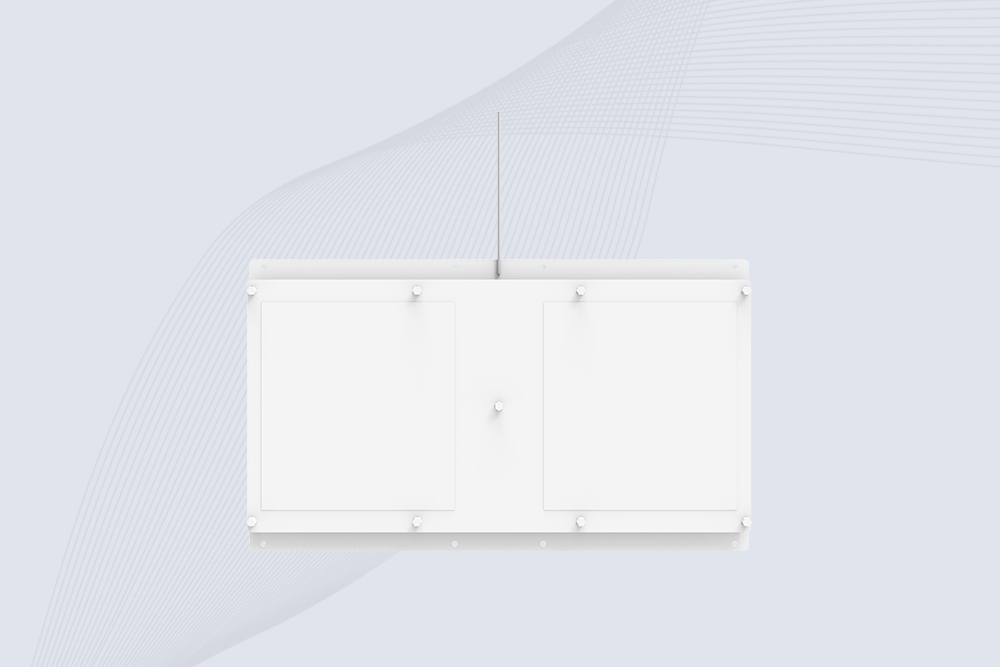
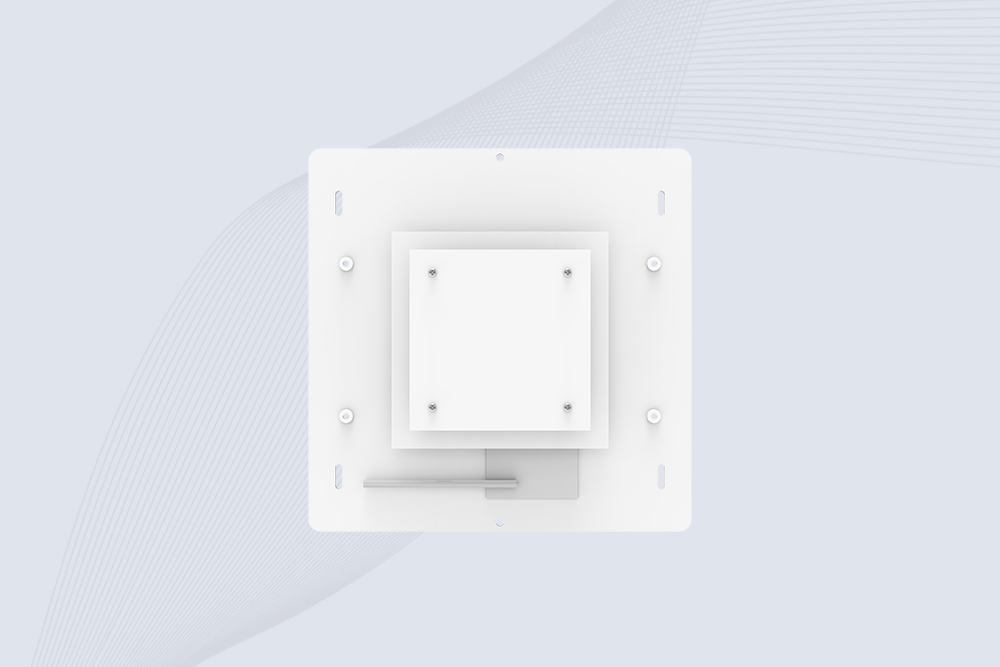
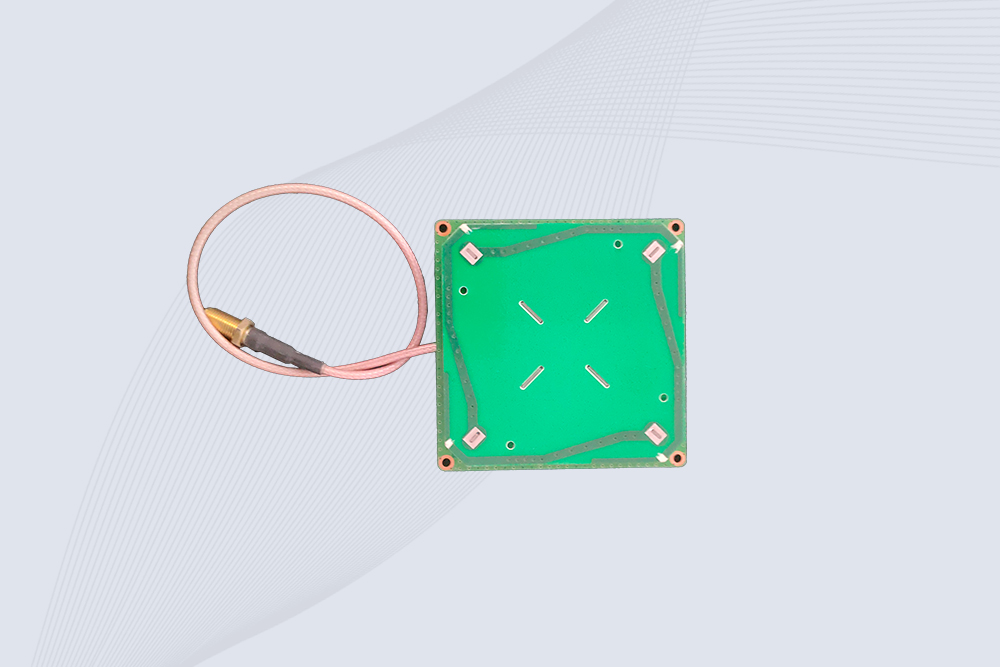
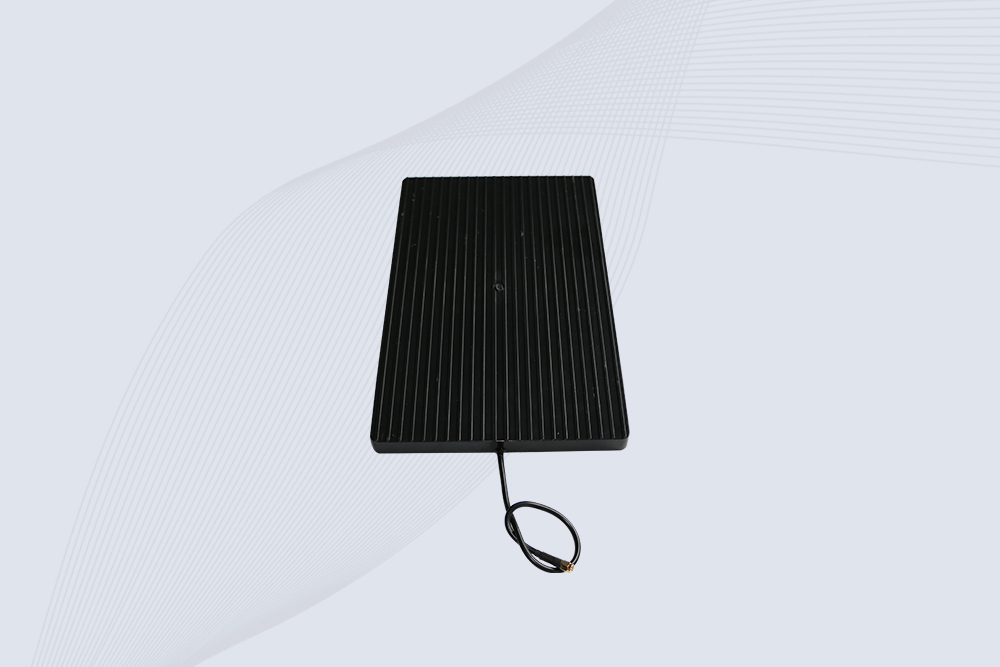
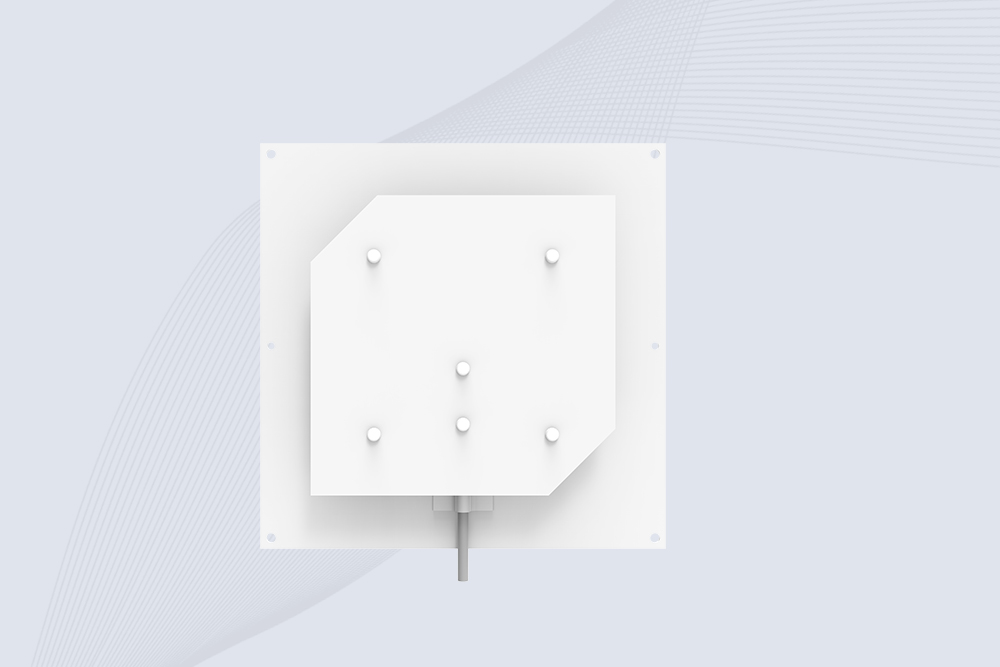
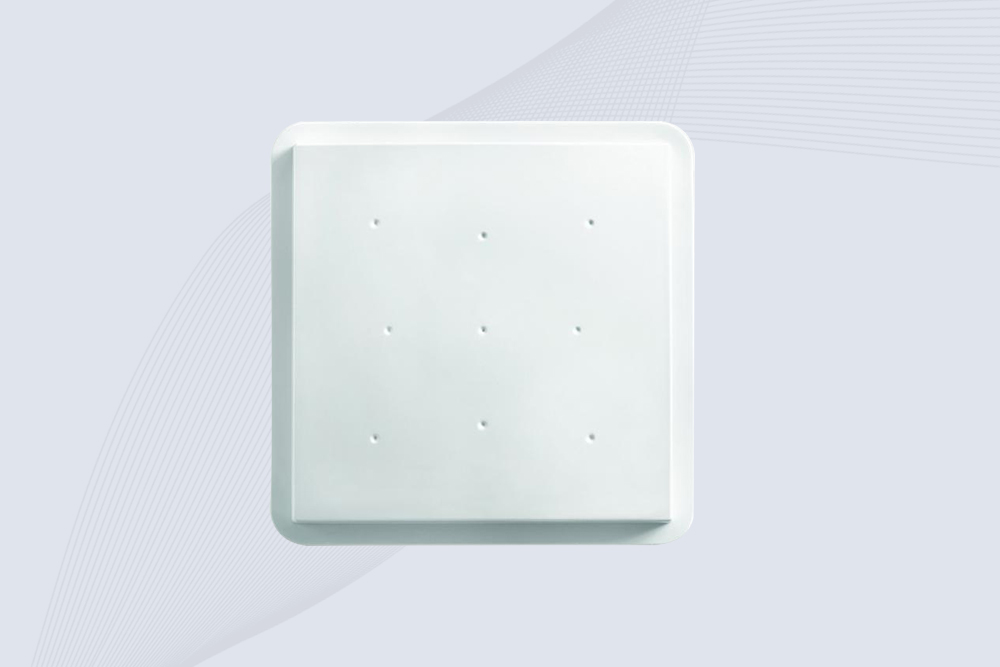
Cykeo CYKEO-A11 UHF RFID reader antenna delivers 11dBi gain, 840-960MHz frequency range, and IP65 ruggedness for retail, logistics, and industrial RFID systems. Features low VSWR and easy installation.
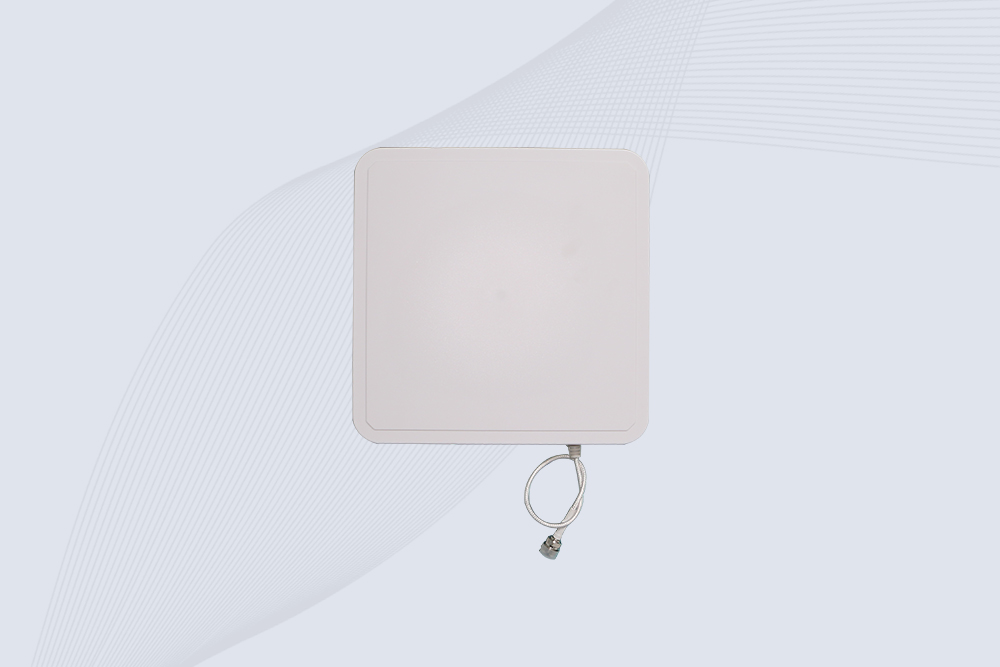
CYKEO Antenna RFID Reader delivers stable long-range UHF performance with a 10.5dBi directional design, built for warehouses, conveyor portals, and industrial RFID systems. This rfid reader antenna provides 20m+ read distance and rugged IP67 protection.
Cykeo CYKEO-A5B industrial Linear RFID Antenna delivers 5dBi gain, ≤1.5:1 VSWR, and IP65 rugged design for warehouse, production line, and logistics UHF systems.
Cykeo’s CYKEO-B12 Long Range RFID Antenna delivers 15m+ read range with 12dBi gain, IP65 rugged design, and global 840-960MHz UHF support. Ideal for warehouse/logistics asset tracking.
Cykeo CYKEO-B10 Long Distance RFID Antenna offers 10dBi gain, 840-960MHz frequency range, IP65 rating, and 20m+ coverage for logistics/warehousing/ETC systems. Low VSWR ensures stable signal transmission.
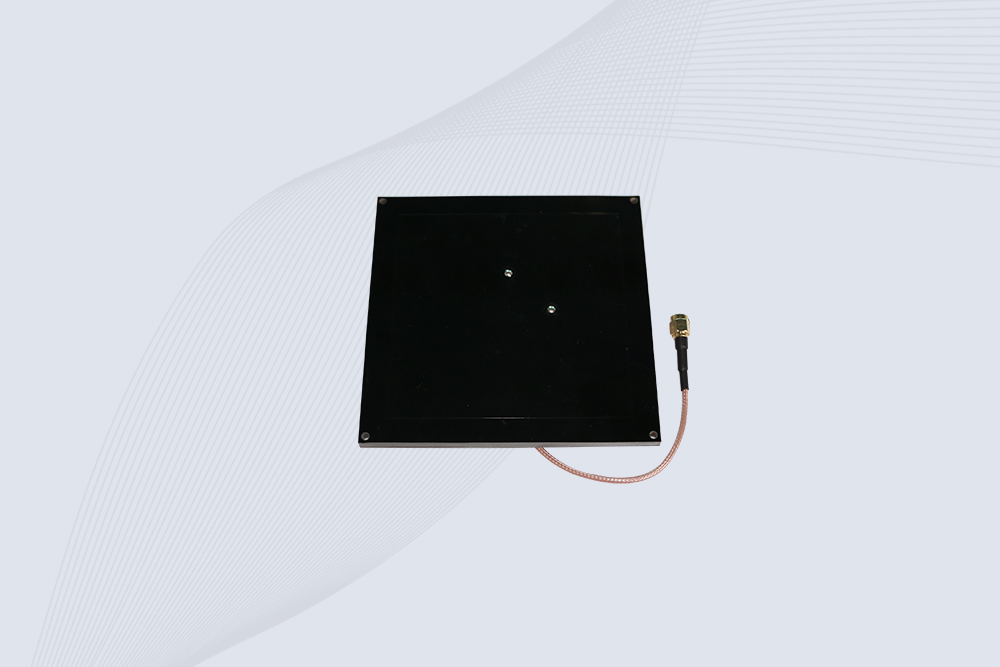
Cykeo CYKEO-A6 UHF RFID panel antenna features 6dBi gain, 840-960MHz broadband, IP65 metal-ready housing for logistics/smart retail. 18mm ultra-thin design with tool-free mounting.
Cykeo CK-A3 industrial antenna RFID UHF offers 5m+ tag detection, ≤1.3:1 VSWR, IP65 rugged design, and global UHF spectrum compatibility (840-960MHz) for warehouses, factories, and retail.
Cykeo CYKEO-B5 directional RFID antenna provides 5dBi gain with 60° narrow beamwidth for precise inventory tracking. IP65-rated, global UHF frequency support, and low VSWR.
Create your own high-performance DIY RFID antenna! 5dBi gain, 840-960MHz tunable, step-by-step guides. Compatible with Arduino, Raspberry Pi, and commercial UHF readers.
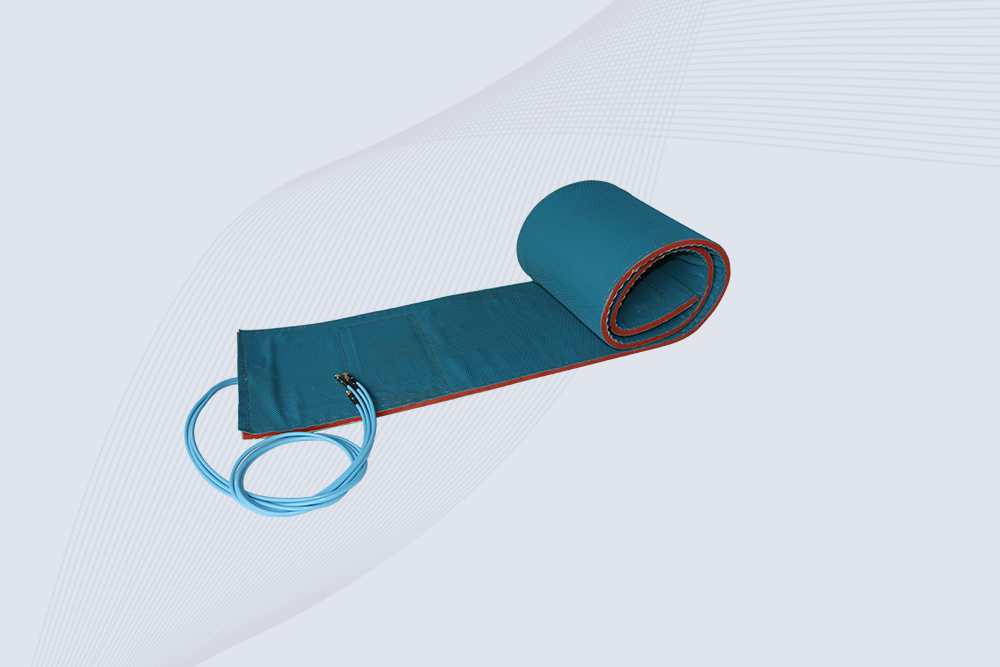
Cykeo CYKEO-A7 Flexible RFID Antenna features 840-960MHz wideband tuning, 7dBi gain, and IP68 rating for medical/retail/industrial curved surface deployments. 98% read accuracy with peel-and-stick installation.
Cykeo CYKEO-B5A industrial Passive RFID Antenna delivers 5dBi gain, 70° beamwidth, and -40°C~55°C operation for warehouses/smart cabinets. Compatible with Zebra/Impinj readers.
Cykeo’s CYKEO-A9B High Gain RFID Antenna delivers 15m+ read range with 9dBi amplification. Features IP54 rugged design, 840-960MHz bandwidth, and 80° beamwidth for warehouse/manufacturing RFID systems.
Cykeo’s enterprise-grade 8dbi Impinj RFID Antenna 10m+ read range with 840-960MHz tuning. Features IP65 housing, 1.4 VSWR, 35° beamwidth for retail/warehouse RFID systems.
Cykeo CYKEO-A9 industrial UHF RFID antenna delivers 9dBi gain, 840-960MHz frequency range, and IP65 protection for warehouse/logistics/retail RFID systems. Features N-type connector and ≤1.3:1 VSWR.
CYKEO UHF RFID Antenna built for long-distance and industrial applications. This antenna rfid uhf delivers strong gain, outdoor durability, and reliable tag performance in warehouses, yards, and vehicle ID systems.
CYKEO Antenna RFID delivers reliable long-range UHF performance in warehouses, retail shelves, and cold-chain environments. This compact uhf rfid antenna provides stable reads with circular polarization and ultra-wide 840–960 MHz support, ideal for industrial tracking, smart shelves, and asset monitoring.
Cykeo’s CYKEO-C8 UHF RFID antennas delivers 8dBi gain, 840-960MHz full-band coverage, and IP65 ruggedness for manufacturing/warehouse RFID systems. Industrial RFID Antennas Features
Cykeo’s 8dBi UHF RFID antenna and reader kit delivers 10m+ range, 840-960MHz broadband, and IP65 ruggedness for factories, warehouses, and logistics. ISO 18000-6C & EPC Gen2 certified.
Cykeo’s CYKEO-A12C UHF Large RFID Antenna delivers 12dBi gain, 840-960MHz global frequency, IP65 ruggedness for logistics/warehousing/automotive. 40° beamwidth ensures stable 15m+ tag reads.
CYKEO Near Field RFID Antenna provides precise 5–30 cm reading for shelves, cabinets, and workstations. This compact rfid shelf antenna delivers stable short-range performance around metal and clutter, ideal for pharmacies, libraries, and electronics sorting.
Cykeo’s industrial long range RFID reader delivers 20-meter scanning, 500+ tags/sec speed, and IP67 waterproof design for automated warehouses, logistics, and harsh environment applications.
Cykeo’s CYKEO-RA6L industrial RFID long range reader features 20m read distance, 500 tags/sec speed, and IP67 protection. Ideal for warehouse automation, manufacturing WIP tracking, and smart logistics. Supports ISO 18000-6C/6B protocols.
CYKEO Long Range RFID Tag Reader built for outdoor and industrial operations. This Outdoor RFID Reader delivers 20m read distance, fast tag processing, and IP67 durability for wide-area tracking.
Cykeo CYKEO-RA12L industrial Long Range RFID Reader delivers 20m read range, 200+ tags/sec scanning, and IP67 protection for manufacturing/logistics applications. Supports ISO 18000-6C/GB protocols.
This article explores how RFID technology is used in asset management: the benefits, the common challenges, practical lessons learned from real-world projects, and strategies to improve success rates in different environments. Perfect for teams lo...
A practical guide to selecting industrial handheld RFID readers for system integration. Focus on SDK/API support, protocol compatibility, and secondary development flexibility for RFID solution providers and developers.
Discover how RFID scanners track livestock ear tags in remote farms without Wi-Fi. Learn about offline data storage, low-frequency (LF) tags, and solar-powered solutions.
 Cykeo RFID IoT Solution Products R&D Manufacturer