 Cykeo RFID IoT Solution Products R&D Manufacturer
Can Any Antenna Be Used for RFID? What Our Lab Tests Show
126Trying to save costs? Discover why asking "can any antenna be used for RFID" is risky and learn the critical factors for RFID antenna compatibility and performance.
MoreAll RFID Product
Walk into almost any warehouse today and you’ll notice the same thing: people are still spending a surprising amount of time counting inventory.
Sometimes it’s barcode scanners.
Sometimes it’s spreadsheets.
Sometimes it’s simply manual checking.
And despite all that effort, the numbers still don’t always match reality.
That’s one of the main reasons why handheld RF scanners have become a key tool in modern RFID systems. They allow businesses to scan dozens — sometimes hundreds — of tagged items within seconds, without the slow, line-of-sight limitations of traditional barcode systems.
For companies that want better visibility into their inventory and assets, handheld RFID technology is often the most practical starting point.
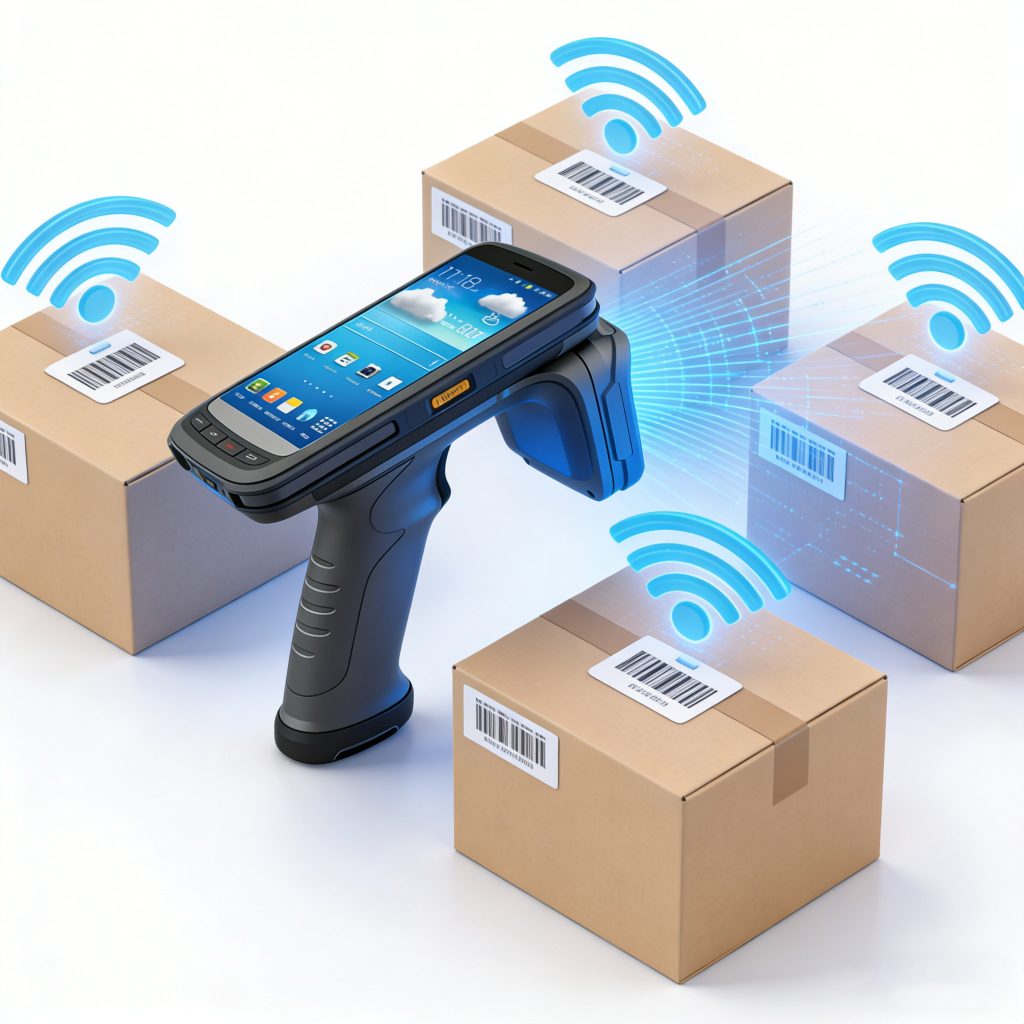
A handheld RF scanner is a portable RFID reader designed to detect and read RFID tags wirelessly.
Instead of scanning each item individually, the device emits radio frequency signals that communicate with nearby RFID tags. Each tag responds with its unique ID, allowing the scanner to capture multiple items at once.
In a typical RFID setup, handheld scanners work together with:
Because the scanner is mobile, operators can walk through a facility while collecting data in real time.
Many businesses exploring mobile RFID solutions begin with handheld RFID scanners, since they require far less infrastructure compared to fixed reader systems.
At a technical level, handheld RFID scanners operate through radio frequency communication between three components:
The handheld device contains a built-in RFID reader module and antenna.
It sends out RF signals that activate nearby tags.
Each RFID tag contains a small chip and antenna. When it receives a signal from the reader, it transmits back its unique identifier.
These tags can be attached to:
The data collected by the handheld reader is transmitted to an RFID management system.
This system stores information such as:
In many modern deployments, handheld RFID scanners run Android operating systems and connect directly to enterprise software through Wi-Fi or Bluetooth.
Companies that switch from barcode systems to RFID often notice improvements almost immediately.
Traditional barcode scanning requires workers to handle each item individually.
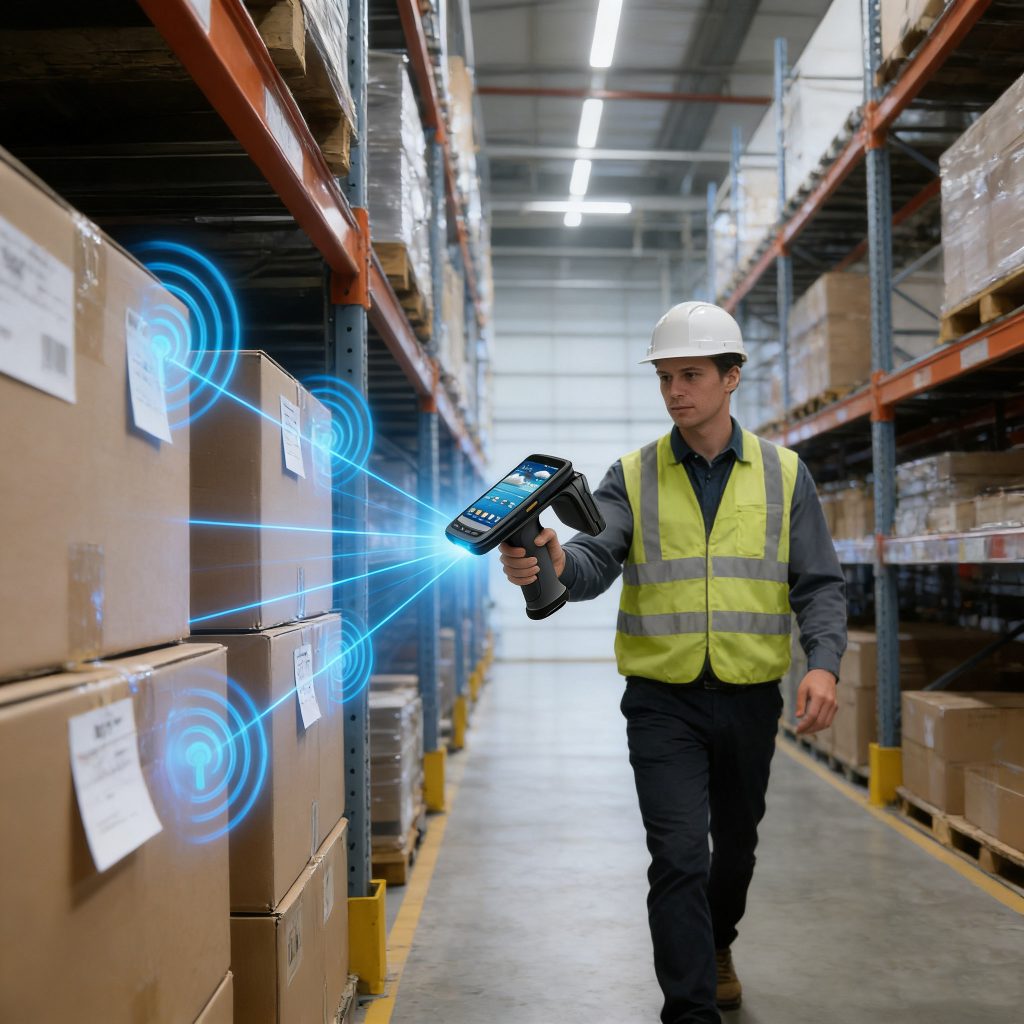
With RFID, dozens of items can be scanned simultaneously. Workers simply walk through an aisle while the handheld scanner captures nearby tags.
Cycle counts that once took hours can sometimes be completed in minutes.
Human error is a common problem in manual inventory processes.
RFID scanning automates the data capture process, reducing the chances of:
This leads to more reliable inventory data across the organization.
Another advantage of RFID is the ability to track asset movement.
When equipment or inventory is scanned using handheld readers, the system updates the location and status of each item.
Managers can instantly check:
Installing fixed RFID infrastructure requires planning, antennas, and gate readers.
Handheld RFID scanners, on the other hand, are much easier to deploy.
Companies can start with a small number of mobile devices and expand the system gradually as their RFID program grows.

Handheld RFID technology is used across many industries.
Here are some of the most common scenarios.
Warehouses often contain thousands — sometimes millions — of items.
Using handheld RFID scanners, workers can quickly scan entire shelves or pallets without touching each individual product.
This dramatically speeds up:
Large facilities often struggle with locating equipment.
Tools get moved between departments. Devices get borrowed. Items disappear into storage rooms.
Handheld RFID scanners allow staff to locate tagged assets using signal strength indicators, helping them move toward the correct item.
Retail stores frequently perform inventory checks to ensure shelf availability.
With RFID, store employees can walk along aisles while the handheld reader automatically scans nearby items.
This reduces labor time and improves stock accuracy.
Hospitals manage large numbers of mobile medical devices such as infusion pumps and diagnostic equipment.
Handheld RFID scanners help staff quickly locate equipment and maintain accurate asset records.
Both technologies play important roles in RFID systems.
However, they serve different purposes.
Fixed readers are installed at specific locations such as:
They automatically scan items that pass through these locations.
Handheld scanners provide flexibility.
They allow operators to move through the facility and capture RFID data anywhere.
Many companies actually use both systems together.
Fixed readers automate certain processes, while handheld scanners support manual operations such as audits and asset searches.

Not all handheld RFID devices are designed for the same environments.
When selecting a scanner, businesses should evaluate several factors.
Most warehouse and logistics systems use UHF RFID, which provides longer read ranges and faster scanning speeds.
Different devices offer different reading distances.
For warehouse inventory tasks, longer read ranges allow operators to scan entire shelves or pallets quickly.
Industrial operations often require devices that can operate throughout an entire shift without frequent charging.
Integration with existing systems is critical.
Handheld scanners should support APIs or SDKs that allow connection with ERP or warehouse management systems.
Solutions such as RFID handheld scanners are designed for mobile inventory and asset tracking applications, helping businesses deploy RFID without complex infrastructure.
RFID adoption continues to expand across industries.
As technology evolves, handheld RF scanners are becoming more powerful, integrating features such as:
For many organizations, handheld RFID scanners represent the first step toward fully automated inventory management systems.
And in many cases, that single step already delivers a major improvement over traditional manual processes.
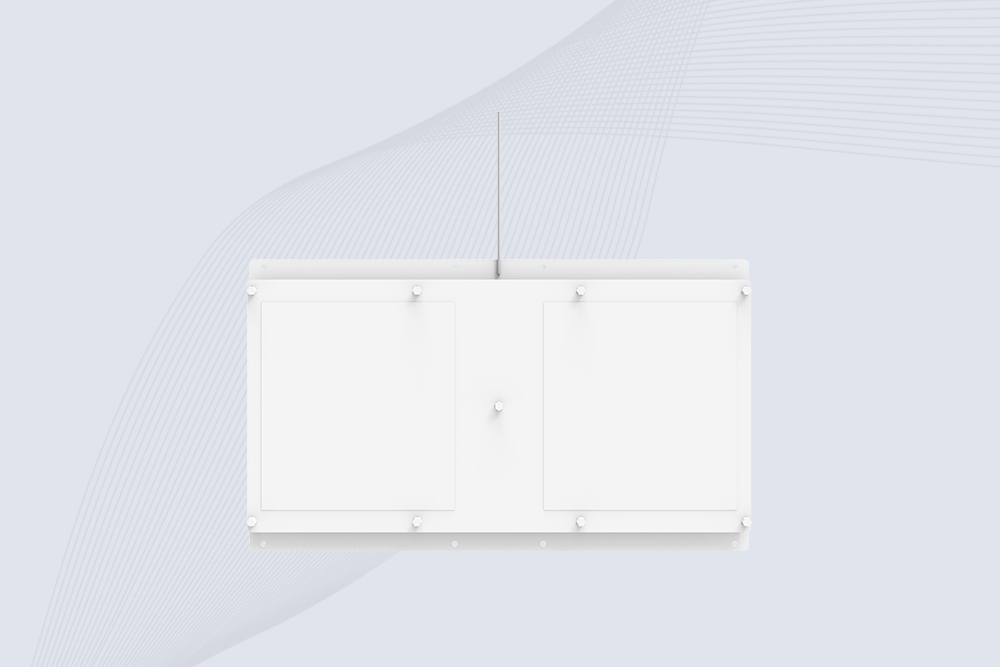
Cykeo CYKEO-A11 UHF RFID reader antenna delivers 11dBi gain, 840-960MHz frequency range, and IP65 ruggedness for retail, logistics, and industrial RFID systems. Features low VSWR and easy installation.
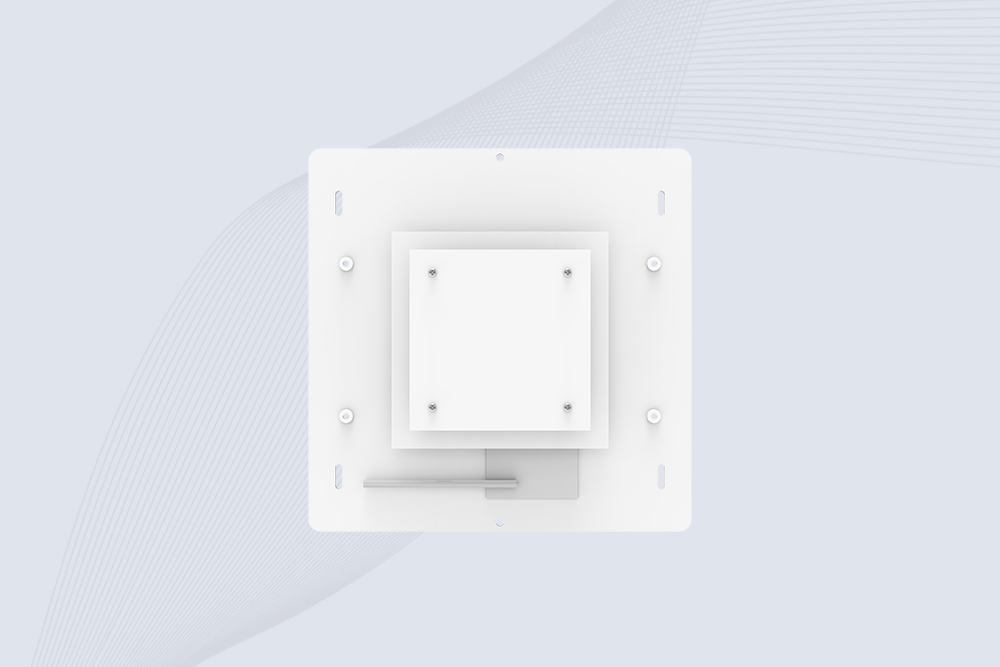
CYKEO Antenna RFID Reader delivers stable long-range UHF performance with a 10.5dBi directional design, built for warehouses, conveyor portals, and industrial RFID systems. This rfid reader antenna provides 20m+ read distance and rugged IP67 protection.

Cykeo CYKEO-PHF3 industrial HF RFID Antenna offers 24-point dynamic tracking, ISO 14443A/15693 protocols, metal-environment stability for archives/libraries/manufacturing.

Cykeo CYKEO-A5B industrial Linear RFID Antenna delivers 5dBi gain, ≤1.5:1 VSWR, and IP65 rugged design for warehouse, production line, and logistics UHF systems.

Cykeo’s CYKEO-B12 Long Range RFID Antenna delivers 15m+ read range with 12dBi gain, IP65 rugged design, and global 840-960MHz UHF support. Ideal for warehouse/logistics asset tracking.
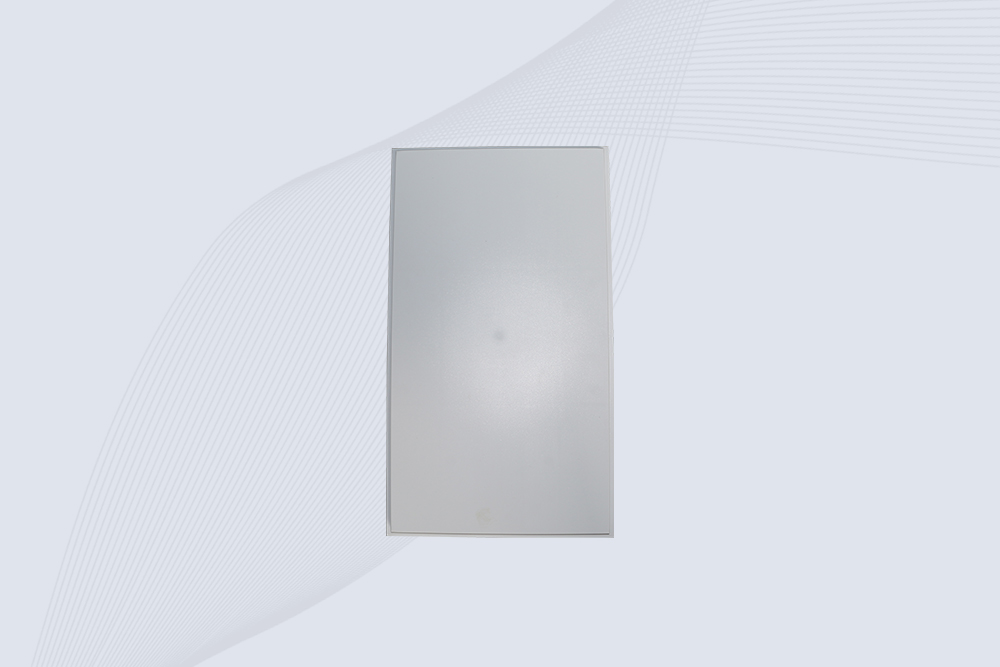
Cykeo CYKEO-B10 Long Distance RFID Antenna offers 10dBi gain, 840-960MHz frequency range, IP65 rating, and 20m+ coverage for logistics/warehousing/ETC systems. Low VSWR ensures stable signal transmission.
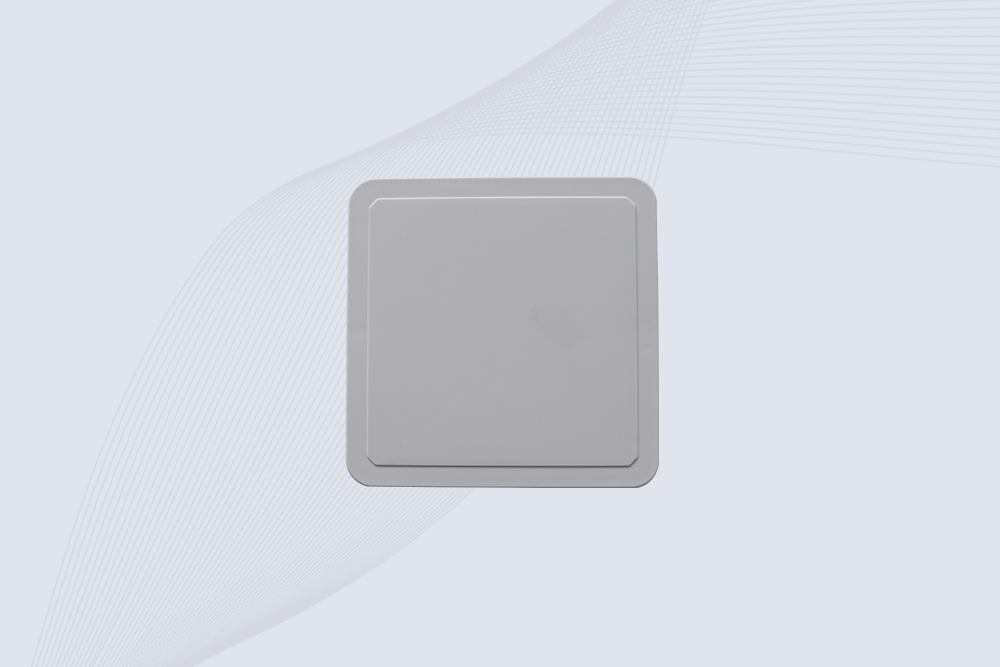
Cykeo CYKEO-A6 UHF RFID panel antenna features 6dBi gain, 840-960MHz broadband, IP65 metal-ready housing for logistics/smart retail. 18mm ultra-thin design with tool-free mounting.

Cykeo CK-A3 industrial antenna RFID UHF offers 5m+ tag detection, ≤1.3:1 VSWR, IP65 rugged design, and global UHF spectrum compatibility (840-960MHz) for warehouses, factories, and retail.
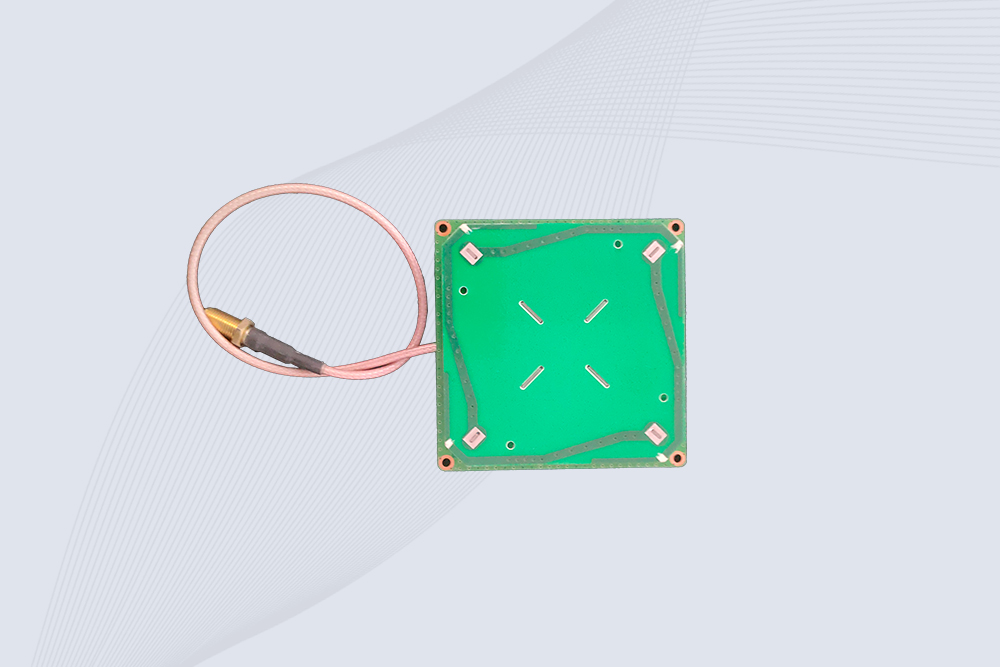
Cykeo CYKEO-B5 directional RFID antenna provides 5dBi gain with 60° narrow beamwidth for precise inventory tracking. IP65-rated, global UHF frequency support, and low VSWR.
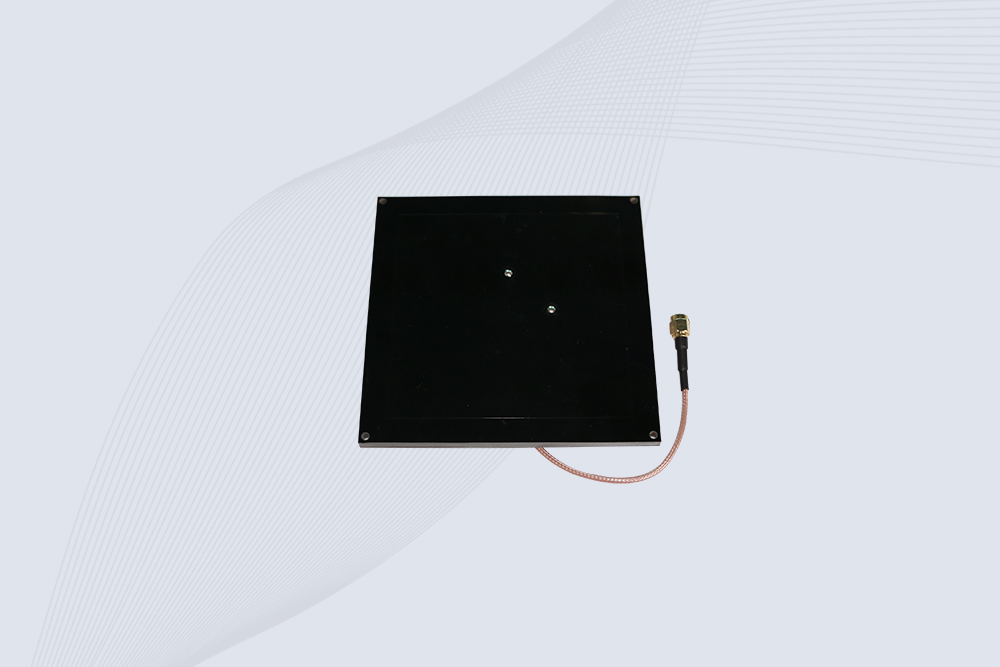
Create your own high-performance DIY RFID antenna! 5dBi gain, 840-960MHz tunable, step-by-step guides. Compatible with Arduino, Raspberry Pi, and commercial UHF readers.
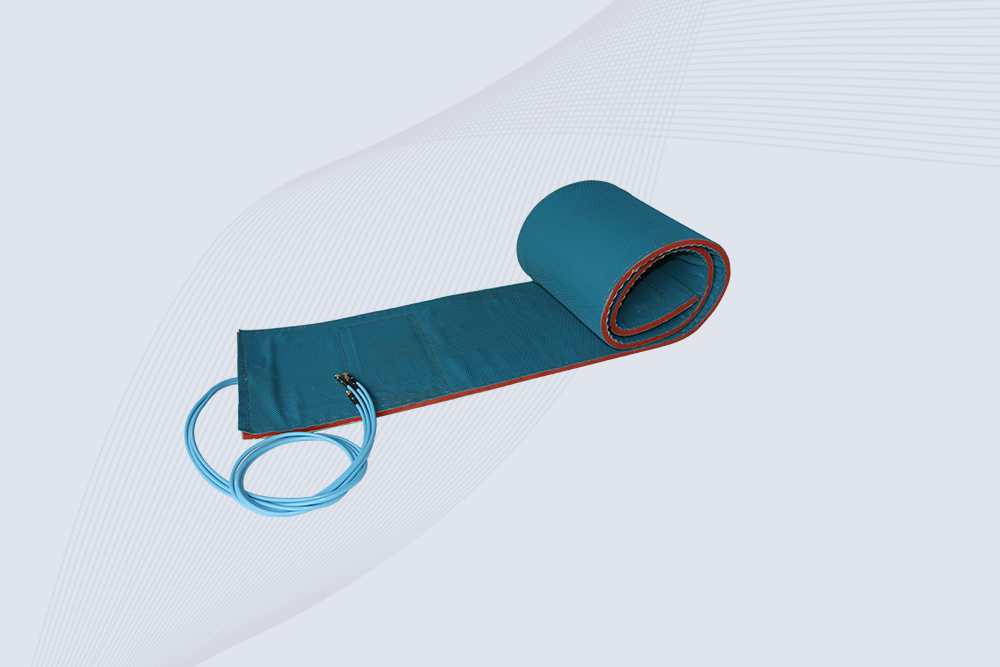
Cykeo CYKEO-A7 Flexible RFID Antenna features 840-960MHz wideband tuning, 7dBi gain, and IP68 rating for medical/retail/industrial curved surface deployments. 98% read accuracy with peel-and-stick installation.
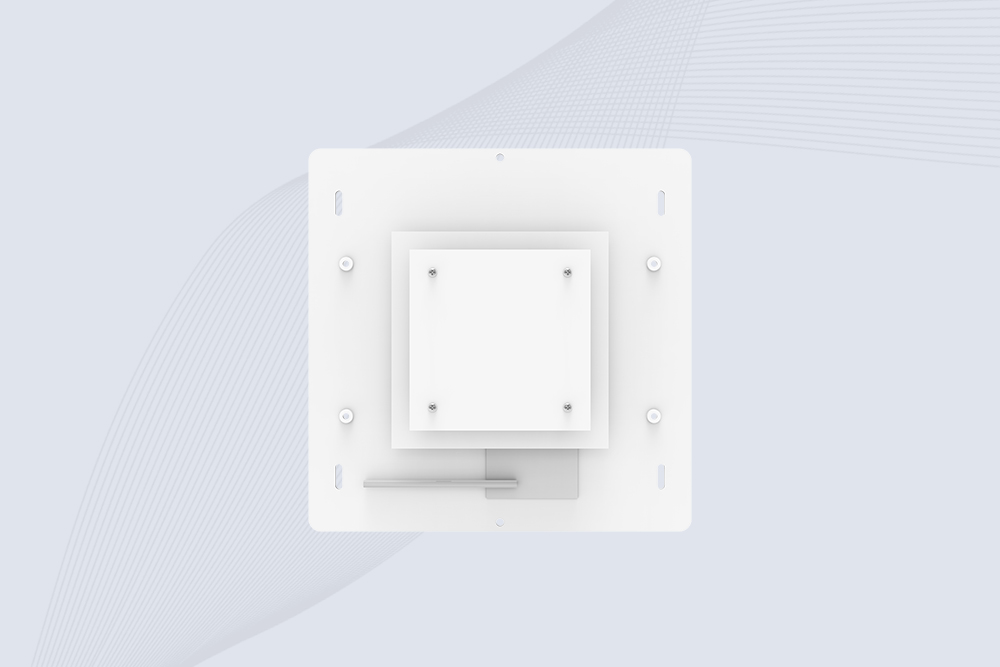
Cykeo CYKEO-B5A industrial Passive RFID Antenna delivers 5dBi gain, 70° beamwidth, and -40°C~55°C operation for warehouses/smart cabinets. Compatible with Zebra/Impinj readers.
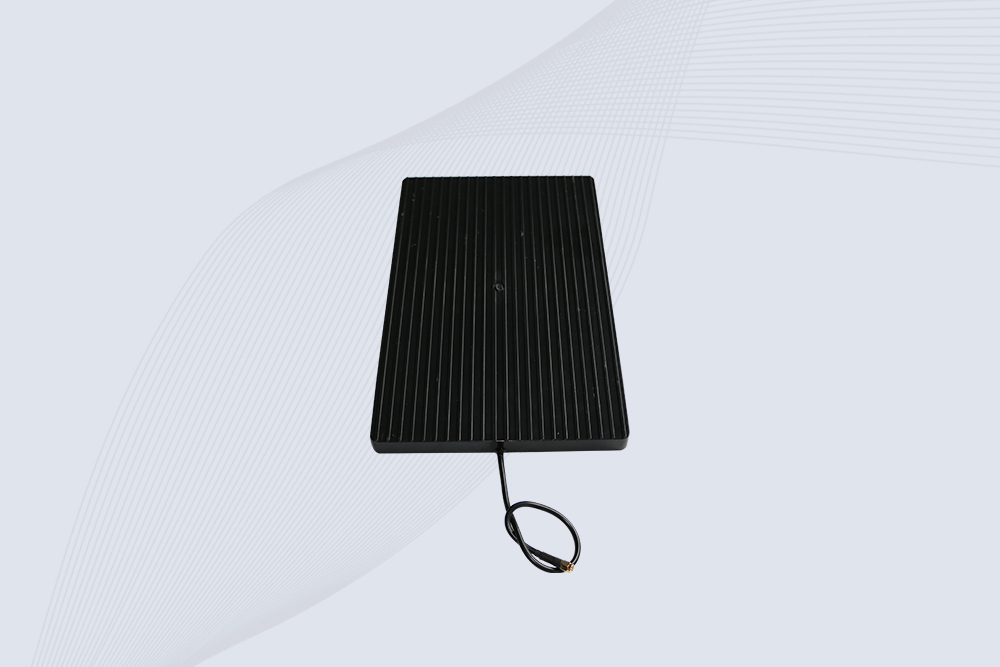
Cykeo’s CYKEO-A9B High Gain RFID Antenna delivers 15m+ read range with 9dBi amplification. Features IP54 rugged design, 840-960MHz bandwidth, and 80° beamwidth for warehouse/manufacturing RFID systems.

Cykeo’s enterprise-grade 8dbi Impinj RFID Antenna 10m+ read range with 840-960MHz tuning. Features IP65 housing, 1.4 VSWR, 35° beamwidth for retail/warehouse RFID systems.
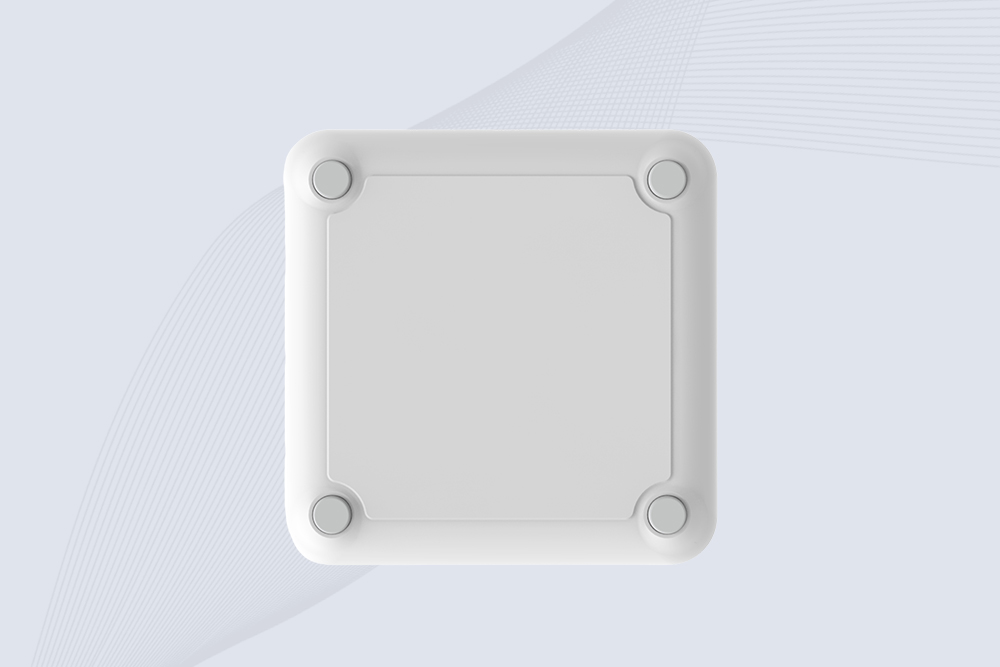
Cykeo CYKEO-A9 industrial UHF RFID antenna delivers 9dBi gain, 840-960MHz frequency range, and IP65 protection for warehouse/logistics/retail RFID systems. Features N-type connector and ≤1.3:1 VSWR.
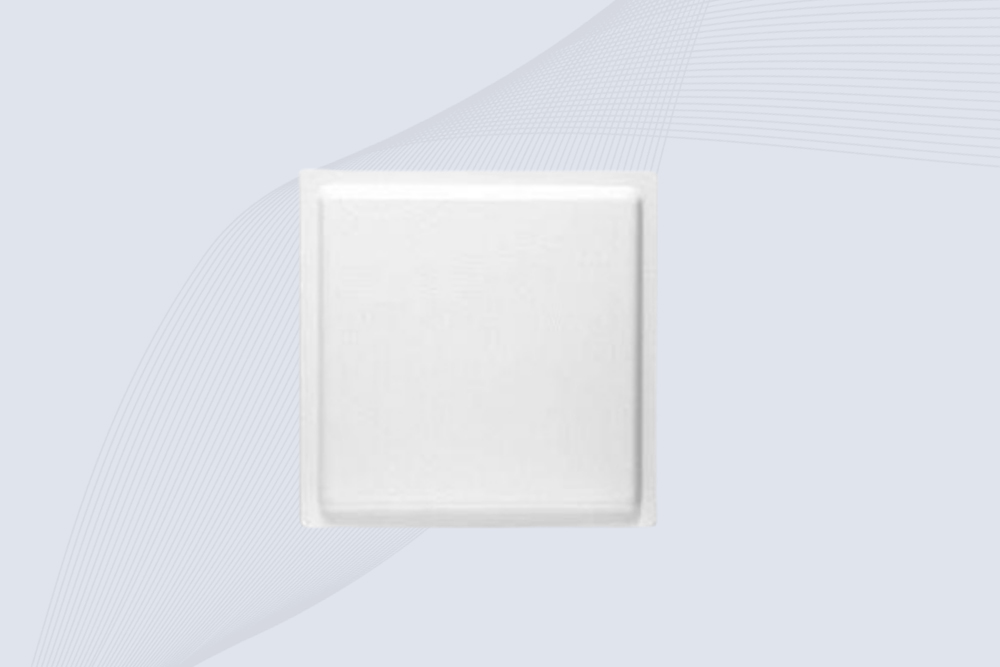
CYKEO UHF RFID Antenna built for long-distance and industrial applications. This antenna rfid uhf delivers strong gain, outdoor durability, and reliable tag performance in warehouses, yards, and vehicle ID systems.
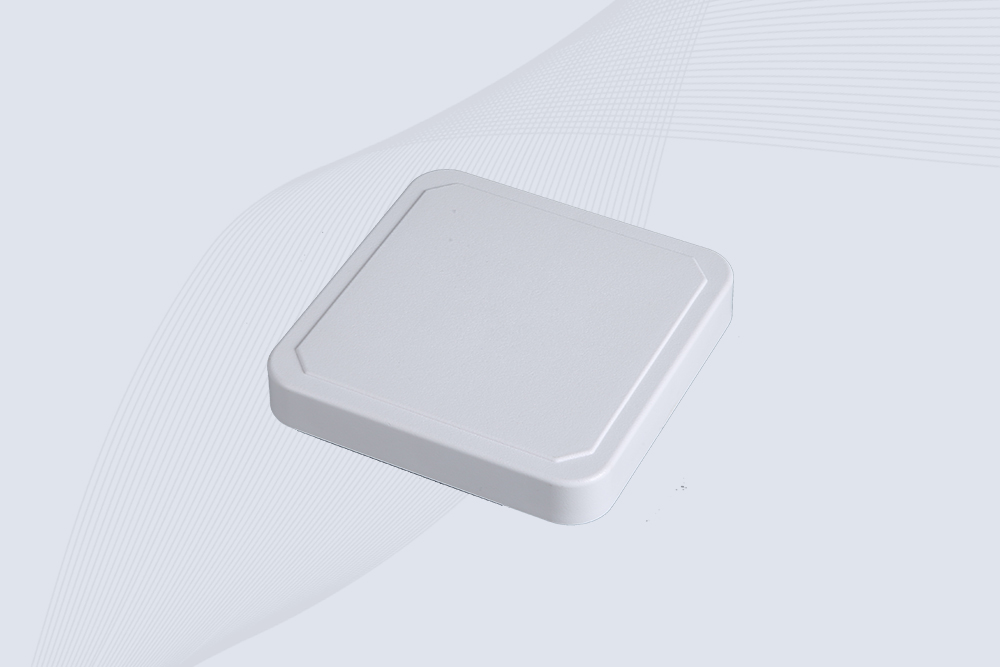
CYKEO Antenna RFID delivers reliable long-range UHF performance in warehouses, retail shelves, and cold-chain environments. This compact uhf rfid antenna provides stable reads with circular polarization and ultra-wide 840–960 MHz support, ideal for industrial tracking, smart shelves, and asset monitoring.
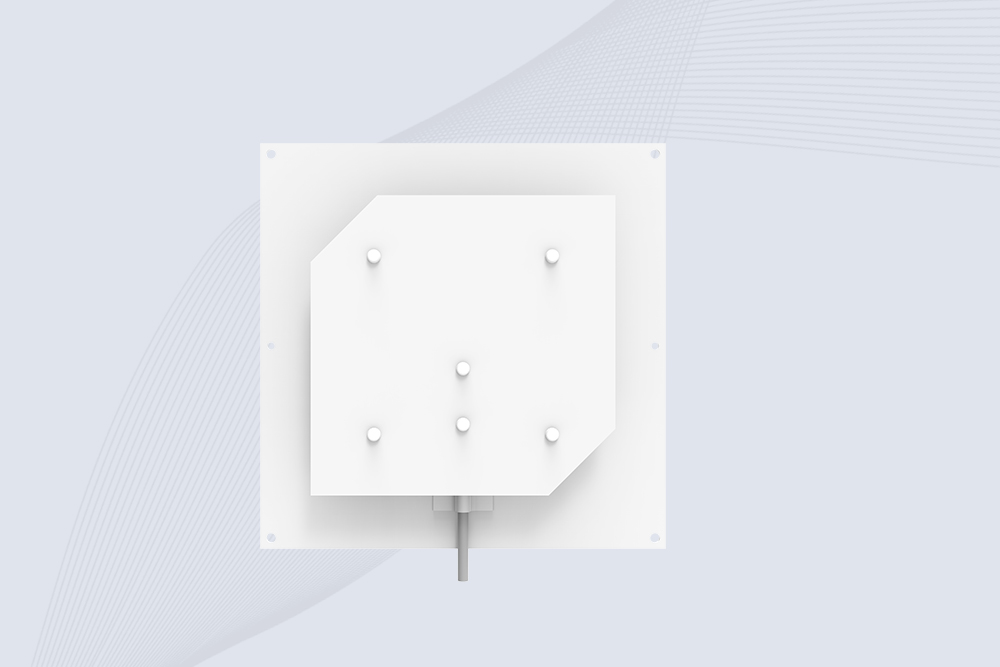
Cykeo’s CYKEO-C8 UHF RFID antennas delivers 8dBi gain, 840-960MHz full-band coverage, and IP65 ruggedness for manufacturing/warehouse RFID systems. Industrial RFID Antennas Features
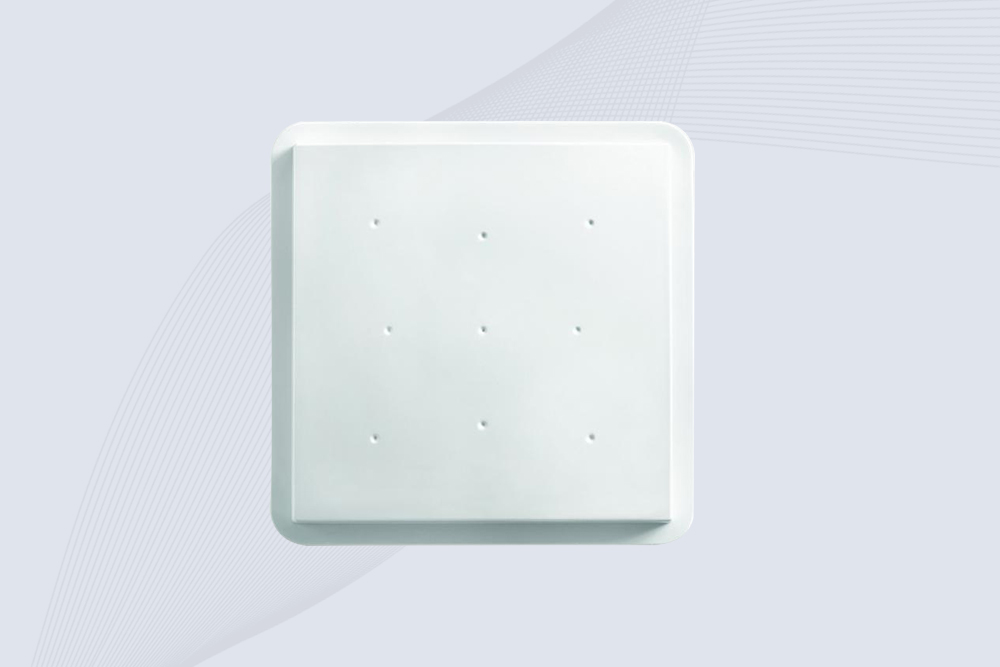
Cykeo’s 8dBi UHF RFID antenna and reader kit delivers 10m+ range, 840-960MHz broadband, and IP65 ruggedness for factories, warehouses, and logistics. ISO 18000-6C & EPC Gen2 certified.
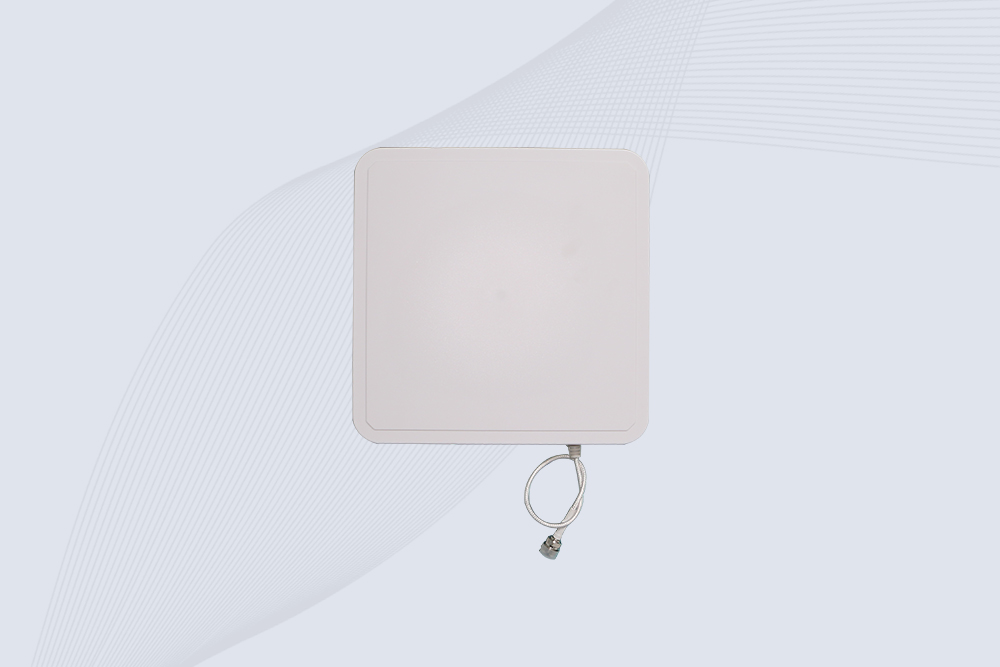
Cykeo CYKEO-A9A industrial UHF RFID reader and antenna kit delivers 10m range, 500 tags/sec, IP65 ruggedness for manufacturing/logistics. Supports EPC Gen2, ISO18000-6C.
Cykeo’s CYKEO-A12C UHF Large RFID Antenna delivers 12dBi gain, 840-960MHz global frequency, IP65 ruggedness for logistics/warehousing/automotive. 40° beamwidth ensures stable 15m+ tag reads.

CYKEO Near Field RFID Antenna provides precise 5–30 cm reading for shelves, cabinets, and workstations. This compact rfid shelf antenna delivers stable short-range performance around metal and clutter, ideal for pharmacies, libraries, and electronics sorting.
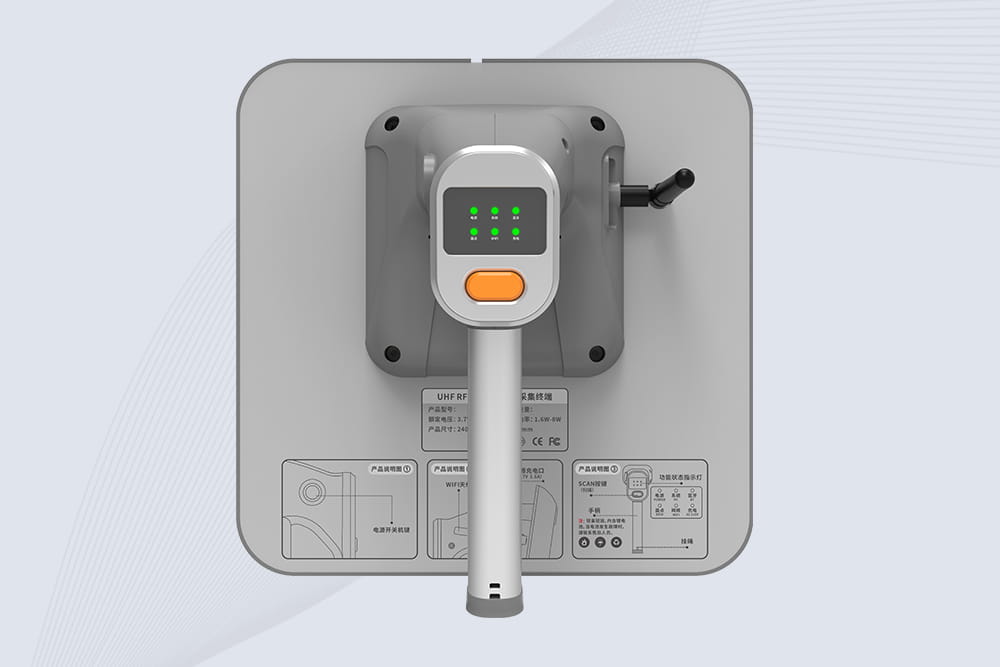
Cykeo CYKEO-B9 UHF Bluetooth handheld RFID scanner features 12m UHF range, 200+ tags/sec scanning, IP67 rugged design for retail/warehouse/pharma. Supports Android SDK & real-time Bluetooth 5.0 transmission.
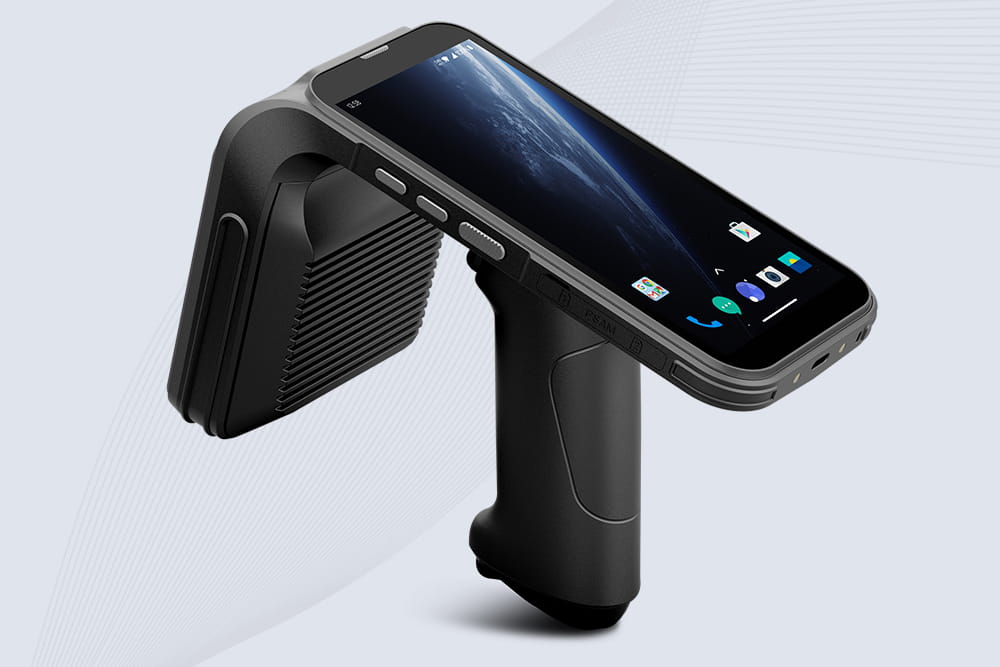
Cykeo CYKEO-B4 UHF Handheld RFID Reader scanner delivers 1300 tags/sec reading, 30m UHF range, and 12-hour battery life. IP65 rugged design with barcode/NFC/ID scanning for retail/manufacturing/logistics.
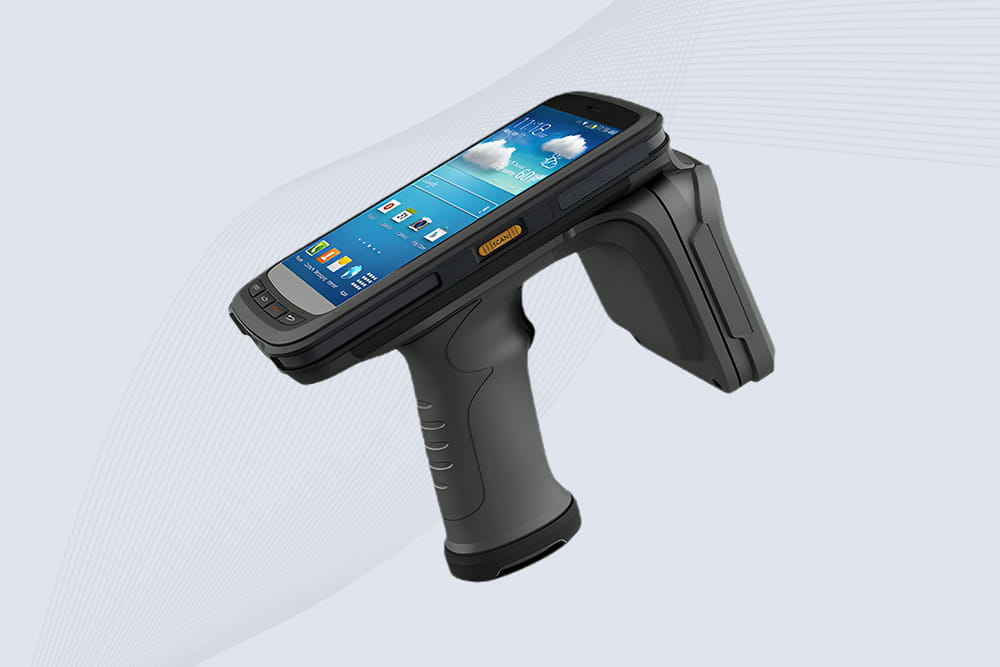
Cykeo CYKEO-B2 industrial UHF RFID handheld offers 10m range, 500 tags/sec scanning, Android 11 OS, and IP65 rugged design for retail/warehouse/manufacturing.
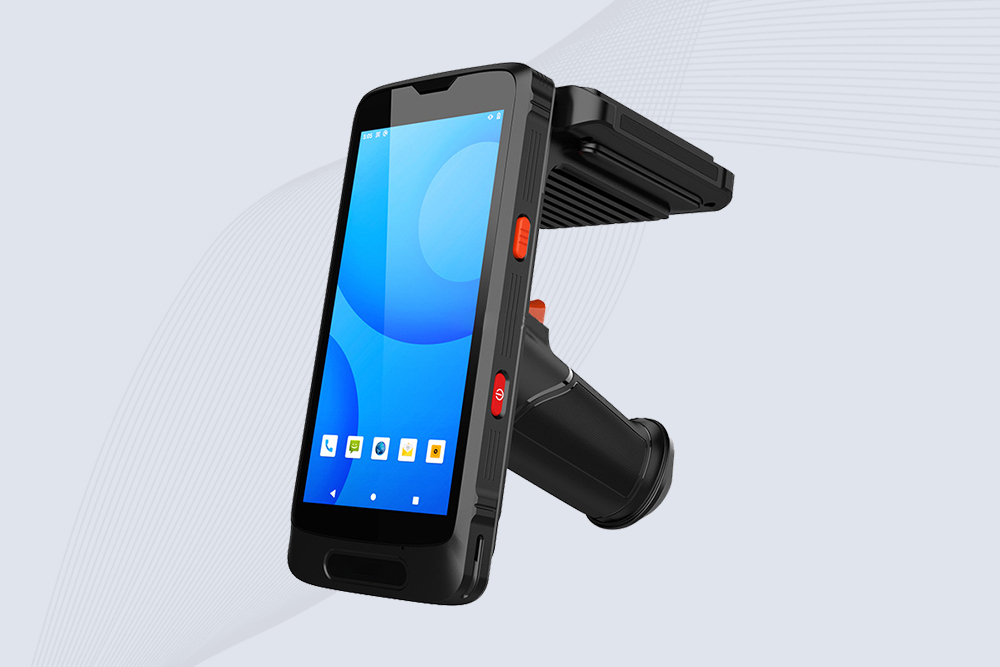
Cykeo CYKEO-B3 industrial RFID Reader Handheld, terminal offers 2m read range, multi-protocol scanning (NFC/barcode/ID), Android 10 OS, and IP65 ruggedness for logistics/retail/manufacturing.
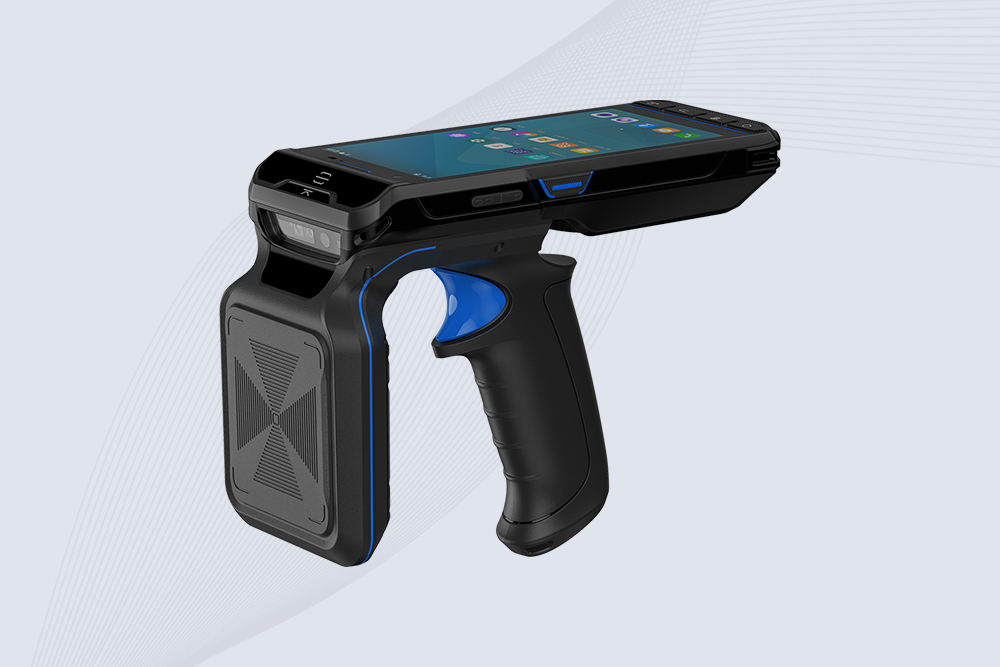
Cykeo CYKEO-B3L industrial handheld UHF RFID Reader terminal features 20m read range, 500 tags/sec scanning, Android 13 OS, 12-hour battery for logistics/retail/manufacturing. Supports barcode/NFC/ID reading.
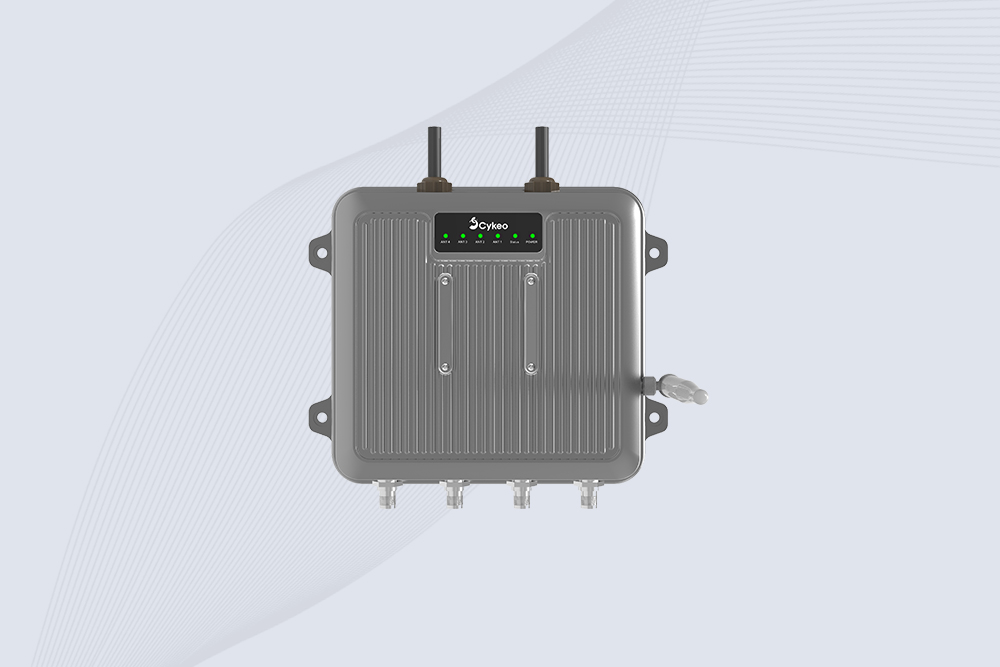
Cykeo CYKEO-C1 industrial Forklift RFID Reader features 20m read range, 600 tags/sec scanning, Impinj R2000 chipset, and IP67 rugged design. Ideal for warehouse logistics and manufacturing. Supports ISO 18000-6C/6B protocols.
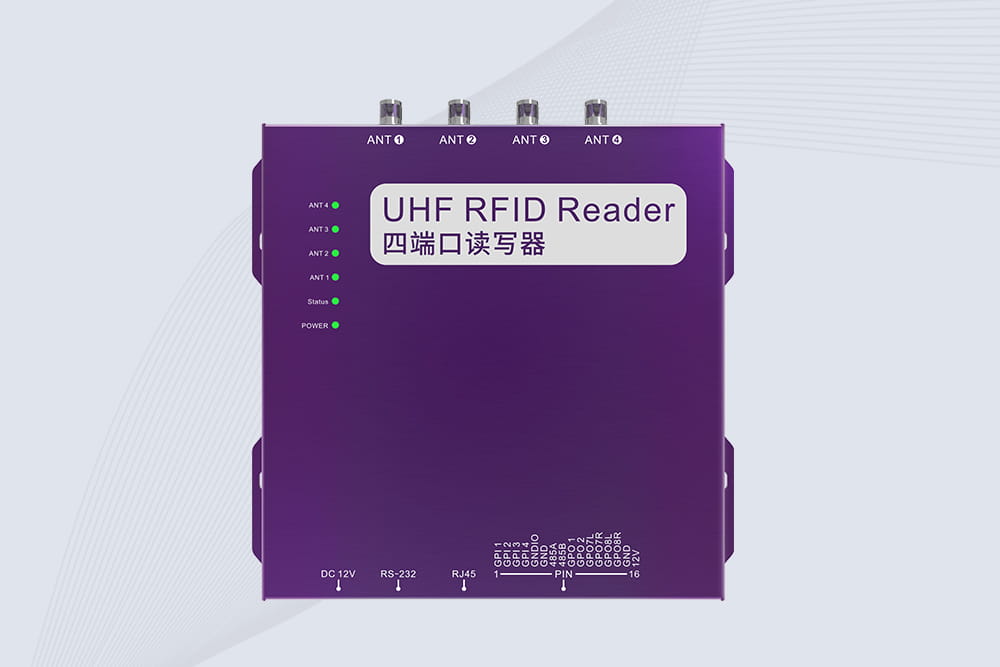
Cykeo CYKEO-R4 industrial UHF RFID Fixed Reader features 4 TNC ports, 400+ tags/sec speed, IP67 housing, and global frequency compliance for vehicle inspection, smart warehouse, and asset management systems.
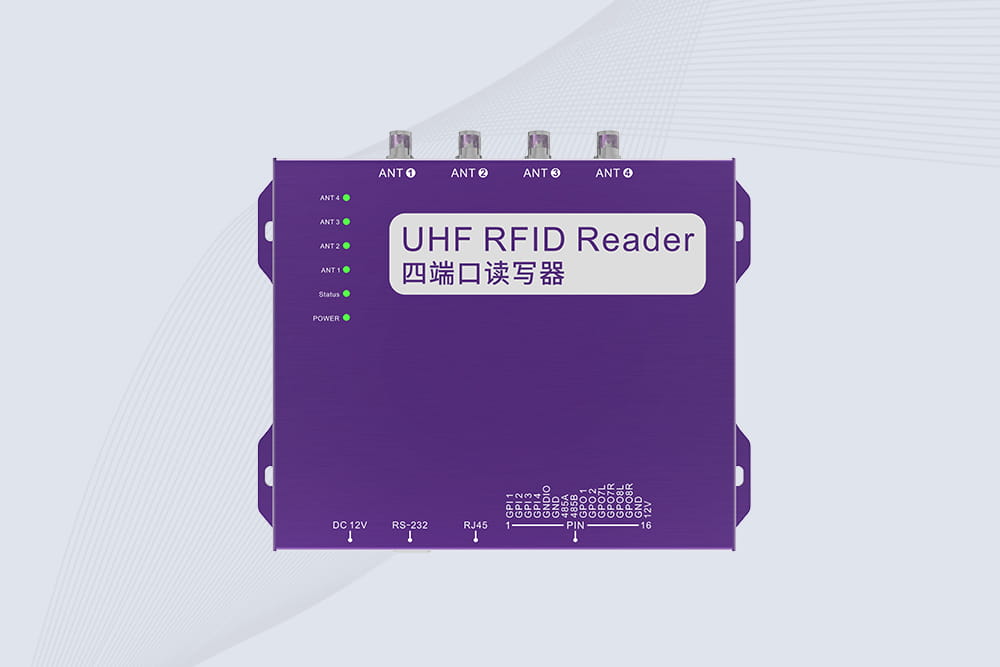
Cykeo’s CYKEO-R4L 4-port Fixed UHF RFID Reader delivers 400 tags/sec scanning, ISO 18000-6C compliance, and IP65 protection. Ideal for warehouse automation, manufacturing WIP tracking, and logistics management.
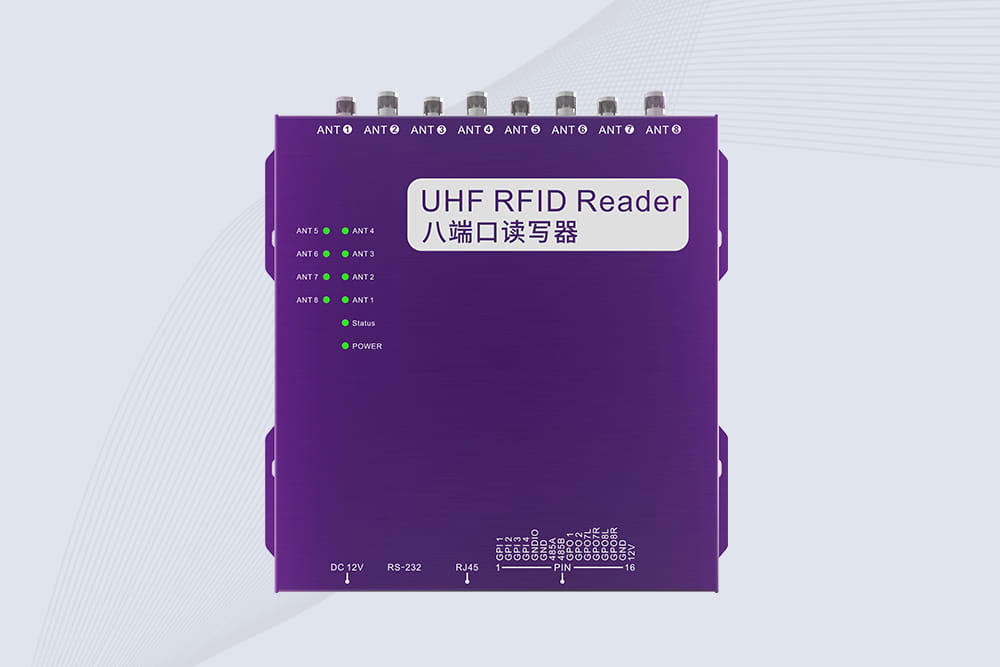
CYKEO CYKEO-R8L Fixed RFID Reader with 8-port UHF design, Impinj-based RF core and up to 20m read range. An industrial Fixed RFID Reader for vehicle inspection, warehouse portals, smart manufacturing lines and secure access checkpoints.
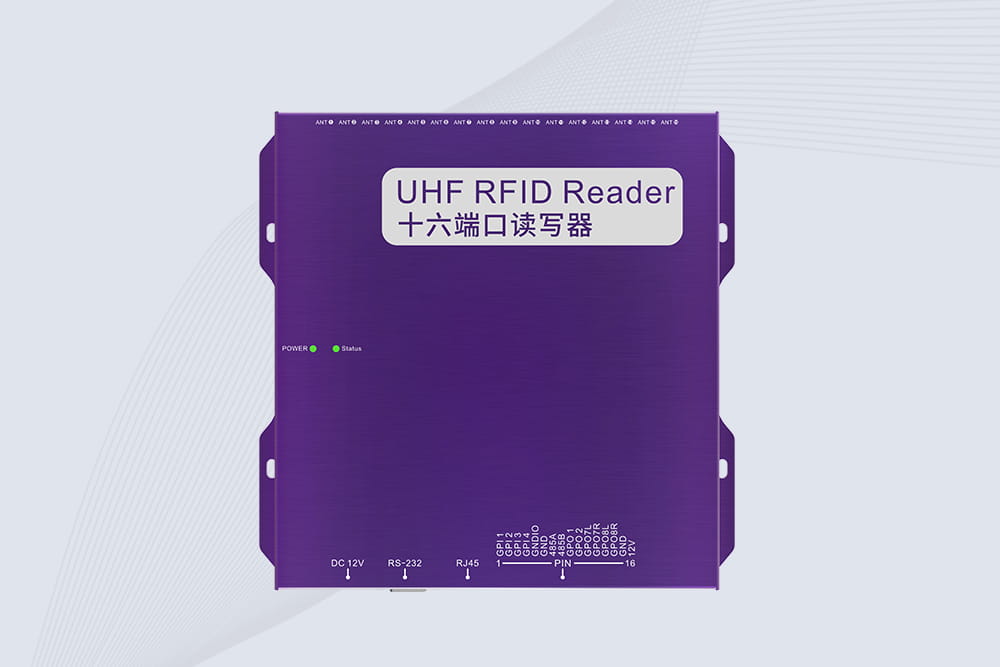
RFID Fixed Reader from CYKEO – the CYKEO-R16L 16-port UHF fixed reader for warehouses, smart cabinets, and production lines. Long-range, multi-tag reading, stable performance for 24/7 industrial use.
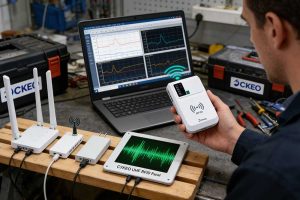
Trying to save costs? Discover why asking "can any antenna be used for RFID" is risky and learn the critical factors for RFID antenna compatibility and performance.
More
Learn step-by-step how to integrate RFID handheld scanners with ERP systems for real-time inventory updates, asset tracking, and streamlined operations.
More
Learn how to integrate RFID systems with SAP for seamless real-time inventory updates. Discover Cykeo’s solutions to automate data flows and reduce errors.
More
Learn proven techniques to eliminate RFID signal interference caused by metal, liquids, or wireless devices. Optimize antenna placement and frequency settings for reliable reads.
More