 Cykeo RFID IoT Solution Products R&D Manufacturer






How to Read RFID Card in Android
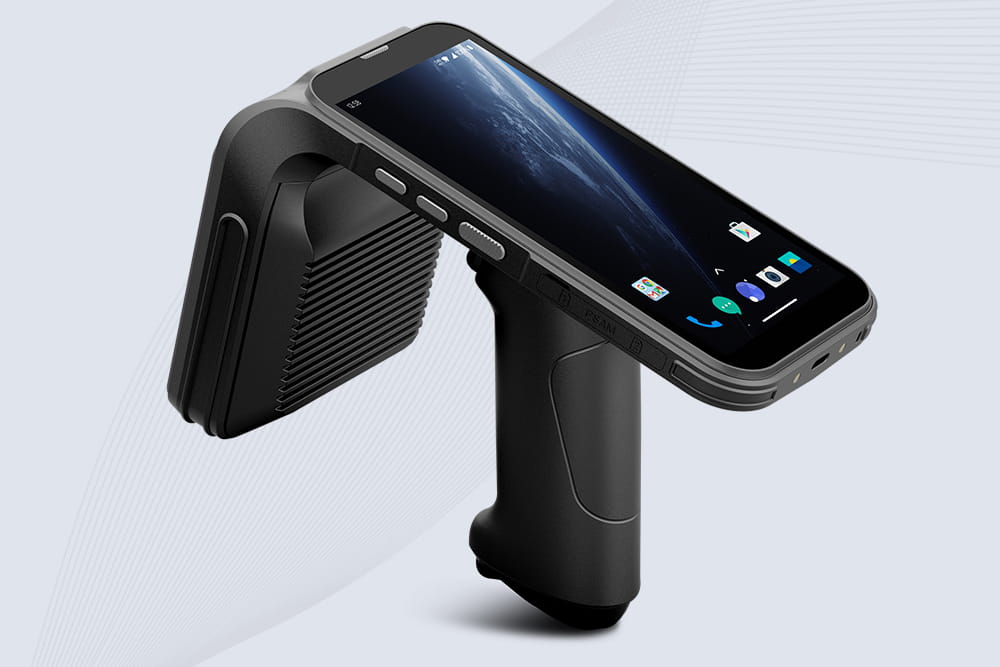
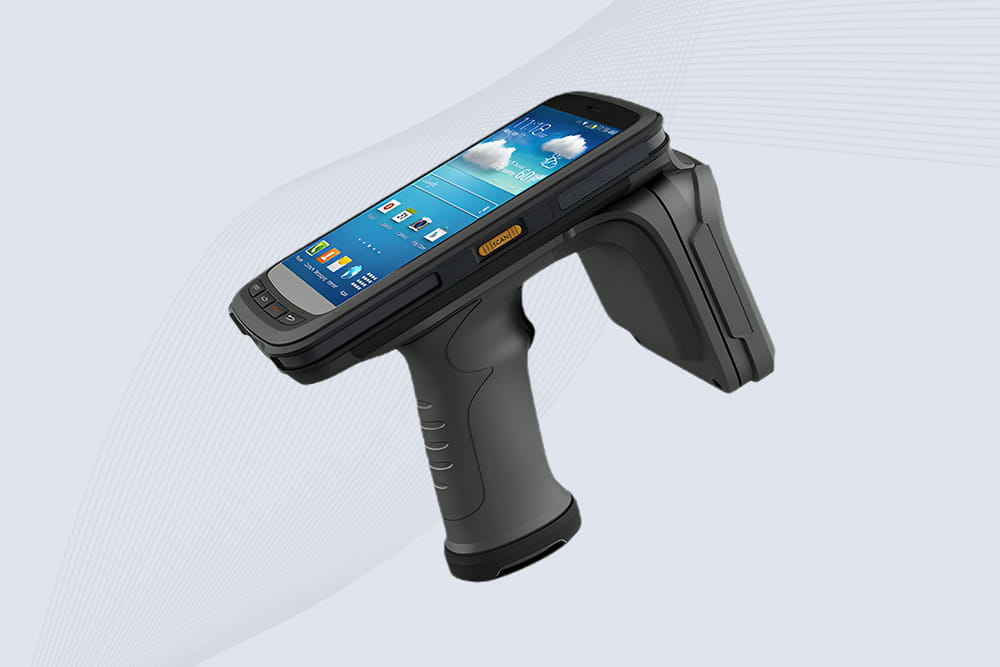
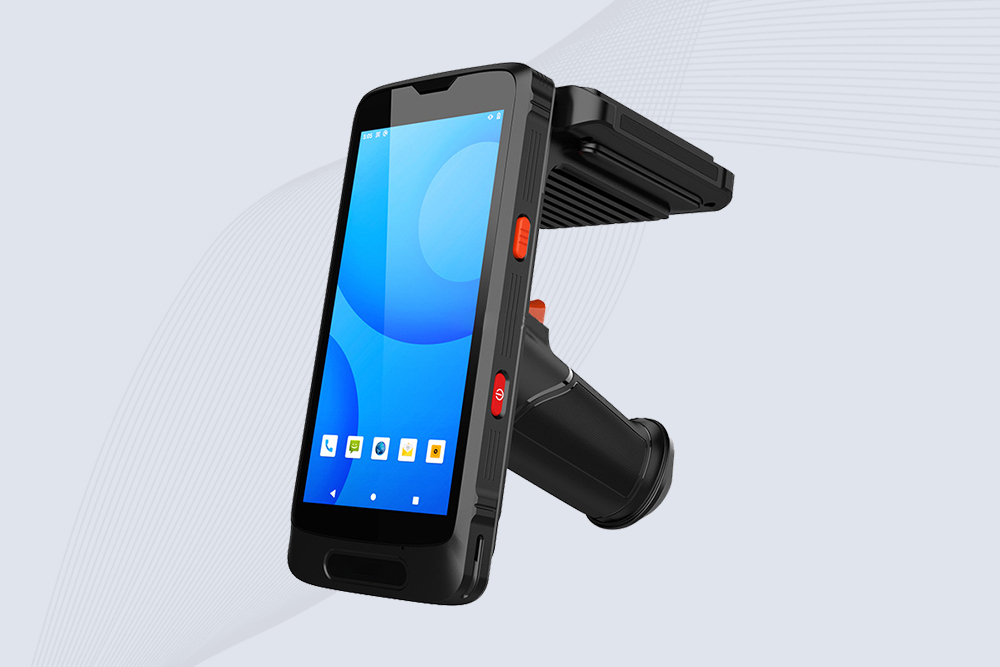
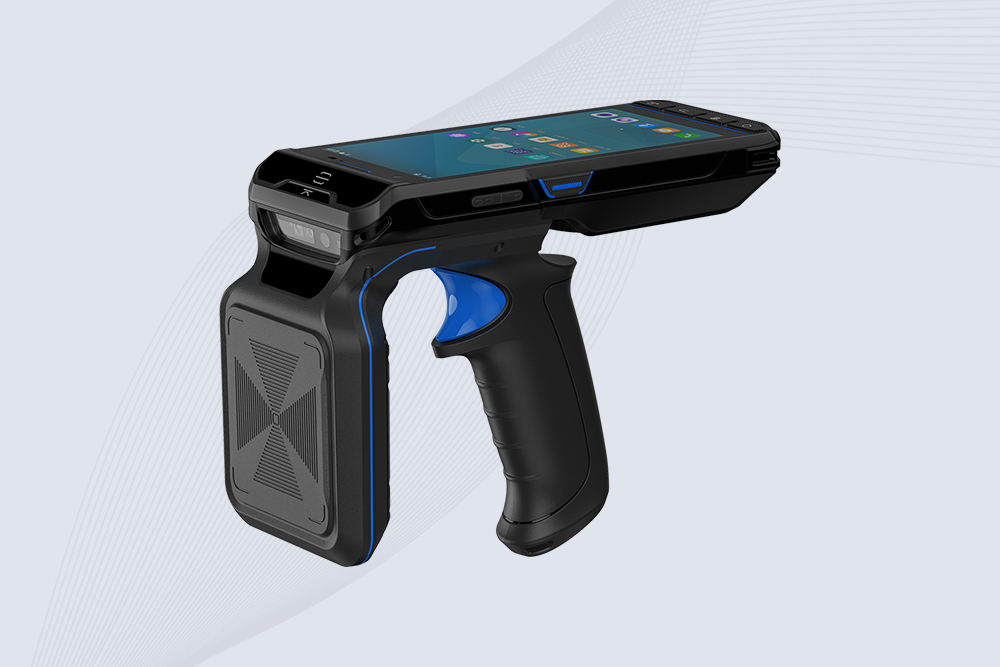
7Need to know how to read RFID card in Android? We explain the two paths: using phone NFC for basic reads & connecting to professional UHF readers via CYKEO’s SDK.
MoreAll RFID Product
When people ask me “RFID vs NFC — which one should I pick?”, my first instinct is to ask back: Where’s your bottleneck — is it transaction speed, read range, or just pure cost per unit?
Because honestly, most blog posts out there oversimplify it into:
Both RFID (Radio Frequency Identification) and NFC (Near Field Communication) are cousins in the contactless family — they use electromagnetic fields to exchange data.
But specs on paper rarely tell you that in a real dock-side receiving area in Yiwu, with 14 pallets on a forklift, your NFC reader will basically give up after the second box.
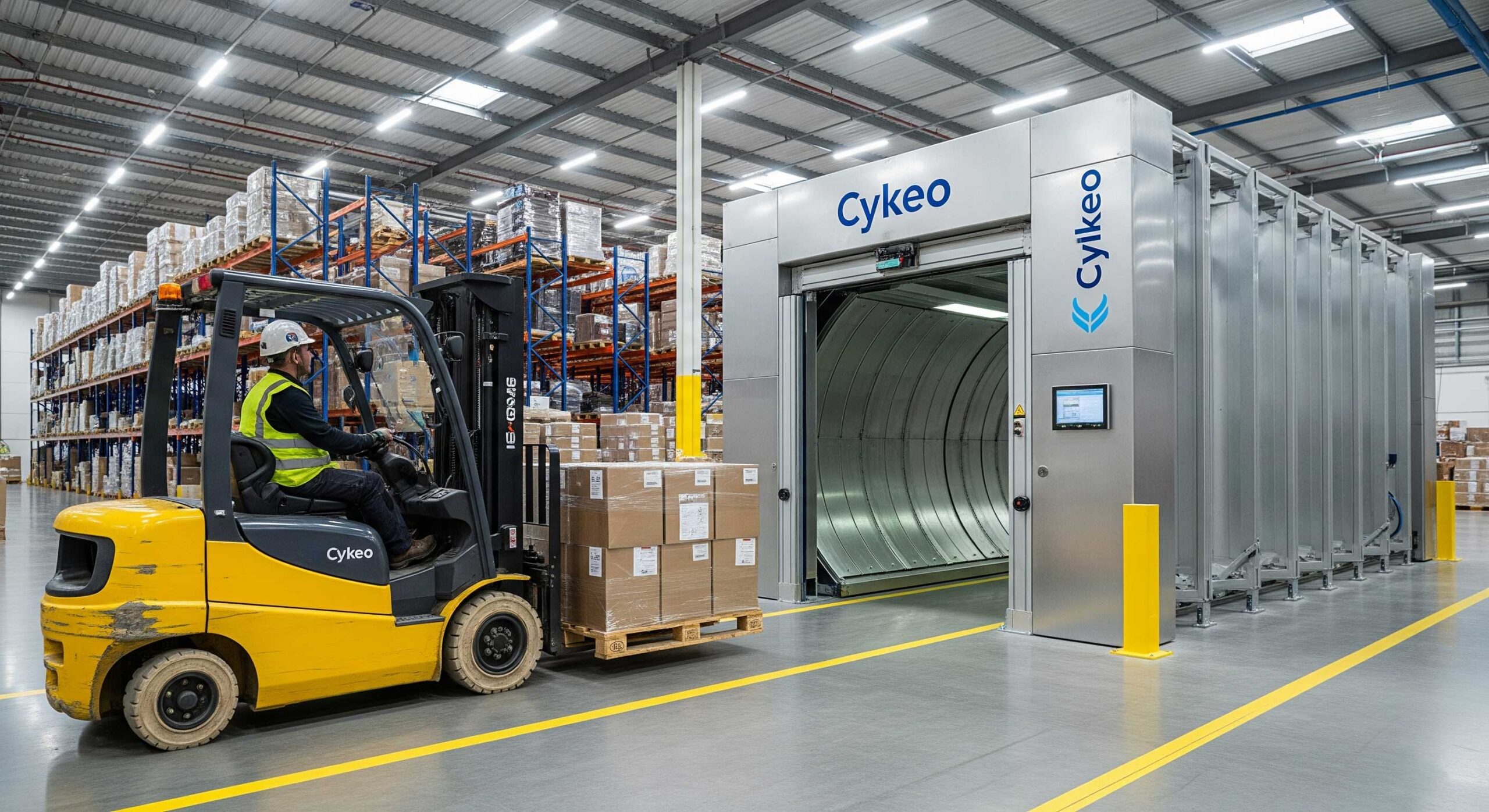
I’ve been in projects where Cykeo’s UHF RFID tunnel readers replaced manual barcode scans in a garment factory.
Numbers looked like this:
NFC just isn’t built for that volume. Yes, it’s secure and reliable for point transactions, but for supply chain — you need throughput. RFID can read 300–500 tags in one pass, even if some are hidden in cartons.
And I’ll admit — sometimes RFID overreads.
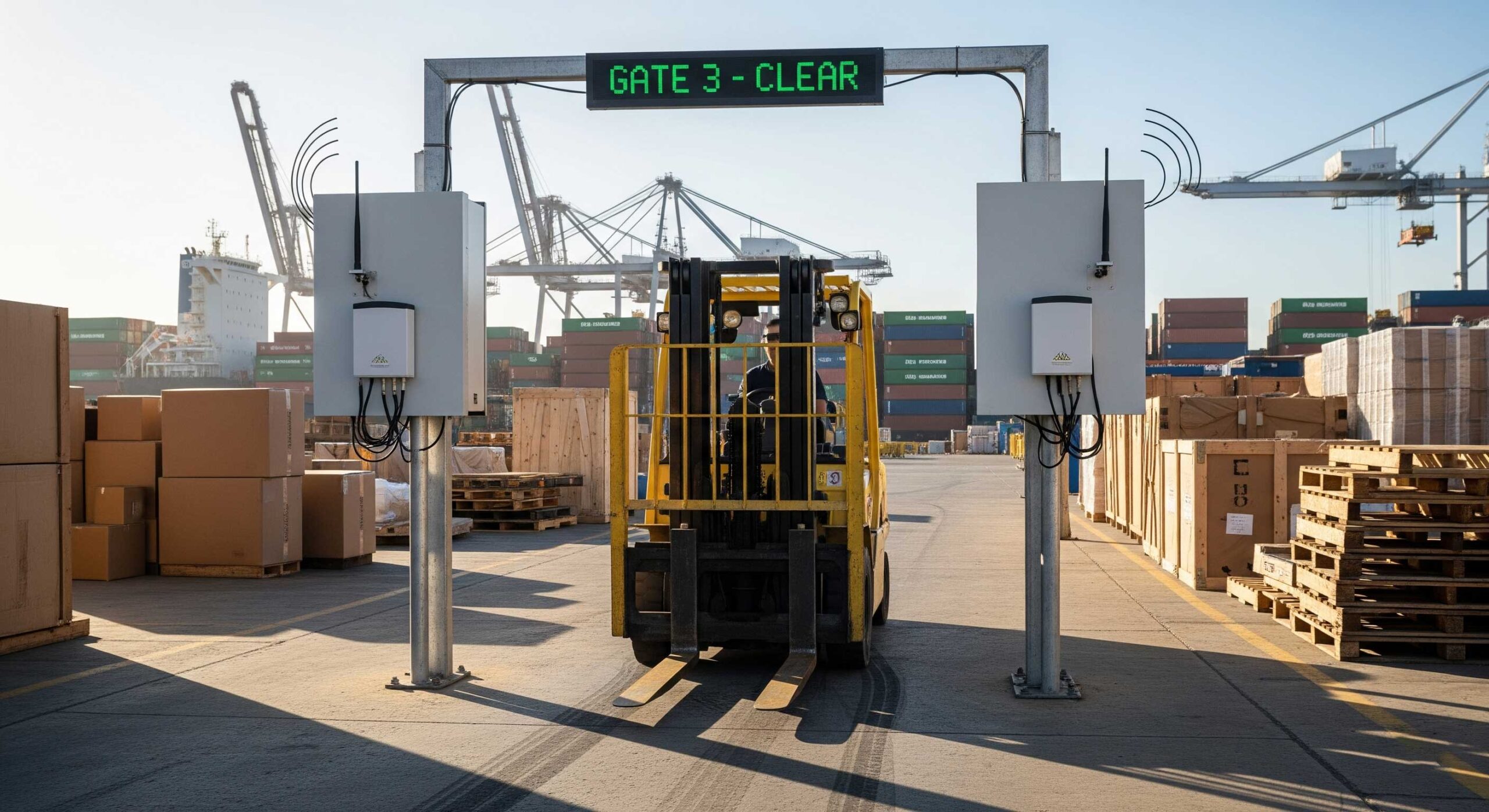
Cykeo’s engineers once had to set up shielding panels in a client’s Shenzhen distribution hub because the dock door reader was picking up tags from goods still in the staging area 7 meters away.
This is where fine-tuning power levels, antenna orientation, and even tag placement (left sleeve seam on garments works better than collar) comes into play. NFC, with its short range, never has that problem.
If you’re running a boutique store in Paris and only need to authenticate 200 handbags a day, NFC tags at €0.15 each + phone-based readers make sense.
But if you’re in a 40,000 m² warehouse in Rotterdam, you’ll burn that budget in labor hours if you skip RFID.
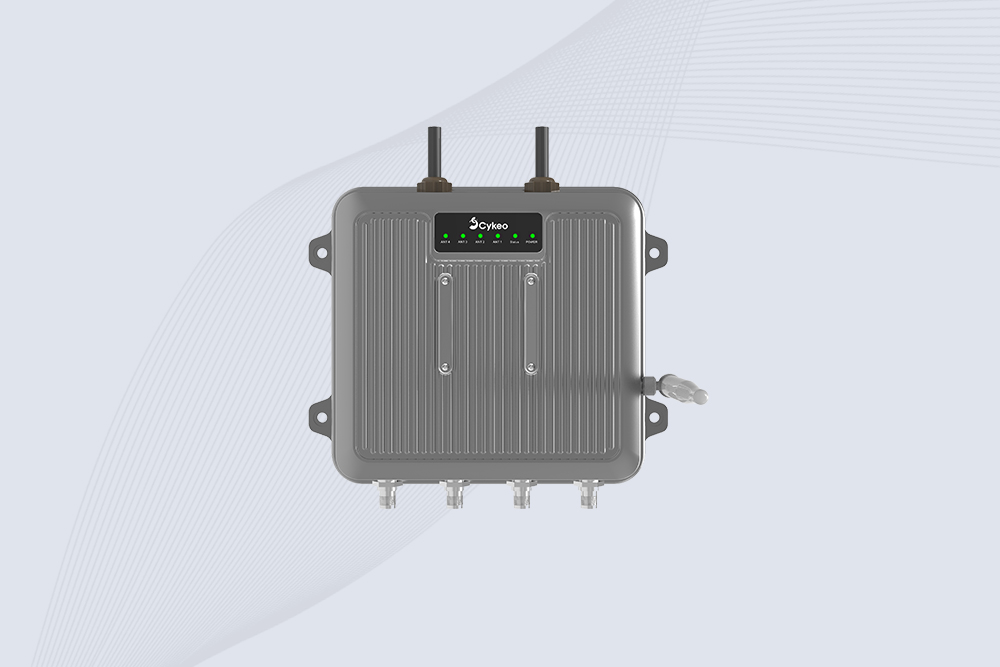
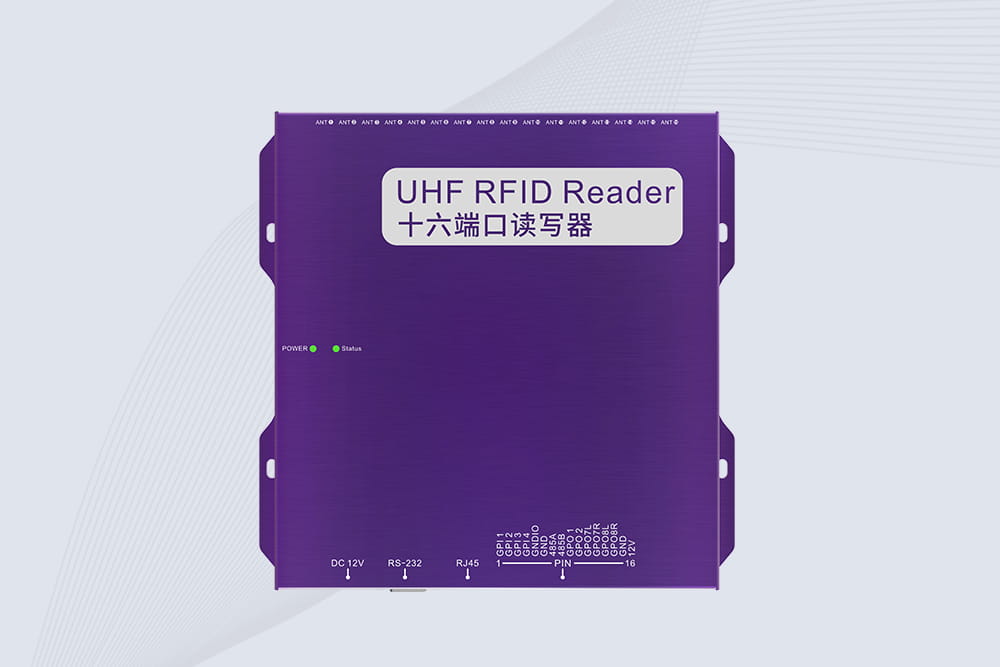
Cykeo’s UHF readers, like their C900 fixed reader paired with panel antennas, can be integrated with WMS via standard REST APIs. It’s not plug-and-play like swiping a phone, but once it’s set up, the ROI is obvious.
If NFC is a handshake, RFID is a crowd scan.
You don’t use a handshake to count people in a stadium — same logic here.
For asset tracking, inventory management, production lines — go RFID.
For payments, customer interaction, secure access control — go NFC.
And if you’re tempted to “use both,” I’d say: do it only if you have a marketing or UX reason, not because you’re afraid of choosing wrong.
Quick Comparison Table
| Feature | RFID (UHF) | NFC |
|---|---|---|
| Typical Range | 3–10 m | 2–10 cm |
| Read Speed | 300+ tags/sec | 1 tag at a time |
| Best For | Warehousing, logistics, production | Payments, single-item authentication |
| Hardware Cost | Higher upfront, lower long-term | Low upfront, higher labor cost |
| Scalability | High | Low to medium |
Project: Cykeo RFID-enabled warehouse upgrade, Milan, Italy
Setup:
Need to know how to read RFID card in Android? We explain the two paths: using phone NFC for basic reads & connecting to professional UHF readers via CYKEO’s SDK.
More
Get a clear answer to how far can RFID be read. We break down the real ranges for LF, HF, and UHF systems and what factors actually affect reading distance.
More
This article shares real-world experiences from hotels in Los Angeles and New York, exploring the practical implementation of RFID key card systems, efficiency improvements, common pitfalls, and security risks, revealing hotel operators’ hands-on ...
More
Discover how RFID tags are transforming surgical instrument management — improving tracking accuracy, sterilization traceability, and operating room efficiency while reducing human errors and costs. Learn the key requirements, challenges, and real...
More