How to improve operational efficiency, reduce management costs, and optimize customer experience are key concerns for laundry service providers. RFID (Radio Frequency Identification) tags, with their outstanding technical advantages, are transforming the laundry industry and becoming an ideal solution for boosting efficiency.
What Are RFID Laundry Tags?
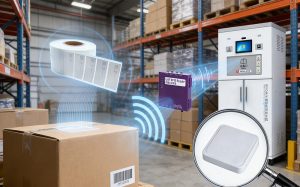
RFID tags are carriers of a non-contact automatic identification technology that uses radio frequency signals. They consist of a tag, a reader, and an antenna. The working principle is that the reader emits radio frequency signals, and when the tag enters the magnetic field, it sends out the stored information from its chip by harvesting energy from the induced current—or actively transmits a specific frequency signal. The reader then receives and decodes the information, which is sent to a central information system for data processing.
RFID tags used in the laundry industry typically have features such as water resistance, high-temperature tolerance, and wear resistance, allowing them to withstand the harsh conditions of the laundry process.
Why Does the Laundry Industry Need RFID Tags?
Traditional laundry services face many management challenges, such as low efficiency in sorting clothes, frequent mix-ups, time-consuming inventory checks, and difficulties in tracking customer garments. For laundry businesses, these problems affect both service quality and operational efficiency and may lead to customer loss.
Take hotel linen cleaning as an example: a medium-sized hotel handles a massive volume of bed sheets and towels daily. Manual sorting is prone to errors. By using RFID tags, fast and accurate identification and sorting of laundry items can be achieved, with sorting efficiency increasing by more than 70%. Additionally, as traceability and management requirements for textiles become more stringent, RFID tags can effectively meet these needs and enhance the company’s competitiveness.
Core Advantages of RFID Tags in the Laundry Industry
Precise and Efficient Garment Tracking: Once an RFID tag is attached to each garment or linen, its entire journey—from collection, washing, drying, and sorting to delivery—can be tracked in real time through RFID readers. Whether it’s a large laundry plant or a small laundry shop, the system ensures no loss or mix-up of clothing items, significantly enhancing customer satisfaction.
Automated Management and Reduced Labor Costs: RFID technology supports batch reading—hundreds of tags can be identified simultaneously, vastly reducing manpower and time costs compared to manual checks. Businesses can reallocate saved human resources to more valuable roles, optimizing resource utilization.
Enhanced Brand Image: By adopting cutting-edge RFID technology, companies demonstrate their commitment to quality service and technological advancement, helping build a professional and efficient brand image in the minds of customers.
How to Choose the Right RFID Tag
When selecting RFID tags, multiple factors must be considered. First is tag performance—it must function reliably in high-temperature, humid environments. Second is the tag’s size and shape, which must suit different types of garments and linens. Lastly, the read/write distance and frequency should match the specific application needs of the enterprise.
Successful Applications of RFID Tags in Laundry
A global hotel chain, after implementing RFID tag management for its linens, saw an 80% reduction in lost items, a 60% improvement in inventory efficiency, and annual labor and material cost savings worth millions of dollars. Another company specializing in garment cleaning adopted RFID tags and secured long-term contracts with several internationally renowned brands, resulting in significant business growth. These cases fully demonstrate the immense value of RFID tags in the laundry industry.
RFID tags are undoubtedly key to enhancing competitiveness and achieving efficient development. Whether optimizing internal processes or meeting high customer standards, RFID tags can play a crucial role. Choosing the right RFID tag solution will unlock broader market opportunities and help businesses stand out in the competitive laundry sector.
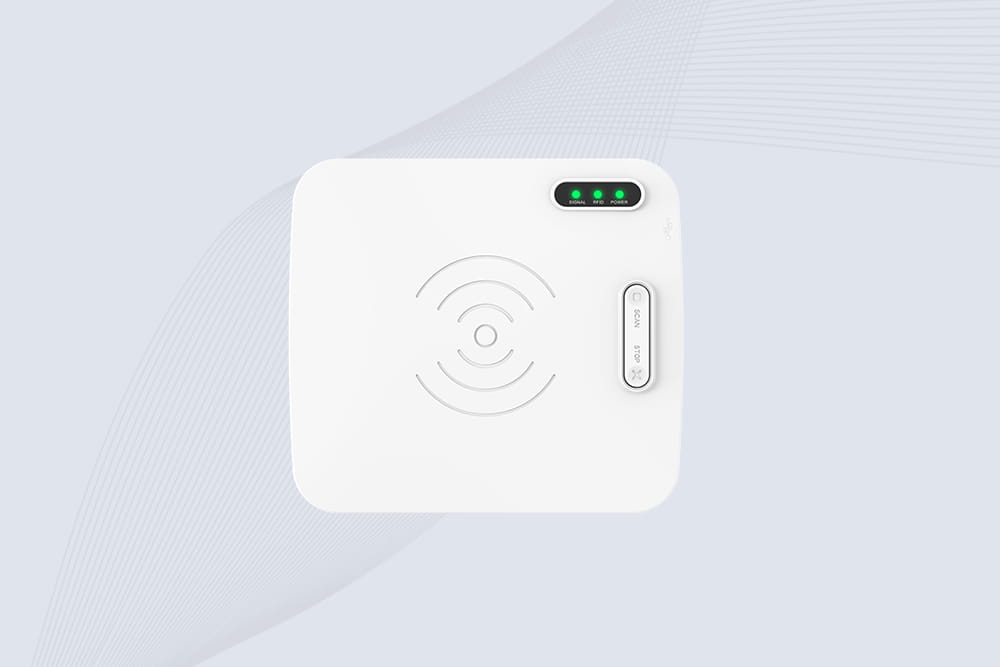
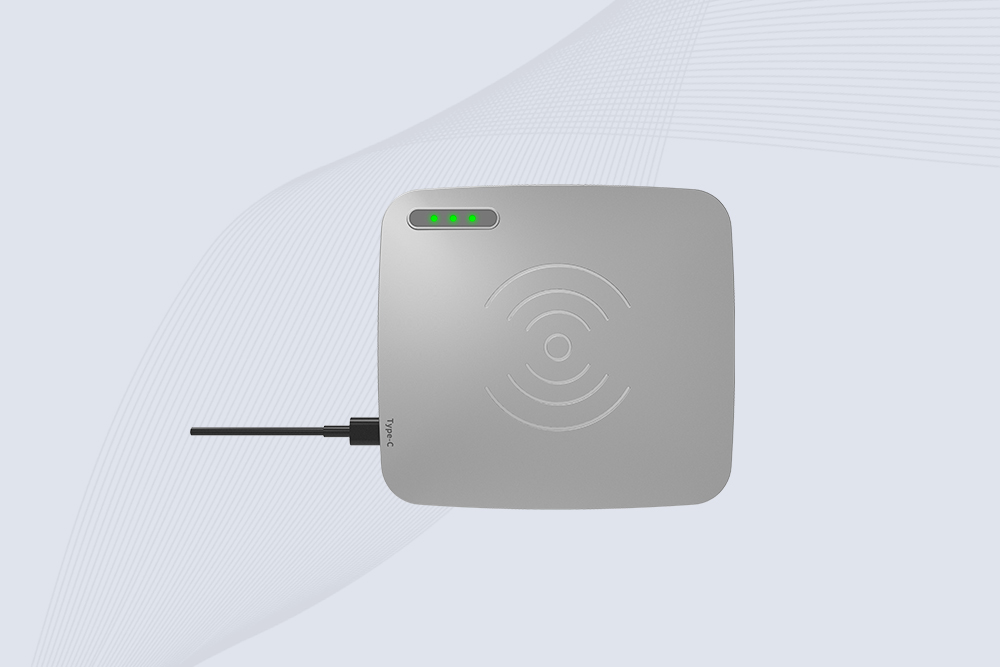
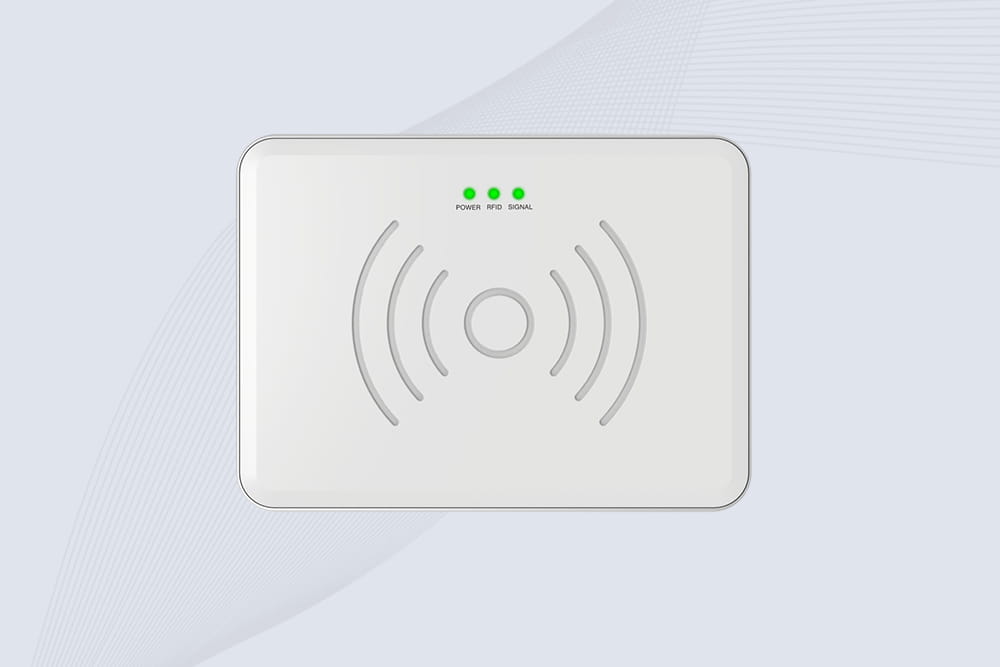
CYKEO CYKEO-D1LA USB RFID Reader is a compact desktop solution with near-field control for precise tag reading and encoding. Powered by USB, supporting ISO 18000-6C, and built for stable batch writing, this usb rfid tag reader fits retail, libraries, offices, and controlled RFID encoding tasks.
CYKEO CYKEO-D1L RFID scanner USB is a compact desktop UHF RFID scanner designed for short-range tag writing and verification. This usb rfid scanner supports batch encoding, stable 0–26 dBm output, and works across Windows, Linux, and Android systems.
CYKEO CYKEO-D1C USB RFID Card Reader is a near-field UHF desktop writer designed for secure, short-range tag encoding. With USB-C connectivity and stable 26 dBm output, this rfid reader usb c is ideal for badge issuance, label encoding, and controlled desktop RFID workflows.
CYKEO CYKEO-D2L RFID Reader USB is a compact desktop encoder built on the Impinj R500 chip. With near-field control and stable USB power, this usb rfid card reader delivers precise tag writing for offices, retail counters, and small-scale logistics encoding tasks.
The customer raised the problems and requirements for RFID Gate Reader products. We listen to the customer's answers about the environment in which the product is used. Give each other all opinions to each other about the project si...
Explore how RFID scanner devices work, including handheld UHF RFID readers, their uses in inventory management, asset tracking, and access control. Learn how to integrate RFID scanners into your operations effectively.
how RFID tags work, practical methods to test them using phones or dedicated readers, and their industrial applications. Learn about HF/NFC, UHF, and bulk RFID tag solutions for warehouses, access control, and asset tracking.
 Cykeo RFID IoT Solution Products R&D Manufacturer