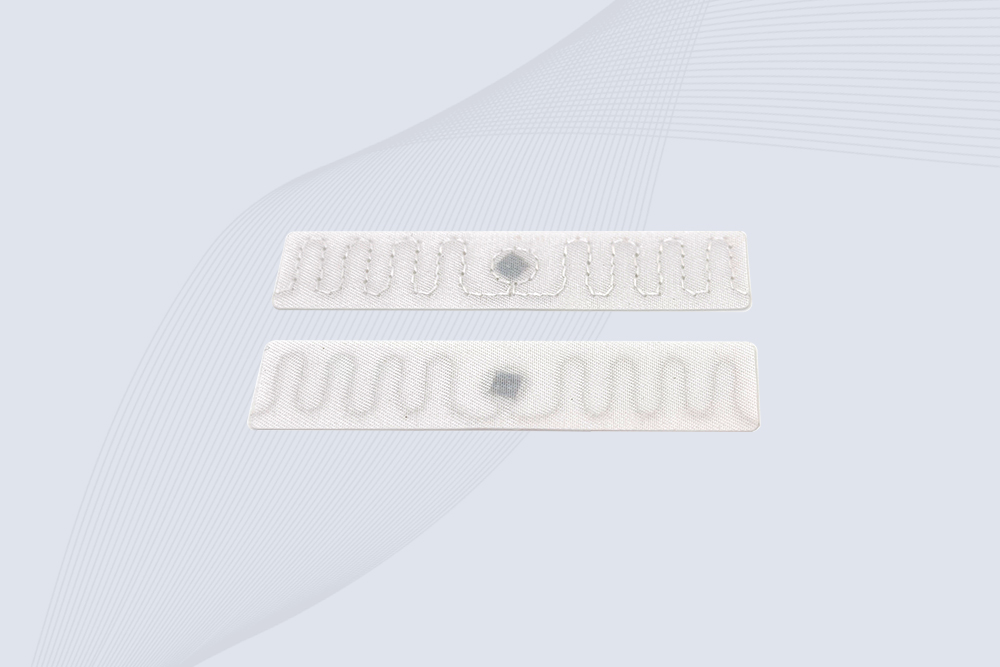
An RFID tag key fob is a small, handheld RFID credential designed for access control. You tap it, wave it, or walk past a reader — and a door opens, a gate unlocks, or a system logs your entry.
That sounds simple.
In real life, it’s a bit more nuanced.
What exactly is an RFID tag key fob?
An RFID tag key fob is a passive RFID device sealed inside a durable plastic or epoxy shell. It doesn’t need batteries. It doesn’t blink or beep. It just waits.
When it gets close enough to an RFID reader, it responds with a unique ID.
At CYKEO, we usually see key fob RFID tags used where cards don’t last long — keys get dropped, bumped, forgotten. Fobs survive pockets and daily abuse better.
Why key fob RFID is still popular
People often ask why key fobs haven’t disappeared.
The answer is practical, not technical.
- They’re hard to lose once attached to keys
- They’re faster than PIN codes
- They don’t need line-of-sight like QR codes
In apartment buildings, offices, gyms, and parking systems, RFID tag key fobs reduce friction. People don’t stop. They don’t think. They just move.
That behavior matters.
Common types of RFID tag key fobs
Not all RFID key fobs work the same, and mixing them up causes problems.
Most deployments fall into three categories:
- LF RFID key fobs (125 kHz) – simple, short range
- HF RFID key fobs (13.56 MHz) – common for access control
- Encrypted RFID key fobs – higher security environments
CYKEO typically recommends HF RFID key fob systems for modern access control because they balance security, compatibility, and cost.
Low-frequency fobs still exist. They’re cheap. They’re also easy to clone. That’s a tradeoff, not a feature.
How RFID key fob access control works in practice
Here’s what actually happens on site.
A user approaches a door.
The reader emits a field.
The RFID tag key fob responds.
The system checks permission.
The lock releases.
All of this takes less than a second.
When it fails, it’s usually not the fob. It’s the reader placement, interference, or outdated controller logic.
We see this mistake a lot.
Where RFID tag key fobs work best
RFID key fobs perform well in environments that need speed and repetition.
- Residential access systems
- Office entry points
- Gyms and member facilities
- Parking and gated communities
They’re less ideal for high-security zones unless combined with encryption or multi-factor authentication.
A key fob alone isn’t a security strategy. It’s a tool.
What RFID key fobs do not do well
Let’s be clear.
An RFID tag key fob does not:
- Track location in real time
- Work reliably through thick metal
- Prevent credential sharing on its own
If you need tracking, you’re looking at a different RFID category. If you need zero-trust security, you need more than a fob.
At CYKEO, we’re upfront about that. Overselling ruins systems.
Why businesses still choose RFID tag key fobs
Because they work. Quietly.
No training required. No screens. No batteries.
People already carry keys. The fob just rides along.
That kind of invisible usability is hard to replace.
Final thought
So, what is an RFID tag key fob really for?
It’s for fast, repeatable access in places where stopping to think would slow everything down. Not flashy. Not complex. Just reliable.
And that’s exactly why it hasn’t gone away.
RFID Tag Key Fob Recommended
 Cykeo RFID IoT Solution Products R&D Manufacturer